you dont. blocksize limit is already established. no bloat happening here. we need it to be censorship resistant and bip110 ruins that by introducing changes without consensus. not all tx will be good for you and that is a good thing
1
49
Bitcoin Only - Providing News & Updates retweeted

During the Blocksize Wars, did you ever consider selling everything and becoming a gold butt plug maxi?
YES OR NO?
1
2
6
116

Agreed on protocol changes. The blocksize wars showed Bitcoin is extremely resistant to rule changes.
But isnt Corys point about adoption rather than governance?
A minority may not be able to change Bitcoin but they may still be able to force the world to accommodate Bitcoin.
2
184

Jun 13
censorship resistant is more important than avoid spam in the blockchain(which cant be avoided except in a blockchain size decreace). we already set the blocksize so is not out of control
176

Jun 13
that's measuring leaves, not roots. the 91% op_return volume from alkanes mints is downstream of contract deployments, the WASM binaries in taproot reveals such. If BIP-110 catches 627/627 deployments over 60 days, the mints simply never happen. The tree dies at the root, correct if wrong, but that is what I am thinking.
so..... it's essentially the same fault line navigated in the blocksize wars. Who decides what gets filtered, and at what layer?
2
56


Jun 13
Most won’t even be able to view things on the blockchain aside from Sats flowing from A to B… the blocksize limit - „threat“ exaggerated?
1
33

For the record: I was there during the blocksize war, but i wasn't really aware of the deep implications of segwit, and didn't had a position, aside bigger blocks... i was already tricked into alts and lost faith in the Bitcoin (Core and non Core) environment. I connected the dots in 2019-20, after the BSV fork...
I'm in Bitcoin since 2012 because the UIS.world project, so i'm always looking for the best blockchain on the market... the rest should be obvious.
Money is politics! #ARMAGEDDON
1
1
21

Jun 12
You would be correct IF BTC didnt introduce Segwit & other changes. If it was just blocksize that differentiated BTC to BSV then BTC is the longest honest chain. But as soon as they altered the protocol rules, BTC ceased to be Bitcoin, which left BCH then BSV as the honest chain.
1
3
52

Jun 12
Yes the solution is make spam more costly, instead of pulling 7 different levers against the market though there’s a much simpler solution: reduce the max blocksize. Bip110 threatens accelerated UTXO bloat, think about the nodes, reject Bip110.
1
1
65

Jun 12
With respect to the contributions made by *many people* to bitcoin, would you be open to expressly giving credit to the authors of any useful improvements made to the bitcoin protocol between when Satoshi left the project and when bitcoin forked during the blocksize war?
For example, there were numerous improvements to transaction validation efficiency made during that time frame which are still (happily!) used by Bitcoin SV today.
31

Jun 12
คืนนี้ 2 ทุ่มเจอกันนะครับ
blocksize war, quantum risk, privacy coins, ไฟฟ้า, ETH, pow vs. pos, technical etc. เพชรจัดมาให้หมดแล้วใน 3 ชม. ลองคิดๆดู นี่มันยาวกว่าดูบอล 1 แมทช์อีกนะ 555555
ตอนตรวจขนาดคูณ 2 ยังต้องใช้เวลา 😂
1
1
1,983

Jun 12
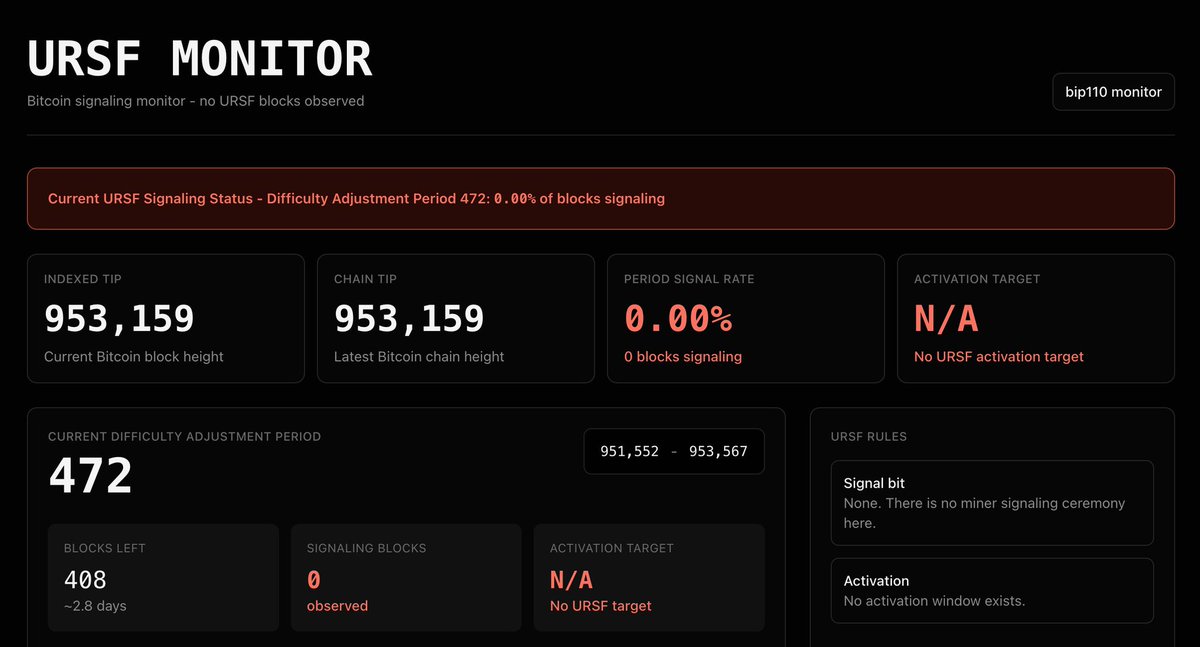
«Bitcoiners» 🤬
(BIP110 is the dumbest insanity happening to Bitcoin since the blocksize wars. And it’s just as dumb. Please fork off, assholes)

50


Agree on the premise, but Bitcoin does not have arbitrary data storage due to its blocksize limit. In fact it has less data storage than a single paid low tier personal cloud storage account provides IN TOTAL. Worse, less total upload bandwidth than a single analog modem, etc.
17