
May 22
Expressing CaCCS encoding capsanthin/capsorubin synthase in tomato increases fruit provitamin A content and yield (Jingwei Fu , Denise Tieman , Bala Rathinasabapathi) doi.org/10.1093/plphys/kiag0… @ASPB #PlantSci

1
12
757

 jennie
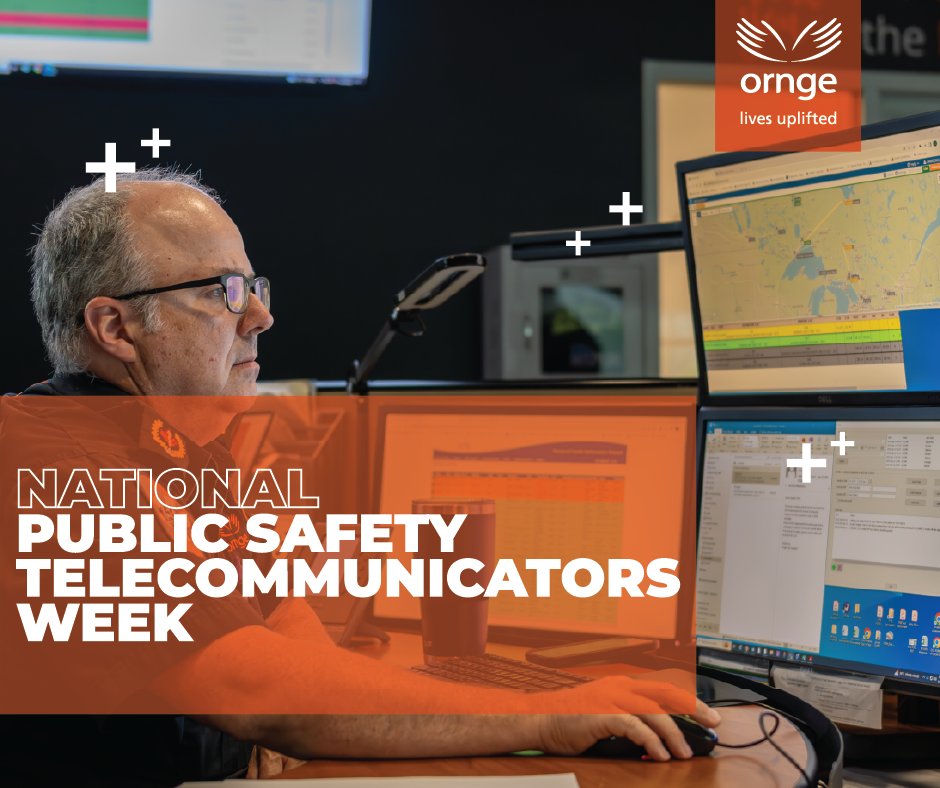
As #NationalPublicSafetyTelecommunicatorsWeek begins, we thank our OCC team. They see and touch every call and transport, they liaise with CACCs, healthcare providers and @CritiCallON, and go above and beyond to ensure our patients receive the best care.
1
3
434

NEW DISPATCH SYSTEM AIMS TO SPEED LIFE-SAVING RESPONSE IN MIDDLESEX-LONDON
The Middlesex-London Paramedic Service (MLPS) is set to implement the medical priority dispatch system (MPDS) across its operations, a move designed to significantly enhance response times for patients experiencing life-threatening emergencies.
The provincial initiative, spearheaded by the Ministry of Health, aims to standardize and improve the prioritization of emergency medical calls, with a scheduled go-live date in October 2026.
MPDS is an internationally recognized emergency medical dispatch protocol that introduces a structured and standardized call-taking process. Emergency medical dispatchers will use medically approved questioning to more accurately determine the severity of a patient’s condition, categorizing calls into priority levels to ensure the most appropriate and fastest response is dispatched.
This protocol replaces legacy dispatch codes with new medical priority classifications, focusing dispatch decisions primarily on patient acuity rather than historical practices or unit availability.
Director of MLPS Adam Bennett presented the system’s implementation plan to Middlesex County Council Tuesday afternoon, highlighting anticipated improvements.
“We’re going to see system improvements across the service as a whole,” Bennett said.
He explained that the new system allows dispatchers to ask more detailed questions, gather crucial information, and better triage and balance incoming calls. Bennett also noted how the MPDS will integrate seamlessly with specialized units, such as the recently launched Advanced Care Rapid Response units.
“Our Advanced Care Rapid Response Unit is going to fit extremely well into the MPDS system. The MPDS system is going to allow us to be able to identify specific calls that it can go to,” he said.
The union representing Middlesex-London paramedics has long advocated for dispatch system changes. Andrew Swan, president of OPSEU Local 147, expressed optimism about MPDS.
“I’m aware of other services, particularly in the Greater Toronto Area, that use MPDS. And, from everything I’ve heard about it, it’s going to be a very positive change for us,” Swan said.
He recalled instances where lower priority calls inadvertently diverted crews from more serious situations, leading to unacceptable delays for critical patients.
“I’ve done that call where I’ve heard the person who has fallen and injured themselves have an ambulance dispatched and several times the ambulance is canceled. Several times because other stuff has come in only for me to arrive and go, ‘Oh my God, I can’t believe this person’s been waiting for two hours,’” Swan recounted.
The implementation is part of a broader Ministry of Health effort to roll out MPDS across Ontario’s Central Ambulance Communication Centres (CACCs).
Middlesex County Council has previously supported greater local involvement in ambulance communications. While dispatch remains a provincial responsibility, MPDS is expected to deliver many of the efficiencies local officials sought.
Discussions between county and city representatives, MLPS and provincial health officials in 2024 helped advance the local implementation timeline.
The primary goal of MPDS is to ensure patients with life-threatening emergencies receive the quickest possible response. The system is designed to improve dispatch decision-making, better prioritize critical calls and support more efficient use of emergency resources. This is particularly crucial in rural areas where travel times are longer.
By ensuring non-life-threatening calls can be safely delayed during high demand, ambulances can be prioritized for critical emergencies, helping them remain available within communities.
Bennett also believes the system will prove more cost-effective for the ambulance service, potentially reducing overtime costs and improving overall deployment efficiency.
MPDS will introduce operational changes for MLPS, including new medical priority classifications, enhanced information gathering during calls, and potential reassignment of ambulances to higher-priority emergencies.
The system will also influence existing tiered response agreements with municipal fire departments, requiring coordination on dispatch determinants. MLPS has been actively engaging with fire department partners, who have expressed support for the upcoming changes and the value MPDS brings to coordinated emergency response.
While the Ministry of Health is leading the provincial implementation, MLPS has been working collaboratively with provincial partners throughout the planning process.
The system is officially scheduled to go live in October 2026.
By: Gerry Dewan
CTV News
3
6
1,107

Mar 1
CREAN UN TOMATE MODIFICADO PARA COMBATIR LA DEFICIENCIA DE VITAMINA A
Investigadores de la Universidad de Florida desarrollaron una variante de tomate con alto contenido de provitamina A tras incorporar un gen del pimiento. El objetivo es ofrecer una alternativa accesible frente a un déficit que afecta a 345 millones de personas.
El procedimiento
El equipo transfirió el gen CaCCS, que potencia la producción de pigmentos antioxidantes y triplica el betacaroteno, compuesto que el organismo transforma en vitamina A. Los niveles superan a los de tomates comerciales y a los de otros vegetales como la col rizada y el camote.
Beneficios
Según los ensayos, consumir entre 37 y 131 gramos diarios cubriría la ingesta recomendada. Además del refuerzo nutricional, los híbridos mostraron mayor tamaño, mejor perfil de sabor y un color naranja intenso, con potencial impacto en un cultivo que produce 180 millones de toneladas anuales.
( ) en Clarín: clar.in/46vkNnn
1
2
21
5,390

Feb 26
Ma fatela finita. Non fate figure di caccs dimostrando quello che siete a mostrare una copertina del 2022 ricprdansovi che siamo nel 2026...
7
66

Feb 16
THIS WAS NY CACCs St VALENTINES DAY MASSACRE! ABSOLUTELY HEARTBREAKING. BEAUTIFUL HONEYDEW MURDERED WITH MANY OTHERS! YOU KNOW PEOPLE, THE REALITY IS, THIS IS NEVER GOING TO END. IT STARTS WITH THE OWNERS, WHO SEEM TO BELIEVE DOGS ARE DESPOSABLE.
2
3
8
45

25 Oct 2025
todo mundo de bio na festa do caccs e eu em casa no meu quinto sono mas bateu um pouco de fomo por isso

2
5
325

13 Oct 2025
Hệ $BNB mùa này giàu thật sự. Lại bơm tiếp $45M vào caccs chương trình airdrop trên $BNB chain, @four_meme_ và các dự án trên eco. Chắc tôi sẽ chuyển hết tiền qua đây tìm kiếm cơ hội giàu sang thôi.
Cứ đà này tôi nghĩ giá $BNB mùa này chắc sẽ đạt $5000 quá.
@EdgenTech


BNB Chain and Four Meme Launch a $45M Reload Airdrop with Ecosystem Partners
Recent market conditions have created turbulence across the broader crypto landscape, yet the BNB community continues to build, create and stay engaged through it all. That spirit of resilience is what keeps our ecosystem strong.
To recognize that dedication, BNB Chain, together with @four_meme_, supported by @pancakeswap, @BinanceWallet, and @TrustWallet, will launch a $45M Reload Airdrop across memecoins on BNB Chain.
This initiative will distribute the $45M in BNB to 160k users/addresses who have traded memecoins recently over the past week, with the final amount of airdropped BNB being distributed randomly. The first batch of airdrops will be distributed starting this week, all airdrops to the 160K addresses will be completed by early November 2025.
This initiative represents a collective effort across the BNB ecosystem to show appreciation for our users and builders, especially the memecoin community. The memecoin community is one of the most active and creative communities in the ecosystem, who have been affected the most by recent events especially during the past week.
Thank you to everyone who continues to build, create, and participate across BNB Chain. Your energy is what keeps this ecosystem moving forward. We remain committed to supporting all builders, users, and all areas of innovation that make this ecosystem thrive.
For more details, please stay tuned to the official channels.

2
1
4
447

17 Sep 2025
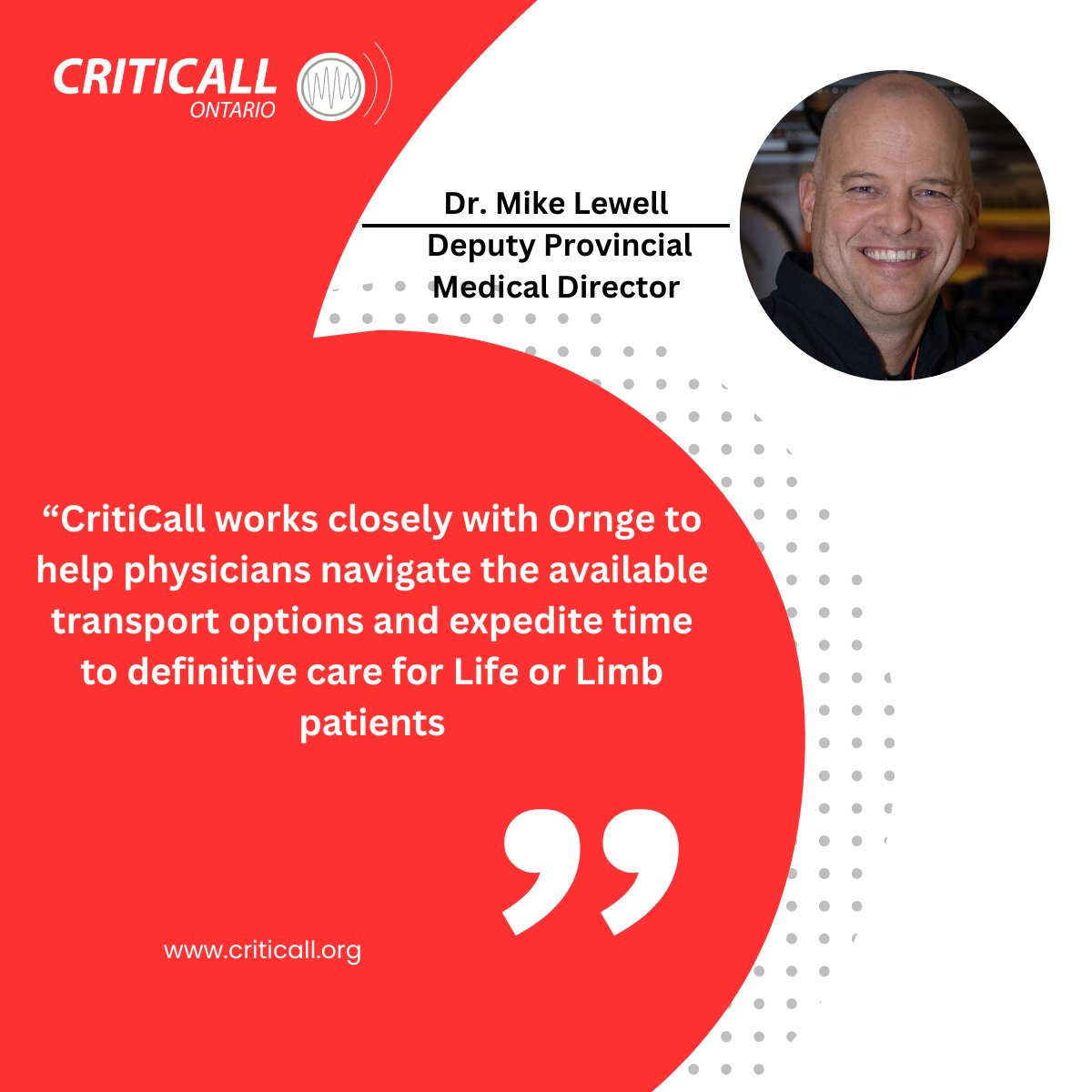
Medical Case Facilitation Tip #6
· CritiCall partners with CACCs &/or @Ornge to coordinate & complete transport of Life or Limb confirmed patients
· Mode of transport is determined by distance, acuity & escort requirements
· Referring physician may override mode of transport
2
2
528

Policy Director Taylor Boyer of the Colorado Senate minority caucus joined CECU and members of the Colorado Association of Career Colleges and Schools (CACCS) for a visit to @LincolnTech in Denver.
The group, which included reps from @concordiastpaul and @IntelliTecColl, met with faculty, students & employer partners to discuss workforce pathways.
#CareerEducation #WorkforceDevelopment #StateAdvocacy

1
160


29 Dec 2024
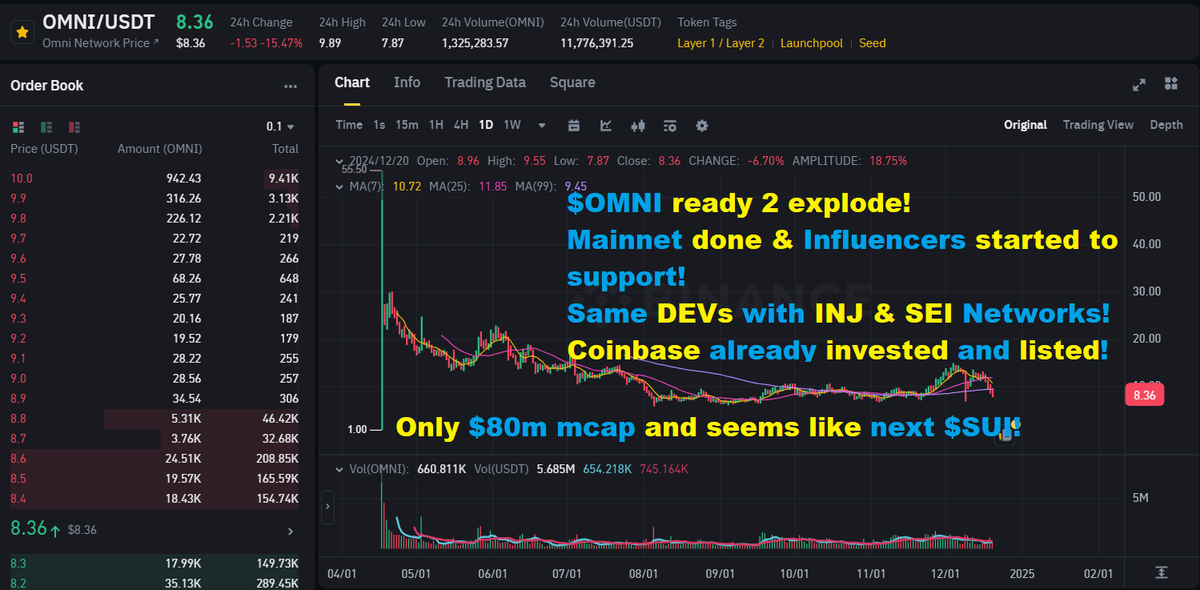
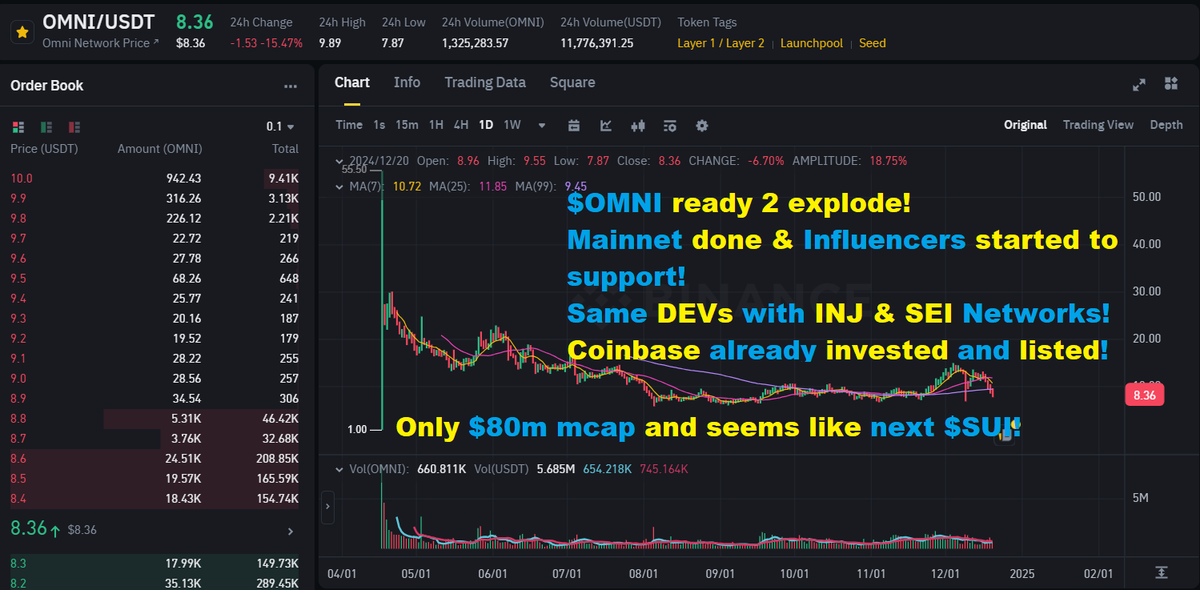
$OMNI は次の $SUI になりそうだ! 飛び始めているし、その途上にある! $200 は簡単だ🚀
#Kucoin #MEXC $TWT $ASTR $SAND $RNDR $SHIB $CAKE $PRIMAL $OPTI $KING $LUNC $cgpt $gafi $raca $meme $token $oggy $dons $pcs $kas $kcs $okx $dext $gfal $dino $sxp $ilv $caccs $pepa $wkc $vra $the
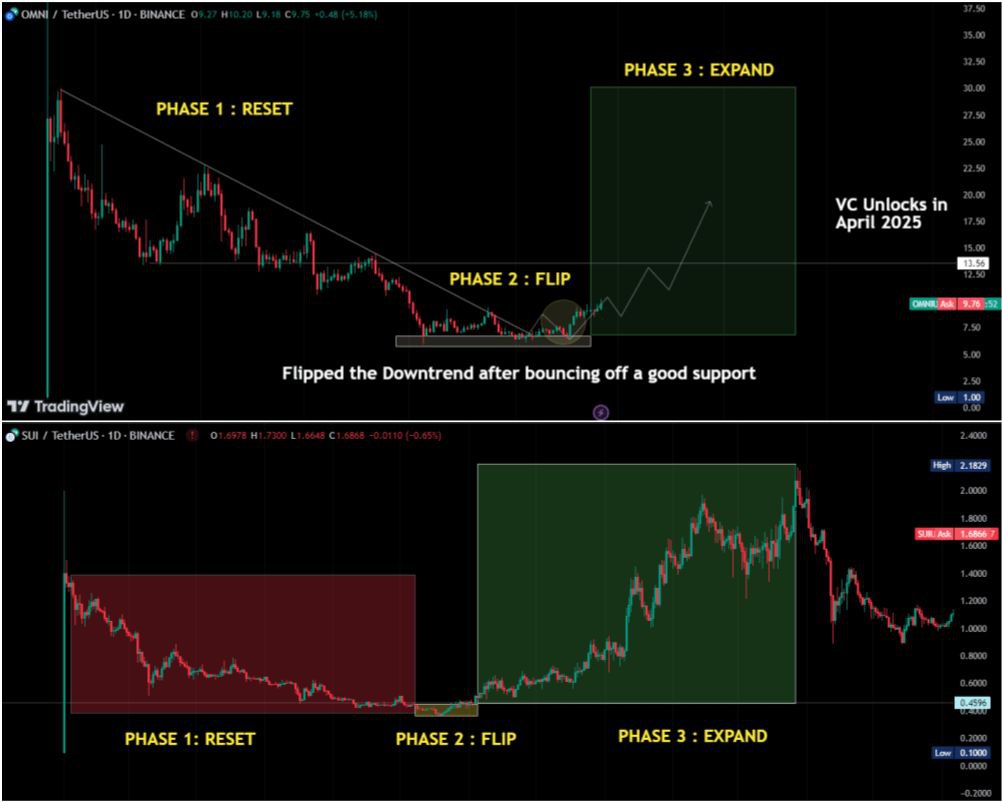
29 Dec 2024

$OMNI は次の $SUI になりそうだ! 飛び始めているし、その途上にある! $200 は簡単だ🚀
#Kucoin #MEXC $TWT $ASTR $SAND $RNDR $SHIB $CAKE $PRIMAL $OPTI $KING $LUNC $cgpt $gafi $raca $meme $token $oggy $dons $pcs $kas $kcs $okx $dext $gfal $dino $sxp $ilv $dcsww $pepa $wkc $vra $the
6
2
860

22 Dec 2024
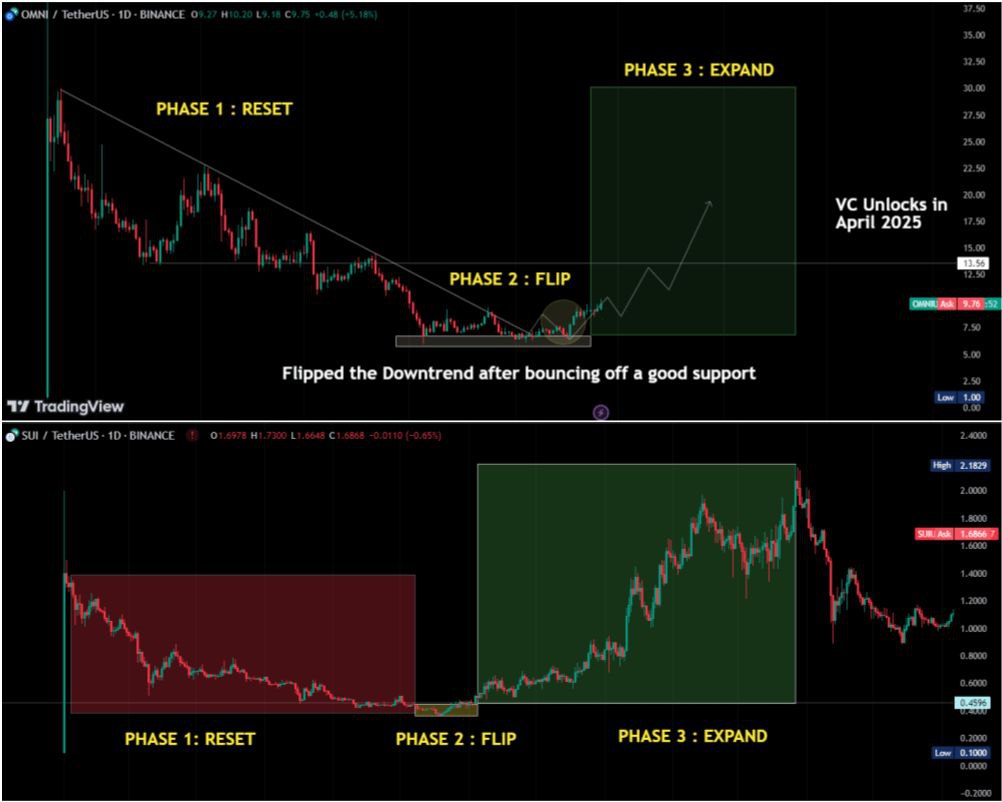
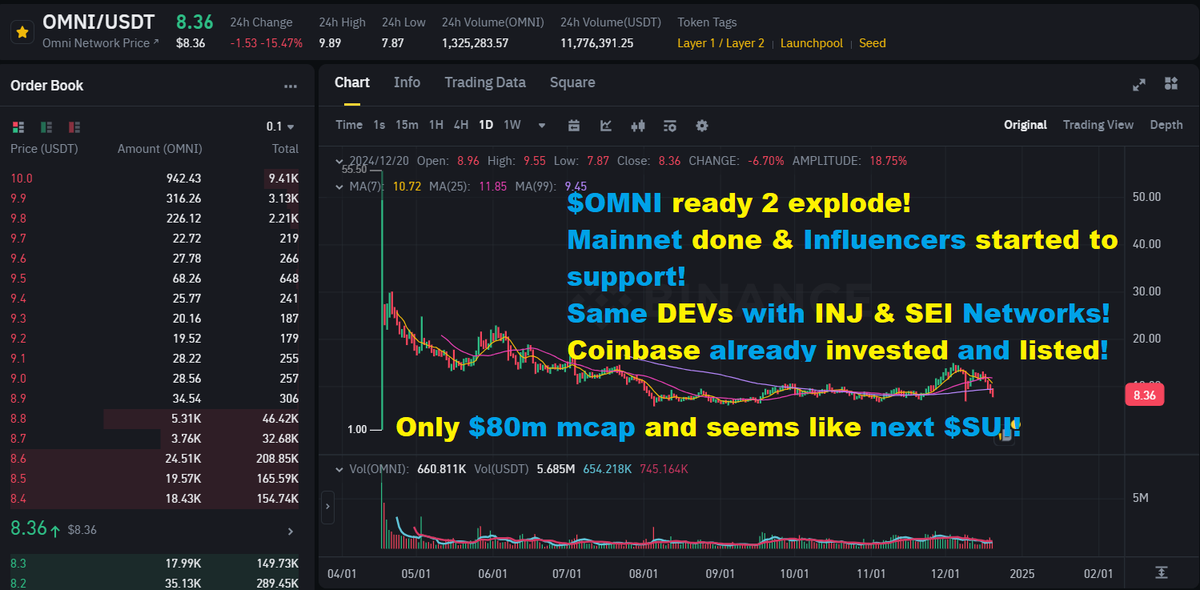
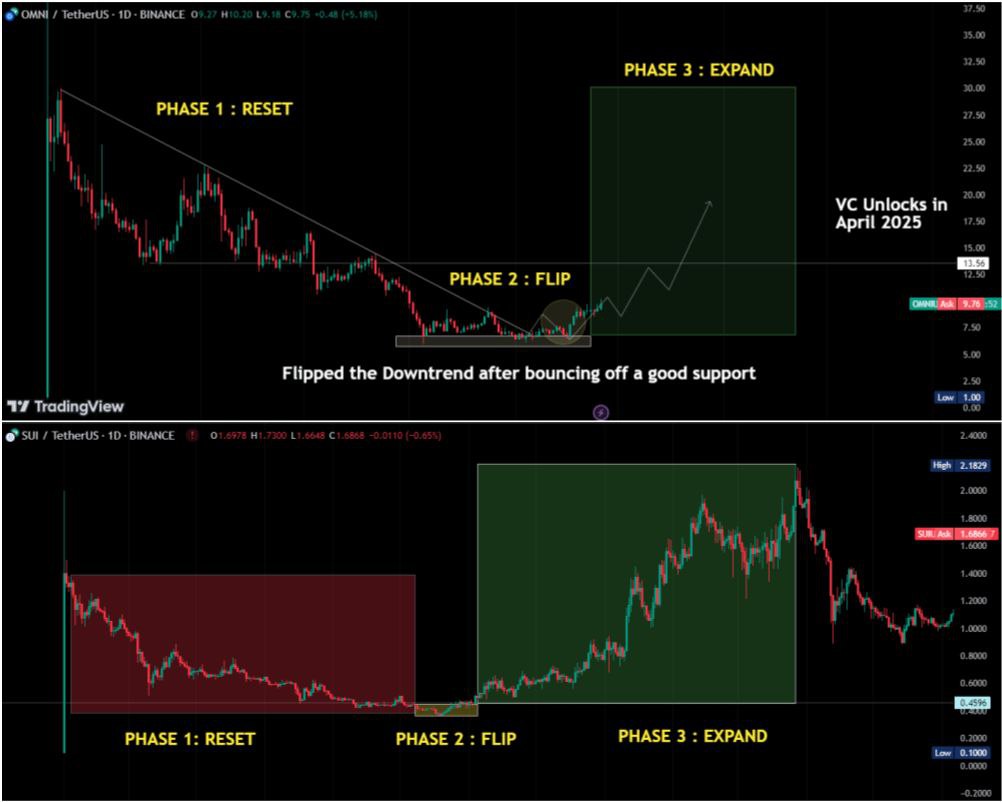
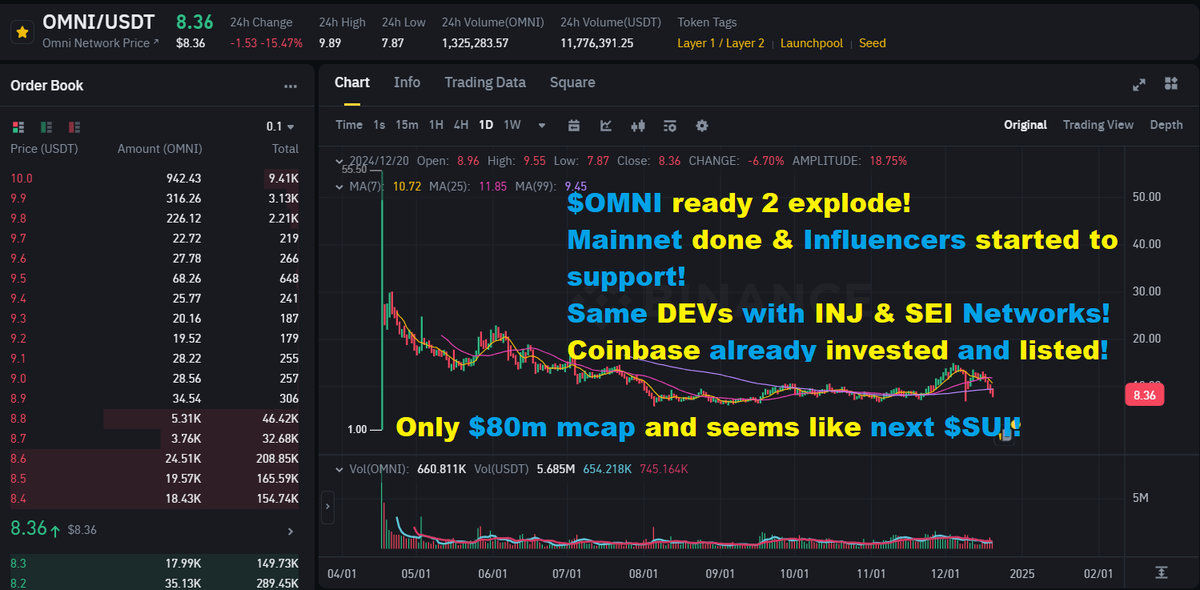
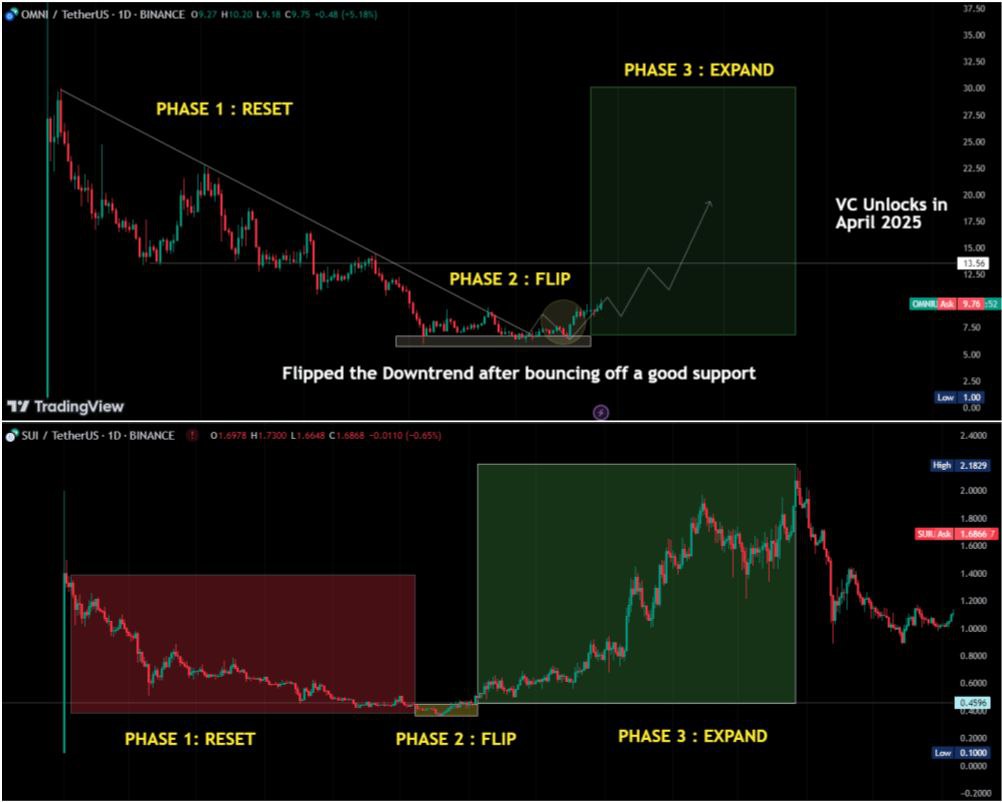
$OMNI is going to be the next $SUI! It's taking off and it's on its way! $200 is easy 🚀
#Kucoin #MEXC $TWT $ASTR $SAND $RNDR $SHIB $CAKE $PRIMAL $OPTI $KING $LUNC $cgpt $gafi $raca $meme $token $oggy $dons $pcs $kas $kcs $okx $dext $gfal $dino $sxp $ilv $caccs $pepa $wkc $vra
22 Dec 2024

$OMNI is going to be the next $SUI! It's taking off and it's on its way! $200 is easy 🚀
#Kucoin #MEXC $TWT $ASTR $SAND $RNDR $SHIB $CAKE $PRIMAL $OPTI $KING $LUNC $cgpt $gafi $raca $meme $token $oggy $dons $pcs $kas $kcs $okx $dext $gfal $dino $sxp $ilv $vasde $pepa $wkc $vra
1
1
843

31 Oct 2024
🚨CALL FOR PAPERS🚨
Check out this #CallforPapers for our "Modulation of smooth muscle excitability via calcium-activated chloride channels" #SpecialIssue, which will focus on CaCCs and smooth muscle excitability across organ systems and cell types!
🔗buff.ly/4e1nQoE

4
4
993
13 Oct 2024
🚨CALL FOR PAPERS🚨
Check out this #CallforPapers for our "Modulation of smooth muscle excitability via calcium-activated chloride channels" #SpecialIssue, which will focus on CaCCs and smooth muscle excitability across organ systems and cell types!
🔗buff.ly/4e1nQoE

1
1,028

24 Aug 2024
tommy g, brandon, adam22, vlad, 1090 jake u all sucker ass crakkas for what u perpetuate in this shit i dont know the rest of yall names but u soulless ass caccs rlly be so thirsty for stories that'll get folk killed because u got no talent to tell positive ones
3
5
128
2,740

14 Aug 2024
Creative Arts & Cultural Co-Operative Society Film Awards (CACCS)
Best Actor : #PrithvirajSukumaran
#Aadujeevitham

8
30
522

6 Jun 2024
I got a lot of porn caccs follow me, these MFs don't know how wholesome I am.
2
5
997
