EL LOMITEROPY retweeted

ℹ | ¿UN NUEVO CANAL? 📺
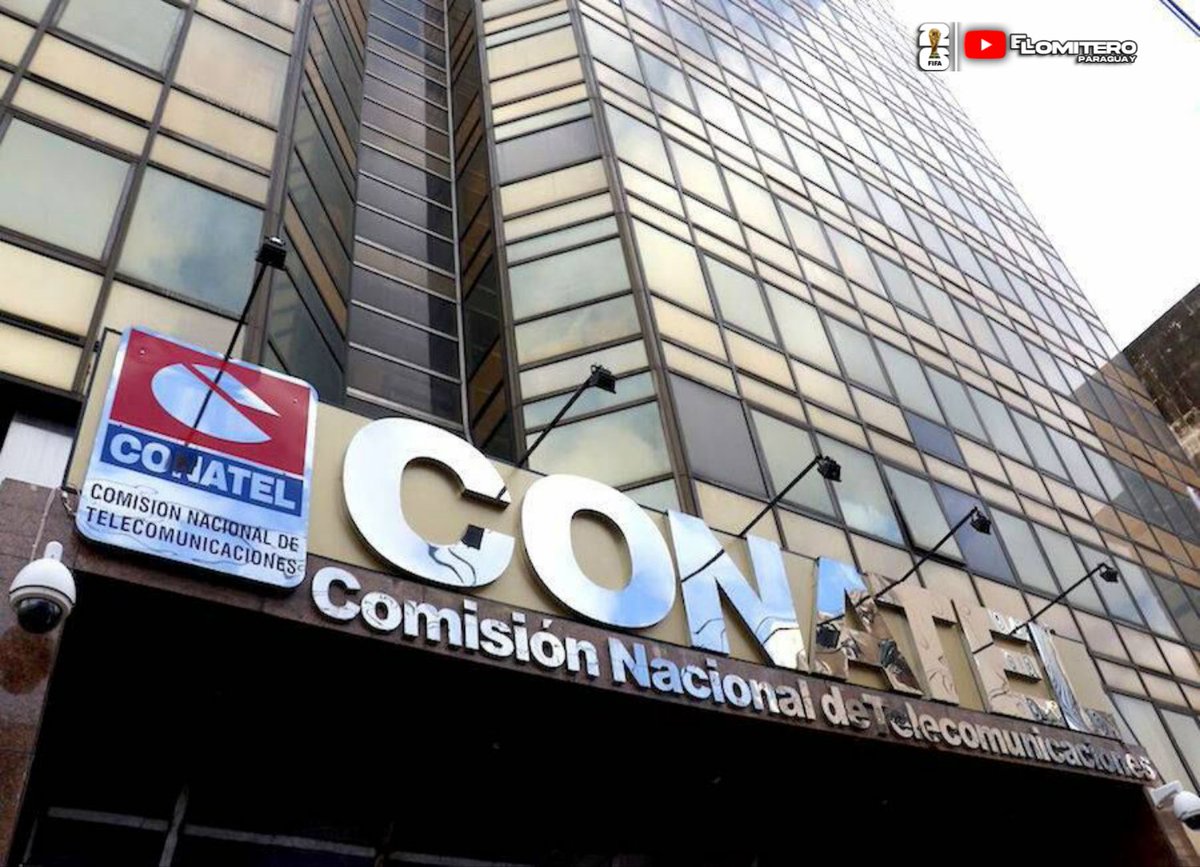
📺🇵🇾 Mañana Conatel abrirá las ofertas para adjudicar una nueva licencia nacional de TV Digital Terrestre (TDT).
🤯 El proceso llega rodeado de polémica: la licitación fue postergada en varias ocasiones a pedido de V Media S.A., empresa vinculada al Grupo Vázquez, lo que generó denuncias de presunto direccionamiento. Conatel rechaza esas acusaciones.
ℹ Entre los interesados que adquirieron el pliego figuran V Media S.A., María Leticia Ramos Colmán y Eladio Giménez Vera.
📌 La licencia incluye una estación principal en Central y repetidoras en gran parte del país, con una inversión estimada superior a US$ 2 millones.
Fuentes: ABC Color, Última Hora y Conatel.
1
1
2
135
Cärlos Velázquez 🇩🇪 retweeted

📌 ¿Preparan licitación de canales a la medida?
La CONATEL recibirá ofertas para licitación de TV digital este miércoles.
🔴EN VIVO: telefuturo.com.py
#TelefuturoPy #TelediarioPy
4
1
3
1,145

📡La Comisión Nacional de Telecomunicaciones (Conatel) recibirá mañana las ofertas para la adjudicación de un nuevo canal de televisión digital, en un proceso que genera expectativa dentro del sector de las comunicaciones.
⚠️ En medio del llamado, surgieron cuestionamientos y denuncias sobre presuntos indicios de direccionamiento en el proceso. Algunos sectores sostienen que existiría interés de un grupo empresarial en ampliar su presencia dentro de un mercado considerado por varios actores como altamente competitivo.
#24HorasSNT
snt.com.py/noticia/conatel-r…
2
628

ENTONCES POR FAVOR, MEJOREN LA COBERTURA EN EL ESTADO BOLÍVAR, MUNICIPIOS:
ANGOSTURA DEL ORINOCO Y BOLIVARIANO ANGOSTURA...
@delcyrodriguezv @salaprensaCantv @Conatel @con
10

@conatel pon el ojo a Digitel sube el costo de los planes hecho el loco, restringe las recargas con montos donde se cancela un excedente al plan, y nunca llega a sumarse a su próximo mes, no permite pagar el monto exacto del plan, para rematar se cae la señal! Si no hay 💡
11
Dustin U. Santos🇦🇷🇪🇦🇱🇺🇧🇷🇨🇴 retweeted

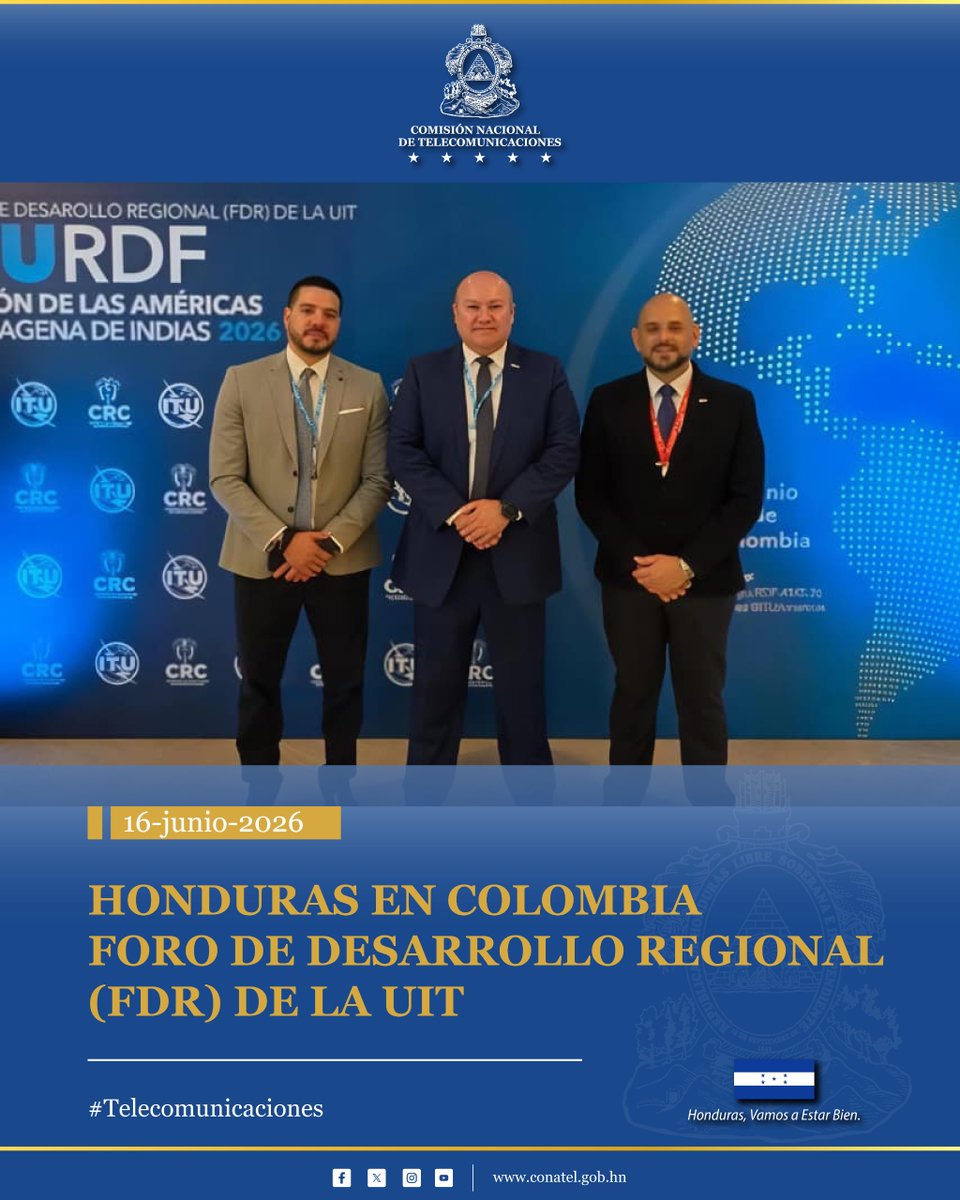
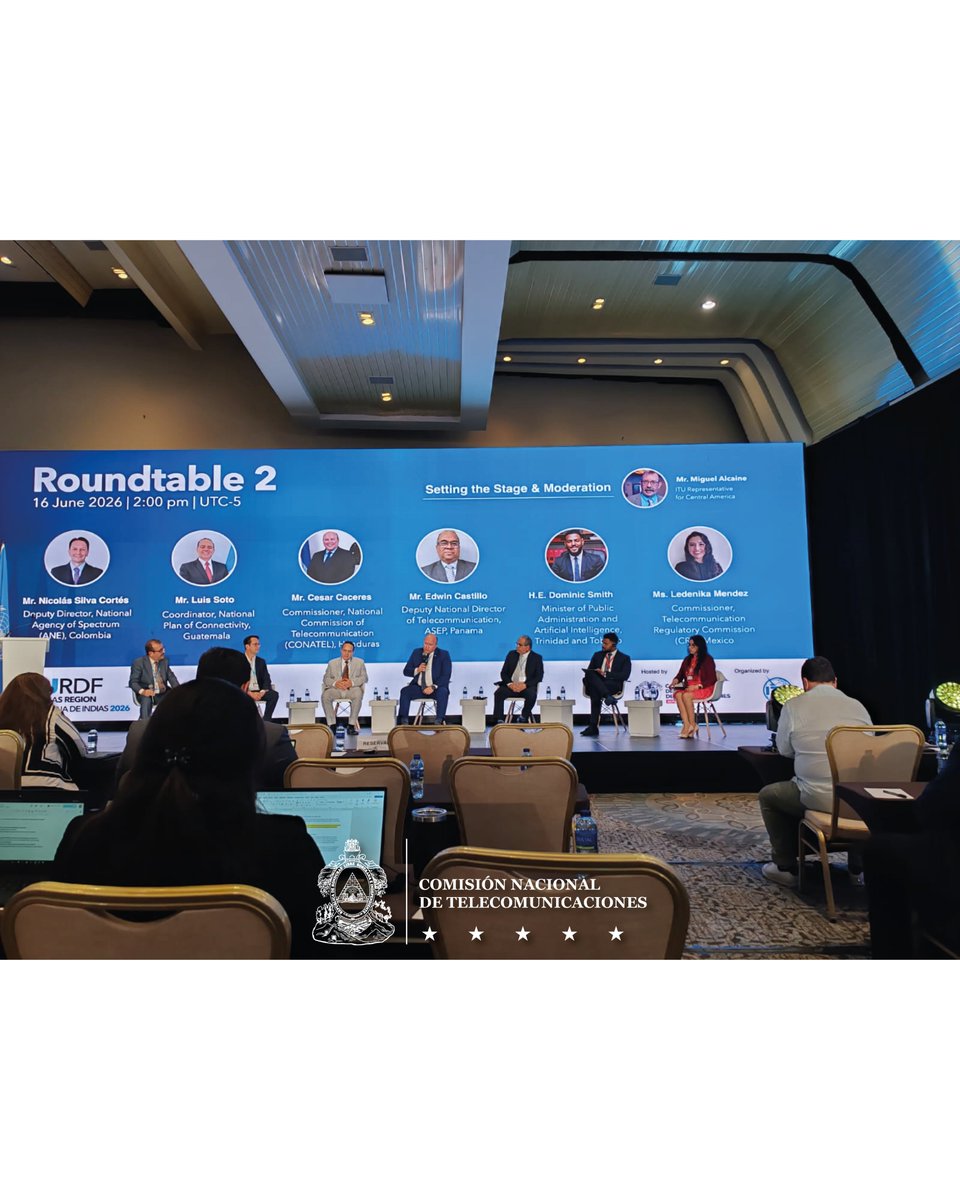
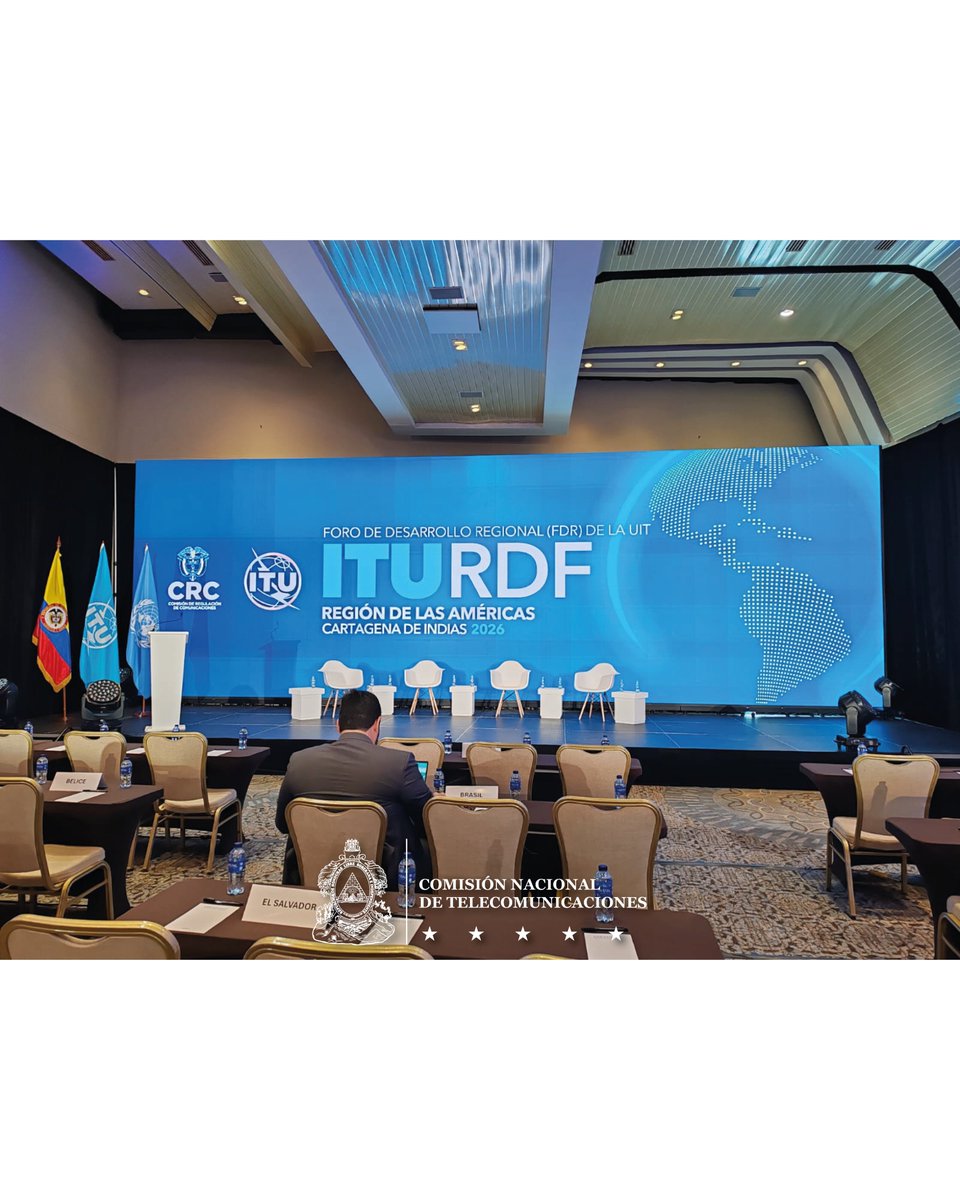
🇭🇳🇨🇴Honduras en Colombia. El Comisionado de Conatel, César Cáceres, junto a Dustin Santos, Director de Regulación Económica y Mercados, representan al país en el Foro de Desarrollo Regional de la UIT en Cartagena de Indias 2026.💻
#Conatel #UIT #Honduras #Conectividad #Colombia
1
2
175

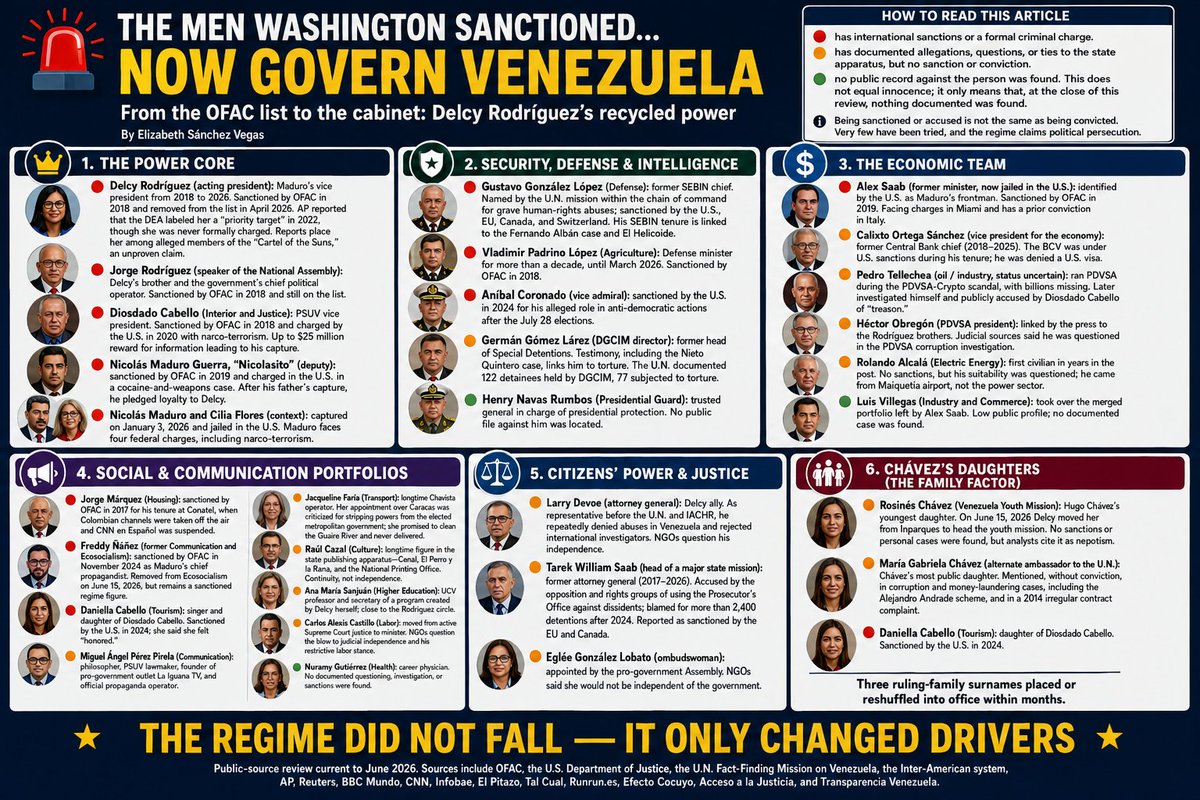
🇺🇸🚨🇻🇪 𝐓𝐇𝐄 𝐌𝐄𝐍 𝐖𝐀𝐒𝐇𝐈𝐍𝐆𝐓𝐎𝐍 𝐒𝐀𝐍𝐂𝐓𝐈𝐎𝐍𝐄𝐃… 𝐍𝐎𝐖 𝐑𝐔𝐍 𝐕𝐄𝐍𝐄𝐙𝐔𝐄𝐋𝐀
From the OFAC List to the Cabinet: Delcy Rodríguez’s Recycled Power
By Elizabeth Sánchez Vegas
A person-by-person examination of the officials now governing Venezuela following the capture of Nicolás Maduro—their ties to the regime and the allegations, sanctions, and documented records attached to their names.
Since January 3, 2026, Delcy Rodríguez, serving as acting president despite never having been elected to the office, has reshaped the cabinet. She removed some of Maduro’s most trusted loyalists and replaced them with members of her own circle. Yet nearly all of them are recycled figures from the same political system.
For Washington, this raises an unavoidable question: how can officials once sanctioned for repression, corruption, and the destruction of Venezuela’s democracy now be treated as the architects of its transition? A change of titles is not a democratic transition. Accountability must not be traded for political convenience.
📌 𝐇𝐎𝐖 𝐓𝐎 𝐑𝐄𝐀𝐃 𝐓𝐇𝐈𝐒 𝐀𝐑𝐓𝐈𝐂𝐋𝐄
🔴 Red: The individual is subject to international sanctions or has been formally charged with a crime.
🟠 Orange: The individual faces documented allegations or questions, or has established ties to the state apparatus, but has not been sanctioned or convicted.
🟢 Green: No public record of allegations, investigations, or sanctions was found. This does not establish innocence; it simply means that, as of the completion of this review, nothing was publicly documented.
Important: Being sanctioned or charged is not the same as being convicted. Almost none of these individuals have stood trial, and the regime maintains that the actions against them amount to political persecution.
📌 👑 𝐓𝐇𝐄 𝐈𝐍𝐍𝐄𝐑 𝐂𝐈𝐑𝐂𝐋𝐄 𝐎𝐅 𝐏𝐎𝐖𝐄𝐑
🔴 Delcy Rodríguez, acting president: Served as Maduro’s vice president from 2018 to 2026. She was sanctioned by the U.S. Treasury Department’s Office of Foreign Assets Control, or OFAC, in 2018 and removed from the sanctions list in April 2026. According to The Associated Press, the Drug Enforcement Administration designated her a “priority target” in 2022, although she was never formally charged. Some reports have named her as an alleged member of the “Cartel of the Suns,” an allegation that has not been proven.
🔴 Jorge Rodríguez, president of the National Assembly: Delcy Rodríguez’s brother and the government’s chief political operator. He was sanctioned by OFAC in 2018 and remains on the sanctions list.
🔴 Diosdado Cabello, minister of Interior and Justice: Vice president of the ruling United Socialist Party of Venezuela, or PSUV. He was sanctioned by OFAC in 2018 and charged by U.S. authorities in 2020 with narco-terrorism. The United States is offering a reward of up to $25 million for information leading to his arrest.
🔴 Nicolás Maduro Guerra, known as “Nicolasito,” member of the National Assembly: Maduro’s son. OFAC sanctioned him in 2019, citing his role in the Constituent Assembly, propaganda and censorship efforts, benefits obtained from mining operations, and pressure on the armed forces to block humanitarian aid. He was also charged in the United States in a cocaine- and weapons-related case. After his father’s capture, he pledged allegiance to Delcy Rodríguez.
🔴 Nicolás Maduro and Cilia Flores, for context: Captured on January 3, 2026, and imprisoned in the United States. Maduro faces four federal charges, including narco-terrorism.
📌 🪖 𝐒𝐄𝐂𝐔𝐑𝐈𝐓𝐘, 𝐃𝐄𝐅𝐄𝐍𝐒𝐄, 𝐀𝐍𝐃 𝐈𝐍𝐓𝐄𝐋𝐋𝐈𝐆𝐄𝐍𝐂𝐄
🔴 Gustavo González López, Minister of Defense: Former head of Venezuela’s intelligence service, SEBIN. The United Nations Fact-Finding Mission on Venezuela identified him as part of the chain of command connected to serious human rights violations. He has been sanctioned by the United States, the European Union, Canada, and Switzerland. His tenure at SEBIN has been linked to the Fernando Albán case and to El Helicoide, the notorious detention center in Caracas.
🔴 Vladimir Padrino López, minister of Agriculture: Served as defense minister for more than a decade, until March 2026. He was sanctioned by OFAC in 2018.
🔴 Aníbal Coronado, vice admiral:
Sanctioned by the United States in 2024 for his alleged role in anti-democratic actions following the July 28 election. He has moved through several government posts, including the Office of the Presidency and the ministries of Ecosocialism and Transportation.
🟠 Germán Gómez Lárez, director of the Military Counterintelligence Directorate, or DGCIM: Former head of the Special Detention Division. Witness testimony, including statements connected to the case of Capt. Nieto Quintero, has accused him of involvement in torture. The United Nations documented 122 people detained by the DGCIM, 77 of whom were subjected to torture.
🟢 Henry Navas Rumbos, Presidential Honor Guard: A general trusted by Delcy Rodríguez and responsible for presidential security. No public record of allegations or investigations against him was located. Also serving within her security detail is Capt. Juan Escalona, a former aide-de-camp to Hugo Chávez, for whom no public record was found either.
📌 💰 𝐓𝐇𝐄 𝐄𝐂𝐎𝐍𝐎𝐌𝐈𝐂 𝐓𝐄𝐀𝐌
🔴 Alex Saab, former minister, now imprisoned in the United States: U.S. authorities have described him as a front man for Maduro. Released through a presidential clemency deal under President Joe Biden in 2023, he was later appointed a minister by Maduro. He was rearrested by SEBIN and the FBI in February 2026 and deported to the United States in May 2026. He faces charges in Miami, has a prior conviction in Italy, and was sanctioned by OFAC in 2019.
🟠 Calixto Ortega Sánchez, vice president for the Economy: Former president of Venezuela’s Central Bank from 2018 to 2025. The bank was under U.S. sanctions during his tenure, and he was denied a U.S. visa. He should not be confused with Calixto Ortega Ríos, his uncle and a former Supreme Court justice, who was sanctioned by OFAC in 2017.
🟠 Pedro Tellechea, oil and industry official, current status uncertain: Led the state oil company, PDVSA, when the PDVSA-Crypto scandal erupted, involving billions of dollars in missing revenue. He later became the subject of an investigation himself, and Diosdado Cabello publicly accused him of “treason.”
🟠 Héctor Obregón, president of PDVSA: Described in press reports as close to the Rodríguez siblings. Judicial sources said he was questioned as part of the PDVSA corruption investigation.
🟠 Rolando Alcalá, minister of Electric Power: The first civilian in years to hold the position. He is not sanctioned, but questions have been raised about his qualifications. Energy-sector professionals reportedly said they did not know of him, and he arrived from the presidency of Maiquetía International Airport rather than from the electricity sector.
🟢 Luis Villegas, minister of Industry and Commerce: Took over the merged ministry previously led by Alex Saab. He maintains a low public profile, and no documented case or record against him was found.
📌 📢 𝐒𝐎𝐂𝐈𝐀𝐋 𝐏𝐎𝐋𝐈𝐂𝐘 𝐀𝐍𝐃 𝐂𝐎𝐌𝐌𝐔𝐍𝐈𝐂𝐀𝐓𝐈𝐎𝐍𝐒 𝐏𝐎𝐑𝐓𝐅𝐎𝐋𝐈𝐎𝐒
🔴 Jorge Márquez, minister of Housing: Sanctioned by OFAC in 2017 for his tenure as head of Conatel, Venezuela’s telecommunications regulator, when Colombian television channels were removed from the air, and CNN en Español’s signal was suspended.
🔴 Freddy Ñáñez, former minister of Communications and Ecosocialism: Sanctioned by OFAC in November 2024 as one of Maduro’s principal propagandists. He became the public face of the government’s official narrative during its most confrontational years and served as an adviser to Maduro’s July 28 campaign. On June 15, 2026, he was removed from the Ministry of Ecosocialism and replaced by Nelson Rodríguez, but he remains a sanctioned figure within the state apparatus.
🔴 Daniella Cabello, minister of Tourism: Singer and daughter of Diosdado Cabello. She was sanctioned by the United States in 2024 and said she felt “honored” by the designation. She entered the cabinet after serving as president of the state export-promotion agency.
🟠 Miguel Ángel Pérez Pirela, minister of Communications: Philosopher, PSUV lawmaker, and founder of the pro-government outlet La Iguana TV. He has long operated as a propaganda figure for the ruling party and replaced Ñáñez.
🟠 Jacqueline Faría, minister of Transportation: A longtime operator within the Chávez political system. Her appointment by executive decree as head of the Capital District government was criticized for stripping authority from the elected metropolitan mayor’s office. She promised to clean up the Guaire River but never delivered, and she later faced a lawsuit over her administration.
🟠 Raúl Cazal, minister of Culture: A career figure within the government’s publishing structure, including the National Book Center, El Perro y la Rana publishing house, and the National Printing Office. His appointment represents continuity with the government’s existing cultural model, not an independent choice.
🟠 Ana María Sanjuán, minister of University Education: Professor at the Central University of Venezuela and executive secretary of a program created by Delcy Rodríguez herself. She has not been sanctioned but is closely connected to the Rodríguez political circle and the government.
🟠 Carlos Alexis Castillo, minister of Labor: Moved directly from serving as an active Supreme Court justice to becoming a cabinet minister. Civil society organizations including Acceso a la Justicia and Transparencia Venezuela have criticized the damage to judicial independence and his restrictive record on labor issues.
🟢 Nuramy Gutiérrez, minister of Health: A career physician. No public allegations, investigations, or sanctions were found against her, making the Health Ministry the only cabinet portfolio in this review whose leader carries no documented public record of concern.
📌 ⚖️ 𝐂𝐈𝐓𝐈𝐙𝐄𝐍𝐒’ 𝐏𝐎𝐖𝐄𝐑 𝐀𝐍𝐃 𝐉𝐔𝐒𝐓𝐈𝐂𝐄
🟠 Larry Devoe, attorney general: An ally of Delcy Rodríguez. As Venezuela’s representative before the United Nations and the Inter-American human rights system, he repeatedly denied that abuses were taking place in Venezuela and rejected international investigators. Civil society organizations have questioned his independence.
🟠 Tarek William Saab, head of a major government social mission: Served as attorney general from 2017 to 2026. Opposition leaders and human rights organizations have accused him of using the Prosecutor’s Office to persecute dissidents. He has been held responsible for more than 2,400 arrests following the events of 2024. He has reportedly been sanctioned by the European Union and Canada.
🟠 Eglée González Lobato, ombudswoman: Appointed by the government-controlled National Assembly. Civil society organizations criticized her appointment, arguing that she would not operate independently of the government.
📌 👪 𝐂𝐇Á𝐕𝐄𝐙’𝐒 𝐃𝐀𝐔𝐆𝐇𝐓𝐄𝐑𝐒: 𝐓𝐇𝐄 𝐅𝐀𝐌𝐈𝐋𝐘 𝐅𝐀𝐂𝐓𝐎𝐑
🟠 Rosinés Chávez, head of the Venezuela Youth Mission: Hugo Chávez’s youngest daughter. She had served as president of the National Parks Institute, known as Inparques, since 2024. On June 15, 2026, Delcy Rodríguez reassigned her to lead the government’s Venezuela Youth Mission. No sanctions or personal cases were found against her, but analysts cite her appointment—and that of her sister—as examples of nepotism.
🟠 María Gabriela Chávez, alternate ambassador to the United Nations: Chávez’s most publicly visible daughter. She has been mentioned, but never convicted, in corruption and money-laundering cases, including the scheme involving former national treasurer Alejandro Andrade. She was also connected in 2014 to an allegedly irregular contract denounced by opposition lawmakers. Investigations in Venezuela did not move forward. Some analysts speculate that Chavismo may be positioning her as a possible eventual successor to Delcy Rodríguez.
They are joined by Daniella Cabello, Diosdado Cabello’s daughter and the current tourism minister, discussed above: three ruling-family surnames placed or repositioned in public office within a matter of months.
📌 🧩 𝐓𝐇𝐄 𝐁𝐈𝐆 𝐏𝐈𝐂𝐓𝐔𝐑𝐄
The cabinet combines military officers in the most sensitive positions, internationally sanctioned political operators in communications and economic affairs, and longtime members of the state apparatus in the social-policy ministries.
It is a recycling of Chavista personnel, with Delcy Rodríguez moving the pieces.
Of the more than 20 figures examined, nearly all carry at least one documented allegation, controversy, sanction, or established connection to the regime. The true exceptions—those with no public record at all—can be counted on one hand.
Delcy Rodríguez’s removal from the OFAC sanctions list and Alex Saab’s deportation to the United States also point to some form of negotiation with Washington.
The government still includes other officials sanctioned by OFAC in November 2024, including Ricardo Menéndez, vice president for Planning; Julio García Zerpa, minister of Penitentiary Services; and Alexis Rodríguez Cabello, head of SEBIN and a cousin of Diosdado Cabello.
🔥 𝐓𝐇𝐄 𝐑𝐄𝐆𝐈𝐌𝐄 𝐃𝐈𝐃 𝐍𝐎𝐓 𝐅𝐀𝐋𝐋. 𝐈𝐓 𝐒𝐈𝐌𝐏𝐋𝐘 𝐂𝐇𝐀𝐍𝐆𝐄𝐃 𝐃𝐑𝐈𝐕𝐄𝐑𝐒.
They move from one office to another while the country they helped destroy remains in mourning—enduring blackouts, deprivation, repression, and exile.
These are not technocrats. They are not public servants. They are the administrators of a national tragedy they helped create.
Until there is genuine justice, this record will only continue to grow.
Washington must not mistake recycled power for a democratic transition—or diplomacy for accountability.
For the attention of the U.S. government: @SecRubio @StateDept @WHAAsstSecty @USTreasury @usembassyve
2
33
38
800

Lo habían quitado, pero acuérdate que en conatel hay varios renuentes en aceptar que la revolución se acabo
561

#EPActualidad | La presidenta de la Comisión de Telecomunicaciones del Legislativo, Saraí Espinal, detalló sobre la determinación del retiro inmediato de los desperdicios de cables dejados por las compañías de cableras y otros operadores a quienes se les dará un plazo de 60 días para hacerlo, una vez aprobado en el Congreso Nacional.
La parlamentaria indicó que la Comisión Nacional de Telecomunicaciones (Conatel) mediante personal técnico realizará las supervisiones del retiro de cables que no tengan ningún funcionamiento en las posterías del tendido eléctrico del país. #ElPulso #Honduras
130
📌 #Noticias - La Conatel recibirá este miércoles las propuestas para la adjudicación de licencias de televisión digital. El proceso genera debate debido a algunos requisitos establecidos en el pliego.
telefuturo.com.py/conatel-re…
#TelefuturoPy
316
jose castillo retweeted

Jun 15
LOS MISMOS LADRONES @Conatel @SENIAT_Oficial @Sudeban, @BCV_ORG_VE @verdad_sudeaseg @SUNAVI y demás instituciones del Edo Venezolano, siguen despachando los mismos ladrones que destruyeron y saquearon al país. TENEMOS que salir a la calle a pedir elecciones URGENTE @usembassyve
Jun 14

Hoy 14 de junio seguimos usando VPN en Venezuela para poder usar X. La censura continúa.
8
6
135
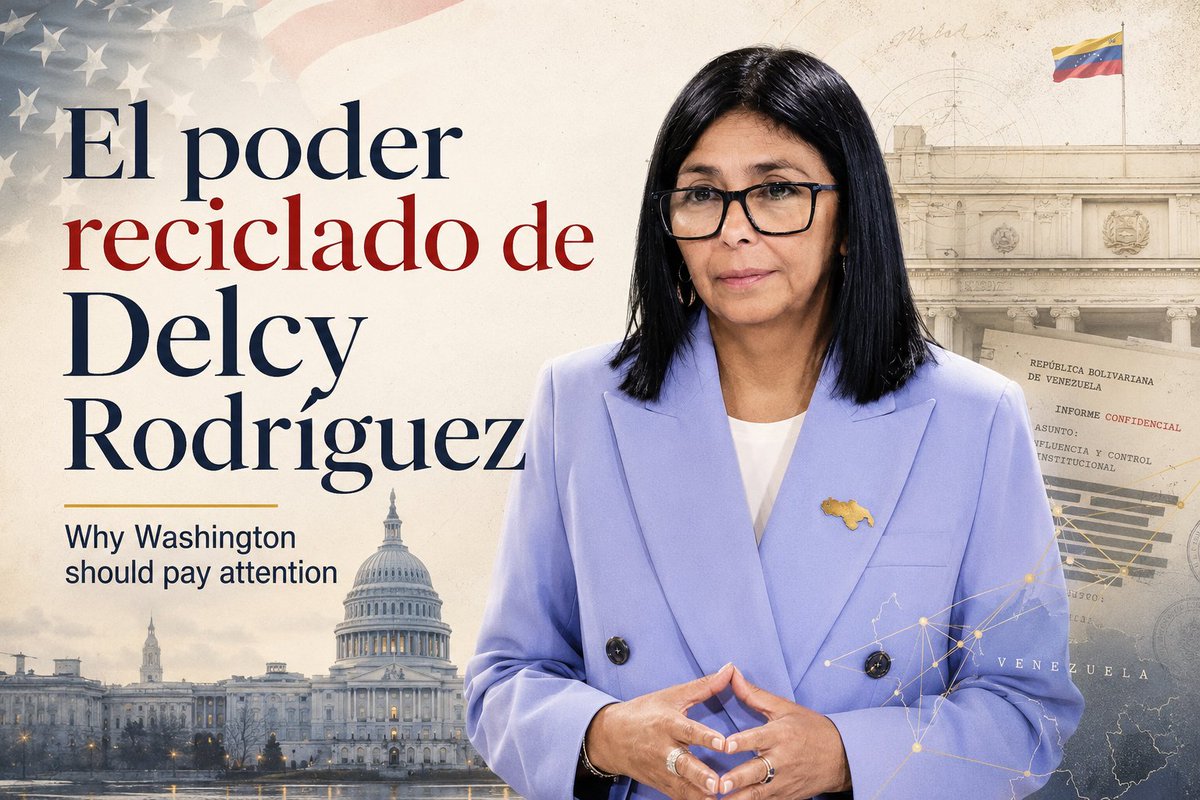
🚨 𝐋𝐨𝐬 𝐡𝐨𝐦𝐛𝐫𝐞𝐬 𝐪𝐮𝐞 𝐖𝐚𝐬𝐡𝐢𝐧𝐠𝐭𝐨𝐧 𝐬𝐚𝐧𝐜𝐢𝐨𝐧ó… 𝐚𝐡𝐨𝐫𝐚 𝐠𝐨𝐛𝐢𝐞𝐫𝐧𝐚𝐧 𝐕𝐞𝐧𝐞𝐳𝐮𝐞𝐥𝐚
De la lista de la OFAC al gabinete: el poder reciclado de Delcy Rodríguez
Por Elizabeth Sánchez Vegas
Un repaso, persona por persona, del poder que gobierna Venezuela tras la captura de Nicolás Maduro, de su vínculo con el régimen y lo que tiene documentado en su contra.
Desde el 3 de enero de 2026, Delcy Rodríguez, como presidenta encargada, sin ser elegida por nadie, ha reconfigurado el gabinete: sacó a los hombres de máxima confianza de Maduro y colocó a los suyos. Pero casi todos son cuadros reciclados del mismo proceso. Aquí está el mapa, con su expediente verificable.
📌 𝐂ó𝐦𝐨 𝐥𝐞𝐞𝐫 𝐞𝐬𝐭𝐞 𝐚𝐫𝐭í𝐜𝐮𝐥𝐨
🔴 Rojo: tiene sanciones internacionales o una acusación penal formal.
🟠 Naranja: tiene señalamientos, cuestionamientos o vínculos documentados con el aparato del Estado, sin sanción ni condena.
🟢 Verde: no se halló ningún registro público en su contra. No equivale a inocencia: solo significa que, al cierre de esta revisión, no hay nada documentado.
Importante: estar sancionado o acusado no es lo mismo que estar condenado. Casi ninguno ha sido juzgado, y el régimen alega que se trata de persecución política.
📌 👑 𝐋𝐚 𝐜ú𝐩𝐮𝐥𝐚 𝐝𝐞𝐥 𝐩𝐨𝐝𝐞𝐫
🔴 Delcy Rodríguez (presidenta encargada): vicepresidenta de Maduro entre 2018 y 2026. Sancionada por la OFAC en 2018 y retirada de la lista en abril de 2026. Según la agencia AP, la DEA la marcó como “objetivo prioritario” en 2022, aunque nunca fue acusada formalmente. Reportes la ubican entre los presuntos miembros del “Cartel de los Soles”, señalamiento no probado.
🔴 Jorge Rodríguez (presidente de la Asamblea Nacional): hermano de Delcy y principal operador político del gobierno. Sancionado por la OFAC en 2018 y aún figura en la lista.
🔴 Diosdado Cabello (ministro de Interior y Justicia): vicepresidente del PSUV. Sancionado por la OFAC en 2018 y acusado por EE.UU. en 2020 por narcoterrorismo. Hay una recompensa de hasta 25 millones de dólares por información que lleve a su captura.
🔴 Nicolás Maduro Guerra, “Nicolasito” (diputado): hijo de Maduro. Sancionado por la OFAC en 2019 (Constituyente, propaganda y censura, beneficio de minas, presión a la Fuerza Armada para bloquear la ayuda humanitaria) y acusado en EE.UU. por cocaína y armas. Tras la captura de su padre, juró lealtad a Delcy.
🔴 Nicolás Maduro y Cilia Flores (contexto): capturados el 3 de enero de 2026 y presos en EE.UU. Maduro enfrenta cuatro cargos federales, incluido narcoterrorismo.
📌 🪖 𝐒𝐞𝐠𝐮𝐫𝐢𝐝𝐚𝐝, 𝐝𝐞𝐟𝐞𝐧𝐬𝐚 𝐞 𝐢𝐧𝐭𝐞𝐥𝐢𝐠𝐞𝐧𝐜𝐢𝐚
🔴 Gustavo González López (ministro de Defensa): exjefe del SEBIN. Señalado por la Misión de la ONU dentro de la cadena de mando de graves violaciones de derechos humanos; sancionado por EE.UU., la UE, Canadá y Suiza. Su etapa en el SEBIN se asocia al caso Fernando Albán y al centro de detención El Helicoide.
🔴 Vladimir Padrino López (ministro de Agricultura): ministro de Defensa por más de una década, hasta marzo de 2026. Sancionado por la OFAC en 2018.
🔴 Aníbal Coronado (vicealmirante): sancionado por EE.UU. en 2024 por su presunto papel en acciones antidemocráticas tras las elecciones del 28 de julio. Ha rotado por el Despacho de la Presidencia, Ecosocialismo y Transporte.
🟠 Germán Gómez Lárez (director de la DGCIM): exjefe de la División de Detenciones Especiales. Señalado por testimonios (el caso del capitán Nieto Quintero) por torturas. La ONU documentó 122 personas detenidas por la DGCIM, de las cuales 77 fueron sometidas a tortura.
🟢 Henry Navas Rumbos (Guardia de Honor Presidencial): general de confianza de Delcy a cargo de la protección presidencial. No se localizó ningún expediente público en su contra (lo acompaña en el anillo de seguridad el capitán Juan Escalona, exedecán de Chávez, tampoco con registro público).
📌 💰 𝐄𝐥 𝐞𝐪𝐮𝐢𝐩𝐨 𝐞𝐜𝐨𝐧ó𝐦𝐢𝐜𝐨
🔴 Alex Saab (exministro, hoy preso en EE.UU.): señalado por EE.UU. como testaferro de Maduro. Liberado por un indulto de Biden en 2023 y nombrado ministro por Maduro; recapturado por el SEBIN y el FBI en febrero de 2026 y deportado a EE.UU. en mayo de 2026. Enfrenta una acusación en Miami, suma una condena previa en Italia y fue sancionado por la OFAC en 2019.
🟠 Calixto Ortega Sánchez (vicepresidente de Economía): expresidente del Banco Central (2018–2025). El BCV estuvo bajo sanciones de EE.UU. durante su gestión y a él le negaron la visa estadounidense. OJO: no debe confundirse con el magistrado homónimo Calixto Ortega Ríos, su tío, ese sí sancionado por la OFAC en 2017.
🟠 Pedro Tellechea (petróleo / industria, estatus incierto): dirigió PDVSA cuando estalló el caso PDVSA-Cripto, con un faltante de miles de millones de dólares. Después fue investigado él mismo y Diosdado Cabello lo acusó públicamente de “traición a la patria”.
🟠 Héctor Obregón (presidente de PDVSA): vinculado por la prensa a los hermanos Rodríguez. Fuentes judiciales lo señalaron como interrogado dentro de la investigación por corrupción en PDVSA.
🟠 Rolando Alcalá (Energía Eléctrica): primer civil en años en el cargo. Sin sanciones, pero su idoneidad fue cuestionada: colegas del sector eléctrico “no lo recuerdan” y llega desde la presidencia del aeropuerto de Maiquetía, no del área eléctrica.
🟢 Luis Villegas (Industrias y Comercio): asumió la cartera fusionada que dejó Alex Saab. Perfil de bajo nivel público; no se halló un expediente documentado.
📌 📢 𝐂𝐚𝐫𝐭𝐞𝐫𝐚𝐬 𝐬𝐨𝐜𝐢𝐚𝐥𝐞𝐬 𝐲 𝐝𝐞 𝐜𝐨𝐦𝐮𝐧𝐢𝐜𝐚𝐜𝐢ó𝐧
🔴 Jorge Márquez (Vivienda): sancionado por la OFAC en 2017 por su gestión al frente de Conatel, cuando sacó del aire a canales colombianos y suspendió la señal de CNN en Español.
🔴 Freddy Ñáñez (exministro de Comunicación y de Ecosocialismo): sancionado por la OFAC en noviembre de 2024 como principal propagandista de Maduro; fue la cara de la narrativa oficial en los años de mayor confrontación y asesor de su campaña del 28-J. El 15 de junio de 2026 fue removido del Ministerio de Ecosocialismo (lo reemplazó Nelson Rodríguez), pero sigue siendo una figura sancionada del aparato.
🔴 Daniella Cabello (Turismo): cantante e hija de Diosdado Cabello. Sancionada por EE.UU. en 2024 (dijo sentirse “honrada”). Llegó al gabinete desde la presidencia de la agencia estatal de promoción de exportaciones.
🟠 Miguel Ángel Pérez Pirela (Comunicación): filósofo, diputado del PSUV y fundador del medio progubernamental La Iguana TV; operador propagandístico del oficialismo. Sustituyó a Ñáñez.
🟠 Jacqueline Faría (Transporte): operadora histórica del chavismo. Su designación “a dedo” como jefa de Gobierno del Distrito Capital fue denunciada por vaciar de competencias a la alcaldía metropolitana electa; prometió sanear el río Guaire y nunca lo cumplió, y enfrentó una demanda por su gestión.
🟠 Raúl Cazal (Cultura): cuadro de carrera del aparato editorial del Estado (Cenal, El Perro y la Rana, Imprenta Nacional): su designación es continuidad del modelo oficialista, no un nombre independiente.
🟠 Ana María Sanjuán (Educación Universitaria): profesora de la UCV y secretaria ejecutiva de un programa creado por la propia Delcy; cercana al círculo Rodríguez. Sin sanciones, pero estrechamente ligada al gobierno.
🟠 Carlos Alexis Castillo (Trabajo): pasó de magistrado activo del TSJ a ministro. ONG como Acceso a la Justicia y Transparencia Venezuela cuestionan el golpe a la independencia judicial y su línea restrictiva en materia laboral.
🟢 Nuramy Gutiérrez (Salud): médica de carrera. No se localizó ningún cuestionamiento, investigación ni sanción en su contra: la única cartera realmente sin registro.
📌 ⚖️ 𝐏𝐨𝐝𝐞𝐫 𝐜𝐢𝐮𝐝𝐚𝐝𝐚𝐧𝐨 𝐲 𝐣𝐮𝐬𝐭𝐢𝐜𝐢𝐚
🟠 Larry Devoe (fiscal general): aliado de Delcy. Como representante ante la ONU y la CIDH negó reiteradamente que en Venezuela hubiera abusos y rechazó a los investigadores internacionales. ONG cuestionan su falta de independencia.
🟠 Tarek William Saab (jefe de Gran Misión): exfiscal general (2017–2026). Acusado por la oposición y por organismos de DD.HH. de usar la Fiscalía para perseguir disidentes, se le responsabiliza de más de 2.400 detenciones tras 2024. Reportado como sancionado por la UE y Canadá.
🟠 Eglée González Lobato (defensora del Pueblo): designada por la Asamblea oficialista. ONG cuestionaron su nombramiento por considerar que no será independiente del gobierno.
📌 👪 𝐋𝐚𝐬 𝐡𝐢𝐣𝐚𝐬 𝐝𝐞 𝐂𝐡á𝐯𝐞𝐳 (𝐞𝐥 𝐟𝐚𝐜𝐭𝐨𝐫 𝐟𝐚𝐦𝐢𝐥𝐢𝐚𝐫)
🟠 Rosinés Chávez (Gran Misión Venezuela Joven): hija menor de Hugo Chávez. Presidía el Instituto Nacional de Parques (Inparques) desde 2024 y el 15 de junio de 2026 Delcy Rodríguez la reubicó al frente de la Gran Misión Venezuela Joven. No se le hallaron sanciones ni casos personales, pero su colocación, como la de su hermana, es citada por analistas como nepotismo.
🟠 María Gabriela Chávez (embajadora alterna ante la ONU): la hija más mediática de Chávez. Mencionada, sin condena, en casos de corrupción y lavado de dinero, entre ellos la trama del extesorero Alejandro Andrade, y en 2014 en un contrato irregular denunciado por diputados opositores; las investigaciones en Venezuela no prosperaron. Analistas especulan con que el chavismo la perfile como eventual sucesora de Delcy.
A ellas se suma Daniella Cabello (Turismo), hija de Diosdado, ya reseñada arriba: tres apellidos del poder colocados o reubicados en cargos en cuestión de meses.
📌 🧩 𝐋𝐚 𝐥𝐞𝐜𝐭𝐮𝐫𝐚 𝐝𝐞 𝐜𝐨𝐧𝐣𝐮𝐧𝐭𝐨
El gabinete combina militares en los puestos clave, operadores con sanciones internacionales en comunicación y economía, y cuadros del propio aparato en las carteras sociales. Es un reciclaje del personal chavista, con Delcy moviendo sus fichas. De más de veinte figuras revisadas, casi todas cargan al menos un señalamiento o un vínculo documentado con el régimen; las verdaderas excepciones, sin ningún registro público, se cuentan con los dedos de una mano. El retiro de Delcy de la lista de la OFAC y la deportación de Alex Saab apuntan, además, a una negociación con Washington.
A estos nombres se suman funcionarios sancionados por la OFAC en noviembre de 2024 que siguen en el aparato, como Ricardo Menéndez (vicepresidente de Planificación), Julio García Zerpa (Servicios Penitenciarios) y Alexis Rodríguez Cabello (SEBIN, primo de Diosdado Cabello).
🔥 𝐍𝐨 𝐜𝐚𝐲ó 𝐞𝐥 𝐫é𝐠𝐢𝐦𝐞𝐧, 𝐬𝐨𝐥𝐨 𝐜𝐚𝐦𝐛𝐢ó 𝐝𝐞 𝐜𝐡𝐨𝐟𝐞𝐫
Y aquí está la tragedia: no cayó el régimen, solo cambió de chofer. Los mismos apellidos sancionados, los mismos señalados por la ONU, los mismos que se repartieron PDVSA como botín de familia, hoy vuelven a sentarse en los ministerios como si nada. Reciclan los cargos entre primos, hijas y cómplices mientras el país que saquearon sigue de luto, en colas, a oscuras y en éxodo. Da rabia. Y debe darla. No son tecnócratas ni servidores públicos: son los administradores de una tragedia que ellos mismos provocaron. Mientras no haya justicia de verdad, este prontuario solo seguirá creciendo.
📌 𝐍𝐨𝐭𝐚 𝐲 𝐟𝐮𝐞𝐧𝐭𝐞𝐬
Este material recoge información de acceso público a junio de 2026 y distingue hechos documentados (sanciones de la OFAC, acusaciones del Departamento de Justicia de EE.UU., hallazgos de la ONU y de la Corte Interamericana) de acusaciones aún no probadas. Fuentes: OFAC, Departamento de Justicia de EE.UU., Misión de la ONU sobre Venezuela, CIDH/Corte IDH, CNN, BBC Mundo, Infobae, El Estímulo, El Pitazo, Efecto Cocuyo, Tal Cual, Runrun.es, Poderopedia, La Patilla, El Nacional, Newsweek, Telemundo, EFE, Reuters, AP, Diario Libre, El Tiempo, La Verdad, Univisión, Acceso a la Justicia y Transparencia Venezuela.
7
71
76
2,395
📌 ¿Preparan licitación de canales a la medida?
👉🏼 Conatel recibirá ofertas para licitación de TV digital este miércoles
🔴 Señal en vivo: telefuturo.com.py
#TelefuturoPy #MeridianoPy
566

@POTUS @WhiteHouse @SenateGOP @GordoDan_ @Mialygosa @86Abrazo
La nueva gran idea de @Conatel
Por cierto
Fuck You
No han desbloqueado x

10