
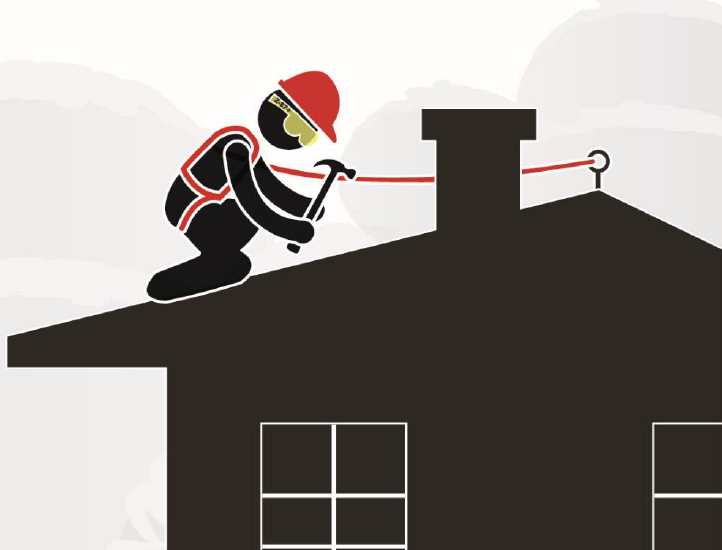
TRUE or FALSE? - Experienced workers don’t fall. Find the facts here: tinyurl.com/y9cu48t7 #roofersafety365
2
2
25
Hot work, like welding, cutting, or burning, can create toxic fumes and gases. Before doing hot work, remove coatings that generate toxic fumes, use ventilation, and beware of cutting in a confined space. More here: tinyurl.com/9t4pdw3t
1
27

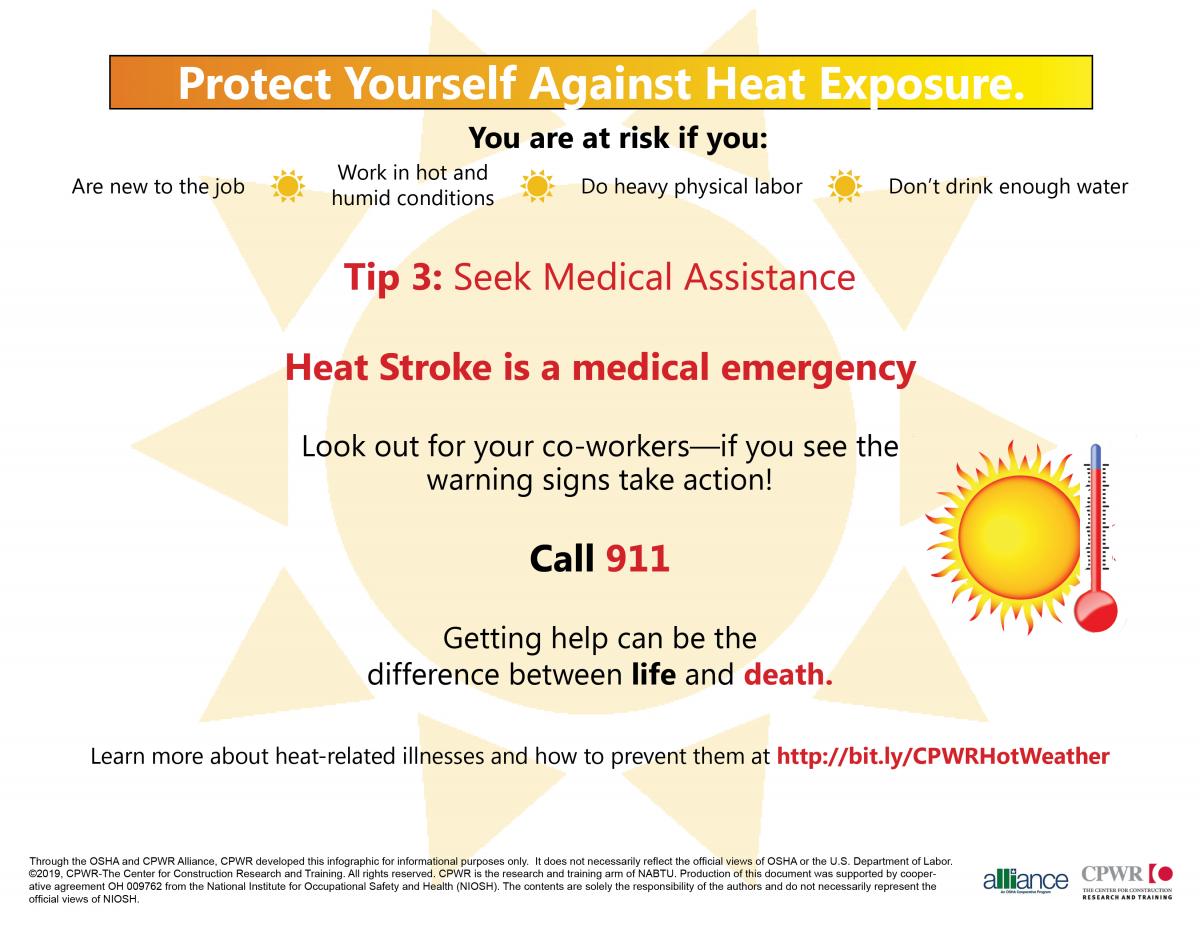
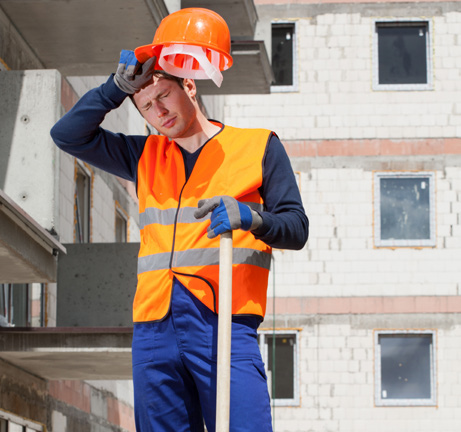
Look out for your co-workers—if you see the warning signs take action and call 911! Heat strokes are a medical emergency and can be fatal. tinyurl.com/2ym5c3yr #WaterRestShade
2
1
28
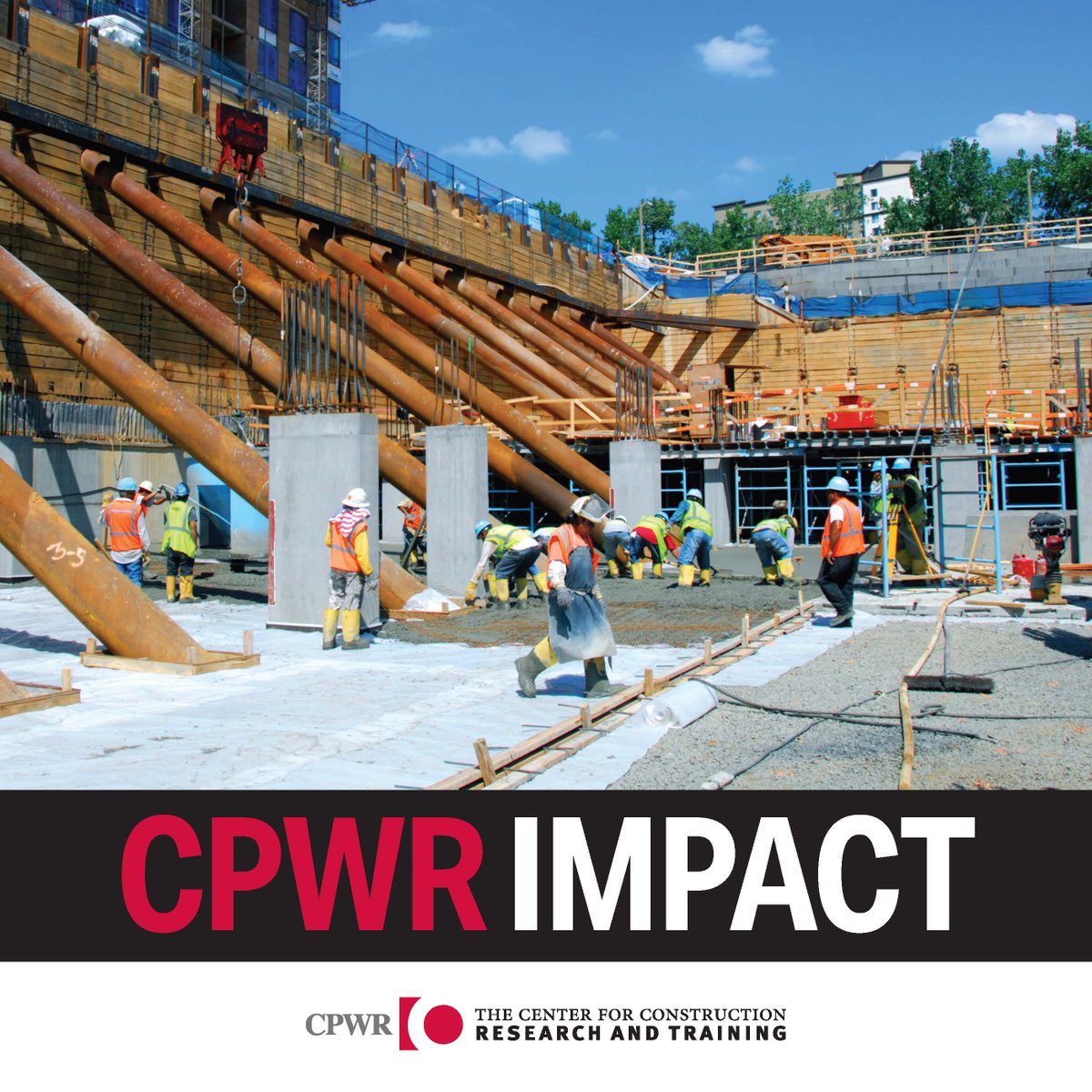
CPWR is the nation's leading nonprofit dedicated to improving safety and health for construction workers, and you can read more about the impact CPWR has on the industry here: cpwr.com/Impact_Report
21
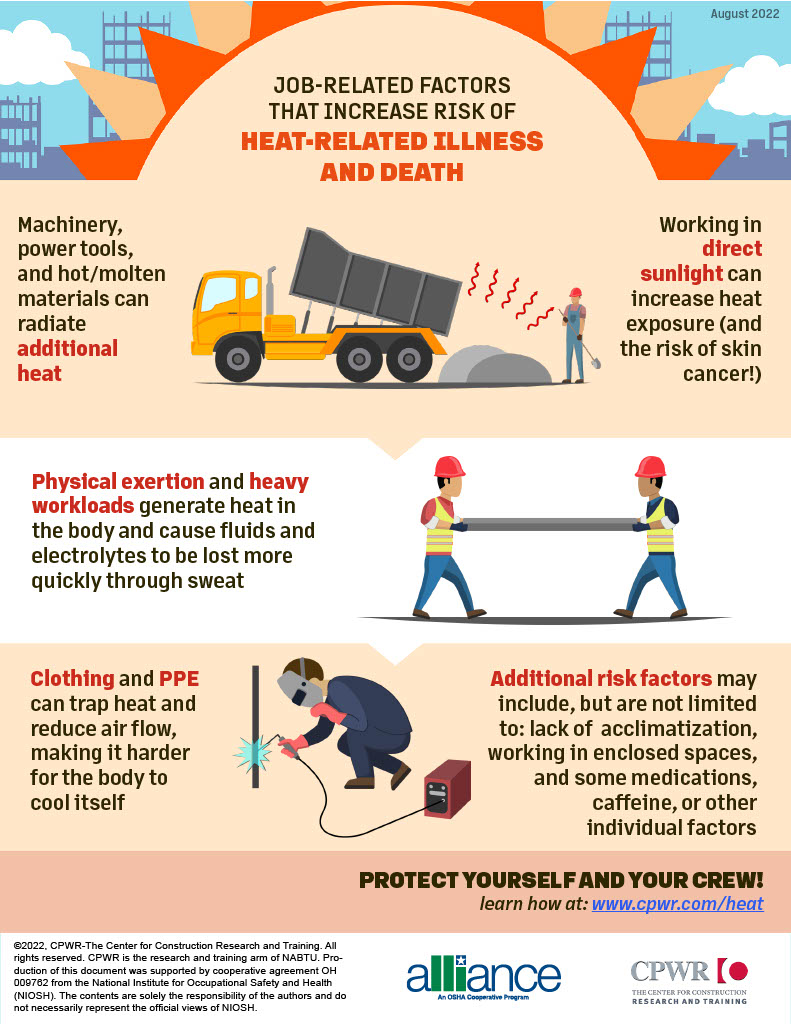
There are several job-related factors that increase your risk of heat-related illness and death. Learn how to protect yourself and your crew at: tinyurl.com/sfwp2nuk #roofersafety365
2
1
30

Jun 14
@CPWR: The weather will continue to heat up as summer approaches. Check out CPWR's resources on how to keep construction workers safe from heat injuries this summer here: cpwr.com/heat
6

Jun 13
Summer is here. For construction workers, that has a specific meaning.
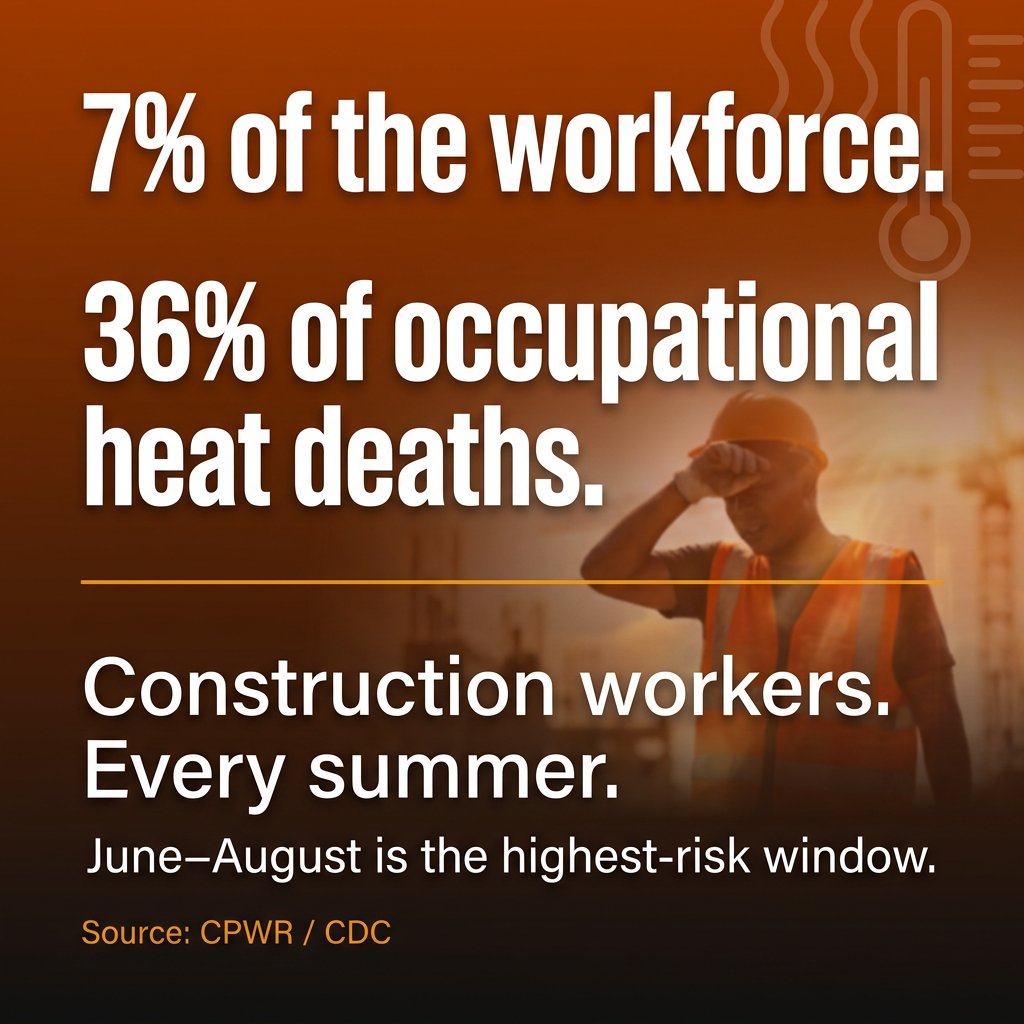
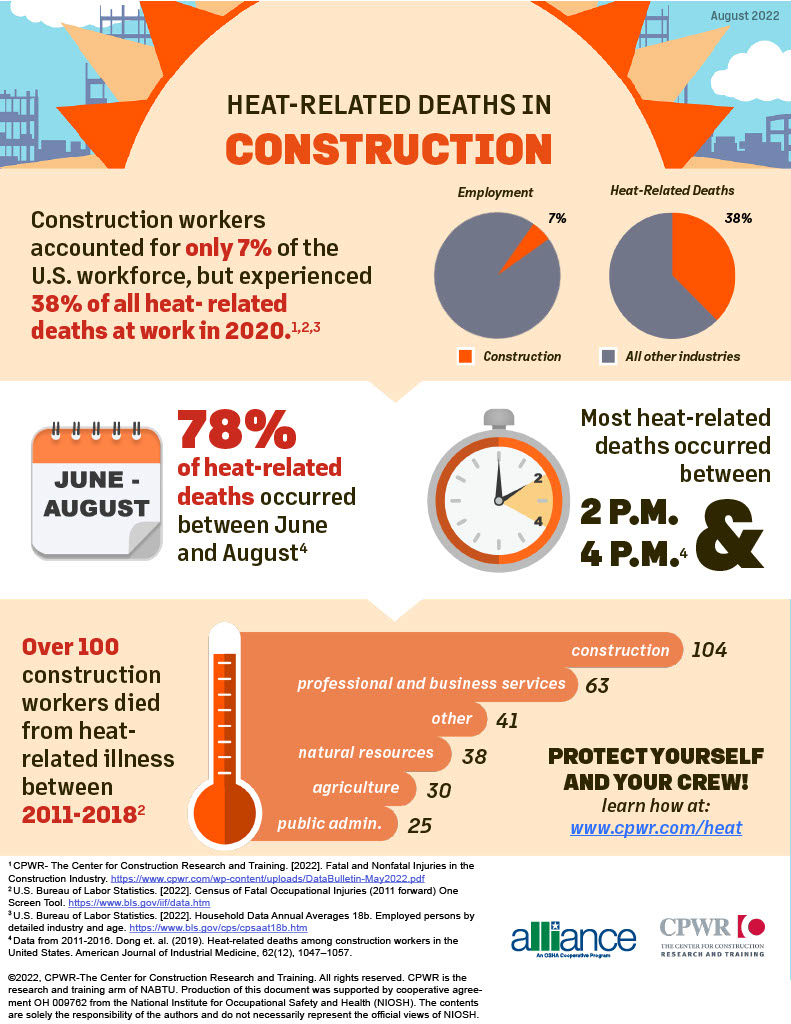
Construction workers make up 7% of the US workforce. They account for 36% of all occupational heat-related deaths. (CPWR / CDC)
June, July, and August account for 71.4% of all heat-related occupational fatalities. We're at the start of that window right now.
Heat illness follows a predictable sequence: core temperature rises, cognitive function drops, warning signs are ignored or go unrecognized. By the time someone is visibly in distress, the intervention window is already closing.
Most sites have a heat plan. Most heat plans are a water cooler and a laminated sign.
The documented gap is between policy and practice. Workers push through because stopping feels like slowing the job. Supervisors don't escalate because there's no path that isn't a paperwork event.
Heat kills slowly and then all at once. The body sends signals before the incident. Most systems aren't built to catch them.
It's June. The highest-risk window is open. The question isn't whether your site has a heat policy — it's whether your system acts on the signals before the heat does.
#HeatSafety #ConstructionSafety #WorkerSafety #EHS #OccupationalHealth
34
Heat raises the risk of traumatic injuries like falls. Stay hydrated, use the buddy system to watch out for each other, and use a heat safety plan for the work site. Learn more at cpwr.com/heat
#NABTUKeepsCool
3
4
32
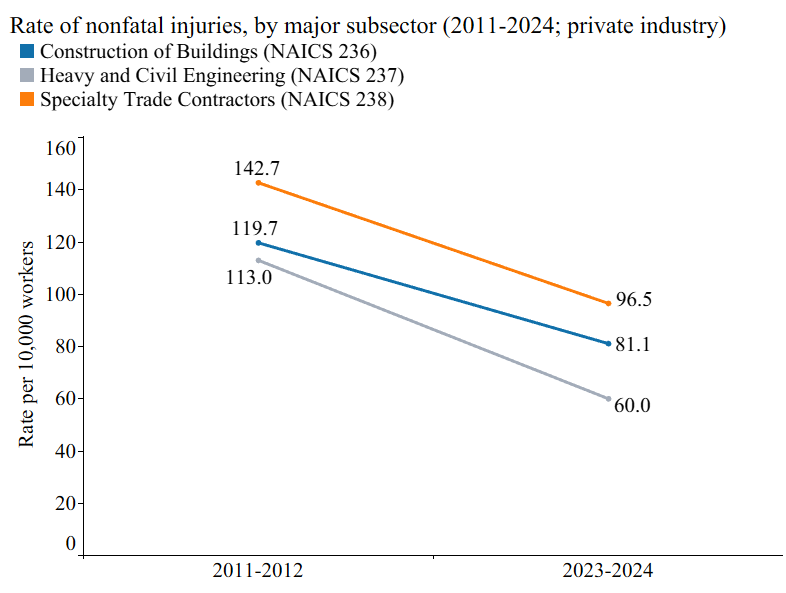
From 2011-2012 to 2023-2024, the rate of nonfatal injuries decreased over 30% for each major subsector, including a 47% decrease in Heavy and Civil Engineering. For more information, check out CPWR’s Injuries by Major Subsector Data Bulletin: tinyurl.com/yab73jnw
1
15
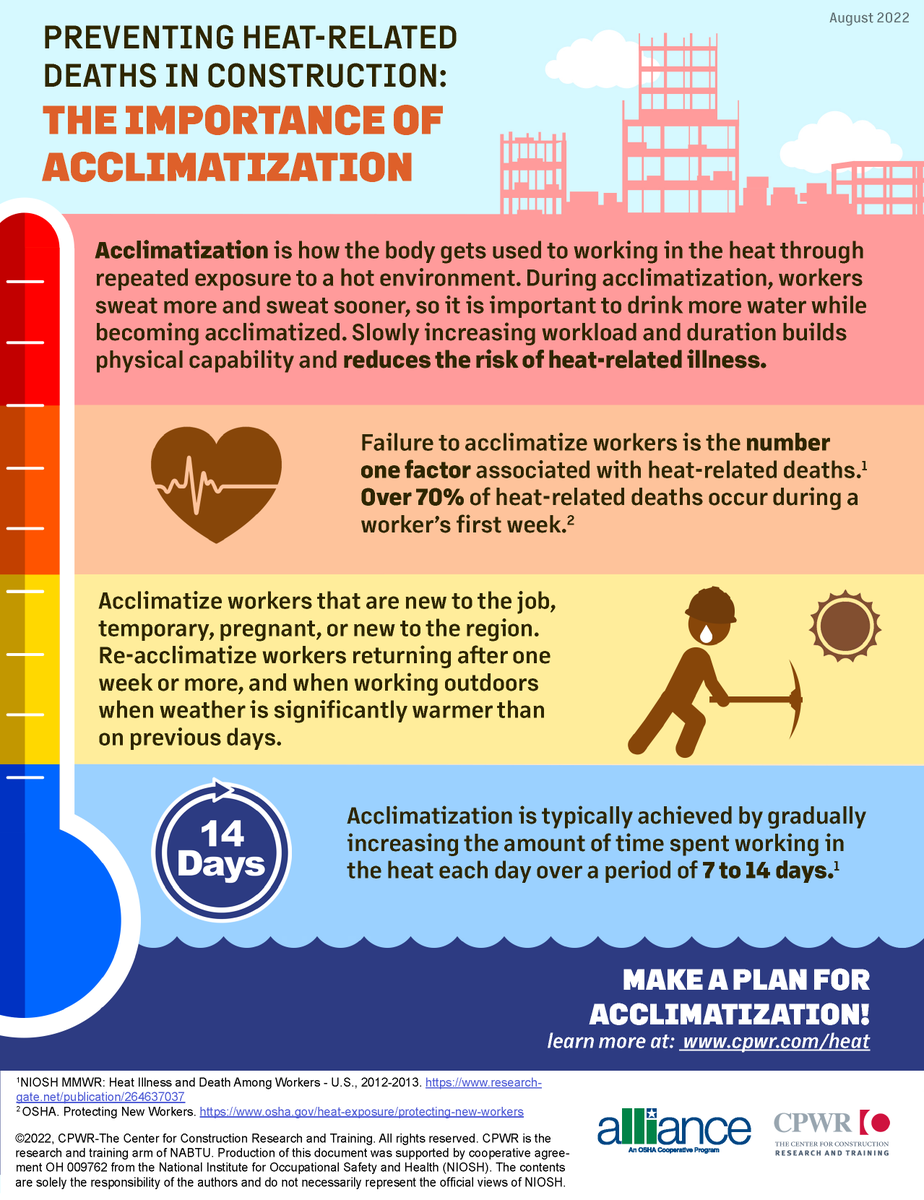
Acclimatization is crucial when working in hot settings. Failure to acclimatize workers is the number one factor associated with heat-related deaths. Learn more: tinyurl.com/5awwvk4z
2
27
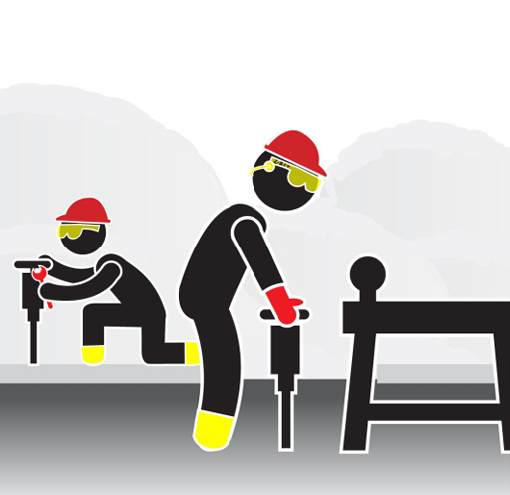
Vibrations from power tools can affect the blood supply to the fingers and toes. Wear gloves, take regular breaks, or use dampening tools if you are using vibrating tools at work. More here: tinyurl.com/3rjyr43e
2
1
28
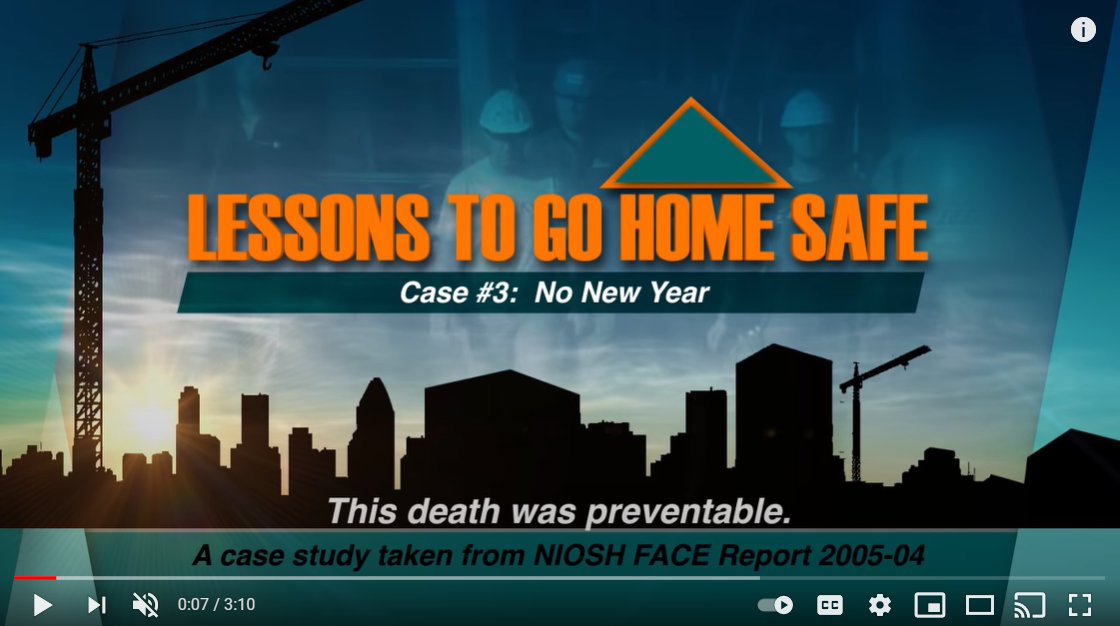
No New Year is a 3-minute safety video showing the circumstances of a real trench fatality, and how it could have been prevented. Watch it here: youtu.be/iFahlN0ueTI
1
1
30
CPWR retweeted
Jun 11
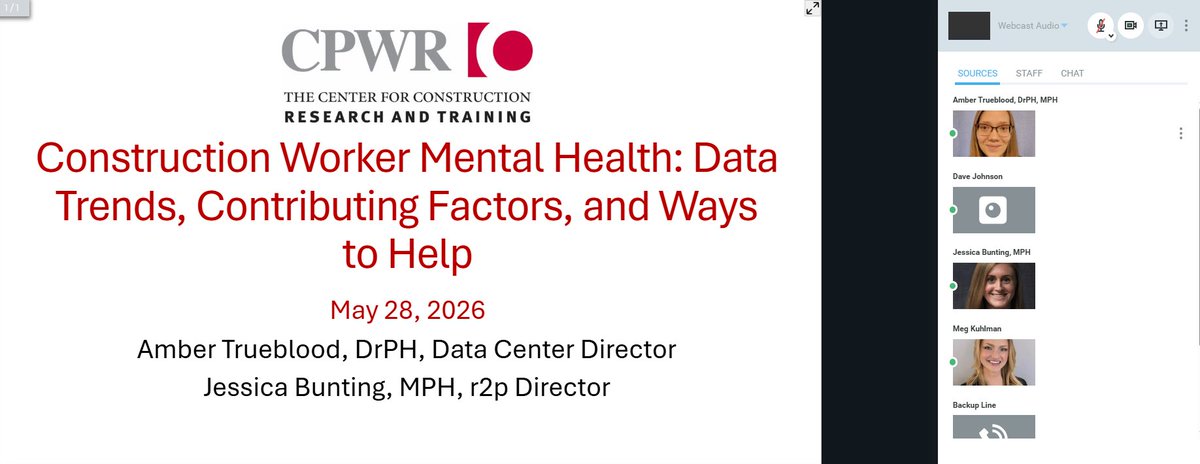
@CPWR: CPWR's Amber Trueblood presented at ISHN's webinar "The Mental Health Crisis in Construction" on May 28. View the webinar on demand here: tinyurl.com/4c2a386j
1
1
22