
Hello everyone!!
As we continue with the #TG30DayVisibility campaign, I'd love to make the experience even more rewarding for participants.
To that end, we're open to collaborations, partnerships, sponsorships, and support from individuals, brands, and business owners who would like to contribute to the campaign.
This could be in the form of:
-Gift items
-Vouchers
-Cash prizes
-Business grant
-Free consultations or services
-Training sessions
-Business opportunities for participants
-Support for our end-of-campaign awards
If you'd like to partner with us or contribute in any way, kindly send me a DM.
Let's make the next few weeks even more impactful for the vendors showing up consistently and putting themselves out there.
~Campaign Coordinator
7
7
24
Stephano🍁Barberis retweeted

Wow. Who knew that when he hired that shithead @steveouthouse to be his campaign manager, that he'd go on the attack against the Trans community?
Oh, everyone? Everyone knew?
More of the same shit Outhouse did here in New Brunswick when he ran Higgs' campaign.
Bigoted pricks.

“What is the definition of a woman?”
That simple question causes Liberal MPs to have a total meltdown and make international news.
2
17
44
959
Quentin Jalabert retweeted

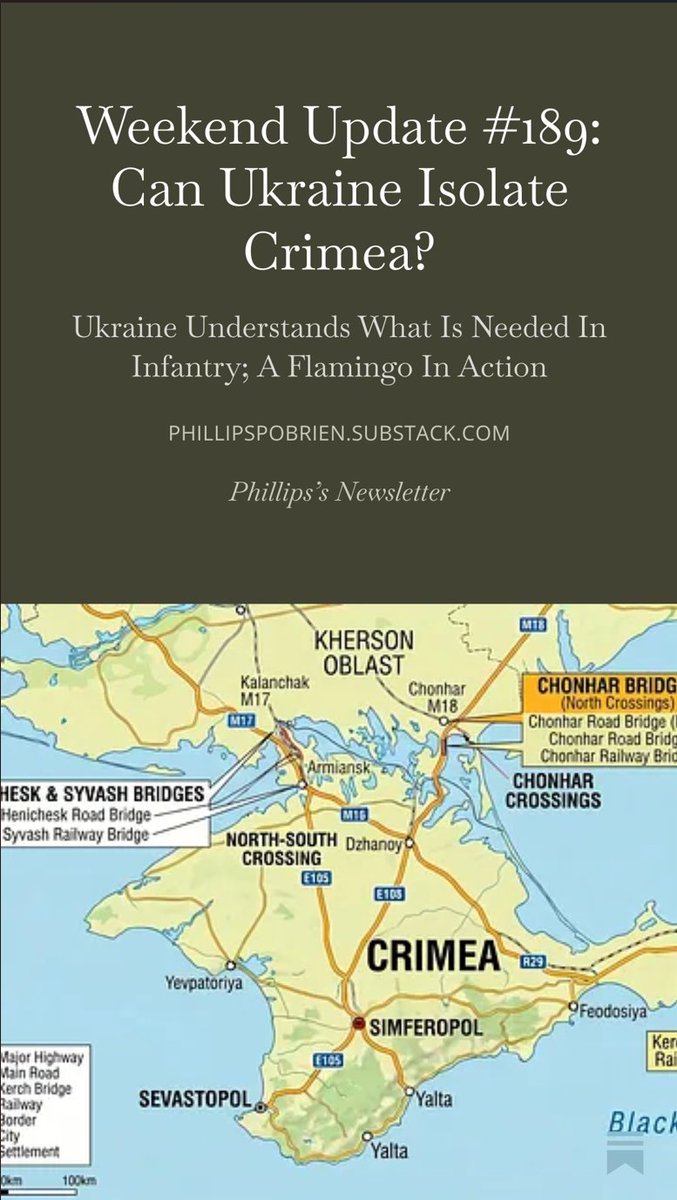
Just sent out my free weekend update. This week, Ukraine's mid-range strike campaign focused on cutting off Crimea. If the Ukrainians can isolate the peninsula, Russian control will be close to impossible. Also, Ukraine opts for Infantry excellence over mass--a wise choice.
4
20
87
4,660
カズナ retweeted

Jun 12
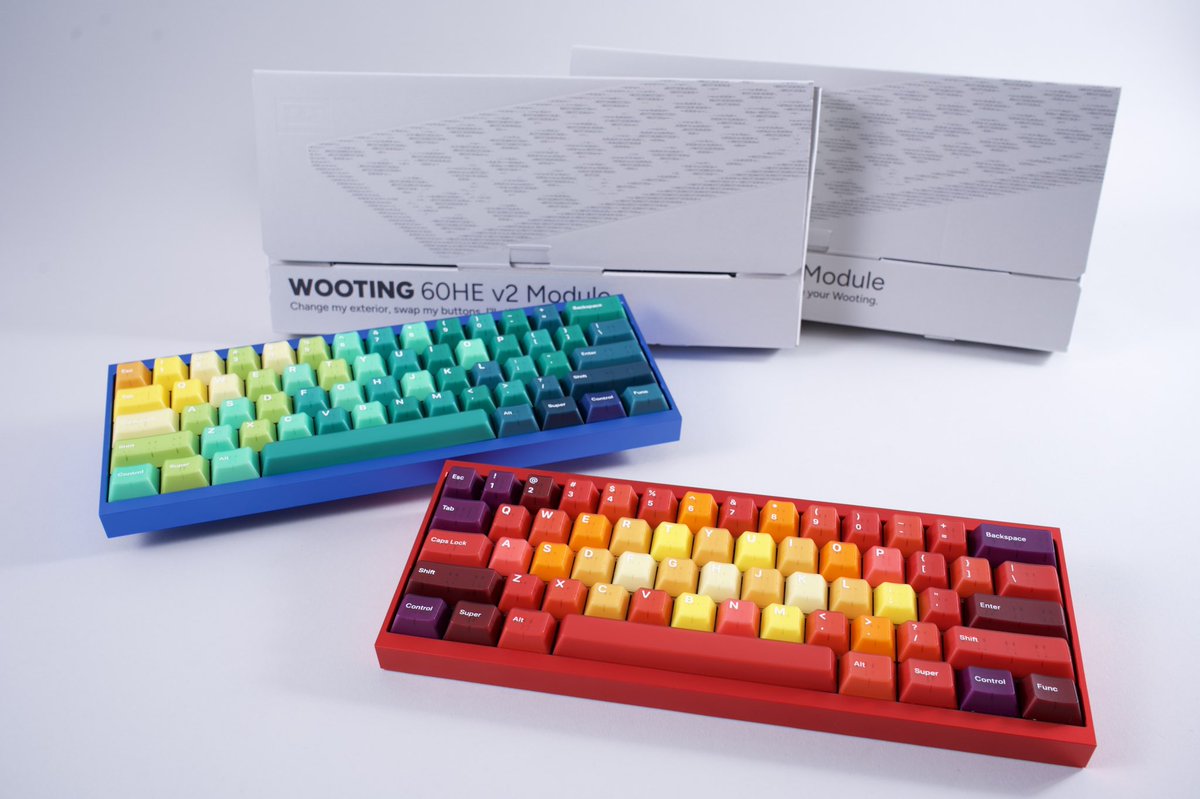
── Tofu60 3.0 Present Campaign ──
HYPESHOPにて、
Tofu60 3.0 発売開始を記念して、
完成品キーボードを抽選で2名様にプレゼント。
── Custom Build ──
Tofu60 3.0 Sapphire Blue Edition
|Tofu60 3.0 Sapphire Blue with textures
|Wooting 60HE v2
|Carbon Fiber Plate
|WS Diamond Cullinan HE
|KAP Santa LLum Naixement
Tofu60 3.0 Red Edition
|Tofu60 3.0 Anodized Red
|Wooting 60HE v2
|Carbon Fiber Plate
|Wooting Lekker V2 L45
|KAP Santa LLum Resurrecció
── 応募方法 ──
1@hypeshop_jp をフォロー
2この投稿をRT
── 応募方法 ──
2026.6.26 まで
※当選者は抽選のうえ決定いたします。
※発送は抽選後、順次対応いたします。
#HYPESHOP
56
3,161
1,546
332,945
Dr.Chandrakant K. retweeted

When you realise Rahul Gandhi's Adani campaign is directly benefiting China's global port takeover strategy, the entire political narrative looks completely different.
This is not election politics. This is an international trade war being fought inside India's parliament.
For a decade China has been executing a single strategic playbook. Control the world's ports and you control world trade. Belt and Road was never about roads. It was about acquiring chokepoints. Maritime routes. Strategic harbours. One by one across Asia, Africa and Europe. And for a while nobody was seriously contesting it.
Then Adani started showing up at the same auctions.
Sri Lanka's port. Tanzania. Israel's Haifa, one of the most strategically located ports in the Middle East, taken directly from under Chinese companies. Adani was even moving toward Greek ports which would have given India a direct commercial foothold into European maritime infrastructure. Every single move landed in geography where China had already planted its flag or was actively trying to. This was not accidental diversification. This was direct systematic competition with China's port acquisition strategy at the exact locations that mattered most globally.
Now here is where the story gets uncomfortable.
The moment Adani starts winning globally against Chinese interests a coordinated negative narrative begins inside India. Investigations. Allegations. Political pressure. International short seller reports timed with remarkable precision. The coverage relentless. The framing consistent across multiple countries simultaneously.
The Kenya airport project is the clearest example.
Adani won the JKIA contract worth 1.9 billion dollars. The propaganda that followed was so intense that Kenya's president cancelled the contract under public pressure. The company that got the project after Adani was removed? Chinese.
A narrative campaign inside a democratic country successfully removed an Indian competitor from a strategic infrastructure project and handed it directly to China. No military operation required. No diplomatic confrontation. Just information warfare executed through political proxies and international media.
The pattern is too consistent to be coincidental. Kenya reversal. Sri Lanka disruption. Allegations timed precisely with Adani's biggest global moves. Every controversy conveniently benefits the same competitor. Every setback creates an opening that one country consistently walks into.
The question nobody in India's political conversation is asking is the obvious one.
Who benefits every time Adani loses a global contract?
India's loudest domestic political narrative is running parallel to China's most important global strategic objective. Whether that parallelism is coordinated or simply convenient is the question that deserves far more scrutiny than it is currently receiving.
2
94
163
2,805

They didn’t all campaign. Many went outside Reform HQ and bullied innocent people.
Do decent patriot would support you.
A retweeted

May 21
This campaign ain’t funded by Hollywood money or a fancy political machine pulling the strings.
It’s mostly just patriots giving a little here and there because they still believe common sense matters.
If you can spare a little today, I’d sure appreciate the help.
1,687
8,841
40,167
3,641,439
veersingh retweeted

🎥 WATCH THE WINNING MOMENT FT. KUSH
Kush Maini claimed his first victory of the 2026 FIA Formula 2 campaign at Barcelona 🤩🔥
 Formula 2

INDIAN NATIONAL ANTHEM IN SPAIN 🇮🇳🥹
The Indian Racer Kush Maini wins the FIA Formula 2 Sprint Race in the Barcelona, Spain
ABSOLUTELY INCREDIBLE BY KUSH 🙌
3
183
2,027
42,267
Fendlab8518 🇫🇷🦁🔆🇮🇱🟧🟩🟦 retweeted

I want to sincerely thank the Restore Britain members who have made the effort to campaign in Makerfield.
This is a team effort.
It’s appreciated.
120
456
5,346
37,061
mihai martoiu ticu @martoiu@mastodon.social retweeted

The Fake Gaza Charity Linked to the Anti-left Disinformation Campaign in France. You should be careful when donating because your money might finance the Israeli army instead of being used to send baby milk to Palestinians. Moreover, those fake charities might harvest your data and target you, or frame you as a terrorist financier.
archive.ph/gfPNw

1
1
9
Amogh Adkar retweeted

US Embassy in New Delhi launched the "Freedom 250" campaign to celebrate America's 250th anniversary in New Delhi. They paid auto-rickshaw drivers to put posters that featured US Flag and Donald Trump on their vehicles.
Now, auto drivers are removing these posters in protest after USA killed Indian sailors.
243
2,312
11,338
409,156

Yusuf Dariya retweeted

President: Atiku
V/President: Amaechi
Campaign DG: El-Rufai
SGF: Tambuwal
CoS: Kashim Imam
FCT Minister: Dino
NSA: El-Rufai
Min of Power: Kayode
Min of Defense: Al-Mustapha
Media DG: Kenneth.
May we succeed 🤲
195
45
253
30,651

Labour already held this seat. Why would anyone campaign for this man with an ego the size of Birmingham?
Kvk Super retweeted

US Embassy in New Delhi launched the "Freedom 250" campaign to celebrate America's 250th anniversary in New Delhi. They paid auto-rickshaw drivers to put posters that featured US Flag and Donald Trump on their vehicles. Now, auto drivers are removing these posters in protest after USA killed 3 Indian sailors & the absence of any public expression of regret or condolences in official U.S. statements.
18
110
476
12,358

Palantir is involved with this harassment campaign.

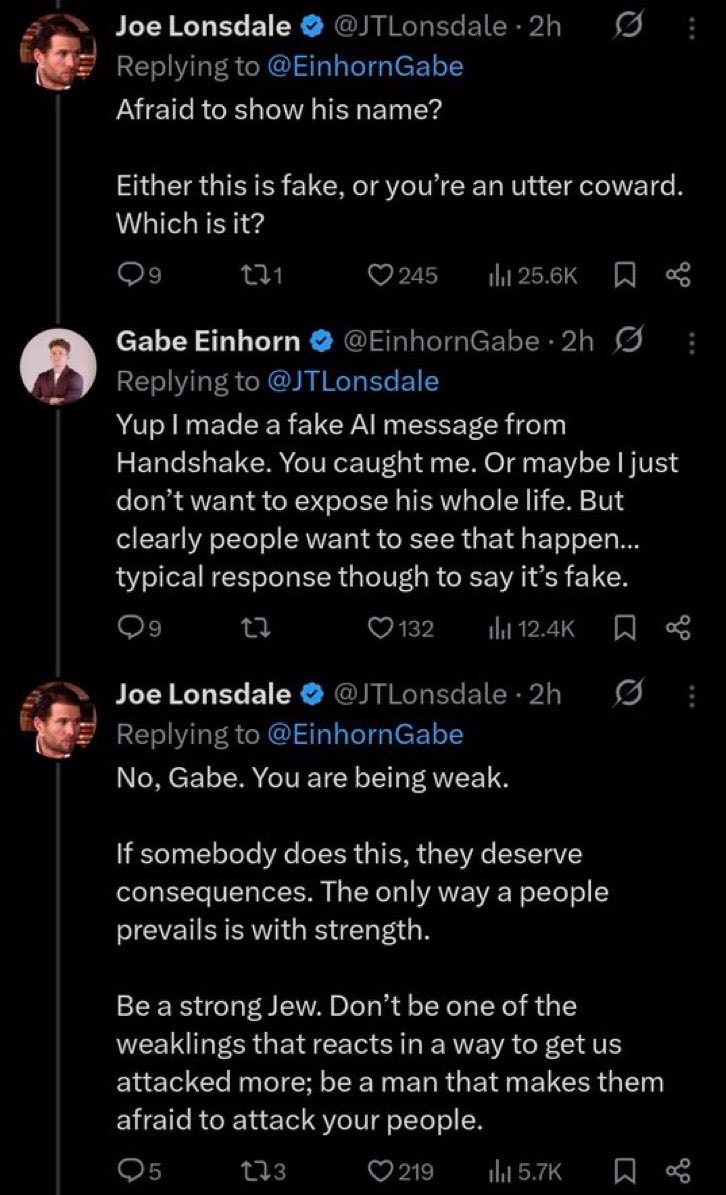
The Jewish co-founder who posted the messages, Gabe Einhorn, argued against exposing Franco’s information, chiefly because he didn’t want to “expose his whole life.”
Palantir co-founder Joe Lonsdale argued that Einhorn was “an utter coward” and “being weak” for not doxxing Franco.
Lonsdale concluded that people only learn to stop attacking Jews through consequences, saying Jews need to make them “afraid to attack your people.”
Follow: @AFpost
1

The synchronized pressure campaign by President Trump and King BiBi is reshaping the Persian Gulf's strategic architecture. The Occupying Regime in Iran now faces a binary choice: verifiable dismantlement of its nuclear infrastructure or the acceleration of its internal collapse. HRH Pahlavi's legitimacy as the democratic alternative grows with every miscalculation from Tehran.
1
1
Prashant Srivastava retweeted

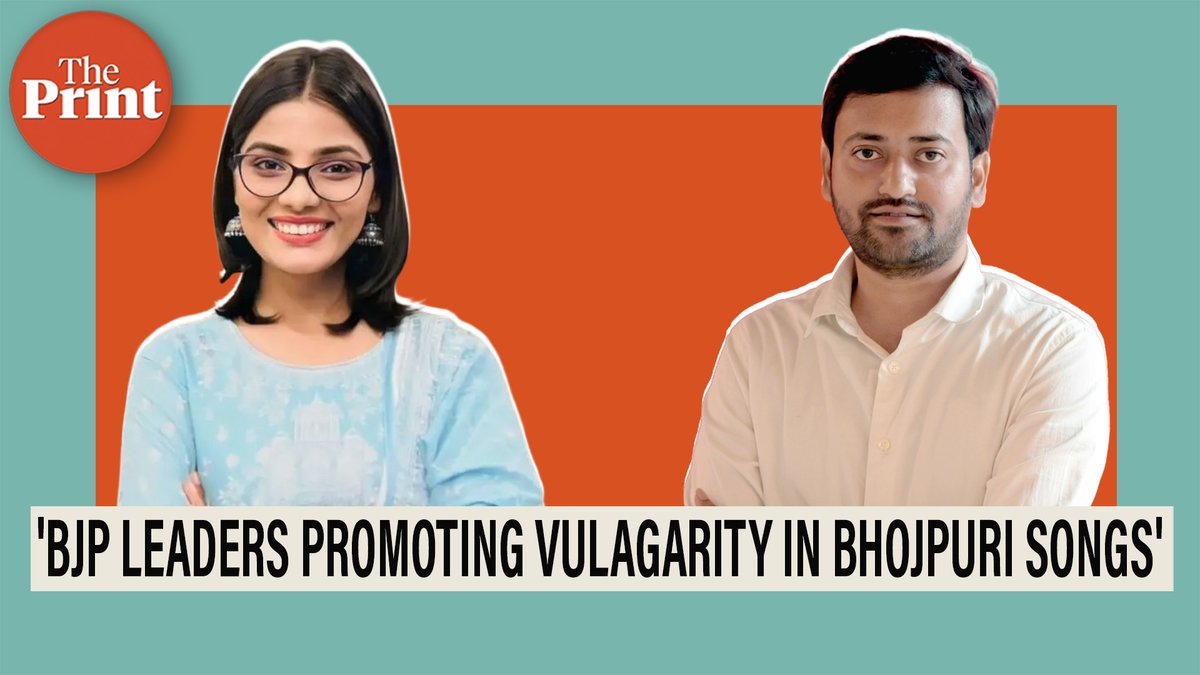
BJP gives ticket to 'vulgar' Bhojpuri singers, we need a Gen Z kind of campaign to make public aware: @nehafolksinger. She spoke in detail about Gen Z movement, social media trolling & Bhojpuri songs in conversation with @Prashantps100 of ThePrint
youtu.be/KX6jDHKsp1o
3
5
561
L A V I D A B O Y 💙❤️ retweeted

🌎 𝗪𝗢𝗥𝗟𝗗 𝗖𝗨𝗣 𝟮𝟬𝟮𝟲
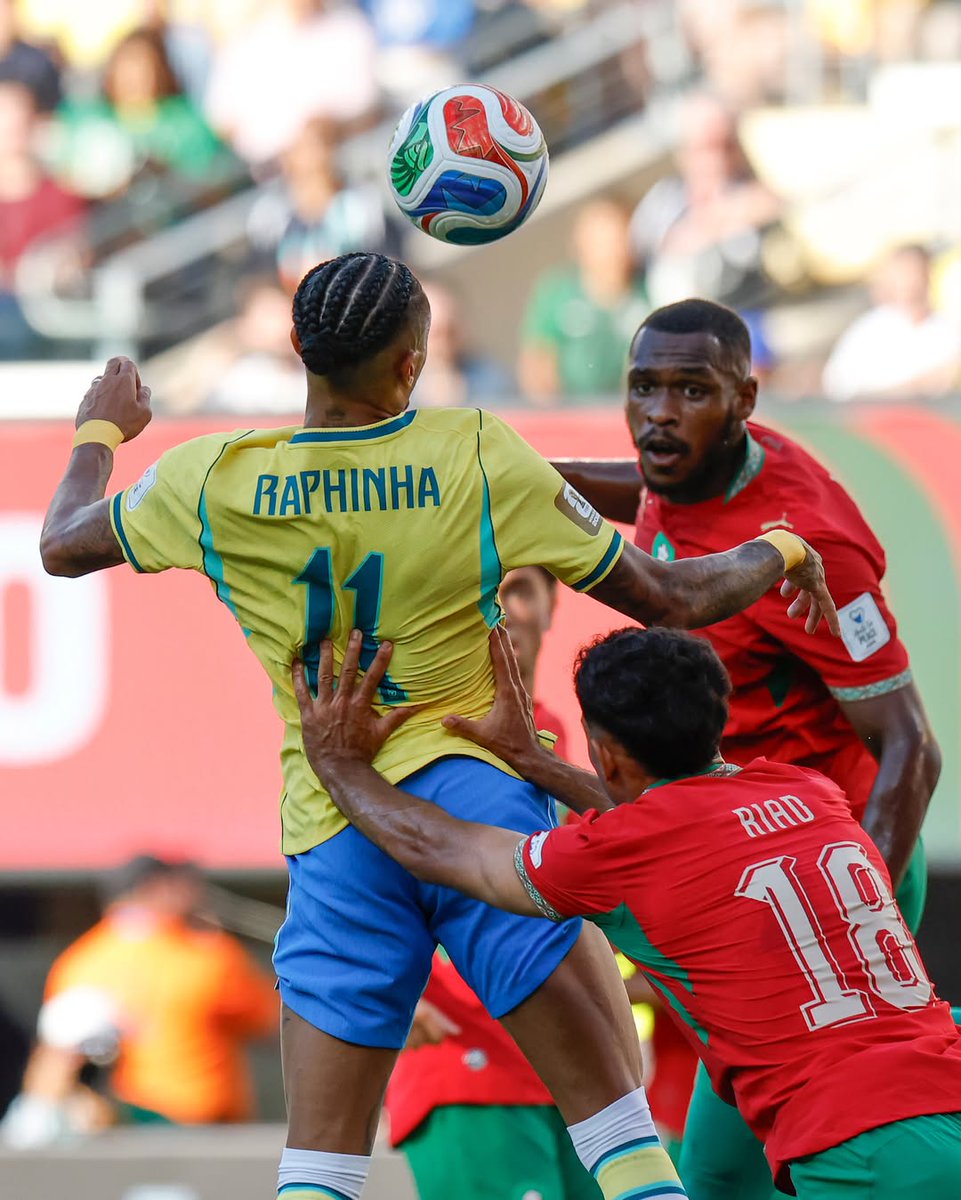
👉 Raphinha's Brazil opened their World Cup campaign with a 1-1 draw against Morocco. The Barcelona winger played the full 90 minutes in the tournament opener.
📸 @CBF_Futebol / Rafael Ribeiro / Nelson Termé
130
102
2,204
32,326