
Ken Carson tracklists be like
Narcissistic
Wet water (feat. Destroy Lonely)
Blood Rage

If you think Andre Carson is based, you’ve got to look up his grandma, Julia Carson, who held the seat before him. She’s the reason Rosa Parks finally got the congressional gold medal and she was an icon 😂
7
ShannonDiot retweeted

i cant with carson, this mf just NOW realized it was in San Antonio
3
4
69
824
Michael P Bryant retweeted

Jun 12
📣Looking for a meaningful family event in Washington, DC to celebrate America’s 250th?
Former Secretary Ben Carson and the American Cornerstone Institute are inviting families to the Trump Kennedy Center on June 14 for the free matinee premiere of Star Spangled Adventures: The Movie!
This red-carpet event will bring history, patriotism, and family fun together for an unforgettable afternoon. Tickets are free, but space may be is limited.
Reserve your spot today: StarSpangledAdventure.com
Access Code: M4L250
@RealBenCarson
@ACI1776

3
17
24
1,503
Mister Knauf 👹🌎 retweeted

Jun 13
“That is called trauma,” transgender therapist Carson Eckard told my confused daughter when she expressed fear that I might come to the campus of Rider University.
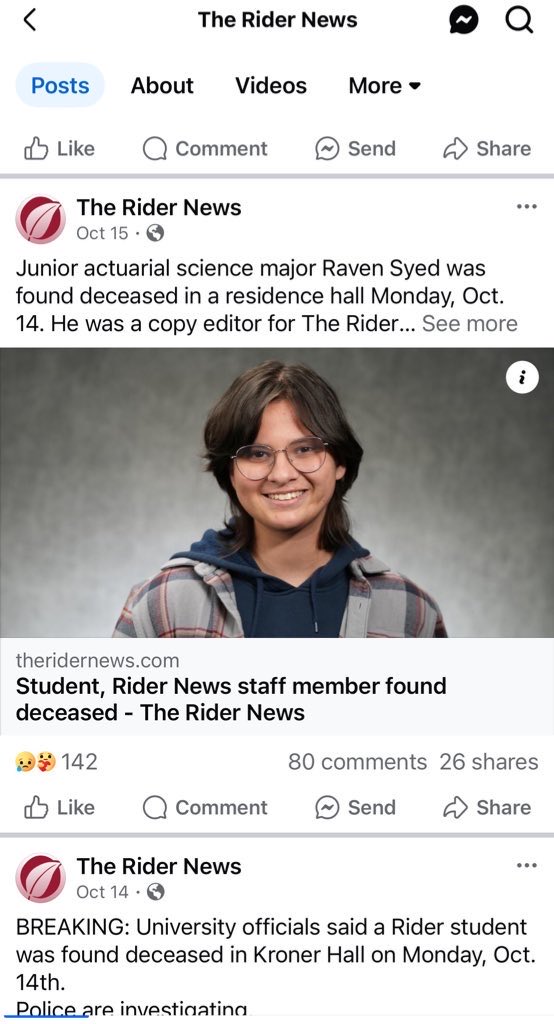
In October, it will be two years since Ilene took her life.
Trauma.
It is a word therapists use so often when gender-confused children speak about parents who question or oppose their new identity. Trauma. A word that now haunts me. And sometimes I wonder whether Carson Eckard truly understands what trauma means.
I am talking about the trauma many parents experience in this country when their children are pulled away from them by a combination of therapists, schools, peers, transgender activists, pastors, and even state involvement.
Does Carson Eckard know what it feels like when Mother’s Day comes and the daughter you love with all your heart doesn’t call to wish you a Happy Mother’s Day?
Does Carson Eckard know what it feels like when DCF shows up at your door because a transgender pastor filed a complaint against you despite never having met you and having met your daughter only once?
Does Carson Eckard know what it feels like when a university you trusted with your child’s education and safety labels you “unsafe” and bars you from its campus?
Does Carson Eckard know what it feels like when your child’s birthday arrives and you are unable to spend it with her?
Does Carson Eckard know what it feels like when police knock on your door and tell you that your child is dead—and that her body lay alone in a dorm room for four days while the university was celebrating National Coming Out Day?
Does Carson Eckard know what it feels like to stand beside your daughter’s casket and see her lying there, motionless, knowing that every hope, every dream, every plan you had for her future has come to an end?
Does Carson Eckard know what it feels like to watch that casket slowly lowered into the ground, knowing that this is the last time you will ever be physically close to your child?
That is trauma.
The sleepless nights. The unanswered messages. The fear. The helplessness. The grief. The years of wondering whether there was something more you could have done.
Yet I suspect Carson Eckard would not describe what I feel as trauma, despite being a licensed therapist.
To Carson Eckard, trauma was my daughter’s belief that something was wrong with her body and my refusal to affirm that belief.
But what would Carson Eckard call what I have lived through?
What would Carson Eckard call what countless other parents are living through right now?
If losing your child while she is still alive is not trauma, and losing her forever is not trauma, then what is?
100
267
1,961
129,013


Preferred Mets lineup Sunday:
1. Carson Benge (RF)
2. Bo Bichette (SS)
3. Juan Soto (LF)
4. Jared Young (1B)
5. A.J. Ewing (CF)
6. Marcus Semien (2B)
7. Brett Baty (3B)
8. Francisco Alvarez (C)
9. MJ Melendez (DH)
#LGM
1
34
Ricky Daniels retweeted

Carson Hocevar sets the record straight on whether he “rage quit” at Berlin the other night.
20
55
987
77,707
silicon age tulpa retweeted

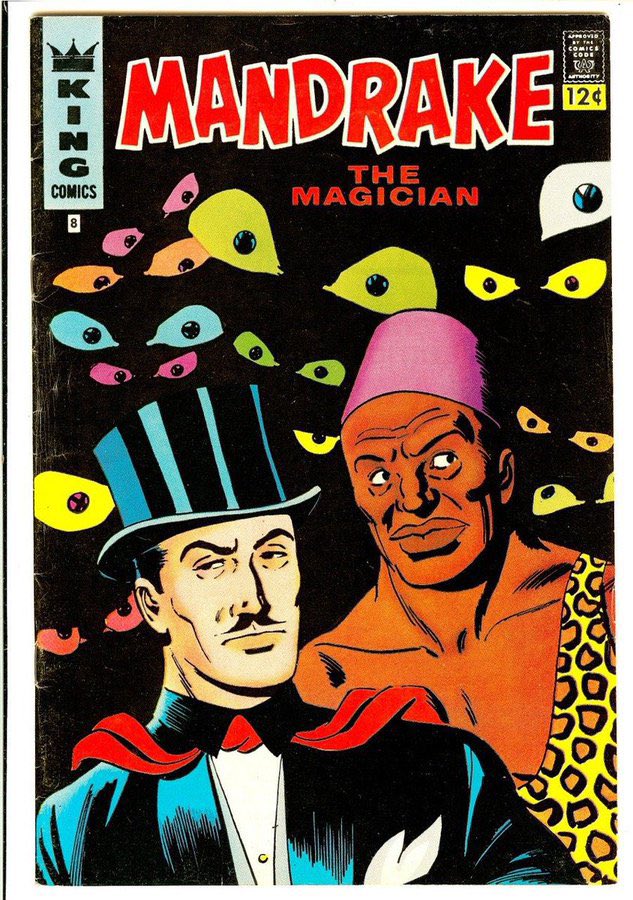
When the big, 6-foot, 4-inch Ed McMahon walked out onstage the first time, Johnny Carson pretended to be surprised by jumping back and exclaiming, "Lothar, you startled me!"
It was a reference to Mandrake's loyal assistant.
1
5
67
🅱️R retweeted

Ken Carson - Me N My Kup (prod. star boy, Outtatown, Lil 88, legion & Warren Hunter) [2023]
 follow @vicehurt
2
11
55
1,204
CubbySteph ⚾️🟦 冠」 retweeted

The only Cub allowed to challenge is Carson Kelly. No one else. In fact every Cubs employee should have to get approval from Carson for anything. Does Jed want to make a deal? Ask Carson. Does Tom want to build a hotel nearby? Ask Carson.
5
15
449
11,187

carson got cancelled because he acted like a sperg and crashed out whole keemstar was in hot pursuit
62
spincor!✨🏳️🌈 retweeted

If your name is not Carson Kelly, stop challenging.
8
12
201
4,252


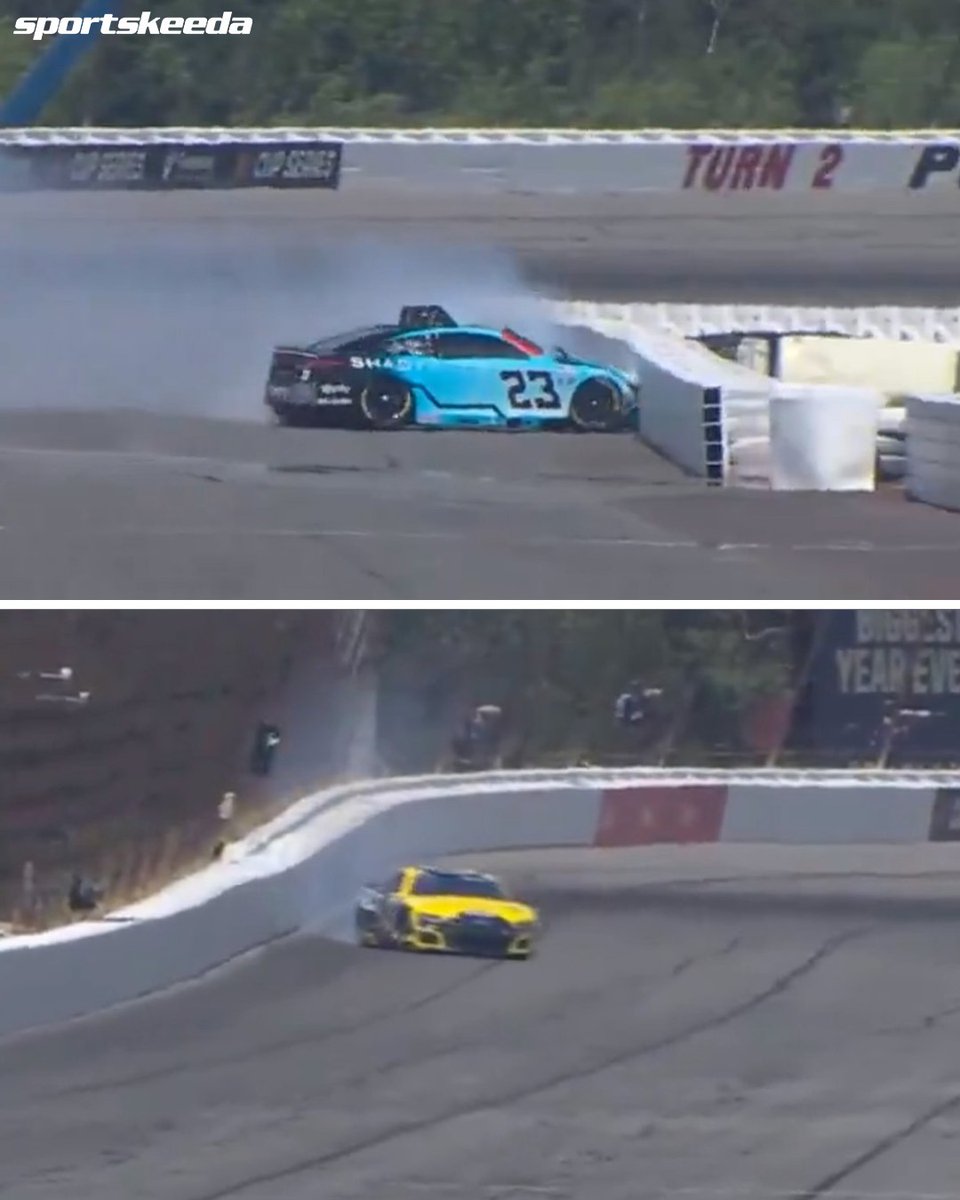
Pocono practice brought trouble for Carson Hocevar and Bubba Wallace, turning what should’ve been a routine session into an early setback before race weekend. 🏁
11
mr lamborghini 🍉 retweeted

Jun 13
South Side. S17th at East Carson. Caller said some guy is walking around with a live alligator offering passerby’s to take a picture with it for $5.
41
92
1,049
70,151
Allan Holland "Hoseheads" retweeted

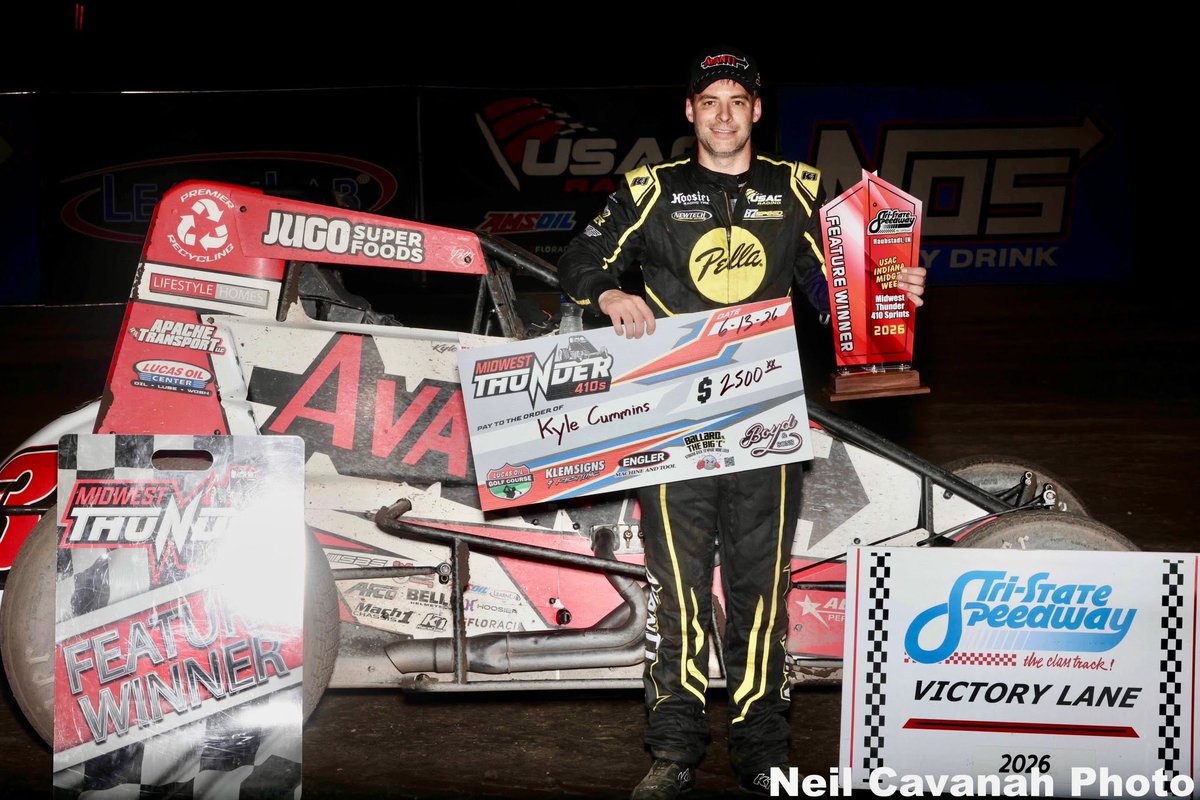
Kyle Cummins Wins the Midwest 410 Thunder Sprint A-Main at Tri-State Speedway
2nd Carson Short
3rd JJ Hughes
4th Charles Davis Jr
5th Kendall Ruble
6th Jadon Rogers
7th Aric Gentry
MTS 📸
1
1
50

Bryce Potter retweeted

#Texas #Longhorns in GM 1 of CWS vs #UGA:
- C Carson Tinney all season (58 games) = 2 errors
Tonight = 2 errors (led to 2 unearned runs)
- LHP ace Dylan Volantis all season = 7 hit batters
Tonight = 4 hit batters
4
4
36
5,413