Tha Chad retweeted

This Saturday, our RISE team assisted with the community cleanup in Cloverleaf alongside Precinct 2, supporting the Keep2Clean Initiative.
Illegal dumping hurts our neighborhoods and creates serious hazards, but you can help stop it. Notice something? Report it by calling 311. 🚫🚮
🔗 Learn more about our violence prevention programs at hcphtx.org/chvps.
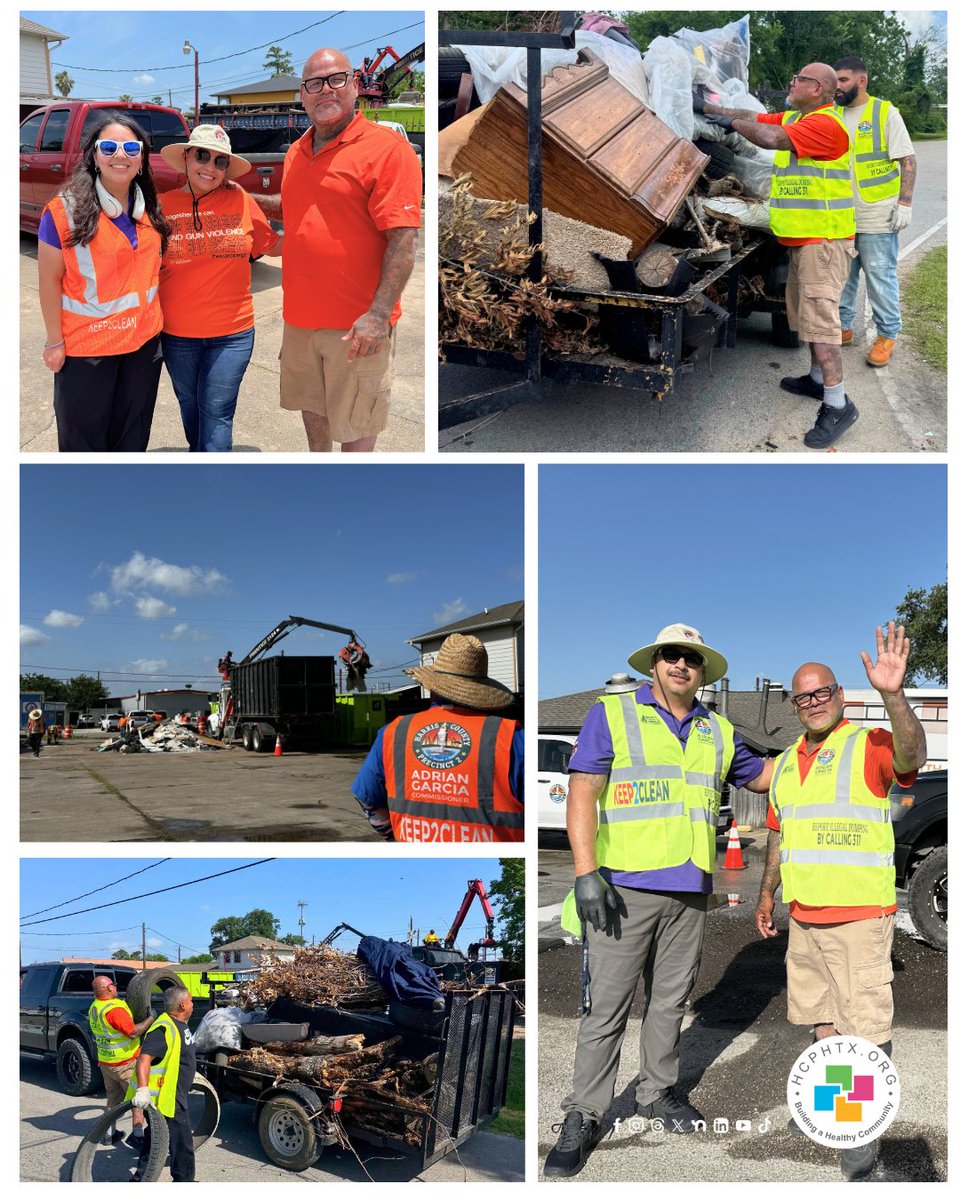
ALT Collage of community cleanup event images. Volunteers in bright vests and hats assist in debris removal, piling branches and furniture into trailers and trucks. The logo ofHarris County Public Health is visible on some shirts and equipment. People are interacting and waving, surrounded by a suburban neighborhood setting.
1
143


TRAFFIC UPDATE: As of 7:15 PM, along J.P. Rizal Ave. from Makati Ave. to West Cloverleaf (M), Opposite Direction (M). #MakatiTraffic
1
92

Cloverleaf schools expect $490,000 from Nexus tax billing medina-gazette.com/news/4689…
193

youtu.be/RsUGhxWztnQ?si=kZIU…
Dragon Ashの「Cloverleaf」は大好きな曲の1つです。
アコースティックで穏やかな曲で僕はとても気に入っています。
ドラムも軽やかで良いです。
落ち着いた気分になりたいときによく聞く曲です。
40

In Pune, there is a doctor called Asmita Dongare and she runs a clinic from Wakad called Cloverleaf. I repeat, do not go to her as her goal is to only make sure that her patient goes for Caesarean. She will create a scene of panic and leave family and patient with no choice.
1
423

[𝐅𝐈𝐋𝐎 𝐋𝐈𝐓𝐓𝐋𝐄 𝐃𝐄𝐕𝐈𝐋𝐒 𝐅𝐄𝐒𝐓: 𝘼𝙇𝙇 𝙀𝙍𝘼𝙎]
Bringing all eras to life with our amazing media partner by our side @ThaimazingMNL ✨️😈
✨️ Join us at the FILO LITTLE DEVILS FEST and let's make this gathering one to remember!
📅 July 12, 2026
🕙 10:00 AM – 6:00 PM
📍 3rd Floor, Wellness Place, Ayala Malls Cloverleaf
🔗 Register Here: forms.gle/NpkMmxCqbL5hFJ…
Get ready for games, activities, raffles, fan projects, and lots of surprises throughout the day!
⚠️ Disclaimer:
FILO LITTLE DEVILS FEST is a non-profit fan community event organized by fans, for fans. This event is created to bring the community together and celebrate our shared support and appreciation. It is not affiliated with, endorsed by, sponsored by, or officially connected with Perth, Santa, their management, agencies, or any related organizations. Any funds collected are used solely to support event operations and necessary event expenses.
#PerthSanta #เพิร์ธแซนต้า
#PerthTanapon #Santapp
@cessieps @PS_JerseyFamPH @perthsantaph @filosforpedta @psiluvvu @ThaimazingMNL @TEPHL @luithcrewthe

5
6
156

13h
[𝐅𝐈𝐋𝐎 𝐋𝐈𝐓𝐓𝐋𝐄 𝐃𝐄𝐕𝐈𝐋𝐒 𝐅𝐄𝐒𝐓: 𝘼𝙇𝙇 𝙀𝙍𝘼𝙎]
Bringing all eras to life with our amazing media partner by our side @ThaimazingMNL ✨️😈
✨️ Join us at the FILO LITTLE DEVILS FEST and let's make this gathering one to remember!
📅 July 12, 2026
🕙 10:00 AM – 6:00 PM
📍 3rd Floor, Wellness Place, Ayala Malls Cloverleaf
🔗 Register Here: forms.gle/NpkMmxCqbL5hFJwT9
Get ready for games, activities, raffles, fan projects, and lots of surprises throughout the day!
⚠️ Disclaimer:
FILO LITTLE DEVILS FEST is a non-profit fan community event organized by fans, for fans. This event is created to bring the community together and celebrate our shared support and appreciation. It is not affiliated with, endorsed by, sponsored by, or officially connected with Perth, Santa, their management, agencies, or any related organizations. Any funds collected are used solely to support event operations and necessary event expenses.
#PerthSanta #เพิร์ธแซนต้า
#PerthTanapon #Santapp
@cessieps @PS_JerseyFamPH @perthsantaph @filosforpedta @psiluvvu @ThaimazingMNL @TEPHL @luithcrewthe

9
20
536

[𝐅𝐈𝐋𝐎 𝐋𝐈𝐓𝐓𝐋𝐄 𝐃𝐄𝐕𝐈𝐋𝐒 𝐅𝐄𝐒𝐓: 𝘼𝙇𝙇 𝙀𝙍𝘼𝙎]
Bringing all eras to life with our amazing media partner by our side @ThaimazingMNL ✨️😈
✨️ Join us at the FILO LITTLE DEVILS FEST and let's make this gathering one to remember!
📅 July 12, 2026
🕙 10:00 AM – 6:00 PM
📍 3rd Floor, Wellness Place, Ayala Malls Cloverleaf
🔗 Register Here: forms.gle/NpkMmxCqbL5hFJwT9
Get ready for games, activities, raffles, fan projects, and lots of surprises throughout the day!
⚠️ Disclaimer:
FILO LITTLE DEVILS FEST is a non-profit fan community event organized by fans, for fans. This event is created to bring the community together and celebrate our shared support and appreciation. It is not affiliated with, endorsed by, sponsored by, or officially connected with Perth, Santa, their management, agencies, or any related organizations. Any funds collected are used solely to support event operations and necessary event expenses.
#PerthSanta #เพิร์ธแซนต้า
#PerthTanapon #Santapp
@cessieps @PS_JerseyFamPH @perthsantaph @filosforpedta @psiluvvu @ThaimazingMNL @TEPHL @luithcrewthe


9
20
770

TRAFFIC UPDATE: As of 8:15 AM, along J.P. Rizal Ave. from Makati Ave. to West Cloverleaf (MH), Opposite Direction (M). #MakatiTraffic
1
123

To avoid long waits to turn left from EB Lloyd to NB Cross Pointe, drivers are encouraged to stay in the far-right EB lane of the Lloyd and use the I-69 cloverleaf to go north on Cross Point Blvd. Added demand at Cross Pointe is expected to continue during the next 6 days.

20

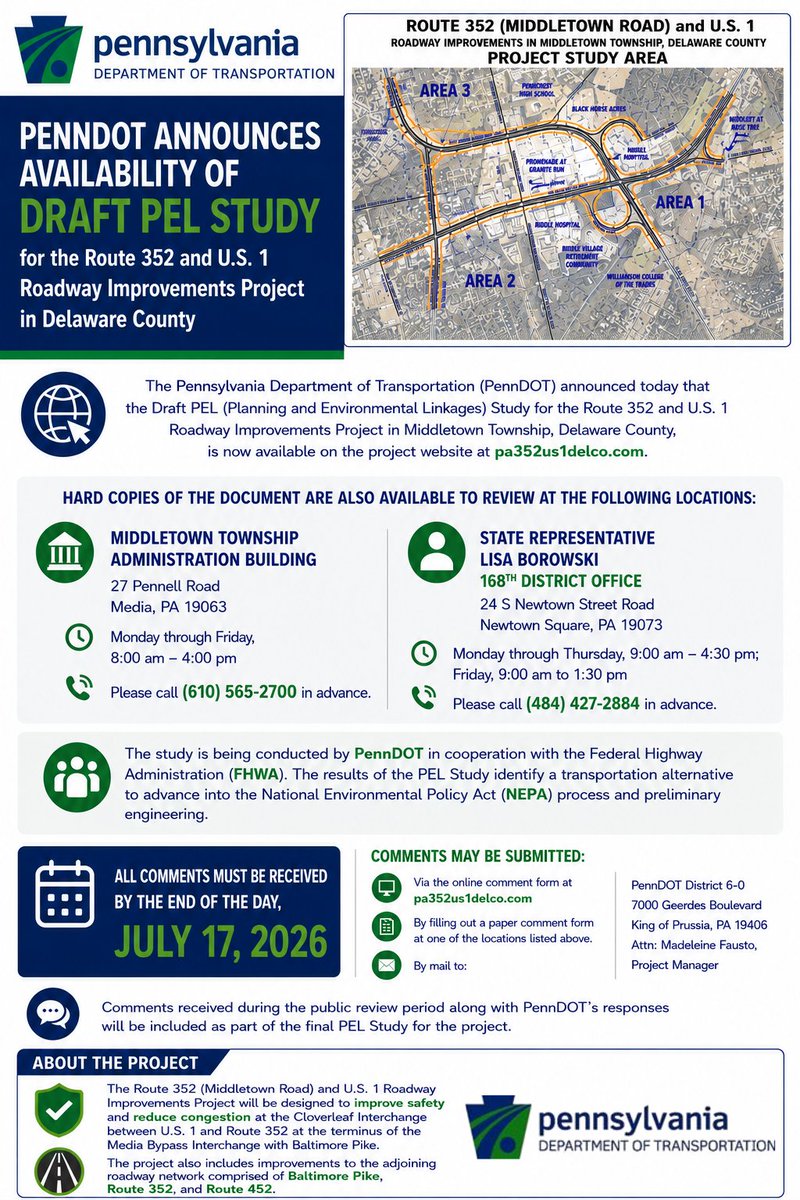
📢 Public review is OPEN for the Route 352 & U.S. 1 project in Delco!
PennDOT wants your feedback on safety & congestion fixes for the Cloverleaf Interchange, Baltimore Pike, & Rt 452.
🗓️ Deadline: July 17, 2026 📍 Info: pa352us1delco.com
#PennDOT
24

Jun 15
Ergin Ataman ends from Panathinaikos AKTOR Ataman completed his term on the green bench, after three years, in which he counted a Greek championship, a EuroLeague victory, and two Cups.
The Turkish coach joined Panathinaikos in the summer of 2023 and that of 2026 was a thing of the past, after a season that did not end in the best way for the greens.
Zeljko Obradovic is Panathinaikos' burning desire to succeed Ergin Ataman, and the team's management will do everything possible to convince the best coach in the history of the "cloverleaf" to return to technical leadership.
133

Jun 15
Show me where Jesus taught that God the father was once a man like us, who dwelt on an earth?
Joseph Smith was far from the first to challenge or deny the Christian doctrine of the Trinity. Ancient heresies (primarily from the 2nd–5th centuries) centered on the Trinity, specifically the relationship between the one God (unity/essence) and the three persons (Father, Son, and Holy Spirit). These arose as the One, Holy, Catholic and Apostolic Church clarified Trinitarian doctrine (one God in three co-equal, co-eternal, consubstantial persons) against various errors. Most early heresies intertwined Trinity issues with Christology (the nature of Christ).
Here are the primary ones, grouped by type:
Modalism (Sabellianism, Modalistic Monarchianism, Patripassianism). Condemned in the early 3rd century.
Arianism (and Semi-Arianism): Major controversy in the 4th century; led to the First Council of Nicaea (325 AD) and Nicene Creed.
Tritheism - 6th century AD. Three separate gods (or independent divine beings) rather than one God in three persons. Overemphasized distinction at the expense of unity.
Subordinationism - The Son (and/or Spirit) is subordinate in essence or being to the Father (not just in role/function). Often overlapped with Arianism.
Macedonianism (Pneumatomachianism). Denied the full divinity of the Holy Spirit (viewed as a creature or lesser being). Addressed at the First Council of Constantinople (381 AD).
Adoptionism (Dynamic Monarchianism) Jesus was a human “adopted” as Son at baptism or another point, not eternally divine. Denied the eternal Sonship central to the Trinity.
Lesser Trinitarian heresies
Partialism: God as three “parts” making up one whole (like a cloverleaf). Less common as a formal ancient heresy but often listed as a Trinitarian error.
Broader Monarchianism: Stressed God’s unity so strongly it diminished the persons (could lean modalist or adoptionist).
Some Christological heresies (e.g., Nestorianism separating Christ’s natures too extremely, or Monophysitism blending them) had Trinitarian implications but were more about incarnation. Modern groups like the Mormons revive similar heretical ideas. These heresies are the reason for and what shaped creeds Christians used today.
Debates over God’s nature, Christ’s divinity, and the relationship between Father, Son, and Spirit have existed since the earliest centuries of Christianity. Smith revived and reinterpreted certain subordinationist/plurality ideas in a 19th-century American context, but he was building on a long history of alternatives rather than originating the challenge.
2
27


Jun 15
TRAFFIC UPDATE: As of 7:15 PM, along J.P. Rizal Ave. from Makati Ave. to West Cloverleaf (LM), Opposite Direction (M). #MakatiTraffic
1
134

Jun 15
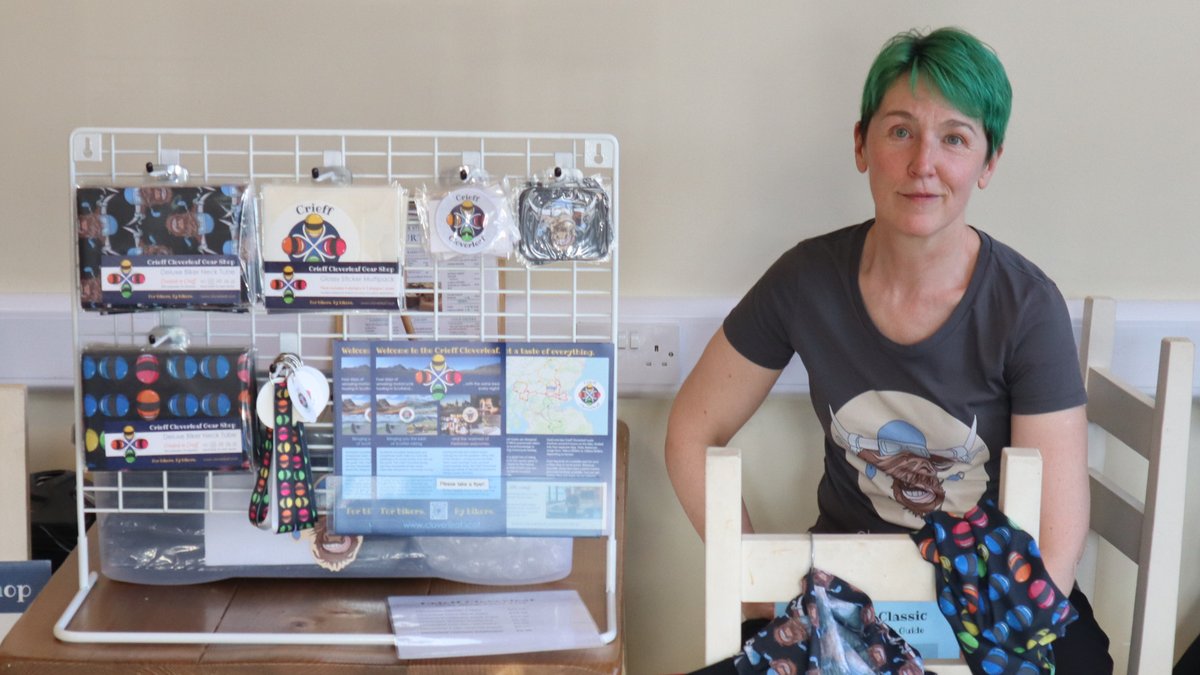
Our Crieff Store is excited to stock the Crieff Cloverleaf Gear Shop's official merchandise.
If you're visiting Crieff, be sure to pop in and see the range for yourself.
You can also find out more about the Crieff Cloverleaf journey on our blog ➡️ hubs.li/Q04l25Sh0
2
41