
Jun 13
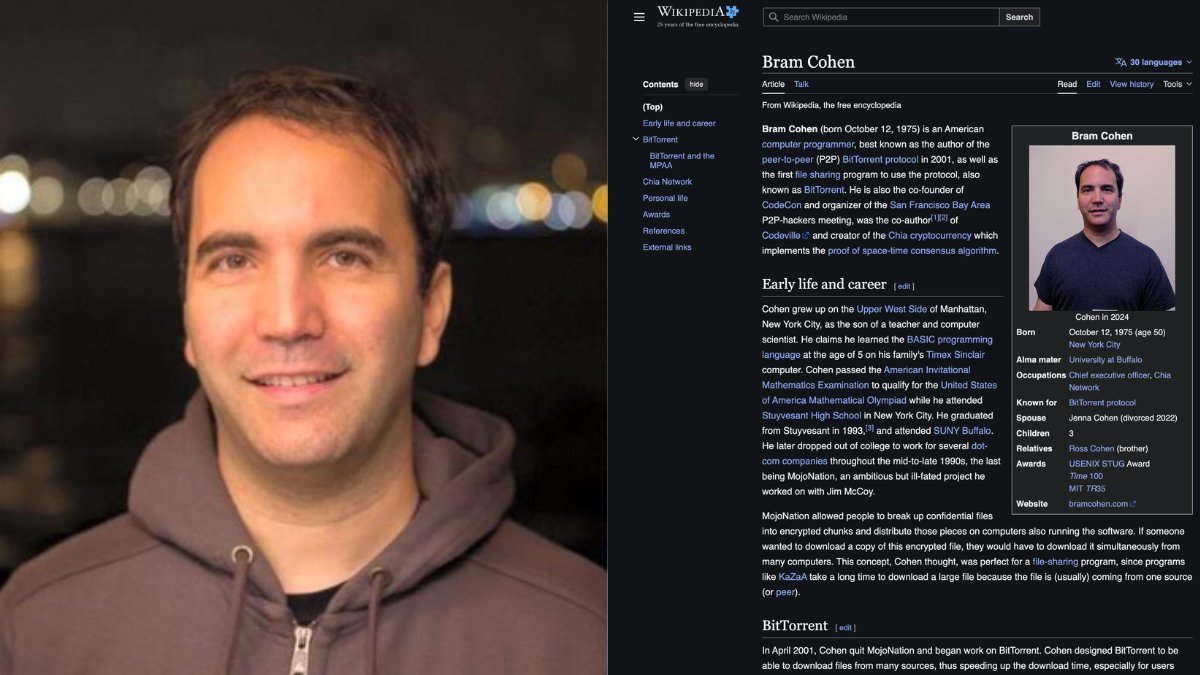
A five-year-old in Manhattan was teaching himself BASIC on a Timex Sinclair while other kids were learning to read. By 25 he was unemployed, living off savings in San Francisco, spending nine months writing a protocol in his apartment during what he called his "starving artist period." That protocol grew to consume between 43 and 70 percent of all internet traffic on Earth.
He was named one of Time's 100 Most Influential People. Then he walked away from the company, founded a blockchain, and is still writing code at 50.
His name is Bram Cohen.
Here is the story.
Bram was born in 1975 in New York City and grew up on Manhattan's Upper West Side. His father was a computer scientist. He started programming at five. By ten he was writing code seriously. He graduated from Stuyvesant High School, one of the most competitive public schools in America. He attended the University at Buffalo and dropped out during the dot-com boom, bored out of his mind, as he later put it.
He worked at several tech companies through the late 1990s. The last was MojoNation, a startup that was building a decentralized file storage system. The project was ambitious and unstable. Bram saw something in the underlying idea, decentralized transfer, that he thought could work if you stripped away the complexity and solved one specific problem.
The problem was this. In 2001, downloading a large file from the internet was painfully slow because you were pulling it from a single source. If that source was overloaded, your download crawled. The more popular a file became, the slower it was to get. Popularity punished performance. Bram wanted to flip that.
In April 2001 he quit MojoNation and started writing BitTorrent alone in his apartment in San Francisco. The core idea was elegant. Instead of downloading a file from one server, you download pieces of it from many people who already have those pieces. The more people downloading the same file, the faster it gets for everyone. Popularity accelerates performance instead of destroying it.
He spent nine months writing it. He announced it at CodeCon in 2002, a developer conference he co-organized with his roommate Len Sassaman. To attract beta testers, he seeded the network with free content. The protocol spread.
Within a few years BitTorrent was the single largest source of internet traffic in the world. By 2004, one-third of all data flowing across the internet was BitTorrent traffic. By 2009 that number was estimated at 43 to 70 percent depending on the study. Linux distributions shipped via BitTorrent. Game studios distributed patches through it. Blizzard used it for World of Warcraft updates. Facebook used a BitTorrent-based system internally to deploy code across its servers.
In late 2003 Bram did a short stint at Valve Software helping build Steam, the digital distribution platform for Half-Life 2. In 2004 he left Valve and founded BitTorrent, Inc. with his brother Ross Cohen and business partner Ashwin Navin.
Time named him one of the 100 Most Influential People in the World in 2005. He won the MIT Technology Review TR35 award. He won the USENIX STUG Award.
Hollywood tried to stop him. The MPAA treated BitTorrent as synonymous with piracy. Bram maintained he had never violated copyright law using his own software. He was outspoken in his belief that the traditional media distribution model was doomed regardless of legal or technical countermeasures.
In August 2017 he left BitTorrent. The company was later acquired by TRON, a Chinese blockchain project. Bram had already moved on.
In 2017 he founded Chia Network to build what he considered a better blockchain. Chia replaces Bitcoin's energy-intensive proof of work with a system called proof of space and time, which uses unused hard drive storage instead of computation. He raised over $70 million from investors including Andreessen Horowitz. In January 2023 he stepped back from CEO to serve as Chairman and Chief Technology Officer. He is still there.
Bram is also one of the top-selling puzzle designers in the world. He is on the autism spectrum, something he has spoken about publicly. He is frequently accused of being Satoshi Nakamoto. He denies it.
A kid who was programming before he could read wrote a protocol alone in his apartment that consumed most of the internet's traffic for a decade.
He is still building.
20
60
4,210

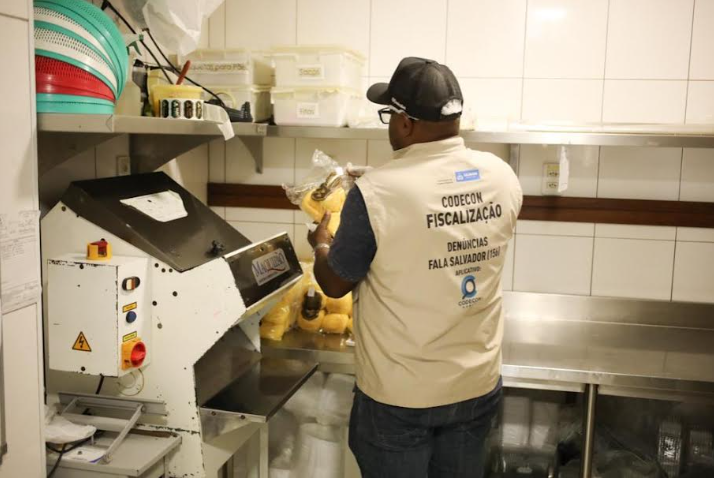
Codecon inicia Operação Copa e fiscaliza bares que vão transmitir jogos em Salvador
reporterhoje.com.br/codecon-…
4

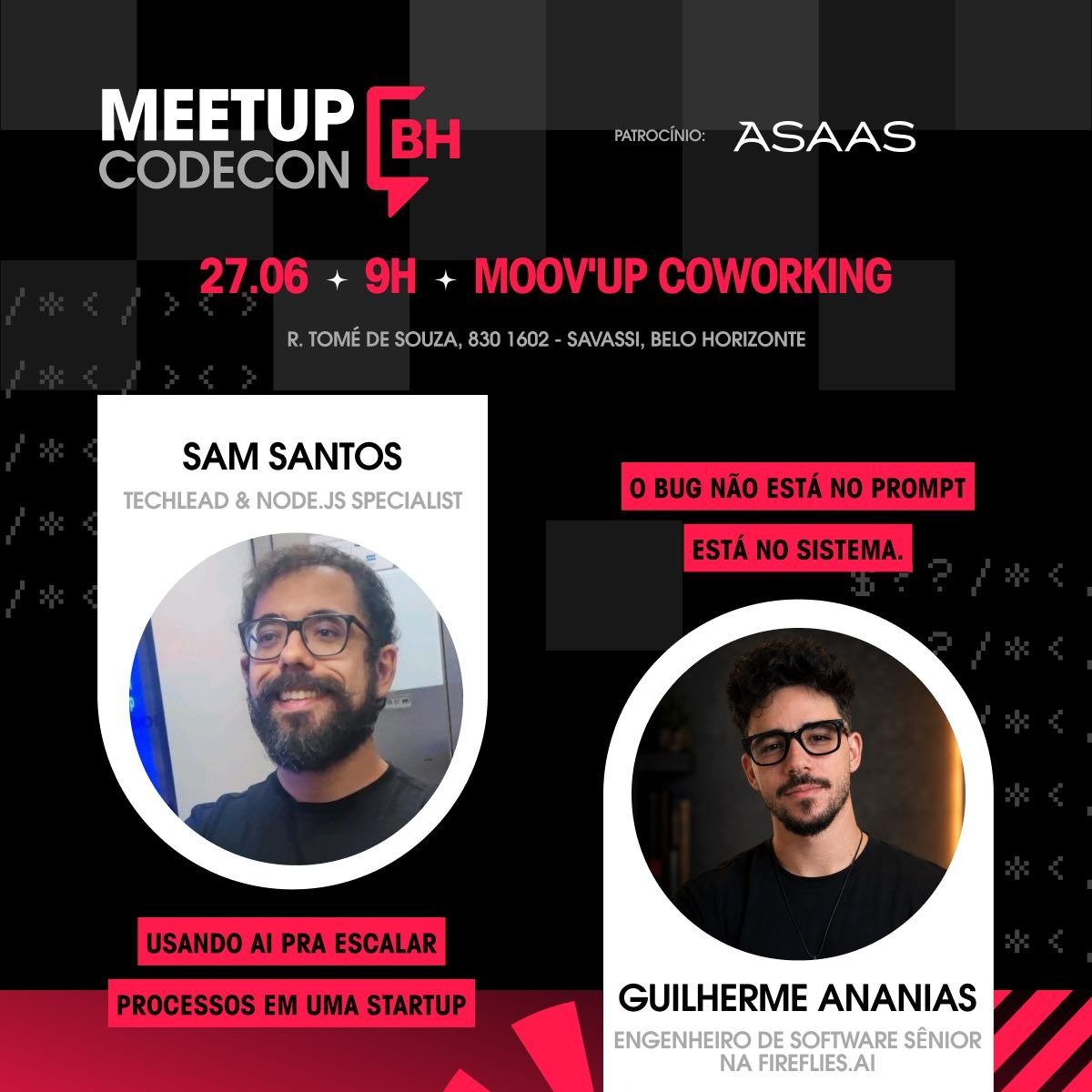
pro pessoal de BH e região, eu e o @samsantosb vamos estar apresentando duas talks no meetup da codecon aq em BH
27/06, espero vcs lá

4
4
22
1,090

Jun 10
Btw vai ter codecon e agosto em Curitiba tbm. Tem codecon todo mês? Wtf
1
19

a gente tem meetup da Codecon rolando sempre em São Paulo, Curitiba, etc
bora?
de junho já fechou a programação, mas temos em julho de novo hehe
3
287

Vais pra codecon chefia? Se sim, te trombo por lá
2
2
333


May 19
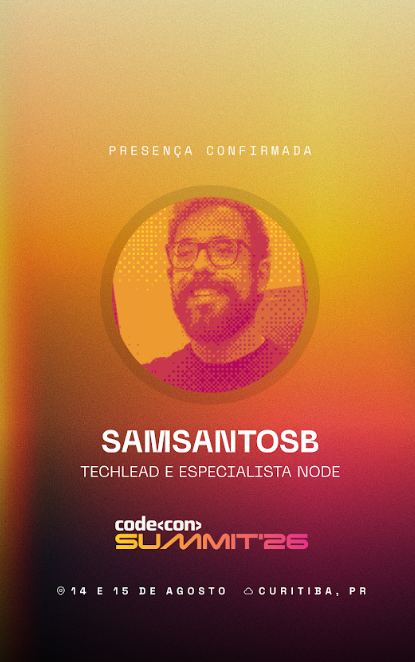
Agora eu tenho até um BANNER ARTE pra minha talk na CODECON SUMMIT - Curitiba(pinhais) 14/15 de agosto de 2026.
Quem não for ja sabe...
BANIDO
5
5
36
1,469

May 19
💥 Tech komunita opäť nesklamala!
Ďakujeme CODECON, že sme mohli byť pri tom. 🙌🏼
2
122

May 18
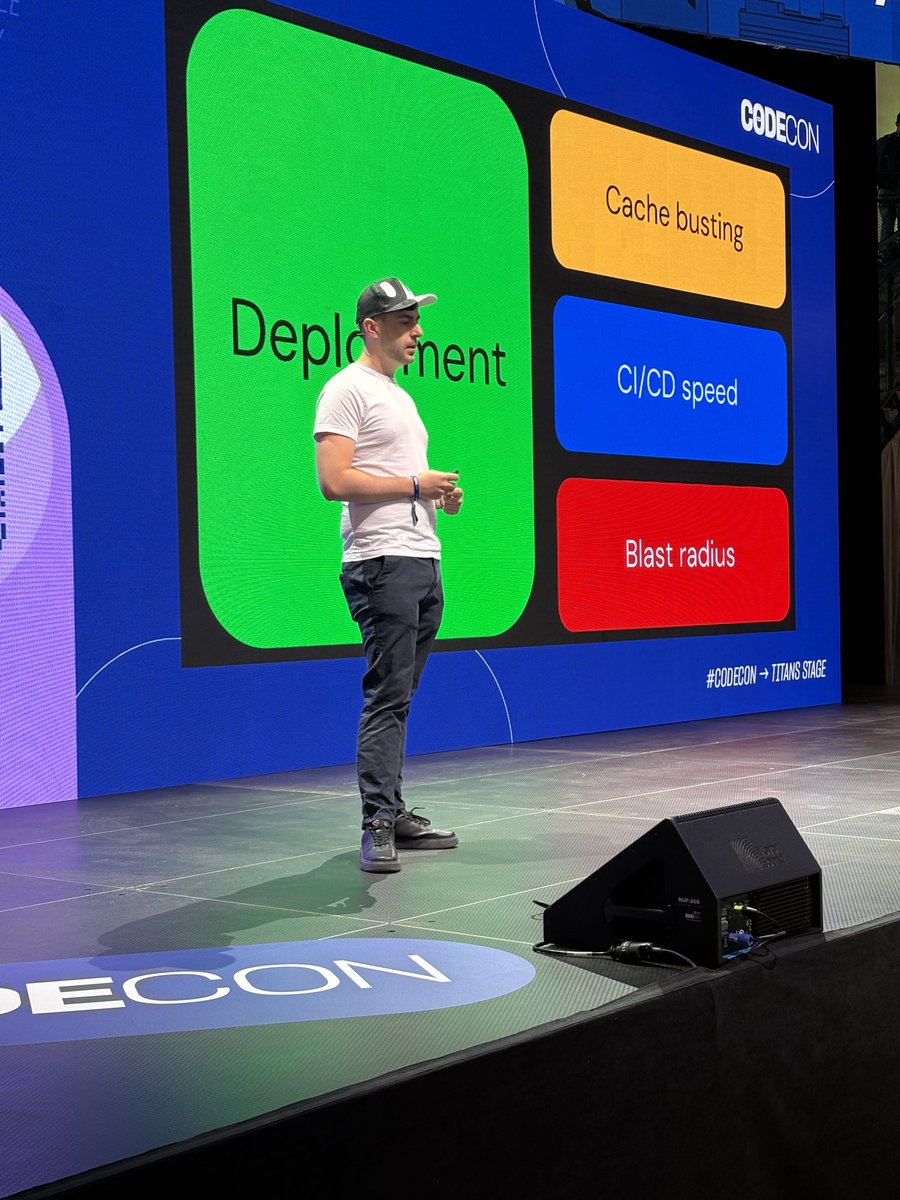
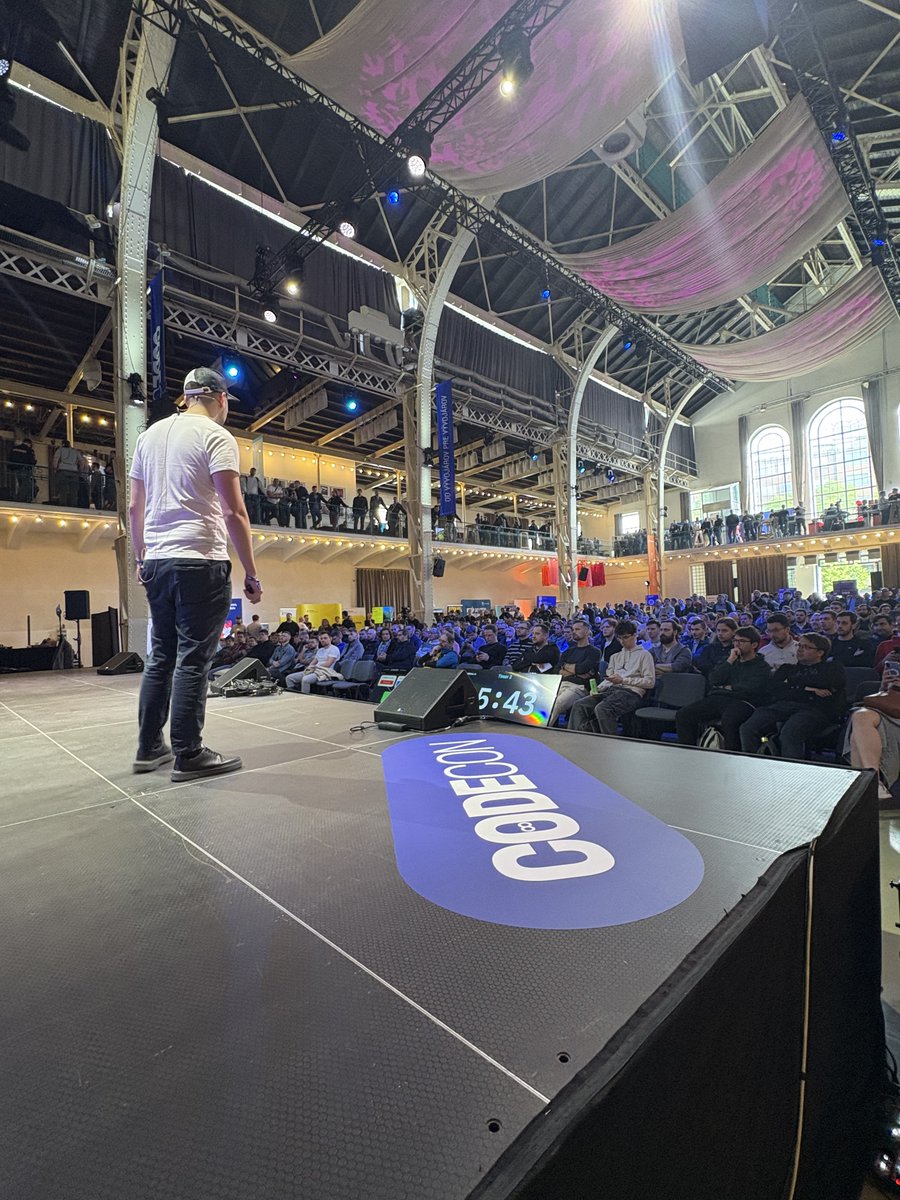
👉👈 It's been a while since my last "building in public" post...
I spoke at CodeCon last week and combined it with the preview release of Bit-Ship UI & Cloud.
I learned that meeting users in person and iterating with them on the spot is much more fun.
2
3
64
só achei o mano ali amargurado dms, mas tem eventos e eventos
codecon ano passado foi pica imho, conheci mt gnt foda
2
150

May 10
Sei lá
Podia ir no Codecon select, no TDC, Frontin sampa. Podia pegar C4P pra dividir a experiência dos anos trabalhando
Ser chatão em cima do post de alguém que claramente gosta de ir nos eventos é definitivamente uma escolha
May 10

Hot take da área dev, depois de alguns anos trabalhando na área vc vai preferir comer vidro do que ir numa bomba dessas, a chance de falarem algo útil é próximo de zero. "Aí, eu vou pelo networking", blz lobo de wall street 👍
2
21
2,010

May 10
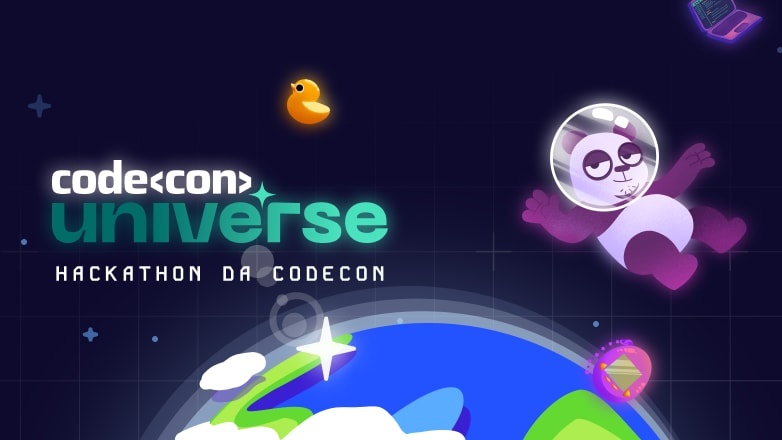
Hackathon de ideias inúteis da CodeCon ✦
Serão avaliados soluções para problemas que não existem !! É 100% online e pelo Discord, nos dias 29, 30 e 31 de maio
As 5 melhores ideias vão ao palco e as 3 melhores levam o prêmio ⊹
↳ Inscrições abertas: eventos.codecon.dev/eventos/…
7
26
872


Apr 24
Codecon notifica 32 postos de combustíveis em Salvador para investigar preços
metro1.com.br/noticias/cidad…
2
237