
#深く考えず勢いだけで作った作品をポストする
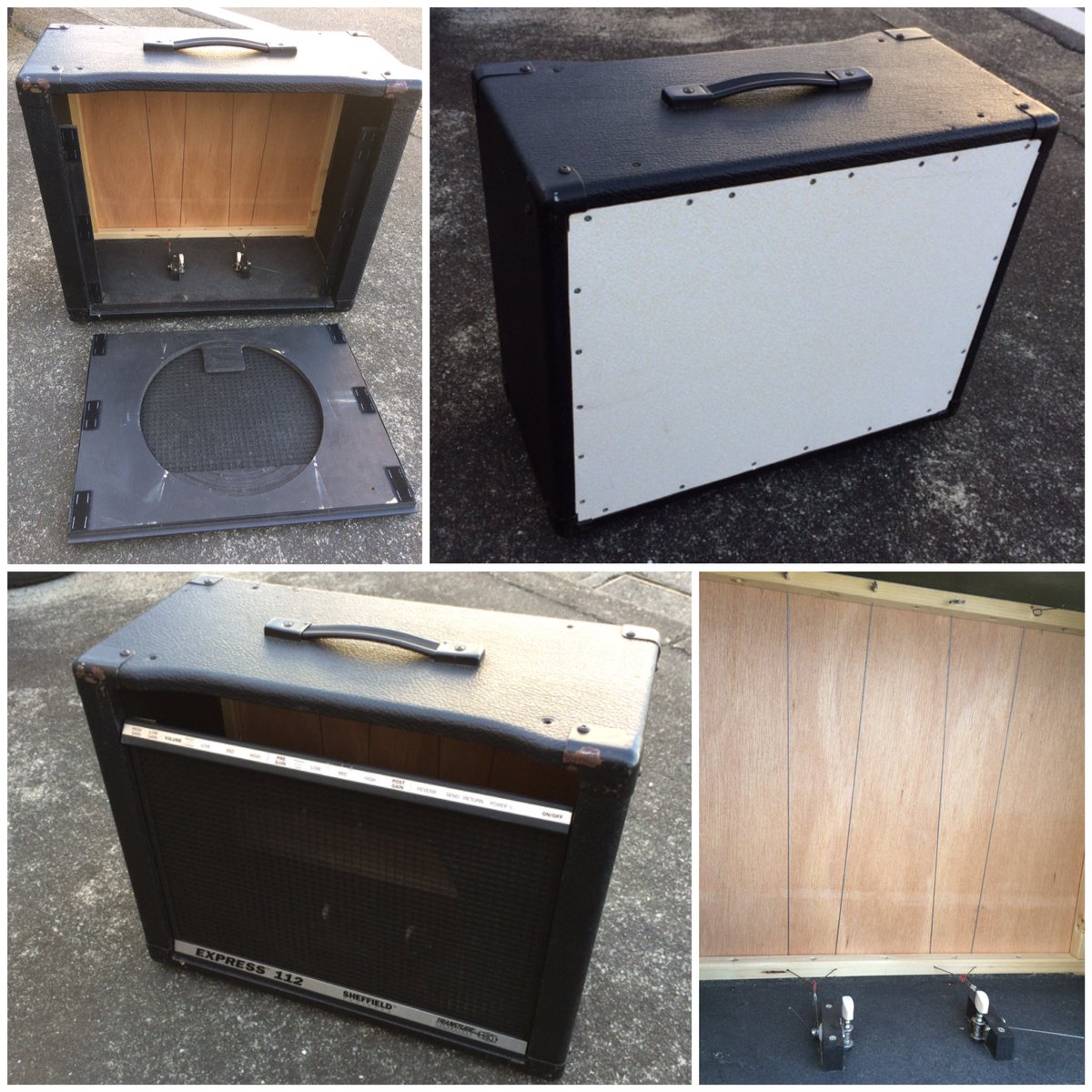
廃棄されてしまうのが勿体ない
何か使い道ないかな?
と
ギターアンプのキャビネットの再利用で作ったベースカホン。
何度かライブで使ったけどPAさんにはめちゃウケる笑
2
12
1,572

May 29
Nice meeting you bro
Our comv was insightful, and thanks for the tips
1
1
438

eu perdi o sono com isso
fiz o mesmo comv oces, perdão
1
165

May 12
IT MEANS WHITNEY IS A REBELLIOUS LITTLE SHIT THAT PUTS HIS NOSE EVERYWHERE WITHOUT KNOWING THE CONSEQUENCES
AAAAAAA could mean more but VREL DIDN'T elaborate....UGH VREL PUHLEEESSSS COMV ONNN
1
1
25
1,462


Apr 21
Todos los equipos de la Liga Guate Banrural ayudando al Comv 😅
13
673
Sería lindo descender al comv, pero eso no va a pasar, todo mi sueldo al quetzalotto

🫶🏻👹🔥 LA FIESTA DEL CLÁSICO SE VIVE EN CASA.
Es momento de llenar El Trébol y alentar juntos al #EquipoDelPueblo.
Compra aquí 👉🏼 taquillarojos.com
(Todos pagan boleto)

7
565


Is there a reason why comv went to 0? dexscreener.com/pulsechain/0…
2
31

Mar 4
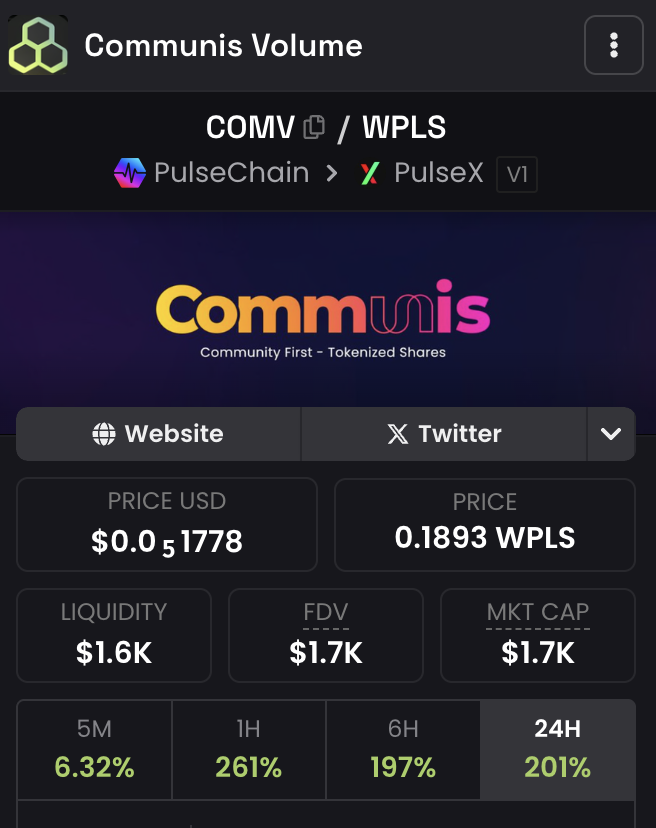
What's going on with COMV. Up 200% today??
0xe34Cab4Ccf271f4F149C4Cc43697C5C5810c835a
1
1
4
104


29 Dec 2025
4
2
410

30 Nov 2025
Ganó el rojo, perdió el comv otra vez quedó último, me hicieron mis chilaquiles, la mañana fue 😮💨. Bonito domingo eh
2
48

28 Nov 2025
like yeah not everything needs to have a deep meaning but i find comfort in the idea that you can find deeper meaning in anything and that you're welling to comv through and analysis every part of something you love
1
2
27

25 Nov 2025
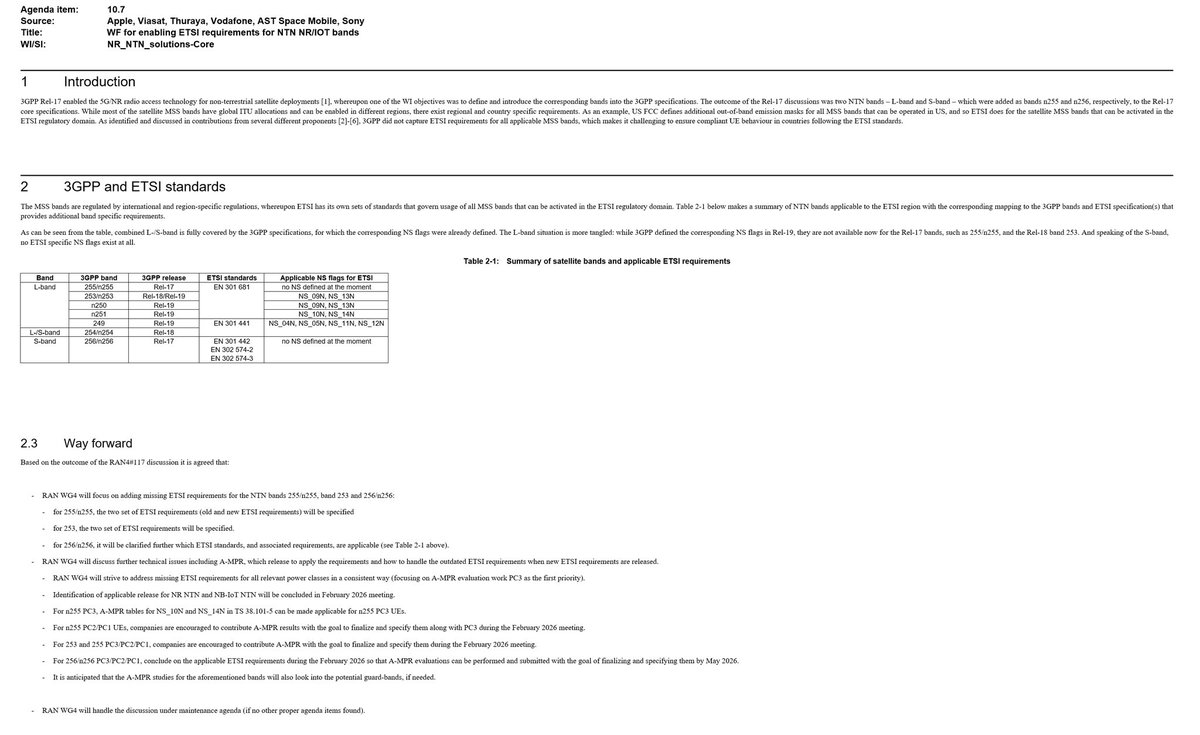
$AAPL, $ASTS, $VOD, $VSAT, $SONY, Thuraya and NTN_Solutions/Comv are involved in the work to enable ETSI requirements for NTN (Non-Terrestrial Network) NR/IoT/S bands (L- and S-band spectrum) and are focusing on standardization and the technical requirements for integrating satellite communications into the existing mobile network.
Why is this submission "bullish"?
1. Standardization and global availability: The focus is on defining and incorporating the relevant bands into the 3GPP specifications. A key objective was the standardization of global MSS (Mobile Satellite Service) bands so they can be activated in ETSI regions. Standardization allows satellite service providers to offer mobile satellite services (MSS) in ETSI regions using 3GPP specifications. This facilitates international deployment and use.
2. Introduction of New NTN Bands: The extensive discussion in Rel-17 included the introduction of two NTN bands: the L-band and the S-band, which were added to bands 255 and 62N. The establishment of these bands supports the development and deployment of Non-Terrestrial Network (NTN) services (satellite communications), representing a new and growing market.
3. Regulatory Clarity: Ongoing work, such as the RAN WG4 discussions on further clarifying minimum requirements and addressing the updated ETSI requirements, is creating the necessary regulatory and technical foundation for the commercial use of these spectrums.
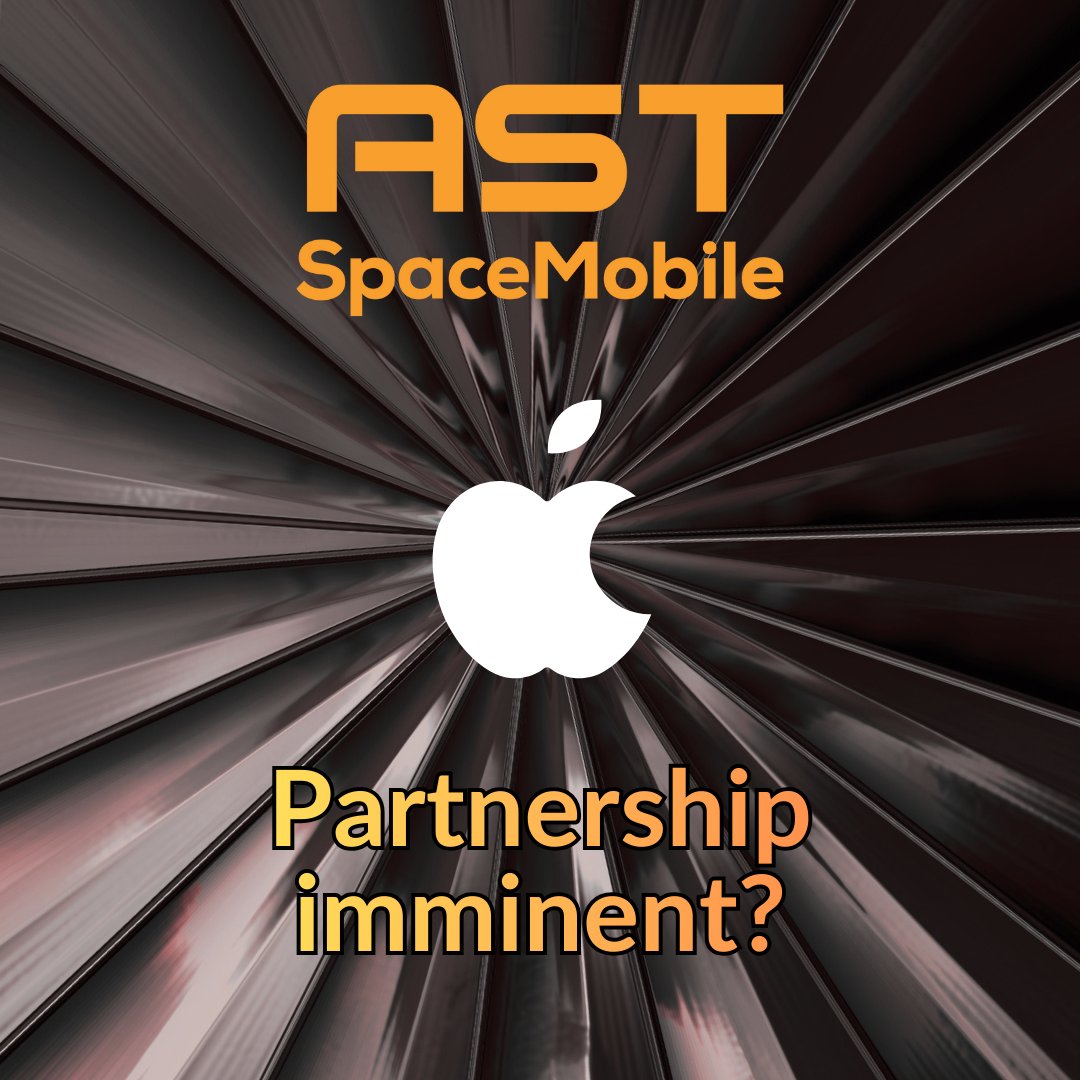
Conclusion: The fact that large telecommunications companies (e.g., Vodafone, Apple, Sony) and specialized satellite companies (e.g., Viasat, @AST_SpaceMobile) are collaborating to harmonize global specifications for mobile satellite services and enable their deployment indicates significant market potential and growth in this sector, forming the basis for a bullish market outlook. A partnership between $AAPL and $ASTS is not out of the question.
3
38
2,518

I need to see if someone has one of those littl comv thinfus
1
3
38