
Inc. की 2026 फीमेल फाउंडर्स 500 सूची में शामिल हुईं भारतीय मूल की दीपिका बोडापति
#deepikabodapati #commure #inc500 #femalefounders500 #womenentrepreneurs
newindiaabroad.com/hindi/new…
1
7


Jun 13
Warning, I'm going to say something a bit sexist:
I've always thought women, especially those with STEM backgrounds, make the most capable operational leaders in startups. Most visionary, often slightly off the rails entrepreneurs don't have the focus on detail or personality to grow and organize orgs.
My wife was this at Stemcentrx. Shotwell and Sandberg are well known. Deepika Bodapati at Athelas/Commure is a force of nature.
Not saying women can't be the top person too, but for the COO/president/chief of staff, I do find that the best people at it are no-nonsense, low ego powerhouses... I think us men maybe have a greater tendency on average to be too narcissistic to play this role as well.
Jun 13

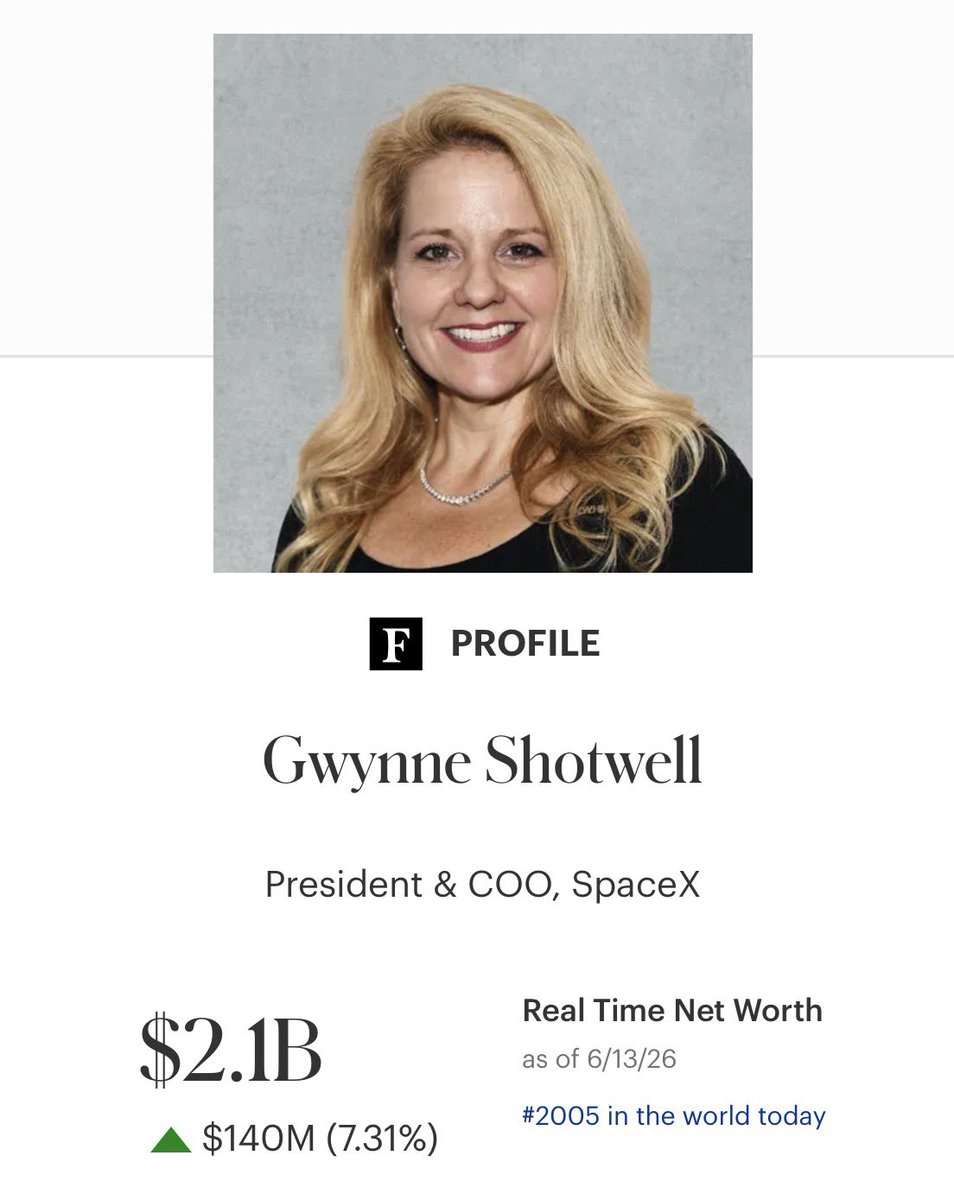
If she wasn’t working for Elon Gwynne Shotwell would be hailed as an incredible success story and the most powerful woman in aerospace.
Instead it’s radio silence from the media
21
10
345
106,176


Jun 10
@AnthropicAI just released Mythos-class AI with Fable 5: a new tier that sits above every previous frontier model. These models can now handle complex, multi-step workflows that previously required human intervention at every turn.
Commure has done the security, compliance, and architecture work to deploy Mythos-class models within our healthcare-grade environment, and we now have the ability to apply them across the Commure platform.
Learn more: commure.com/blog/anthropics-…
83

Jun 10
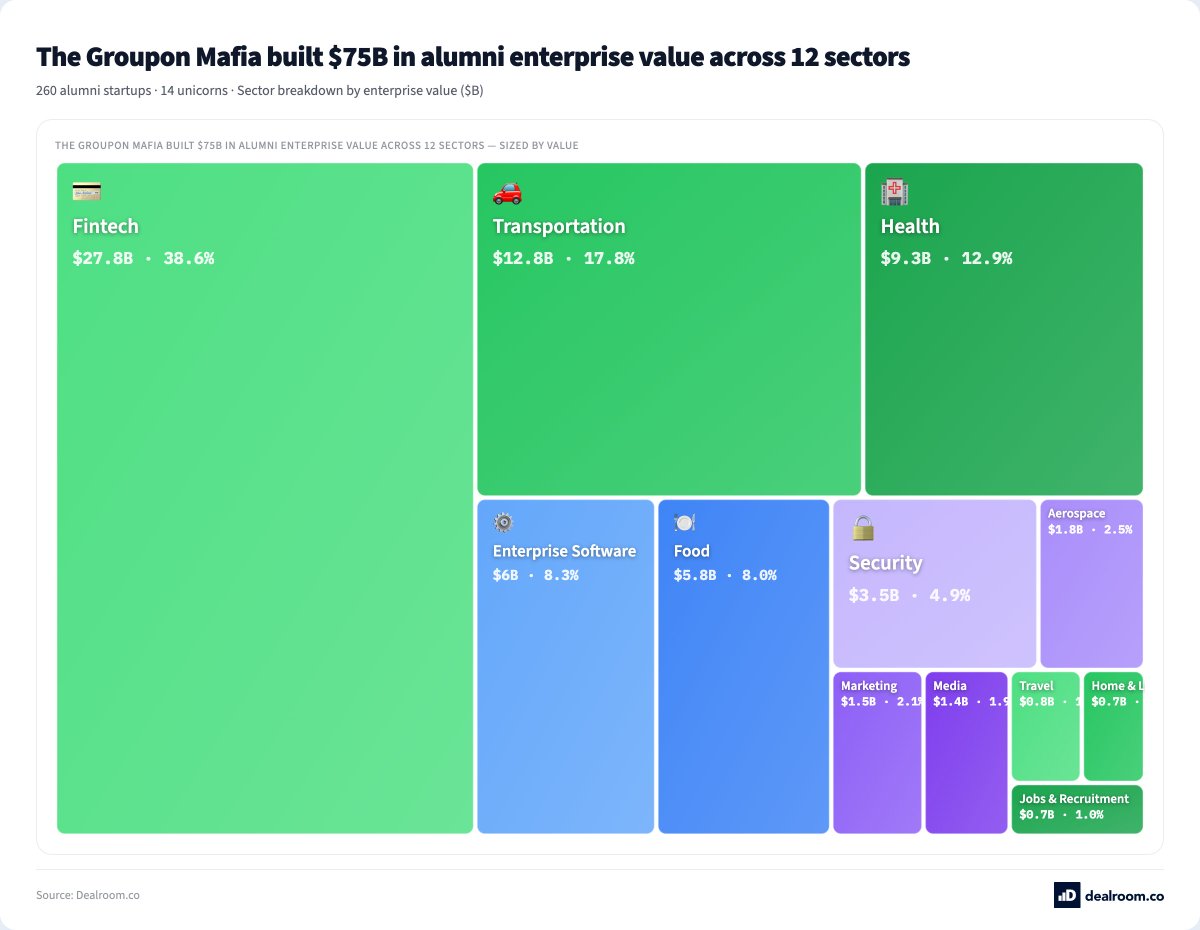
The Groupon Mafia: 260 alumni startups. 14 unicorns. $75B combined enterprise value.
SumUp ($10B), LaLaMove ($10B), Commure ($7B), AUTO1 ($6.9B), Qonto ($4.8B) — all founded by ex-Groupon.
The daily deals company that quietly built a startup empire 🐎
@dealroomco
dealroom.co/companies
258

Jun 10
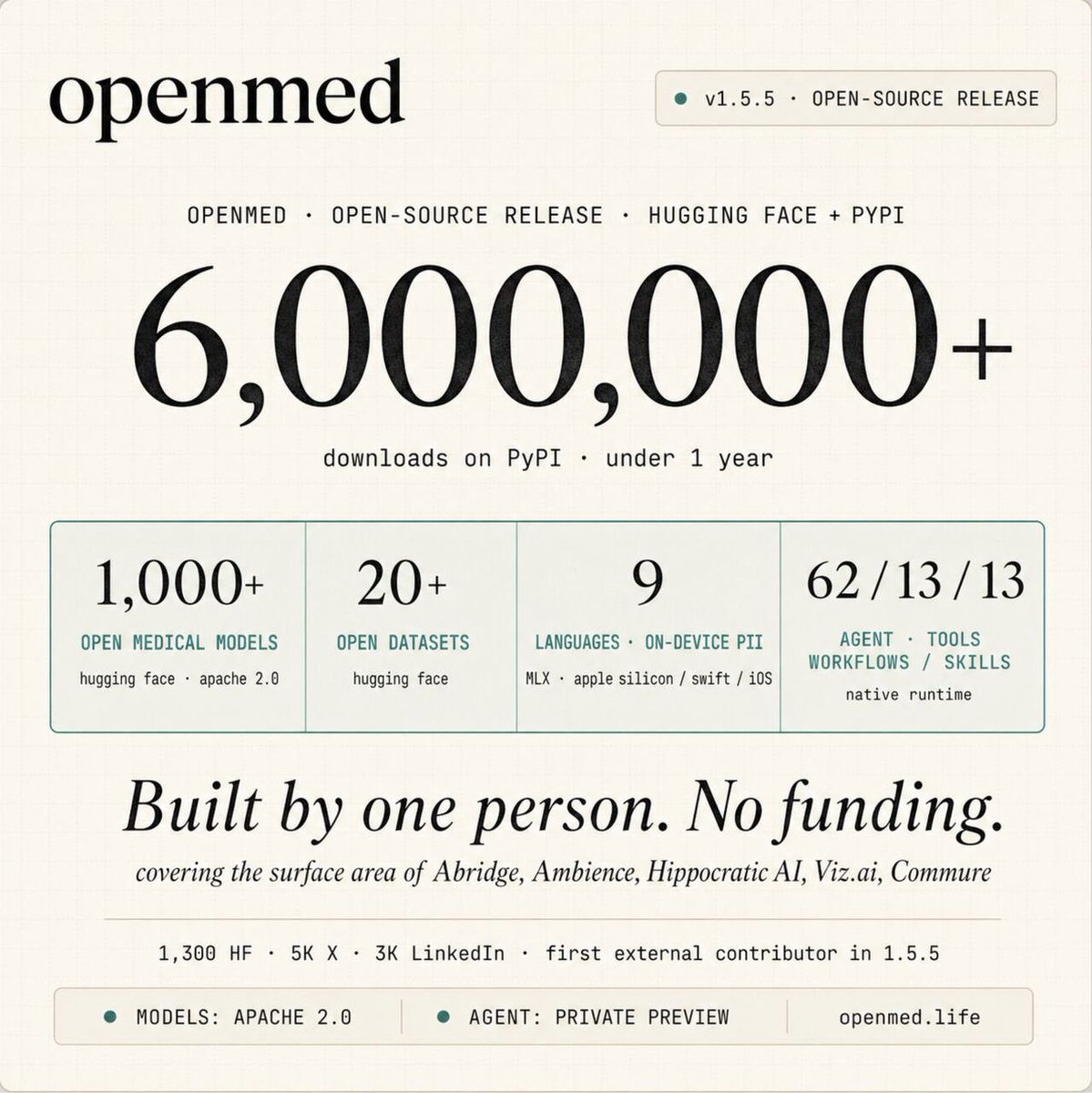
🚨 OpenMed 1.5.5 just crossed 6,000,000 downloads. 1,000 open medical models, 20 open datasets, all Apache 2.0.
The whole open-source medical AI stack, built by one person, no funding:
→ 1,000 open medical models and 20 datasets on Hugging Face
→ 6M PyPI downloads in under a year, over 1M on the PII family alone recently
→ On-device PII redaction in 9 languages via MLX (Apple Silicon, Swift, iOS)
→ 62 tools / 13 workflows / 13 skills in the agent runtime
What's new in 1.5.5:
→ Batch PII extract and de-identify
→ Model lifecycle controls (load, unload, keep-alive) for self-hosting
→ Swift/OpenMedKit chunked PII for long clinical documents
→ Refreshed README in 13 languages
The models and the SDK are open-source, Apache 2.0. OpenMed Agent is in preview with 500 requests.
Your choice of model, your laptop, your on-prem.
Covering the surface area of Abridge, Ambience, Hippocratic AI, Viz.ai, Commure.
Star the repo, and start building!
OpenMed 1.5.5: github.com/maziyarpanahi/ope…
· 1,000 models:
huggingface.co/OpenMed
· pip install openmed
1
106
Jun 8
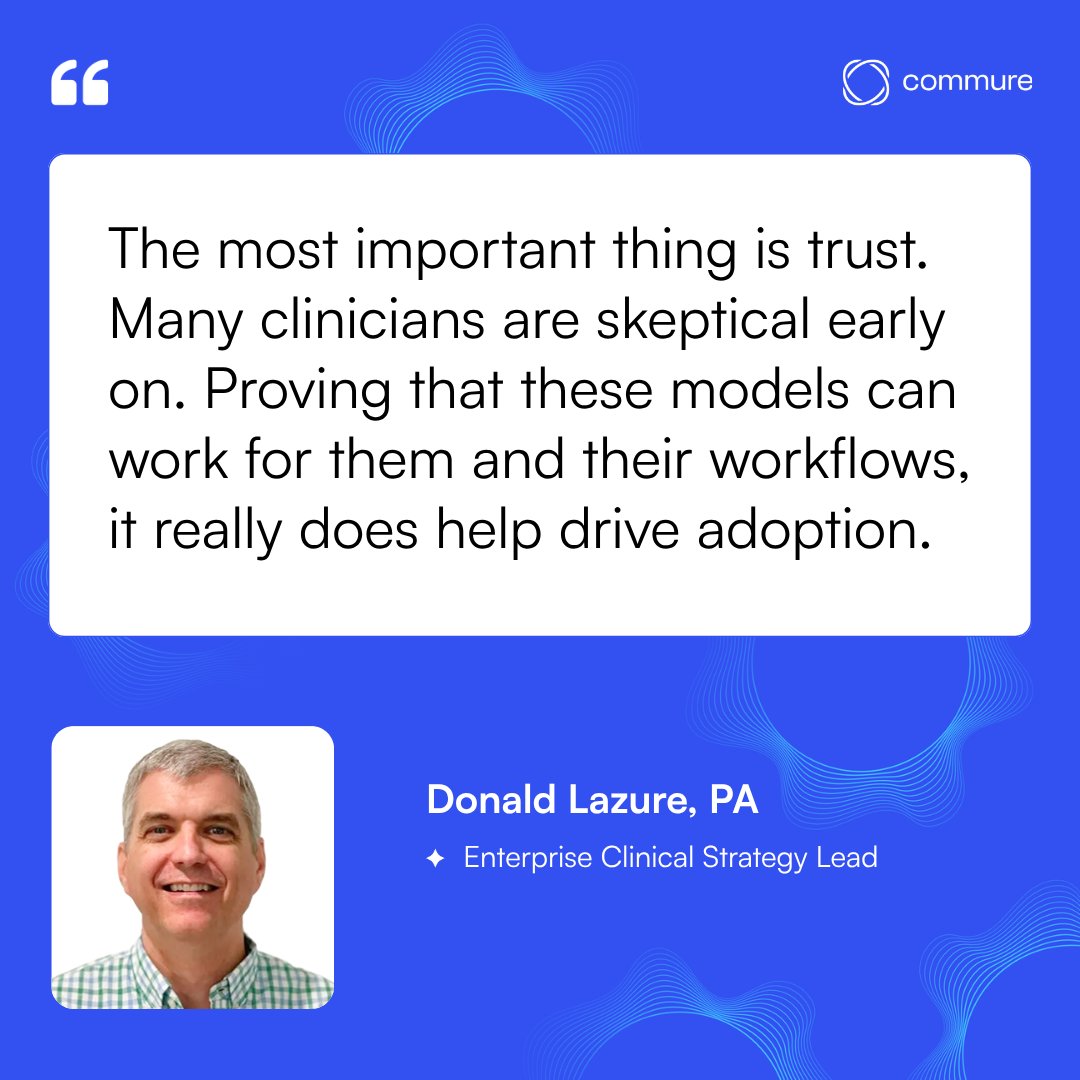
Donald Lazure, PA-C: 20 years in cardiothoracic surgery, critical care, and AI-enabled workflows.
He knows what moves clinicians from skepticism to adoption. Watch him prove it works with Commure Dictation: na2.hubs.ly/H061yR-0
3
116

Jun 8
Covering the surface area of Abridge, Ambience, Hippocratic AI, Viz ai, Commure. Your model, your laptop, your on-prem.
2
548
Jun 5
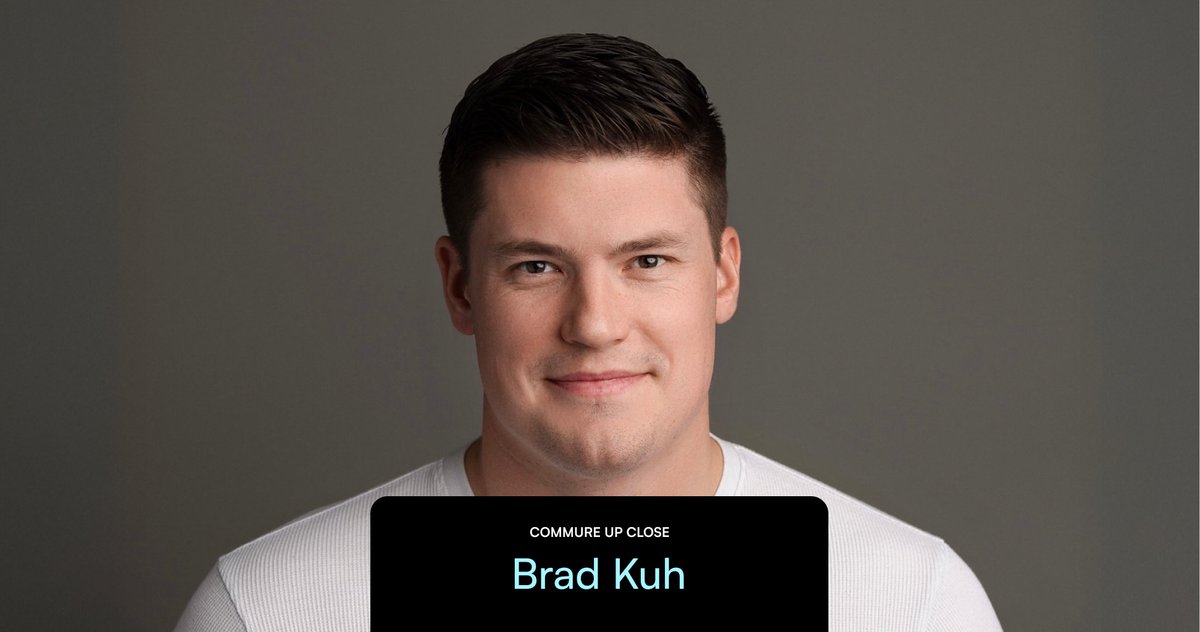
Brad Kuh spent 10 years in healthcare waiting to feel like he had a direct hand in shaping the future. At Commure, he found it.
Day one RCM seller to platform architect. That's the growth you get when you're building something real.
na2.hubs.ly/H05_RJw0
2
96
Jun 2
@sequoia Capital's @Konstantine Buhler named Commure on @FoxBusiness as one of three AI companies rewiring healthcare. Sequoia's bar is straightforward: real problems, big markets.
For thirty years, software promised to fix healthcare's administrative work. It didn't, because software could not actually do the work: the calls, the notes, the codes, the claims, the denials, and the appeals. AI does. Today 85% of our revenue cycle work completes without a human in the loop, and clinicians get hours back each week.
Full Clip here: foxbusiness.com/video/639734…
1
2
72
May 29
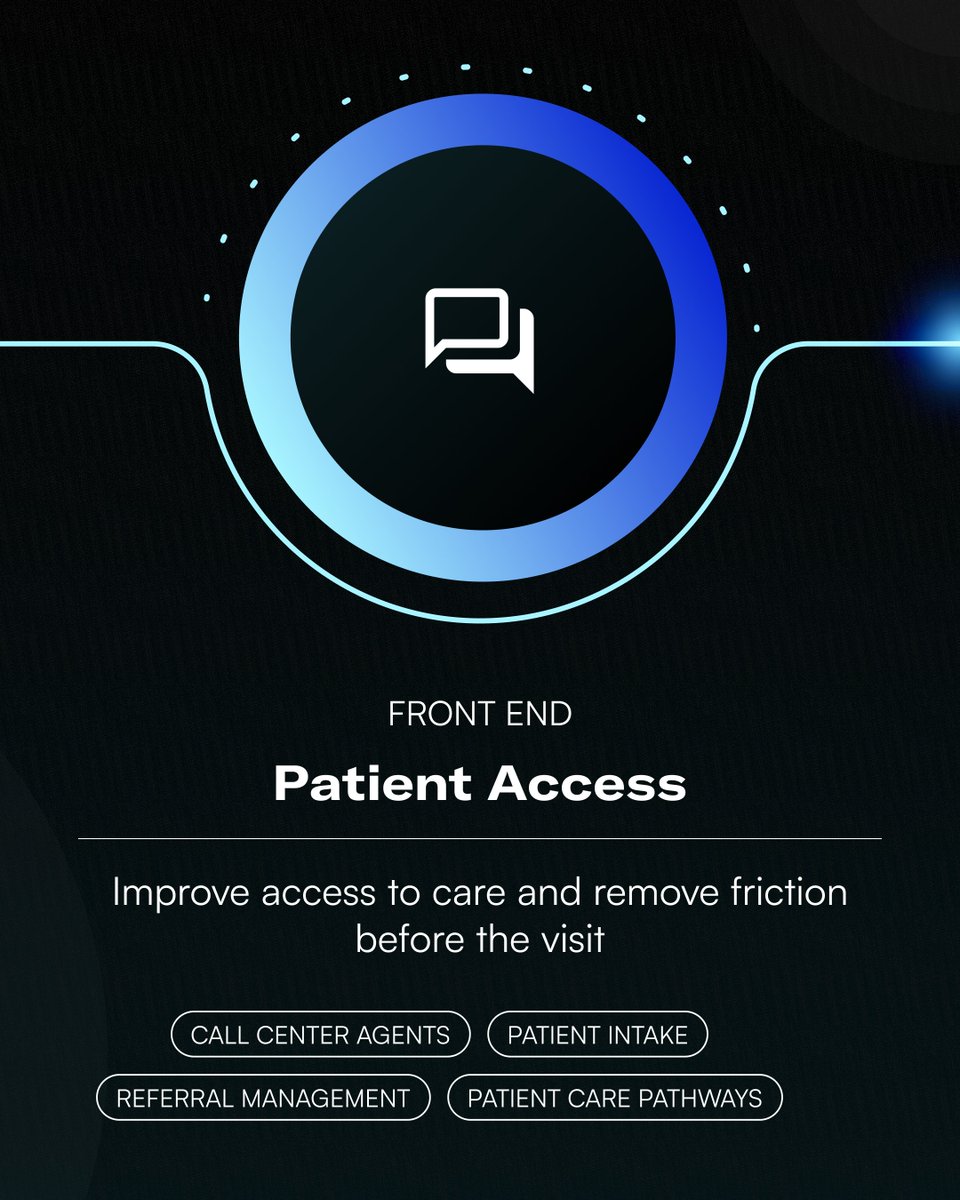
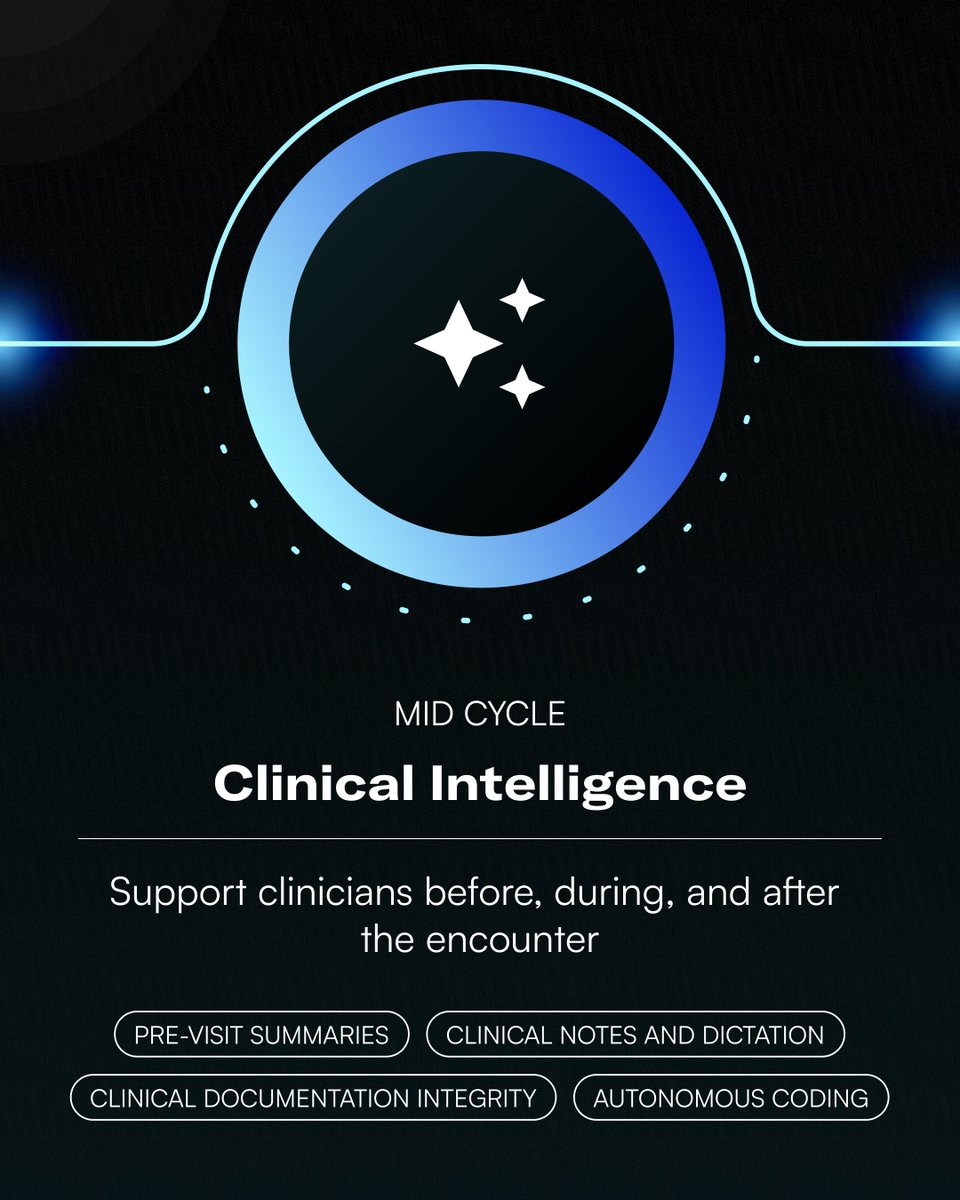
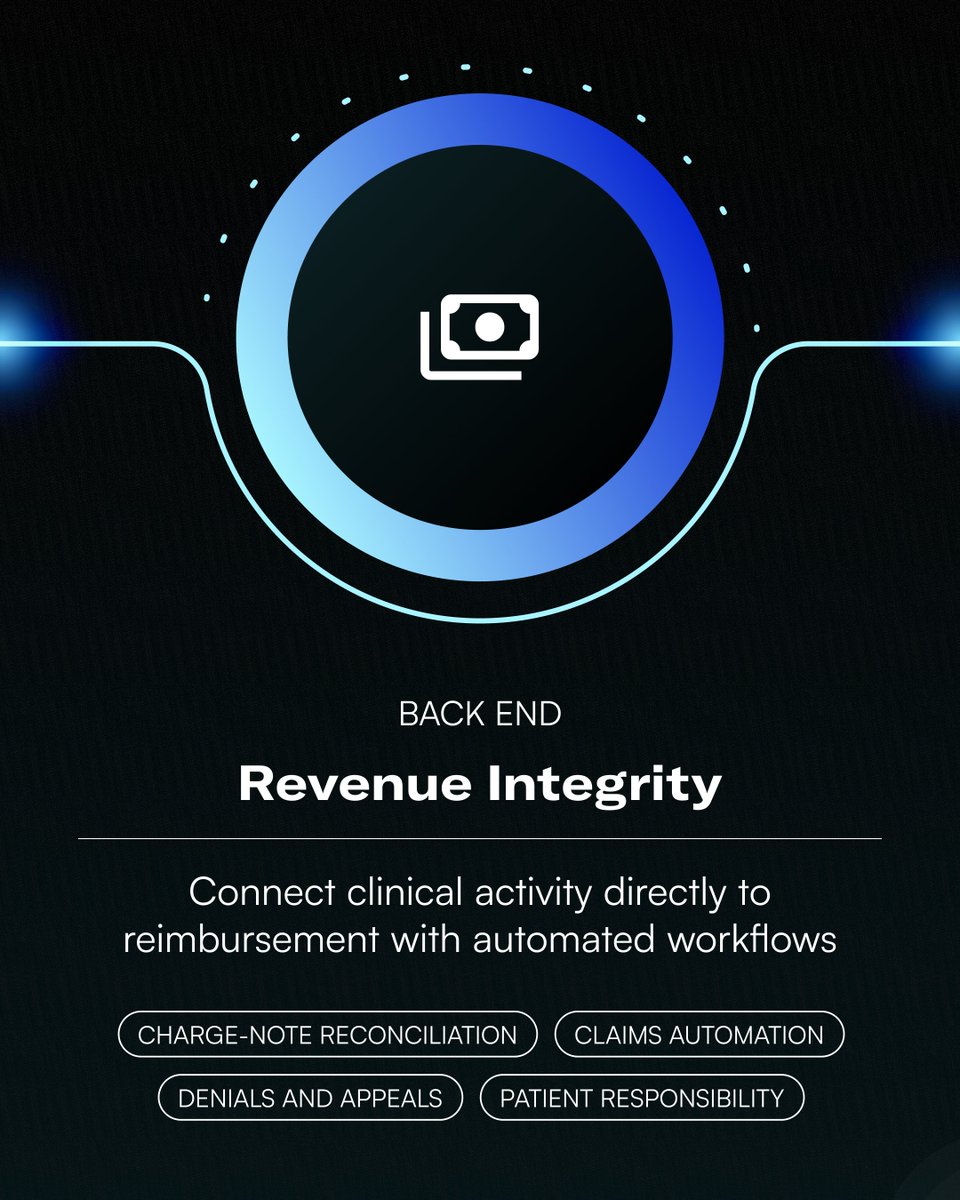
Patient access. Ambient documentation. End-to-end billing. One platform where each part feeds the next.
Learn more about the flywheel Commure is building: commure.com/blog/point-solut…

2
118

May 28
AI 医疗又跑出一个 70 亿美元独角兽
Commure 刚完成 7000 万美元融资
资本押的不是“AI 看病”,而是更现实的后台效率
美国医疗最贵的坑,不是医生不会诊断,而是病历、编码、报销、行政流程太碎太慢
每年光管理和行政成本就接近 1 万亿美元,医院利润率却只有 2%-3%
AI 医疗真正的大机会,不是替医生看病,而是把整个医疗运营系统重做一遍
1
2
188

May 22
14 stories, thank yous and shout outs today.
1. Congratulations to Tanay Tandon and Commure who recently raised money at a $7 billion valuation. The raise was led by General Catalyst and Sequoia Capital. Amazing what Hemant Taneja Stephen Klasko and GC are doing.
2. A special shout out to Venkat Mocherla and Midstream Health on their incredible ascent. I'm thrilled to say I knew him back when. Fantastic.
3. Fantastic to watch Nishith Khandwala and Bunkerhill Health grow. Great leadership and investors.
4. Great to meet Clarium leader Shivani Stadvec at a talk I gave at Northwestern Medicine last week. Also excited to visit with Gabriel Perna.
5. We feature and amplify the messages of great founders and fantastic CEOs on the Becker Business Media Summits. Our CEO Summit with 14 great CEOs and Founders is set for July 28th. Message me for information. Register here no charge. This is outside of health care.
lnkd.in/gwPEYvZj
6. A shout out to Holly Buckley and McGuireWoods LLP
on her leadership and facilitation and driving of strategic planning. Fantastic. A special Thank you today also to Alexanderia Loera Loretta Barrios and Anita Luster.
7. We are thrilled for the release of our newest book on June 23rd. Building Great Businesses - Create Momentum, Overcome Setbacks and Scale with Confidence. We are even more thankful to everyone who has preordered the book. You can pre order here. Thank you. Thank you.
lnkd.in/gph4Y8im.
8. I'm excited to travel to Dallas in June to record in person with Imamu Tomlinson, MD, MBA CEO Vituity on his Less Than One Percent Podcast. Dr Tomlinson is one in a million.
9. A shout out to Malinka Walaliyadde and Benjamin Beadle-Ryby the co founders of AKASA who are quietly and graciously two of the best leaders in health care.
10. Our condolences to the Miller family. Some of the very best people we know. I'm so sorry for your loss.
11. Thank you also today to Lauren Eskenazi Cosette Benjamin Jessica Jolliff Rosa McKenzie Michelle Byers-Robson Chanell Bunger Jeremy Corr and Morgan Messing
12. A Thank you also to amazing investors and entrepreneurs at SkyBridge Capital. I am blown away by what you are accomplishing. Thank you to Brett Messing, John Svolos, Anthony Scaramucci and Jason Wright. Thank you very much.
13. Thank you also to Rick Wise Oak Residential Partners, LLC.
14. Fantastic yesterday to talk with SUTKER MORAN and Scott Moran the nation's leading outsourced CFO firm -- amazing how their growth has accelerated to meet a huge market need. A great team doing great work. Congratulations to Howard Sutker too.
Scott Moran joined us on the Becker Business Media podcast.
5
7,213
May 22
14 stories, thank yous and shout outs today.
1. Congratulations to Tanay Tandon and Commure who recently raised money at a $7 billion valuation. The raise was led by General Catalyst and Sequoia Capital. Amazing what Hemant Taneja Stephen Klasko and GC are doing.
2. A special shout out to Venkat Mocherla and Midstream Health on their incredible ascent. I'm thrilled to say I knew him back when. Fantastic.
3. Fantastic to watch Nishith Khandwala and Bunkerhill Health grow. Great leadership and investors.
4. Great to meet Clarium leader Shivani Stadvec at a talk I gave at Northwestern Medicine last week. Also excited to visit with Gabriel Perna.
5. We feature and amplify the messages of great founders and fantastic CEOs on the Becker Business Media Summits. Our CEO Summit with 14 great CEOs and Founders is set for July 28th. Message me for information. Register here no charge. This is outside of health care.
lnkd.in/gwPEYvZj
6. A shout out to Holly Buckley and McGuireWoods LLP
on her leadership and facilitation and driving of strategic planning. Fantastic. A special Thank you today also to Alexanderia Loera Loretta Barrios and Anita Luster.
7. We are thrilled for the release of our newest book on June 23rd. Building Great Businesses - Create Momentum, Overcome Setbacks and Scale with Confidence. We are even more thankful to everyone who has preordered the book. You can pre order here. Thank you. Thank you.
lnkd.in/gph4Y8im.
8. I'm excited to travel to Dallas in June to record in person with Imamu Tomlinson, MD, MBA CEO Vituity on his Less Than One Percent Podcast. Dr Tomlinson is one in a million.
9. A shout out to Malinka Walaliyadde and Benjamin Beadle-Ryby the co founders of AKASA who are quietly and graciously two of the best leaders in health care.
10. Our condolences to the Miller family. Some of the very best people we know. I'm so sorry for your loss.
11. Thank you also today to Lauren Eskenazi Cosette Benjamin Jessica Jolliff Rosa McKenzie Michelle Byers-Robson Chanell Bunger Jeremy Corr and Morgan Messing
12. A Thank you also to amazing investors and entrepreneurs at SkyBridge Capital. I am blown away by what you are accomplishing. Thank you to Brett Messing, John Svolos, Anthony Scaramucci and Jason Wright. Thank you very much.
13. Thank you also to Rick Wise Oak Residential Partners, LLC.
14. Fantastic yesterday to talk with SUTKER MORAN and Scott Moran the nation's leading outsourced CFO firm -- amazing how their growth has accelerated to meet a huge market need. A great team doing great work. Congratulations to Howard Sutker too.
Scott Moran joined us on the Becker Business Media podcast.
3
217

May 22
Holiday weekend roundup: VA asks for ‘cyberspeed’ 25% EHR budget bump, update on EHRM fraud indictment; Commure raises $70M; Innovaccer buys Caduceus, lays off staff; Doximity, OpenEvidence slugfest gets hot
telecareaware.com/b/ApK
2
2
88

May 21
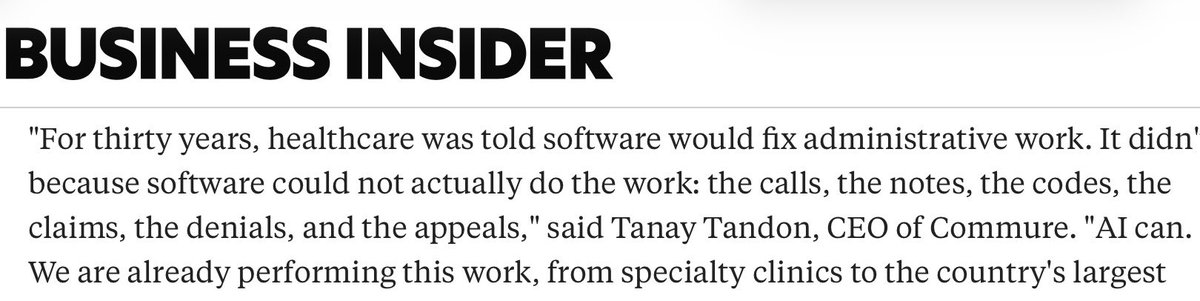
For thirty years, healthcare was told software would fix administrative work. It didn't.
That quote is from Tanay Tandon, CEO of Commure, a healthcare AI company that just raised $70 million at a $7 billion valuation. General Catalyst led. Sequoia, Morgan Stanley, and Kirkland & Ellis participated.
Here is what Commure is already doing. Not planning. Doing.
Commure reports its end-to-end RCM platform completes 85% of revenue cycle work without human intervention across 500 healthcare organizations and 3,000 sites of care. Tens of billions of dollars in annual claims processed. Autonomous coding. Clinical intelligence. Ambient documentation. Tens of millions of appointments per year. Its broader platform is used by major systems including HCA Healthcare and Tenet Healthcare.
These are company-reported numbers, not independently audited. But even with that caveat, the signal is hard to ignore.
The CEO's framing is worth reading carefully: "Software could not actually do the work: the calls, the notes, the codes, the claims, the denials, and the appeals. AI can. We are already performing this work."
This is not a pilot program. This is not a demo. This is deployed agentic AI performing administrative healthcare work at national scale.
One analysis of the round described it as signaling the death of the point-solution and the rise of vertical automation. That language matters. Point solutions bolt onto existing workflows. Vertical automation replaces the workflows entirely.
The $1 trillion annual U.S. healthcare administrative spend is not an abstraction. It is salaries, benefits, office space, and turnover costs for hundreds of thousands of people doing rule-bound, documentation-heavy, repetitive work. Coding. Billing. Denials. Appeals. Prior authorization. Credentialing. Quality reporting. Chart audits.
For every health system executive still debating whether to start an AI pilot: the largest hospital systems in the country are already past the pilot phase. They are running AI at operational scale on the most expensive administrative functions in their organizations.
The pilot phase is over. Deployment phase now active.
2
6
15
1,889

May 21
Need a VC to support us as much as Sequoia supports Harvey and GC supports Commure

1
32
13,538

Commure, 7 milyar dolar değerleme üzerinden 70 milyon dolar yatırım aldı webrazzi.com/2026/05/21/comm…

1
1,714