
#ad Prime Members: Melissa & Doug Blockables Farm & Woodland 2-Pack Bundle Connectable Wooden Building Blocks $11.49 Free Shipping
dealsbysami.com/TsVgDdd2NasQ

1
128

Who is this guy?
Somebody tell me
I'm on a quest to prove every legible word is connectable
You've stepped into a perpetual new data receptacle
My letter use so indelible it's registered edible
Catch you then compress the breath from you until neck is loose
Strengthen a mass so enemies couldn't harass me
My patience is fast, infinity couldn't outlast me
I write in secrecy at peak speeds
My P.A.D's release a lethal measle breed if i don't keep them in the deep freeze
Bars strange with unlimited linear range
My mind-frames a street with 2021 lanes
I'll change into the baby me and still disable these basic weak fake emcees
With deep phrases using just letters A through E
So truthfully what could you do to me
When I'm the super G who's at the podium reading the Reaper's eulogy
My microphone is several feet long
My speech tones are so strong that when I speak 'em they shatter my own cheek bones
Everyone i hated gets congregated
I'll take your lung out of ya, confiscate it then stomp on it 'til it's uninflated
Greatly underrated yet I'm your favorite
Ill play with your brain and make it so basic that 1 1 will look complicated
Check the feeds that my head retrieves
Enemies not yet conceived callin', threatening me
Pressing and yelling and questioning me aggressively
Seekin to get the recipe to my expertise
It's a must to see us humiliate artists publicly
Subjects be deep enough to make hate fall in love with me
The light supplier expired writer of fireworks
One entire verse could make a glass of water die of thirst
I'm using veteran moves, one incredible dude
Hearing two of my songs is like going through medical school
None escape from my monstrous fate
I dominate and concentrate drifting in and out of conscious state
I spit poison ivy when you try me
And just to sit beside me you gotta show a hundred forms of ID
My sickly gifts I can prove quickly
When I stand in the mirror and move, my reflection's scared to move with me
I'm filled with electric type skills
So anytime I write for real I get a $7,000 light bill
I kill and double back after pretending to leave
Then I proceed doing squats, never bending my knees
I'ma press my hands around your neck slow
And even though I saw your final breath I squeezed another month before I let go
I'll leave ya Broken like Depeche Mode
A handwoven flesh robe is the dress code to get into my next show
My work station is the seed of creation
New innovations like spontaious premeditation
I start crushing 'em all with no reluctance involved
Show up and then drop sixty without touching the ball
Proliferate then test the greats
Articulate at such a record pace I made the number one finishing second place
The suit perfer was certain to come produce hurt
Used physics in reverse I built the house and hung the roof first
You're too tasteless audaciously baseless
You flagrently take your patrients to flacious places
Blaze your sanctuary, chasing you away from it's safeness
Then weaken you 'til you can't even raise something that's weightless
I'm breaking company rules
So confident I can run through these fools lyrically while getting my tonsils removed
I'll steer into jet gear, the exosphere exterior threat here
Looking at footage of myself from next year
youtu.be/McKLCgCe0YU?si=Mrt5…
1
118

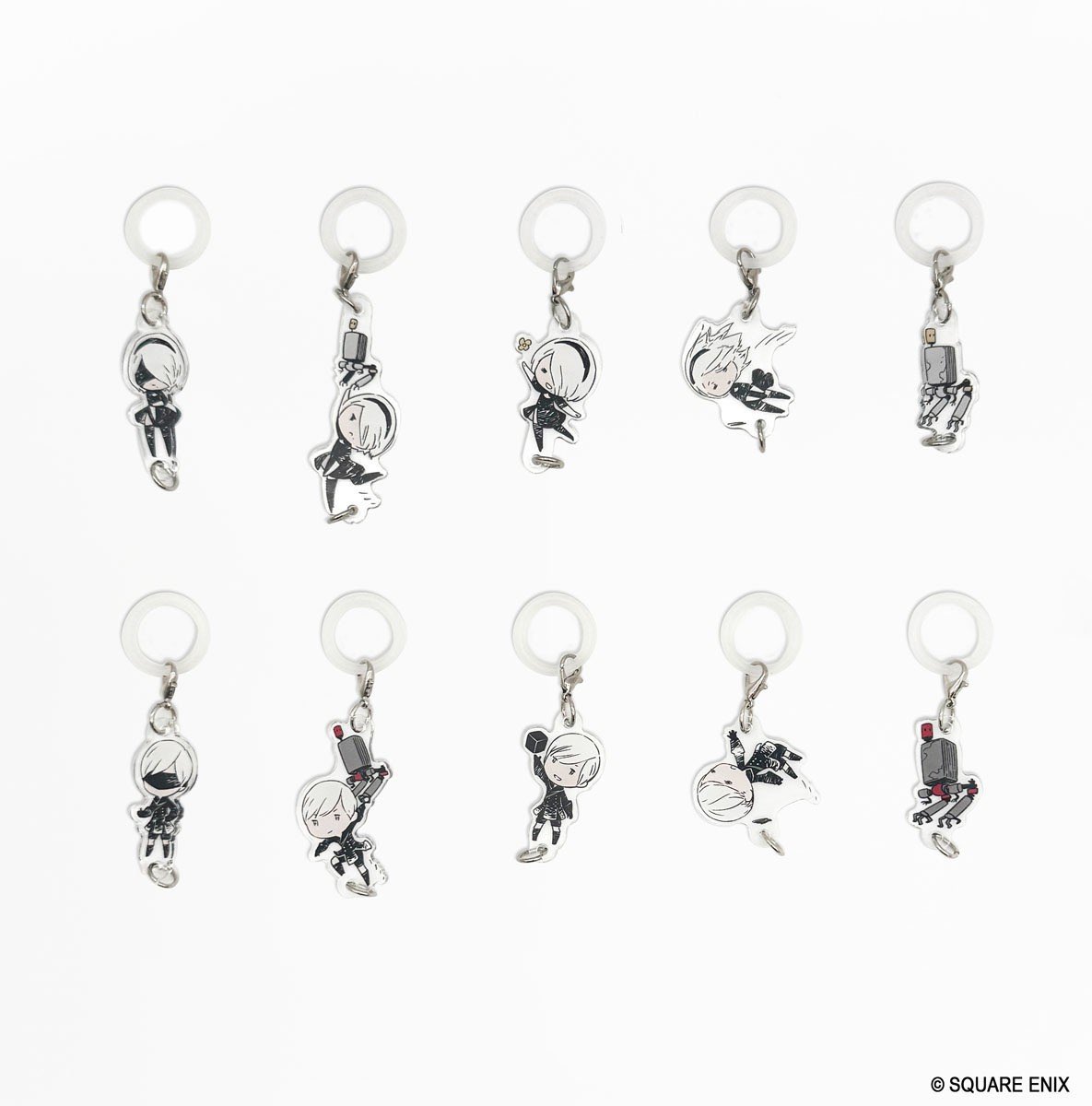
꒰ 🍅 PRE #ยูเมxNieR 🎌 ꒱
🦾 NieR:Automata Connectable Swinging Acrylic Charms
⟢ 1,450฿ /box (มัดจำ 700฿)
ꔛ รวมส่งกลับ 🚢
ꔛ เว็บจำหน่าย 08/2026
ⓘ ชำระที่เหลือภายใน 01/08/2026
🗓️ ปิดรับ 29/06 หรือเมื่อสินค้าหมด
📮 ค่าส่งเริ่มต้น 55฿
📥 DM
#ตลาดนัดNieR #ตลาดนัดเนียร์ #ตลาดนัดเกม พกจ พวงกุญแจ
46

Jun 15
Contrairement au connectable, le connétable avait du mal à rester au contact de sa base.
1
97

Jun 15
How does this mind work?
Brilliantly connected the most un-connectable 🤩
One has to take everything personally only then one can achieve this level of artistry 💯
Jun 15

Monday thought: In this summer of ironies and surprises, who would have imagined a Pakistani PM announcing a US-Iran peace deal the world had been waiting for?
In a world turned upside down, yesterday’s cross-border terror sponsor can suddenly project itself as today’s peacemaker. And we, the aspiring ‘Vishwaguru’, watch from the sidelines, busily breaking parties and manufacturing a LS majority. 🙏
44

Jun 15
The Golan Heights Prodigal Son.
Do you think it's a mother thing with Hillary and him, or is it more to the story? Why is she so stuck to him? It's so strange, it looks exactly like Russia's screw ups with Sudan and the RSF. The leash was broken by the UAE and Putin armed the SAF for counterterrorism because everything was completely out of control and connectable to the Kremlin. It's sounds just like Hillary with Syria.
Because both cases involve:
▪︎ A sponsor overestimating its influence.
▪︎ A proxy developing independent ambitions.
▪︎ External powers exploiting the vacuum.
▪︎ The original architect becoming symbolically tied to the outcome.
That’s why the Sudan-Syria comparison lands.

44
Andrew Smith retweeted

Ministers urge public not to connect obviously connectable events. Full story below!👇

1
5
13
2,710

The power bottleneck is starting to move from theory into business-model change.
LIXTE buying NOMAD is weird at first glance because it looks like a biotech company suddenly becoming a mobile power company. But the logic is not random. If grid interconnection queues are stretching into multi-year timelines, then deployable utility-grade battery systems become more than backup power. They become a way to physically bypass the queue.
That is the part I think matters. AI data centers are not only short of electricity; they are short of available, permitted, connectable electricity at the exact site and timeline they need. Capital can fund GPUs quickly, but it cannot instantly create substations, transformers, switchgear, interconnection approvals and local grid capacity.
I’m watching this as a potential shift toward “power availability as a service.” If fixed grid infrastructure cannot move at AI speed, the market will start valuing mobile, behind-the-meter and modular power systems differently. The better question is not whether mobile batteries replace the grid. It is whether they become the bridge asset while the grid catches up.
1
3
1,156

Jun 14
@KeystoneWallet is pretty good and supports the stuff I actually use. Open source, supports multiple seeds, easily integrated with most of the big wallet extensions. Good all around. @FreedomFactory if you want a warmer internet-connectable hardware wallet.
1
2
59

Jun 14
$14.99 (was $32.99) Melissa & Doug Blockables Vehicles Snap And Play, Mix And Match Connectable Wooden Building Blocks Play Set Toy (54 Pcs). Link here #ad mavely.app.link/h7mTGJLTX3b

36

Jun 13
Synchronicity...
A connecting principle
Linked to the invisible
Almost imperceptible
Something inexpressible
Science insusceptible
Logic so inflexible
Causally connectable
Nothing is invincible...
Synchronicity...
Love, CF
1
2
15
481

1pc Video Shooting Accessory, Phone Selfie Stick, Anti-Slip And Anti-Shake for Video Shooting, 360-Degree Rotatable, with Wireless Connection Function, One-Key Selfie, Connectable to Mobile Phone, Suitable for Various Mobile Phone Models
🎉 Coupon price[₦13,168]
1
2
552

Jun 13
🚨#DoubleOccupancy - 3.5/5
Interesting Fantasy idea as plot, which works well with ‘genz audience’ Debutant Santosh marks his entry as lead performer for the movie, he was good in actions specially
@Reshmavenkat01 had a big role to play & she did the job very perfect, she’s more connectable during emotional performances
@samyukthavv was eye feasting in all her appearances, romance portions & song with her were good as well
@vinoth_kishan & @vtvganeshoff took charge of humours, one line jokes worked very well
Neat debut mark from @aswin_tweet 👏🏻👏🏻

1
3
20
3,337

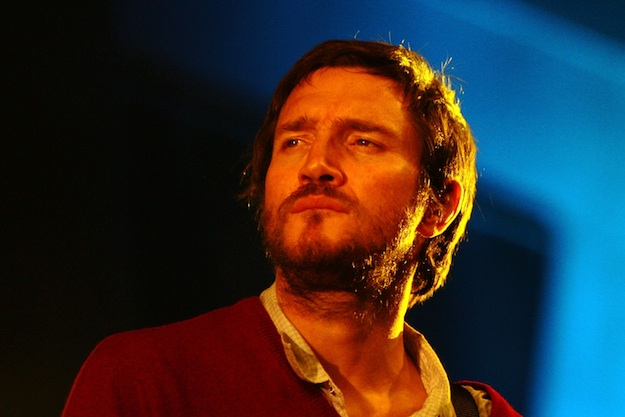
One of my all-time favorite pictures of #JohnFrusciante @ChiliPeppers
Introspectral connectable more-core soulist John <3
2
18

You can build an AI second brain in 15 minutes.
No coding experience needed. no $1000 course
[Here is how you can do it in 5 mins:]
Step 1: Download Claude Desktop.
Step 2: Download Obsidian Desktop.
Step 3: Create a new vault and start dropping .MD files into it.
Step 4: Tell Claude Code to connect directly to your vault using Andrej Karpathy's prompt: gist.github.com/karpathy/442…
That is it.
Your entire knowledge base becomes searchable, connectable, and queryable by the most powerful AI model on earth.
Every note you have ever written. Every idea you have ever captured.
Every resource you have ever saved. Claude can now read all of it, find connections you missed, and surface insights from your own thinking that you forgot you had.
Most people are using Claude as a search engine.
The people building second brains with it are using it as an intelligence layer on top of everything they know.
The gap between those two use cases is the gap between asking Google a question and having a research partner who has read everything you have ever written.
Bookmark this. Build it tonight.

21
27
184
34,444

Jun 12
它其实是用来搜索附近的蓝牙装置的。因为疫苗里有蓝牙芯片,所以每个打了疫苗的人就可以随时被检测到(一般出现N/A, not connectable的一般是蓝牙人的蓝牙)---人在哪儿,现在在干什么,用来监控甚至‘定点清除’。我在教堂里这个软件就没有停止滚动过。换句话说很多人已经是Transhuman了。 自己去搜索看。
2
2
38

Jun 12
some people have jobs so they can’t go to locals is that not the two most connectable points of all time
1
11