Mo Daniels retweeted

Let Peter Obi come out. This electioneering period, we won't contend with go and verify from him. He will just be lying and Obidient will feast on this one.

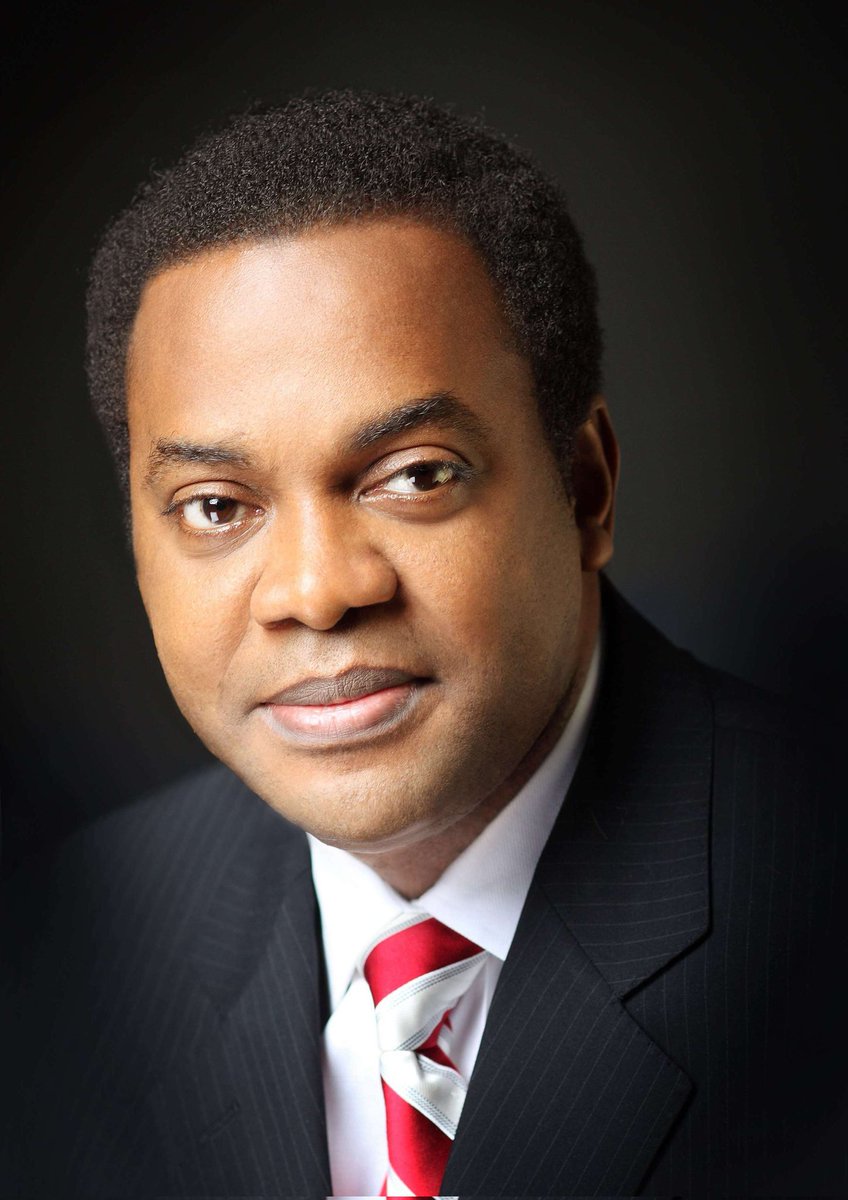
A worthy candidate is one whose record can be examined, verified, and trusted. Donald Duke's years of public service provide tangible evidence of what he can accomplish, unlike Peter Obi.
10
10
517

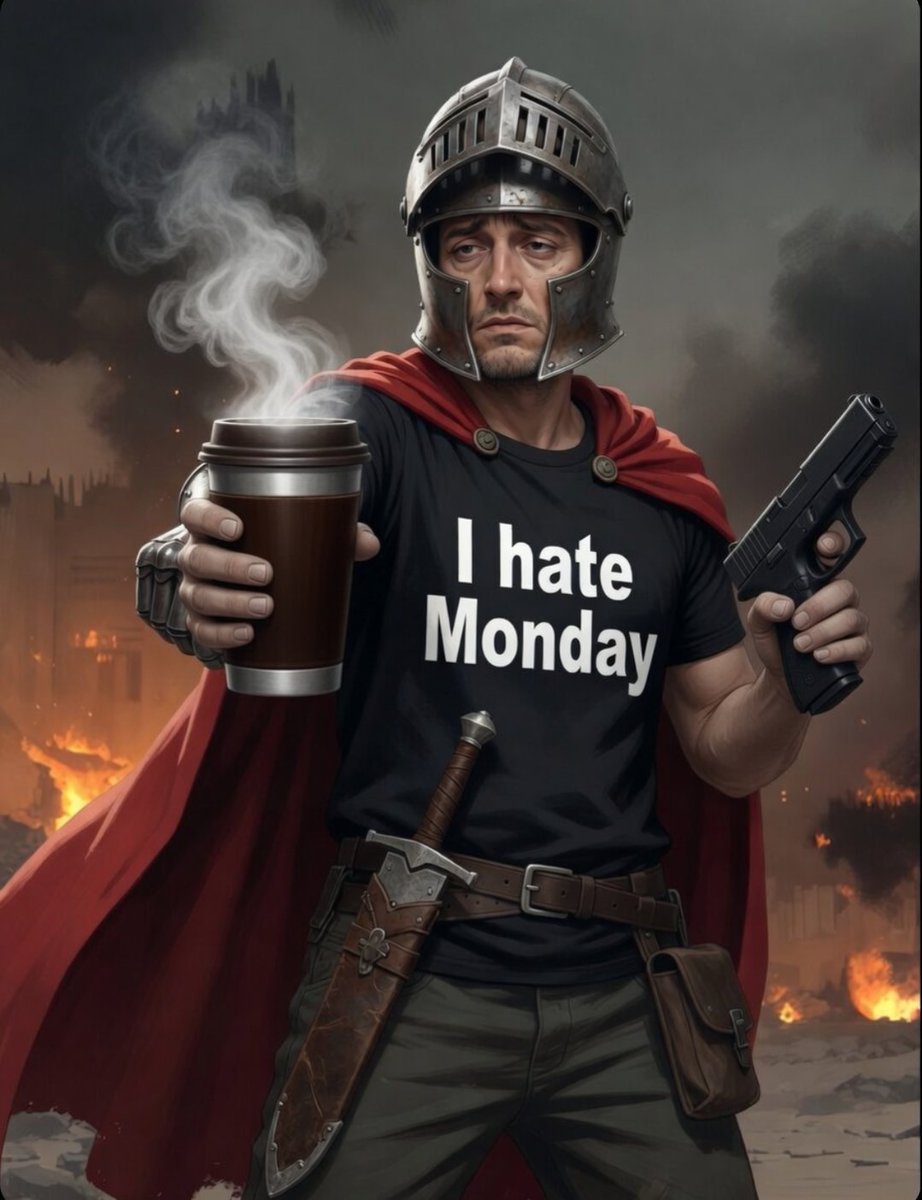
Even our strongest warriors have to contend with Monday morning. Caffeinate, hydrate, and get after it. Don't forget to enter all the giveaways ending soon on my pinned post.
#gungiveaway #gun #pistol #rifle #shotgun #firearm #giveaway #free #edc #2A #monday
7 Jul 2025

Here is a list of current gun giveaways. Make sure to scroll so you don't missed any.
#2A #gunrights #gungiveaway #pistol #rifle #revolver #shotgun #freegun #freedom #firearm #selfdefense #giveaway

1
6

He wants to contend while also making the most amount of money possible and for that Miami makes more sense because he’d be paying taxes out the ass in Massachusetts.
73

Thomas wouldnt back him with stolen money him or Aberg, Aberg will probably contend for a period and then totally bomb, Thomas will miss the cut even if the stats this season says otherwise, he simply doesnt win tournaments anymore.
3

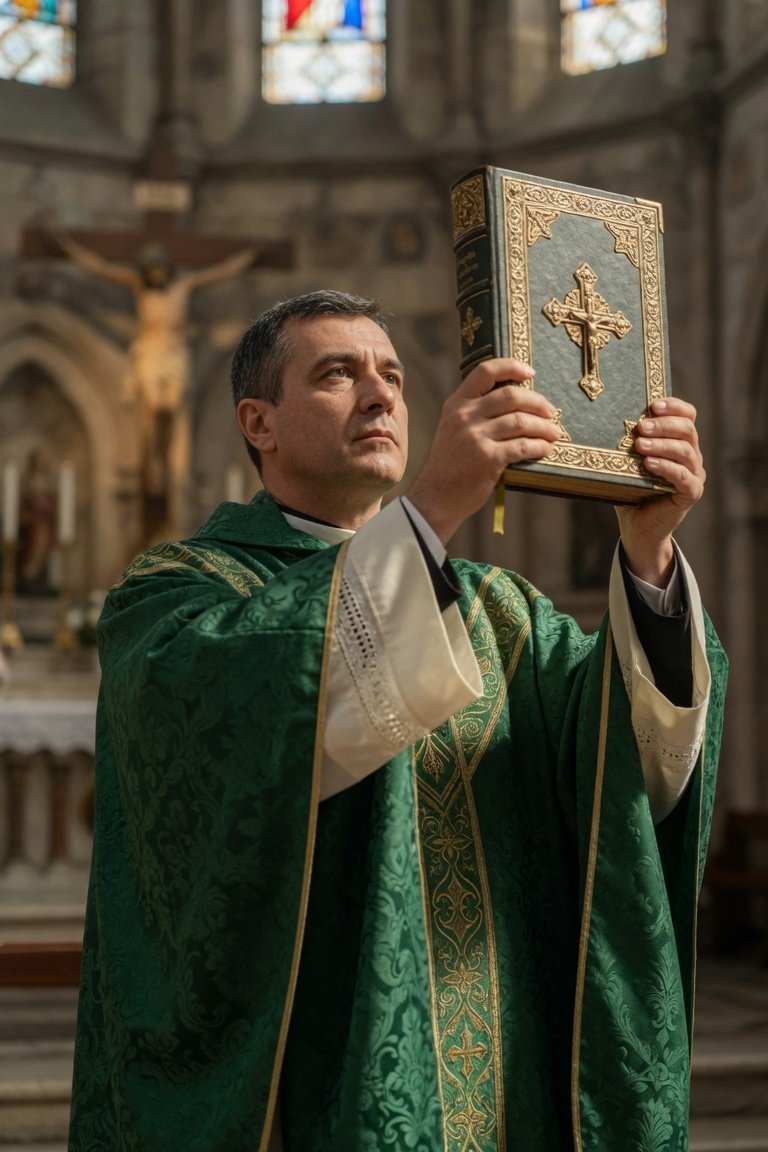
#Catholic #Bible.
Matthew 5:38-42
[38]You have heard that it was said: 'An eye for an eye, and a tooth for a tooth.'
[39]But I say to you, do not resist one who is evil, but if anyone will have struck you on your right cheek, offer to him the other also.
[40]And anyone who wishes to contend with you in judgment, and to take away your tunic, release to him your cloak also.
[41]And whoever will have compelled you for one thousand steps, go with him even for two thousand steps.
[42]Whoever asks of you, give to him. And if anyone would borrow from you, do not turn away from him.
1
11

Road Course Performance Since Last Season
SVG in his own zip code per usual.... Have to think Bell's wrist injury will be tough for him to contend this week

2
40

the fact that jp's kpop career is kinda short, improved khiphop environment for so many, only to quit aomg and h1ghr, to build a kpop group that in less than 5 months in 2026, broke stereotypes of what is a kpop idol?
when you build a system or artists that can be themselves, i feel like jp always wanted that environment, when back then it couldn't exist. it hadn't existed. so many rappers and musicians struggle in kpop.
and you contend w/the hardships, the culture, the mindset, year in, year out. he said it himself, it comes with sacrifices.
In his documentary w/ youtube originals, he's doing his part, for his community.
if you have to put 4-5 yrs of your activities to build something good, it has to be of quality. Won Soju took time, this one too. And for the future girl group, something striking really caught my ears, he said they are still refining their brand identity/ concept - somewhere along those lines. And they're not debuting this year. We wait.
If you are in a saturated market, you do your best be like nobody else. Otherwise, you'll flicker out of kmusic history books and barely make a dent in music.
he doesnt want one hit wonders. no flash in the pan ones. he wants stars - khiphop or not to outlast his legacy.
if a fandom is too stupid to get that, I don't think that's legacy at all, trendy, hit making and then you forget them.
the role of a brand - is to make a promise. He said in their debut, they are worth watching out for.
Many people tarnish the word 'authentic'. Jay has been that since: Kor-Amer in essence, history: from rap to bboy to pop. Hiphop is a way of life, his life, his people, his home, everything, it't not an act. But with Lngshot- he has casted them without those real experiences (yet or maybe ever), but they have built the core: they love music, almost all had art and music in their childhoods/background, they research corners of rap and musicians I 've never heard even smallest of followings and micro fans in youtube or faceless accounts and champions them - Jay Park poured what many or some k idols parody hiphop or just entrust it as a role and the shallowness of it as long as k idols can spit; Lngshot embodied that in their training through to their songs, I don't see that as inauthentic, the intentions and delivery are the real deal.
the role of a visionary - that's another story, and he's still doing that today. He was awarded as a Gamechanger in 2018, he hasn't stopped since and lives up to it. Lngshot is making strides in my book that I haven't seen since 2ne1.
I grew bored till they disbanded, but when Lngshot pre debuted, something was so different this time again, the same way I saw 2ne1 just smashed kpop in 2010-2016.
Since, I haven't seen that impact, Lngshot is promising. They're playing the long game.

30

But the man made that decision
Will I blame her
Hell no
The man is an adult and knows what is good
As much as I don’t like it but if my husband made that decision
Then I will have him to contend with not her
So he will need to go back to her and tell her to pull it down
22

The debate in Tamil Nadu over Sanatana Dharma has not as a rejection of faith or spirituality, but as a challenge to a particular social and historical order associated with caste hierarchy and unequal power structures.
Hindutva politics argue that it seeks to consolidate India's diverse religious and cultural traditions into a single national narrative, potentially overlooking the distinct histories and identities of regions such as Tamil Nadu. They contend that Tamil history reflects a long tradition of linguistic pride, regional autonomy, and resistance to cultural homogenization, making attempts to define a singular national cultural identity politically contentious. #southindia @narendramodi @BJP4India @INCKerala @RahulGandhi @IndiaToday
3


Representative John Larson’s argument contend that it mischaracterizes the structural intent of Social Security, uses flawed math, and ignores the severe economic consequences of removing the tax cap. Policy analysts, economists, and tax experts refute Larson's statement based on several key realities. Social Security was intentionally designed by Franklin D. Roosevelt as an earned social insurance program, not a general tax system. Workers only pay taxes up to the maximum taxable earnings limit because their ultimate retirement benefits are capped at that same limit. Forcing ultra-wealthy individuals to pay payroll taxes on millions or billions in wages without a corresponding increase in their retirement benefits turns Social Security into a traditional welfare transfer system. This fundamentally breaks the historic compact that ensures the program enjoys broad, bipartisan public support. The assertion that billionaires "stop paying on January 1st" applies only to standard wage income (salaries). The ultra-wealthy derive the vast majority of their wealth from capital gains, stocks, dividends, and corporate investments. These forms of income are never subject to the 12.4% Social Security payroll tax, regardless of what day of the year it is. Removing the salary cap would have virtually zero impact on billionaires like Elon Musk or Jeff Bezos, whose wealth does not come from a standard weekly W-2 paycheck. Research from think tanks like the Heritage Foundation highlights that completely eliminating the maximum taxable wage cap fails to permanently solve Social Security's long-term solvency crisis. According to historical actuarial models, scrapping the cap only extends the system's solvency by a few years. Within a few decades, demographic realities (fewer workers supporting more retirees) would force Congress to either raise payroll tax rates on everyday workers anyway or cut promised benefits. Even eliminating checks entirely for the top 1% of earners does not close the macro funding gap. The 12.4% Social Security tax is split evenly between the employee and the employer (6.2% each). Eliminating the cap means businesses would face massive, unbudgeted tax increases for their highest-performing and most specialized employees. Economists warn that such a significant tax hike on productivity would disincentivize work, stunt corporate investment, lower domestic savings rates, and ultimately slow down job creation across the entire economy. What a stupid old man. Time to retire John. WTF are you talking about? Learn some shit dude before dumping your dimwitted ideas.
6

"Behold, all those who are angered at you will be shamed and dishonored; Those who contend with you will be as nothing and will perish." - Isaiah 41:11
4
マルゲン サッカー、#dankeseb retweeted

24 hours logged at Le Mans! 🏁
Thank you to Cadillac Racing for the opportunity to contend for sports car racing glory.
#WayneTaylorRacing #CadillacRacing #LeMans

7
43
259
6,485

If only that were even close to the historical truth, or the Biblical facts, you might have a point.
The RCC didn't even exist until hundreds of years after Jesus' death and resurrection. There is no apostolic succession, and even if there were, the Bible is clear on three points:
1 - James, not Peter, was the leader of the Jerusalem church.
Early tradition unanimously identifies James as the first bishop/leader of Jerusalem.
Peter is never described this way for Jerusalem. Biblical evidence is clear and consistent:
After Peter’s miraculous escape from prison (Acts 12), he specifically instructs believers: “Tell these things to James and to the brothers” (Acts 12:17).
This implies James had become the primary point of contact and leader in Jerusalem while Peter moved on.
At the Jerusalem Council (Acts 15, ~49–50 AD), Peter speaks first (vv. 7–11), followed by Paul and Barnabas. James then delivers the concluding judgment: “Therefore my judgment is that we should not trouble those of the Gentiles who turn to God...” (Acts 15:19–21). The apostles, elders, and the whole church accept and implement James’s decision in the official letter.
On Paul’s final visit to Jerusalem, he goes straight to James, “and all the elders were present” (Acts 21:18). James is the one who addresses the concerns and gives instructions.
Paul describes the leadership in Galatians 2:9 as “James and Cephas and John, who seemed to be pillars.” James is listed first.
Earlier, Paul notes meeting “James, the Lord’s brother” during his first Jerusalem visit (Galatians 1:19).
These passages show James as the resident, presiding leader (effectively the bishop) of the Jerusalem church—the mother church—while Peter functioned more as an itinerant apostle.
External sources confirm this explicitly:
Clement of Alexandria (via Eusebius, Church History 2.1): “Peter and James and John, after the Saviour’s ascension... did not contend for glory, but made James the Just bishop of Jerusalem.”
Eusebius (Church History): James “was the first, as the record tells us, to be elected to the episcopal throne of the Jerusalem church.” He also records that after James’s martyrdom, the apostles and disciples chose his successor by vote.
Hegesippus (2nd century, preserved in Eusebius): Describes James succeeding to the government of the church in Jerusalem.
2 - Peter's calling as an Apostle was strictly to the Jews, and his interactions with Gentiles even got him a rebuke from Paul.
When he engaged Gentiles more freely, it created problems that required correction by Paul
Biblical evidence is explicit:
Galatians 2:7–9 states the apostolic division of labor clearly: “I [Paul] had been entrusted with the gospel to the uncircumcised, just as Peter had been entrusted with the gospel to the circumcised... they gave the right hand of fellowship to Barnabas and me, that we should go to the Gentiles and they to the circumcised.”
The “pillars” (James, Peter/Cephas, and John) endorsed this arrangement. Peter’s primary sphere was Jewish believers.
Peter’s one major recorded interaction with Gentiles (the Cornelius household in Acts 10) was exceptional.
Even then, he had to defend himself before the Jerusalem church (Acts 11), and the broader issue of table fellowship with Gentiles remained contentious.
Galatians 2:11–14 records Paul publicly rebuking Peter in Antioch: “I opposed him to his face, because he stood condemned. For before certain men came from James, he was eating with the Gentiles; but when they came he drew back and separated himself, fearing the circumcision party... I said to Cephas before them all, ‘If you, though a Jew, live like a Gentile and not like a Jew, how can you force the Gentiles to live like Jews?’”
Peter’s actions were hypocritical and inconsistent with the gospel of grace.
3 - Paul, not Peter, was the Apostle to the gentiles and so if there were a first "pope" (hint: there wasn't) it would have been Paul, who actually went to Rome, not Peter, who likely never did.
Even if Peter visited Rome late in life and was martyred there under Nero (a common traditional view), this does not establish him as “Pope.”
There is no Biblical or early evidence of a monarchical episcopate (single ruling bishop) in Rome in the 1st century, nor of any transfer of supreme universal authority from Peter to the bishops of Rome.
Leadership remained more collegial.
Biblical evidence strongly supports Paul as the apostle to the Gentiles: The same Galatians 2:7–9 passage above.
Paul’s entire ministry (Acts 13 onward) is overwhelmingly directed at Gentiles. He repeatedly emphasizes his calling to them (e.g., Romans 11:13; 15:16; Galatians 1:16; Ephesians 3:8).
Paul wrote the letter to the Romans and planned to visit them and then go to Spain (Romans 1:10–15; 15:22–29). He explicitly arrived in Rome and ministered there (Acts 28).
As well, the New Testament is completely silent on Peter ever going to Rome. There is no mention of him traveling west, founding the Roman church, or exercising leadership there.
Acts ends with Paul in Rome; Peter disappears from the narrative after Acts 15 (except a brief mention earlier). Paul’s detailed greetings in Romans 16 name many Roman Christians but never Peter.
In 2 Timothy 4 (written from Rome), Paul lists his companions but does not mention Peter.
The only possible hint is 1 Peter 5:13: “She who is at Babylon, who is likewise chosen, sends you greetings, and so does Mark, my son.” “Babylon” is often interpreted symbolically as Rome (as in Revelation), but this is not definitive proof Peter was physically there or leading the church.
Alternative views exist (literal Babylon or the greeting sent from the church “in Babylon” via the letter).
1 Clement (late 1st century, from Rome) praises both Peter and Paul as martyrs who endured much. It notes Paul “preached in the East and in the West” and reached “the extreme limit of the west,” but it does not place Peter in Rome or give him unique authority there.
The earliest explicit tradition linking Peter to Rome comes from the late 2nd century (Gaius mentioning a tropaion / memorial). Claims of Peter founding the Roman church or serving as its first bishop rest on evidence no earlier than the mid-to-late 2nd century. They are false and without any direct support at all.
Some scholars note the lack of early textual evidence, Peter’s background as an Aramaic-speaking Galilean fisherman (less likely for extensive western travel and leadership in a Greek/Latin-speaking imperial capital), and the arguments from silence in Acts and Paul’s letters. My analysis concludes it is unlikely Peter ever went to Rome.
16

You are totally right to correct me.
I would disagree that this was a violent interlude.
Europe had a reset I agree. But not a very sanguinary one.
others I contend were totally unrelated - so do not merit being labelled a decade of blood.
2

BRITISH GOVERNMENT UNIT ACCUSED OF SHAPING PUBLIC OPINION
LONDON — A little-known British government unit known as the Research, Information and Communications Unit (#RICU) has come under renewed scrutiny amid allegations that it played a role in influencing public perception and shaping narratives on major national issues.
RICU, established within the UK Home Office in 2007, was officially created to support efforts aimed at countering extremism and preventing radicalization. According to the government, its mission has been to develop communications strategies designed to challenge extremist messaging and promote public safety initiatives.
However, critics argue that some of the unit’s activities went beyond traditional public information campaigns. Investigations by journalists and civil liberties advocates have raised concerns about the use of messaging strategies intended to influence attitudes and behaviors, sometimes through campaigns that were not openly identified as government-sponsored.
The allegations have fueled a broader debate over the role of governments in shaping public discourse. Supporters of such programs contend that strategic communications are a necessary tool in combating extremism and misinformation. Critics, meanwhile, warn that efforts to influence public opinion can blur the line between public service messaging and state-sponsored persuasion.
No public evidence has emerged showing that RICU exercised widespread control over public opinion in the United Kingdom. Nevertheless, the controversy has intensified calls for greater transparency regarding how government agencies communicate with citizens and how taxpayer-funded information campaigns are conducted.
The issue comes at a time of declining public trust in institutions across many Western democracies. For some observers, the central question is not whether governments should communicate with the public, but where the boundary lies between informing citizens and attempting to shape how they think.
As debate continues, the allegations surrounding RICU remain contested, highlighting broader concerns about transparency, accountability, and the influence of government communications in the digital age.
13
vbsfloyd retweeted

Jun 14
Running a business in South Africa is becoming increasingly difficult as companies contend with a sluggish economy, mounting regulatory requirements, skills shortages, and the failures of state institutions.
dailyinvestor.com/business/1…
16
84
167
5,395

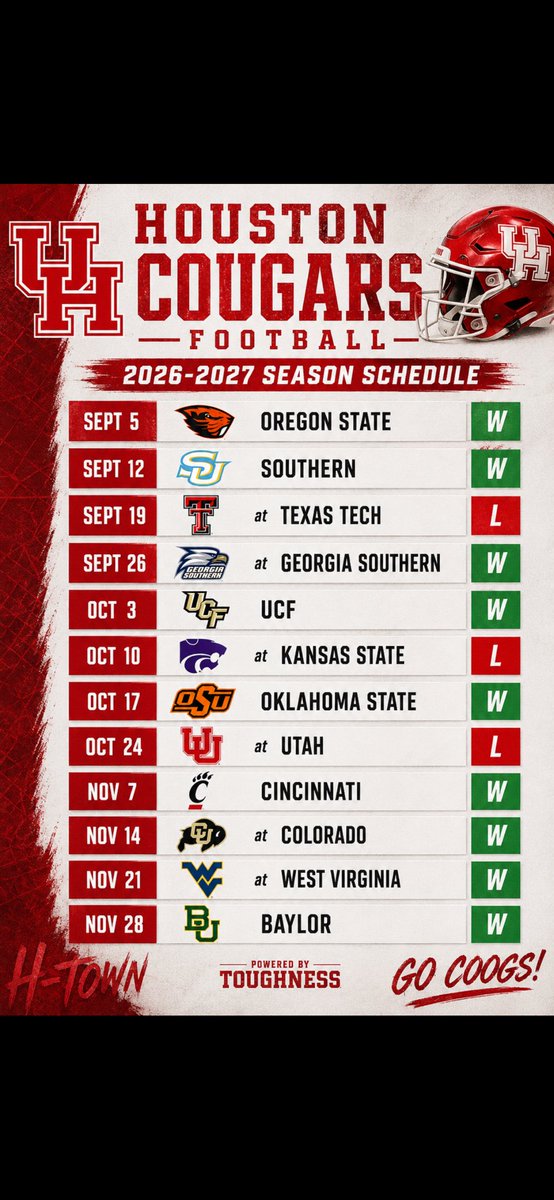
🚨 TEAM 65 BELONGS TO THE HOUSTON COUGARS 🚨
Connor Weigman could very well be a a Heisman finalists down there in Houston Texas this season. With Willie Fritz at the helm and star receiver Amare Thomas, there is no reason this team should not contend for the Big 12 title.
Being a game away from the big 12 title game last season, this team has its eyes set on the college football playoff and they have the talent to make some noise to. Their season will come down to two games, Utah, and Kansas State.
Ceiling: 11-1
Floor: 8-4
Projection: 9-3

1
31
kowalskijanpl retweeted

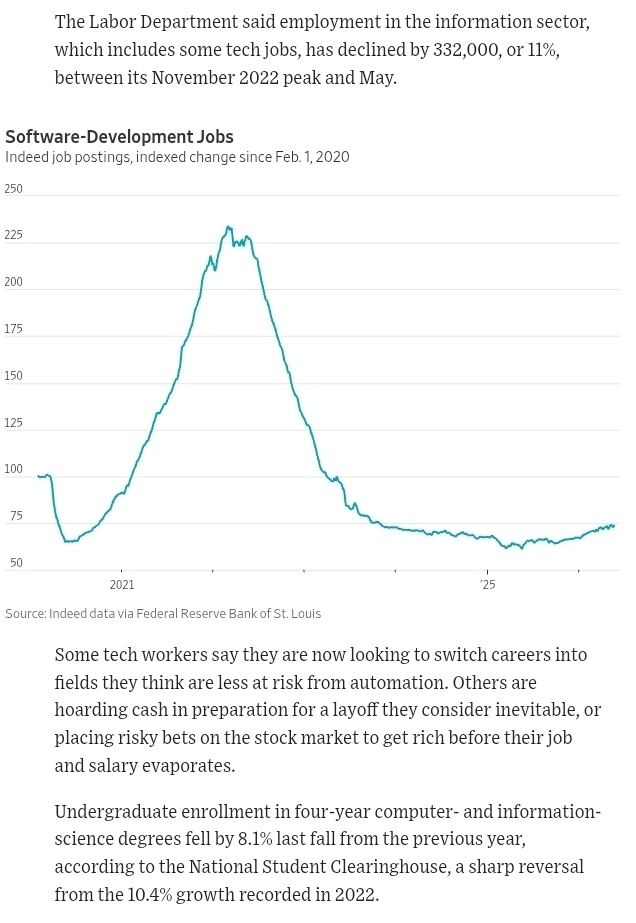
Artykuł The Wall Street Journal zatytułowany „Changing Careers, Cutting Expenses: Software Engineers Contend With AI” opisuje gwałtowną zmianę na rynku pracy w sektorze IT.
Programiści, do niedawna cieszący się ogromnym popytem i wysokimi zarobkami, mierzą się teraz z niepewnością zatrudnienia wywołaną przez rozwój sztucznej inteligencji.
Zawody, które jeszcze kilka lat temu uchodziły za wyjątkowo bezpieczne, dobrze płatne i odporne na kryzysy, dziś są zagrożone przez redukcje zatrudnienia.
Liczba ofert pracy dla programistów spadła o około 70% w porównaniu ze szczytem z 2022 r. i pozostaje poniżej poziomu sprzed pandemii.
Zatrudnienie w amerykańskim sektorze informacji zmniejszyło się od listopada 2022 r. o około 332 tys. osób, czyli 11%.
Najtrudniejszą sytuację mają początkujący programiści, ponieważ część prostszych zadań może wykonywać AI. Jednocześnie rośnie zapotrzebowanie na doświadczonych specjalistów, którzy potrafią nadzorować, poprawiać im kod generowany przez modele AI.
Niepewność na rynku wpływa również na wybory edukacyjne: liczba studentów rozpoczynających czteroletnie studia informatyczne spadła w ciągu roku o 8,1%, po wcześniejszym szybkim wzroście. wsj.com/lifestyle/careers/ch…
2
4
523

I “appear” to have no training? 😄 whether I do or not (I do, btw) is irrelevant to the central point that you are unable to cognitively contend with, because it contradicts your Safe&Effective™️ programming. So feel free to go look up the mortality curves & get back to us.
4