
The history of Palestine is a complex narrative of shifting empires, diverse religious significance, and competing national movements. It spans from ancient Canaanite roots to the modern era, marked profoundly by the ongoing Israeli-Palestinian conflict and global efforts for a recognized, sovereign state. [1, 2, 3]
Ancient to Medieval Eras
• Early History: Originally part of ancient Canaan, the region was later home to the ancient kingdoms of Israel and Judah.
• Roman Era: Following several Jewish revolts, the Roman Empire renamed the province Syria Palaestina (after the ancient Philistines) in 135 CE to sever Jewish ties to the land.
• Islamic Conquest: In the 7th century, the region was conquered by the Arab Rashidun Caliphate, introducing Arab culture and the religion of Islam to the area.
• Ottoman Rule: Following the Crusades and Mamluk periods, Palestine became part of the Ottoman Empire in 1516, remaining under its control for four centuries. [6]
The British Mandate & Competing Nationalisms
• The Balfour Declaration (1917): During World War I, Britain captured the region and was granted a League of Nations mandate. In 1917, Britain issued the Balfour Declaration, pledging support for a "national home for the Jewish people" in Palestine, though this conflicted with promises of Arab independence.
• Rising Tensions: Throughout the Mandate period (1922–1947), large-scale Jewish immigration—spurred heavily by Nazi persecution in Europe—led to escalating violence and rebellions by the Arab population who demanded self-determination. [7, 8]
Partition and the Arab-Israeli Wars
• UN Partition Plan (1947): Unable to resolve the conflict, Britain turned the region over to the United Nations. The UN proposed partitioning Palestine into separate independent Arab and Jewish states, with Jerusalem under international administration.
• 1948 War: Jewish leaders accepted the plan, declaring the independence of the State of Israel in 1948, while Arab leaders rejected it, leading to the first Arab-Israeli war. The war resulted in an Israeli victory. Jordan took control of the West Bank, and Egypt took control of the Gaza Strip.
• 1967 Six-Day War: In 1967, following heightened regional tensions, Israel fought a preemptive war against neighboring Arab states. Israel captured and began military occupation of the West Bank, East Jerusalem, Gaza, the Sinai Peninsula, and the Golan Heights. [3, 4, 11, 12, 13]
Modern Era
• Palestinian Liberation: In 1964, the Palestine Liberation Organization (PLO) was founded to establish an independent Palestinian state. By the 1990s, the Oslo Accords created the Palestinian Authority (PA), granting Palestinians limited self-governance in portions of the West Bank and Gaza Strip.
• Current Status: Today, the Palestinian territories consist of the West Bank (including East Jerusalem) and the Gaza Strip. The peace process has largely stalled, with ongoing disputes over borders, the status of Jerusalem, and Israeli settlements. Many United Nations member states formally recognize Palestine as an independent state, while Israel and several Western nations maintain that such recognition is subject to final-status negotiations. [3, 4, 7, 14, 15]
AI responses may include mistakes.
[1] en.wikipedia.org/wiki/Histor…
[2] britannica.com/place/Palesti…
[3] history.com/articles/palesti…
[4] youtube.com/watch?v=8pSLvT9r…
[5] instagram.com/reel/DYxBjMXSq…
[6] en.wikipedia.org/wiki/Palest…
[7] un.org/unispal/history/
[8] un.org/unispal/timeline/
[9] en.wikipedia.org/wiki/Gaza_C…
[10] en.wikipedia.org/wiki/Histor…
[11] christianity.org.uk/article/…
[12] pbs.org/frontlineworld/stori…
[13] hilo.hawaii.edu/campuscenter…
[14] cfr.org/global-conflict-trac…
[15] pbs.org/newshour/world/franc…
Martín Iranzo🦇 retweeted

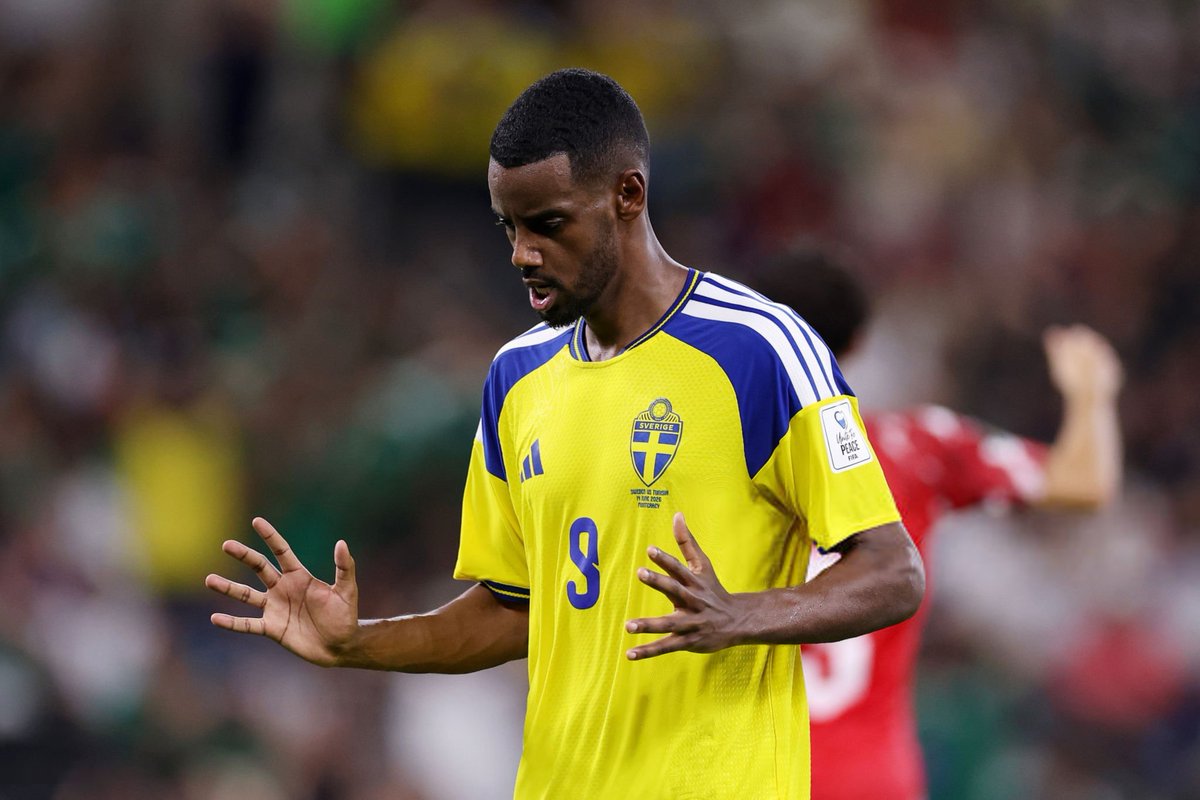
🚨 𝗡𝗘𝗪: Alexander Isak's World Cup debut:
• 1 goal
• 2 assists
• 3 shots
• 35 touches
• 2 big chances created
• 2 key passes
LIVERPOOL FANS, ALEXANDER ISAK IS BACK! 🇸🇪✨
42
15
117
1,357
Follow Instagram: guyshubx retweeted

Jun 12
Just created a very dangerous private video. You think you’re ready for it?


7
778
826
47,774

There is a insta account names Shubman bts
Which posts gill realated content and managed by gill's team
Few days ago a twitter account was created from same name and they said we will post gill realated content and announced a giveaway
Now some people says it was a fan account
Fundador 🇺🇸 retweeted

President Trump has created the conditions to exterminate the terrorist Islamic Regime occupying Iran, if it doesn't agree to sign and abide by the unconditional surrender deal Trump wants.
Bookmark this post.
40
38
246
3,646
AkPraveen🚩 retweeted

11h
💥@KapilSibal you can laugh on yourself when you will know why that party was created and that it was created early and not late 😅

TMC rebels :
Will merge with Nationalist Citizens Party (NCP)
Indian Democracy has become the “theatre of the absurd”
A joke !
The rebels of the TMC legislative party cannot merge with a political party ; that can happen only if the TMC wished to do so !
Disqualify them !
14
150
993
34,043
Nowel retweeted

15h
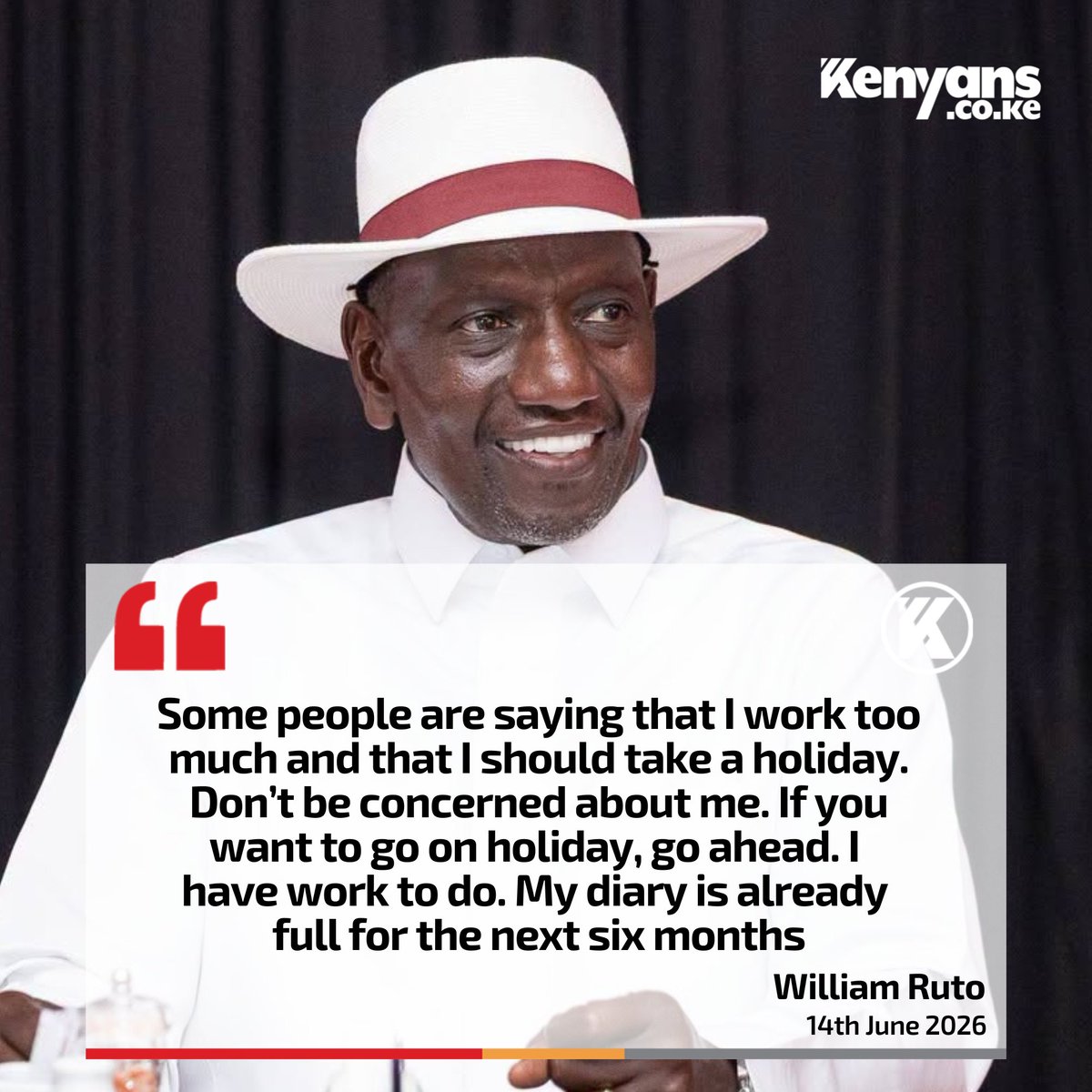
He has created a little Kenya in his mind where everyone is so pleased with his leadership that they are even telling him to go on holiday. Alright.

Some people are saying that I work too much and that I should take a holiday - William Ruto
19
227
823
10,455
antonia retweeted

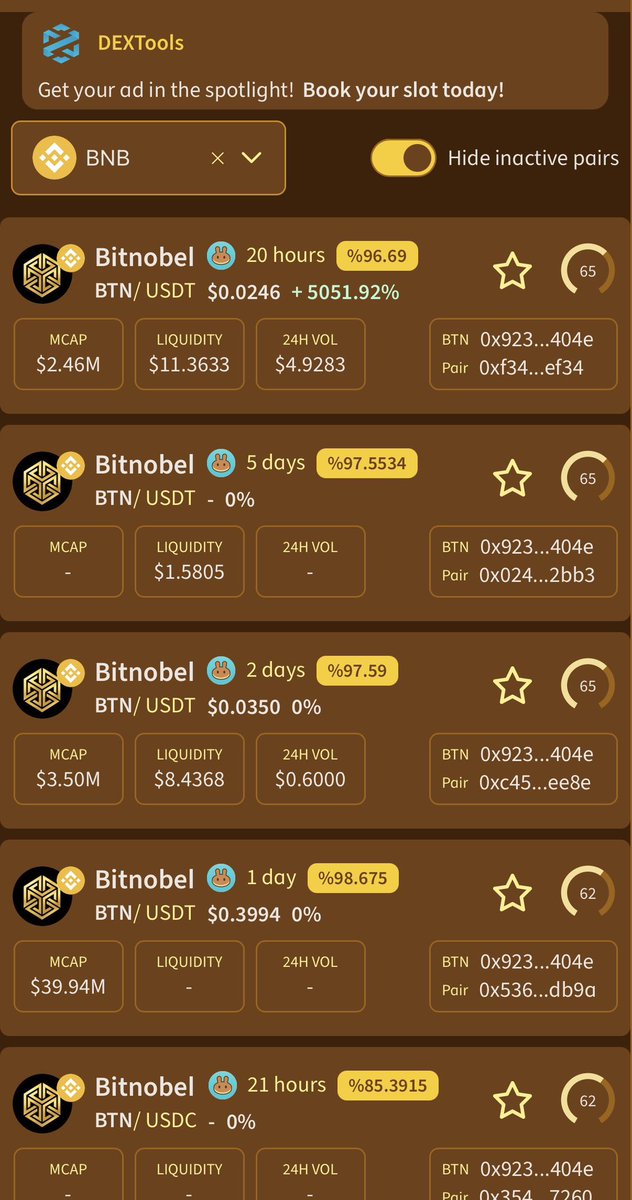
⚠️ As Bitnobel continues to gain visibility, we are seeing the appearance of unofficial liquidity pools created by third parties.
Anyone can create a liquidity pool using an existing token contract. These pools may display misleading prices, liquidity, market capitalization, or other inaccurate data that can confuse users.
For your safety, always verify and use the official Bitnobel addresses:
Official BTN Contract:
0x9235134Bafac876b974A3EBcC67BdDA1CDb1404e
Official BTN/USDT Pair:
0x06210300BEdf6f086D11CAe3A5d1b811D18fd7D5
Any other liquidity pool is not affiliated with Bitnobel and should not be considered an official trading pair.
Bitnobel remains committed to transparency:
✅ Verified smart contract
✅ Ownership renounced
✅ Locked liquidity
✅ 0% taxes
Please verify addresses before every transaction.
Stay safe and DYOR. 💛
#Bitnobel #BTN #BNBChain #CryptoSecurity
2
1
9
122
Àjàkáíyé retweeted

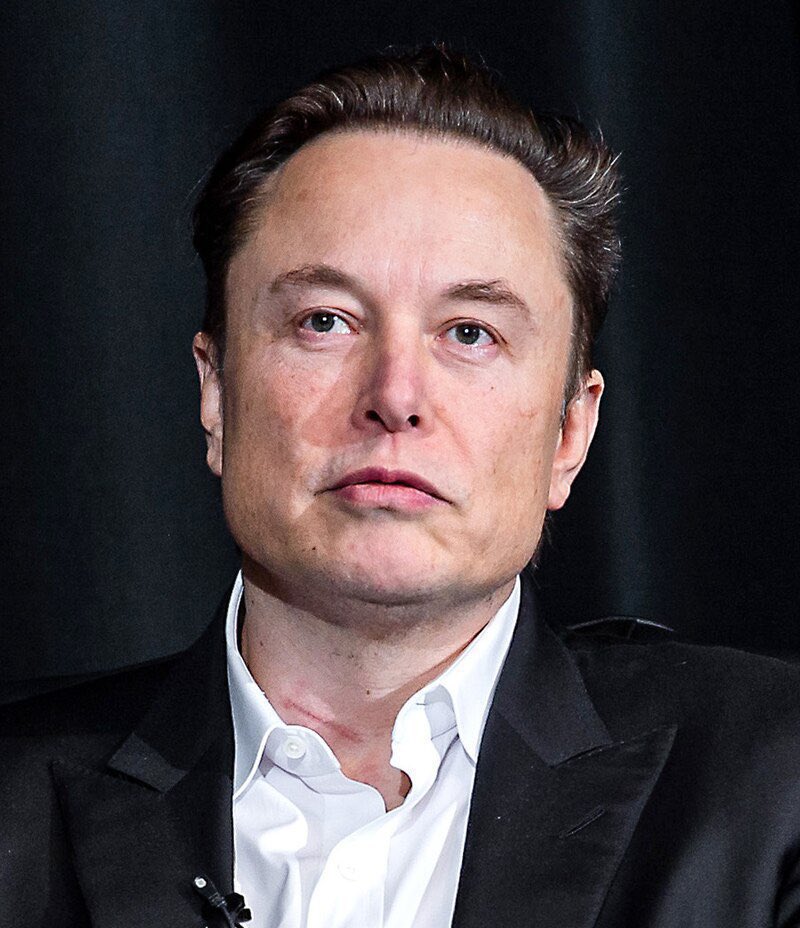
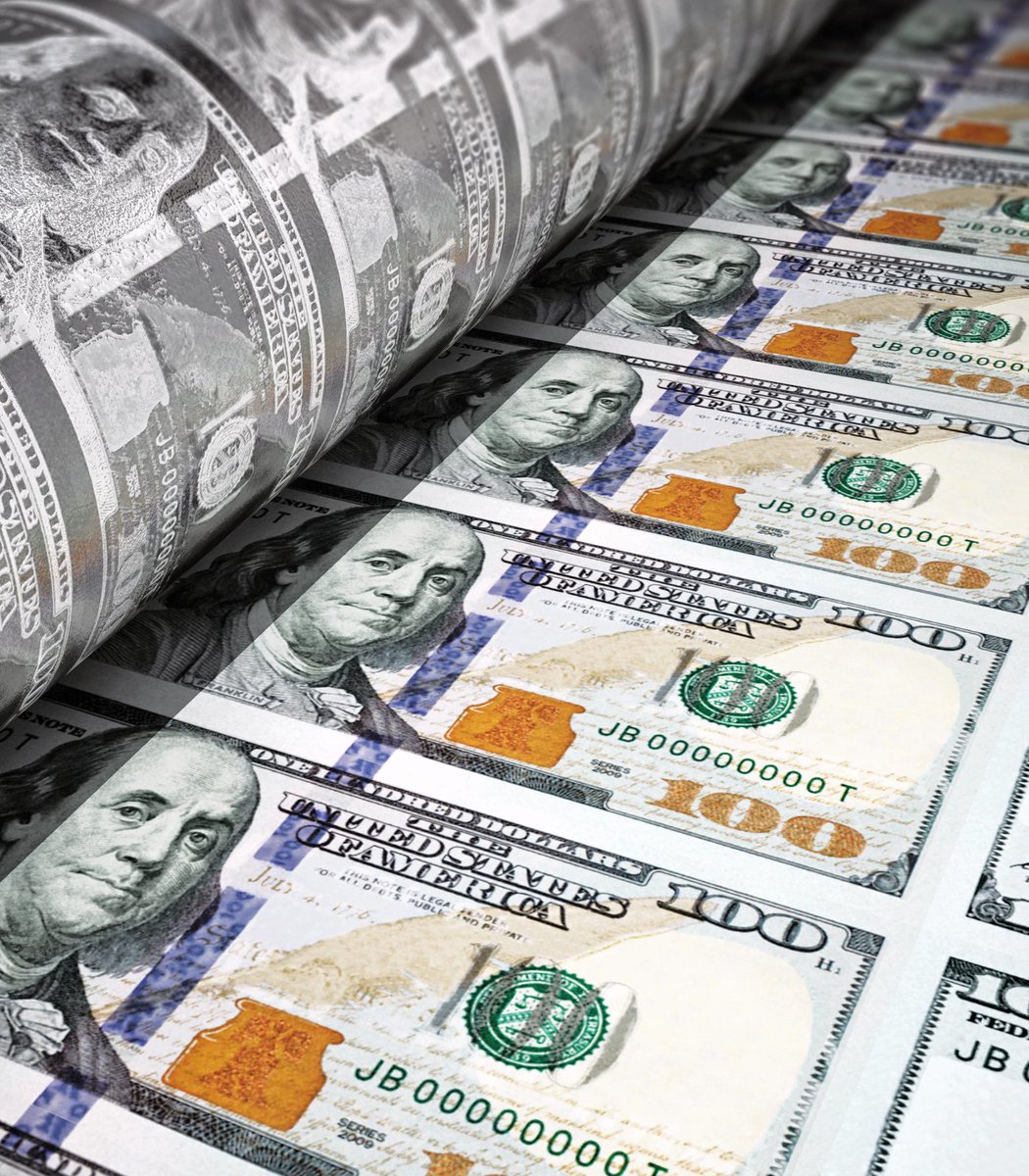
In my lifetime, China lifted 850 million people out of poverty, while the US created one trillionaire. It is clear as day that socialism is the key to our future.

3,950
10,303
58,797
2,043,206
Harry ... retweeted

In the 60s, When we didn't have food to eat, we created an independent body called ICAR as an agent of change, put agri experts in charge, facilitated awesome collaboration between local knowledge & international expertise, gave them complete freedom of action and eliminated the traditional Indian babudom
Result - We are the largest producer of food in the world
When we didn't have milk, we created an independent body called NDDB as an agent of change, put a hard driving Dr Kurien in charge, gave him complete freedom and eliminated the traditional Indian babudom
Result - We are the largest milk producer in the world
When we found we were lagging in digital payments, we created an independent body called Npci as an agent of change, put bankers and industry experts in charge and eliminated the traditional Indian babudom
Result - We have one of the largest and most used digital payment ecosystem in the world
Today we are afraid we will lose the battle on AI and Technology
We have a solution which has worked very well in the past and has saved us from many a crisis.
The only question is, Do we have the will to implement it?
4
19
78
2,135
Devin Jacobs retweeted

🚨 JD VANCE JUST NOW: "What the president has done is created the real space to transform that region cooperation between the Gulf Arab allies and the Israelis, and now hopefully a new era with with the Iranians! This is just a great thing for the American people!"
"I know that they suffered from high gas prices. The president has certainly been very concerned about that fact. But what we're going to be able to do is drive down the cost of energy, not just now, but for the long term, and create a real engine of prosperity in the Middle East where Americans benefit from those lower energy prices, lower gas prices, and we don't have the same risk of chaos that we've had for the last generation."
133
770
3,351
295,866

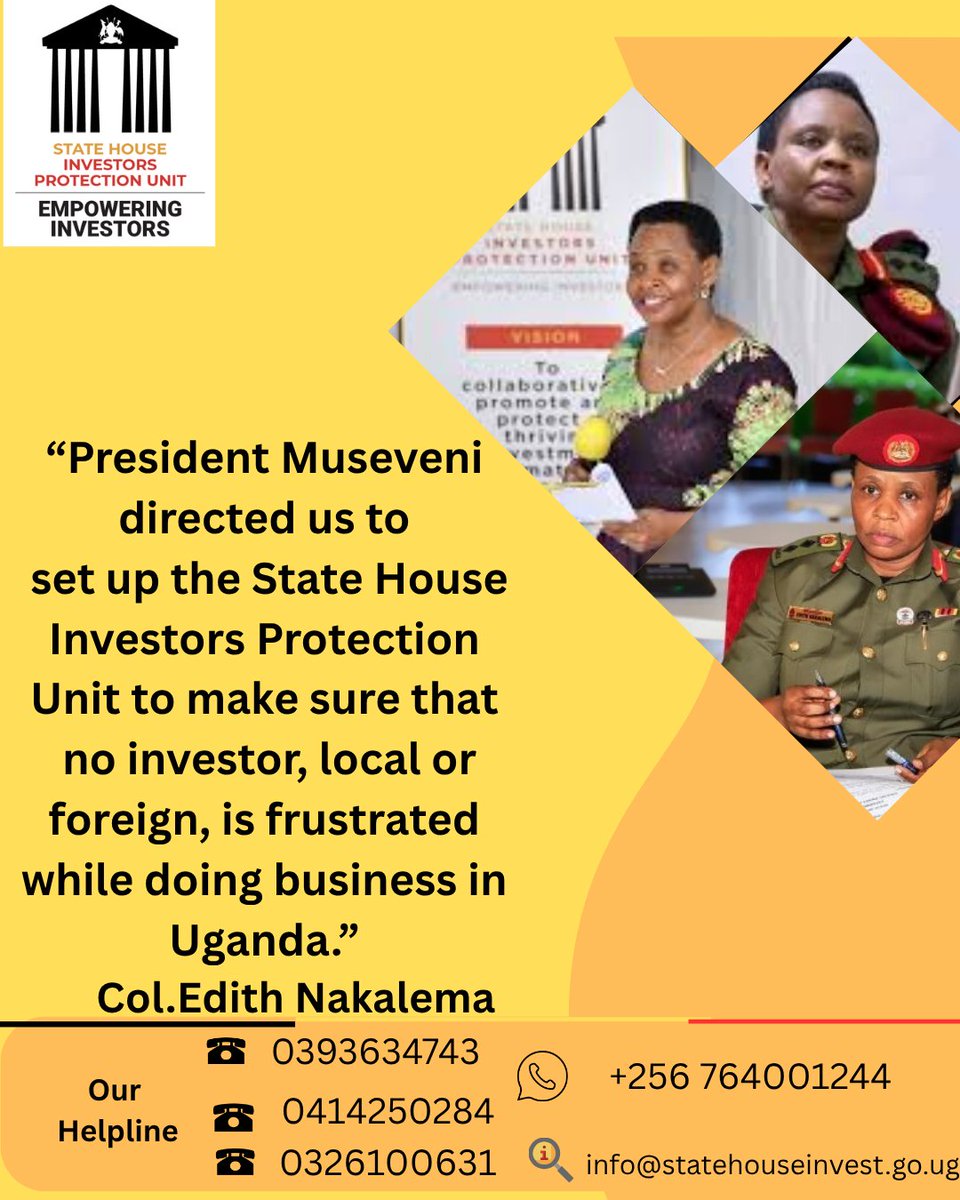
President @KagutaMuseveni created Statehouse Investors Protection Unit to shield investors from corruption and unnecessary bureaucracy.
The goal is clear. To create an investor-friendly environment where business can thrive.
#EmpoweringInvestors
5
5
31
Andrés Ramos retweeted

Jun 13
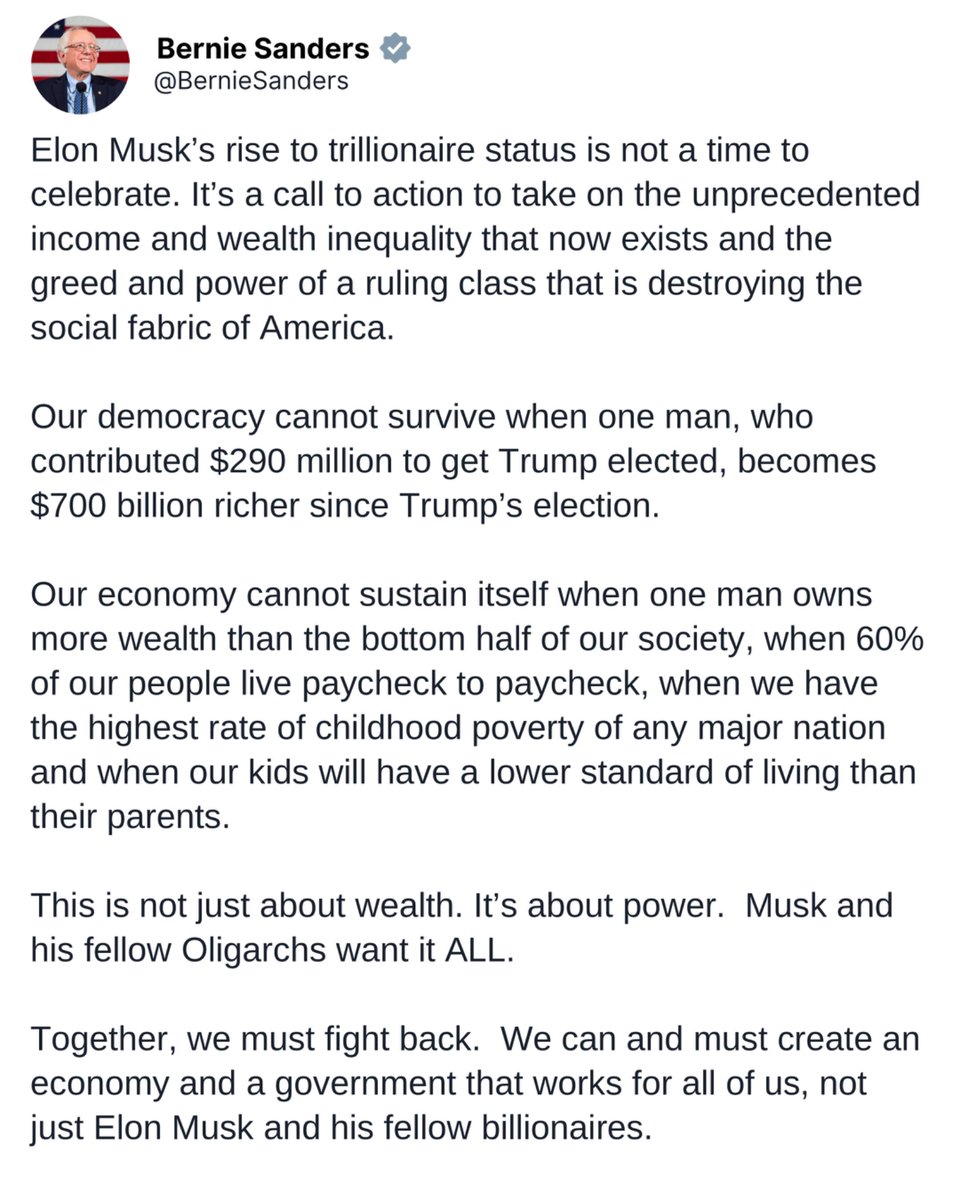
.@BernieSanders , it is a time to celebrate. @elonmusk has created enormous value for society by building @SpaceX, driving down the cost of rocket launches and creating a global satellite communication network that has brought high speed, low-cost internet and communication access to hundreds of millions and eventually billions of people along with critical advantages for our military and our nation’s defense.
SpaceX and its technologies will cause an acceleration in the growth of wages and wealth creation globally, including in some of the poorest communities in the U.S. and around the world.
Access to low-cost, high speed communications everywhere will allow children around the world to be educated, families to build businesses, and life-saving medical knowledge and care to be available everywhere.
SpaceX will materially bring down the cost of compute, advancing AI and humanity.
Meanwhile, 4,000 SpaceX employees yesterday became millionaires, including hourly wage employees who you claim you are trying to help.
The Elon Musks of the world drive growth, global GDP, and provide access to goods and services at lower cost that would otherwise not exist.
Elon’s nominal trillionaire status is due to his ownership of SpaceX, Tesla, Neuralink, the Boring Company and his other initiatives that have brought new technologies that improve our everyday lives.
Elon is not sitting on a trillion dollar pile of cash, jewelry and gold. He is using his controlling stakes in his companies to advance mankind. Elon’s companies don’t pay dividends. They reinvest all of their capital to accelerate innovation and value creation.
Elon is working 24/7 for all of us. He deserves respect and appreciation, not smears.
Bernie, your socialism would never allow a SpaceX to be built. Socialism has only proven to impoverish mankind and lead to death and destruction.
We need to create the conditions for more SpaceXs to be built, not attack the great entrepreneurs who are helping to advance our country.
Jun 12

3,541
8,681
46,194
2,395,342

The Biltong Brief retweeted

14h
Elon could literally solve homelessness tomorrow.
All he needs to do is sell his stake in the companies he created from the ground up, crashing the price and evaporating his wealth as well as the savings and pensions of workers globally.. handing the control of these companies over to short term profit interests and preventing any long term vision from being enacted..
THEN take whatever money that remains which will be nowhere near 1tn and give it to homeless charities who have never solved homelessness anywhere on earth because they’re financially incentivised to do the opposite.
Bam - homelessness solved.
The reason he doesn’t do any of this is because he’s evil.
559
1,485
11,829
261,644