
Social Engineer retweeted

I want every petrol pump to display these boards, so customers can clearly see whether they are buying 100% petrol or petrol blended with ethanol and compare prices.

66
363
1,165
19,117

No be something to hide. Almost everybody knows about it.
If you want peace of mind, you should avoid buying iPhone 13 Pro Max.
Yeah I do sell it, but I advise customers about the possible downside they might later encounter. It’s not all 13 pro max, but I just want them to be on the safer side.
Dr. Joseph Ford Cotto retweeted

𝐆𝐞𝐭 𝐭𝐡𝐞 𝐰𝐡𝐨𝐥𝐞 𝐬𝐭𝐨𝐫𝐲: x.com/JosephFordCotto/status…
🏗️ When factories open, entire towns benefit. Restaurants get customers. Local stores get business. Families gain stability.
President Trump's latest trade actions are designed to encourage more investment in American steel, aluminum, and copper production while rewarding manufacturers that use American-made materials.
For many communities, manufacturing isn't just another industry. It's the backbone of local prosperity.
𝐅𝐮𝐥𝐥 𝐚𝐜𝐜𝐞𝐬𝐬 𝐭𝐨 '𝔻𝕣. ℂ𝕠𝕥𝕥𝕠'𝕤 𝔻𝕚𝕘𝕖𝕤𝕥' 𝐢𝐬 𝐨𝐧𝐥𝐲 $𝟑/𝑚𝑜𝑛𝑡ℎ. 𝐒𝐮𝐛𝐬𝐜𝐫𝐢𝐛𝐞 𝐭𝐨 𝐭𝐡𝐢𝐬 𝐚𝐜𝐜𝐨𝐮𝐧𝐭 𝐟𝐨𝐫 𝐭𝐡𝐞 𝐩𝐥𝐚𝐢𝐧 𝐭𝐫𝐮𝐭𝐡 𝐚𝐛𝐨𝐮𝐭 𝐛𝐮𝐬𝐢𝐧𝐞𝐬𝐬 𝐚𝐧𝐝 𝐞𝐜𝐨𝐧𝐨𝐦𝐢𝐜 𝐧𝐞𝐰𝐬 𝐭𝐡𝐚𝐭 𝐬𝐡𝐚𝐩𝐞𝐬 𝐲𝐨𝐮𝐫 𝐥𝐢𝐟𝐞: x.com/JosephFordCotto/creato…

𝐓𝐫𝐮𝐦𝐩 𝐃𝐞𝐥𝐢𝐯𝐞𝐫𝐬 𝐌𝐚𝐣𝐨𝐫 𝐖𝐢𝐧𝐬 𝐨𝐧 𝐀𝐈, 𝐓𝐫𝐚𝐝𝐞, 𝐉𝐨𝐛𝐬, 𝐚𝐧𝐝 𝐆𝐨𝐯𝐞𝐫𝐧𝐦𝐞𝐧𝐭 𝐑𝐞𝐟𝐨𝐫𝐦
Americans know that strong national security, good-paying jobs, affordable living costs, and efficient government begin with smart policies that put U.S. workers, families, and safety first. For years, outdated rules, foreign advantages, and Washington bureaucracy held back progress while increasing risks and costs for everyday people. In early June, President Donald J. Trump took decisive steps through executive orders, proclamations, and support for legislation that address these challenges head-on. These actions focus on bringing advanced artificial intelligence (AI) tools securely to America’s military and economy, making government more accountable, strengthening borders and trade, creating jobs, and delivering tax relief where it matters most. This approach shows results across security, jobs, and family finances while noting areas like rising national debt that continue to need attention.
Advancing Secure AI for National Defense
Trump signed a National Security Presidential Memorandum on Artificial Intelligence in the National Security Enterprise to speed up safe AI use for America’s military and intelligence teams. The memo directs faster adoption of top commercial and open-source AI from many companies, builds high-security computer facilities, and creates an AI National Security Strategic Reserve of expert talent from outside government. It updates rules on weapons that decide for themselves, requires yearly reviews to stay current, and ensures no outside group can turn off or change AI systems that troops rely on without approval. This replaces an older Biden-era document that slowed progress with extra rules and single-company dependence. It keeps clear command from the President to battlefield leaders and bans using AI for domestic censorship or bias while protecting civil rights.
Increasing Accountability for Senior Federal Workers
Trump signed an Executive Order reclassifying about 8,000 senior policy-influencing federal jobs into a new Schedule Policy/Career category. These at-will positions, mostly high-level roles like directors, chiefs of staff, and policy analysts who shape regulations and grants, allow quicker removal for poor performance, misconduct, or blocking presidential goals without changing non-partisan hiring. This fixes a system where lengthy appeals often took over a year, making it hard to hold people accountable even for serious issues. Past problems included career staff ignoring lawful orders due to policy disagreements. The order builds on earlier efforts, reduces the federal workforce to its lowest level since 1966 through buyouts, and improves hiring and performance reviews to make government work better for taxpayers.
Strengthening U.S. Customs and Border Enforcement
Trump signed an Executive Order directing the Department of Homeland Security and U.S. Customs and Border Protection to tighten rules for companies importing goods. Changes include higher bonds and domestic asset requirements, stricter vetting for foreign importers, “good standing” standards, better disclosure to stop duty evasion, a 50% minimum penalty floor, easier seizure of bad imports, and annual transparency reports. These steps combat fraud, protect against forced labor and unsafe products, and align U.S. practices with many trading partners that limit foreign importers. Reforms promote lawful trade, collect owed duties, and support national security while giving businesses time to adjust through normal rulemaking. This builds on ending the de minimis loophole that let cheap foreign goods and fentanyl enter duty-free.
Adjusting Tariffs to Boost American Metal Industries
Trump signed a Proclamation adjusting tariffs on steel, aluminum, and copper imports to protect national security and encourage U.S. manufacturing. It lowers tariffs on certain farm and industrial equipment from 25% to 15%, expands lower rates for mobile equipment from trade partners, and offers 10% duties if foreign companies use at least 85% U.S.-made steel or aluminum in their equipment. These temporary changes until late 2027 aim to spark investment. Under these policies, the U.S. became the third-largest steel producer with new plants opening and over 4 million tons of new capacity coming soon. Similar growth is happening in aluminum and copper, creating jobs and helping industries like housing and autos compete fairly against subsidized foreign metals.
Promoting AI Innovation While Protecting Cybersecurity
Trump signed an Executive Order to boost American artificial intelligence innovation for better cybersecurity and critical infrastructure protection without heavy new regulations. It prioritizes AI tools for government and local systems like rural hospitals, creates a voluntary clearinghouse to fix software weaknesses, expands federal AI cybersecurity hiring, sets up benchmarking for advanced models, and allows secure early government access to frontier AI for safety testing. The order explicitly avoids any mandatory licensing of AI models and directs stronger enforcement against AI-enabled crimes. This follows Trump’s earlier AI Action Plan and orders removing ideological biases from government AI use, aiming to keep America leading in innovation through public-private partnerships rather than top-down rules.
Strong May Jobs Report Shows Economic Momentum
The Bureau of Labor Statistics reported 172,000 new jobs added in May, more than double the expected 80,000, with upward revisions for prior months bringing total recent gains higher. Unemployment stayed low at 4.3%, labor force participation held at 61.8%, and sectors like leisure and hospitality added 70,000 jobs while manufacturing grew modestly. House Budget Chairman Jodey Arrington (R-Texas) and Education and Workforce Committee Chairman Tim Walberg (R-MI) highlighted this as evidence of policies rewarding work and investment after earlier inflation challenges. Four of five 2026 reports showed strong gains, with private businesses driving growth amid lower core inflation now at 2.8% compared to higher rates previously.
Working Families Tax Cuts Benefiting Lower and Middle Incomes
New Treasury data confirms that Republican Working Families Tax Cuts, including No Tax on Tips, No Tax on Overtime, No Tax on Social Security, and No Tax on Auto Loan Interest, primarily help Americans earning under $100,000. Nearly 70% of beneficiaries fall in this group, with millions claiming average deductions of $7,000 or more. Over 40 million families used the expanded Child Tax Credit up to $2,200, and nearly 6 million children have new Trump Accounts for future savings. Ways and Means Committee Chairman Jason Smith (R-MO) noted bigger refunds and paychecks, plus historic investment commitments from trade deals, while critics argued benefits skewed higher but data shows broad working-family reach. These changes aim to ease cost-of-living pressures from past spending.
Reforming Labor Relations Board Policies
At a House hearing, Health, Employment, Labor, and Pensions Subcommittee Chairman Rick Allen (R-GA) examined National Labor Relations Board actions under Chairman James Murphy and General Counsel Crystal Carey. The session reviewed shifts from prior rules that expanded union organizing without secret-ballot votes, delayed union removal elections, limited employer speech, and broadened who counts as an employee to include more groups like graduate students. Backlogs grew sharply under the previous approach. The hearing stressed returning the board to neutral dispute resolution while protecting worker choice and addressing case delays with full staffing. This fits broader efforts to balance union and employer rights for a fair workplace.
Preparing Higher Education for the AI Era
Higher Education and Workforce Development Subcommittee Chairman Burgess Owens (R-UT) led a hearing on “Building an AI-Ready America” focusing on colleges adapting to widespread artificial intelligence use. Students now use AI for studying and writing, faculty redesign courses, and administrators cut paperwork, offering chances for personalized learning, early help for struggling students, and better job skill alignment. Challenges include maintaining academic integrity, addressing bias and privacy, and preserving core skills like critical thinking. The discussion called for thoughtful integration through literacy programs and employer partnerships rather than bans or unchecked rollout, helping U.S. students compete as global rivals invest heavily in AI education.
Financial Regulation, TANF Reforms, and Debt Challenges
House Financial Services Committee Chairman French Hill (R-AR) held hearings returning prudential bank regulators to core safety and soundness missions, rolling back broad Biden-era rules like parts of Basel III that raised costs without clear stability gains, and advancing digital asset clarity via the GENIUS Act. Separately, the Preventing Waste, Fraud, and Abuse in TANF Act targets the $16 billion Temporary Assistance for Needy Families program with spending deadlines, improper payment tracking, and limits to truly needy families up to 200% of poverty level. On the fiscal side, national debt hit $39.20 trillion, up nearly $3 trillion year-over-year, with interest costs rising. These steps seek efficiency and growth but highlight ongoing debt pressures needing further action.
Real Progress Through Focused Leadership
These steps under President Trump’s administration combine strong direction on security, trade, jobs, taxes, and reform to deliver measurable results for patients, workers, and families while tackling bureaucracy and unfair practices. By prioritizing American strength, innovation, and accountability alongside honest discussion of challenges like debt growth, the efforts aim for better outcomes, economic resilience, and a more responsive government. Real advancement comes from practical actions that reduce vulnerabilities and support core national responsibilities.
𝐓𝐡𝐚𝐧𝐤𝐬 𝐟𝐨𝐫 𝐫𝐞𝐚𝐝𝐢𝐧𝐠 '𝔻𝕣. ℂ𝕠𝕥𝕥𝕠'𝕤 𝔻𝕚𝕘𝕖𝕤𝕥'. 𝐈𝐟 𝐲𝐨𝐮 𝐭𝐡𝐢𝐧𝐤 𝐭𝐡𝐢𝐬 𝐧𝐞𝐰𝐬𝐥𝐞𝐭𝐭𝐞𝐫 𝐰𝐚𝐬 𝐰𝐨𝐫𝐭𝐡 𝐢𝐭, 𝐩𝐥𝐞𝐚𝐬𝐞 𝐬𝐡𝐚𝐫𝐞—𝐚𝐧𝐝 𝐟𝐨𝐥𝐥𝐨𝐰 𝐦𝐞!
𝐅𝐮𝐥𝐥 𝐚𝐜𝐜𝐞𝐬𝐬 𝐭𝐨 '𝔻𝕣. ℂ𝕠𝕥𝕥𝕠'𝕤 𝔻𝕚𝕘𝕖𝕤𝕥' 𝐢𝐬 𝐨𝐧𝐥𝐲 $𝟑/𝑚𝑜𝑛𝑡ℎ. 𝐒𝐮𝐛𝐬𝐜𝐫𝐢𝐛𝐞 𝐭𝐨 𝐭𝐡𝐢𝐬 𝐚𝐜𝐜𝐨𝐮𝐧𝐭 𝐟𝐨𝐫 𝐭𝐡𝐞 𝐩𝐥𝐚𝐢𝐧 𝐭𝐫𝐮𝐭𝐡 𝐚𝐛𝐨𝐮𝐭 𝐛𝐮𝐬𝐢𝐧𝐞𝐬𝐬 𝐚𝐧𝐝 𝐞𝐜𝐨𝐧𝐨𝐦𝐢𝐜 𝐧𝐞𝐰𝐬 𝐭𝐡𝐚𝐭 𝐬𝐡𝐚𝐩𝐞𝐬 𝐲𝐨𝐮𝐫 𝐥𝐢𝐟𝐞: x.com/JosephFordCotto/creato…

1
80
TECITY NAIROBI retweeted

Business Twitter, let people see what you’re selling. Your customers are right here.
20
31
45
456

Customers are still the best moat. Fancy answers mean less when people are already paying
नई सोच retweeted

15 Litre की Tank में 19 Litre Petrol कैसे आ गया? ज़रा ध्यान से देखिए कि कैसे कुछ लोग चालाकी से Customers को चूना लगाते हैं।
अगली बार Petrol भरवाते समय सिर्फ Meter पर नहीं, पूरी Process पर नज़र रखिए। क्योंकि आपकी एक छोटी सी Carelessness, बड़ी Fraud का कारण बन सकती है।
16
15
20
129


RT @247EUNHO: [130626] 🐺🫧
eunho and his cuteness aggression to cute things 😂
🐺: the little customers are so cute... it looks like when th…
116

Hello, our customers are our top priority, and we're committed to addressing your concern. Please DM your contact details. We’ll connect you at the earliest. For your safety, please remember ICICI Bank will never ask for your password, PAN, Aadhaar, bank 1/2
1
1

You’re ashamed to be human because builders like Musk expose parasites like you.
Musk left home at 17, built Zip2, PayPal, Tesla, SpaceX from sweat and risk , not daddy’s apartheid bucks. Patents, reusable rockets landing on droneships, EVs that transformed the industry, Starlink, Neuralink: that’s inventing, not “buying ideas.”
White supremacist? Union-busting? Abusive? Workers vote down unions at his companies because pay/benefits crush the alternative. $1T “stolen wages”? Value created for millions of customers, employees, and shareholders, not your zero-sum theft fantasy.
1
7

Hi Vikash, we are committed to providing smooth and hassle-free relocation experiences to all our customers. As a trusted platform, we work with verified partners to ensure reliable service. However, we have cascaded your issue to our team and one of our specialists will certainly reach out to you asap.
1
Saquon✧ retweeted

Rashida is one of the 400 @airtelmoneyug customers who walked away with UGX 300000 during our Back to School campaign.
When she received the winning call, the extra cash came in handy. She says the money will help clear the remaining balance on her child's school fees.
1
2
2
6

The street is the most honest place to do your MBA...... The street has created more wealth than the classroom.
I am not saying school education is bad ooh, but the street teaches lessons most schools don't teach....
You see and experience practical things like...
How to market and sell.
How to negotiate and win customers.
How to recover from failure.
How to read people.
How to spot opportunities.
How to survive pressure.
You will experience them first hand and not theory like school.
Many people have business degree certificates and still broke oohh but the few people that studied business in the streets know how to make money.
The street is the most expensive MBA because the school fees are paid with mistakes, losses, rejection, embarrassment, and experience.
But if you survive it, the lessons can make you wealthy for life.
That is why the street doesn't give grades or certificates, but will give you visible results.
2
Damilola Of DHAMIZ FOODMART retweeted

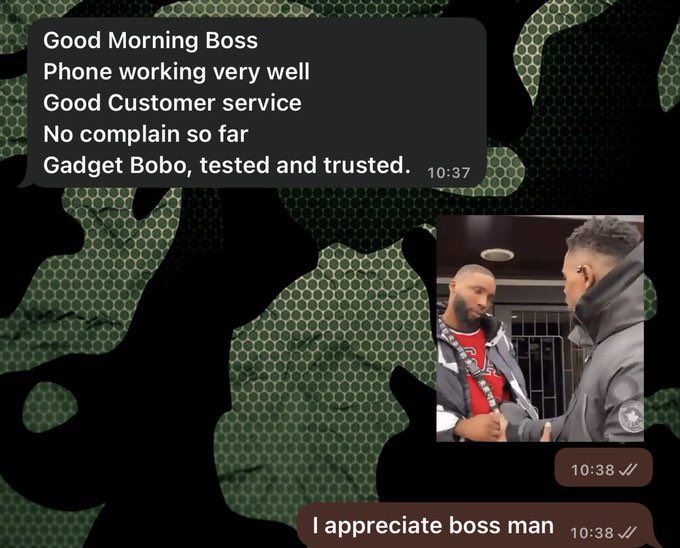
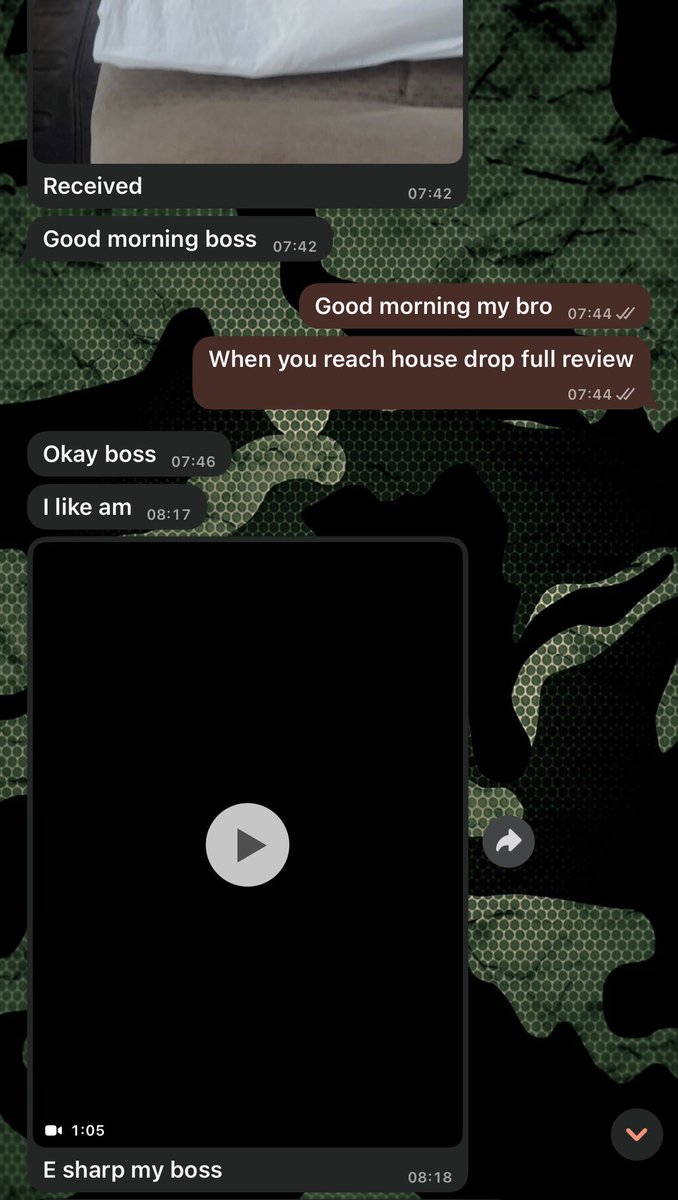
Anybody can say they sell phones.
We show the phones.
We show the deliveries.
We show the customers.
We show the unboxings.
We show the device conditions.
We show the deals.
At GADGETS BOBO, we let our work speak for us.
Trust is earned when people can see what you do, not just hear what you say.
📱 Phones
⌚ Accessories
🤝 Real transactions
📦 Real deliveries
#TG30DayVisibility


1
5
5
60

She's trying to entice new customers...(preview)
(Full animation alts on🅿️site!! )
female vocals: @geministarsign1
Audio Engineer: @Huntress___
Model: @scrag_boy
7
462
4,358
24,801