
And at what percent is this borrowing happening at? I fear the worst. Local bank interest rates are unbearable. Hopefully, the money is coming from DFis at sub 10%.
1
1
474

😂 Do entrepreneurs build to make money or collect investor money?
Let's be real most startups on the Continent are not power law type ventures that VC investors typically look for anyways which is why DFIs and Impact Investors have taken a larger % of the share
1
5

NSIA Chairman seeks $1b infrastructure fund, stronger domestic capital mobilization
Chairman of the Nigeria Sovereign Investment Authority (NSIA), Segun Ogunsanya, has called for stronger mobilization of domestic capital to finance Nigeria’s infrastructure deficit, while disclosing that the agency is anchoring a US$1bln infrastructure fund in partnership with international development institutions.
Speaking at Day 2 of the Invest Lagos 3.0 Summit, Ogunsanya stressed the need to expand local participation in long-term infrastructure financing, arguing that Nigeria can no longer depend predominantly on external funding and development finance institutions (DFIs).
According to him, significant pools of capital remain untapped within the country’s financial system, particularly from pension funds, insurance firms and the banking sector. “I would like to see a deeper level of local capital formation. I have seen a lot of emphasis on DFIs and the money coming in from outside the country. But if you look deeply, we need to find ways of harnessing local capital, capital from pension funds, capital from insurance companies and capital from banks,” he said.
Ogunsanya noted that domestic institutional investors represent a sustainable source of long-term financing that can be structured to support infrastructure projects through well-designed public-private partnership (PPP) arrangements.
13


This article has the right inspiration. But it's not true that SA has been coy about investing in the continent. SA companies and DFIs are leading investors on the continent. The problem is that we havent seen the same investment domestically.
foreignpolicy.com/2026/06/12…
1
7
12
782

Jun 13
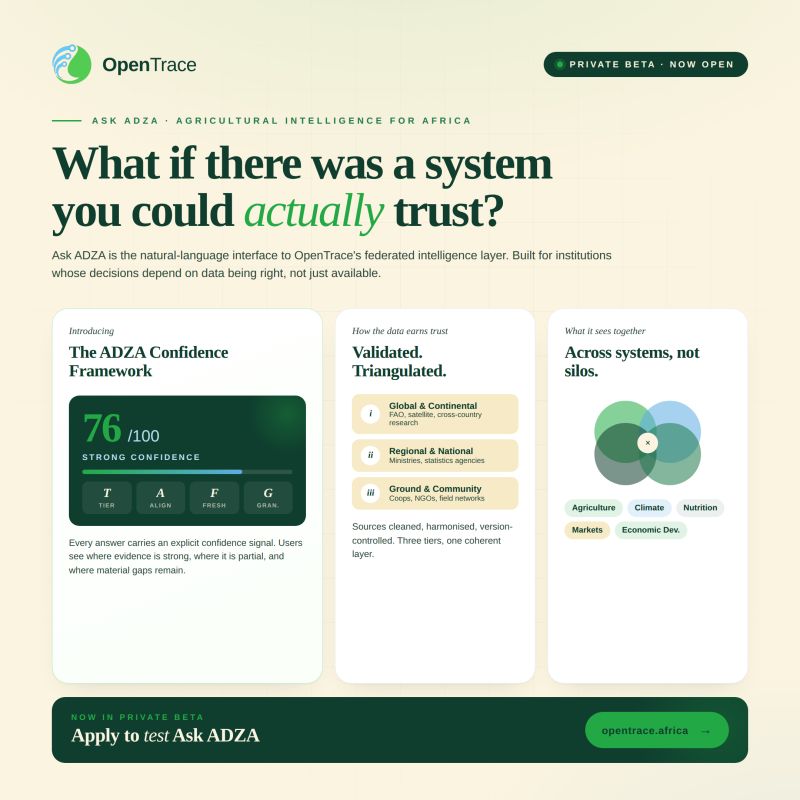
Most AI tools tell you what to think and signal nothing about whether you should trust the answer.
That has always struck us as a problem. Especially in African agriculture, where the data is fragmented across institutions, the gaps are real, and the cost of false confidence is high.
So we built Ask ADZA differently.
Every answer carries an explicit confidence score. We call it the ADZA Confidence Framework. It looks at four things: how many evidence tiers support the answer, whether sources actually agree, how recent the data is, and whether the resolution of the data matches the resolution of the claim.
Strong evidence shows up as strong. Partial evidence shows up as partial. Material gaps are made visible, not papered over.
The data behind it is validated, harmonised, and version-controlled across three tiers (global, national, ground-level) and connects agriculture with climate, nutrition, markets, and economic development.
We are now building the private beta list, and we want it to reflect the full ecosystem.
Who we are looking for:
→ Ministries and government agencies
→ Research institutions and universities
→ Development organisations and NGOs
→ Foundations and donors
→ Financial institutions, investors, and DFIs
→ Agribusinesses and value chain operators
→ International institutions (CGIAR, FAO, AU, regional bodies)
If any of those is you, register your interest at opentrace.africa. We are building the list now and will reach out in waves as we open access.
17

4/ The report will be launched at a high-level convening jointly organised by CSI and @NSEIndia on 17 June in Mumbai.
The event will bring together policymakers, regulators, institutional investors, private credit players, DFIs, and industry leaders.
1
9

Jun 13
The money goes to paying debts upon debts
The city constantly borrows billions annually from French and German DFIs
that money is plundered and you guys need to foot those loan repayments anyway
Xoxo
1
93

Jun 13
africa in the global investment game
rafiq raji
ispi
19 oct 2022
- china’s competition and climate action are key motivations
- work with china
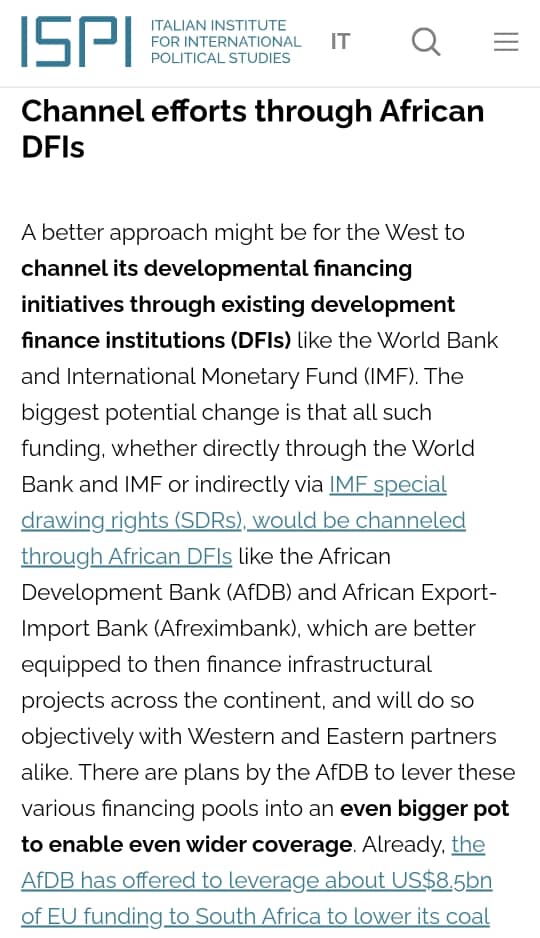
- channel efforts through african dfis
ispionline.it/en/publication…
# africa economics investment debt climate eu us china bri g7 italy
13

Private credit is making global headlines for all the wrong reasons. Let me explain what it is and why Kenya is actually in a better position than most people think.
Private credit = loans made by non-bank lenders (think hedge funds, private equity firms, DFIs) directly to companies that can’t easily access traditional bank financing. No public listing. No bond prospectus. Just a private deal with negotiated terms.
Globally, this has ballooned into a $2 trillion market. The concern? In the US and Europe, a lot of private credit is flowing into speculative AI bets and leveraged buyouts. High risk, little transparency, retail investors exposed.
In Kenya? The picture is different. Private credit here is mostly institutional and anchored by Development Finance Institutions like IFC, DEG, and Proparco. Direct lending to Kenyan firms typically carries a 9–12% margin on dollar facilities. And it’s going into real things: manufacturing, green energy, electric mobility. Not speculation.
The structural protection is also stronger here: equity cushions, collateral requirements, and fewer retail investors exposed to the risk. Our private credit ecosystem is still young, which for once is actually an advantage.
If you’re a startup founder who’s been turned down by a bank because you have no collateral or profit history, private credit is worth understanding. It’s patient capital. It doesn’t demand equity. It demands performance.
Watch this space as Kenya’s capital markets deepen, private credit will be a major story for the next decade.
#PrivateCredit #KenyaFinance
4
4
241

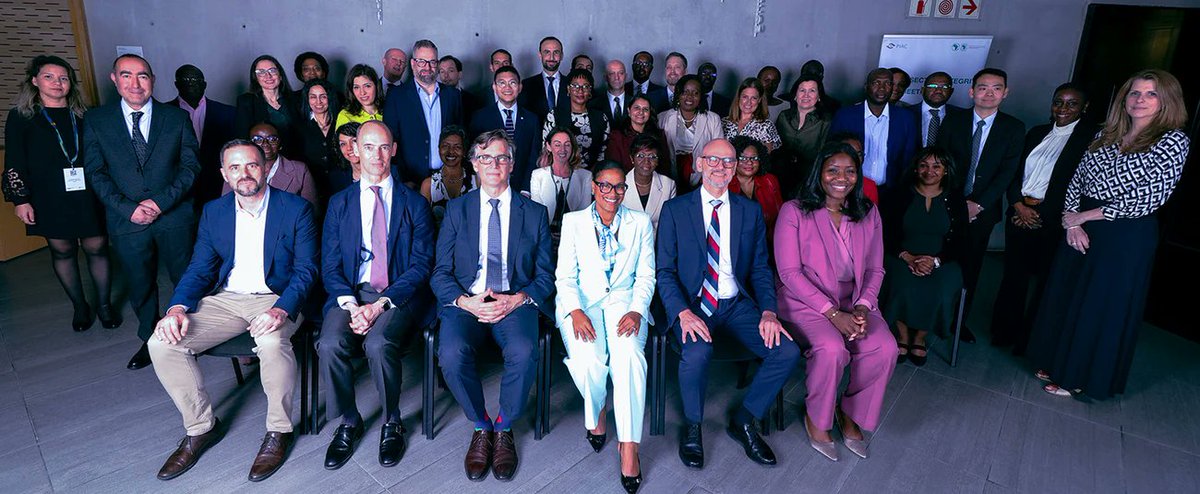
The @AfDB_Group has concluded the 2026 Private Sector Integrity Meeting in Cape Town.
The meeting brought together integrity and compliance experts from 27 multilateral development banks and development finance institutions (DFIs) and reflected on the growing importance of integrity risk management across the Continent.
Read more: bit.ly/4vu2kBq
2
7
17
1,046


Jun 11
Best answer: No
Anaerobic bacteria presence in DFI is often under-identified by conventional culture. Broad anaerobic coverage in DFIs is generally indicated only in the presence of necrosis, ischemia, or gas formation.
1
4
325

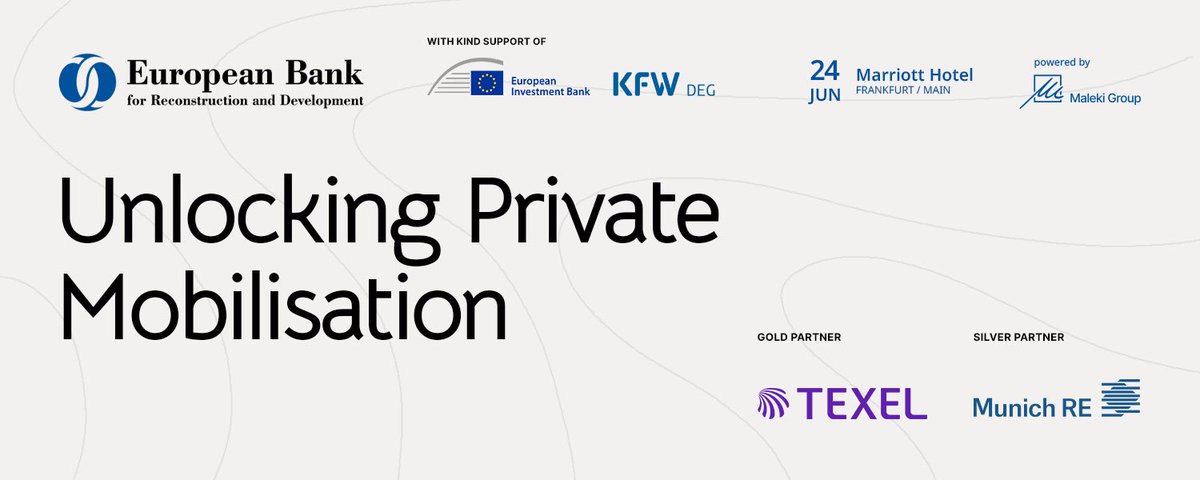
Join us to explore how private capital can drive impact at scale.
Our Unlocking Private Mobilisation event brings together DACH investors, public-sector leaders & DFIs to discuss opportunities across more than 40 economies.
📅24 June
ebrd.com/home/news-and-event…
1
1
4
194
VJ retweeted

Jun 10
It begins. 🌍
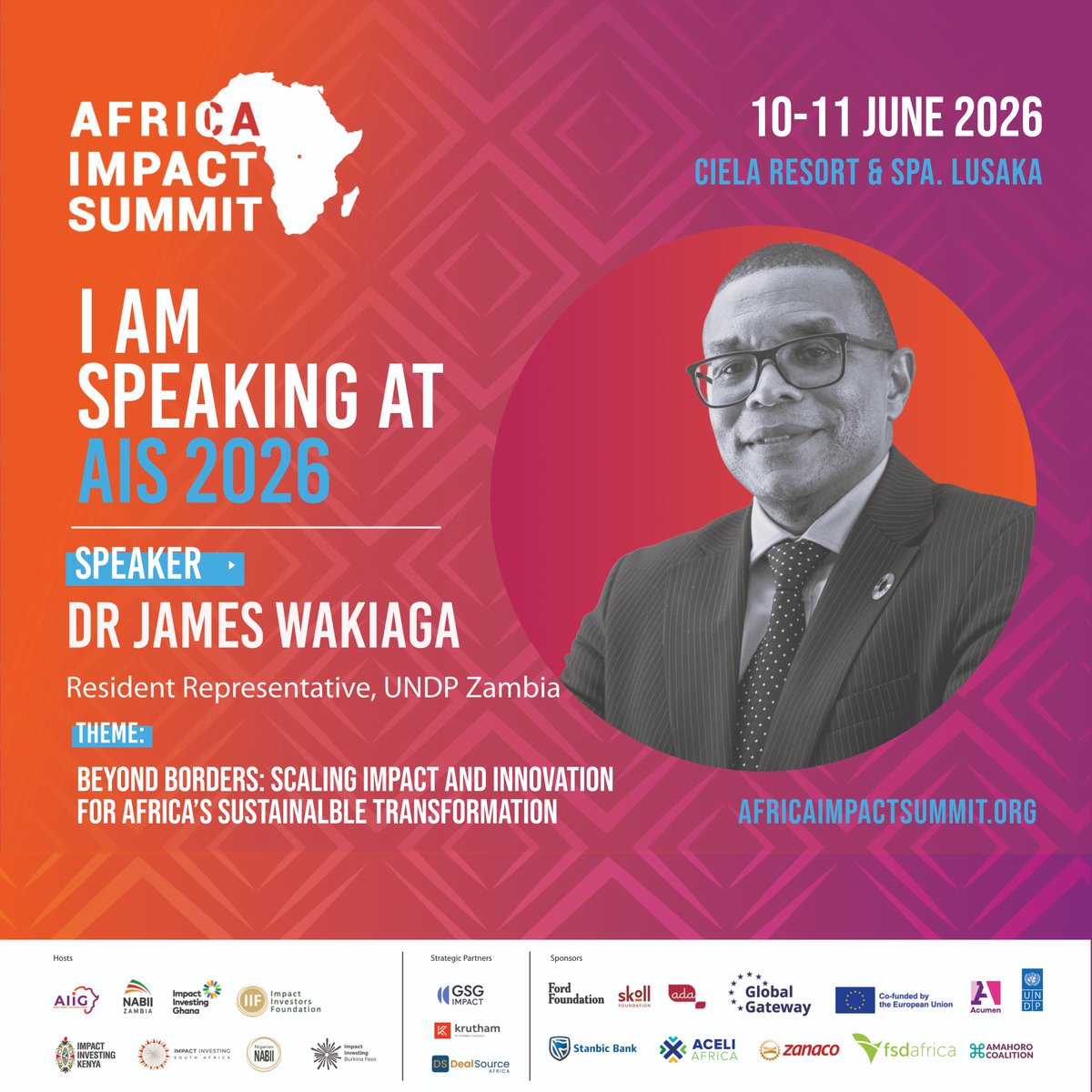
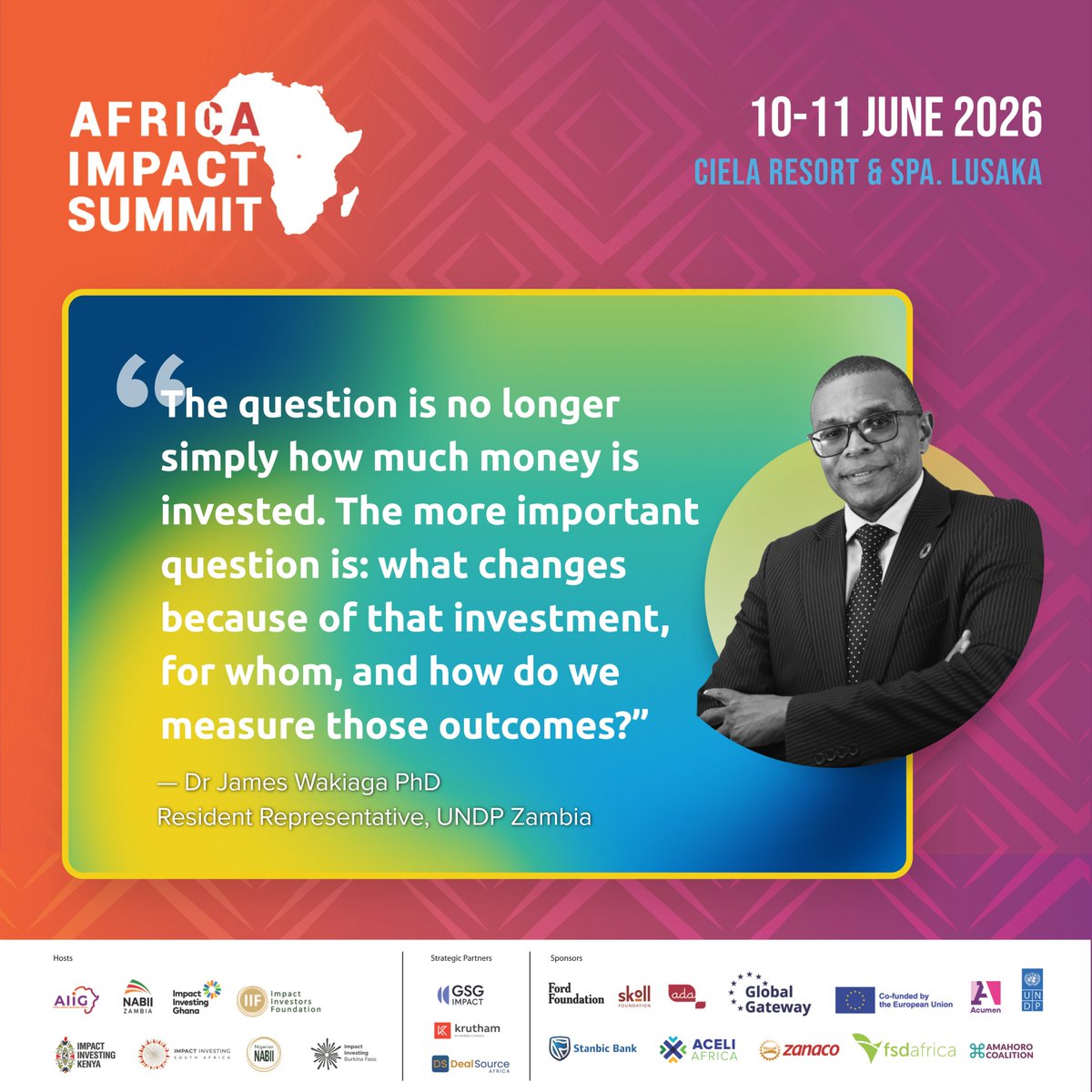
Day 1 of the #AfricaImpactSummit2026 opens in Lusaka — investors, founders, DFIs and governments, one continent's agenda.
Our Resident Representative, Dr @wakiaga, takes the stage with a question every investor on this continent should sit with. 👇
3
14
195

Jun 11
It’s still befuddle my thinking that people don’t see the importance of having an operational office in FCT.
The early years would need a lot of bootstrapping and talks with DFIs.
They would spend more in hotels if they followed through that route sha
1
26
So how do we mobilise institutional and private capital at scale? 🧵
To discuss this critical question, CSI and @NSEIndia are convening policymakers, regulators, institutional investors, private credit players, DFIs, and industry leaders in Mumbai on 17 June.

1
23

Jun 11
You don't want an office in the nation's capital were we can liaise and have meetings with DFIs, institutional investors, foreign entities and governments?
3
33

Jun 10
New data from Stears, a leading African financial intelligence and data platform, shows that European Development Finance Institutions (DFIs) were the largest investors in African private capital funds during Q1 2026. The finding highlights Africa’s continued reliance on foreign development capital and the need to attract more investment from within the continent. Meeting Africa’s development financing needs will require mobilizing more capital from within the continent while continuing to attract long-term international investors. Strengthening the investment ecosystem can help ensure that both local and foreign capital play complementary roles in driving growth.
semafor.com/article/06/08/20…
1
696