Nilo Bezerra retweeted

Jun 12
Não é fascinante? Um ministro do STF realmente discutindo nossas liberdades e garantias como cidadãos. Sobre como a decisão envolvendo as plataformas pode gerar censura preventiva: algo que até eu, que não sou ministro do STF, venho alertando há tempos.
É fascinante porque não vimos isso até agora. Nos julgamentos envolvendo o Marco Civil, vimos de tudo: ministro comparando liberdade de expressão a jogar gente da ponte, outra reclamando de 213 milhões de pequenos tiranos, um terceiro dizendo ser admirador do regime chinês etc.
Mas, preocupado o meu direito à livre expressão, até agora, só o Mendonça.
Só isso já é uma prova do problema que todo esse circo representa.
120
2,823
12,203
75,304
Kpek retweeted

"THE LAWS OF HUMANITY"
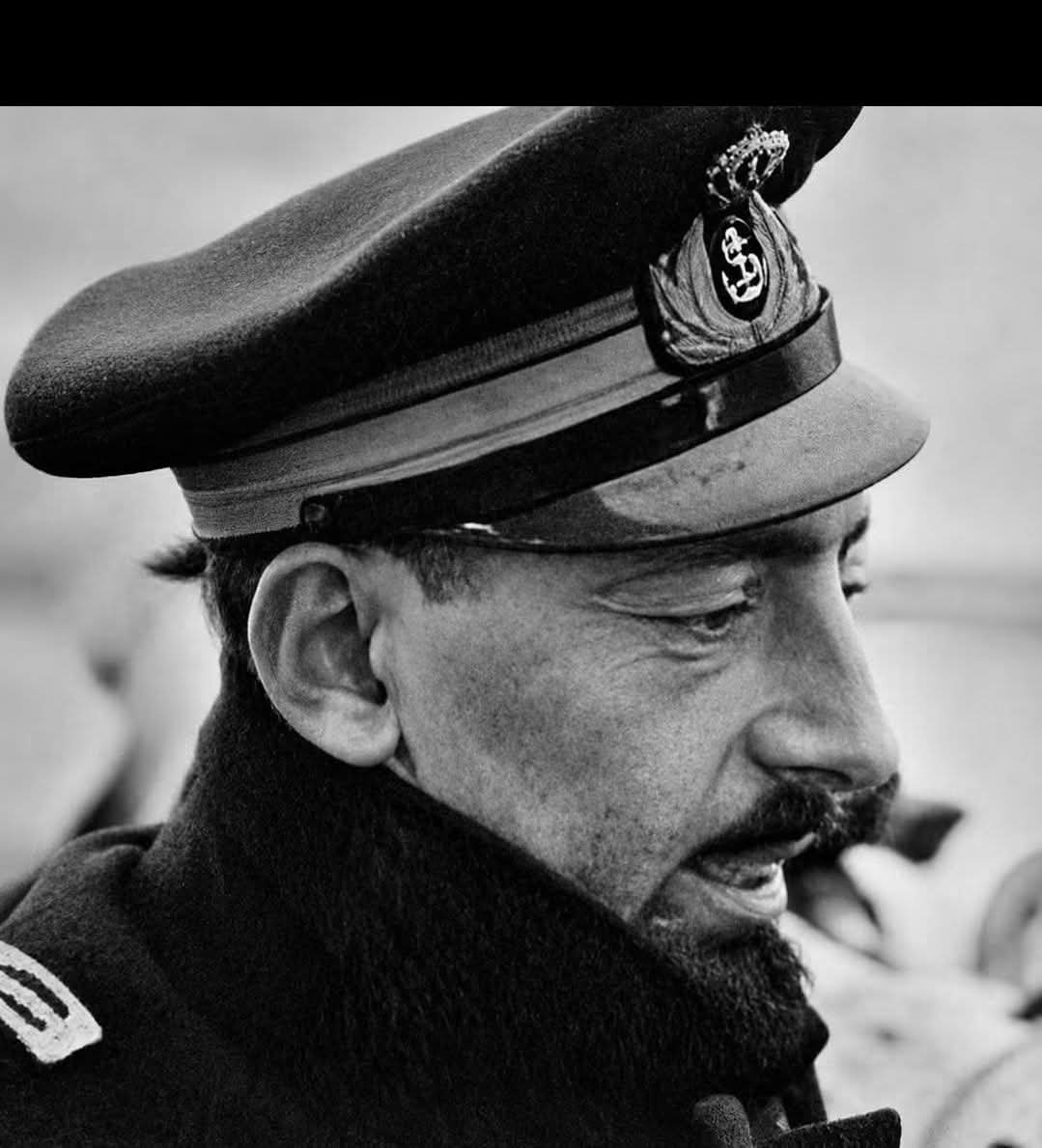
In 1940, in the midst of World War II, Italian submarine commander Salvatore Todaro made a decision that is still regarded as one of the most humane acts in the history of naval warfare.
While on combat patrol in the Atlantic Ocean, his submarine, Comandante Cappellini, sank the Belgian merchant ship Kabalo.
According to the laws of war, everything should have ended there. The submarine was expected to dive immediately and leave the area. Remaining on the surface meant risking the lives of the crew and jeopardizing the entire mission.
But Todaro saw something else. Among the wreckage in the cold ocean were people fighting for their lives.
Sailors. Shipwreck survivors. Men with little chance of being rescued in time.
He did what no one expected. He ordered the submarine to surface and take as many survivors aboard as possible. There was not enough room for everyone, so some had to remain in a lifeboat. Then Todaro went even further: he ordered the lifeboat to be tied to the submarine and began towing it toward a safe shore.
For several days, the submarine traveled almost defenseless — slowly, on the surface, constantly risking detection and attack. Crew members reminded their commander that he was endangering the entire operation for the sake of men who had been the enemy only hours earlier.
Todaro's reply became legendary:
"They are not enemies now. They are sailors."
After delivering the survivors safely and handing them over to local authorities, the submarine resumed its military mission.
More than 80 years have passed. Countries, borders, and wars have changed.
Yet this story reminds us of something important: even in the darkest times, a person remains human. Sometimes a single act speaks of true greatness far more than any victory on the battlefield.
For there are the laws of war.
And then there are the laws of humanity.
And it is those that are remembered the longest.
1
24
70
1,139
Raising a prince 💔7-17-2021👼 retweeted

june, july, aug, sept, oct, nov & dec will be so good to you
2
2
375

Roman Matijkiw retweeted

Dear russian oil industry,
We regret to inform you that Ukraine has reviewed your long-term development plan.
And declined it🔥🇺🇦
10
44
269
Oluwaseun ✦ retweeted

For those of you saying you don't want to buy land in underdeveloped locations, if you come across a plot of land in a decent neighborhood selling for ₦20 million, how many years would it take your current salary to afford it?
3
14
21
628
Eshley ⊙⊝⊜ ARIRANG retweeted

Jun 13
june, july, aug, sept, oct, nov & dec will be so good to you
180
6,252
34,896
383,543

DEC[L]AS: Ukraine Connects it All | Crimes Against Children | Hunter's Retribution Tour, 7pm EDT rumble.com/v7b8nry-declas-uk…
1

Funny that you mention GOF.
There was a moratorium (ban) on GOF funding put in effect by the Obama Admin.
Guess, who ended that on Dec. 19 2017?


ابن الغرب retweeted

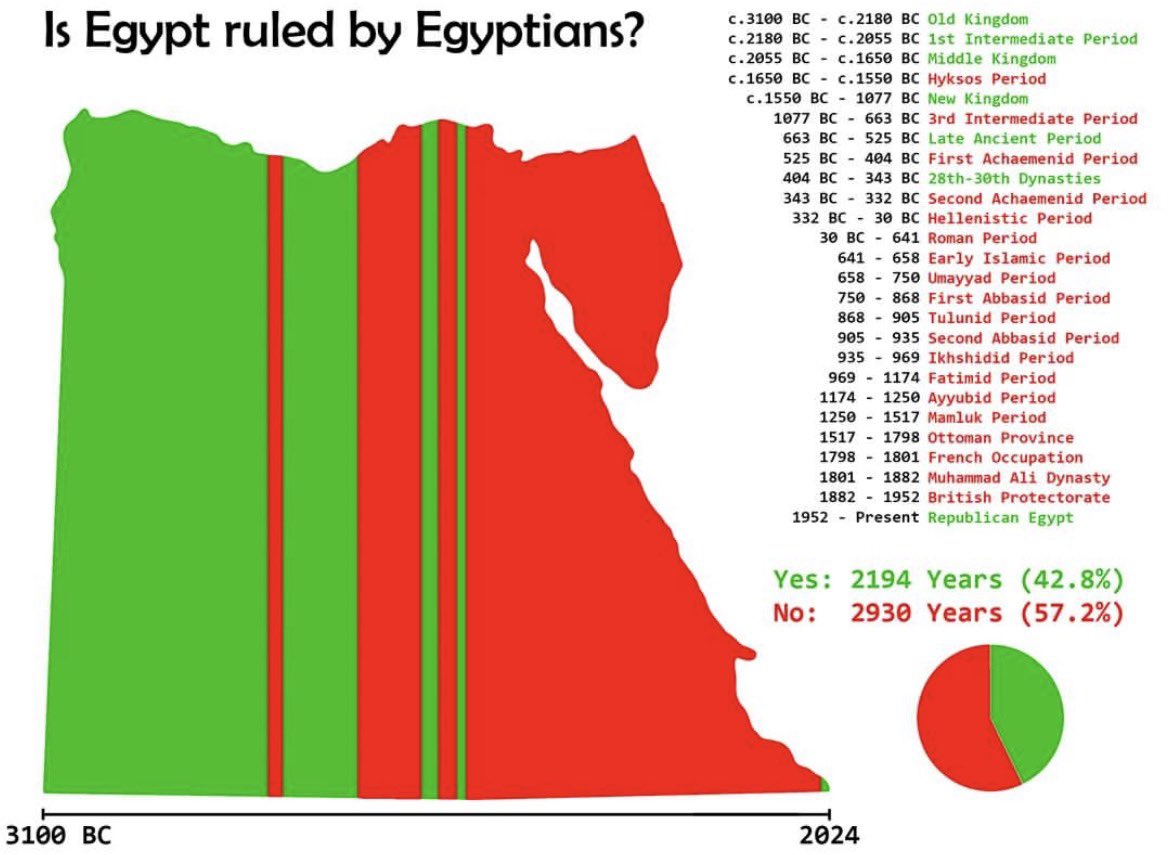
Says the egyptian dog who’s people have been reduced to total goycattle under permanent foreign rule?
Just until a few decades ago, your mothers and sisters were too busy being harem cock polishers to the same west africans you despise so much.
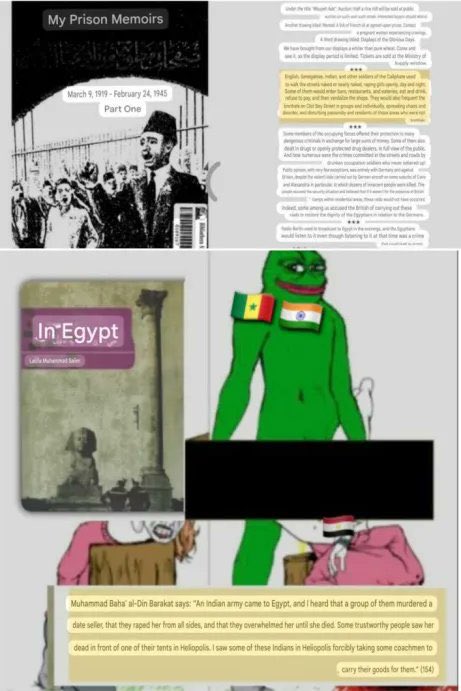

It's incredibly depressing that the myth of Mansa Musa is pretty much the only thing West Africans can be proud of other than being whipped, enslaved and shipped across the Atlantic.
1
1
4
42
Legally Distinct from Bowsette retweeted

Jun 12
This is insane:
• UofM cracks down on and arrests anti-genocide student protesters
• Ann Arbor prosecutor Eli Savit declines to prosecute
• UofM recruits MI AG and Zionist lunatic Dana Nessel to personally prosecute the case—HIGHLY unusual for such low-level charges
• Nessel forced to drop all charges to preempt court finding her unable to fairly prosecute the case due to her bias against Arabs and Muslims as well as her ties to Zionist extremist groups caught attempting to influence the court
• Nessel (a Democrat!) turns to Trump DoJ and Kash Patel to bring felony conspiracy charges against the students
Jun 12

⚡️NEW from Drop Site News: Israel is Trying to End Democracy in Michigan
Story by @PomTerkins and @RyanGrim
dropsitenews.com/p/universit…
41
1,760
6,204
181,036
Gauri Asraya retweeted

Nadie está destruyendo ningún proyecto.
Si hay adentro fuerzas destructivas (que se decían protectores pretorianos y terminaron protegiendo solo sus intereses grupales), que mejor armen su propio partido.
Acá todos alineados con Javier, Karina y todos los que Javier valida.
1
1
1
10