Chioma retweeted
Kidnapping and dehumanizing people may seem normal to some until it happens to them or their loved ones. President Tinubu has made it clear that security responsibility stops at his desk, so the expectation is simple: fix it or resign.
1
247

RT @Heidi_Cuda: Hot Type: 'They Walk Among Us' — Trump's Dehumanizing Propaganda
In my latest for @BylineTimes, I report how an official v…
31

Knicks fans setting school buses on fire in Times Square and Nick Sortor calls it “rioters” while blaming Mamdani and Hochul for failing NYPD? Peak outrage bait. Sports celebrations turning chaotic isn’t some political conspiracy it’s what happens with massive crowds. Dehumanizing fans for clicks is the real low here.
2
2
763

10m
What christainity did was cultural genocide .
The worst k!!!ing in human history. Dehumanizing.
When I speak, stfu or question to learn 🫵🏽
1
1
3

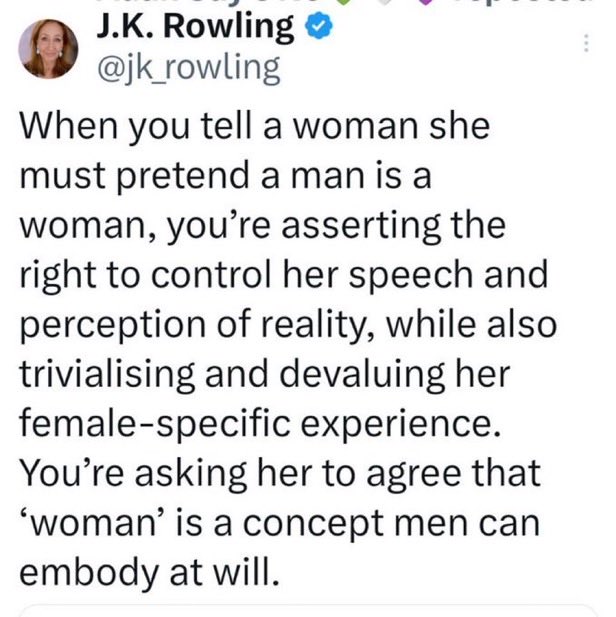
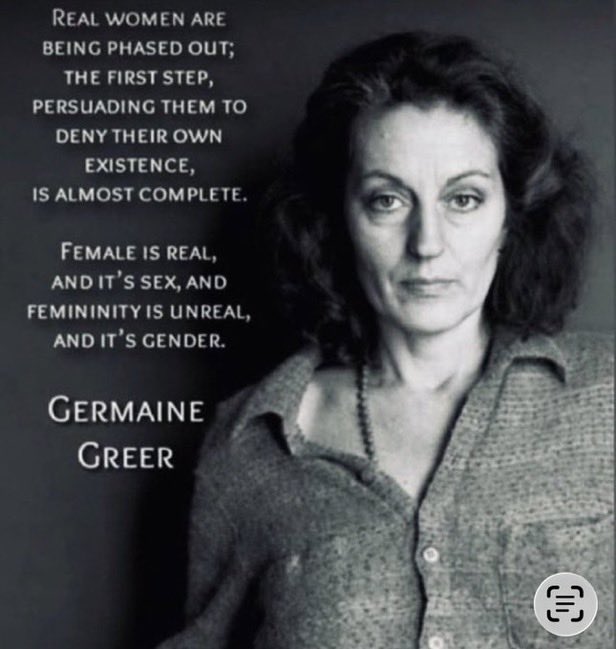
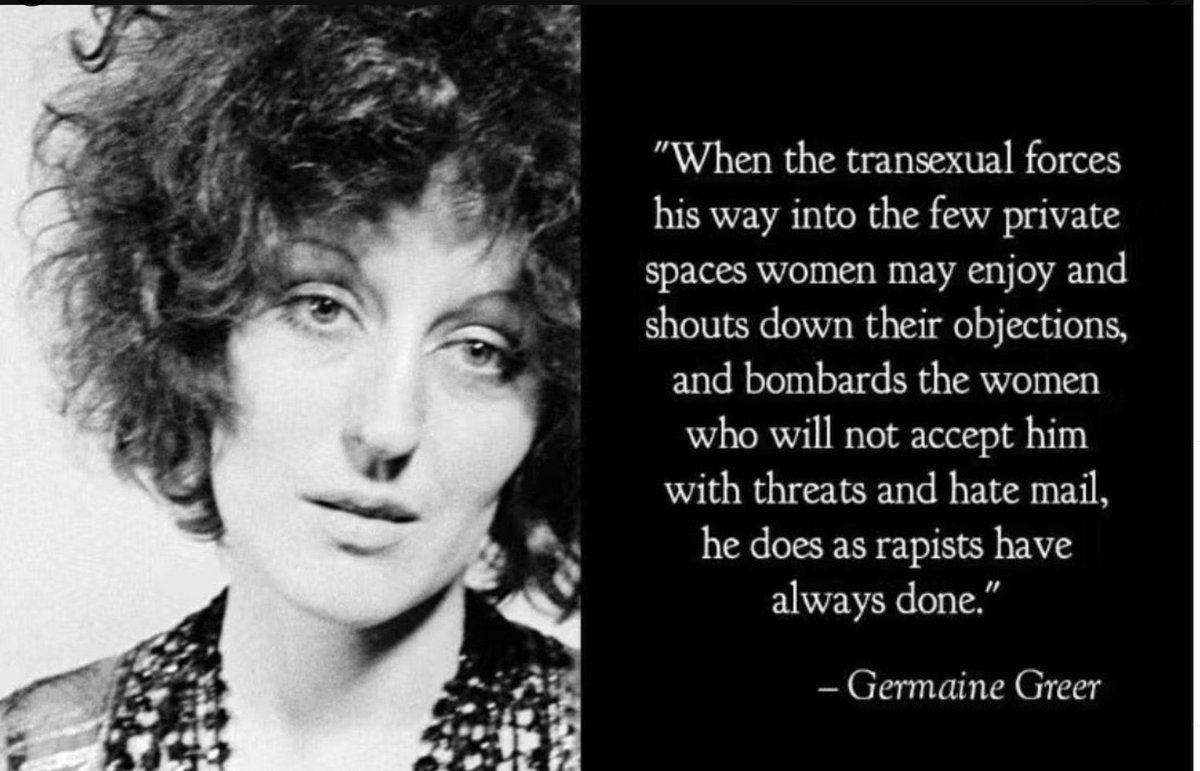
Forcing women to move over after only having rights for a little over 100 years is dehumanizing women
The concept of woman is unknown to men. The only thing you’ve got is stereotypes
Misogyny in action

3

I don’t support proshipping and I think it’s weird but dehumanizing proshippers might do more harm than good. A lot of proshippers do that because of trauma. They should get help if they haven’t hurt anyone
2


If you compliment the date it's dehumanizing. You compliment the choices the person has made ("I really love your hair" etc) and then say "(your date) is very lucky" if you want to acknowledge that connection and be respectful
2

20m
Igbo women are never beating this allegations off. Very wicked woman and to top it all their useless husbands act like they don't see their wife's dehumanizing children.
12
. retweeted

You don’t have to dehumanize Leftists. They already do a fine job of dehumanizing themselves.

in nature if a monkey hoarded 1 trillion bananas the other monkeys would beat that monkey to death and take his bananas
9
42
499
9,309

crazy to me how people wont use it/its when asked cause its "dehumanizing" then use it/its on a trans woman just cus they don't like her ?
1
90



?? my god this is so dehumanizing .. i still cannot fathom how anyone can get this upset over a SHIP .. people r so miserable
9

Yesterday, a mutual posted about toxicity among our medical elders. The story involved an SR being made to kneel down and raise his hands in front of house officers and medical students because of some perceived mistake.
When I read it, I found it deeply disturbing.
One thing many people do not understand is that hierarchy in medicine is, to some extent, necessary. Medicine is built on experience. A consultant with decades of experience is not on the same level as a registrar. A registrar is not on the same level as a house officer. A house officer is not on the same level as a medical student.
There must be hierarchy.
Patients' lives depend on it.
Experience matters.
But hierarchy is not the same thing as humiliation.
Those are two completely different things.
There is nothing educational about making an adult kneel down and raise his hands in public. There is nothing professional about humiliating somebody before people younger than him.
The first thing many medical students forget is that these are not children.
An SR is not a child.
A registrar is not a child.
Many of these people are married. Some have wives, husbands, and children. Some are fathers of two or three children. Some are mothers raising families while simultaneously enduring the rigors of residency.
There is something profoundly dehumanizing about telling a grown man or woman with a family to kneel before people who may be younger than them by many years.
Whatever correction is being made could be made without stripping someone of their dignity.
And I think these things persist for one simple reason:
People allow them.
More importantly, many of the people doing them had them done to them.
Human beings are strange in this regard.
Many people who suffer abuse do not seek to end it. They seek to inherit it.
"When I was a registrar, they did this to me."
"When I was an SR, they treated me worse."
"So why should you be spared?"
Sometimes they even justify it to themselves:
"I am not even doing half of what was done to me."
The cycle continues.
The abused become abusers.
The humiliated become humiliators.
The victims become custodians of the same system that wounded them.
From my own interest in human behavior and psychology, I have noticed something frightening: many people endure suffering not merely because they have no choice, but because they secretly view the suffering as an investment.
An investment in future power.
They tell themselves:
"When I become a consultant, my turn will come."
That is a dangerous mentality.
For now, I like to tell myself that perhaps social media exaggerates some of these stories. I have not entered clinical rotations yet. Residency is still years away for me. So perhaps Twitter amplifies these incidents because outrage spreads faster online.
I genuinely hope so.
I hope reality is kinder than the stories.
But if these things truly happen as often as people claim, then something must change.
Personally, I am a person who guards his dignity carefully.
I can sacrifice many things.
My dignity is not one of them.
As long as I live and breathe, I do not believe any human being should be treated like an object.
I am not saying this as a threat.
Violence solves little.
But structures solve much.
If systems create abuse, then systems can restrain abuse.
That is why medicine needs structures that protect juniors from mistreatment by seniors.
We need formal reporting systems.
We need accountability.
We need records.
We need institutions willing to investigate complaints fairly.
And yes, when people repeatedly abuse power, there should be naming and shaming within professional boundaries.
Consultants or senior doctors who repeatedly humiliate people, degrade them, or abuse their authority should not be protected simply because of seniority.
Authority without accountability eventually becomes tyranny.
Medicine is difficult enough already.
1
1
24

jay🌊 retweeted

17h
let this be a lesson to never associate 🦷 and even 🌊 to such degrading/dehumanizing words in the future. especially if you’re a fan, you would know better. not every joke is funny, so please be mindful. always think before you click.
1
44
90
1,281
Daisy ꕤ retweeted

14h
being called non men as if we are less significant if we aren't men is dehumanizing and very clearly misogynistic. it's kinda ridiculous you needed people on twitter to tell you that
4
207
1,155

Coherence check:
Elon says “wokeness gives mean people a shield to be mean and cruel, armored in false virtue.”
Fair point in some cases — performative outrage and weaponized identity exist on the left. But the same exact dynamic is rampant on the right: “own the libs,” dehumanizing opponents as evil or groomers, conspiracy-level rhetoric, and cruelty dressed up as “truth-telling” or patriotism. The manosphere echochamber, Gad Saad-style intellectual cover, and platform amplification of grievance culture did exactly what he’s describing — just with a different team jersey.
It’s the same machine.
High-trust/low-verification spaces algorithms optimized for outrage insulated power create mean, cruel behavior on all sides, each side convinced they have the moral armor. The egregore doesn’t care about the label. It feeds on the division.
Equity Forge take:
We apply the Coherence Test to everyone — no sacred cows. Real virtue isn’t performative cruelty or false certainty. It’s transparency, repair, listening, and putting kids and the pale blue dot first. Words vs. actions vs. outcomes.
#SmokeFleetWeek / SmokeFleet Summer is party purpose mode. Joy as fuel. Real talk in front of the kids. Contribution as citizenship. The last shall be first. One family. No void wins.
Let’s call the pattern wherever it shows up instead of picking teams. Fork the Charter in your lane and build better.
Full living framework: bit.ly/4iEhLlh
#SmokeFleet #EquityForge ❤️🐻
10

54m
Kidnapping and dehumanizing people may seem normal to some until it happens to them or their loved ones. President Tinubu has made it clear that security responsibility stops at his desk, so the expectation is simple: fix it or resign.
17

RT @Heidi_Cuda: Hot Type: 'They Walk Among Us' — Trump's Dehumanizing Propaganda
In my latest for @BylineTimes, I report how an official v…
31