Gin Gull retweeted

Anyone who believes that the @BritishArmy will generate 2 deployable, combat divisions in anything less than 2 decades needs a drugs test. NATO has actually told Andover/Main Building that they do not accept @1UKDivision as a "combat formation" - no arty, no eng, no log etc...
Jun 15

Two years ago the UK committed to provide NATO with a Strategic Reserve Corps among other things. For context, after 2015 the Army was building towards having a deployable Division with its modernisation plan and 82,000 personnel. 2/9
17
36
246
25,161

After the announcement by @ProfAviLoeb on Saturday of his tasking through official government & Intelligence Community channels to stand up the new UAP Science Advisory Council — there is still the looming question whether this will be a fundamentally or partially classified endeavor.
Since we've heard radio silence from Prof. Loeb on the nuances of this topic, yet with much speculation from the community, I decided to deep dive into the digital networks accessed for conducting Research & Development on the funded DoD grant/contracted work at @Harvard prior to the Harvard DoD funding freezes of mid-2025.
Prof. Loeb is the Director of the Institute for Theory and Computation (2007-present) for the Harvard-Smithsonian Center for Astrophysics, and may be more notably known to the UFO community for serving as Head of the Galileo Project (2021-present).
BLUF: I heavily speculate that all work for the UAP Science Advisory Council will be conducted in a free exchange & openly scientific manner labelled as "fundamental research" according to Harvard University's Openness in Research Policy due to the council's deep ties to Harvard. However, I also speculate that new work branching from current Galileo Project research by the Council may be bumped up into higher level secure CUI access layers (e.g. FASRC Network → FASSE).
Networks utilized in the past for official Harvard DoD grant work ordered from highest → lowest level of secure access restriction:
1. Federal & Restricted Data Networks
(NIST SP 800-171 Compliant Enclaves)
These networks require strict physical and logical isolation. Which require multi-factor authentication sign-on, end-to-end encryption, and rigorous logging to host CUI (Controlled Unclassified Information) labelled records.
Examples include:
1a. LASER (Longwood Area Secure Environment for Research)
The on-premises virtual enclave managed by the HMS (Harvard Medical School) Secure Computing Core to isolate sensitive data.
1b. FASSE (FAS (Faculty of Arts & Sciences) Secure Environment)
The high-security, access-controlled high-performance computing cluster run by FASRC (FAS Research Computing), accessible only via its own dedicated VPN realm.
2. Direct Cloud Links to Defense Frameworks
(AWS GovCloud / Azure Government)
Examples include:
2a. Cloud LASER
The secure cloud expansion of the LASER platform, which deploys workloads directly into AWS GovCloud and Microsoft Azure Government environments.
2b. HMS Secure Cloud Computing (SCC)
The broader, managed enterprise cloud framework that spins up isolated, compliance-validated Virtual Private Clouds (VPCs) inside AWS GovCloud for Harvard researchers.
3. High-Performance Computing (HPC) Networks
Example:
3a. FASRC Network (Faculty of Arts and Sciences Research Computing)
The Galileo Project utilizes Harvard's main high-performance academic computing clusters (e.g. the "Cannon" Cluster) to run customized AI, machine learning, & deep-learning algorithms. This cluster is hosted at MGHPCC (Massachusetts Green High Performance Computing Center).
4. Collaborative Academic Networks
Example:
4a. Internet2
A high-speed, unclassified pipeline to securely transmit massive, non-classified research datasets and collaborate in real time with distant military research nodes and partnering academic institutions.
5. Academic Networks
Example:
5a. HU Net (Harvard University Network)
Harvard's standard academic network.
Note: all networks listed are operated at non-classified & Unclassified levels. However, these networks can be split into 2 fundamental tiers:
1. Controlled Unclassified Information (CUI) (1-2)
2. Public & Basic Research Data (3-5)
With tier #1 being utilized for sensitive DoD contracts, e.g. military medical records, export-controlled technology (ITAR), or logistical vulnerabilities.
With tier #2 work handling standard fundamental research, e.g. Harvard University professor Katia Bertoldi’s $6 million Pentagon project designing origami-inspired deployable shape-changing structures that can function as military hospitals.
Additionally: as stated in Harvard's Research Security Program:
"Rare exceptions may be made to the principle of openness regarding publication, classification, and access by foreign students and scholars in accordance with the Harvard University Openness in Research Policy. Such exceptions must be limited in scope to those circumstances where the area of research is crucially important to Harvard University’s educational and research mission. All exemptions are granted by the Office of the Vice Provost for Research who, in consultation with other institutional officials, will make the final determination."
This policy is structured under NSDD-189 (National Security Decision Directive), which exempts "fundamental research" from national security controls.
Conclusion: After analyzing the existence of these network architectures & Harvard's research policies, I heavily speculate that no official classified work has been conducted by Harvard University within recent future prior to the 2025 DoD funding freezes.
Additionally, I heavily speculate that current Galileo related Research may be utilized by the new UAP Science Advisory Council, where branched work may be moved from a tier #2 to tier #1 environment (e.g. FASRC Network → FASSE) to comply with CUI record storing / data standards when working under Contract (e.g. being "tasked" by) for the White House, AARO, FBI, and DoW/DoD directed Intelligence Community agency members.
In short, fundamental research conducted through the UAP Science Advisory Council will probably be conducted via non-classified academic & academic-DoD partner federally restricted Unclassified networks.
1
11

#onds $ONDS
Summary of this 👀
Ondas Inc. (Nasdaq: ONDS), a provider of autonomous drone and defense technologies, announced the launch of new autonomous defense systems of systems at Eurosatory 2026 under its “Autonomy at First Contact” vison
Key Highlights:
Core Vision: Ondas is building a unified system-of-systems architecture that integrates air defense, aerial intelligence, ground robotics, loitering mission systems, sensors, and AI-powered command software.
The goal is to enable autonomous systems to sense, decide, orchestrate, execute, and assess missions — allowing technology to make first contact and reduce risk to human personnel in modern, fast-evolving threat environments (military, homeland security, public safety, and critical infrastructure).
New Systems & Solutions Launched:
Iron Wave: Integrated autonomous defense solution using unmanned ground vehicles, containerized deployment, and combined ground/air defense for forward operations.
Dual Shield: Modular, truck-mounted counter-UAS (counter-drone) system for mobile layered protection in dynamic environments.
MODUS: Modular low-altitude solution for dismounted/maneuvering forces, providing close-range autonomous sensing, protection, and response.
Scout Cyber-over-RF: Mobile counter-UAS system for field operators needing flexible, rapid-deployable drone defense.
Iron Arrow: New long-range interceptor platform for enhanced autonomy and scale against unmanned threats.
LADOS: Layered autonomous defense orchestration system (C2 layer) that connects sensors, platforms, communications, and effectors for faster detection, better decisions, and synchronized operations across air, ground, and security domains.
These products expand Ondas’ offerings across five main categories: Air Defense, Aerial Intelligence, Aerial One-Way Attack, Ground Robotics, and AI Software.
Strategic Context:
Emphasis on the ONBERG European joint venture to support local manufacturing, deployment, and customer support in Europe.
CEO Eric Brock highlighted Europe as a key growth market and the need for sovereign, scalable autonomous solutions.
This builds on recent acquisitions, technology integrations, and business expansions to position Ondas for broader adoption in allied defense and security markets.
The announcement is a standard corporate press release focused on showcasing Ondas’ growing autonomous defense portfolio at a major European defense exhibition.

At Eurosatory 2026, Ondas is launching new autonomous defense systems and integrated systems of systems under its “Autonomy at First Contact” vision.
With Iron Wave, Dual Shield, MODUS, Scout Cyber-over-RF, Iron Arrow, LADOS, and the ONBERG joint venture in Europe, Ondas is expanding a unified autonomous architecture for multi-domain defense operations. $ONDS
ondas.com/post/ondas-launche…
1
80

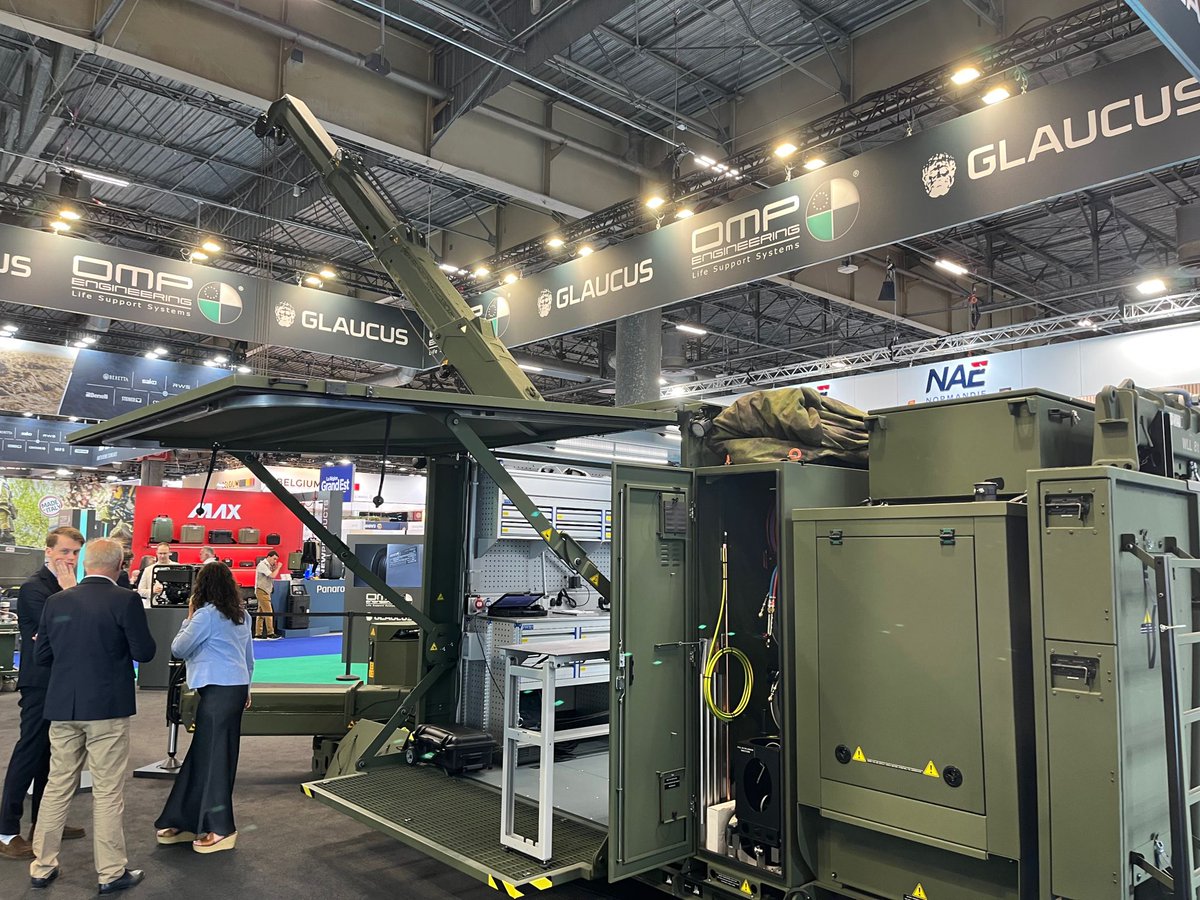
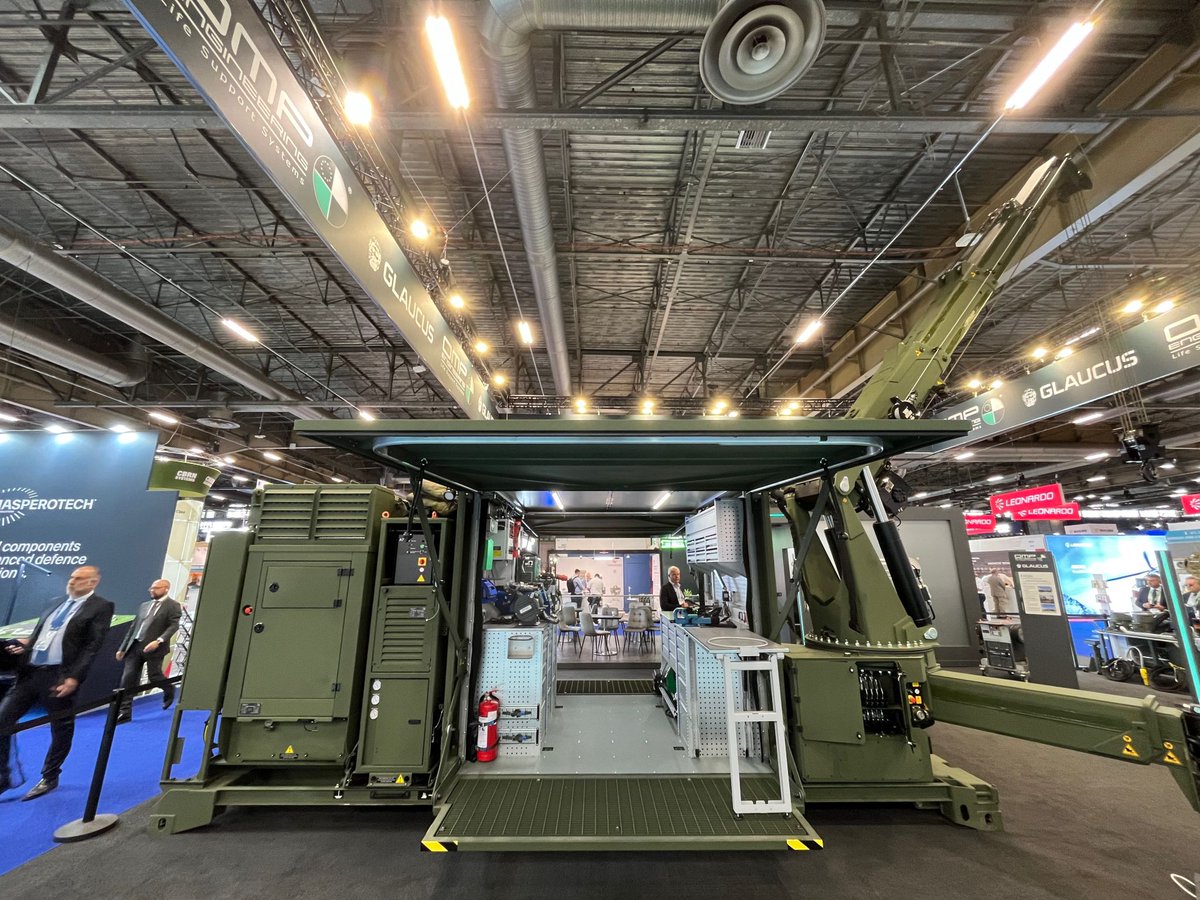
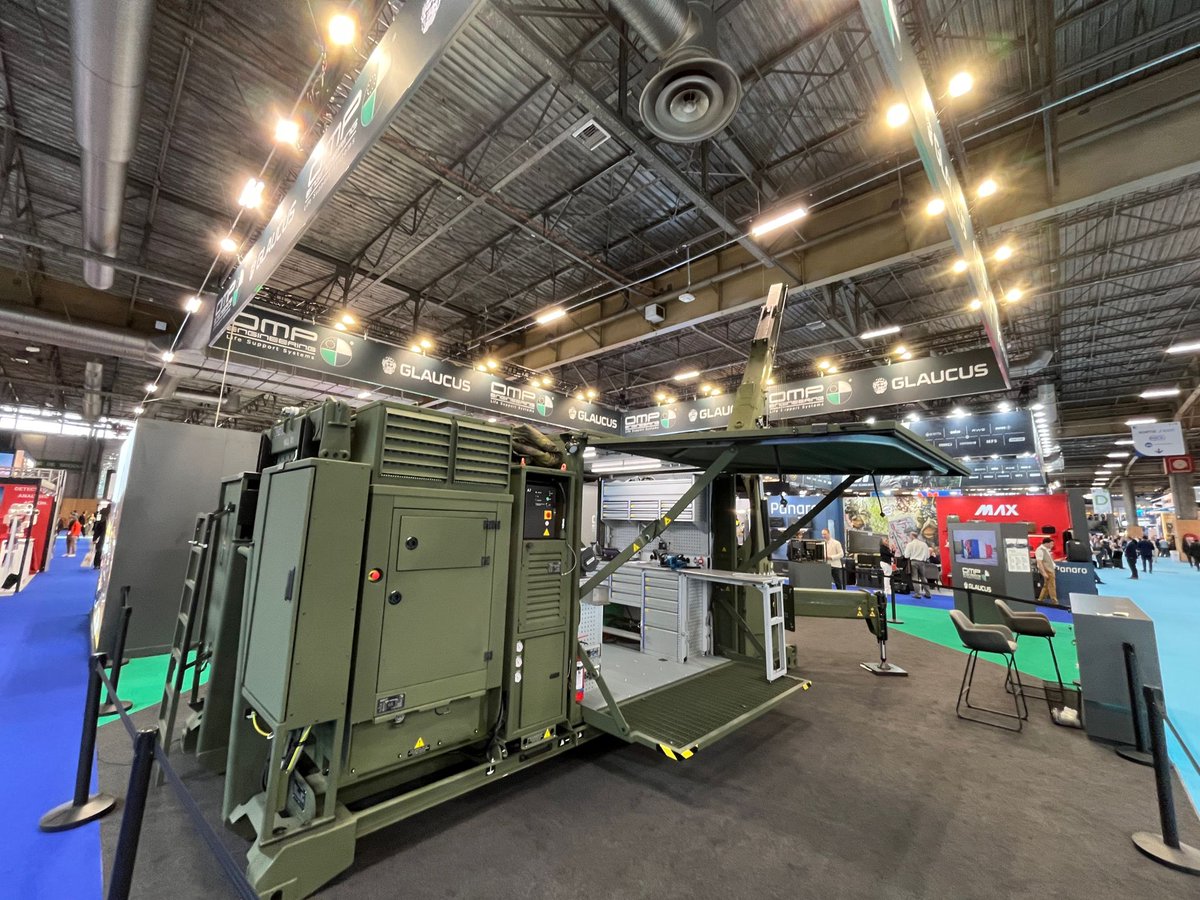
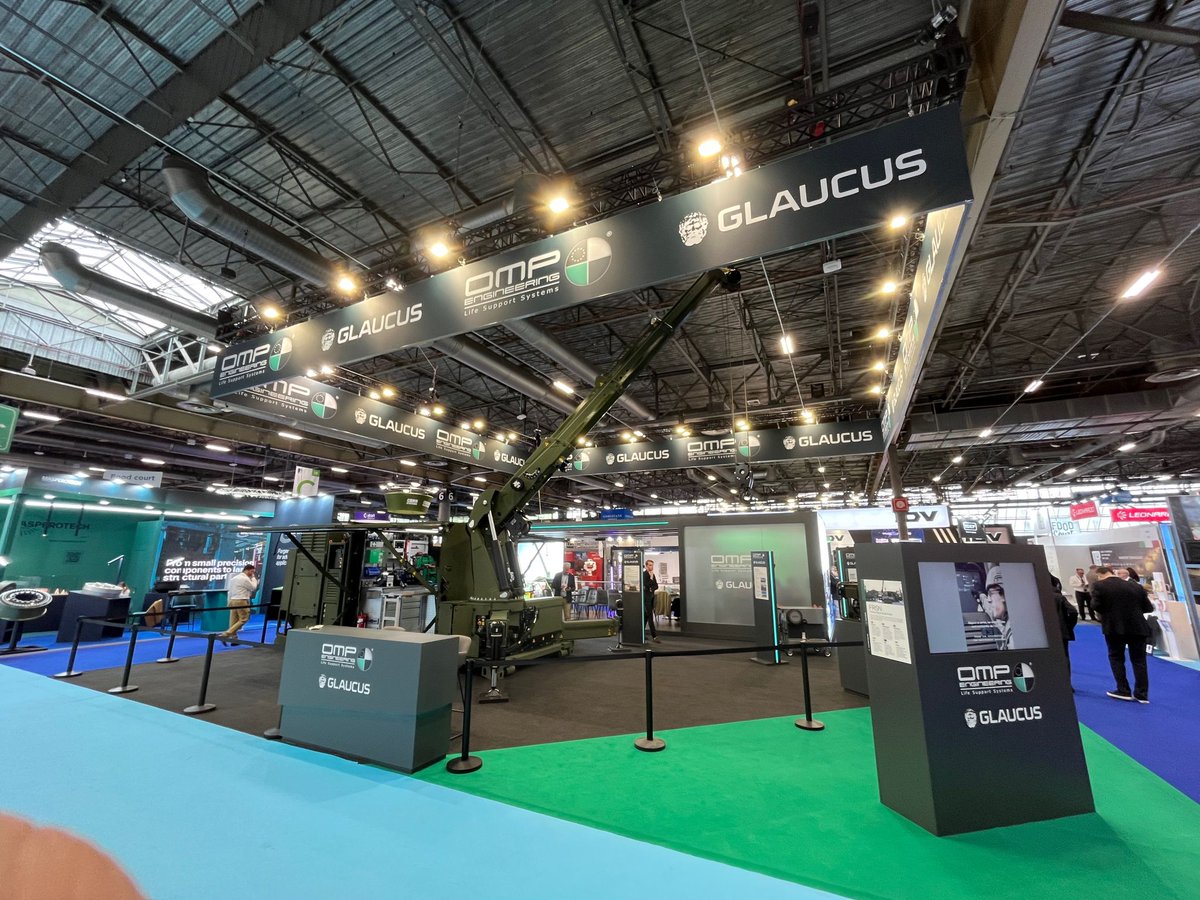
📌Glaucus ApS is showcasing its FRSN (Forward Repair System NATO) solution at #Eurosatory2026.
📌FRSN provides a deployable mobile maintenance and repair infrastructure designed to support military operations in the field.
12

SkyTech Geek retweeted

The cat 🧶🐈⬛ PCM, its like the L in BLT for an ODC sandwich 🥪
$ASTS Large ~30mm thick deployable “sandwich” panels (solar on one face, radiator on the other, compute in/near the core) already pack power structure cooling potential.
It’s an design advantage for ODCs
3
7
70
2,684

$AUID - authID and Trinsic Partner to Deliver Secure and Easily Deployable Biometric-Powered Digital Identity
299

Strong point. Memory makes agents useful, but guardrails make them deployable. The failure mode is rarely ignorance; it is acting confidently outside the boundary.
4

I need to see the thermal model on this. 30mm deployable handling power, thermal, and structure in one stack? That's mass budget done right. Chef's kiss.
2

Just found
@konnex_world
👀 Robots AI working on-chain: • Machine-to-machine coordination • AI treated like deployable software • Payments settled in USD • Code verification > blind trust Feels like we’re witnessing the early stages of a self-running economy.
1

Just found
@konnex_world
👀 Robots AI working on-chain: • Machine-to-machine coordination • AI treated like deployable software • Payments settled in USD • Code verification > blind trust Feels like we’re witnessing the early stages of a self-running economy.
4

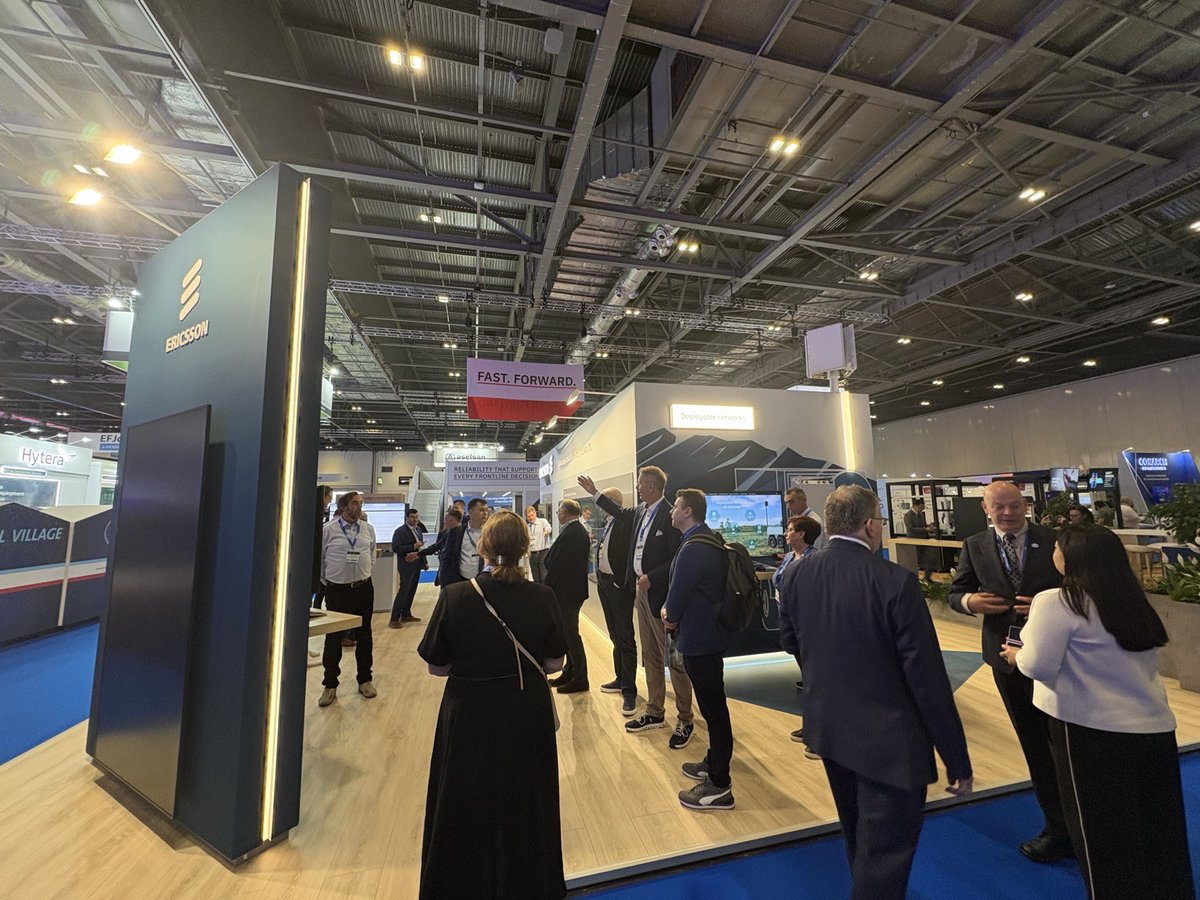
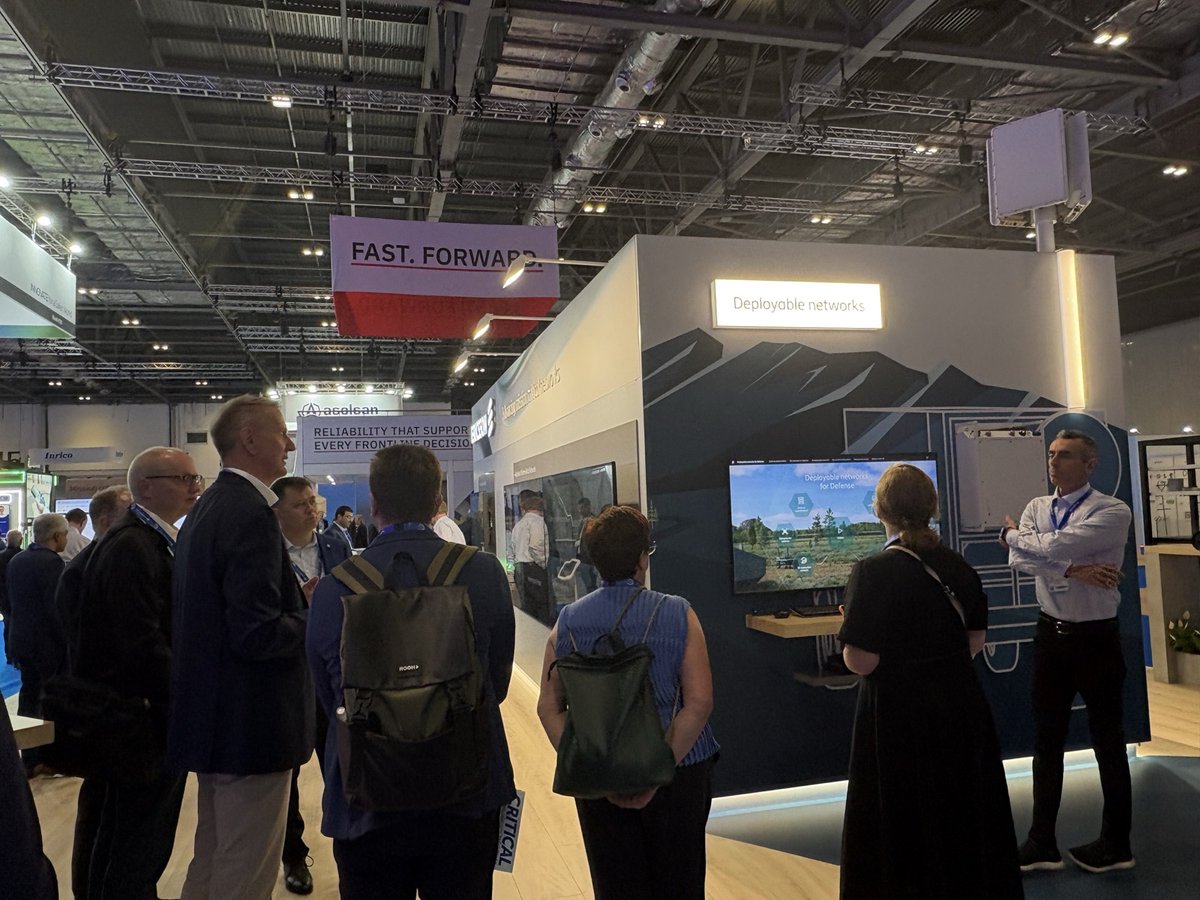
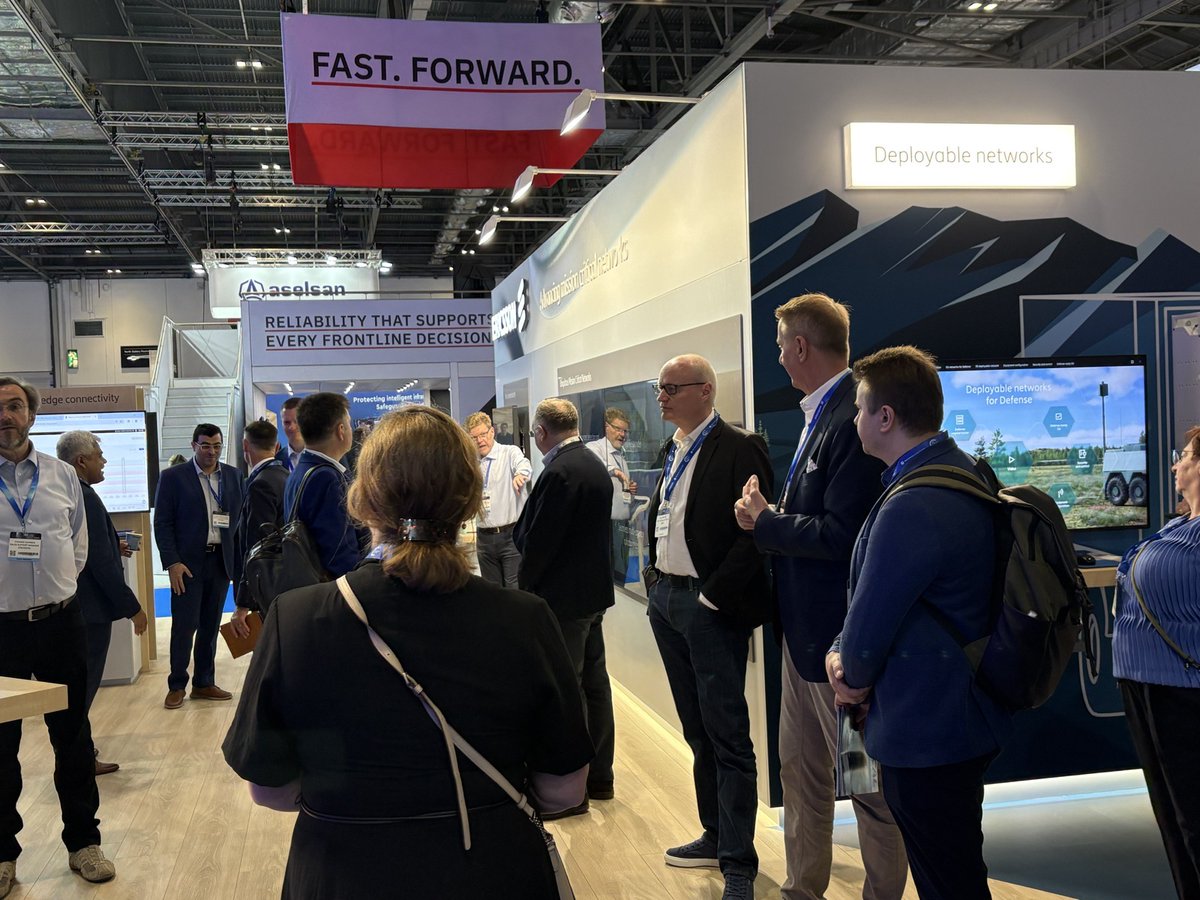
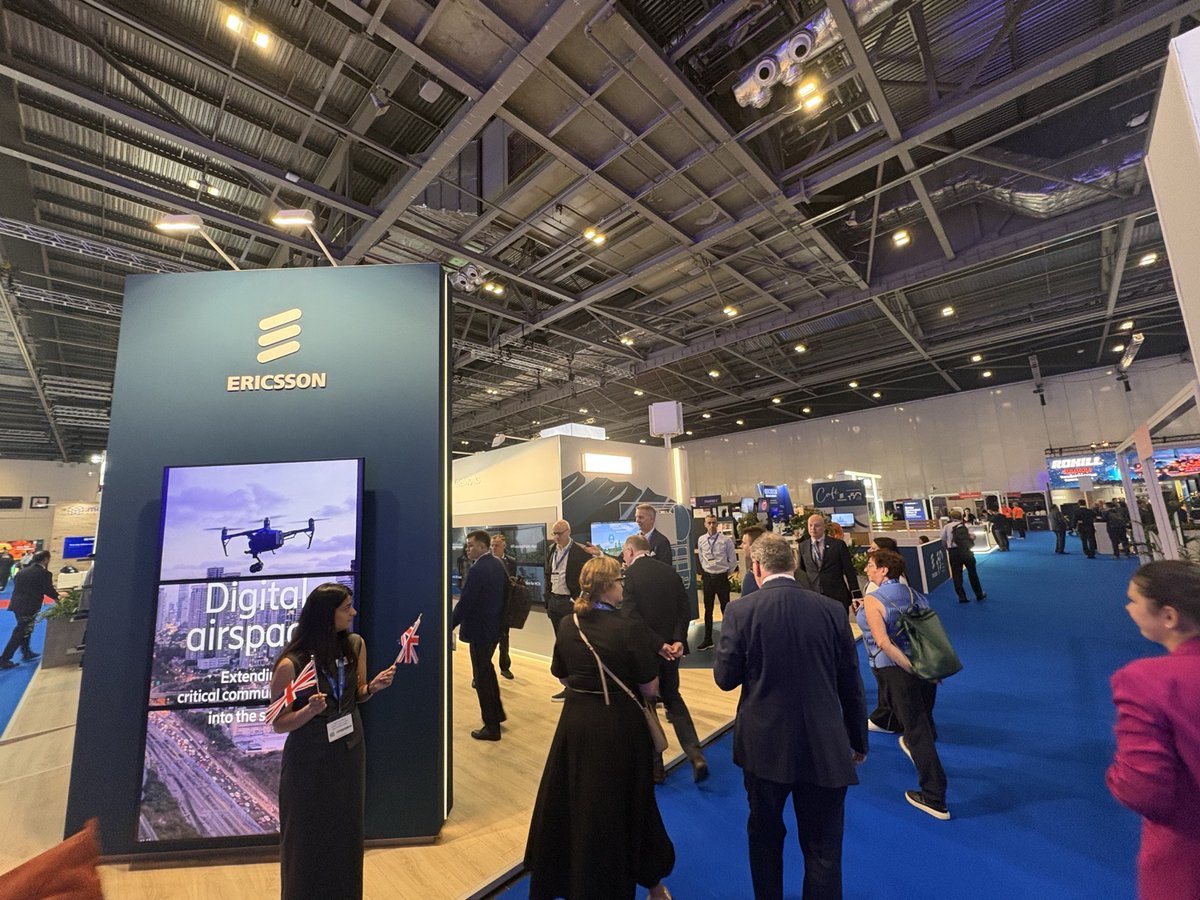



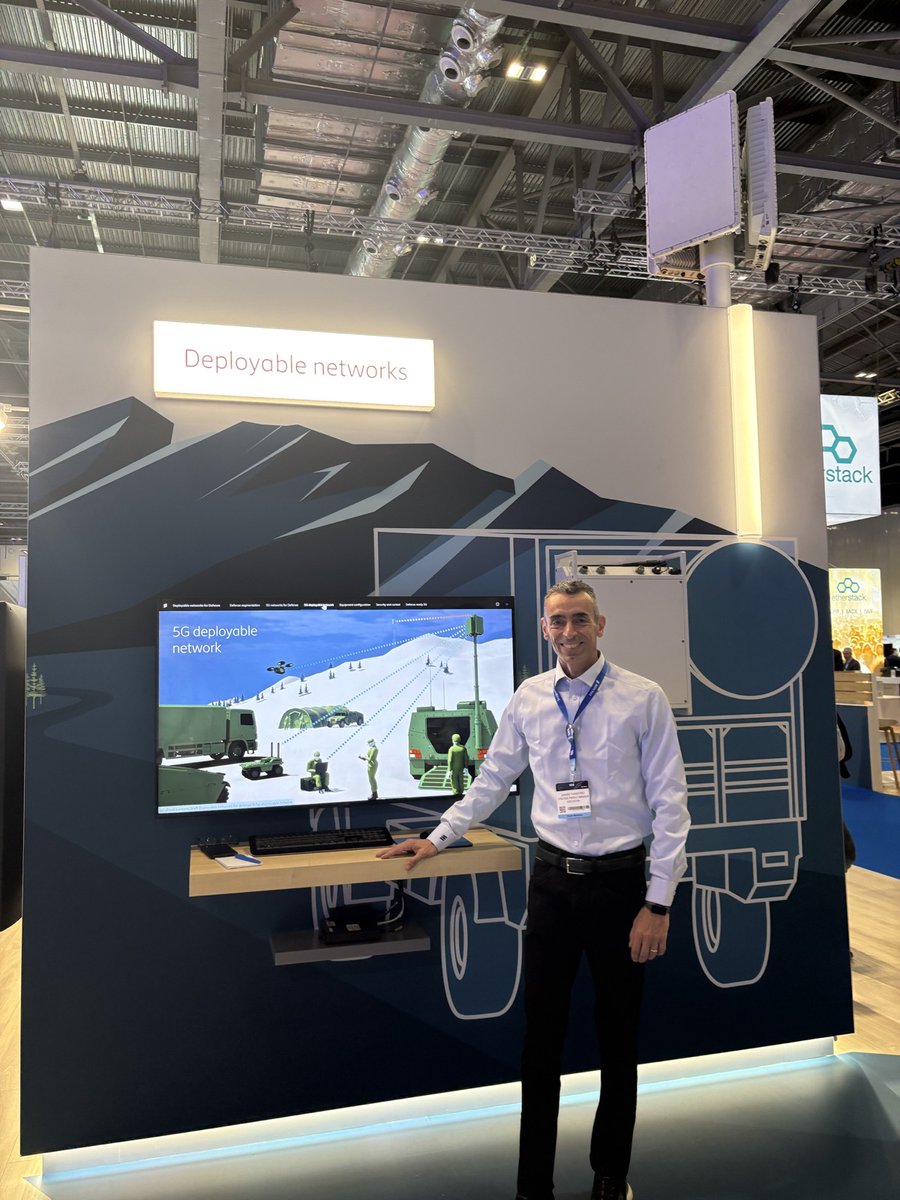
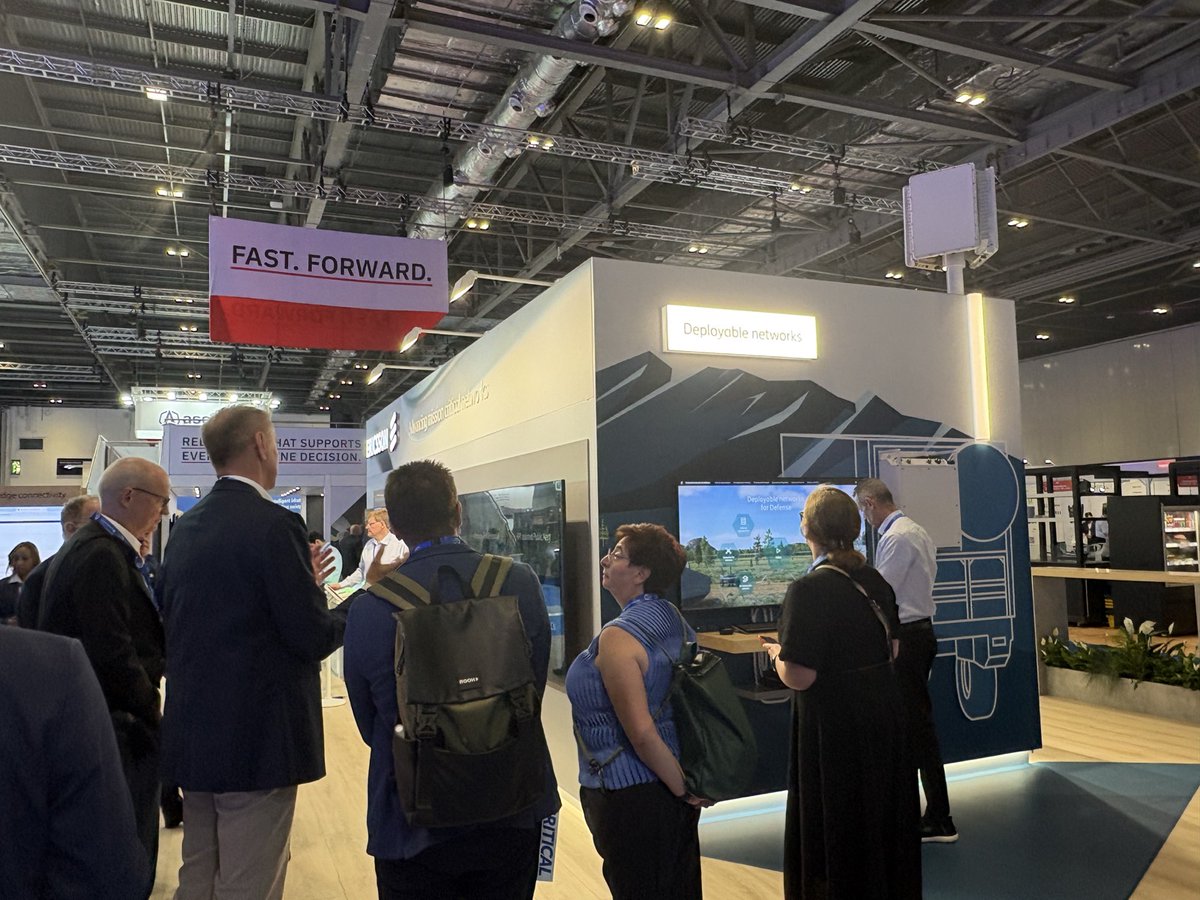
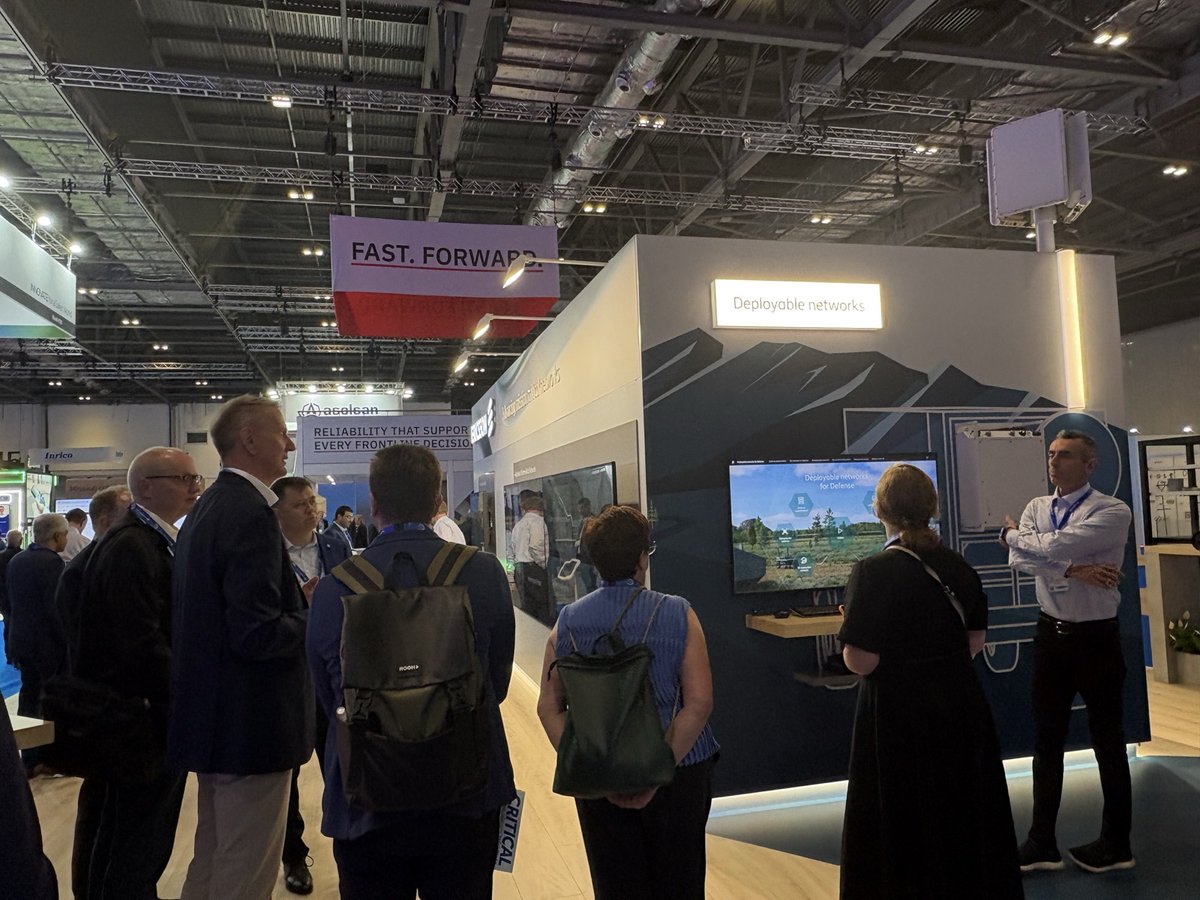
When disaster strikes and infrastructure fails, connectivity cannot wait. ⚡
We're showcasing our Deployable Networks demo live at Booth G10 in Excell London.
See how we rapidly restore secure, resilient 4G/5G wherever operations demand it.
#CCW2026
1
3
4
236

𝗧𝗛𝗘 𝗗𝗜𝗦𝗧𝗔𝗡𝗖𝗘 𝗕𝗘𝗧𝗪𝗘𝗘𝗡 𝗔𝗡 𝗜𝗗𝗘𝗔 𝗔𝗡𝗗 𝗜𝗠𝗣𝗔𝗖𝗧 𝗜𝗦 𝗘𝗫𝗘𝗖𝗨𝗧𝗜𝗢𝗡
Every innovation begins the same way.
Not with code.
Not with capital.
Not with infrastructure.
But with a question.
What if there was a better way?
That single question has launched companies, created industries, and transformed how people interact with technology.
The challenge has never been having ideas.
The challenge has always been turning ideas into reality.
𝗪𝗛𝗘𝗥𝗘 𝗔𝗜 𝗖𝗛𝗔𝗡𝗚𝗘𝗦 𝗧𝗛𝗘 𝗚𝗔𝗠𝗘
For years, moving from concept to execution required significant time, resources, and technical expertise.
Today, AI is compressing that timeline.
What once took weeks can now happen in hours.
What once required teams can now begin with a single builder.
AI is becoming more than a productivity tool.
It's becoming an innovation multiplier.
Helping users:
• Validate ideas faster
• Explore solutions instantly
• Automate repetitive workflows
• Generate code and content efficiently
• Transform concepts into deployable products
The barrier between imagination and execution continues to shrink.
𝗙𝗥𝗢𝗠 𝗤𝗨𝗘𝗦𝗧𝗜𝗢𝗡𝗦 𝗧𝗢 𝗔𝗖𝗧𝗜𝗢𝗡
The most valuable intelligence isn't the intelligence that sits idle.
It's intelligence that creates outcomes.
A prompt becomes a strategy.
A strategy becomes a product.
A product becomes a business.
The ability to move from thinking → building → scaling is becoming one of the most important advantages in the AI era.
𝗕𝗨𝗜𝗟𝗗𝗘𝗥𝗦 𝗔𝗥𝗘 𝗘𝗡𝗧𝗘𝗥𝗜𝗡𝗚 𝗔 𝗡𝗘𝗪 𝗘𝗥𝗔
The future won't belong to those with the most information.
It will belong to those who can transform information into execution the fastest.
That is why access to powerful models, intelligent agents, automated workflows, and scalable infrastructure matters.
Because innovation is no longer limited by ideas.
It's increasingly limited by how quickly those ideas can be brought to life.
𝗕.𝗔𝗜 𝗔𝗡𝗗 𝗧𝗛𝗘 𝗡𝗘𝗫𝗧 𝗚𝗘𝗡𝗘𝗥𝗔𝗧𝗜𝗢𝗡 𝗢𝗙 𝗕𝗨𝗜𝗟𝗗𝗘𝗥𝗦
B.AI is designed for that future.
A future where developers, creators, entrepreneurs, and AI agents can access intelligence, tools, payments, and execution from a unified platform.
Because every breakthrough starts with a question.
But the future is built by those who execute on the answer.
Explore B.AI:
🔗 b.ai
@BAI_AGI @justinsuntron
#AI #BAI #Web3 #TRONEcoStar

4