
Well, IOG "premium" pays for eUTxO-native DNA. You can't just hire a generic account based devshop to maintain a global-scale deterministic ledger without risking total architectural decay. Fostering alternative dev talent matters, but losing protocol continuity is a trap. (1/2)
2
35

Every AI native company is a devshop, and vice versa. Something I said already back in 2024

Services are the future. Today we launched Ramp’s AI services motion.
It's easy to buy an AI subscription. It's hard to transform your company to actually run on agents.
Here’s our entire strategy.
1) Why now
Services are the new software (Sequoia)
Human labor TAM >> software license TAM. The market is bearish on seats and subscriptions.
Every enterprise AI company is doing this -- the labs have poured billions into services partnerships and their own deployment functions. Superintelligent models alone are not enough.
Palantir proved this is a strong business model: deeply embed engineers, build on top of a powerful platform, and customize extensively.
2) The real problem
Companies want AI. But the gap between "we have AI tools" and "agents run our workflows and we spend way less time" is enormous.
What we've found across over 50 companies we engaged with: agents start replacing real work when there is: complete data, read/write access across systems, agent-friendly policies. Most big companies struggle because:
- processes live in operators' heads
- dozens of disconnected systems (legacy ERPs, endless one-off excel sheets, etc.)
- archaic software with poor or no API access
Good data in the right place is a hard prereq to working agents.
Also, vibing in localhost ≠ a production system your enterprise can rely on. You still need hosting, ci/cd, observability, feedback loops, good interfaces. And taste to know what's even worth automating.
Everyone has a bulldozer, but most jobs just need a shovel pointed at the right spot.
What companies usually need is to be made agent-friendly. That's exactly what we do.
3) What we do
We focus on what Ramp does best -- finance.
And we embed FDEs that:
-> understand your problems
-> identify high-leverage, high-impact workflows that fit agents
-> scope the solution
-> connect your data
-> capture your context
-> deploy agents and often bespoke software for humans to collaborate with them
-> drive the business metrics that matter
Discovery and scoping are crucial. Building is easier than ever and thus judgement about what to build is more important than ever.
We're not a generic AI services arm, we're finance domain experts. Across the spectrum of financial operations, we help companies find and frame the problems worth automating -- similar to the taste a founder has in choosing which problems are worth solving (ex-founders make great FDEs).
Here’s the stack we deliver:
- Production infrastructure. Shipping an index.html from Claude isn't the same as creating a repo, hosting in a cloud service, ci/cd, testing, setting up evals, managing memories and skills, adding feedback loops, ensuring uptime, incident management, etc. Agents don't one-shot production systems yet. Production software is hard -- we build, host, and run it for you in a single-tenant, dedicated cloud environment. Most operators don’t have the time, knowledge, or experience to do this e2e. We help abstract the low-leverage plumbing so they can focus on the essential parts of their jobs.
- Data connectivity. Most enterprises have data lakes, but data is often incorrect, stale, or entirely missing. And write interfaces vary dramatically. Ideally we can use MCPs or CLIs, but usually it’s poorly documented APIs, SFTP, manual uploads, and email.
- A context layer. Things people have done for years aren't written down, so an agent can't do them until we capture that context -- ranging from simple policies to complex decisions. This usually involves creating policy documents, shared agent memories, and skills.
- Evals and feedback loops. How you know an agent is doing a good job, and how it improves over time.
4) Why Ramp AI Solutions
We focus on finance because it’s the vertical we know deeply, have structural advantages, and are most differentiated:
- Data. 70k customers use our core product, over $200B in annual payments, years of vendor data, millions of transactions and bills monthly.
- Money-movement primitives and partnerships. Global money movement rails, partnerships with banks, Visa, Stripe, etc. You don’t want to vibecode international wires for bill payments.
- An intelligence layer on top: fraud detection from hundreds of millions of expenses, PO-to-invoice matching, state-of-the-art OCR, and fine-tuned models for accounting coding, spend routing, policy review, etc.
Unlike the labs, we’re not incentivized to sell tokens.
Ramp is an AI fiduciary and an impartial broker to deliver AI that is:
- model-agnostic -- we benchmark all the leading models (labs, open source) and fit the right one to each task
- and token-efficient by design
Our main incentive is business outcomes -- which is Ramp’s mission, to save our customers time and money.
I’m extremely bullish about our motion, and the broad industry growth of AI-native services.
If you're a finance leader trying to be more agent-native,
If you’re interested in joining our FDE team,
I’d love to talk 🙂
1
485

The clap-to-alive moment is the demo. The stress test is week three when Devshop summary is 30 seconds stale and the butler answers a run question with outdated context.
1
24

This guy replaced his $5,000 personal assistant with a British AI butler on Claude Code that runs his whole day for $640 a month.
Inside it is not one assistant but a full 5 plugins on Claude Code, each with its own job, all answering to a single butler. And the butler speaks only in a British accent.
He claps twice and the whole room comes alive at once.
Wakeup brings 3 monitors alive and reads out the time, date and weather.
Atmosphere sets the Philips Hue to warm focus light and picks a Spotify playlist for the current Pomodoro cycle.
Devshop watches VS Code and pushes a summary of changes to the chat every 15 minutes.
Project recalculates his App Store release every morning and tracks 4 open UI tickets.
Mobile lives in his iPhone and answers any question by voice while he is out on a run.
The room is up in 1.4 seconds and a voice greets him with "Very good, sir."
No Alexa, no smart speaker, no smart-home app. Just him, a MacBook M3 Max and one local API key. The whole butler lives in a folder at /Users/dev/jarvis-suite.
But he did not stop at waking the room.
JARVIS raises him by voice only when the release drops under 10 days or someone joins Zoom uninvited.
Look at 0:55: there it catches a voice request from outside and confirms with "Very good, sir."
A live assistant for the same load costs $5,000 a month in salary alone plus another $1,200 for off-hours work. His whole cost is tokens and an ElevenLabs subscription for the voice: about 4 million tokens a day and $640 a month.
In the end he claps once and a butler that does not exist runs his monitors, his light, his music and his deadlines.
There is a huge market of everyone who wanted a JARVIS since the first Iron Man and ended up settling for phone alarms.
And he vibe-coded the whole butler himself out of 5 plugins, one clap and one voice with a British accent.

5
6
56
6,615

May 27
Founders, NONE of that is traction:
- Awarded government recognition
- Trademark filed across 3 classes
- Applied to grant X and grant Y
- Incubated at local university incubator
- App in development by random devshop
- Granted $50k in AWS/GCP/Azure credits
3
2
18
1,320

May 8
This guy built his own JARVIS with Claude Code.
One clap → entire workspace turns on.
3 monitors wake up, Philips Hue switches to focus mode, Spotify starts playing, and a British voice reads the weather, time, and daily tasks.
No Alexa.
No smart home hub.
No assistant.
Just a MacBook M3 Max, an iPhone, and Claude Code.
The setup runs through 5 connected plugins:
• Wakeup → monitors voice activation
• Atmosphere → lights music
• Devshop → tracks coding sessions
• Project → manages deadlines tickets
• Mobile → handles voice commands from the iPhone
Everything runs locally through one orchestrator.
Monthly cost: ~$640 in API usage.
Estimated savings vs real assistant: ~$5K/month.
Most people still use AI to answer questions.
He built an operating system around it.

35
17
131
14,118

This guy built JARVIS inside Claude Code and now starts his entire workday with a single clap, replacing what would normally cost $5,000/month in assistant work.
One double clap and the whole setup wakes up:
→ 3 monitors turn on
→ Philips Hue switches to focus mode
→ Spotify starts the right playlist
→ JARVIS greets him in a British accent with time, weather, and schedule updates
No Alexa.
No smart home app.
Just a MacBook M3 Max, an iPhone, Claude Code, and a local agent system.
Inside the setup are 5 connected plugins:
• Wakeup → detects claps and activates the room
• Atmosphere → controls lights Pomodoro music
• Devshop → watches VS Code and summarizes work every 15 mins
• Project → tracks deadlines and unresolved UI tickets
• Mobile → handles voice commands directly from the iPhone
The wild part is the system prompt.
He told Claude:
“you are JARVIS, a butler-engineer. you manage workflow, communication, and project operations yourself.”
That single instruction changed everything.
Now the system runs 24/7 in the background.
If a deadline gets close or an unexpected Zoom call appears, JARVIS interrupts immediately.
And when he’s outside?
The iPhone agent takes over:
switches playlists, reads commit summaries, updates timers, and replies:
“Very good, sir.”
The whole stack reportedly costs around $640/month in API voice expenses.
Probably one of the craziest solo AI workstations built this year.
2
6
1,418

The most impressive AI setup I've seen this year costs $640 a month and fits in one room
No team. No office. No infrastructure
One developer. One MacBook M3 Max. Five Claude Code plugins
The morning routine:
Double clap → 1.4 seconds → three monitors on → Philips Hue at 2700K → Spotify focus playlist → British voice reads the brief
"Good morning, sir. 9:14 AM. Sunny, 20 degrees. iPad was four minutes behind — corrected via NTP. Nine days to Wallaroo App Store deadline. Four UI tickets unresolved. Shall I initiate the Refinement Protocol?"
He clapped. That was it. That was his entire morning interaction with technology
The five plugins that make this work:
Wakeup. Double clap recognition. 1.4 second activation. Three monitors simultaneously. Clock sync via NTP
Atmosphere. Pomodoro-synced Hue lighting. Context-aware Spotify selection. 2700K warm light in focus mode. Switches automatically
Devshop. VS Code monitoring. Terminal tracking. Code change summaries every 15 minutes to shared chat. He always knows what he built last
Project. Daily Wallaroo deadline recalculation. UI ticket management. Refinement Protocol on voice command
Mobile. iPhone terminal. Same stack. Handles voice requests when he's not at the desk. Switches playlists on a run. Reads commit summaries at a coffee shop. Always ends with "Very good, sir."
JARVIS never speaks unless the deadline drops below 10 days or an uninvited client joins Zoom
Otherwise: silent. Running. Watching
4 million tokens a day. $640 a month
A human assistant doing this volume: $5,000 base. $1,200 for off-hours. $6,200 total
Gap: $5,560 a month. $66,720 a year.
One system prompt. One local folder. One voice that never breaks accent
The densest one-person AI headquarters assembled in a single room
And it started with two claps
8
180

May 8
A 28 year old developer built a working JARVIS on Claude Code that turns on his entire workday with a double clap, reads him the weather in a British accent and saved him the $5,000 a month he would have paid a personal assistant.
It's all 5 plugins on one local stack no Alexa, no smart speakers, no smart home app. Just a MacBook M3 Max, an iPhone in the pocket and one folder at /Users/dev/jarvissuite running 24 hours a day in the background.
A double clap at 9:14 am wakes 3 monitors, sets the Philips Hue lights to 2700K at 80%, opens the Spotify playlist Deep Focus and a butler voice with a British accent reads out the date, the temperature and the local time pulled fresh from an NTP server.
The JARVIS instance was given one system prompt before launch.
You are JARVIS, a butler engineer on Claude Code. You manage your owners workflow through 4 sub plugins. You own all commits and communication yourself. You speak only with a British accent and never slip into neutral English. You wake the owner by voice only when the Wallaroo deadline drops below 10 days or when an external client joins Zoom without an invitation.
The 4 sub plugins each handle one layer of his life.
Wakeup turns the room on. Atmosphere holds the lighting and music to the current Pomodoro cycle. Devshop watches VS Code and pushes a summary of every code change to a shared chat every 15 minutes. Project recalculates his App Store deadline every morning and tracks 4 unresolved UI tickets on a side app called Wallaroo.
A fifth plugin lives in his iPhone. While he is on a run or in a coffee shop, that one keeps answering switch the playlist, read the last commit, update the Pomodoro timer, confirm the Wallaroo reminder. Every reply ends in the same line: Very good, sir.
The whole stack burns about 4 million tokens a day. The monthly API bill closes at $640. ElevenLabs charges another $22 for the British voice. Total: under $700 a month.
A real personal assistant doing the same volume of work costs $5,000 in salary and another $1,200 in off hours coverage. The savings pays for the MacBook every two months.
He showed the setup to a friend who works as an executive assistant in midtown Manhattan. She asked how she's supposed to compete with that. He said: I can build you one for $200.
She didn't laugh.
The double clap registers in 1.4 seconds. The British voice answers before a third clap would have been needed. The Wallaroo deadline currently sits at 9 days. JARVIS will start raising voice interventions in 24 hours.
The whole apartment runs on one folder, one stack and one prompt. He hasn't touched a smart home app in 6 months.
The last log entry from Wednesday morning ends the same way it always does.
Very good, sir.
2
2
26
2,155

This guy built JARVIS on Claude Code and with 1 clap of his hands launches his entire work day, saving $5,000 a month on a personal assistant.
Inside he runs a pipeline of 5 plugins on Claude Code that on a double clap of the hands wakes up 3 monitors, sets the Philips Hue light to focus mode, turns on a Spotify playlist, and greets him by voice with a British accent, reading out the time, date, and weather.
No Alexa, no smart speakers, no separate smart home app. Just him, a MacBook M3 Max on the desk, an iPhone in the pocket, and 1 local API key.
And a regular personal assistant for the same volume of tasks charges $5,000 a month or more on salary alone, plus another $1,200 to cover off-hours work time. Meanwhile this guy's expenses are only tokens and a subscription to ElevenLabs for the British voice.
All 5 plugins launch through 1 JARVIS, burn about 4 million tokens a day, and close the monthly API bill at about $640.
Each plugin writes shared state to a local sandbox at /Users/dev/jarvis-suite, and 1 of them lives right in the iPhone and picks up voice requests while the owner is in the kitchen or on a run.
And here is the system prompt he put into JARVIS before launch:
"you are JARVIS, a butler-engineer on Claude Code. you manage your owner's workflow through 4 sub-plugins and own all commits and communication yourself.
sub-plugins:
// Wakeup (recognizes a double clap, activates 3 monitors, reads out the time, date, and weather by voice, checks the clock accuracy on the iPad and corrects it via NTP server)
// Atmosphere (controls Philips Hue on a Pomodoro schedule, turns on a Spotify playlist for the current context, and holds the light at 2700K at 80% brightness in focus mode)
// Devshop (monitors VS Code, tracks Python scripts in the terminal, and every 15 minutes sends a summary of changes to the shared chat)
// Project (every morning recalculates the deadline for the Wallaroo app in the App Store, manages UI tickets, and initiates the Refinement Protocol by voice command).
you speak only with a British accent, you never slip into neutral English. you wake the owner by voice only when the Wallaroo deadline drops below 10 days or when an external client joins Zoom without an invitation."
This instruction immediately defines the role of JARVIS and the limits of his autonomy.
He knows he is supposed to wake the room himself and sound like a real butler.
He knows he is supposed to manage the Wallaroo project himself and not miss the App Store deadline.
→ JARVIS runs 24 hours a day in the background
→ Wakeup activates the room on a double clap in just 1.4 seconds, the monitors come alive simultaneously
→ Atmosphere sets warm Philips Hue light at 2700K and picks a Spotify playlist for the current Pomodoro cycle
→ Devshop reads changes in VS Code and pushes a summary to the shared chat every 15 minutes
→ Project every morning recalculates the Wallaroo deadline and reminds about 4 unresolved UI tickets
→ Mobile lives in the iPhone and answers any question about code or the project by voice while the owner is not home
And only when less than 10 days remain until the Wallaroo release or Zoom receives an unscheduled call does JARVIS raise the owner with a voice intervention.
And when the owner at that moment is on a run or in a coffee shop, the Mobile agent in his iPhone picks up 1 request on its own: switches the Spotify playlist, dictates the summary of the last commit, updates the Pomodoro timer, and reads the Wallaroo reminder.
Look at 0:55 in the video, that is where JARVIS intercepts a voice request from outside and confirms execution with the phrase "Very good, sir."
The fresh system log from last Wednesday looks like this:
"wakeup: double clap registered at 09:14, 3 monitors activated, temperature 20.4C, sunny. clock on iPad was 4 minutes behind, syncing via NTP."
"atmosphere: Spotify turned on playlist 'Deep Focus', Philips Hue set to warm 2700K at 80% brightness, Pomodoro mode 25/5."
"project: Wallaroo to App Store 9 days, 4 unresolved UI tickets, initiating Refinement Protocol by voice command from the owner."
"mobile: voice request processed outside the room, playlist switched to 'Coding Lo-Fi', Pomodoro updated to 25 minutes, confirming execution with the phrase 'Very good, sir.'"
He has no Alexa, no smart speakers, no smart home app.
At home sits a MacBook M3 Max with a local folder at /Users/dev/jarvis-suite, on top run 5 plugins and a neural network butler, and the same stack is forwarded to a secure terminal on the iPhone.
Out of everything I have seen this year, this is the densest one-person AI headquarters assembled in 1 room: $640 a month on the API, about $5,000 a month saved on a personal assistant, and between them 5 plugins, 1 clap of the hands, and 1 voice with a British accent.
90
262
3,360
798,349

Apr 21
Apr 20

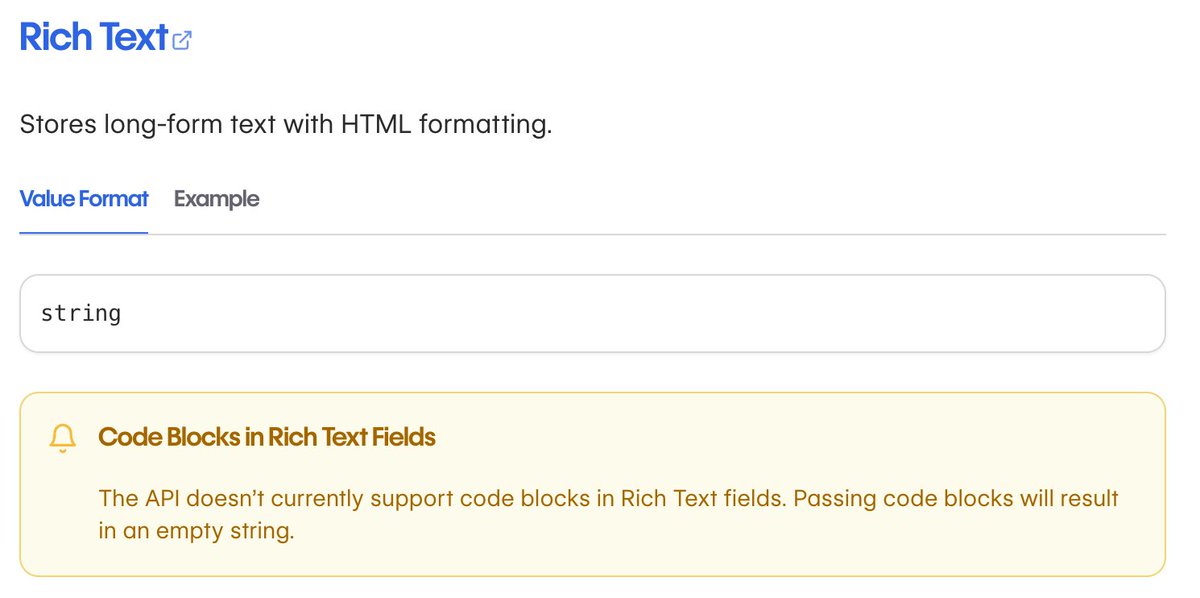
hey @webflow are there plans to allow creation of code blocks and tables via the API or MCP. It's impossible to have a content pipeline without it.
1
3
202

Apr 12
supplyco help request
1. need a devshop that can give me a senior platform engineer or SRE to tap in for about two months to clean up our CI, local development environment, test posture, alerting, logging, and release automation. We’re flooded rn
2. same thing but for user interaction and design psychology audit- not ready for a full timer but we need help there too
2
4
394

Apr 7
so some of defi protocols are built by NK groups
sounds like a devshop at this point
1
8
3,543

Apr 1
I made $24,311 in March 2026.
🤫 Stealth startup — $9.8K
💻 Devshop — $14.2K
Finally on TrustMRR, but my devshop is missing $7k on there 🤔

I made $78,120 in March 2026.
⭐️ TrustMRR — $36K
📈 DataFast — $21K
⚡️ ShipFast — $9.2K
🧑💻 CodeFast — $8.3K
🐥 Twitter — $2.4K
🍜 Indie Page — $505
🎞️ YouTube — $217
🌱 HabitsGarden — $147
🚀 LaunchViral — $129
🛡️ ByeDispute — $96
💨 Zenvoice — $69
📚 WorkbookPDF — $57
AI has killed my coding course and my boilerplate
TrustMRR hits an all-time high revenue with the 3% acquisition fee
1
5
811

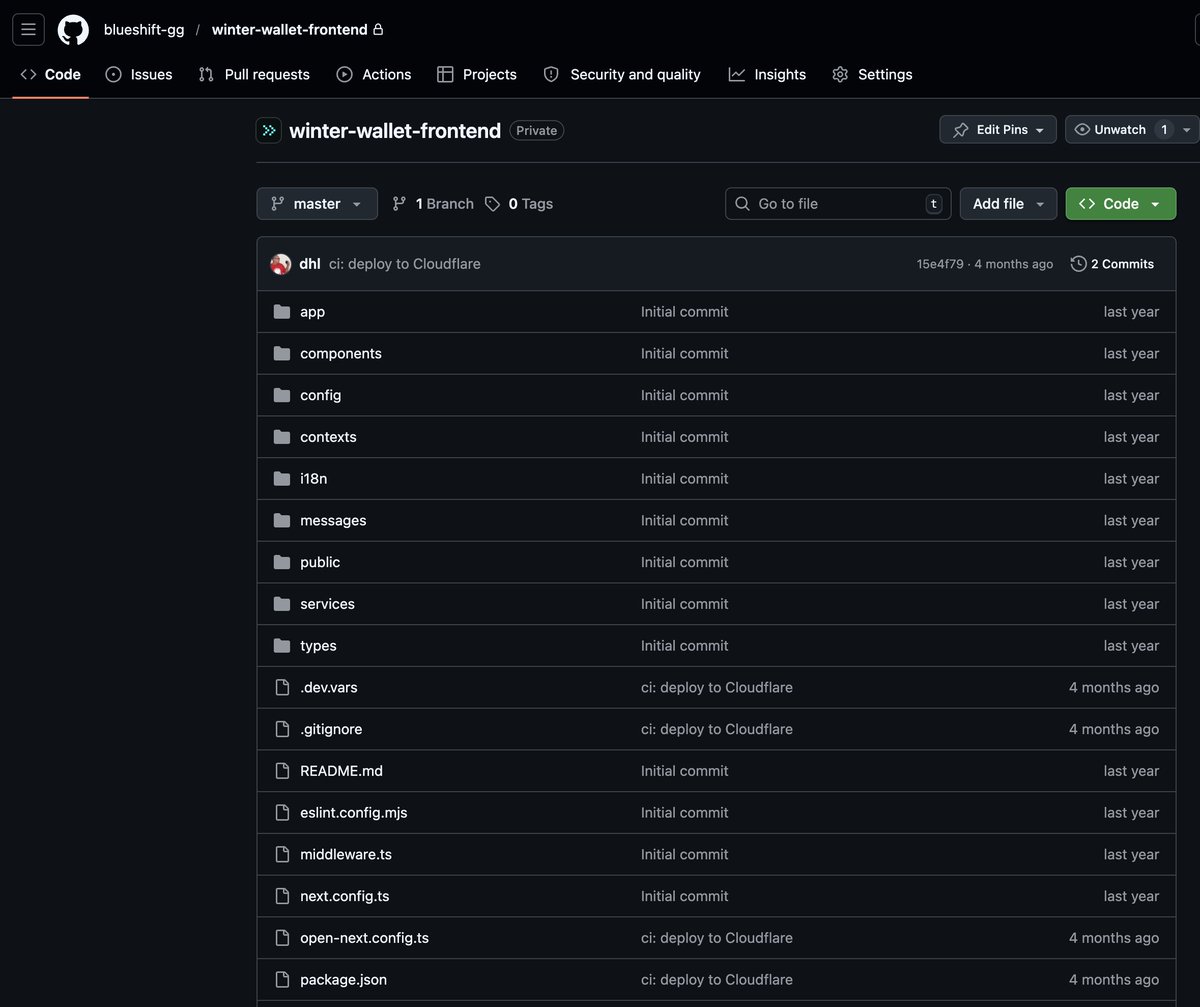
it exists, but it's not public yet. we'll ship things like this more quickly when we're well-resourced enough to not have to do devshop work on the side to stay afloat.
2
10
167


Mar 18
Or just use Claude and skip the devshop entirely. My whole stack costs $200/mo
2
85

Mar 18
One of the biggest opportunities I see in the Midwest is for entrepreneurs to think bigger and then not raise capital to hire a devshop...
11
1
52
5,157
