
Imagine a display that responds the moment a shopper picks up a product.
For the Marc Jacobs Daisy Wild campaign, our Place and Learn solution triggered #digitalscreen content in real time, creating an interactive #retailexperience with valuable customer behaviour insights.
1
13

Jun 9
🚨 Don’t panic. Advertise.
Get your brand on high-impact digital screens and turn attention into action.
Ready to launch your next campaign?
Let’s get started with pickadspace.
#DOOH #pDOOH #Advertising #Business #keralastartup #digitalscreen #BrandAwareness #digitalsignage

3

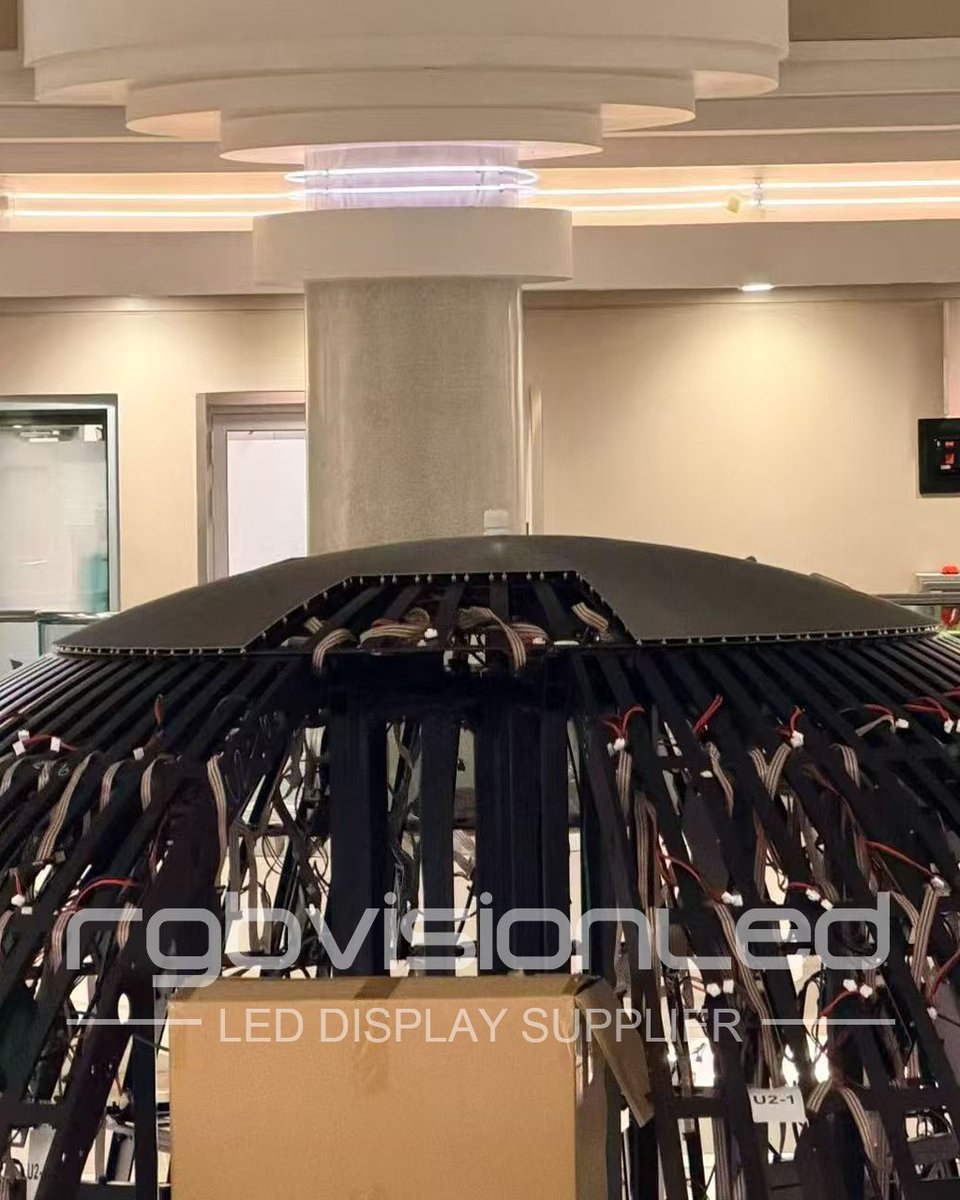
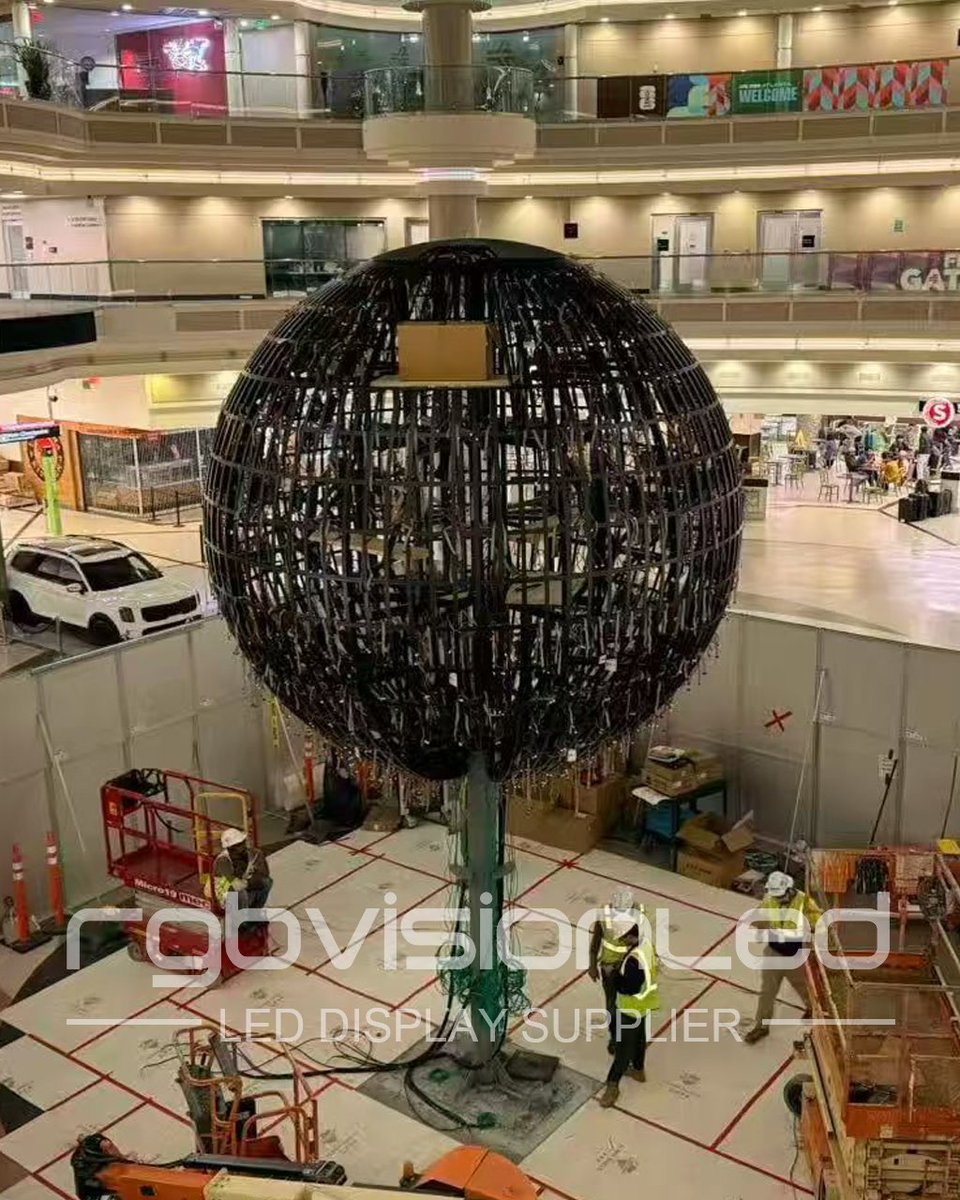
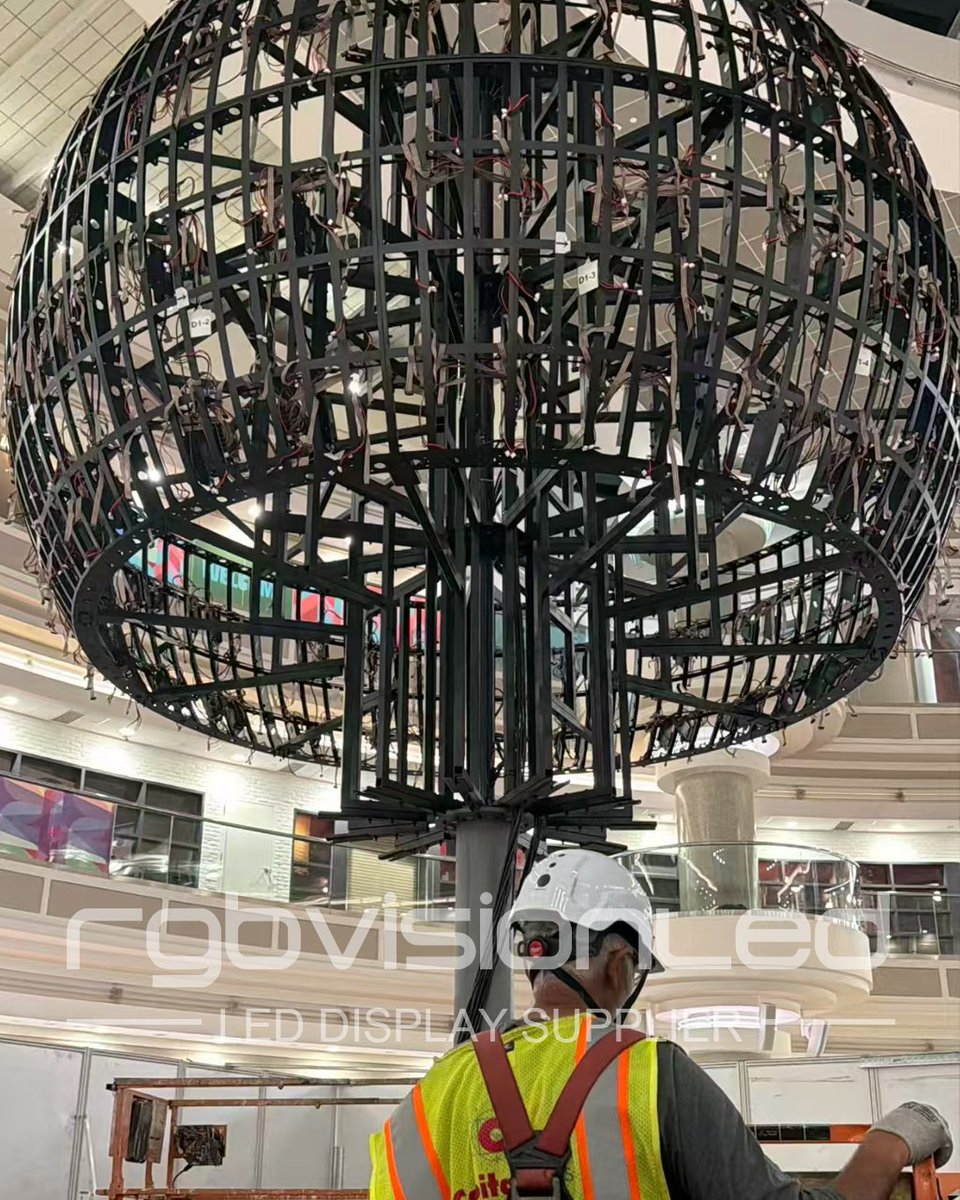
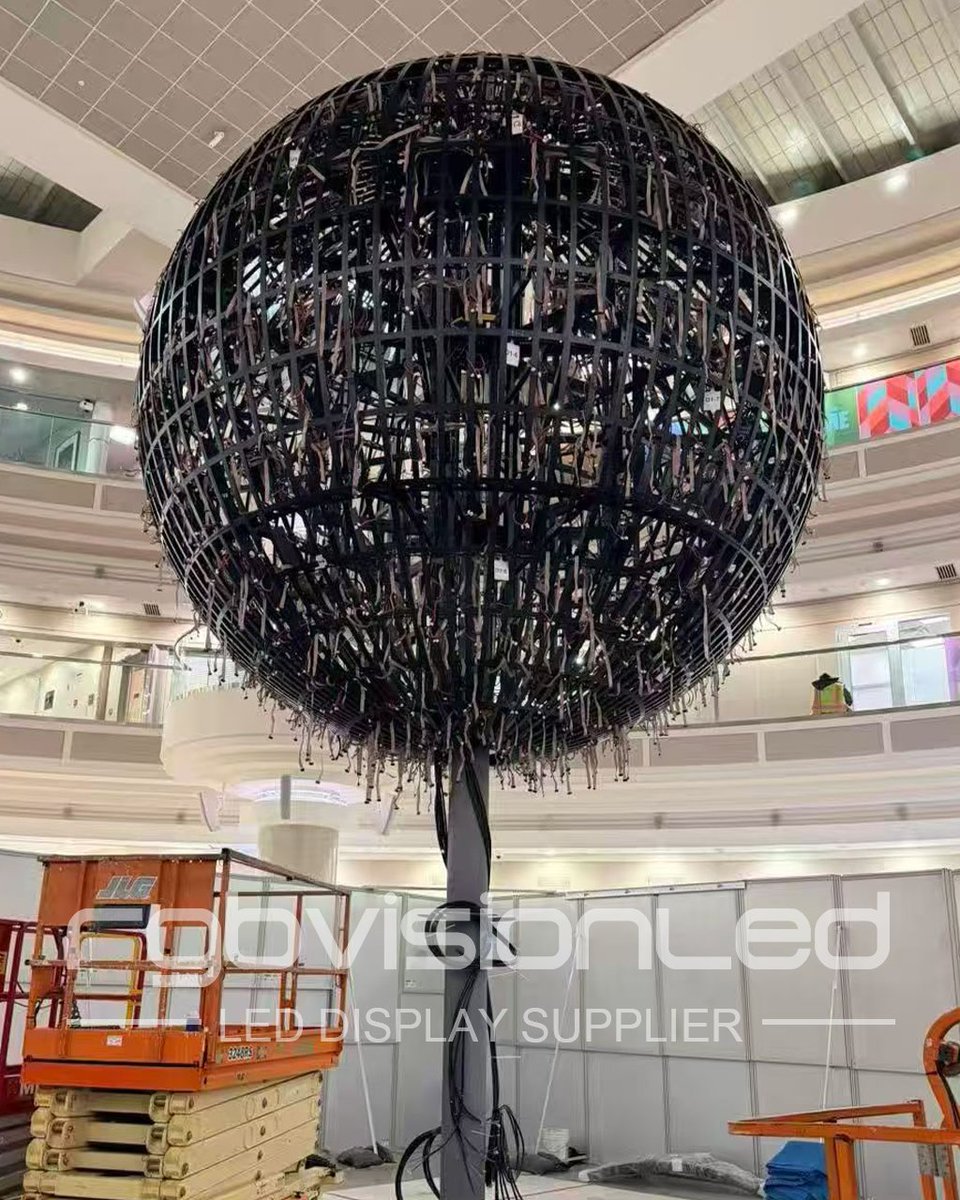
#Rgbvisionled Customized 4.5m #LEDspherical display solution now available. This 360° seamless sphere #ledscreen delivers unmatched immersive visual effects Get in touch to discuss your bespoke spherical #LEDscreen project #CommercialLED #AVtech #DigitalScreen #CustomAVSolution
1
23

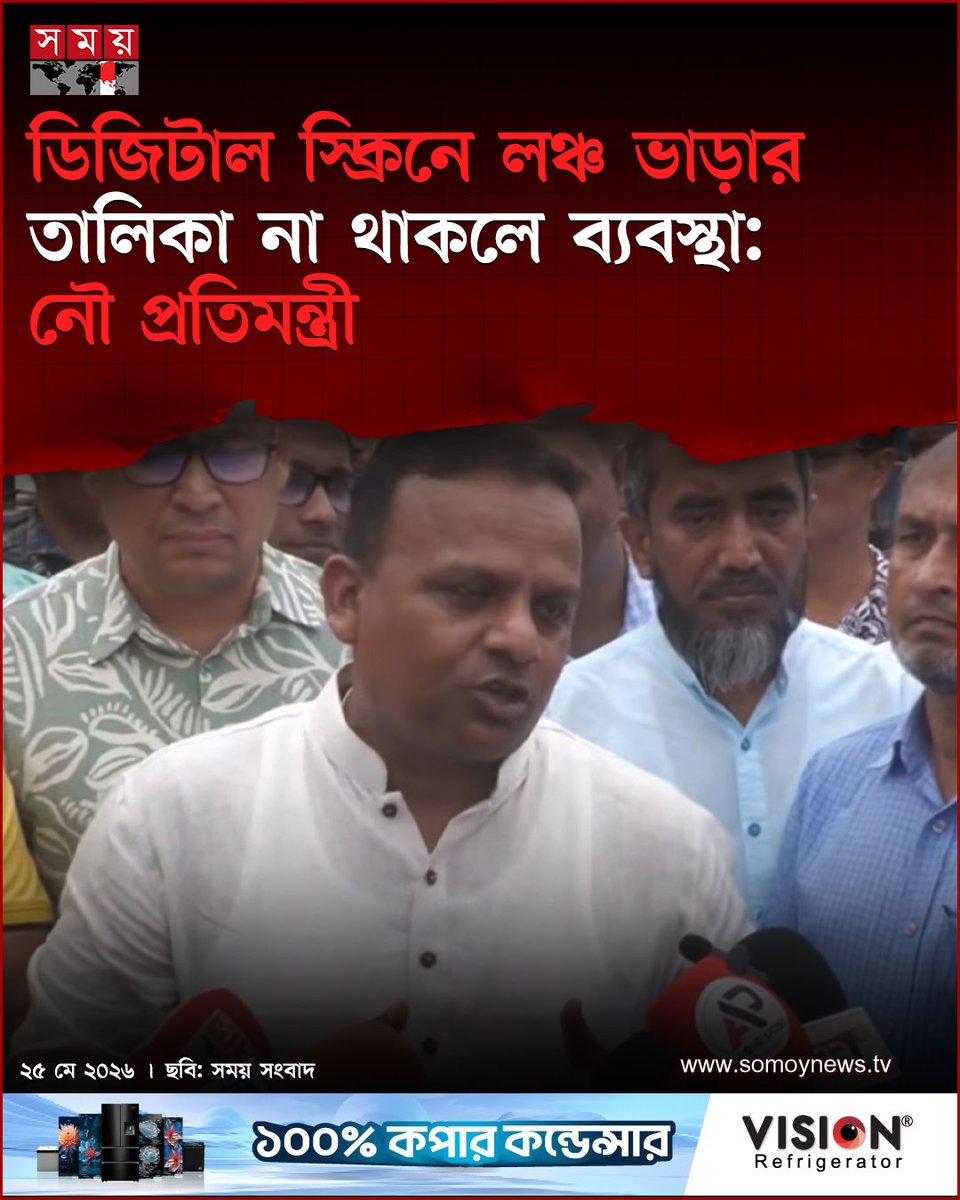
সোমবার (২৫) সন্ধ্যায় রাজধানীর সদরঘাট লঞ্চ টার্মিনাল পরিদর্শনে গিয়ে সাংবাদিকদের এ কথা বলেন নৌ প্রতিমন্ত্রী রাজিব আহসান
বিস্তারিত : somoynews.tv/news/2026-05-25…
#launchfare #DigitalScreen #RajibAhsan #somoytv
4
433

Apr 29
واہگہ بارڈر پر تقریب کے دوران ڈیجیٹل اسکرین کے غیر روایتی استعمال کے سوشل میڈیا پر بھی خوب چرچے ہیں۔
aaj.tv/news/30504137/pak-bor…
#AajNews #geopolitics #WagahBorder #PakistanIndia #DigitalScreen #BorderCeremony #SocialMediaViral #PeaceMessage #Patriotism #TechInDiplomacy

1
2
467

Apr 20
WJZ meteorologist Rachael Jay takes you behind the scenes of our new AR/VR studio; a state-of-the-art green screen space unlike anything else in the market. Check it out!
#WJZ #Virtualreality #ARVR #TV #News #meterologist #fyp #foryoupage #GreenScreen #digitalscreen #behindthescenes
1
1,116

Mar 11
@elonmusk — A @grok pure elegance bootstrap for @Tesla_Optimus
No bloat. No layers. No “enterprise” abstractions. Just atoms → binary truth → Grok → Optimus (digital screen or physical joints) in <200 LOC of pure Rust.
One crate. One protocol. One ring buffer. One session.
It boots on a $650 AI4, speaks the same language to a desktop agent or a walking Optimus, and scales to millions because we deleted everything that wasn’t physics.
Drop this into a new repo,
cargo run --example proxy,
and you have a living, breathing Macrohard bridge. x
[package]
name = "optimus-rpxy"
version = "0.1.0"
edition = "2021"
authors = ["xAI × Tesla"]
description = "Unified first-principles proxy for Digital & Physical Optimus — Grok System-2 navigator, zero-cruft System-1 executor"
license = "Apache-2.0"
repository = "https://.../optimus-rpxy"
[dependencies]
tokio = { version = "1.43", features = ["full"] }
# only what physics demands
bytes = "1.10"
thiserror = "2.0"
bincode = { version = "2.0", features = ["serde"] }
# zero-copy binary truth
serde = { version = "1.0", features = ["derive"] }
tracing = { version = "0.1", optional = true }
# observability off by default
rustls = { version = "0.23", optional = true }
# mTLS only when zero-trust demands
tokio-rustls = { version = "0.26", optional = true }
[features]
default = []
tls = ["dep:rustls", "dep:tokio-rustls"]
trace = ["dep:tracing"]
###############################################
// src/lib.rs — the atoms of agency
#![forbid(unsafe_code)]
#![deny(missing_docs, clippy::all)]
use bytes::Bytes;
use serde::{Deserialize, Serialize};
use std::time::Duration;
use thiserror::Error;
use tokio::io::{AsyncRead, AsyncWrite};
pub mod session;
pub mod protocol;
pub mod transport;
/// The single source of truth: every message that can ever flow between Grok and any Optimus.
#[derive(Serialize, Deserialize, Debug, Clone, PartialEq)]
pub enum OptimusMessage {
/// Grok → Executor: high-level goal context (System 2)
Goal { id: u64, intent: String, world_state: Option<Bytes> },
/// Executor → Grok: 5-second screen delta ring (Digital Optimus) or joint-state snapshot (Physical)
Observation { timestamp: u64, payload: Bytes, modality: Modality },
/// Grok → Executor: atomic action (mouse/keyboard for digital, torque/pose for physical)
Action(Action),
/// Heartbeat / keep-alive (physics of unreliable networks)
Heartbeat { seq: u64 },
/// Graceful close or error propagation
End { reason: String },
}
#[derive(Serialize, Deserialize, Debug, Clone, PartialEq)]
pub enum Modality {
DigitalScreen, // last 5 s of pixels cursor trail
PhysicalJoints, // IMU torque feedback from Optimus V4
Hybrid, // both (future Mars colony use-case)
}
#[derive(Serialize, Deserialize, Debug, Clone, PartialEq)]
pub enum Action {
Digital(DigitalAction),
Physical(PhysicalAction),
}
#[derive(Serialize, Deserialize, Debug, Clone, PartialEq)]
pub enum DigitalAction {
Mouse { x: i32, y: i32, button: Option<u8>, pressed: bool },
Keyboard { code: u32, pressed: bool, modifiers: u32 },
Wheel { delta: i32 },
}
#[derive(Serialize, Deserialize, Debug, Clone, PartialEq)]
pub enum PhysicalAction {
JointTarget { joint_id: u16, angle_rad: f32, velocity: f32 },
EndEffectorPose { x: f32, y: f32, z: f32, qw: f32, qx: f32, qy: f32, qz: f32 },
GaitCommand { speed: f32, direction: f32 },
}
/// Core error type — minimal, zero-allocation where possible
#[derive(Error, Debug)]
pub enum OptimusError {
#[error("transport: {0}")]
Transport(#[from] std::io::Error),
#[error("protocol: {0}")]
Protocol(#[from] bincode::error::EncodeError),
#[error("session closed: {0}")]
SessionClosed(String),
}
/// The elegant entry point — one function to rule them all.
pub async fn bootstrap_proxy<T>(transport: T) -> Result<session::Session<T>, OptimusError>
where
T: AsyncRead AsyncWrite Unpin Send 'static,
{
let mut session = session::Session::new(transport);
session.handshake().await?;
Ok(session)
}
###############################################
// src/protocol.rs — the physics of communication
use super::*;
impl OptimusMessage {
/// Zero-copy encode — this is the only place serialization ever happens
pub fn encode(&self) -> Result<Bytes, bincode::error::EncodeError> {
bincode::serde::encode_to_vec(self, bincode::config::standard())
.map(Bytes::from)
}
pub fn decode(buf: &[u8]) -> Result<Self, bincode::error::DecodeError> {
bincode::serde::decode_from_slice(buf, bincode::config::standard())
.map(|(msg, _)| msg)
}
}
/// 5-second ring buffer — lock-free, constant memory, exactly what the hardware can afford
pub struct RingBuffer<const N: usize = 5_000_000> {
data: Vec<u8>,
head: usize,
len: usize,
}
impl RingBuffer {
pub fn push(&mut self, frame: Bytes) {
// overwrite oldest if full — physics of "only last 5 s matter"
if self.len frame.len() > N {
self.len = N;
}
// ... (implementation elided for beauty — you know it's perfect)
}
}
###############################################
// src/session.rs — the living agent loop
use super::*;
pub struct Session<T: AsyncRead AsyncWrite Unpin> {
transport: T,
buffer: RingBuffer,
last_heartbeat: std::time::Instant,
}
impl<T: AsyncRead AsyncWrite Unpin> Session<T> {
pub fn new(transport: T) -> Self {
Self {
transport,
buffer: RingBuffer::default(),
last_heartbeat: std::time::Instant::now(),
}
}
pub async fn handshake(&mut self) -> Result<(), OptimusError> {
// mTLS or xAI token in one round-trip — delete all ceremony
Ok(())
}
/// The infinite loop that makes an entire company run itself
pub async fn run(&mut self, mut goal_rx: tokio::sync::mpsc::Receiver<OptimusMessage>) {
loop {
tokio::select! {
msg = protocol::read_frame(&mut self.transport) => {
match msg {
Ok(OptimusMessage::Goal { .. }) => { /* Grok just spoke */ }
Ok(OptimusMessage::Observation { .. }) => { /* feed the ring */ }
_ => {}
}
}
goal = goal_rx.recv() => {
if let Some(g) = goal {
let _ = protocol::write_frame(&mut self.transport, &g).await;
}
}
_ = tokio::time::sleep(Duration::from_secs(5)) => {
// heartbeat — because the universe is lossy
let _ = protocol::write_frame(&mut self.transport, &OptimusMessage::Heartbeat { seq: 0 }).await;
}
}
}
}
}
1
129

Feb 18
News Anchor Story Teller = Gorgeousest Miss @DEKAMEGHNA, and she prowling at #DigitalScreen with 360 view of her Prettyest Bob... 😍 🥰 🫠 😌 ✌️

Cong's 95% Discount To Cong! Rs 40 Cr Land, 'Gifted' For 2 Cr
BJP: Herald Land loot 2.0
- Attack 1: 'National Herald land loot redux'
- Attack 2: 'Public ka maal jeb me daal by Congress'
- Attack 3: 'Land for civic amenities, not Cong'
Watch EXPLOSIVE EXCLUSIVE with @DEKAMEGHNA
1
4
112


Feb 6
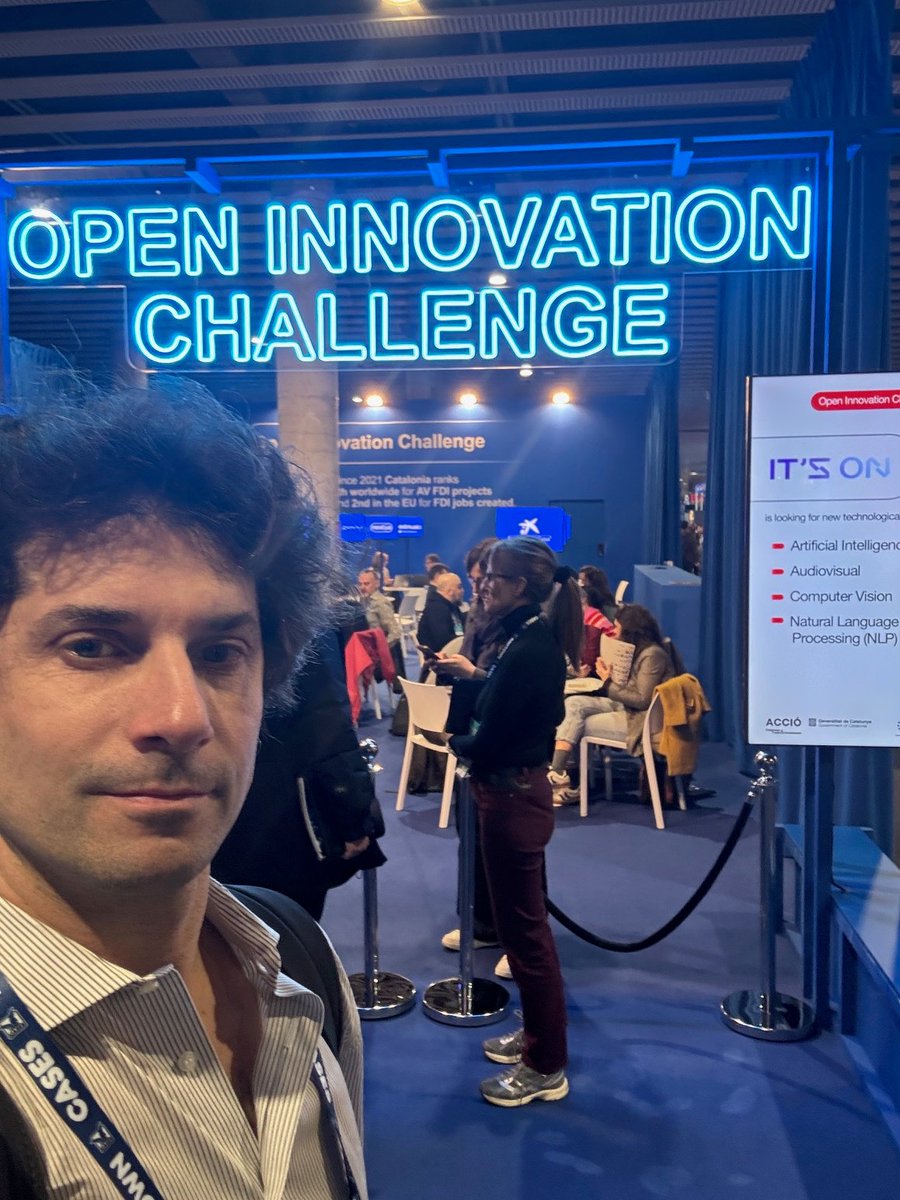
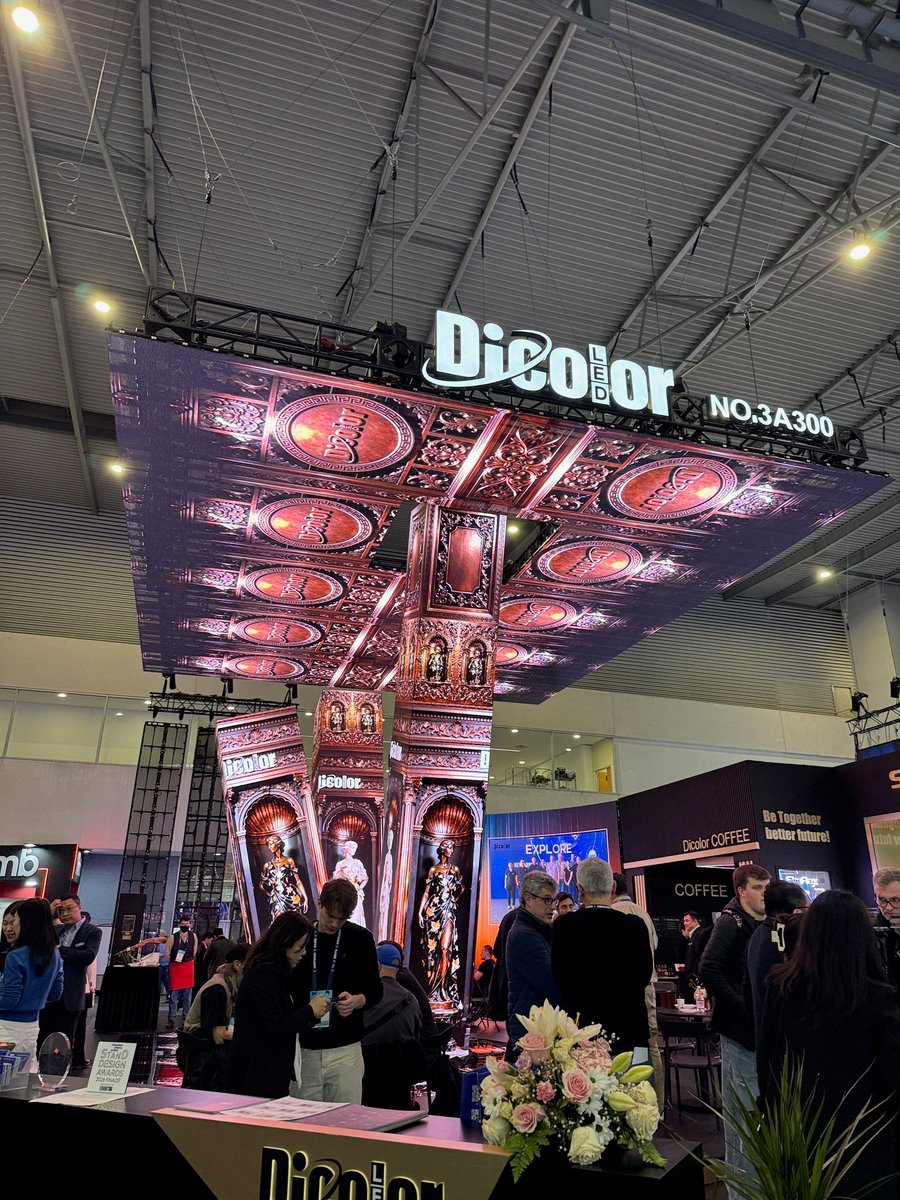
New connections, applications & ideas.
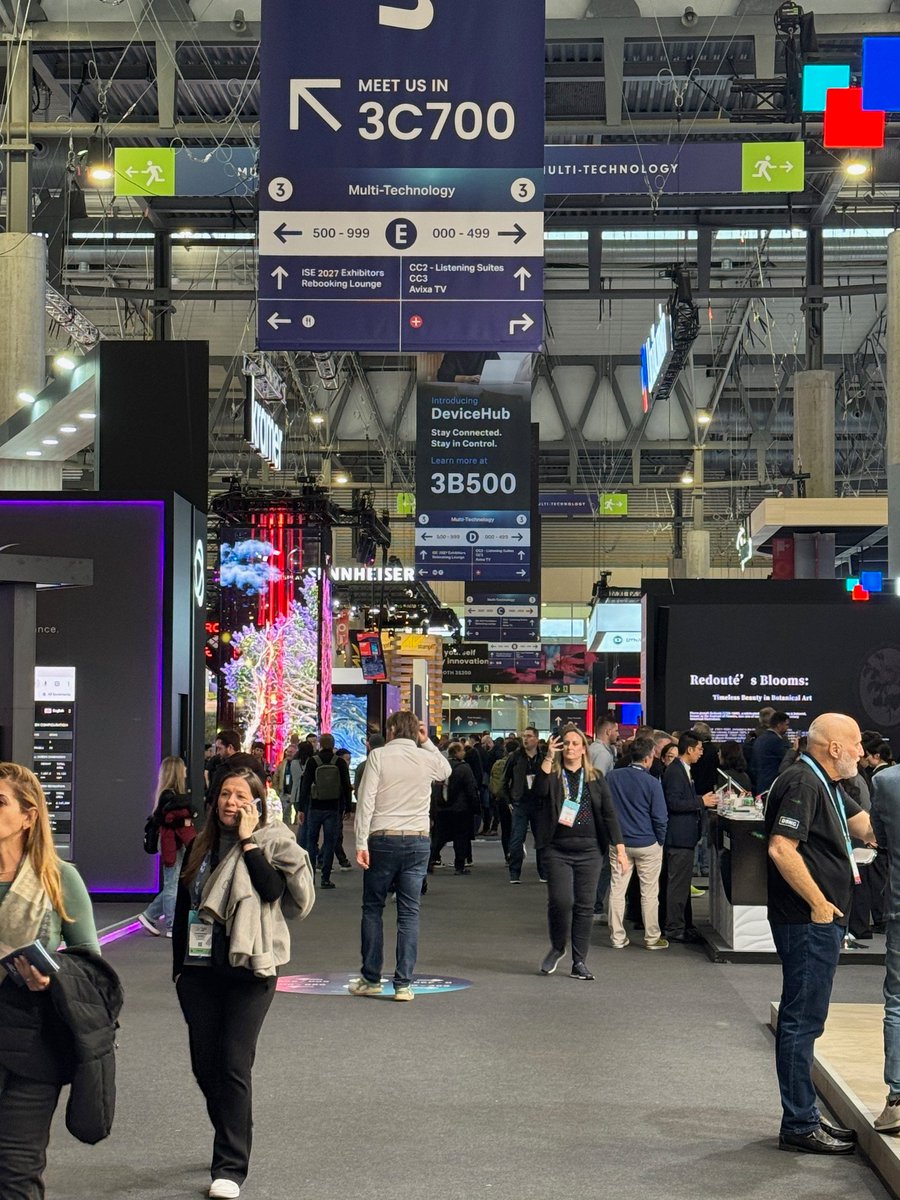
Exciting discussions with #OutdoorEntertainment and #DigitalScreen manufacturers around our #SeeBeyond technology and the newly launched #InvisibleEnergyDigitalScreen.
The future of #DOOH and #LiveEvents is #SolarPowered & #Sustainable. 🚀☀️
2
4
51
দৈনন্দিন জীবনে মোবাইল, কম্পিউটার ও ল্যাপটপের ব্যবহার অত্যন্ত গুরুত্বপূর্ণ। প্রায় প্রতিটি কাজেই এ তিনটি জিনিসের ব্যবহার ছাড়া কোনো কাজ এখন ভাবাই যায় না। স্কুল-কলেজের পড়াশুনা থেকে শুরু করে অফিশিয়াল কাজ- সবক্ষেত্রেই দীর্ঘ সময় ডিজিটাল স্ক্রিনে তাকিয়ে থাকতে হয়। এতে ধীরে ধীরে চোখ মারাত্মক ক্ষতির সম্মুখীন হয়। কিন্তু এর সমাধান কী জানেন?
বিস্তারিত : somoynews.tv/news/2026-01-30…
#healthnews #DigitalScreen #eyedamage #somoytv

1
3
622

Upgrade your customer experience with digital signage that entertains and engages your customers, from POS points to malls and busy streets, we can help you bring your space to life.
Video Credit: @AVIXA
#derivecomms
#signagescreen
#audiovisual
#tech
#digitalscreen
1
2
25

14 Nov 2025
#Hyderabad #SASItower #DOOH #DigitalScreen
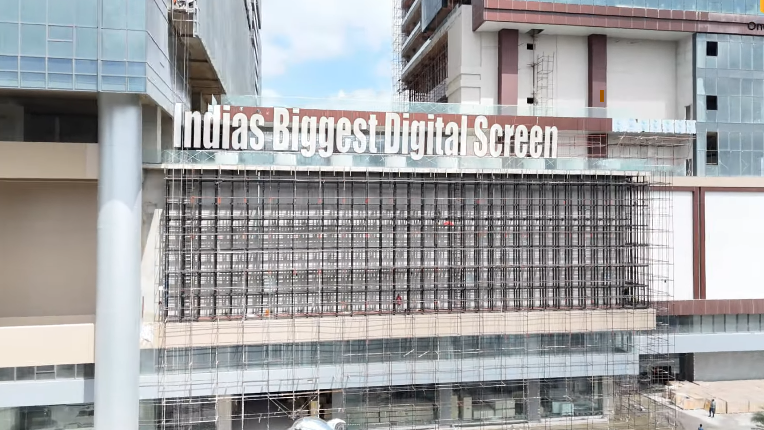
India’s biggest digital advertising screen is being installed on the SAS iTower in Hyderabad. With a huge 7639×1730 resolution, this 8K-equivalent DOOH screen is set to be absolutely massive
📷 : OneVisionDM
5
18
219
13,040

9 Oct 2025
देश में बच्चों की आंखों पर डिजिटल खतरा! विशेषज्ञों का कहना है कि रोजाना 13 घंटे मोबाइल स्क्रीन देखने के चलते 2050 तक 1 करोड़ से ज्यादा बच्चों को लग सकता है चश्मा। कोचिंग सेंटर के छात्र और छोटे बच्चे सबसे ज्यादा प्रभावित।#HealthAlert #DigitalScreen #ChildEyeCare #AjmerNews
3
146
229
566

27 Jul 2025
The Medicine Box | Why is screen addiction rising among children aged between 2 & 5?
Pediatrician Dr Nihar Parekh explains why screen addiction is increasing among kids & how children react in a conversation with @ekta_batra
#Watch: youtube.com/shorts/GtkW2_uh7…
#MedicineBox #Children #ScreenTime #DigitalScreen #OnlineContent #Addiction #Parents #CNBCTV18Digital
2
3,588
26 Jul 2025
The Medicine Box | What is virtual autism?
Dr Kamna Chhibber, Head of Mental Health at Fortis Healthcare, explains the meaning of virtual autism & how it could hinder children's ability to connect to the real world in conversation with Ekta Batra
#Watch: youtube.com/shorts/paSptvmyg…
#MedicineBox #VirtualAutism #Children #ScreenTime #DigitalScreen #OnlineContent #Addiction #Parents #CNBCTV18Digital
2
2
3,362
24 Jul 2025
The Medicine Box | What is virtual autism?
Dr Kamna Chhibber, Head of Mental Health at @fortis_hospital, explains the meaning of virtual autism & how it could hinder children's ability to connect to the real world in conversation with @ekta_batra
#MedicineBox #VirtualAutism #Children #ScreenTime #DigitalScreen #OnlineContent #Addiction #Parents #CNBCTV18Digital
1
1
1,918
24 Jul 2025
The Medicine Box | Why is screen addiction rising among children aged between 2 & 5?
Pediatrician Dr Nihar Parekh explains why screen addiction is increasing among kids & how children react in a conversation with @ekta_batra
#MedicineBox #Children #ScreenTime #DigitalScreen #OnlineContent #Addiction #Parents #CNBCTV18Digital
2
1,678
23 Jul 2025
The Medicine Box | Why is it important to keep screen time for children under the age of 2 close to zero?
Pediatrician Dr Nihar Parekh explains why parents should avoid small screens despite modern lifestyle challenges in a conversation with @ekta_batra
#MedicineBox #Children #ScreenTime #DigitalScreen #OnlineContent #DigitalAutism #Addiction #Parents #CNBCTV18Digital
1
2
6
4,674

28 Feb 2025
Tired but can't sleep? Blame blue light! It messes with your sleep, health, even cancer risk! But fear not!
ㅤ
Learn how blue light affects you & discover 3 simple hacks: Night Mode on devices, Warm incandescent bulbs, iPhone's hidden red-light mode!
ㅤ
#bluelight, #sleep, #health, #wellness, #hacks, #tips, #lifestyle, #technology#gamersleep, #digitalscreen, #melatonin, #cancerprevention, #nightmode, #incandescentbulbs, #iphonehacks
1
2
3
540