
Jun 17
. . some pilot . . plenty of weight on the drawbar and good brakes on the trailer . . pick up the other wheel from the Tyre place on his way ! 🤔🙂 #MF #TractorTrike
8
310

Jun 16
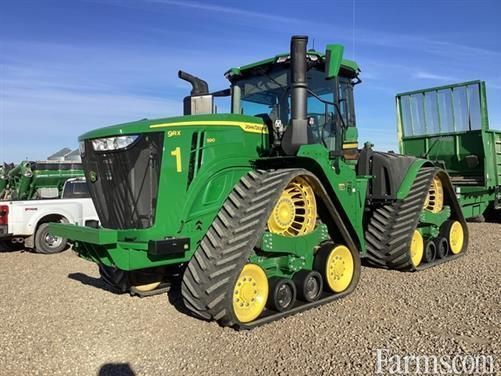
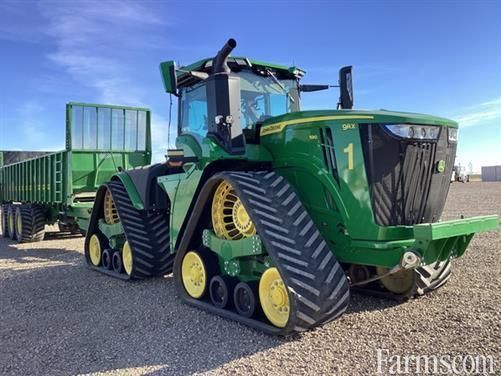
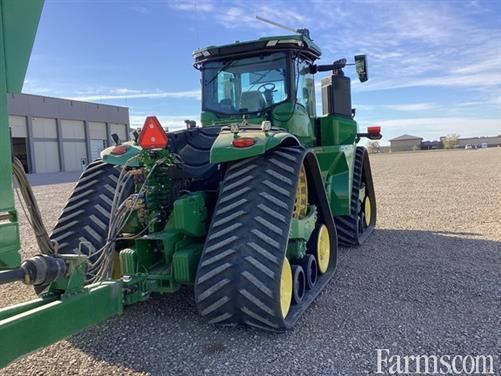
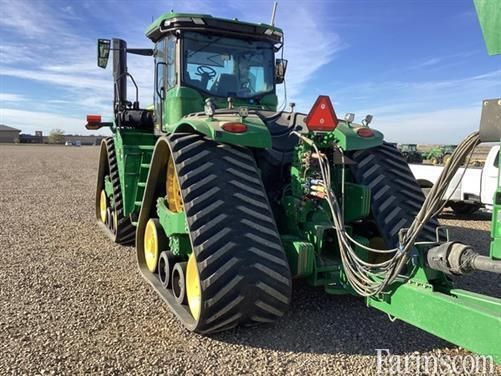
2024 John Deere 9RX 590 👇
Track tractor with narrow spacing, PTO, Power Shift E18 transmission, guidance-ready setup with receiver and display, big hydraulic pump, six rear EH SCVs, Ultimate Comfort cab suspension, Category 5 drawbar, and much more, for sale at Western Tractor
farms.com/used-farm-equipmen…
#Tractor
142

The 1150 is sporting a Perkins V-8 Diesel and 120 HP at the drawbar
She’s capable
1
1
5

Jun 16
How did you end up opening the mine cart? I want to replace the drawbar with a front coupler on it
1
47

Jun 14
Well, I will tell you…….
It doesn’t half the time so you stand on the wagon drawbar and tie them before they leave the chute!
1
2
12

Jun 14
Did you have to put a support bar on the bottom of the tractor drawbar?
1
1
26

Jun 14
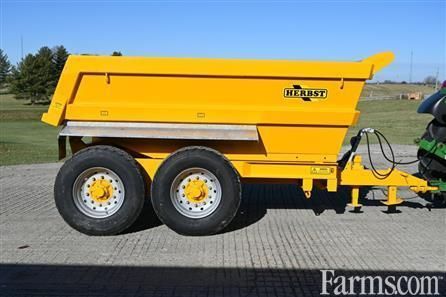
2022 Herbst 14 Ton Hi-Side 🔽
LED lights, standard tipping rams, jack leg, galvanized mud guards, rocker beam, hydraulic brakes on both axles, sprung suspension drawbar, swivel pintel hitch, and much more.
usfarmer.com/trailers/herbst…
#AgEquipment



2
874

Jun 14
New ones come with 2” ag hitches. We made a hitch that bolts on the AG drawbar after you unbolt the clevis. Works real good and better than pulling a drawbar.
2
2
127
Jun 14
I’d say the scraper too, but if you can find a 7-13yard 4 wheel they’re nicer for small projects and quicker to hookup without a drawbar swap. Maybe not quite the cutting capacity of a pan scraper but more practical I think.
1
1
627

Jun 13
Amo de paixão, o rap de wastelands e all for nothing é fora de série, fora a agressividade de Keys to the kingdom e rebeliões, minha única implicância nesse álbum é a má utilização do tom morello em drawbar
20

Jun 13
Riding in the back of pickups
Riding on the drawbar of tractors
Drinking milk that was dipped from the bulk tank on the farm
1
4
59

Jun 13
June 13, 2026
Today in History
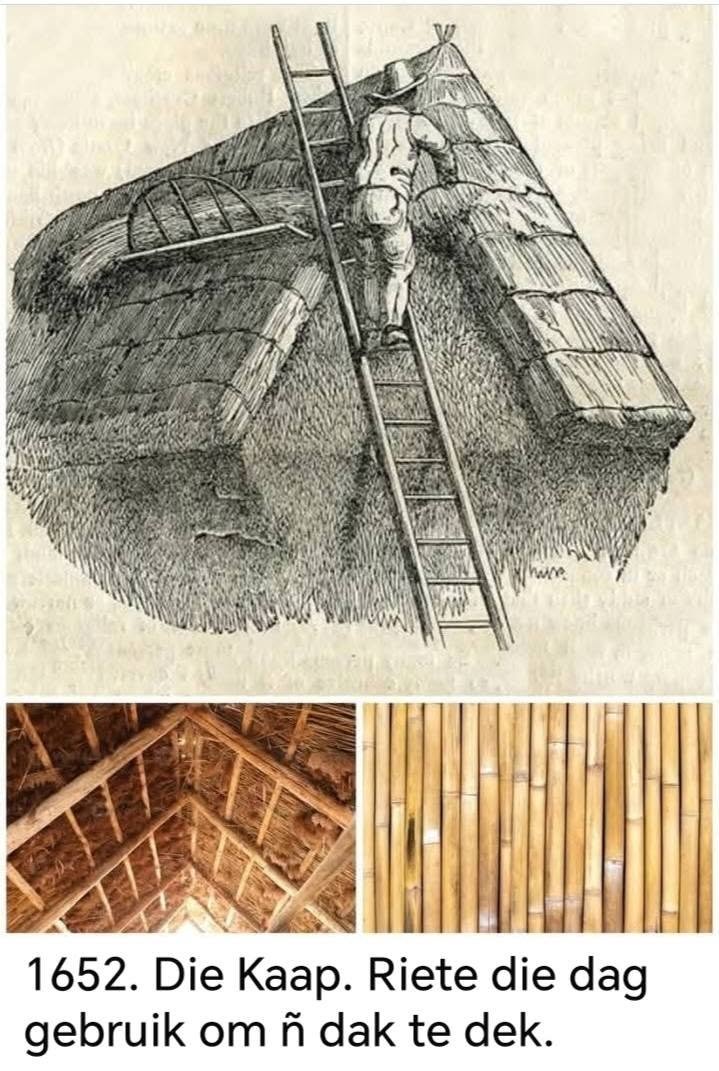
1652
From the diary of Jan van Riebeeck
The northwesterly wind continued blowing strongly as it had the previous day, and rain fell from time to time.
A man came forward and offered to construct reed roofs in a completely different way.
Van Riebeeck wrote that although the man worked slowly, his workmanship was excellent and the roof did not leak.
Van Riebeeck also noted that during the previous two days another ten men had been struck down by dysentery and fever.
1653
From the diary of Jan van Riebeeck
A beautiful sunny day with cloudy weather later in the afternoon.
Another six people were admitted to the hospital with fever and dysentery.
Van Riebeeck was deeply concerned, as it appeared that the sickness was spreading and becoming more severe.
1654
From the diary of Jan van Riebeeck
Daybreak brought a misty morning with a light breeze.
Van Riebeeck and several officials visited the galleon Tulp to inspect the provisions that had been delivered.
Sunday, June 13, 1655
From the diary of Jan van Riebeeck
Morning at the Cape brought a wonderfully beautiful, warm, and pleasant day.
1656
From the diary of Jan van Riebeeck
Daybreak at the Cape brought a cool, misty morning.
The British ship at anchor reported that seven large pieces of unbleached Indian linen had been stolen.
The linen had become wet and had been washed and laid out to dry by the sailors.
Van Riebeeck ordered an investigation.
It was discovered that some inhabitants of the fort had bribed Harry’s people with tobacco to steal the linen.
By midday, five of the pieces had been returned to the British ship. Several of Harry’s cattle were also impounded that afternoon.
Harry understood Jan’s predicament and stated that he would soon recover the remaining two pieces.
The ship’s captain thanked Van Riebeeck for his efforts.
1657
From the diary of Jan van Riebeeck
The British ship that had been anchored outside the bay came alongside the quay during the morning.
The ship was the Wilcom, commanded by Captain Wilhelm Hardgraeff.
A request for fresh water was granted, but for vegetables and meat Hardgraeff was referred to the Free Burghers.
The Wilcom carried 55 sailors and a cargo of saltpeter, pepper, and textiles.
Captain Hardgraeff dined with Van Riebeeck at the fort that evening.
Among other things, Hardgraeff mentioned that he had passed two ships en route—one from Amsterdam and the other from Rotterdam.
1658
From the diary of Jan van Riebeeck
The entries for June 12 and 13 were recorded together.
The two days were described simply as pleasant and uneventful.
No incidents were reported.
1659
From the diary of Jan van Riebeeck
The entries for June 13 and 14 were recorded together.
The weather during the period was described as pleasant, with little more than a light breeze.
1705
Adam Tas's Diary
During the arrest of Adam Tas by Governor Willem Adriaan van der Stel, Tas’s diary and writing cabinet were confiscated.
Large sections of the diary were destroyed.
The first surviving entries begin on this day.
The preserved sections describe everyday life in Stellenbosch.
1835
The Recollections of Voortrekker J.H. Hatting
Hatting wrote that Boer commandos often had to remain in the field for extended periods.
During these times, circular laagers were constructed using thorn branches.
Inside the laager, shelters made of grass (and probably branches) were built to provide protection from the elements.
Hatting noted that there were no candles available for lighting.
To make matters worse, fires were only permitted at certain times.
Anyone who lit a fire outside the prescribed times would have it immediately extinguished, regardless of whether food was being cooked.
Horses were kept inside the laager at night, and several sentries stood guard until morning.
1838
Potgieter Acquires Land
Voortrekker leader Andries Hendrik Potgieter exchanged cattle for land with the Bataung chief Makwana.
The land was situated between the Vet and Vaal Rivers.
Potgieter also guaranteed protection against Mzilikazi and the Matabele.
(The exact date of this agreement remains disputed.)
Tuesday, June 13, 1837
From the diary of Louis Trichardt
Louis wrote that there had been considerable commotion at the cattle kraal and camps the previous evening.
A large pride of lions had appeared and caused havoc.
According to Louis, the dogs attacked one of the lions.
The fight continued down toward the river before the dogs eventually returned.
Carolus then took his elephant gun and fired at one of the lions.
The diary records that one lion was wounded.
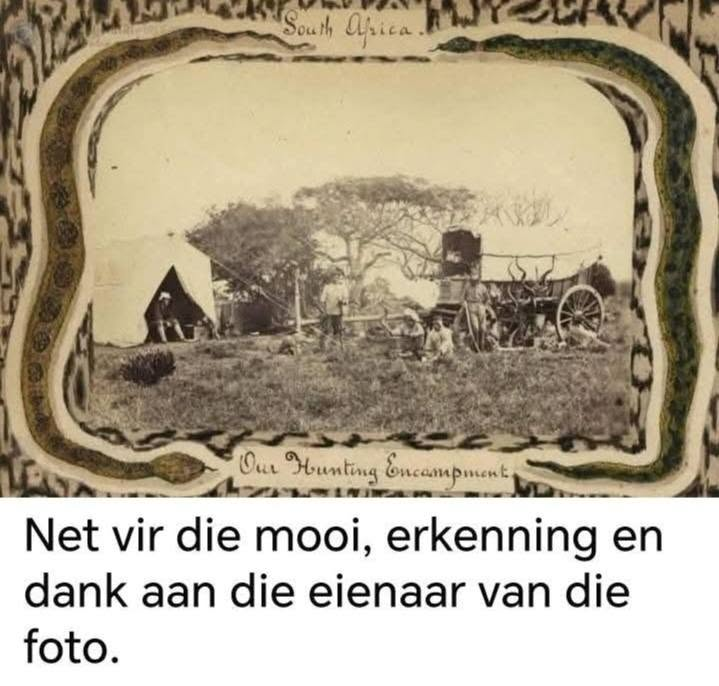
At dawn, Louis, Jan, Carolus, Pieta, and Kobus (of Miss Scheepers) went hunting for meat.
Their expectations must have been high because they took an ox with them, presumably to haul a carcass back on a drag-sledge.
Before long, Carolus shot a fine eland.
It must have been a large bull because he sent Danster to fetch a wagon and another ox.
Willem and Strijdom later arrived with the wagon.
Carolus skinned the eland, and with everyone's help the carcass was loaded and brought back to camp.
Jan decided to continue hunting and unexpectedly encountered a herd of eland.
He aimed and fired, but his rifle failed to discharge and the herd escaped.
Several explanations are possible, including a dull flint, a loose flint, or a blocked touch hole.
Meanwhile, Louis and Carolus were transporting the meat when disaster struck.
As they approached the first stream, the wagon’s drawbar snapped in two.
Pieta, Willem, and Jan remained behind with the wagon and meat while Jan borrowed Pieta’s horse and rode back to camp.
Later that evening more trouble arose.
Albach had apparently been telling people that Louis and his companions had gone out to raid a kraal and steal cattle.
Louis confronted him.
Albach replied that he had merely been joking.
Louis calmly told him to be careful, adding that he could easily have him sentenced to twenty-five lashes—not because he was angry, but simply as a joke as well.
1837
No entries were made on this day in the diary of Reverend Erasmus Smit.
Wednesday, June 13, 1838
From the diary of Reverend Erasmus Smit
Reverend Smit wrote that the laager was in great turmoil throughout the day.
Reports had been received that several Zulu spies had been seen nearby.
The reverend withdrew and prayed on his knees for divine guidance and protection.
1867
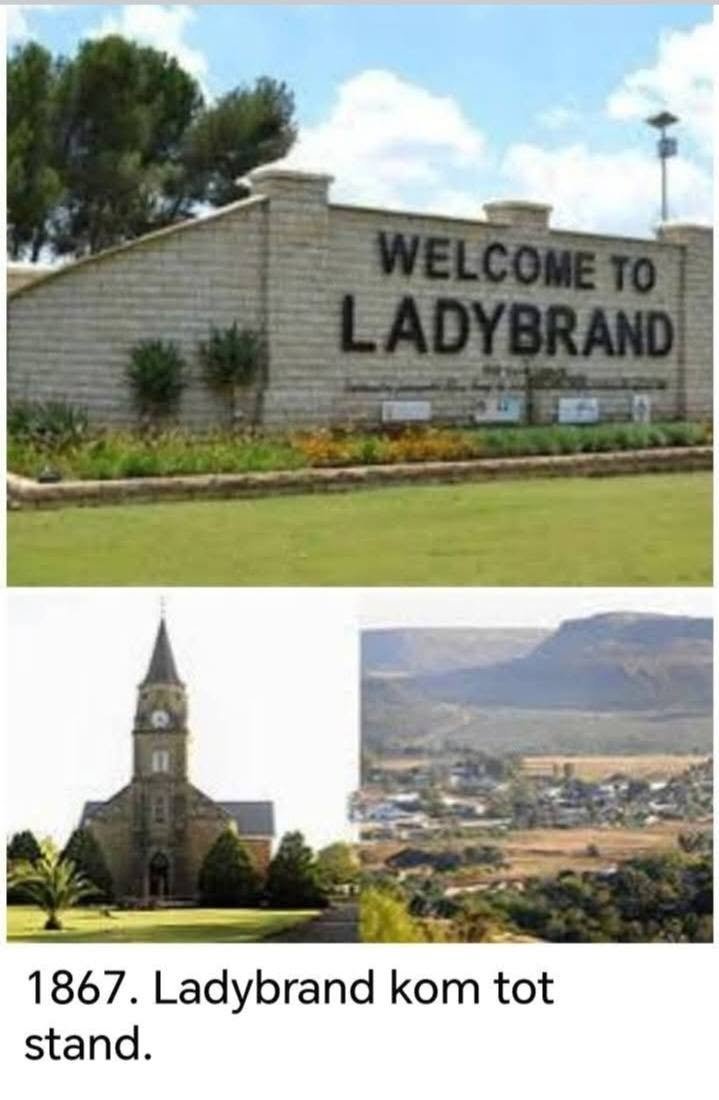
The Founding of Ladybrand
On this day, the Volksraad of the Orange Free State decided that a town should be established on the farm Mauershoek.
A proposal by F.P. Schnehage that the town be named after President Brand’s mother was accepted.
The town became known as Ladybrand.
Originally, the area formed part of Basutoland.
The districts of Ladybrand, Wepener, and Ficksburg were ceded to the Orange Free State after the Second Basotho War.
The region became known as the Conquered Territory.
This followed the Peace of Thaba Bosiu (often referred to as the Peace of Imperani) on March 26, 1866.
The peace proved short-lived and contributed to the Third Basotho War, which ended in 1868.
Ladybrand was therefore established partly as a buffer settlement against Basotho incursions.
Farms were allocated on the condition that they be permanently occupied and that owners remain ready for commando service when required.
1883
Jan Roeland Georg Luttig addressed Parliament in Cape Town in Dutch for the first time.
Wednesday, June 13, 1900
Anglo-Boer War – Day 246
Reverend Paul H. Roux was appointed a general by President M.T. Steyn, replacing General A.J. de Villiers, who had been wounded.
Lord Roberts was astonished that General Louis Botha had abandoned the Donkerhoek positions. Nevertheless, he remained cautious and ordered General French to withdraw to Sammy Marks’s farm, Christinen Hill.
General Lyttelton occupied Wakkerstroom without resistance, and 192 burghers surrendered.
General Froneman surprised a British camp at Leeuspruit and captured 58 British soldiers. He then burned the repaired wooden bridge across the river
Thursday, June 13, 1901
Anglo-Boer War – Day 611
E.B. Sargant, superintendent of concentration camp schools in the Orange River Colony and Transvaal, wrote a private letter to Lord Milner. He argued that children in the camps should be taught English and encouraged to become loyal British subjects, believing this would benefit Britain in the long term.
Ten of General Manie Maritz’s scouts were surprised by British forces at Middelkraal between Brandvlei and Calvinia. Three men were killed and four wounded before Maritz arrived with reinforcements.
1922
Stephanus Petrus Daniël Le Roux Born
Better known as Etienne Leroux, he became one of South Africa’s most celebrated—and sometimes controversial—authors.
Among his best-known works are:
Seven Days at the Silbersteins
Magersfontein, O Magersfontein
2
14
559
Jun 12
2022 Herbst 14 Ton Hi-Side 🔽
Hydraulic brakes on both axles, rocker beam, galvanized mud guards, jack leg, standard tipping rams, LED lights, swivel pintel hitch, sprung suspension drawbar, and much more.
usfarmer.com/trailers/herbst…
#Implements


2
711

there's a part in this song where you can hear him fuck with his organ, idk if if he's pulling a drawbar or just turning a knob but either way it's fucking awesome
open.spotify.com/track/6OgFT…
1
43

Jun 11
Helped drive my dad's 143 Scania on a trip to italy and back in early 2000s. I drove Mercedes 1644 road train and F12 drawbar. Tried one with geartronic gearbox once, ok but preferred manual. Boss stripped all trucks of it after issues with limp mode problems.
1
17
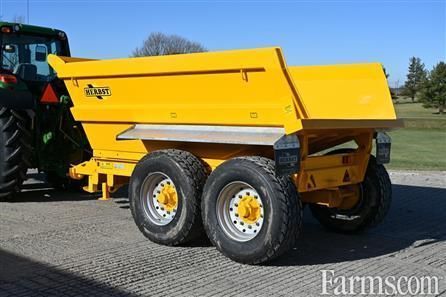
2022 Herbst 14 Ton Hi-Side 🔽
Swivel pintel hitch, sprung suspension drawbar, hydraulic brakes on both axles, rocker beam, galvanized mud guards, jack leg, standard tipping rams, LED lights, and much more.
usfarmer.com/trailers/herbst…
#FarmEquipment


1
952

Horsepower is also heading your way on July 19 Kenny.
x.com/MoniakJohn/status/2064…
Big Boy No. 4014 has a power output of 8,157 horsepower at the cylinder and between 6,290 to 7,000 horsepower at the drawbar.

1
2
161


Jun 6
That’s a drawbar slot to insert a drawbar on the door and prevent a forcible opening.
Common across India on doors in olden days.
14
942

Jun 5
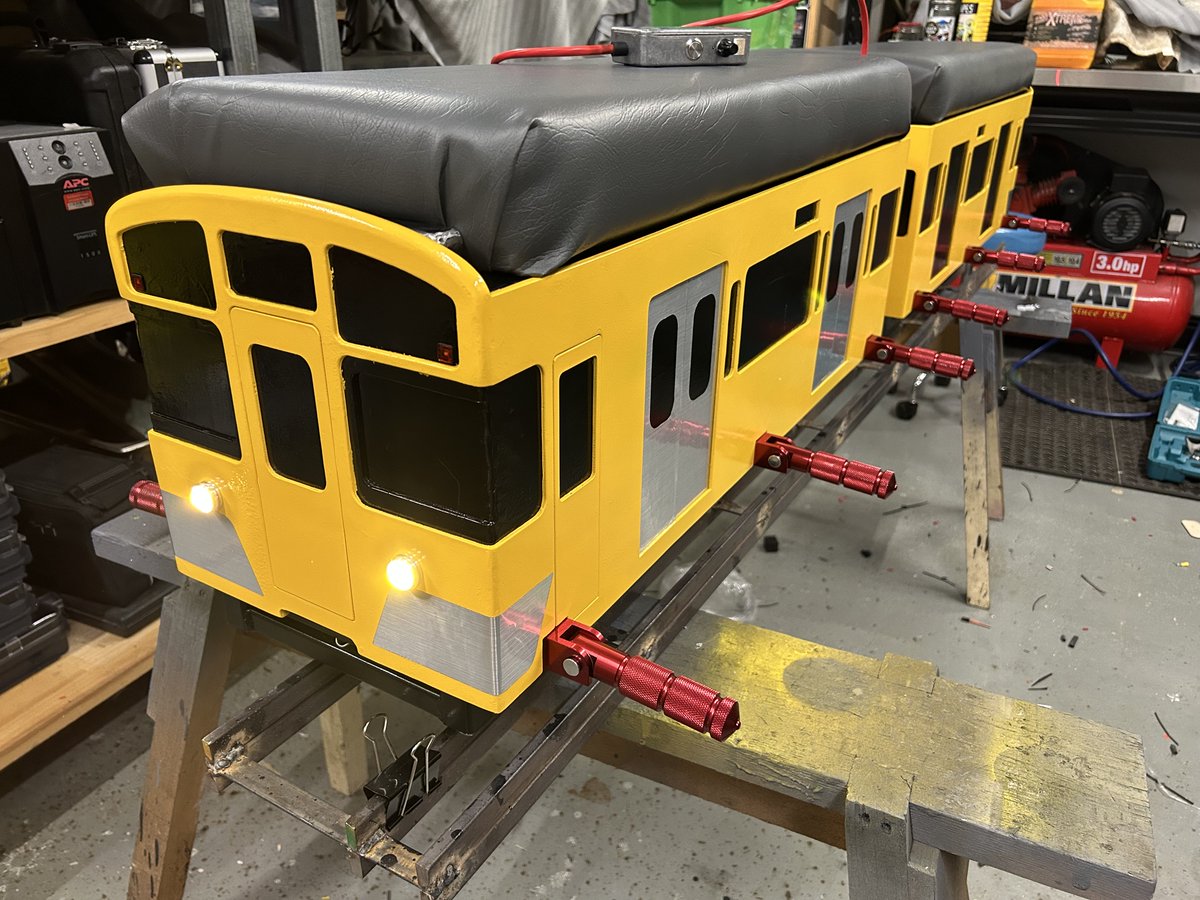
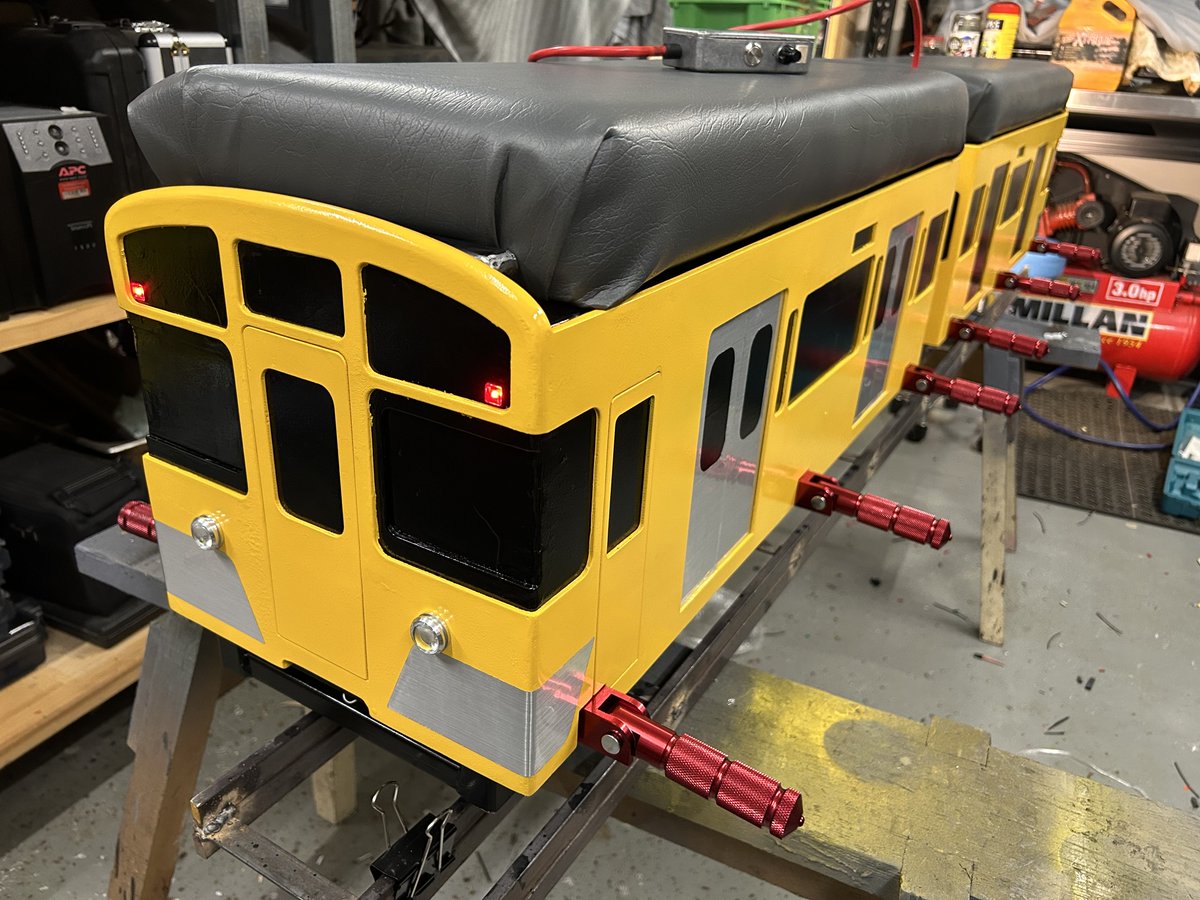
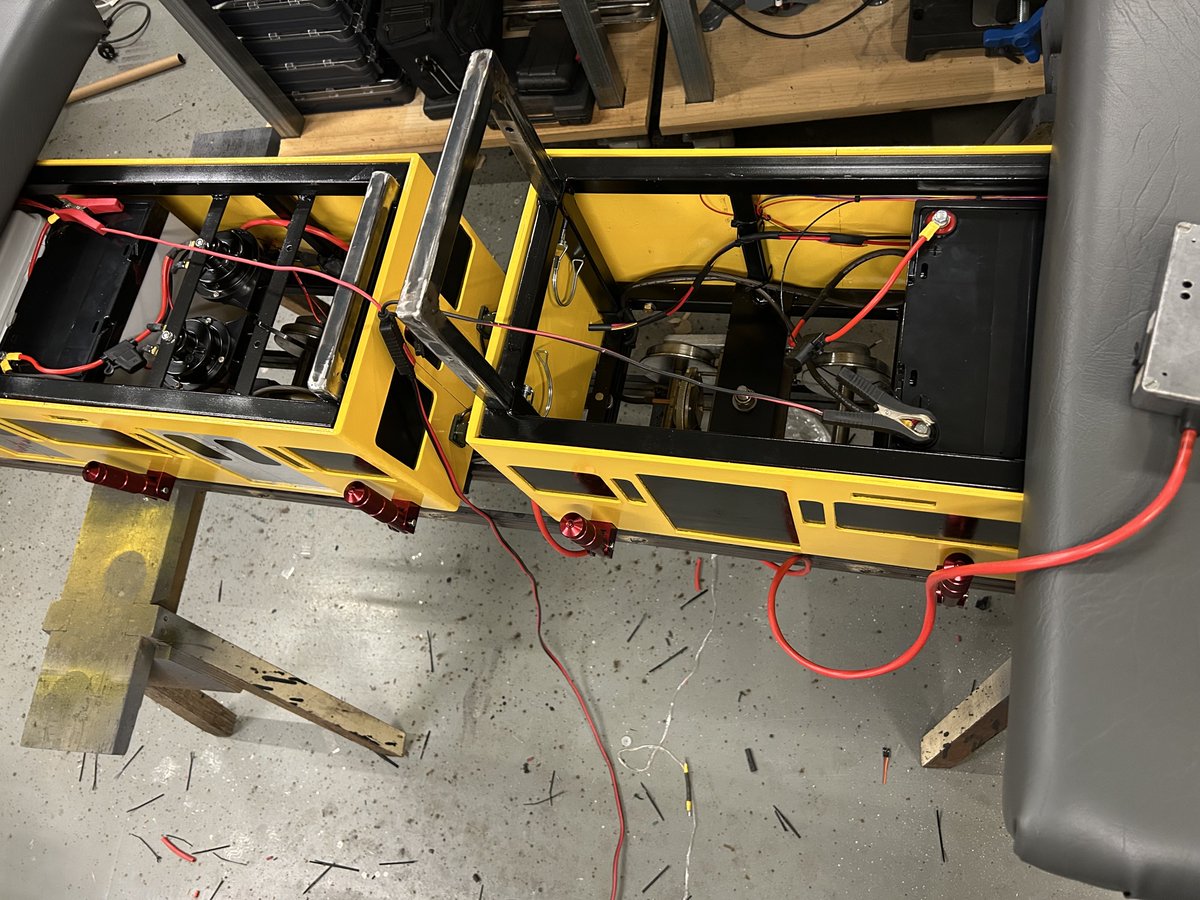
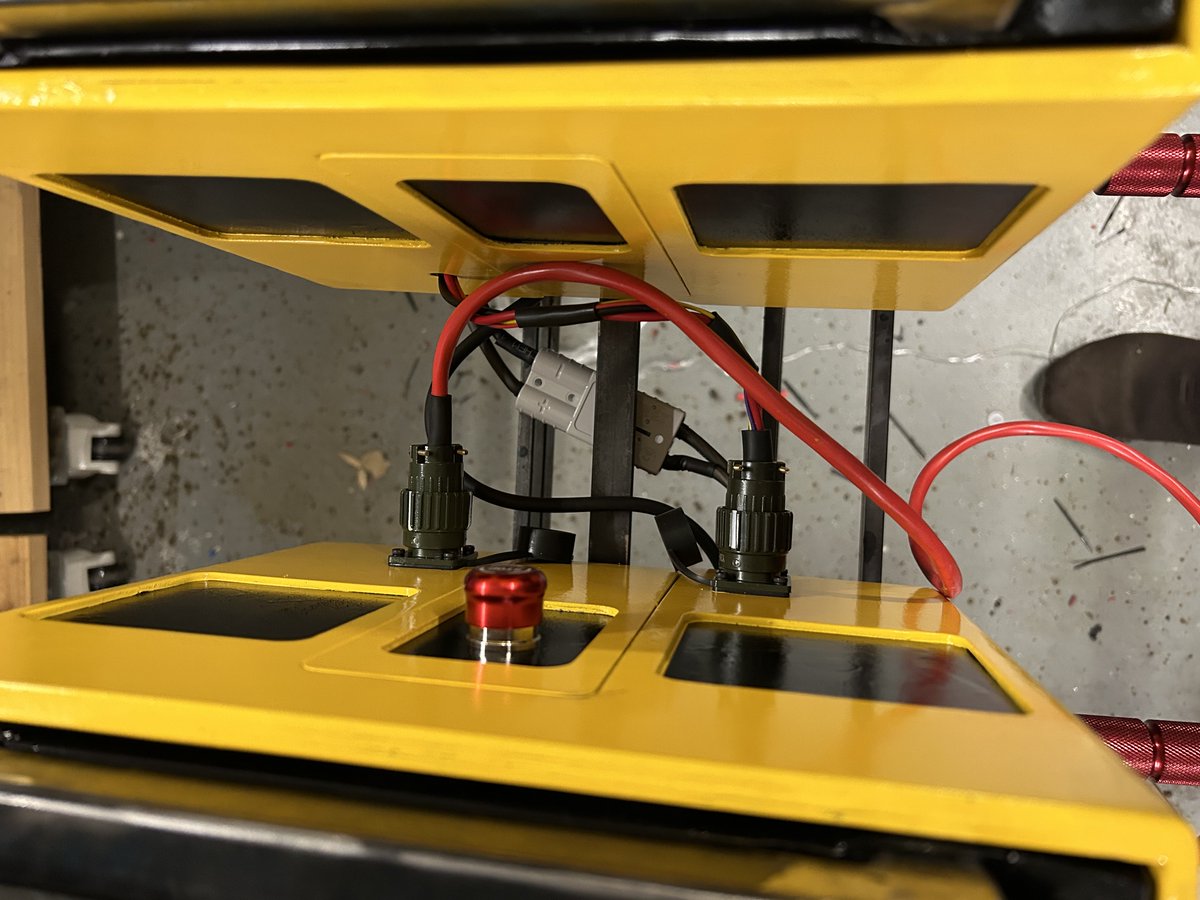
Day 17 of the Seibu 9000 B-Train Shorty build.
It is finished! Redid the power isolation and found the gremlin - a ground loop via the master relay. Wired in the Arduino and updated the code for the extra relay control. Made the wiring loom for the hand controller and somehow managed to pin it out and solder it all correctly on the first try?! It’s currently on charge and my charger wire just fits with the drawbar. Decals on the front and back but I only cut enough doors for one motor car…whoops! That’s a job for once the workshop is tidy. Quick test on the track in the morning then off to the rally. Let’s see if I can do more than one lap!
Thank you all for the encouragement. It’s been nice to see the fellow model engineers enjoying the build progress.
2
5
109