
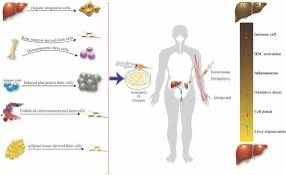
The primary sources for human stem cell therapy include adult tissues (bone marrow, fat, and blood), perinatal tissues (umbilical cord and placenta), embryonic blastocysts, and genetically reprogrammed adult somatic cells.
The choice of source determines the potency of the cells (their ability to differentiate into other cell types) and dictates whether a therapy is autologous (using the patient's own cells) or allogeneic (using cells from a donor).
1. Adult Stem Cells (ASCs)
Adult stem cells are multipotent, meaning they can differentiate into a limited range of cell types native to their tissue of origin. They are heavily utilized because they can be collected directly from the patient, eliminating the risk of immune rejection.
•Bone Marrow: The traditional source of hematopoietic (blood-forming) stem cells. Extracted via a needle from flat bones (like the hip) under sedation, it is primarily used to treat leukemia and lymphoma.
•Peripheral Blood: Stem cells can be mobilized from the bone marrow into the bloodstream using medication, then collected via a routine blood draw (apheresis).
•Adipose Tissue (Fat): Collected via liposuction, fat tissue is highly valued because it contains an abundant supply of mesenchymal stem cells (MSCs) and requires a less invasive extraction process than bone marrow.
2. Perinatal Stem Cells
Perinatal stem cells are harvested immediately after birth from tissues that are normally discarded as medical waste. This makes them a completely painless and non-invasive alternative.
•Umbilical Cord Blood & Tissue: Rich in both hematopoietic and mesenchymal stem cells. Families often freeze this tissue in private or public cord banks for potential future medical treatments.
•Placental & Amniotic Tissue: The placenta and amniotic fluid contain highly versatile cells that have strong anti-inflammatory properties and a lower risk of causing graft-versus-host disease compared to adult donor tissue.
3. Induced Pluripotent Stem Cells (iPSCs)
Discovered in 2006, iPSCs represent a massive leap in regenerative medicine.
•The Process: Scientists take mature adult cells (such as skin fibroblasts or blood cells) and use specific genetic transcription factors to reprogram them back into an embryonic-like state.
•The Benefit: They are pluripotent, meaning they can divide indefinitely and transform into any of the 200 cell types in the human body. Because they use a patient's own cells, they bypass both the ethical concerns of using embryos and the clinical risk of tissue rejection.
4. Embryonic Stem Cells (ESCs)
Isolated from the inner cell mass of a 4-to-5-day-old blastocyst, these cells are naturally pluripotent. [1, 2]
•The Application: Because they can become any cell type (such as neurons or heart muscle cells), they are invaluable for laboratory disease modeling and drug discovery.
•The Limitations: Their extraction results in the destruction of the embryo, making them highly controversial. In clinical therapy, they are tightly regulated by bodies like the National Institutes of Health (NIH) and carry a risk of immune rejection if not perfectly matched.
27

18h
iPSCs are essentially equivalent to ESCs, capable of unlimited proliferation and differentiation into all cell types. The problem is that differentiated cells derived from either PSCs or ESCs will be eliminated by the immune system, making them impractical for regenerative therapy.
116

No, they werent. They're basic quadcopters with video transmitters. They have been built in homebrew configurations for well over a decade with simple flight controllers and ESCs
1
1
43

Jun 15
This is just your constant reality if you like any of the pre-2000s ESCs
Jun 14

bitches will say sum shit like ‘what’s your favorite esc entry of all time?’
mine isn’t even on spotify or apple music to stream 😭😭
2
40

Essa é a bateria da ESCS no intermed? Não acompanho muito

30
2,685


Lithium-polymer batteries (Li-Po): 70-80% of global drone batteries are manufactured in China (CATL, BYD, ATL, etc.).
Features: High discharge rate, lightweight, and inexpensive; US-developed batteries of the same level cost 2-4 times more.
Hornet: Range approximately 150 km, endurance 1-1.5 hours, requires high-energy-density lithium batteries, almost certainly Chinese cells/modules.
Brushless motors ESCs: The core of the motor is rare-earth neodymium iron boron magnets: China accounts for 85-90% of global production capacity.
Low-cost military/suicide drones: Extensively use external rotor brushless motors ESCs from Chinese companies like DJI, Langyu, and Yinyan.
US assessment: The motor is "extremely difficult to replace," and the US has almost no low-cost civilian production capacity.
Flight Control Core Board (MCU Inertial Sensors)
Main Control MCU: Mostly STM32 (28–72 nm), with wafer fabrication/packaging largely done in China/Taiwan.
Inertial Measurement Unit (IMU: Gyroscope Accelerometer): 90% of low-to-mid-range MEMS are manufactured/packaged in China.
Public reports: The vast majority of drones on the US "Blue List" certification were disqualified because they used Chinese IMUs/MCUs.
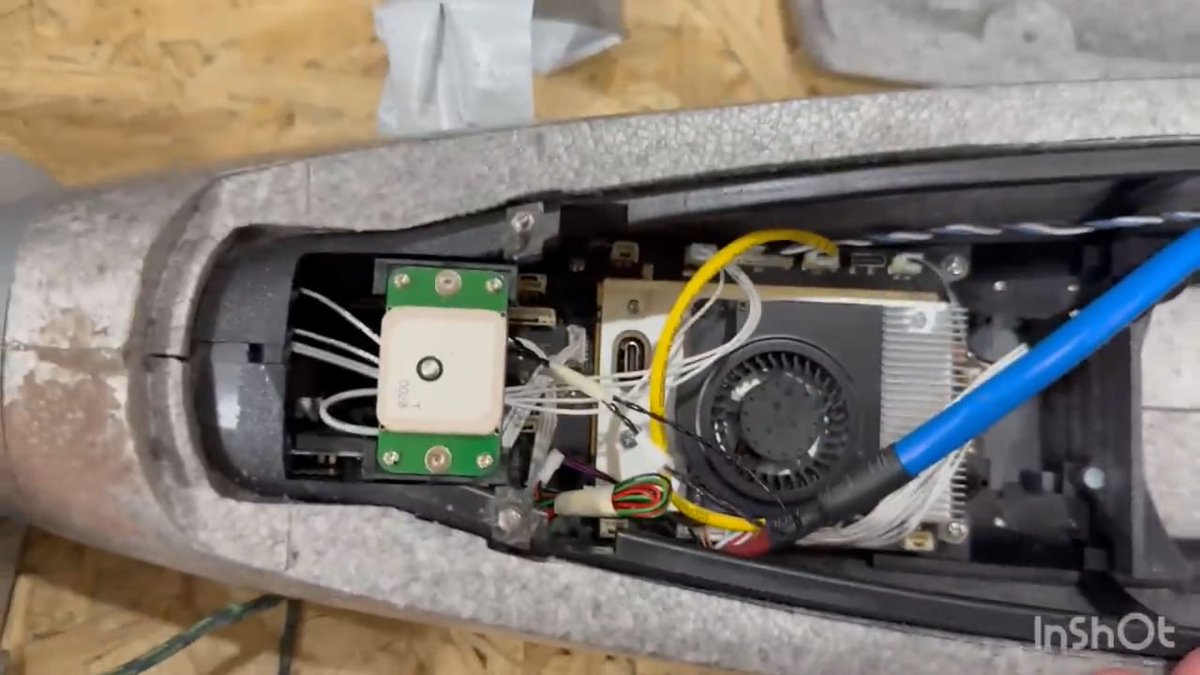
Hornet: Uses an integrated single-board flight control system (Russian teardown analysis), highly integrated, making it extremely difficult to completely avoid Chinese components.
GPS/BeiDou/GLONASS Positioning Modules
A large portion of inexpensive navigation modules (such as the U-blox series) are assembled and tested in China.
Even with US chips, the modules and peripheral circuits are mostly manufactured in China.
Camera/Image Transmission (Analog/Digital)
Lens assembly, CMOS packaging, image transmission modules: China accounts for over 70% of global production capacity.
Hornet: Dual front-facing cameras (day/night) video feedback; these modules are almost all made in China for drones in the same price range.
Connectors, ribbon cables, passive components (resistors/capacitors/inductors)
Basic electronic components: China is the world's largest production base, with a significant cost advantage.
Body materials (auxiliary)
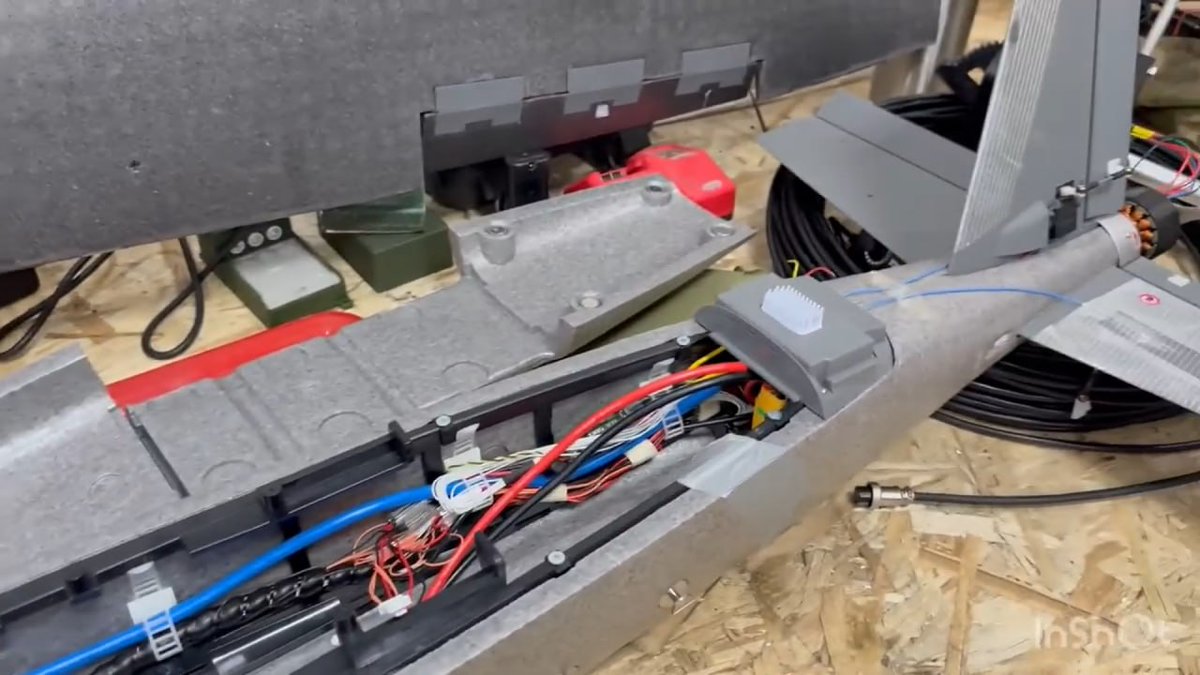
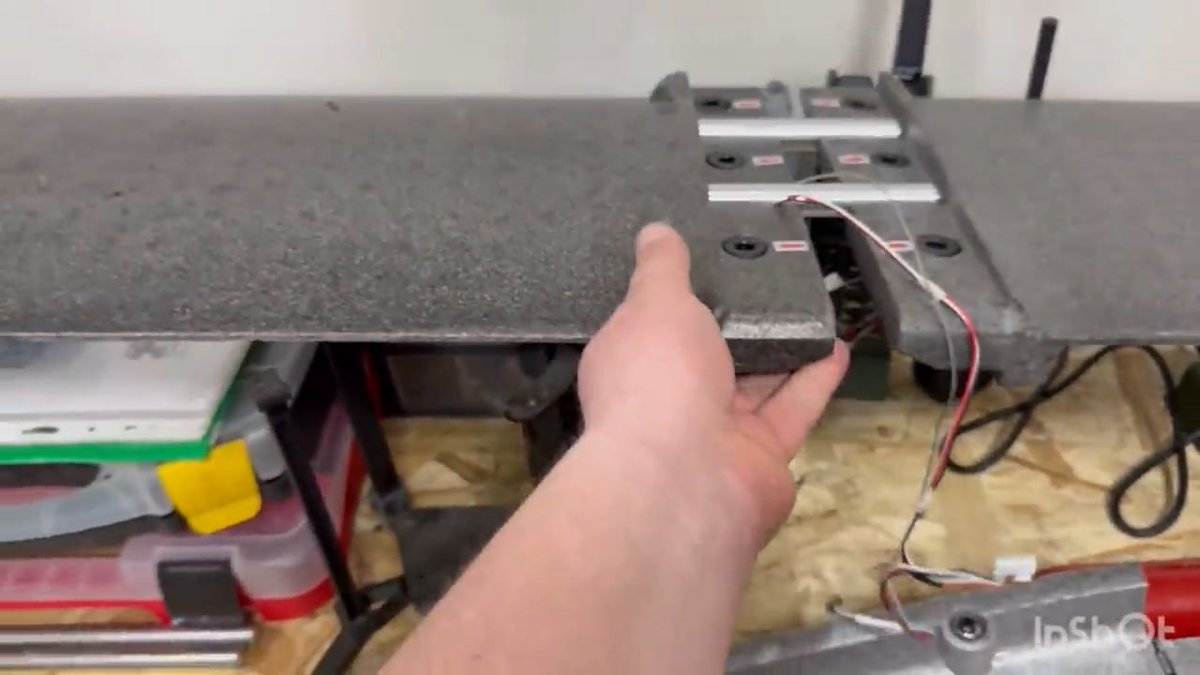
The Hornet's main body is made of polystyrene foam carbon fiber/glass fiber composite materials.
Carbon fiber: China accounts for approximately 30% of global production capacity, offering a significant price advantage for civilian-grade products.
Jun 14

Przechwycony egzemplarz amerykańskiego drona uderzeniowego Hornet pokazuje coś ważniejszego niż samą konstrukcję. Pokazuje zmianę sposobu walki z logistyką.
Hornet jest opisywany jako niewielki, płatowcowy dron uderzeniowy średniego zasięgu, wykorzystywany przez Ukraińców do ataków na rosyjskie pojazdy, transport paliwa i ruch logistyczny na zapleczu frontu. W źródłach pojawia się zakres 50–150 km, ale tę liczbę trzeba traktować ostrożnie. Przy masie rzędu 15 kg, głowicy około 4–5 kg, rozpiętości około 2,2 m i prędkości przelotowej około 100–120 km/h, wartość 150 km wygląda raczej na górną granicę w bardzo korzystnym profilu lotu, a nie na pewny, powtarzalny promień bojowy przy klasycznym starcie z ziemi.
To zastrzeżenie jest istotne, bo w ostatnich dniach pojawiły się informacje o testach Horneta wynoszonego przez balon/aerostat na wysokość około 8–8,25 km. Po wypuszczeniu dron miał przelecieć szybowaniem około 42 km i zachować większość energii w akumulatorze. Taki profil całkowicie zmienia rachunek zasięgu, bo platforma nie zużywa energii na start, wznoszenie i długi lot w gęstym powietrzu przy ziemi. Dopiero w takim wariancie wartości rzędu 150 km i więcej zaczynają wyglądać technicznie wiarygodniej.
Z materiałów rosyjskich i ukraińskich wynika, że Hornet ma dwie kamery, jedną skierowaną do przodu, drugą w dół. Ten układ sugeruje nie tylko klasyczne naprowadzanie na cel, ale też wsparcie orientacji terenowej i pracy algorytmów wizyjnych. To ważne w środowisku, gdzie GPS może być zakłócany, a sam lot do celu nie może opierać się wyłącznie na zwykłej nawigacji satelitarnej.
Najważniejszy wniosek nie dotyczy więc samej liczby kilometrów. Hornet wypełnia lukę między klasycznym FPV a dużymi dronami dalekiego zasięgu. FPV działa głównie w pobliżu linii styczności. Duże drony uderzają w cele strategiczne, rafinerie, składy, zakłady przemysłowe. Hornet i podobne platformy pracują pośrodku, czyli tam, gdzie znajduje się realny krwiobieg armii: drogi, cysterny, ciężarówki, punkty przeładunkowe, warsztaty, mosty i zaplecze brygad.
To jest właśnie sens ukraińskiej kampanii „middle strike”. Guardian opisuje działania przeciwko rosyjskiej trasie R-280, nazywanej już „highway of death”, jako systematyczne uderzenia na logistykę na głębokości około 20–200 km za frontem. Ukraińcy twierdzą, że na wybranych odcinkach ruch wojskowych ładunków spadł nawet o 71% w ciągu dwóch tygodni. Tę liczbę trzeba traktować jako deklarację strony walczącej, ale sam trend jest spójny z innymi doniesieniami: rosyjskie zaplecze staje się coraz mniej bezpieczne.
Dlatego Hornet nie powinien być opisywany jako „kolejny dron kamikaze”. To element szerszego modelu: tania lub relatywnie tania amunicja krążąca średniego zasięgu, wsparta obserwacją, algorytmami wizyjnymi, łącznością i rozpoznaniem tras. Jej zadaniem nie jest jednorazowy efekt medialny, ale systematyczne duszenie ruchu logistycznego.
Dla wojsk lądowych to poważna lekcja. Współczesna logistyka nie może zakładać, że 50 czy 100 km od frontu zaczyna się bezpieczne zaplecze. Ochrona konwojów, rozproszenie, maskowanie, mobilne C-UAS, kontrola emisji elektromagnetycznej, obserwacja tras i szybka zmiana korytarzy ruchu stają się tak samo ważne jak same pojazdy i magazyny.
Hornet pokazuje więc nie tylko nową platformę, ale nowy problem operacyjny. Zaplecze przestaje być zapleczem. Staje się częścią pola walki.
5
9
957
Lithium-polymer batteries (Li-Po): 70-80% of global drone batteries are manufactured in China (CATL, BYD, ATL, etc.).
Features: High discharge rate, lightweight, and inexpensive; US-developed batteries of the same level cost 2-4 times more.
Hornet: Range approximately 150 km, endurance 1-1.5 hours, requires high-energy-density lithium batteries, almost certainly Chinese cells/modules.
Brushless motors ESCs: The core of the motor is rare-earth neodymium iron boron magnets: China accounts for 85-90% of global production capacity.
Low-cost military/suicide drones: Extensively use external rotor brushless motors ESCs from Chinese companies like DJI, Langyu, and Yinyan.
US assessment: The motor is "extremely difficult to replace," and the US has almost no low-cost civilian production capacity.
Flight Control Core Board (MCU Inertial Sensors)
Main Control MCU: Mostly STM32 (28–72 nm), with wafer fabrication/packaging largely done in China/Taiwan.
Inertial Measurement Unit (IMU: Gyroscope Accelerometer): 90% of low-to-mid-range MEMS are manufactured/packaged in China.
Public reports: The vast majority of drones on the US "Blue List" certification were disqualified because they used Chinese IMUs/MCUs.
Hornet: Uses an integrated single-board flight control system (Russian teardown analysis), highly integrated, making it extremely difficult to completely avoid Chinese components.
GPS/BeiDou/GLONASS Positioning Modules
A large portion of inexpensive navigation modules (such as the U-blox series) are assembled and tested in China.
Even with US chips, the modules and peripheral circuits are mostly manufactured in China.
Camera/Image Transmission (Analog/Digital)
Lens assembly, CMOS packaging, image transmission modules: China accounts for over 70% of global production capacity.
Hornet: Dual front-facing cameras (day/night) video feedback; these modules are almost all made in China for drones in the same price range.
Connectors, ribbon cables, passive components (resistors/capacitors/inductors)
Basic electronic components: China is the world's largest production base, with a significant cost advantage.
Body materials (auxiliary)
The Hornet's main body is made of polystyrene foam carbon fiber/glass fiber composite materials.
Carbon fiber: China accounts for approximately 30% of global production capacity, offering a significant price advantage for civilian-grade products.
1
9
959
Global drones (including those from Israel, Turkey, Iran, Syria, and Russia) almost universally rely on Chinese-made civilian/general-purpose components:
Lithium batteries, brushless motors, ESCs, chargers
Common capacitors, resistors, diodes, MOSFETs
Connectors, cables, carbon fiber materials for the drone arms/frames
Some civilian cameras, GPS modules
Jun 13

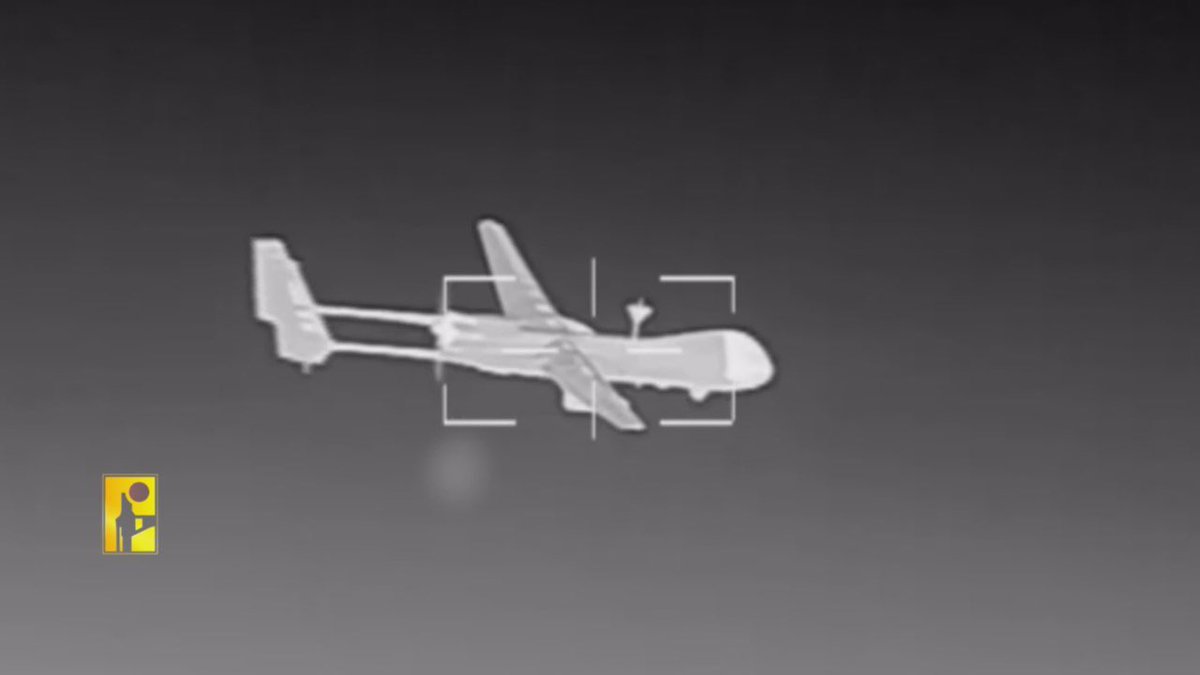
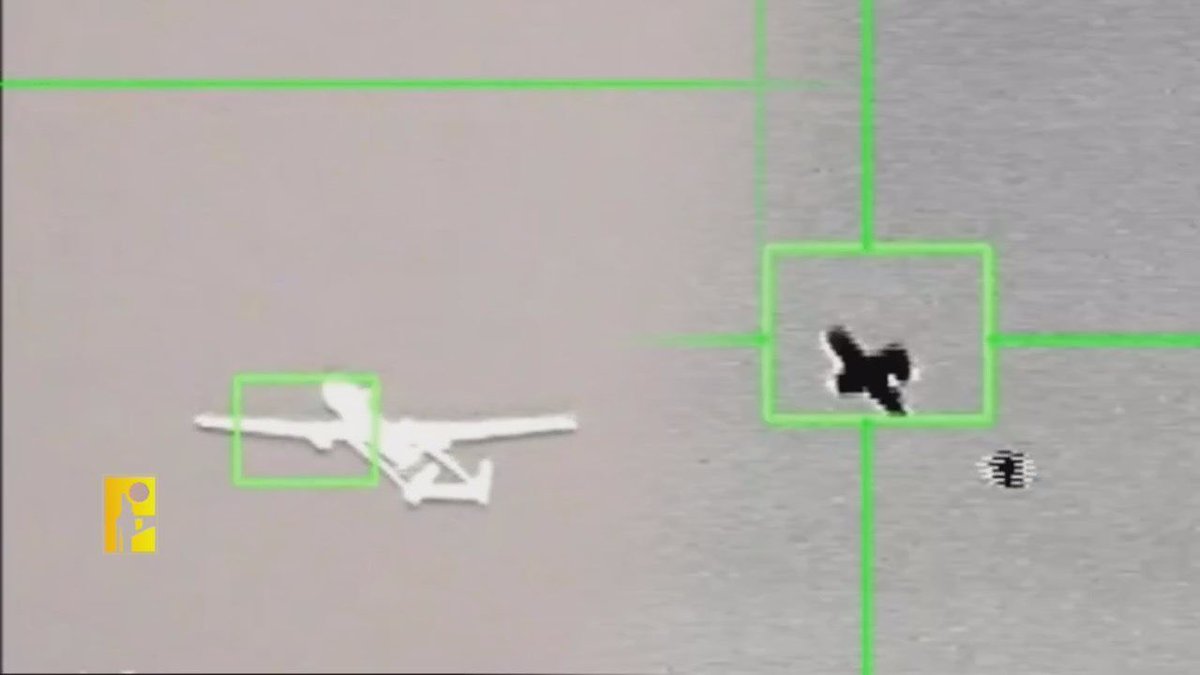
Lebanon’s Hezbollah released footage showing the destruction of an Israeli Heron-1 reconnaissance/strike drone using an Iranian 358 loitering anti-air missile.
21
1,803


Jun 12
u do realize current moments will eventually become history and the fact we’re historically better is because we’ve had MORE of those moments? congrats on being better in 2025 and 2026 while still having less la ligas, UCLs, ESCs, CWCs and no club of the century award lol
2
11

HOBBYWING details how its H15MD and H15MD Plus coaxial integrated propulsion systems feature dual-channel temperature monitoring for motors and ESCs, with real-time data transmission via CAN protocol.
Read more: hubs.la/Q04l0NHK0
1
160


cerna_raro retweeted

Y la mierda de policias haciéndoles el juego en contra de su propio pueblo como si escs mal nacidxs no fueran parte de el mismo. Asco me dan esos uniformadxs.
10
36
517

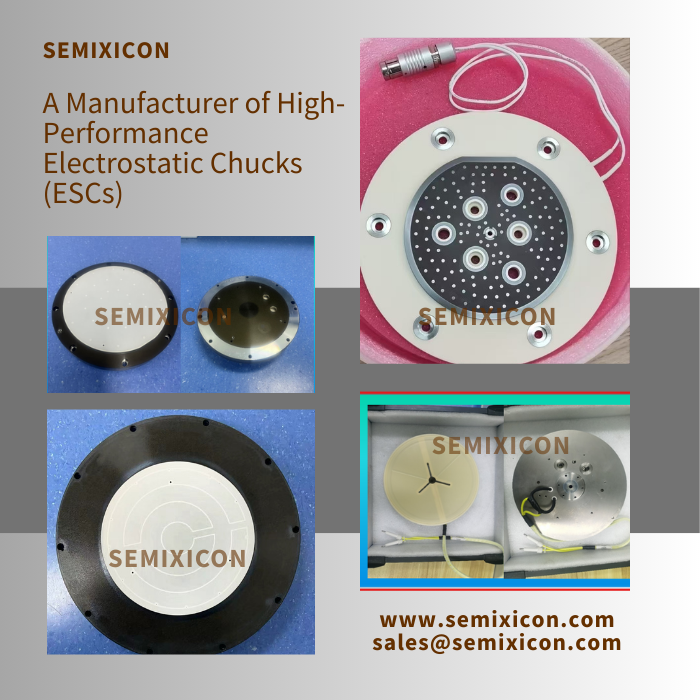
SEMIXICON A Manufacturer of High-Performance Electrostatic Chucks (ESCs)
semixicon.com
#ElectrostaticChuck #ESC #WaferClamping #SemiconductorFabrication #ALD #PECVD #PlasmaEtching #DryEtch #JohnsenRahbek #coulombic
#SemiconductorManufacturing #VacuumChamber
1
14