Richard Ramsingh retweeted

May 19
"Is a napkin drawing enough?"
What do we actually need from endorobotics?
A room of GI, surgeons, engineers, industry international faculty (Japan, Korea, China, Saudi Arabia). Sept 24, Cleveland. Half-day before CADEC.
clevelandclinicmeded.com/liv…
@matthew_kroh @cheryl_dimattia @RitaRys1

3
4
569

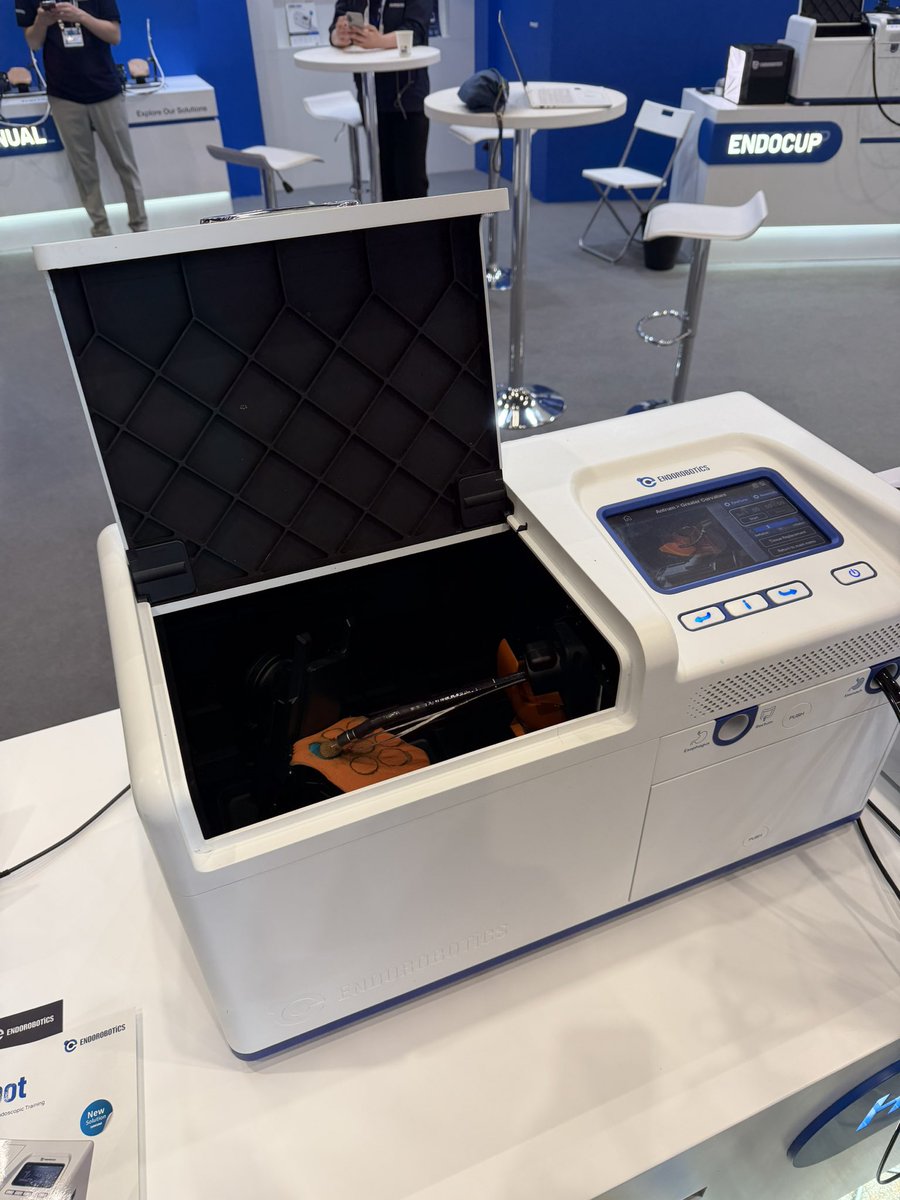
🤖 Training in GI endoscopy keeps evolving.
🔥The EndoCutbot by EndoRobotics makes hands-on practice more accessible, standardized and realistic than ever before 🔬 #ESGEDays2026
#Endoscopy #GiTwitter #MedEd @ESGE_news
1
8
12
721

May 16
This looks like ROSE Platform (Robot for Surgical Endoscope) by EndoRobotics (South Korea).
The system is a robotic add-on platform designed to convert a standard diagnostic/therapeutic endoscope into a more capable surgical tool without replacing the entire endoscope.
Key Features:
• Mounting: The robotic module attaches directly to the distal tip (or near the tip) of a conventional flexible endoscope — exactly as described (“mounted over the scope”).
• Robotic Arm: Features a single (or multi-DOF) robotic arm/manipulator equipped with a grasper. The arm can:
• Rotate circumferentially around the endoscope tip (often up to 180°–360° depending on the version).
• Flex / Articulate in multiple directions (typically 3 degrees of freedom).
• Grasp and provide traction — actively retracting tissue.
• Purpose: Provides dynamic countertraction during complex procedures like Endoscopic Submucosal Dissection (ESD) for early neoplastic (cancerous or precancerous) lesions in the GI tract (esophagus, stomach, colon, rectum).
Clinical Advantage
In conventional ESD, the biggest challenge is poor visualization and unstable tissue exposure because the submucosal layer collapses without proper traction. The ROSE robotic arm solves this by:
• Grasping the mucosal flap.
• Providing adjustable, multi-directional countertraction.
• Allowing the endoscopist (or assistant) to maintain clear visualization and precise dissection with the main endoscopic instruments (knife, etc.).
This makes ESD safer, faster, and more effective, especially for large, fibrotic, or difficult-to-access lesions.
Benefits of This Add-on Design
• Compatible with existing hospital endoscopes (cost-effective).
• Easier regulatory path and adoption compared to fully robotic platforms (e.g., EndoMaster EASE).
• Can be attached/detached as needed.
• Reduces the technical difficulty of advanced endoscopic resection.
Current Status
The ROSE platform (and its grasping device) has received regulatory approvals in Korea, with ongoing clinical studies and international interest (including FDA progress in recent updates).
This technology represents an important step toward making complex “scarless” endoscopic surgery more accessible and reproducible. #MedTwitter #MedEd #MedX @IhabFathiSulima @docakx
May 16

Robotic endoscopy in action! Mounted over the scope, the robot has an arm that is controlled externally, with the ability to rotate, flex and grasp tissue. This enables countertraction to assist with complex resection of neoplastic GI lesions.
2
3
9
1,621

オリンパス、韓国のEndoRobotics社とグローバル販売契約を締結 ロボット技術を活用した低侵襲な内視鏡治療を次のステージへ|オリンパス (2026.05.04)
olympus.co.jp/news/2026/nr02…
ESDもロボットで実施できる時代へ。
「エンドロボティクス社の技術は、ESDのような技術を要する手技において、精度・操作性・効率性の向上に寄与します。これらの技術は、消化管がんの世界的な罹患率が高まる中で、一貫したアウトカムを実現するために、ますます重要となっています。」
「本契約は、オリンパスが本格的に注力している、エンドルミナルロボティクスの進展に向けて、大きな前進となります。」
2
155

May 4
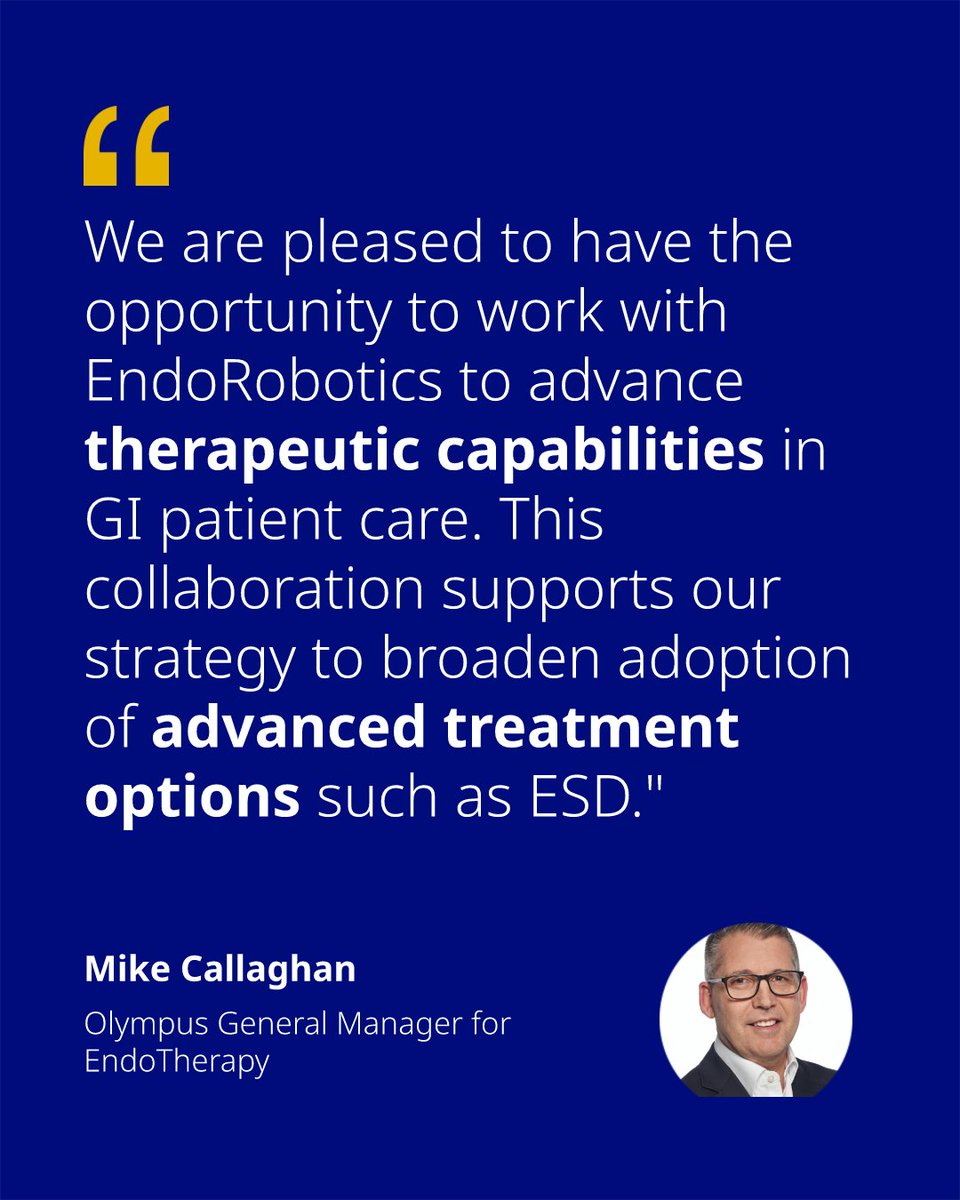
Olympus has signed an exclusive global distribution agreement with EndoRobotics, bringing robot-assisted technologies to our EndoTherapy portfolio to support advanced minimally invasive GI care.
🔗 spkl.io/6018AAbcE
6
322

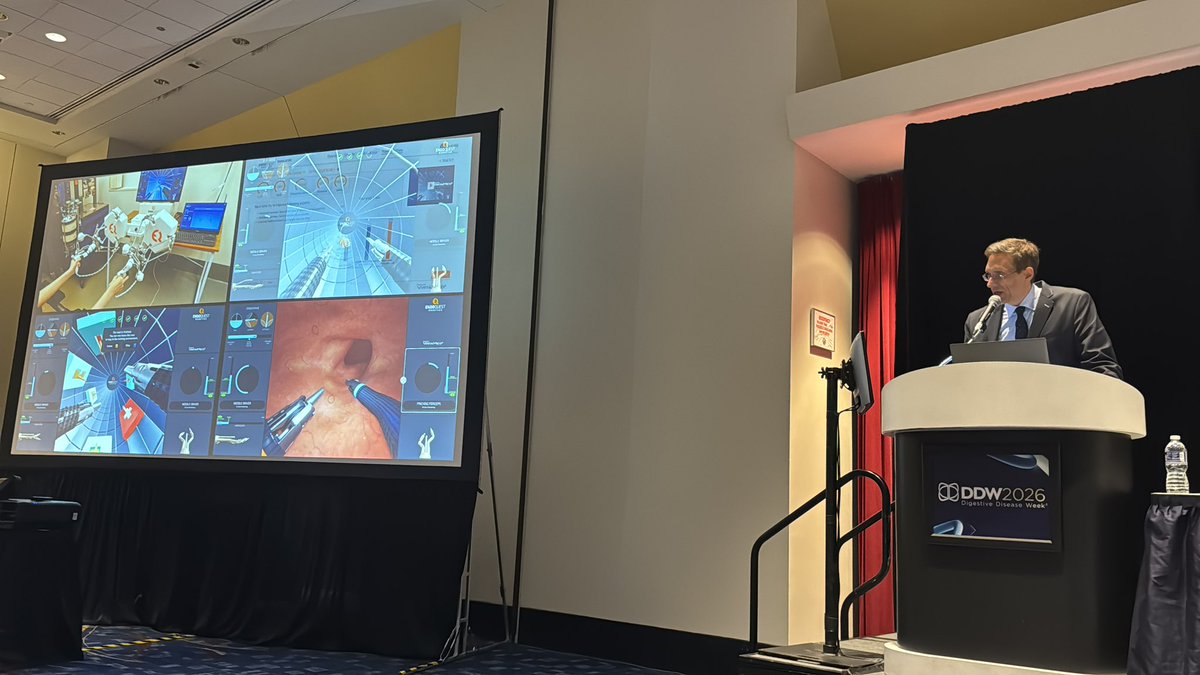
Dr. Chris Thompson @MetabolicEndo at #DDW2026: the future of endoscopy is robotics — and it’s already here. 🤖
Sharp update on where endorobotics stands in 2026.
1
15
959

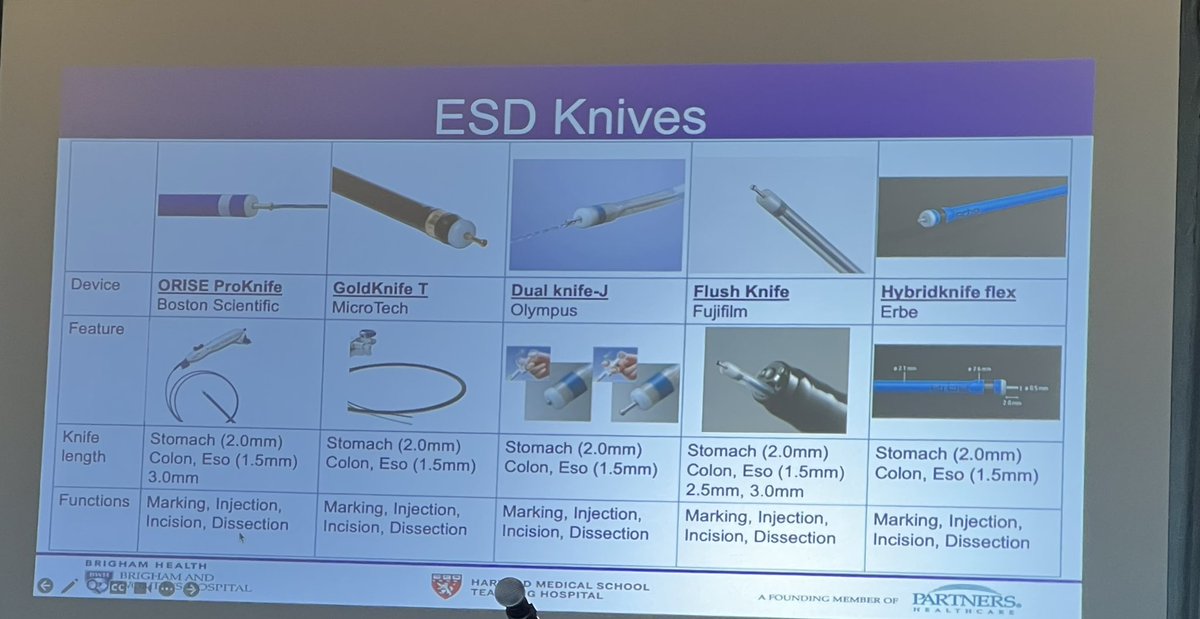
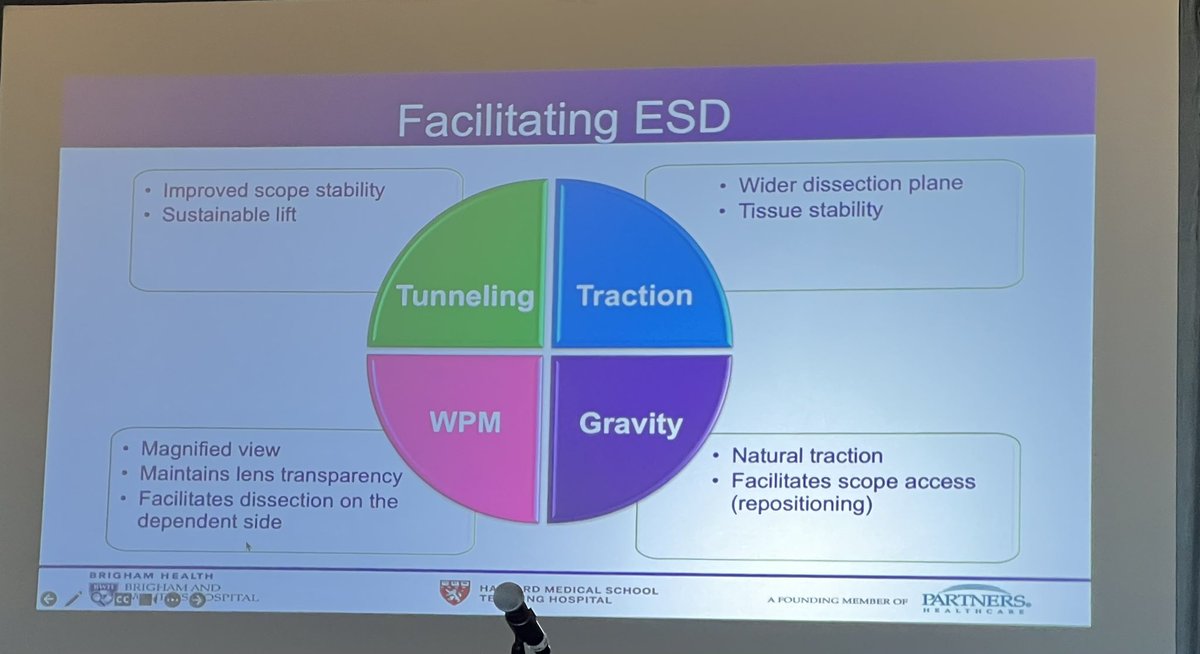
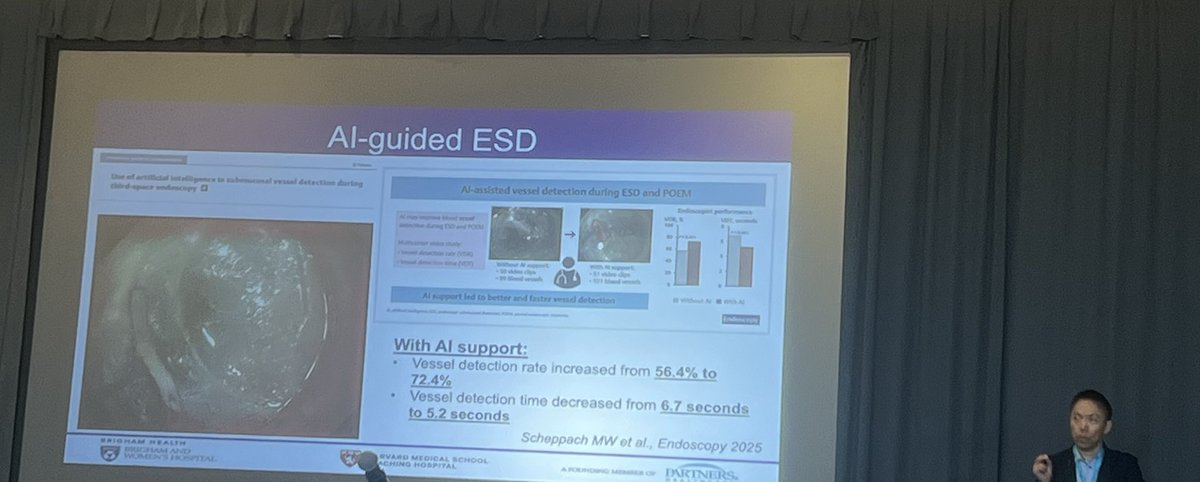
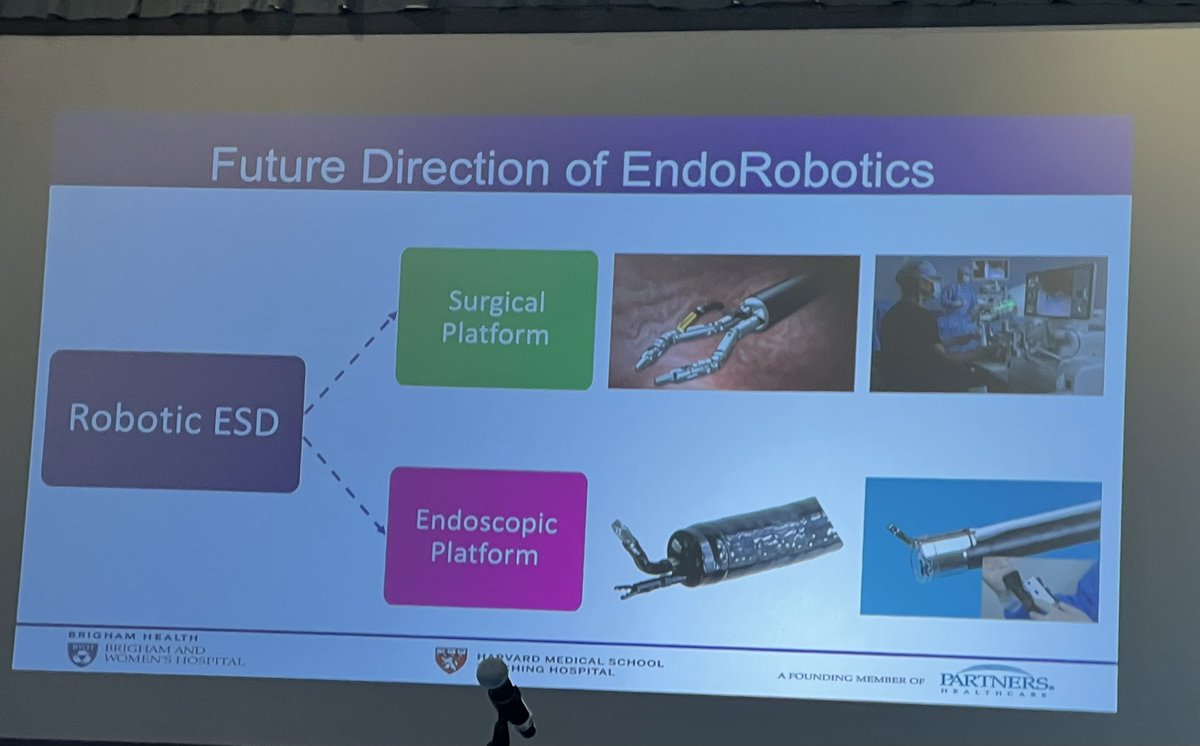
A comprehensive 🗣️ by @ThirdspaceEndo on basics of ESD, innovations in ESD and the future !
Exciting developments in the field including AI-guided ESD and endorobotics.
@FesCourse
3
16
607

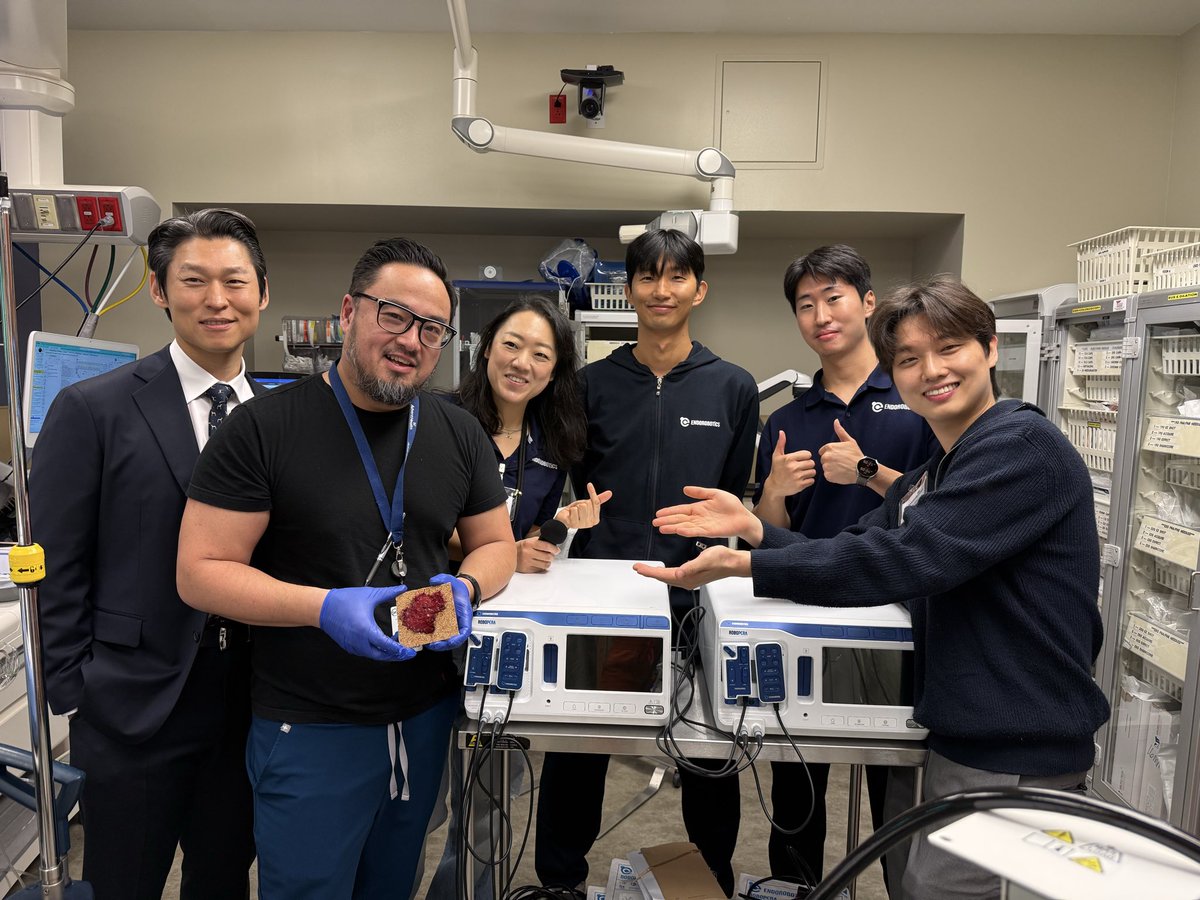
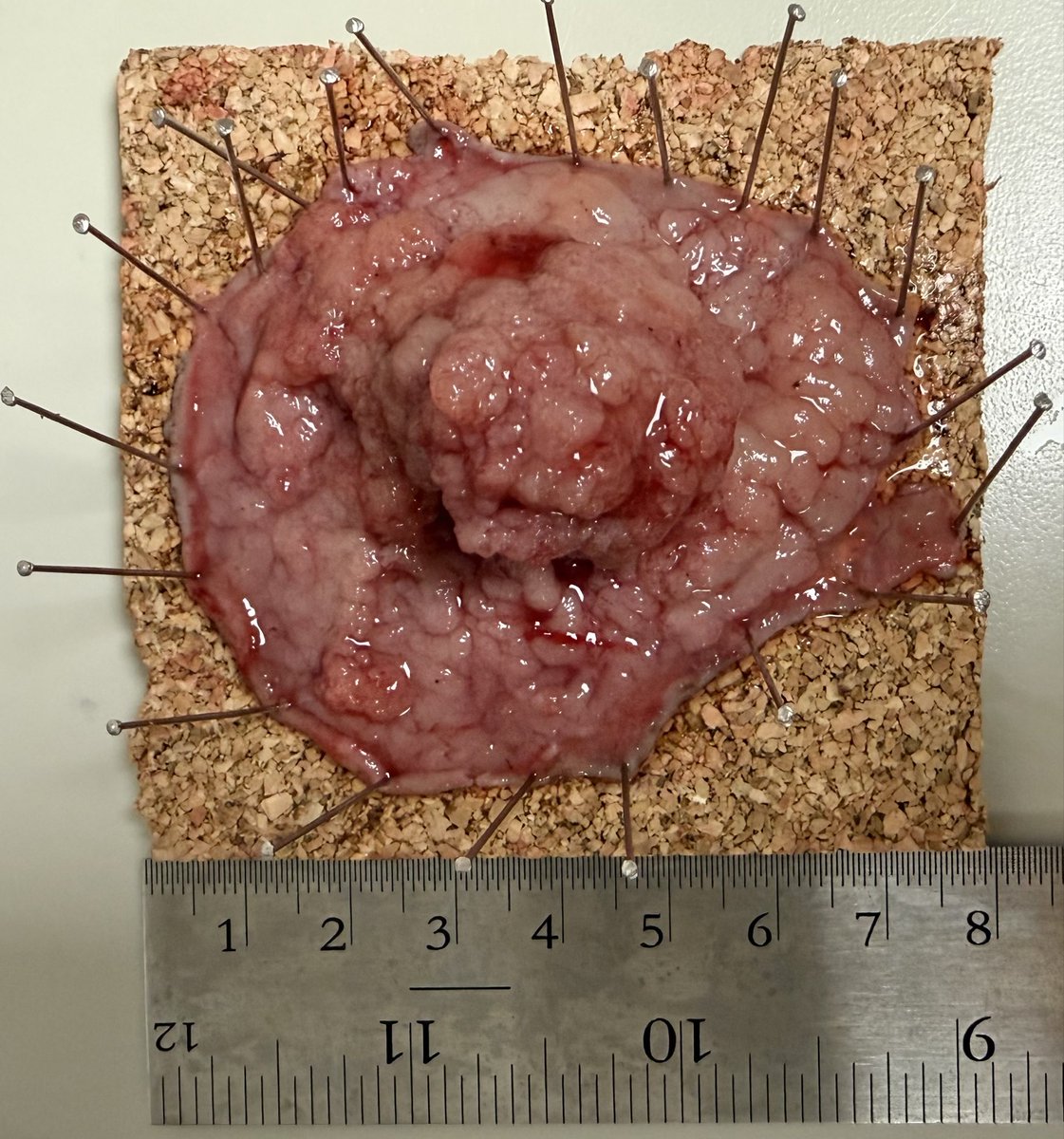
Honored to have performed first two cases of ESD in the USA using the novel EndoRobotics Platform. Great start to FL 3rd Space Course! @MahamHayatMD @AdventHealthCFL
2
8
77
6,178

19 Nov 2025
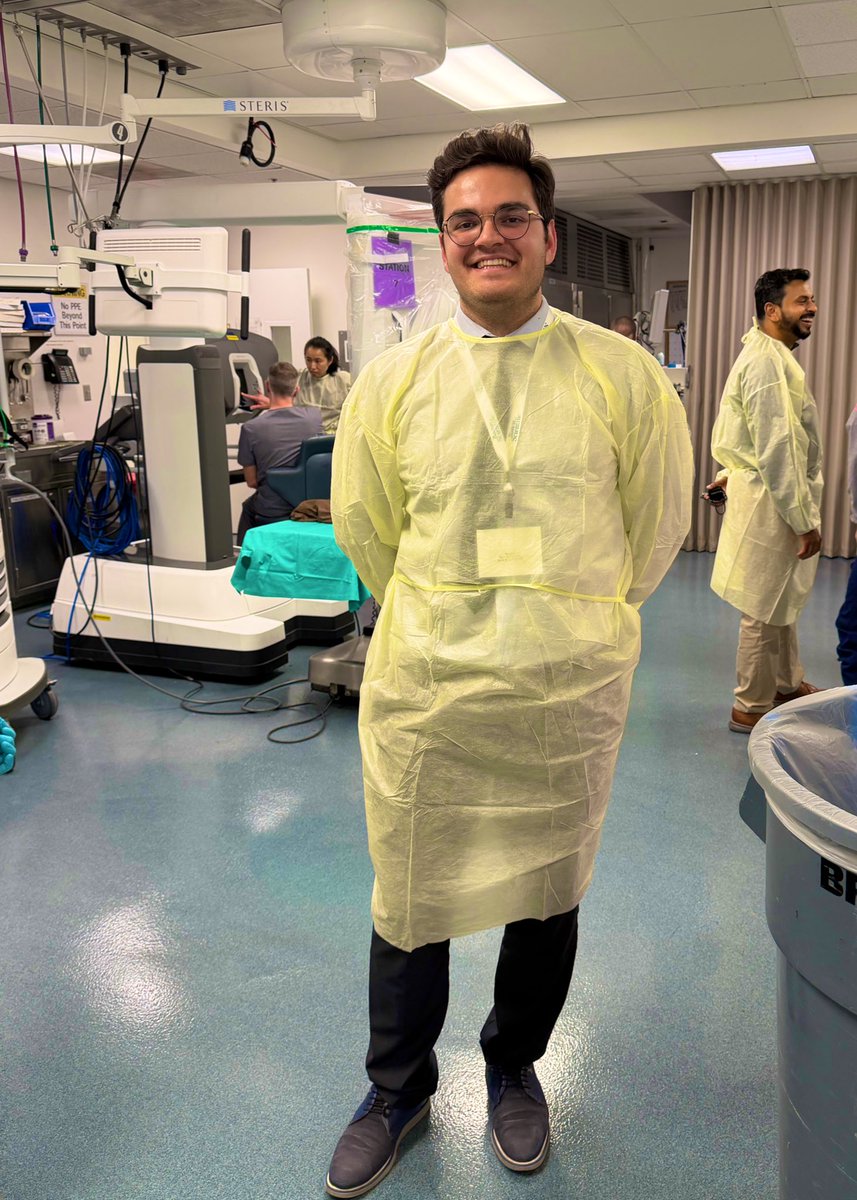
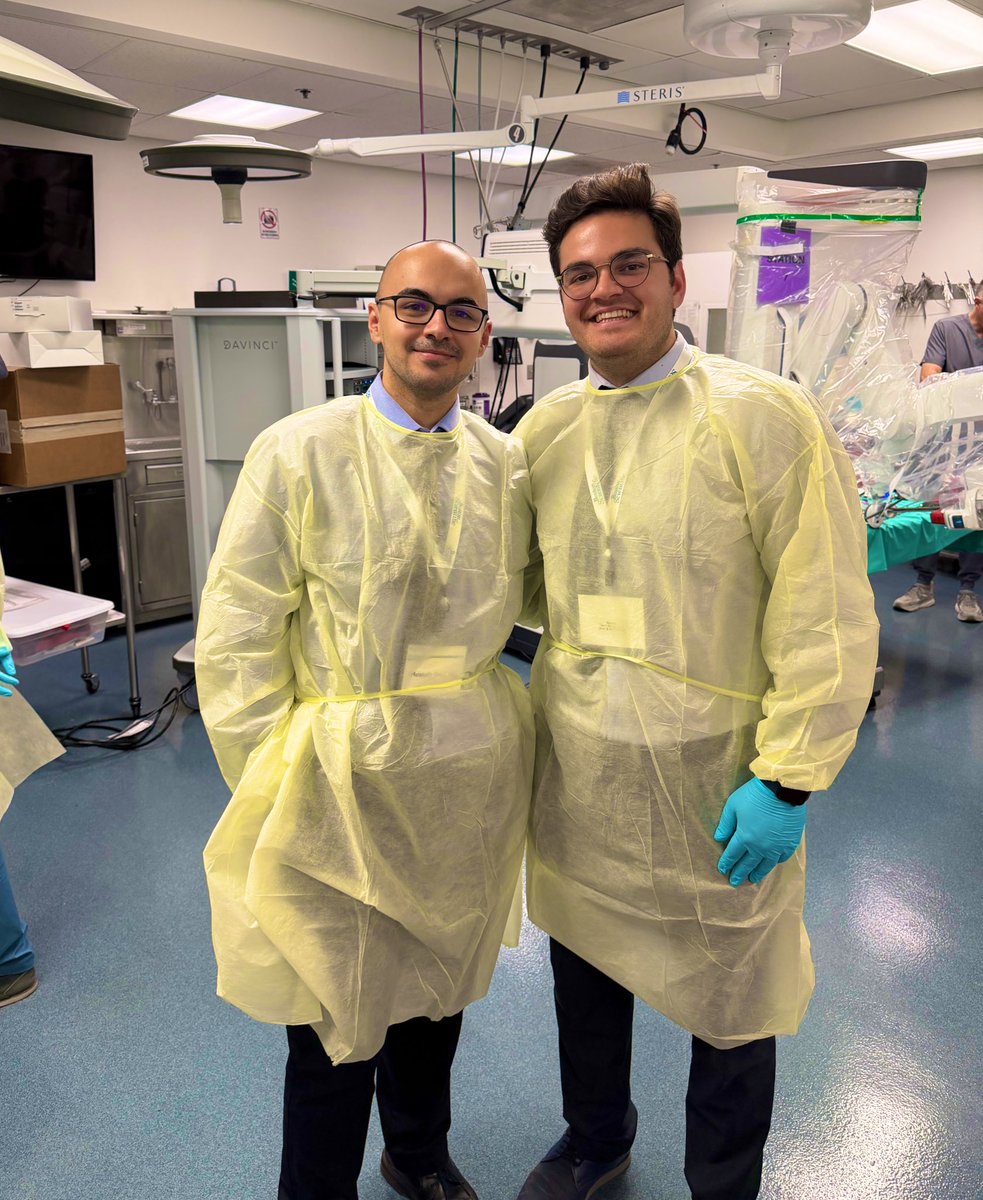
Had the chance to attend two incredible programs at @ClevelandClinic:
🔹 Cleveland Clinic Advanced Endoscopy Course (CADEC)
🔹 Endoscopic Submucosal Dissection / Endorobotics Symposium
Both meetings highlighted a truth our field can no longer ignore:
▶️ Different skill sets… same territory.
GI = medicine-based
CORS = operative-based
As robotics and advanced endoluminal platforms evolve, the old question of “Who owns this procedure?” will matter less and less.
I think, just like Ortho vs Neuro in the early days of Spine Surgery, or the evolution of Interventional Cardiology and ENT–Facial Plastics, convergence is inevitable.
When robots dominate intraluminal work, I belive Endoluminal Surgery will stand as its own specialty, a hybrid discipline shaped by both surgeons and therapeutic endoscopists.
❔Ultimately, the real question becomes: Who can do it safely and effectively?
In the future, we may even see hybrid colorectal / therapeutic endoscopy fellowships emerge to train the next generation of endoluminal surgeons.
✨ Exciting times ahead for innovation in GI and Colorectal surgery. Special thanks to the CCF Faculty.
7
447

10 Nov 2025
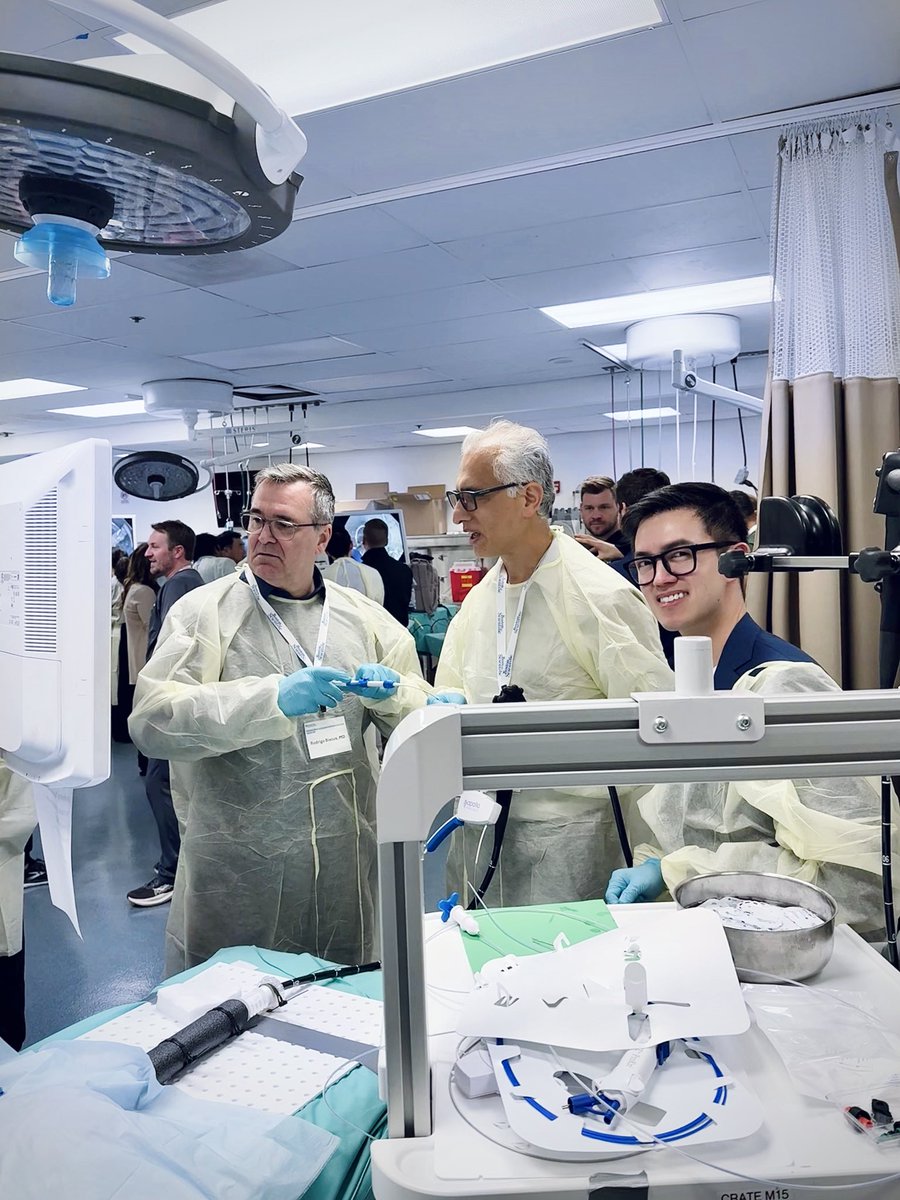
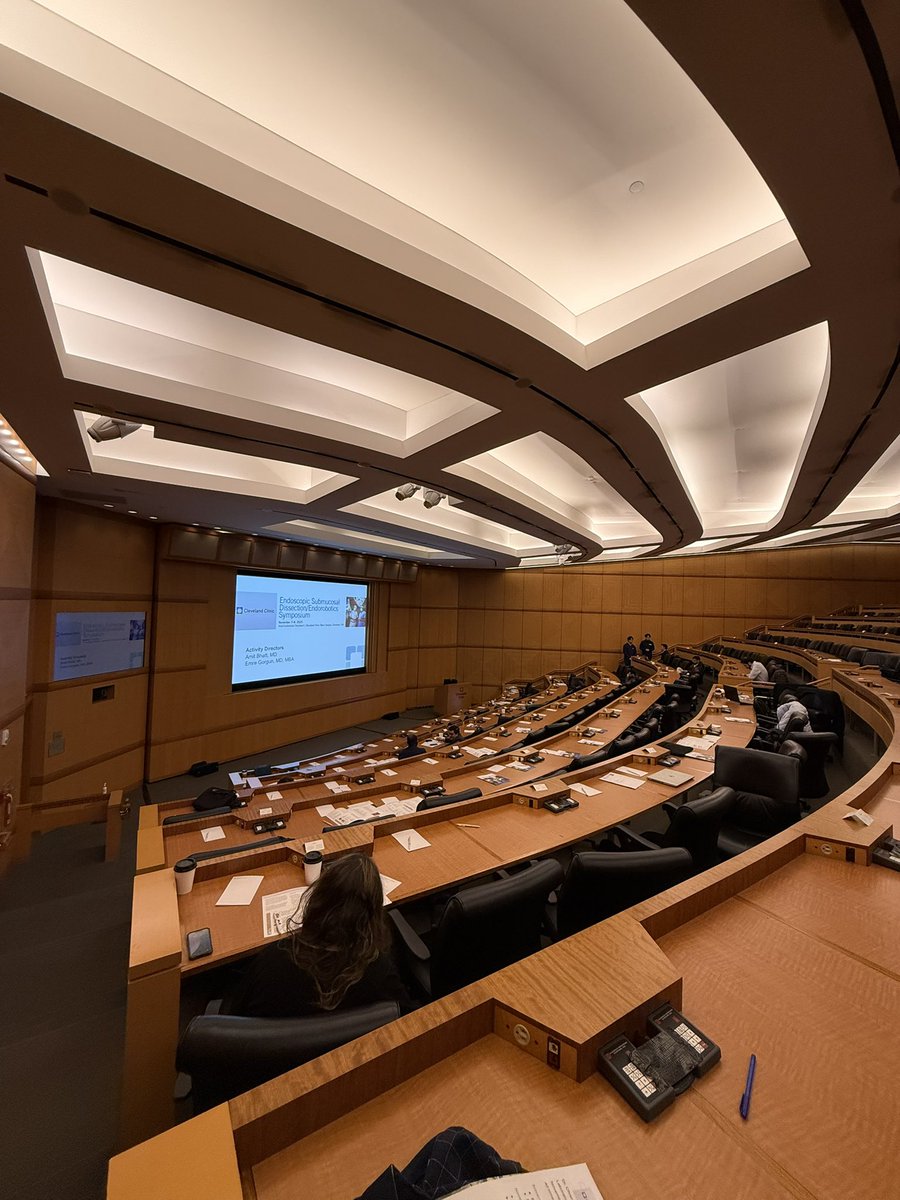
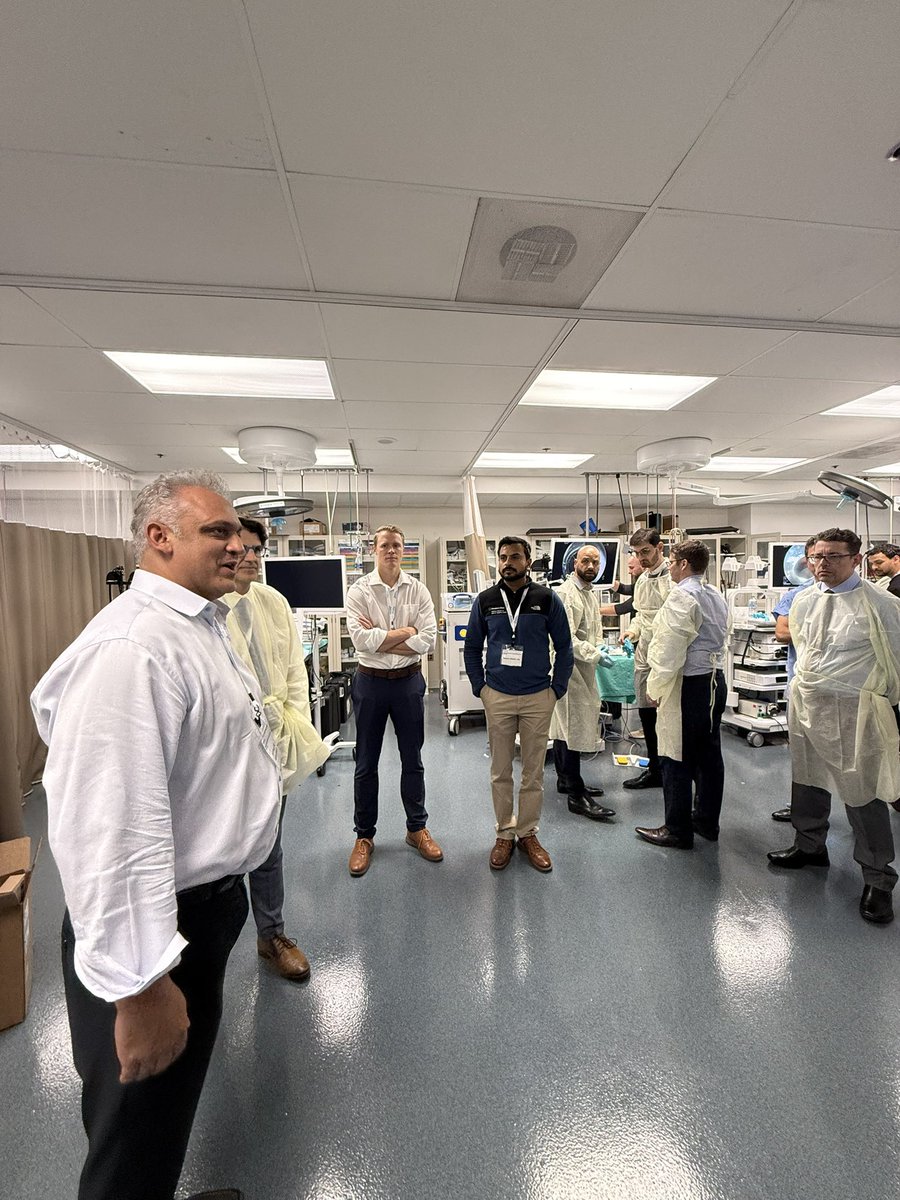
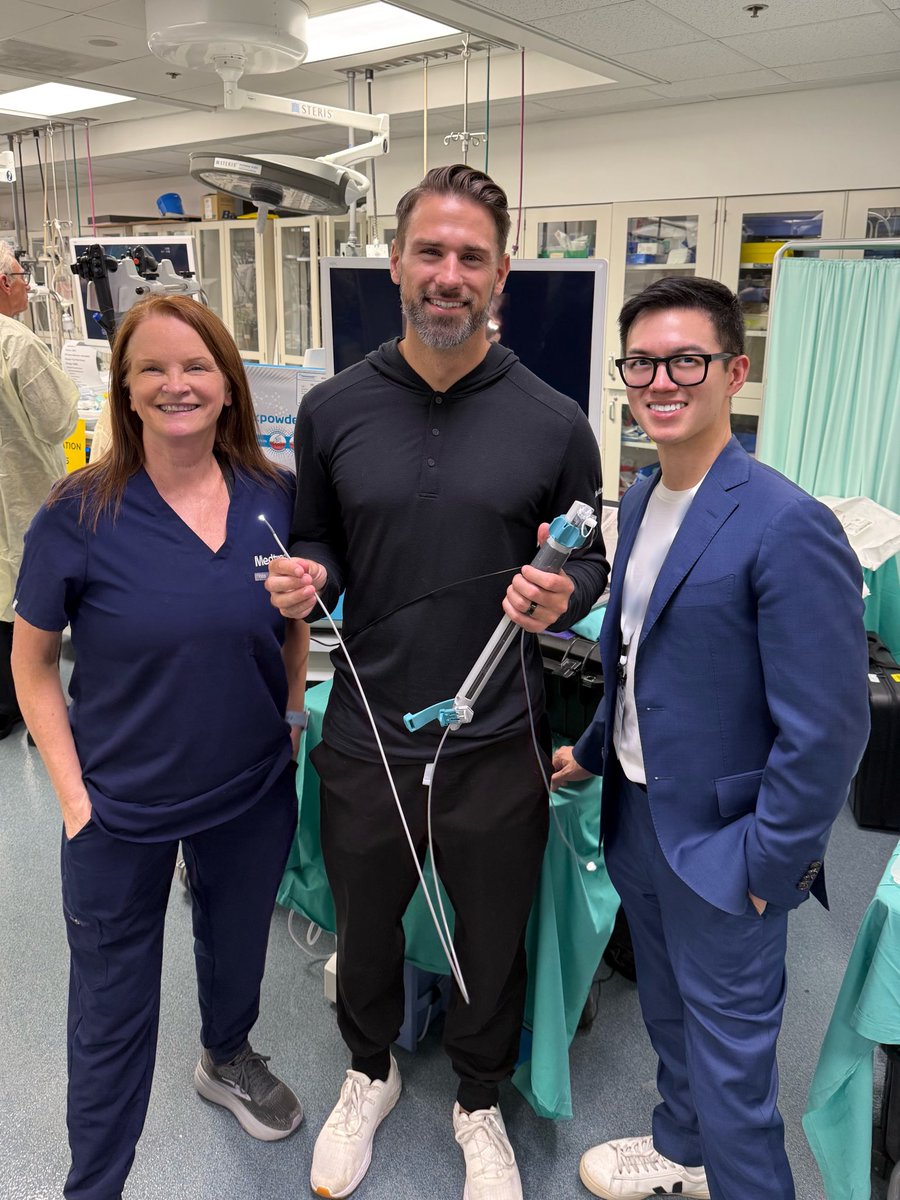
Fantastic time this past weekend teaching at @ClevelandClinic ESD/Endorobotics Symposium!
Thanks @amitbhattMD @EmreGorgunMD for the kind invitation to participate — an incredible course for endoscopists to explore the cutting edge! 👏👏
4
27
1,905

9 Nov 2025
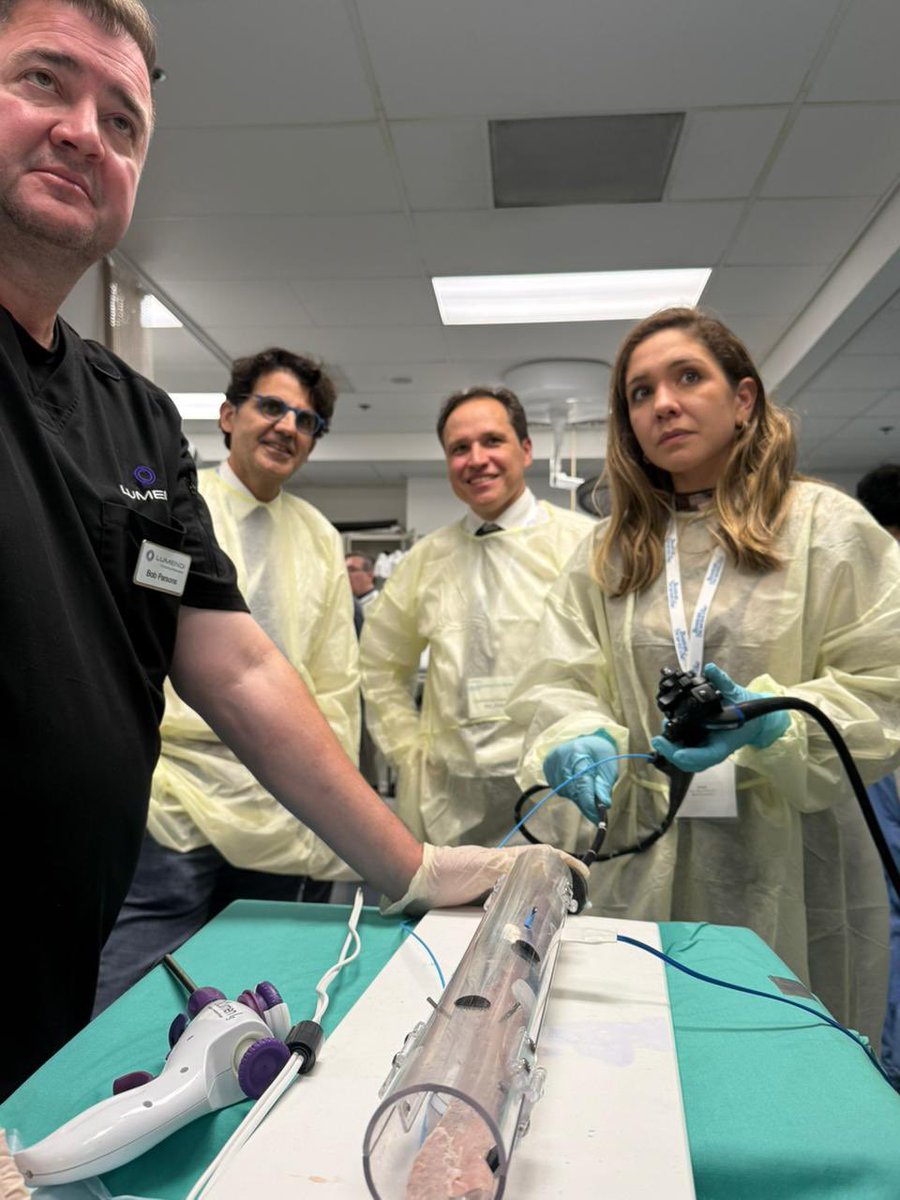
The ESD / Endorobotics Symposium @ClevelandClinic was a huge success — proud and grateful to be part of this incredible team. @EmreGorgunMD @amitbhattMD @DavidLiskaMD @jsommov @ScottRSteeleMD
7
269

7 Nov 2025
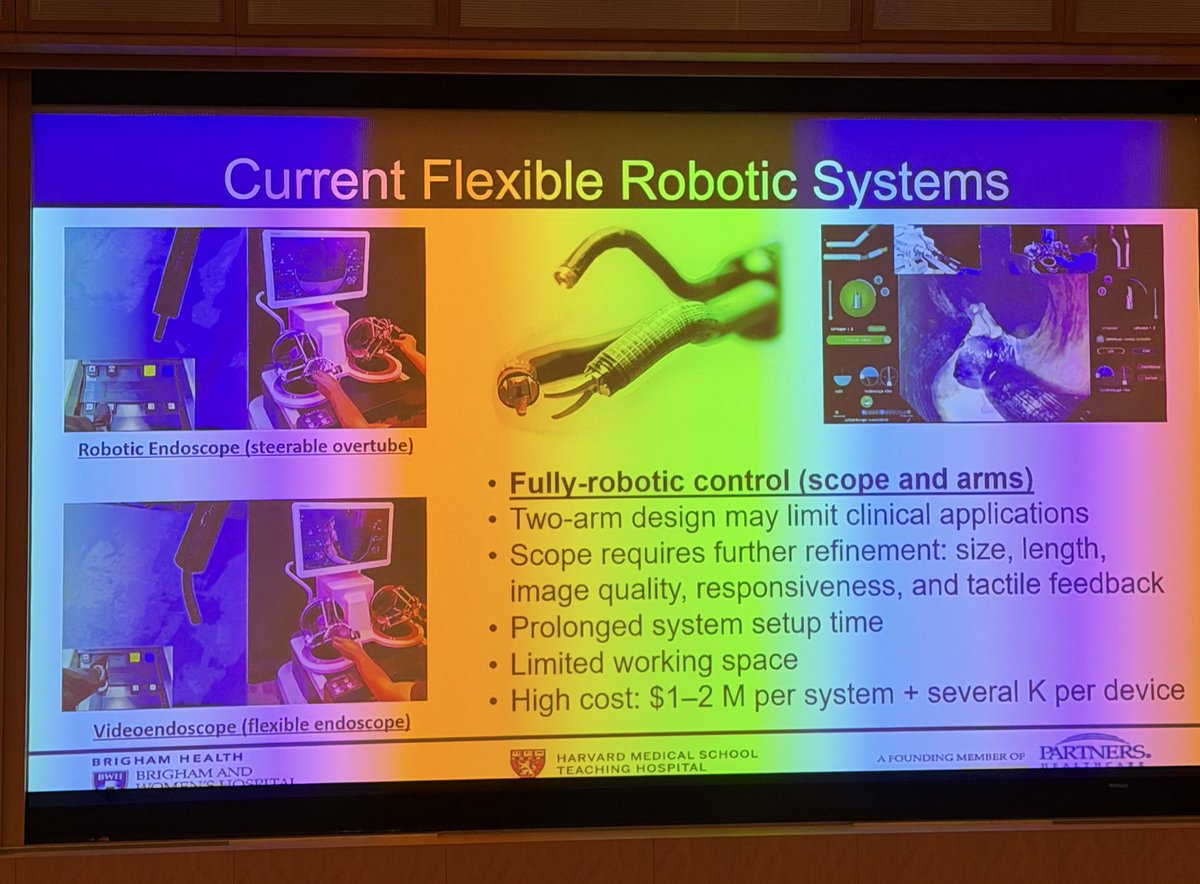
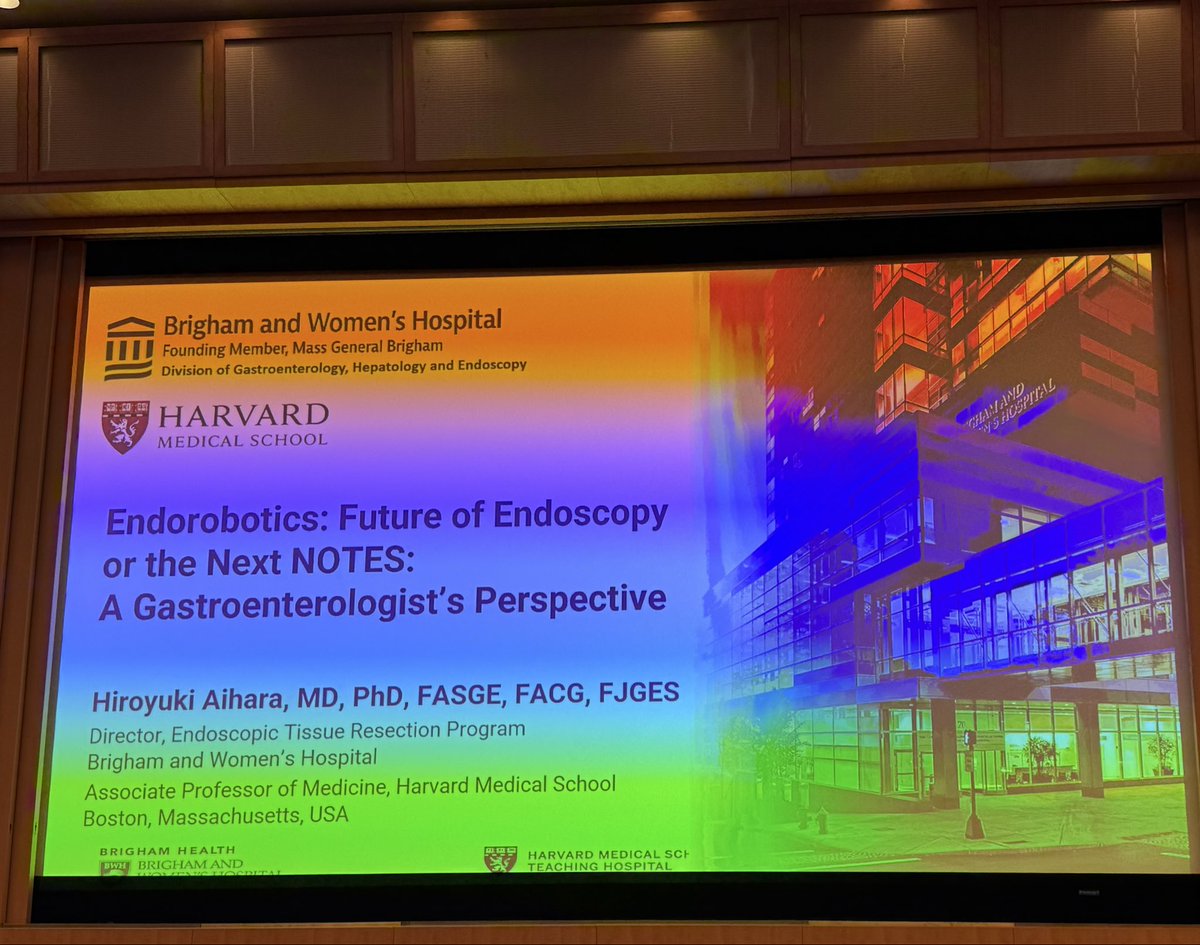
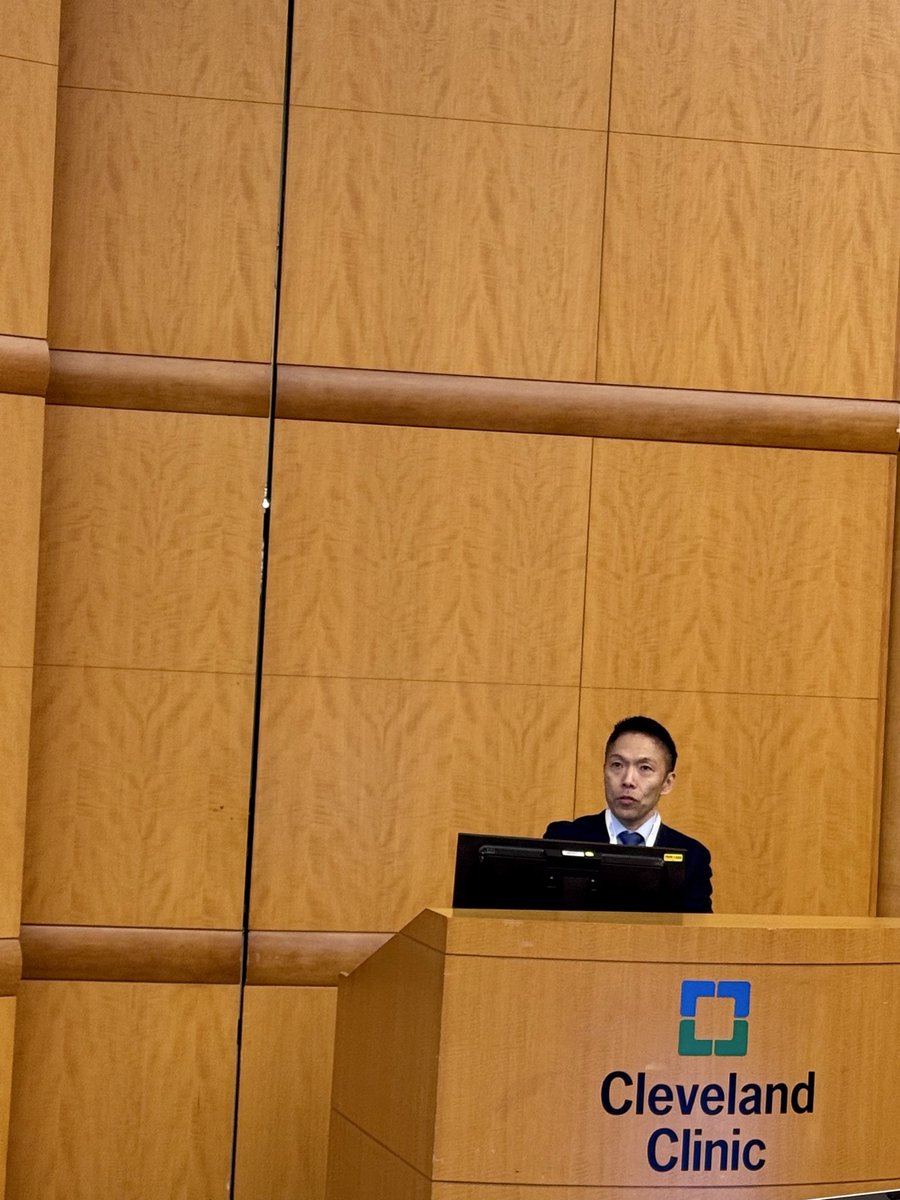
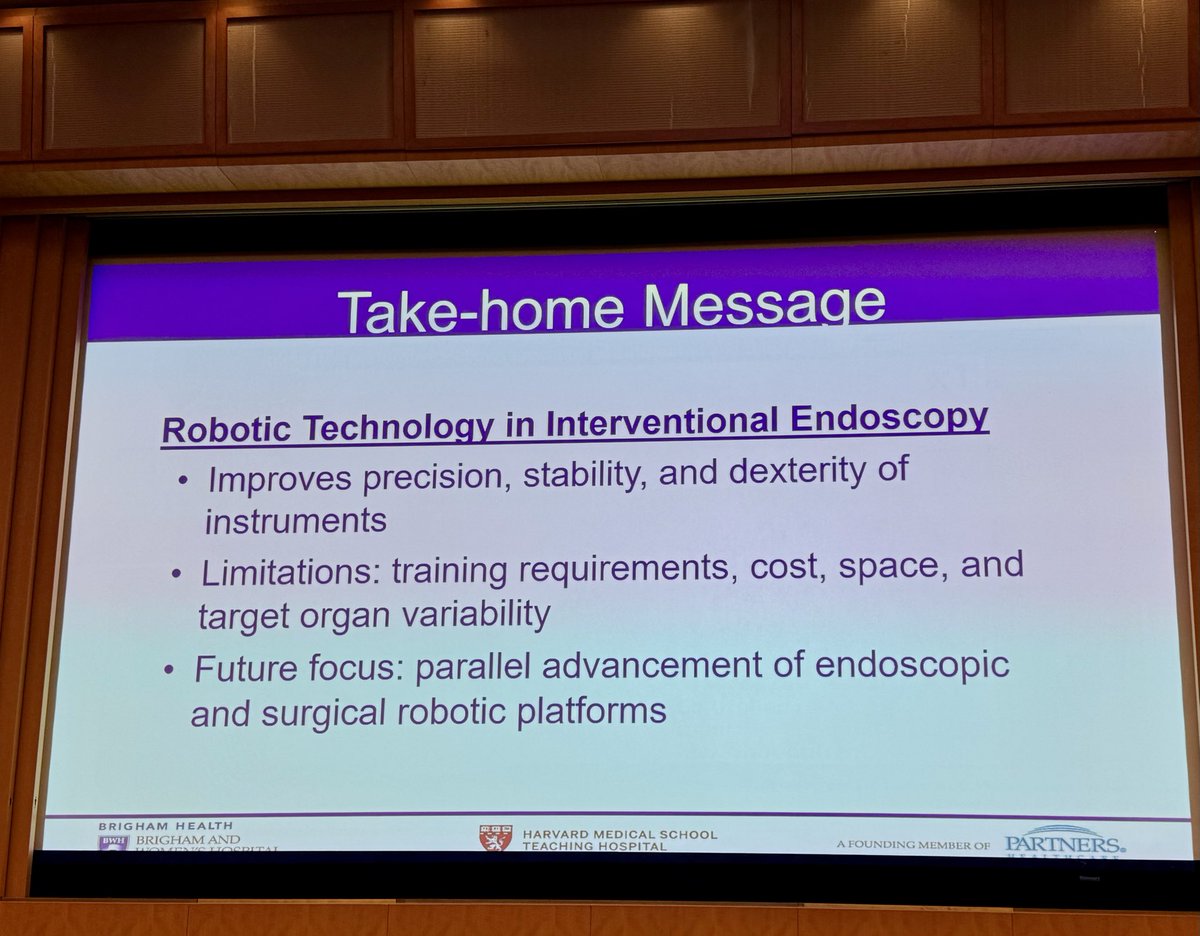
Endorobotics is redefining interventional endoscopy 🤖
@ThirdspaceEndo emphasizes precision, stability, and dexterity - hallmarks of robotic platforms.
The next frontier? Certainly integrating endoscopic and surgical robotics for seamless innovation. 💡
#GIInnovation
1
10
598

7 Nov 2025
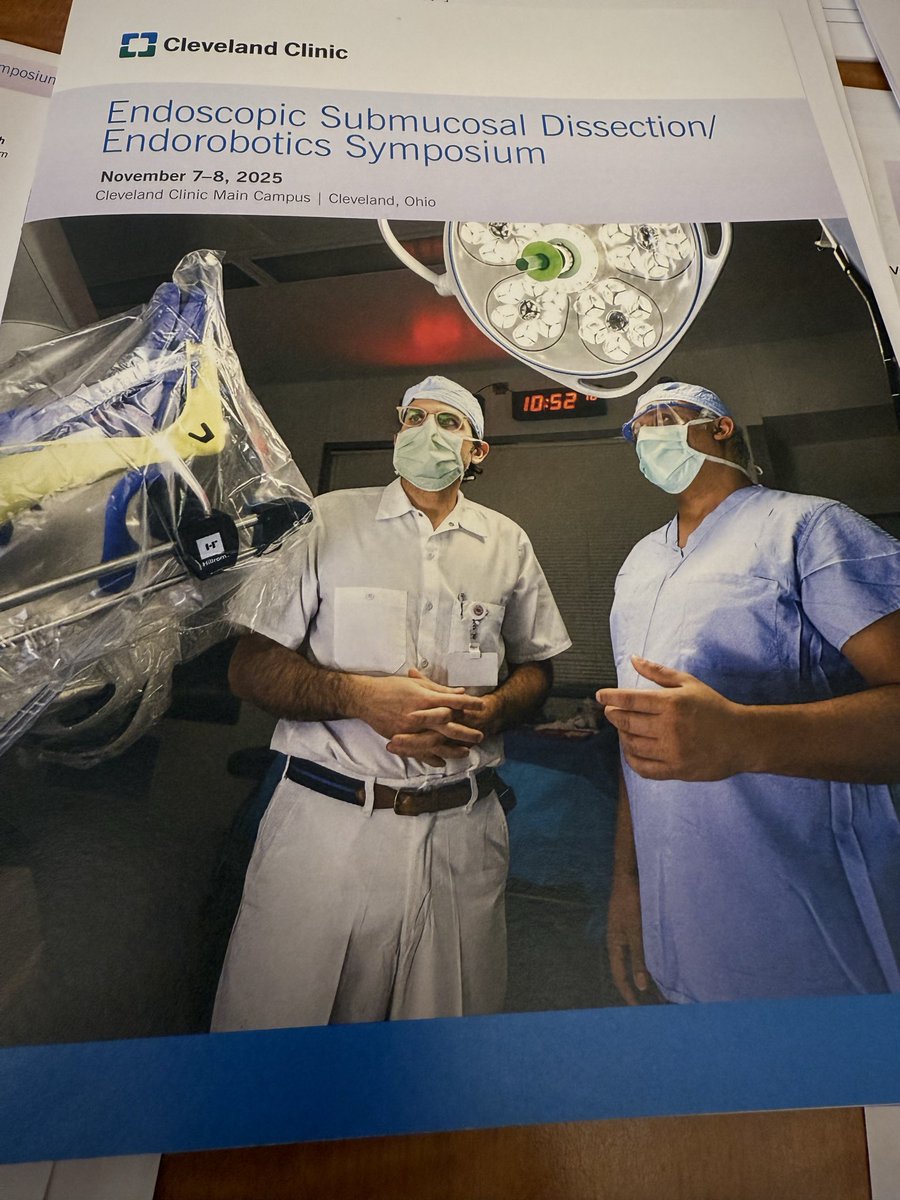
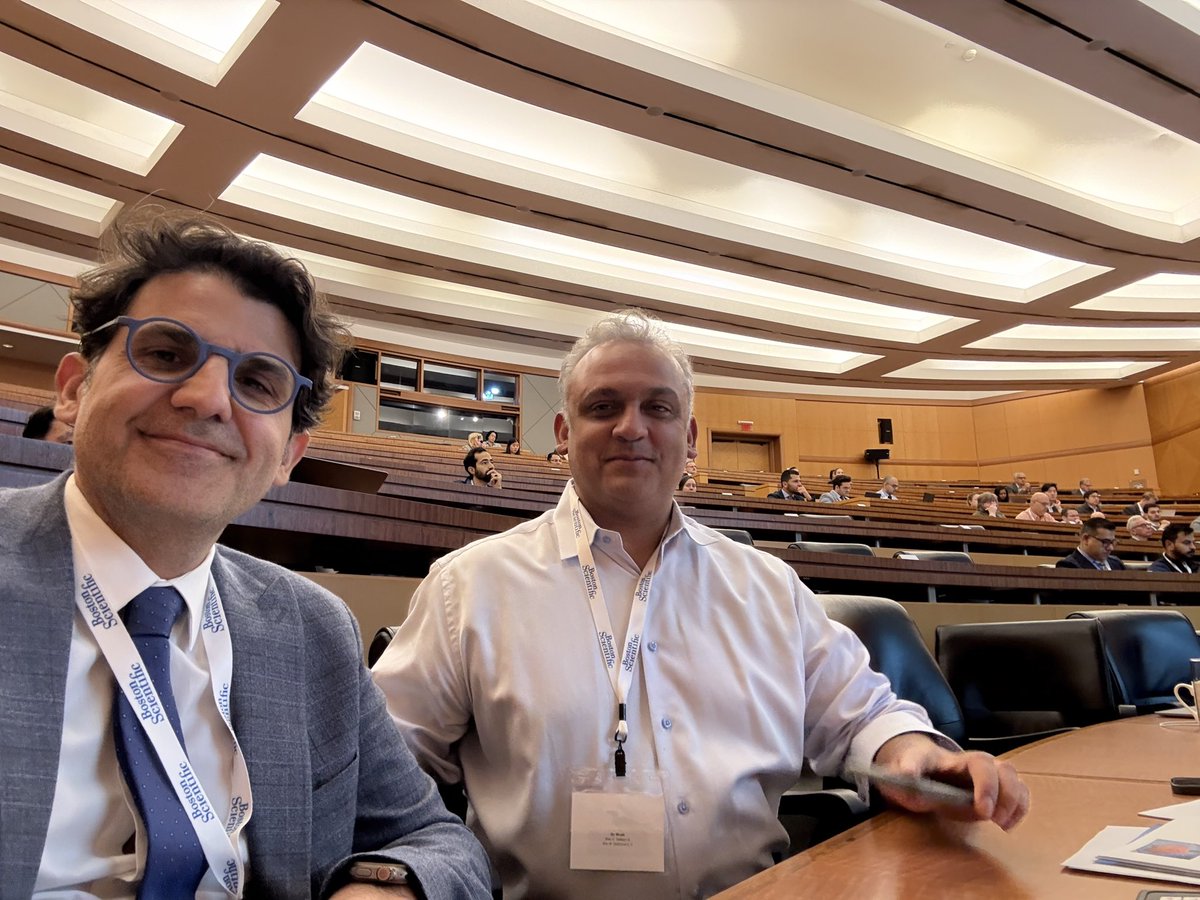
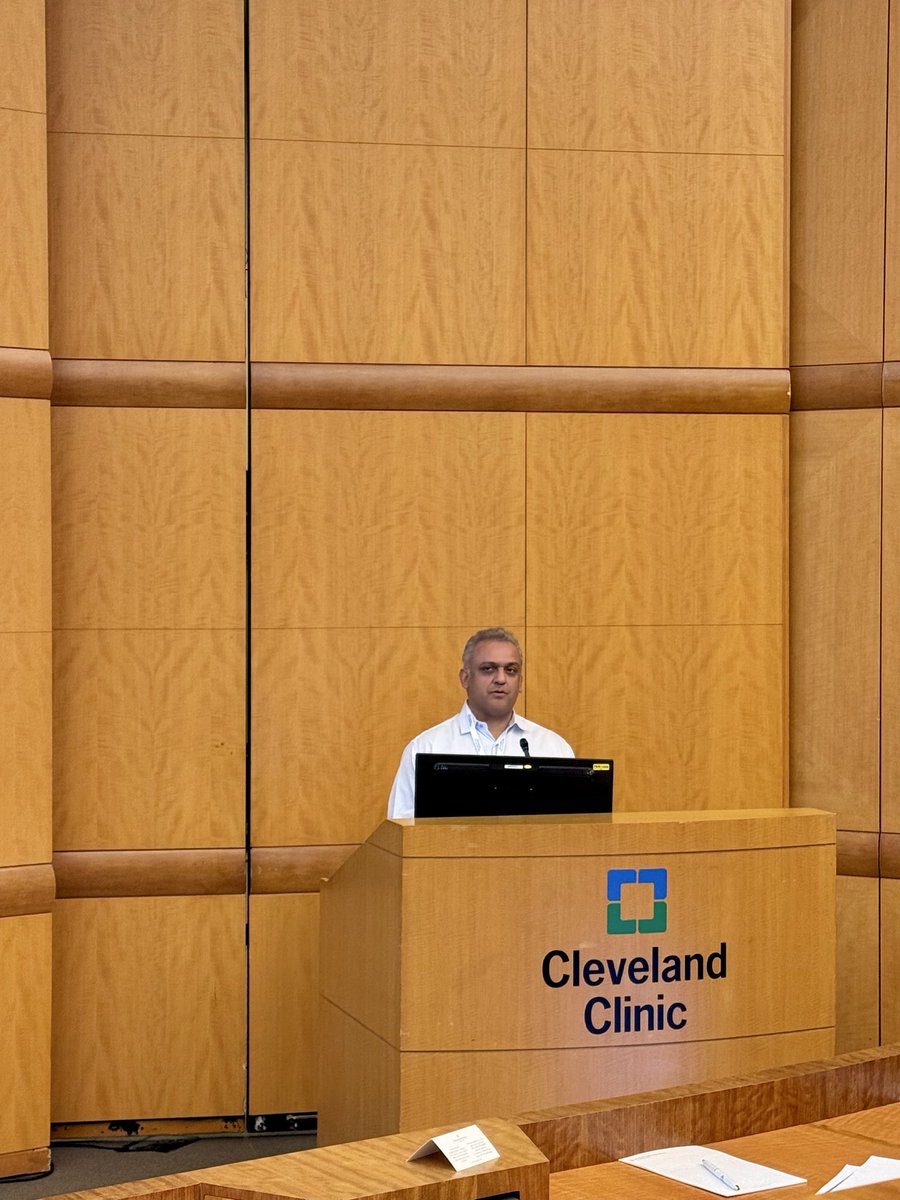
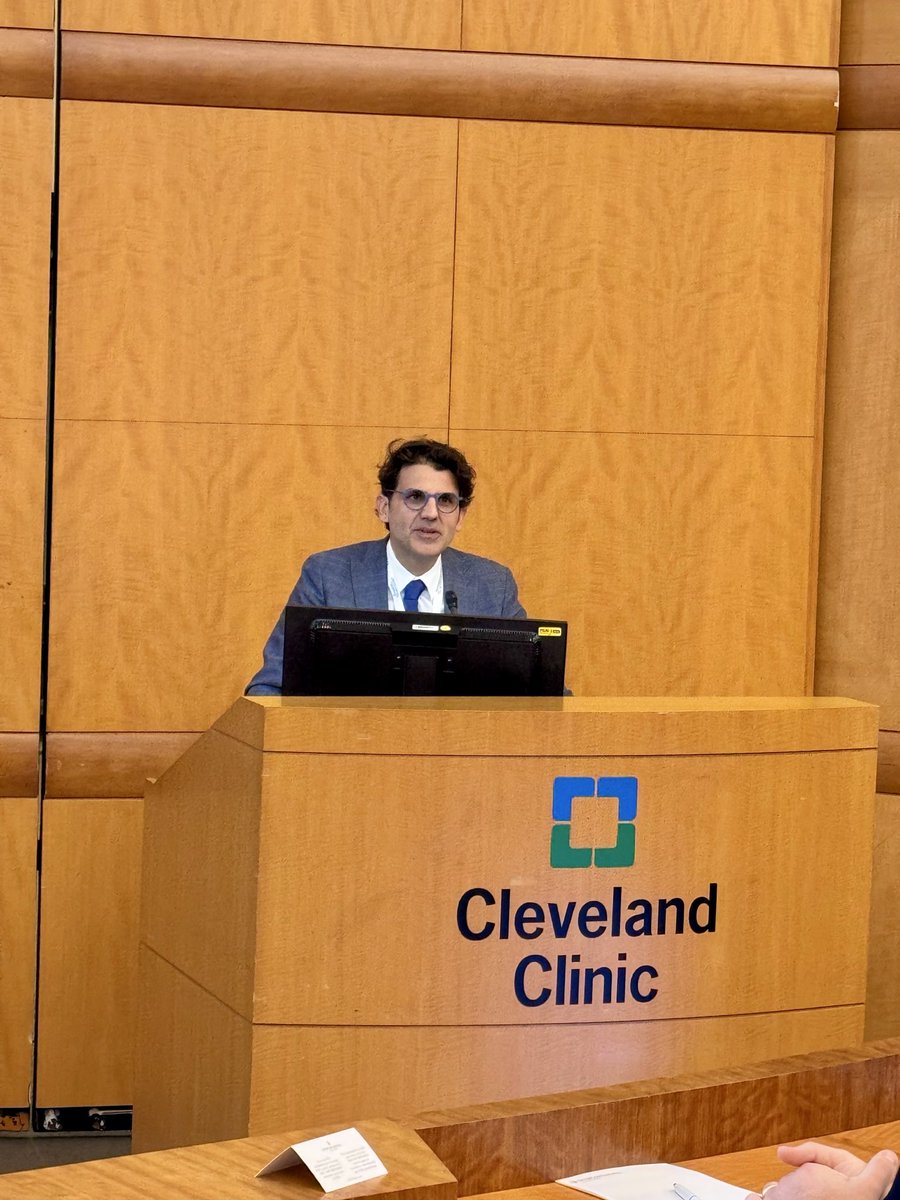
🚀 Kicking off the Endoscopic Submucosal Dissection & Endorobotics Symposium!
Excited to bring together global experts to discuss the latest breakthroughs in ESD techniques and robotic endoscopy in Cleveland #endorobotics #Clevelandclinic
1
9
36
1,490
7 Nov 2025
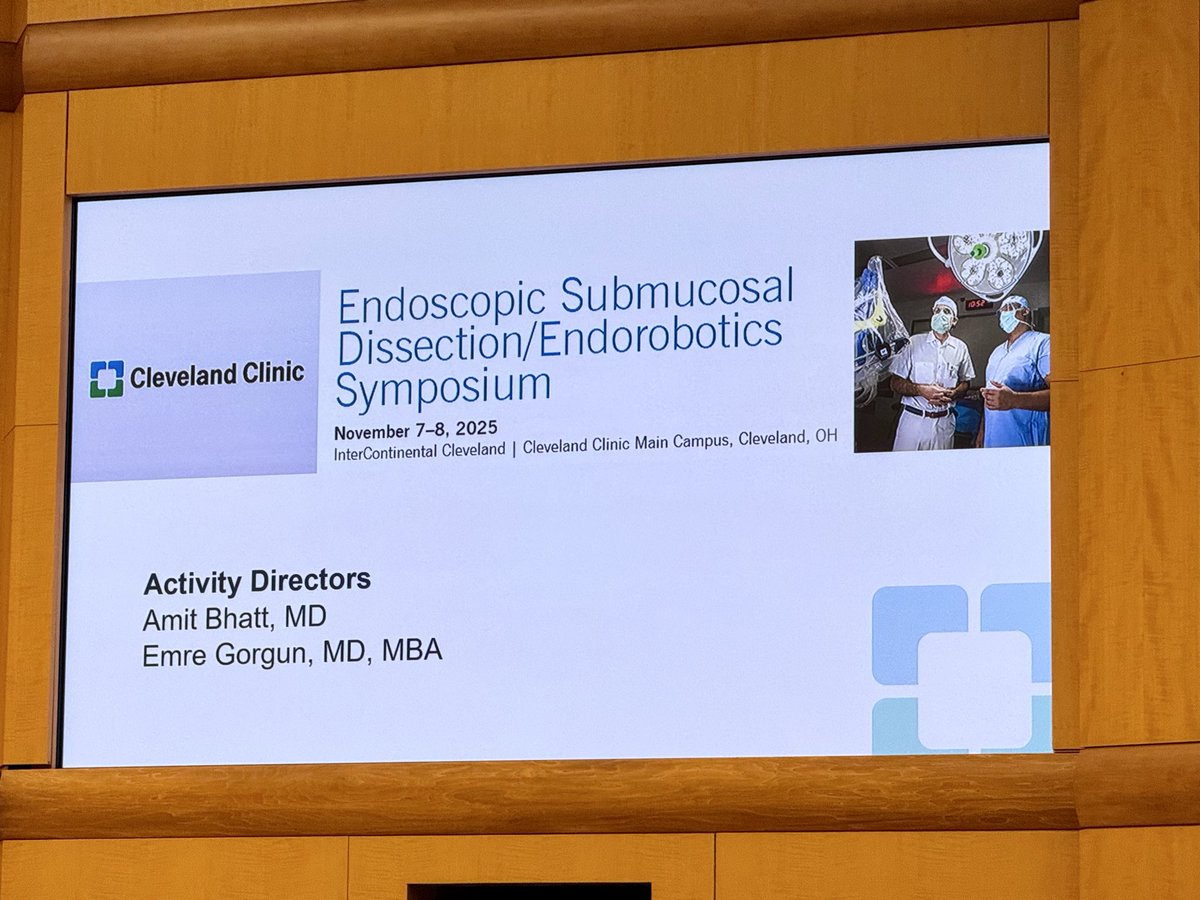
Kicking off an exciting day at @ClevelandClinic - where innovation meets precision at the ESD/Endorobotics Symposium, led by visionaries @amitbhattMD and @EmreGorgunMD 🚀
1
18
1,321

14 Oct 2025
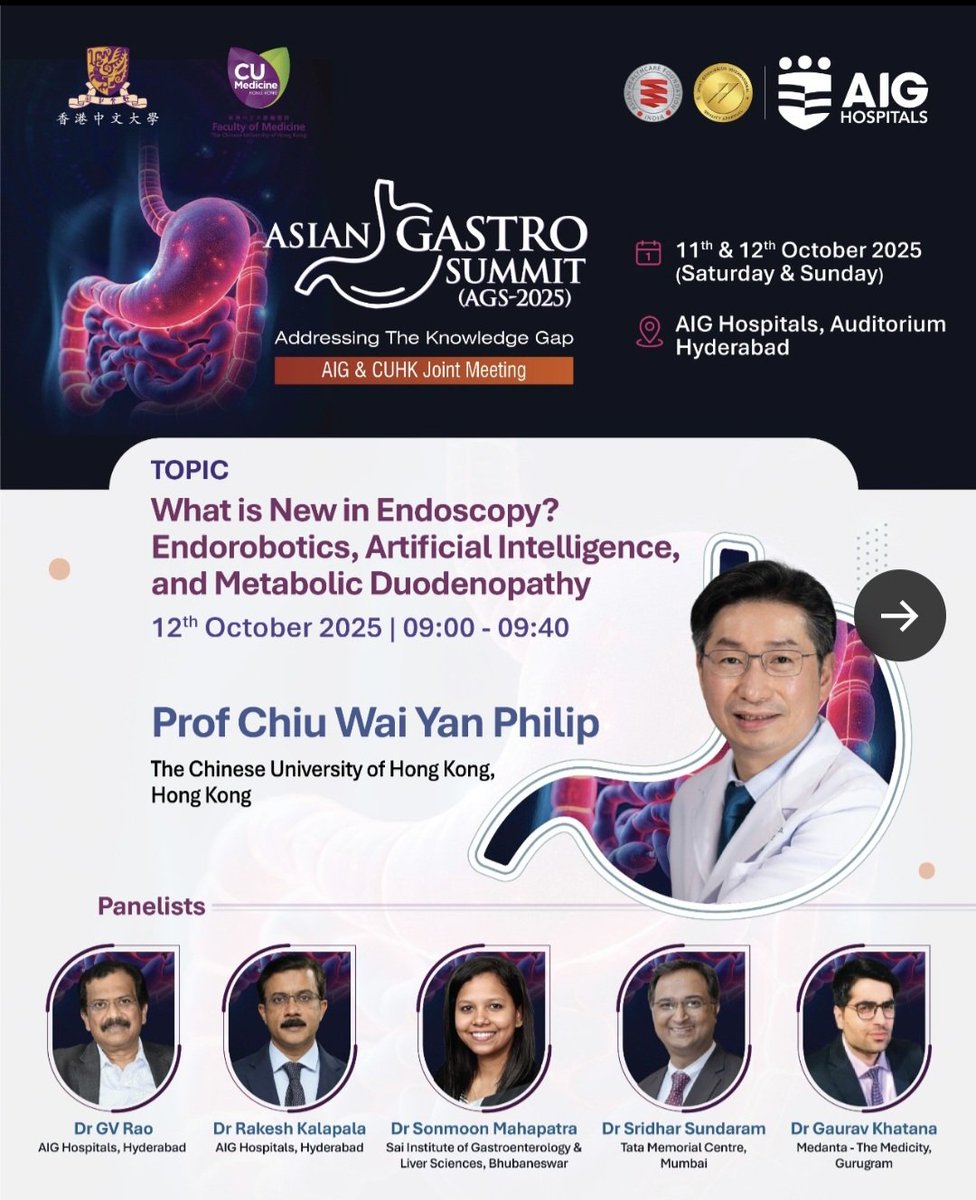
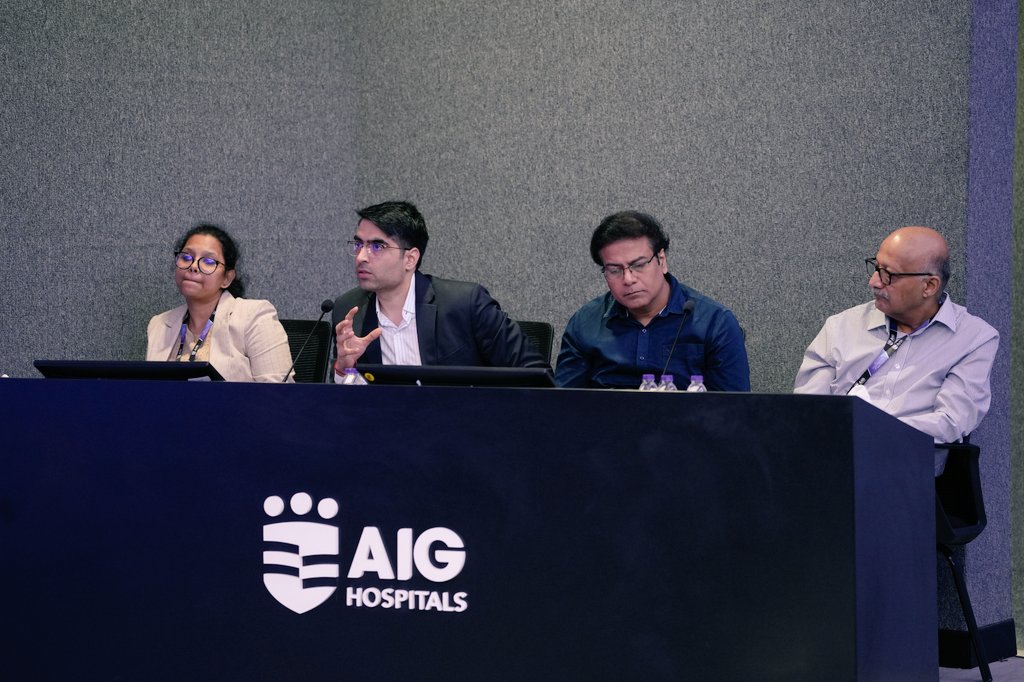
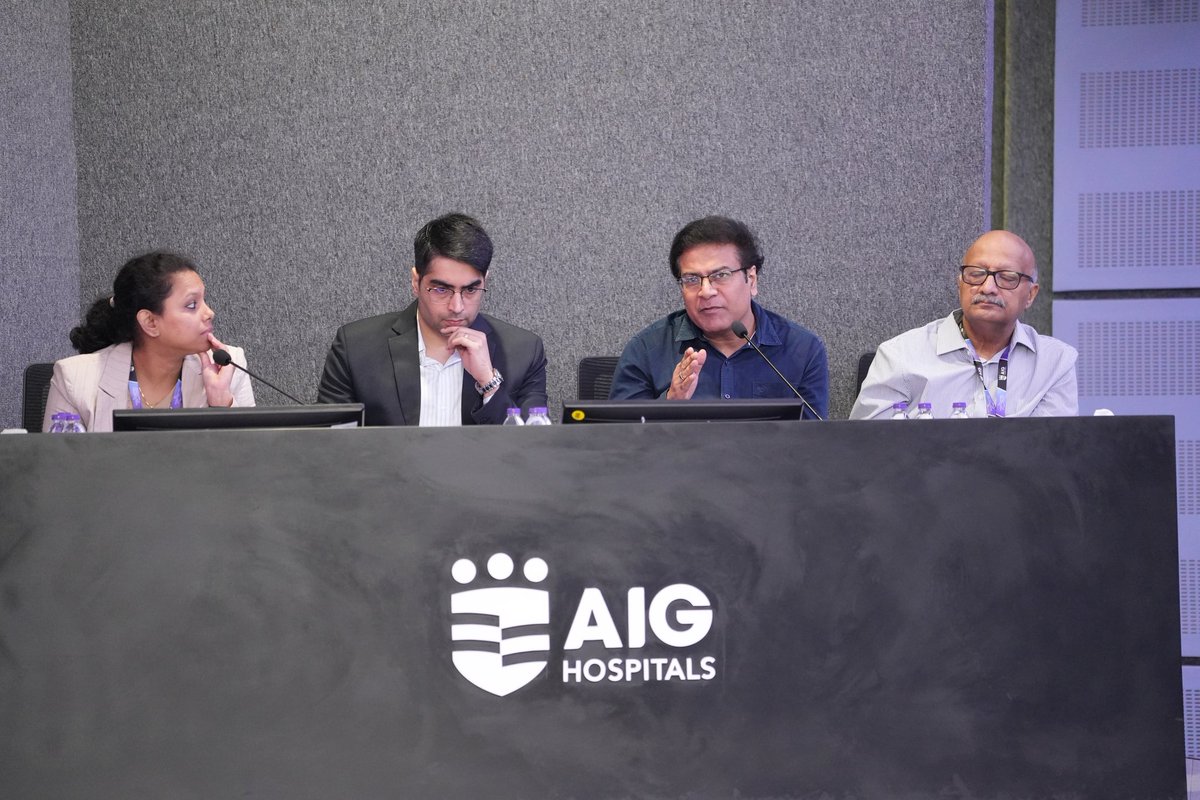
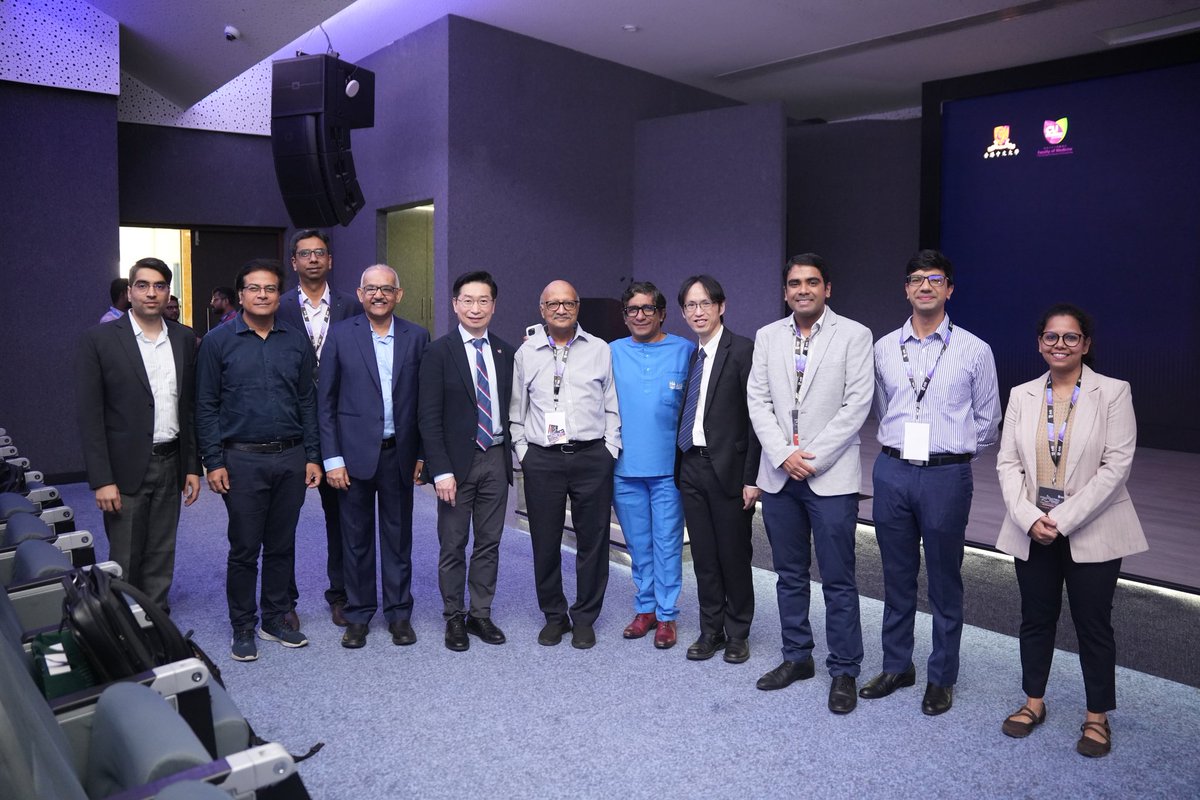
Honoured to be a panelist at the session ‘What is New in Endoscopy? — Endorobotics, Artificial Intelligence, and Metabolic Duodenopathy’ by Prof. Chiu Wai Yan Philip.
Thankful to Dr. Randhir Sud sir, Sukrit Sud sir & @AIG Hospital for the opportunity. 🙏
#endoscopy
#Gastro
3
142

3 Oct 2025
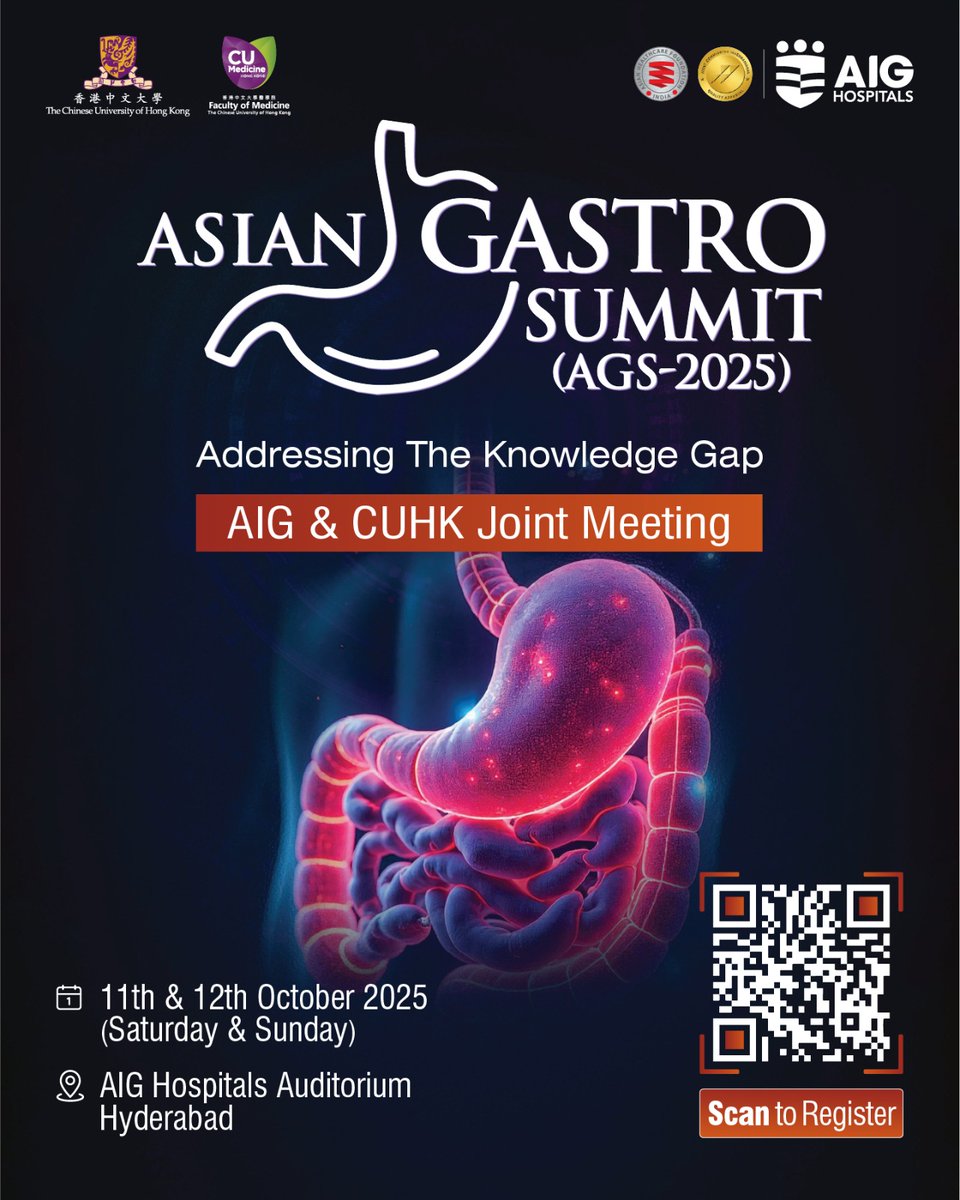
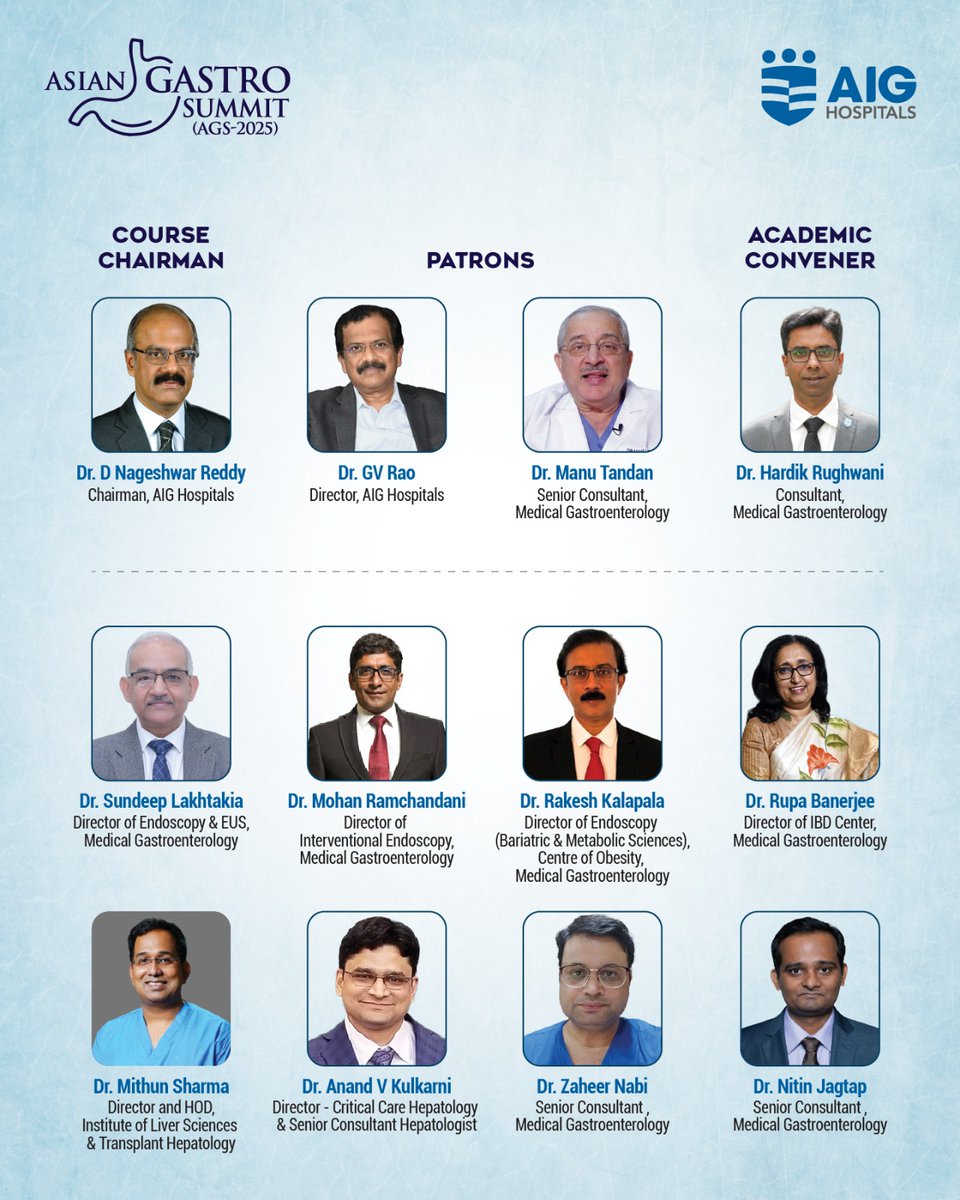
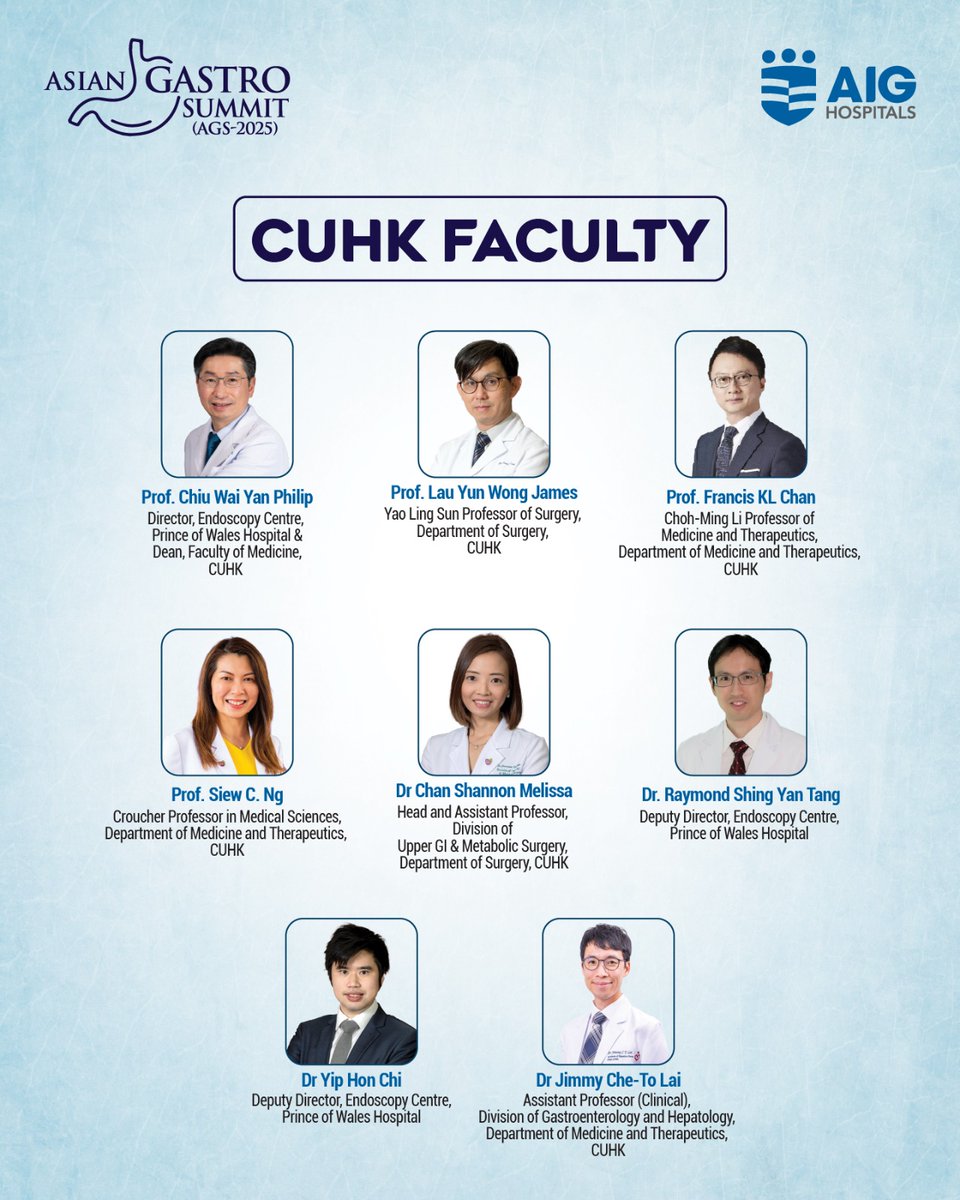
The countdown to Asian Gastro Summit 2025 begins!
AIG Hospitals, Prince of Wales Hospital & CUHK, Hong Kong come together for the Asian Gastro Summit 2025 – 11–12 October, Hyderabad.
Discover innovations shaping the future of gastroenterology:
EndoRobotics | AI in Endoscopy | Gut Microbiome | Advanced Endoscopic Interventions
Featuring globally renowned faculty from CUHK, Hong Kong, and AIG Hospitals, India – where science, innovation, and expertise converge to redefine gastroenterology.
Don’t miss out! Register today: forms.office.com/r/pgke00k6c…
#AsianGastroSummit2025 #AIGHospitals #Gastroenterology #MedicalInnovation #AI #Robotic #Endoscopy #India

1
3
16
1,863
11 Sep 2025
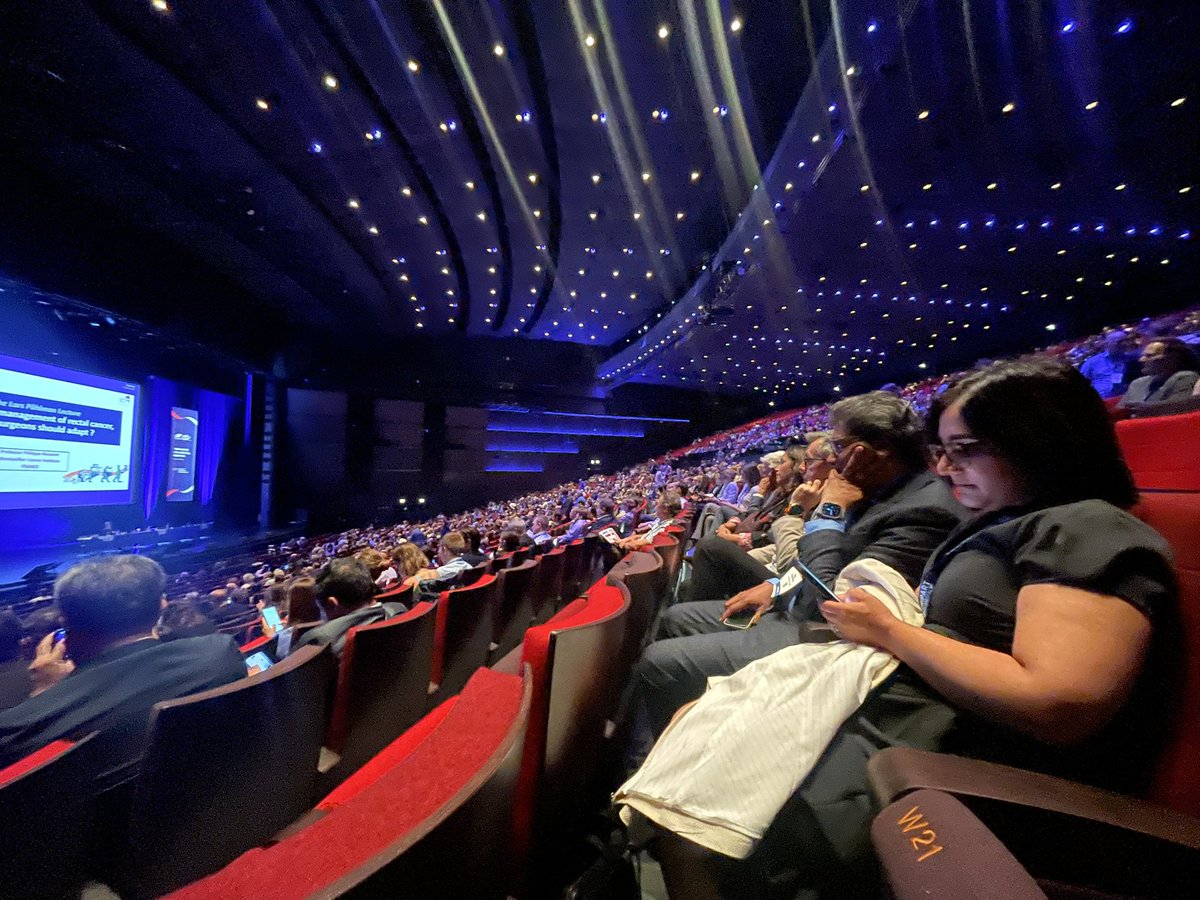
Huge turnout at the Tripartite Colorectal Meeting — a global hub for innovation in colorectal surgery #ascrs #roboticsurgery
#endorobotics #ESCP25 #tkrcd
2
3
30
1,345
12 Aug 2025
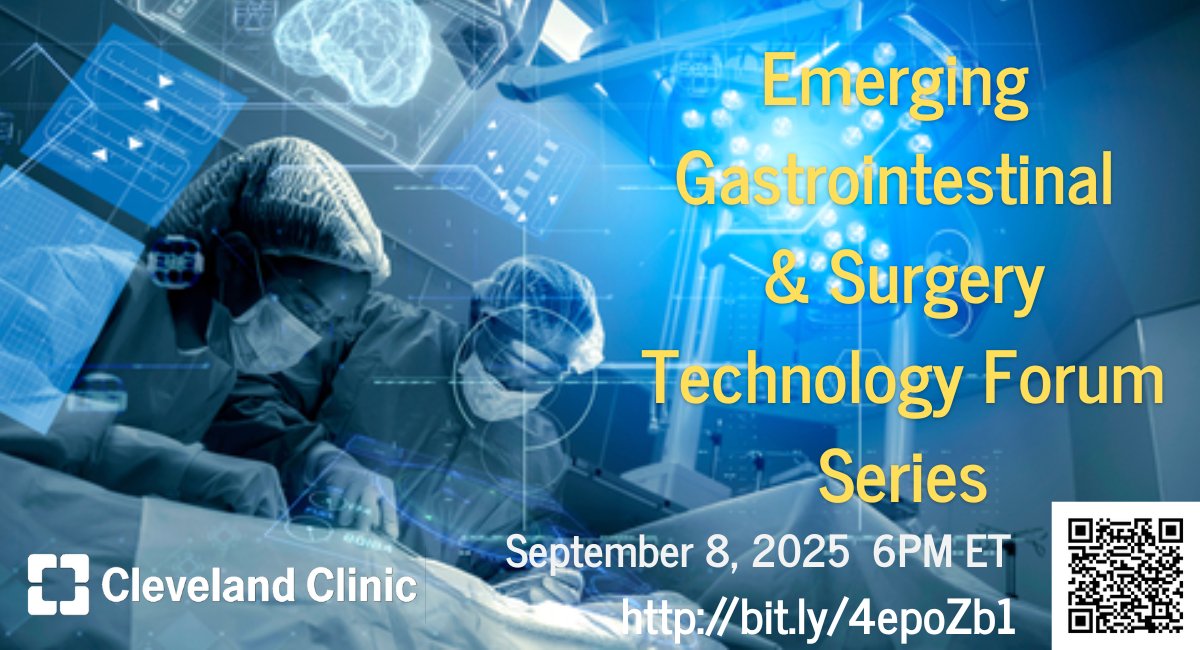
Emerging Tech Forum: Endorobotics
📅 Sept 8, 2025 | 6–7:15 PM ET | Virtual
Co-directing with @matthew_kroh
Global GI, surgical, & industry leaders discuss the coming endoluminal robotic platforms
🔗 Register: ddicme.com/event/emerging-ga…
#Endorobotics #GI #MedEd #InnovationImpact
3
7
35
1,201

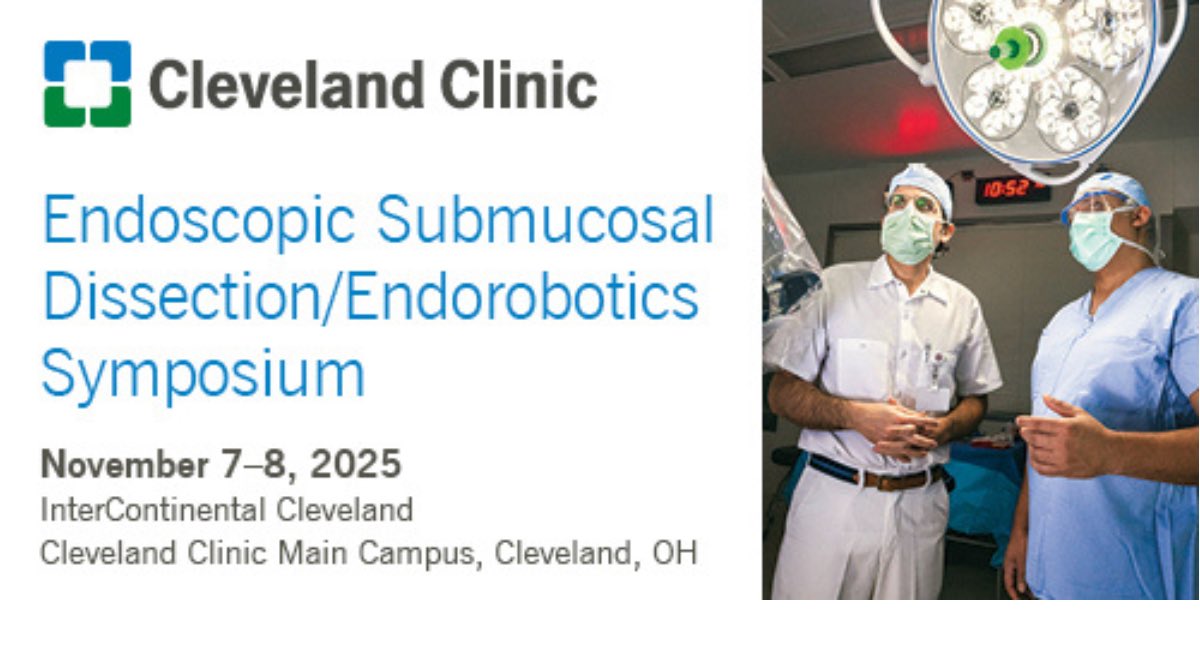
🎉 Hot Summer Deal☀️
Save $100 with code ENDO100
Ends August 1st!
🔍 Explore the Future of GI Surgery
• 8 hrs HANDS-ON LAB
• Endoscopic Dissection & Resection / Endorobotics
• Upper & Lower GI Surgery
• Tissue closure & organ-sparing
👉 ccfcme.org/ESDE2025
6
12
1,048