Faevylus - Resident Cleric 💜♈-🟢🪽 retweeted

Jun 15
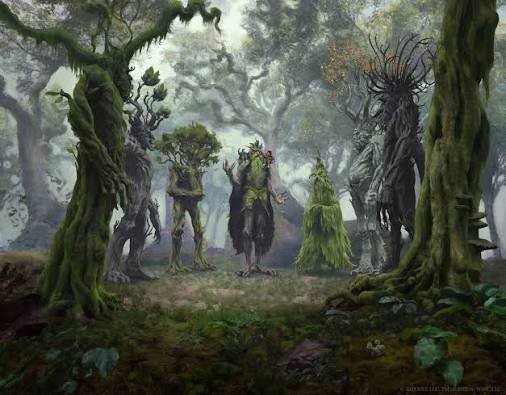
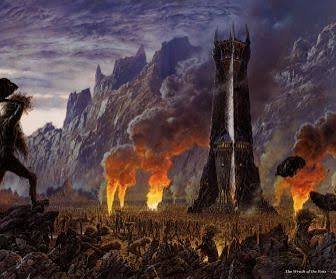
Did you know these details about The Last March of the Ents, or the Battle of Isengard?
This event is actually one of Tolkien's clearest critiques of industrialization. In one of his letters, J.R.R. Tolkien spoke of his sadness at seeing the rural landscapes he loved as a child destroyed by factories and industrial development. As a result, many readers interpret the Ents' destruction of Isengard as nature's revenge against industry.
Tolkien also makes it clear that Saruman did not anger the Ents merely because he was their enemy, but because he systematically devastated Fangorn Forest. He specifically notes that Saruman cut down hundreds of trees to fuel his furnaces and forges. This is what led to Treebeard's famous words:
"There is no curse in Elvish, Entish, or the tongues of Men for this treachery."
In addition, Ents are naturally very slow to make decisions, with an Entmoot lasting for days. However, when they finally decided to attack Isengard, they did so knowing it would likely be their final act. Because the Entwives had been lost long ago, no new Entings could be born, meaning their species was already facing a slow extinction. Treebeard recognized that this great war might lead to their absolute end, which is why this tragic, final mobilization of their remaining strength is known as The Last March of the Ents.
2
66
559
28,017

Fuck the Green Party talking about the environment again
Are the old simpleton Greens back in charge or the monsters that invaded your party still there
The Tree Ents vrs The Orcs
4

No, gracias. Yo tengo dignidad y me da que, con eso, sería muy difícil llegar a profesional
Además, preferiría un trabajo en el que se haya que ser mejor persona que en ese
No sé... apaleador de crías de unicornio, leñador en un bosque de Ents, etc...
Que no te enteras, que no
1
6
Gerald Hazard retweeted

Jun 15
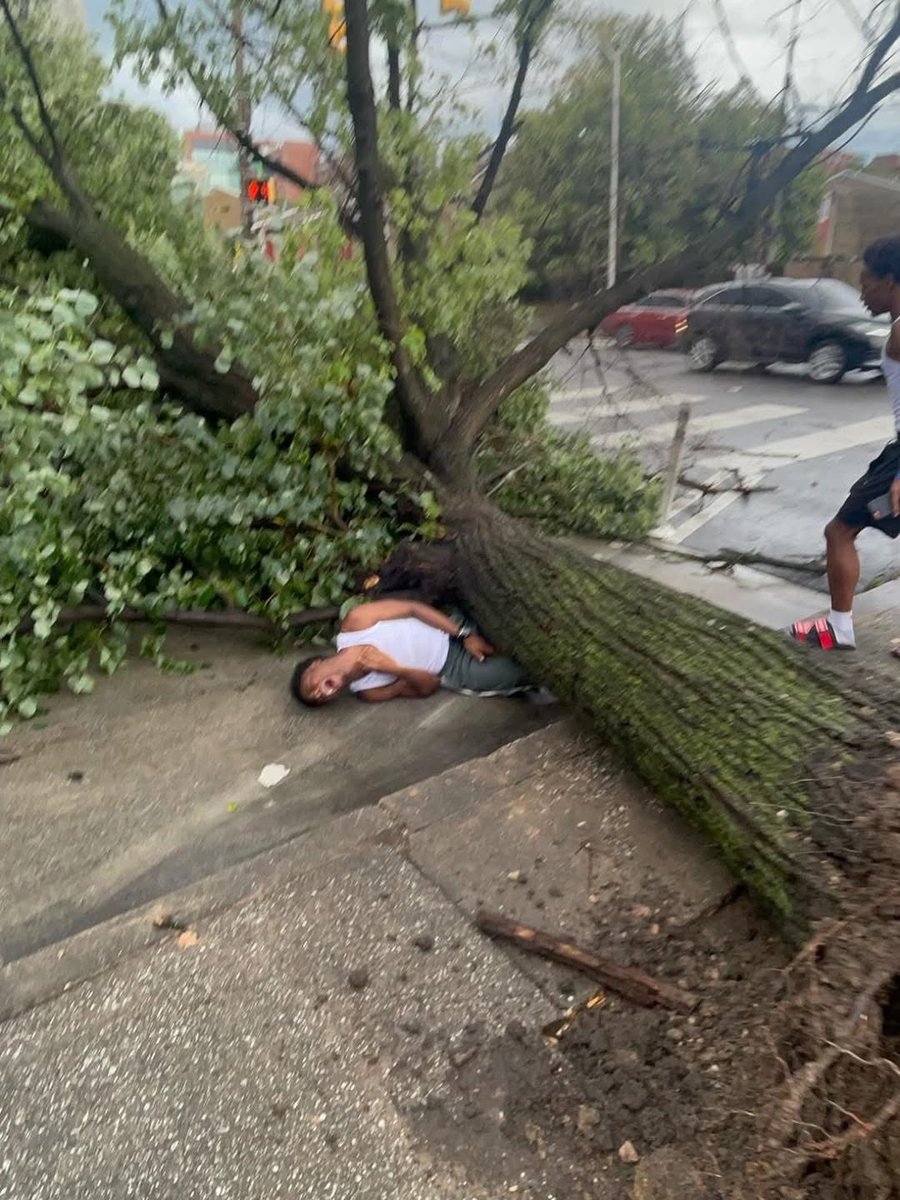
The Ents have started fighting back against the orcs
3
18
491
4,513

Vete a la mierda no es por nada pero en la derecha hay mucha mierda y hay entS tan tranquilos
5

Full of Ents "israel" is a colonial construct, created and sustained by genocide and apartheid, and any business marketing itself with that brand needs to be cancelled out of existence.
48


Esos líderes del G7(acuerdan que Rusia no está ganando) me hacen acordar la reunión de los ents y después de una larga discusión entendieron que los hobbit no eran Orcos , que estupidez, ya dejen tanta reunión y apoyen a Ucrania y verán un dolor de cabeza menos en el 🌎
1
57
Glauber Travassos retweeted

21h
Se até os Ents lutam pela floresta, a gente também pode!
A #CCXP26 se uniu à SOS Mata Atlântica e cada Ingresso Social vendido já doa R$ 10 automaticamente para o projeto Florestas do Futuro. Mas você pode ajudar ainda mais com doações espontâneas!
2
3
33
2,343

Keep the politics out of it then.
If it's an ents account you should not be using it to spread your personal prejudices.
1
12


Mannschaft ist leider nicht genderneutral. Die "Ens"? Oder Ents?
1
3
76

The road to matching in otolaryngology looks different for every applicant. Dr. John McGinn (@jdmpsu95) shares how to make yours a success in this @_backtableENT episode, providing an insider’s look at the match process. A must listen for aspiring ENTs ➡️ youtube.com/watch?v=BYnD1h6H…
1
59

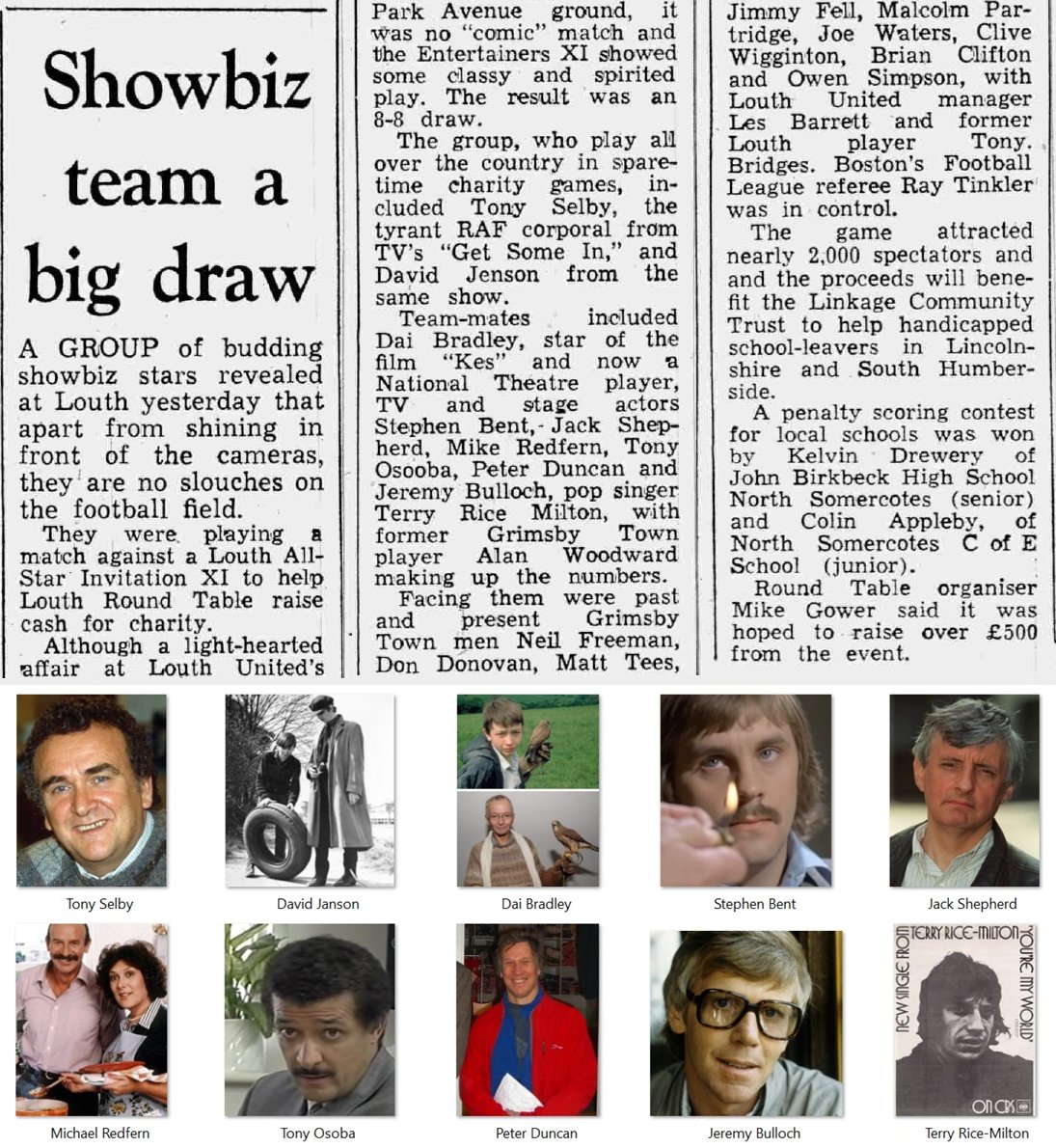
Louth All-Star Invitation XI 8-8 The Entertainers XI
Sun 25 April 1976 Park Avenue, Louth
All-Stars (past & present #GTFC): Neil Freeman Don Donovan Owen Simpson Joe Waters Clive Wigginton Brian Clifton Matt Tees Malcolm Partridge Jimmy Fell Barrett & Bridges
Ents Woodward
1
694
Pablo Rizzi retweeted

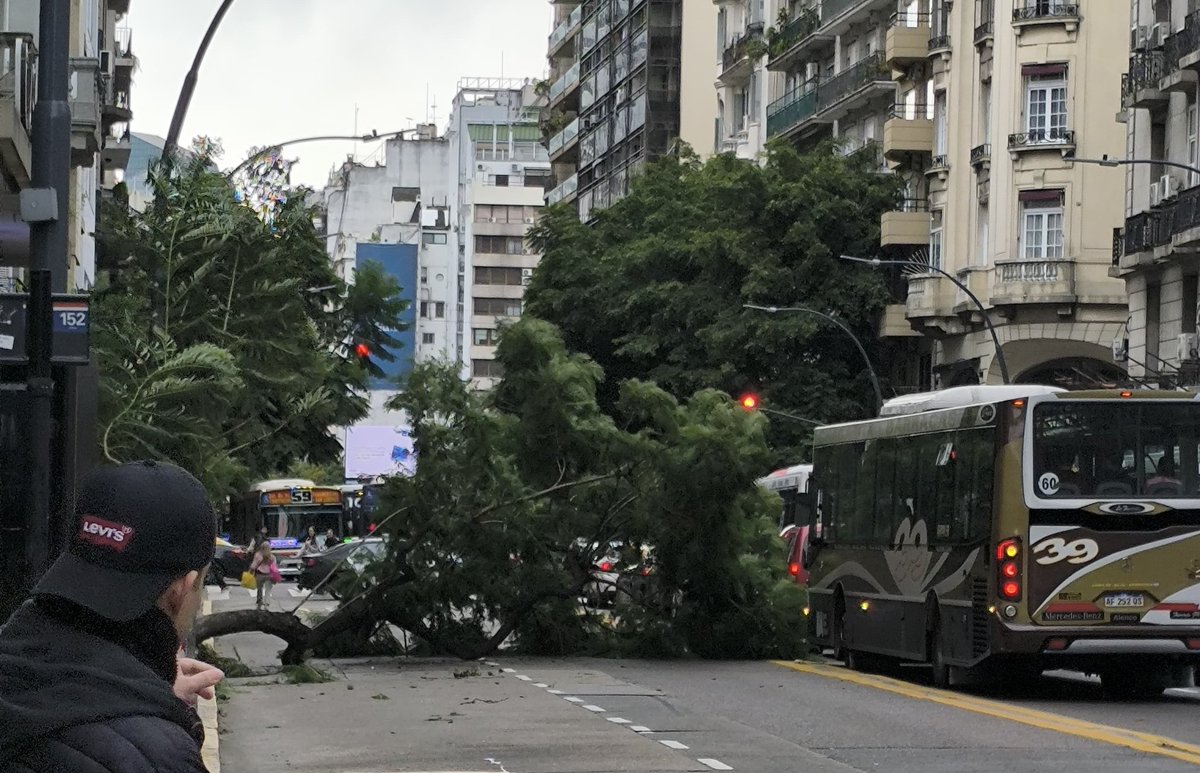
Sólo espero la lenta pero inevitable marcha de los Ents que saque a patadas al saruman mascabo.

1
4
28