orph :3 retweeted

#bkdk kats texting izk that hes picking him up after class and taking him out.
expecting dinner at a restaurant, izk’s mouth drops when they end up under the tree where they first kissed, a beautiful picnic set up with all of his favourite foods
and he’s even more shocked when
3
55
926
8,438

Mental Game Monday: Coachability
After several conversations with several college coaches, it seems like a good time to discuss a few of those things that are important for coaches, yet a challenge to define.
There are a few that come to mind, resilience, emotional awareness, character, and for today, coachability.
To me, coachability describes a willing to ask for feedback/direction, receive it, clarify as needed, understand it, integrate, apply, and revise based on application.
I have seen athletes that were great at asking for and receiving feedback, and then not much after that. The athlete did on Saturday the same thing they did on Tuesday, no matter what direction they got on Wednesday and Thursday.
There are several places in which the instructional/coaching feedback loop can fail - the challenge is diagnosing where that occurs, and how to fix it. Oftentimes the problem seems to be in the understand/integrate/apply portion of the adventure.
This then become a dyadic problem - for a coach to be effective, the feedback has to be comprehensible to the athlete, and the coach may need to revise the content or approach to meet the athlete where they are (coach the athlete you have, not the athlete you want to have). Coaches can ask the athlete to paraphrase back, demonstrate it, and one of my favorite - ask the athlete to teach the task/skill to someone else. This is a fantastic way to see where the message sent and message received differ.
How does this connect to mental game? Recall the practice/performance split. In practice, we want an open mind, filling with confidence and experience, and trying new things. Performance time - mind is closed, trust is locked in, and the athlete is tasked not with learning, just doing. Learning skills (low confidence) and executing skills (high confidence) are different mindsets - so both coach and athlete can be mindfully of when we want the athlete in learning mode (low confidence) and when want the athlete executing with high stable confidence (any 3rd bases coaches wondering if you’re overcoaching athletes headed for the batters box, its a good question to ask).
Part of coachability is timing, another is location. Another important facet is the context. If a high school sophomore is at a camp at their top echelon school, that’s a fine time to be as coachable as one can be coached. At a pre-tournament workout in front of a few college coaches, that is very much a time to be open to feedback and demonstrate how quickly you can integrate feedback - with a willing and open mind. Those college coaches are expecting to coach, train, educate, grow, advise, mentor, scold, encourage, and uplift these 16-17-18 year olds when they’re 18-19-20…23. Athletes that present as a finished product will certainly make an impression, perhaps not the impression we’re looking for. Being coachable requires a humble desire to improve.
So when a PSA is getting some guidance/coaching, be mindful of the parallel process, one facet is the skill being coached, the other facet is coachability as a skill.
e-panther retweeted

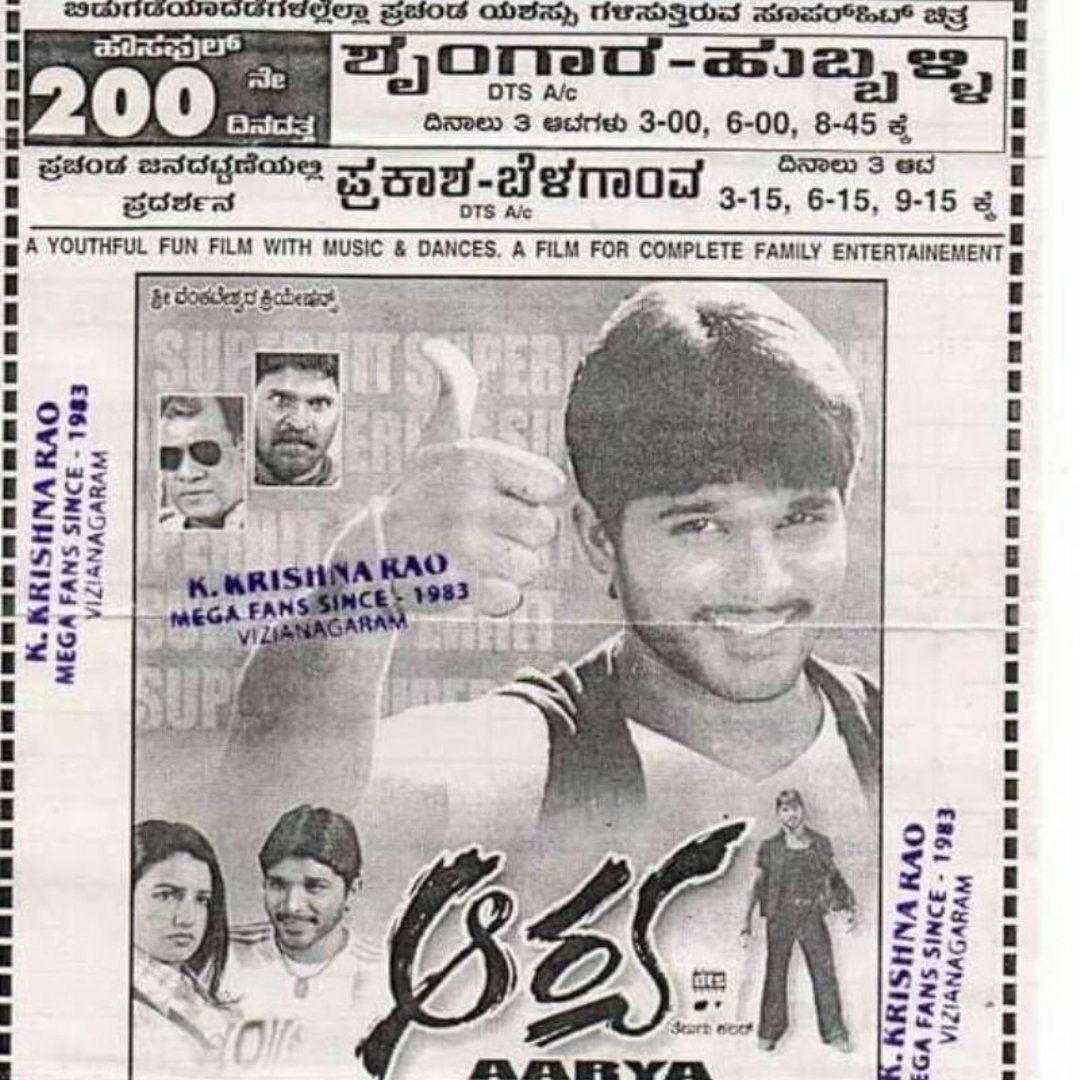
#Arya4K
Karnataka Collections 🔥 🚒
Red Alert Danger ⚡😈
Expecting Big Re-release in Karnataka State Please do needful
@DayaArjun2
Highest Fan Following Telugu Actor in Karnataka - #AlluArjun
#Happy4K
2
24
81
1,470


𝕻𝕿𝕴𝕿𝕴𝕲𝕰𝖗ⁱ𝕻ⁱᵃⁿ retweeted

1053.Khan Sahib’s endurance should inspire reflection among those who became comfortable while expecting one man to carry responsibilities that belonged to many.
Qaumon ka safar aik fard akela nahin chala sakta.
#خان_کو_قوم_کے_سامنے_لاؤ
@TeamiPians
7
1
9

I believe you already did it over and over expecting a different result!
Oyinbo 🫶🏻✊🏻 retweeted

You just know Zach is expecting to be the one to be tested. But I hope they bring in a bombshell who’s exactly Kayda’s type instead. I want to watch that dude squirm and worry that he’s not someone’s first choice. Because he’s entirely too cocky and ego-driven. #LoveIslandUSA
14
453
8,234
67,223
Hunter retweeted

4h
Trusting a jew?
That's like shoving your dick in a hornet's nest and expecting a happy ending.
5
3
52
763

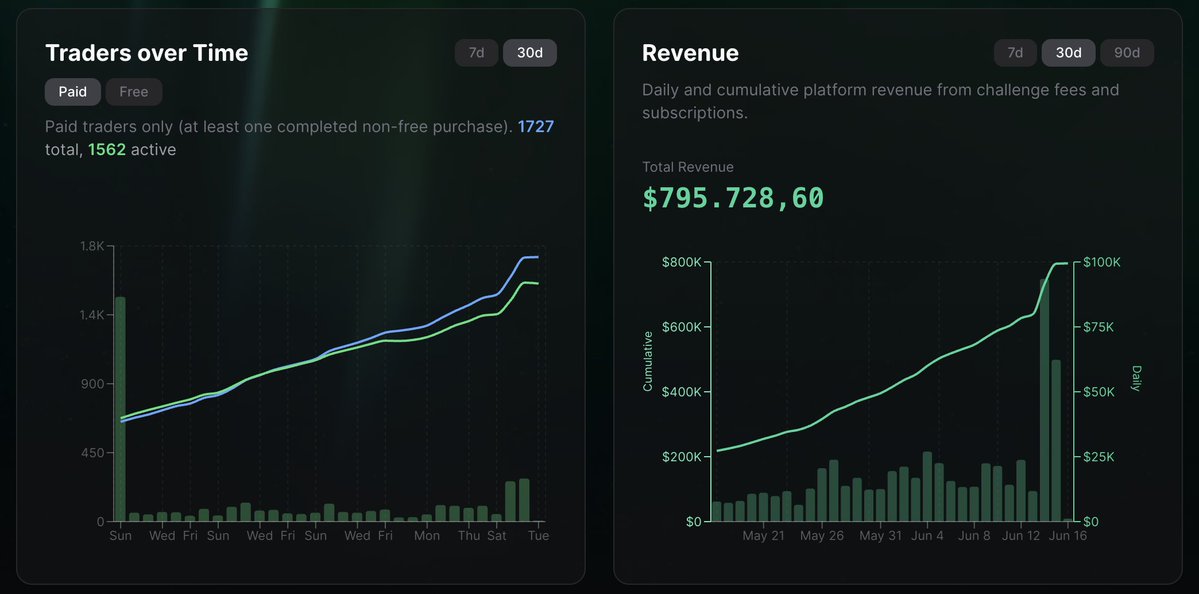
The revenue on @ProprXYZ has absolutely skyrocketed over the last 2 days thanks to the double points promotion, generating around $160k from it alone. The number of traders has also surged by over 240.
Revenue is growing extremely fast, while I don’t expect these levels to continue after the promotion ends (it was a massive incentive), the momentum is still very impressive.
I’m expecting this week to deliver the highest points emission by a huge margin, likely over 6-7 million points when factoring everything in. The growth has been incredible, and the points decay helps to prevent massive inflation.
Starting now is one of the wisest decisions you can make: app.propr.xyz/r/LEKIM
2
3
𝕻𝕿𝕴𝕿𝕴𝕲𝕰𝖗ⁱ𝕻ⁱᵃⁿ retweeted
1061.Imran Khan invested trust in people, expecting them to defend ideas rather than personalities. The responsibility now belongs to everyone who shared that vision.
Fikr zinda rahe to tehreek zinda rehti hai.
#خان_کو_قوم_کے_سامنے_لاؤ
@TeamiPians
1
7
4
17

This is great! I’m expecting to see a more coherent strategy and implementation across target overseas markets 🥰
5

This vital update regarding the immense public suffering and total administrative failure at the camps completely breaks the fake narrative of clean governance spread by @BJP4India. Expecting a structureless, local opposition like @BJP4Bengal to manage a welfare framework is a complete joke. Guided by @MamataOfficial and @abhishekaitc, every single grassroots soldier of @AITCofficial is fully prepared to politically obliterate this corrupt setup! ✊🌾
@MamataOfficial @abhishekaitc @AITCofficial @BJP4India @BJP4Bengal
#WashingMachineBJP #AntiBengalBJP #BJPExposed #ShameOnBJP #BengalIsWatching #TMCFightBack

The BJP government has simply renamed TMC's successful "Duare Sarkar" scheme as "Jankalyan Shibir."
But instead of public welfare, people are facing chaos, delays, and harassment across Bengal. What once delivered services smoothly has now become a source of suffering.
🥛𝐆𝐎𝐎𝐍 𝐓𝐔𝐁𝐄🥛C✨M & JOIN📲 retweeted

The passion got the better of us 🤭 he got a front row seat but not the view he was expecting… 👀 he missed some goals, but I hit mine 😩 would you watch the match with me? 😈

He wanted to come over to watch the football with me… I said yeah sure, why not… I do love watching the World Cup. It’s so passionate and the atmosphere is always so good.
14
261
2,363
61,031
This vital update regarding the immense public suffering and total administrative failure at the camps completely breaks the fake narrative of clean governance spread by @BJP4India. Expecting a structureless, local opposition like @BJP4Bengal to manage a welfare framework is a complete joke. Guided by @MamataOfficial and @abhishekaitc, every single grassroots soldier of @AITCofficial is fully prepared to politically obliterate this corrupt setup! ✊🌾
@MamataOfficial @abhishekaitc @AITCofficial @BJP4India @BJP4Bengal
#WashingMachineBJP #AntiBengalBJP #BJPExposed #ShameOnBJP #BengalIsWatching #TMCFightBack
garden-of-chaos retweeted



5
36
270
1,674

It is a wanting to live a peaceful life thing, women equal chaos entirely too much. Not saying all of them but chaos in dating makes me want to exit the relationship. Too much expecting men to read their minds
1
Ashish C retweeted

Jun 11
"No European country has been attacked with Indian Weapons... So Keep that in Mind"...!!!
I think Europe was not expecting that answer from Minister @DrSJaishankar 👏
425
6,246
27,073
1,082,443