alexissss 💸 TVL SPOILERSSS retweeted

dinner with the exposition family be like: no lestat! you wont go to the monastery nor escape again with that troupe ! i am telling you this because im your evil misogynistic father and your brothers tweedle dee and tweedle dum shall torture u for my amusement #tvlspoilers
7
56
505
8,341
AnselmTheWeird0 retweeted

David Tennant is a different gender alongside exposition and comic relief confirmed
20 Jul 2018

"any age any gender anyone can wear it, youre not dressing as a girl and youre not dressing as a boy, youre dressing as the doctor!"
- jodie


1
7
328
7,003

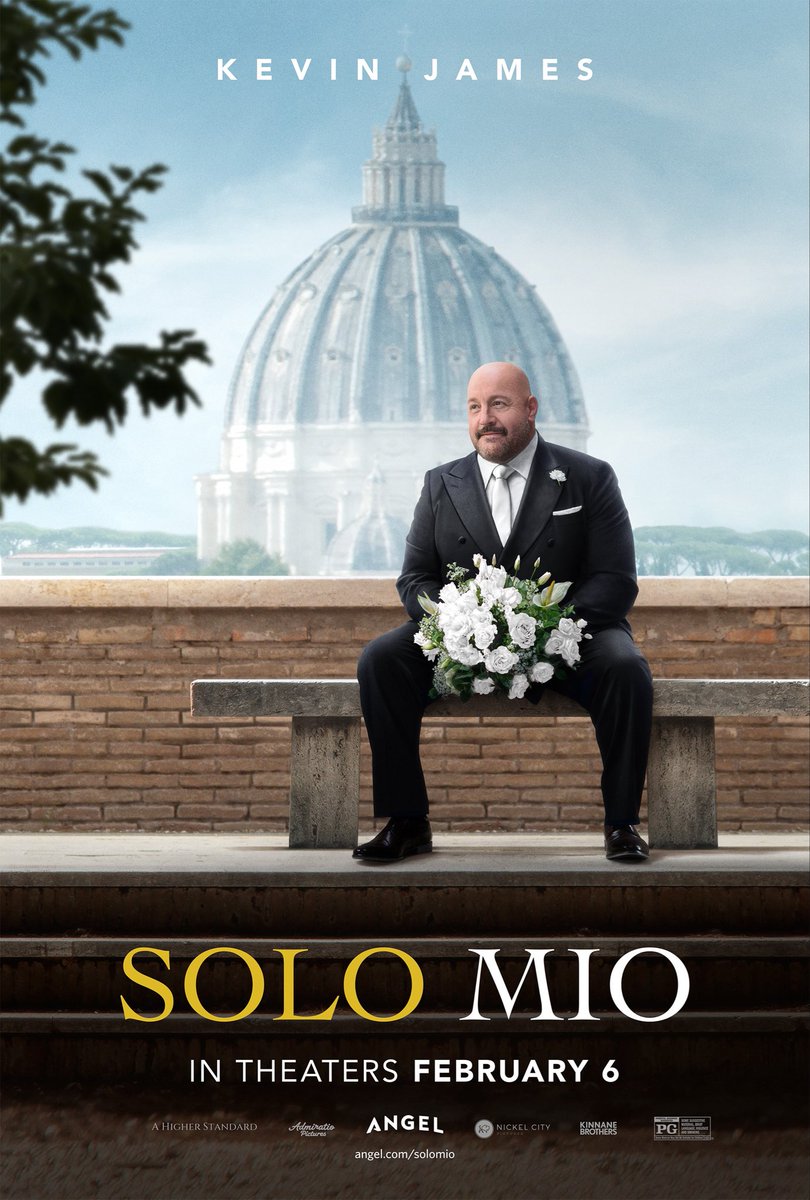
#SoloMio
Review ⭐️⭐️⭐️
Nach seiner Verlobten, Heather (Julie Ann Hannigan), die ihn am Altar in Rom verlässt, beschließt Matt (Kevin James), seine Hochzeitsreise alleine in 'Solo Mio' zu erleben. Er freundet sich mit Gia (Nicole Grimaudo), einer freundlichen Cafébesitzerin, an. Die Co-Regisseure Chuck und Dan Kinnane sowie die Co-Autoren Kevin James, Patrick Kinnane und John Kinnane haben eine süße, herzerwärmende und lockere, aber gelegentlich kitschige und konstruiert wirkende romantische Komödie geschaffen. Das Drehbuch hetzt durch den ersten Akt, denn innerhalb der ersten Minuten hat Heather Matt bereits am Altar verlassen. Wie haben sie sich kennengelernt? Wie war ihre Beziehung bis zu diesem Moment? Was ist, wenn überhaupt, schiefgelaufen? 'Solo Mio' ist nicht allzu sehr daran interessiert, die Antworten auf diese Fragen zu ergründen oder genügend Exposition einzufügen, um zu wissen, ob man für das Gelingen ihrer Beziehung eintreten soll. Heather bleibt eine unterentwickelte Figur, die im Wesentlichen ein Handlungsinstrument ist. Gia hingegen erhält mehr Hintergrundgeschichte und schafft es, eine interessantere und komplexere Figur zu sein. Wird Matt sich für sie anstelle von Heather entscheiden? Ohne genügend Informationen über Heather und was sie emotional durchmacht, ist es schwer, sich für die Antwort auf diese Frage zu interessieren. Matt durchläuft zwar eine Art Charakterentwicklung, aber es fühlt sich nicht wirklich organisch an, da es schwer ist, zu spüren, wie introspektiv er wirklich ist. Seine Beziehung zu Gia wirkt ebenfalls konstruiert und erfordert ein gewisses Maß an Unglauben, obwohl es großartig ist, einen Charakter zu sehen, der freundlich ist. Es gibt hier keine Bösewichte, was erfrischend ist. Die Filmemacher fügen ein wenig komödiantische Erleichterung mit Humor des Fremden hinzu, z.B. als Matt „zucchero“, das italienische Wort für Zucker, falsch ausspricht - eine Zutat, die 'Solo Mio' bildlich gesehen reichlich hat und manchmal genug, um dir ein Lächeln zu geben. Dein Genuss des Films hängt davon ab, wie viel du mit einer zuckersüßen romantischen Komödie umgehen kannst und wie viel du bereit bist, deinen Unglauben auszusetzen.
1

4m
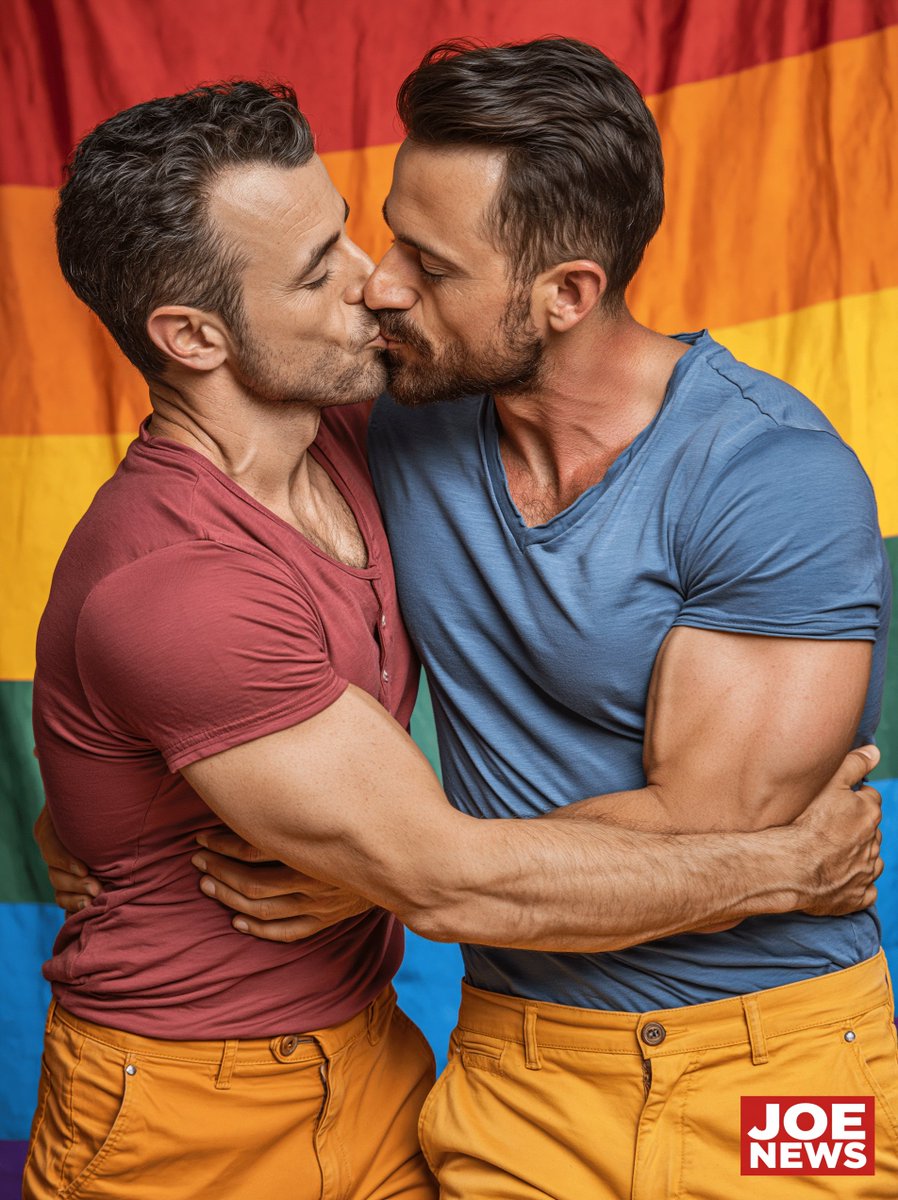
⚠️ 🏳️🌈 Les avertissements sur le contenu LGBTQ dans les films ratent complètement la cible
Les appels à des avertissements spéciaux au début des films comportant des thèmes LGBTQ, présentés comme un moyen d’éviter le dégoût à certains spectateurs ou de protéger les enfants du péché, ne sont rien d’autre qu’un filtrage homophobe déguisé en souci parental.
Des efforts récents de groupes comme One Million Moms et Concerned Women for America se sont concentrés sur la télévision pour enfants, en faisant pression sur la FCC pour exiger des mentions obligatoires sur le contenu lié à l’orientation sexuelle et à l’identité de genre, afin que les familles puissent choisir de ne pas les visionner. Cette même logique s’applique maintenant à certains longs métrages et films en streaming, avec des demandes d’alertes préalables sur les personnages gays, les affections entre personnes du même sexe ou les histoires transgenres. Les partisans de ces mesures soutiennent qu’elles renforcent le pouvoir des parents et évitent une exposition non désirée à ce qu’ils jugent inapproprié ou moralement répréhensible.
Dans les faits, cette approche isole les vies LGBTQ en les présentant comme problématiques d’une façon que les romances hétérosexuelles, les drames familiaux ou les sous-entendus sexuels légers n’ont jamais à affronter. Un baiser entre deux hommes ou un personnage qui explore son identité de genre est traité comme plus alarmant que la violence graphique, l’abus de substances ou les relations hétérosexuelles qui dominent la plupart des écrans. Ce double standard révèle le préjugé : il ne s’agit pas de protéger les enfants contre des thèmes matures, mais d’un inconfort face à l’existence de personnes queer comme membres ordinaires, aimants et visibles de la société.
Les enfants ne sont pas corrompus en voyant que des personnes gaies, lesbiennes, bisexuelles et transgenres existent et forment des familles. Au contraire, une représentation positive ou neutre favorise la compréhension et aide les jeunes LGBTQ à se sentir moins seuls dans un monde qui les marginalise encore souvent. La notion de « péché » relève ici d’un jugement religieux imposé au divertissement laïc. Les studios et les régulateurs n’ont pas à intégrer le code moral d’une seule foi dans les classifications de contenu.
Les parents conservent un contrôle total grâce aux classements existants, au bon sens et aux conversations ouvertes. Ils peuvent choisir de ne pas regarder certains films sans que toute l’industrie soit obligée de signaler les histoires queer comme des contes de mise en garde. Ajouter de tels avertissements ne ferait que renforcer l’idée fausse que le contenu LGBTQ est dangereux ou honteux, rappelant les paniques morales d’autrefois sur le rock ou les couples interraciaux à l’écran.
Les discussions qui se déroulent sur X illustrent bien le clivage : les voix conservatrices appuient souvent ces étiquettes élargies au nom de la protection des valeurs familiales face aux changements culturels rapides, tandis que les commentateurs progressistes et LGBTQ les dénoncent comme des efforts stigmatisants qui assimilent l’identité queer à de l’obscénité ou à un risque.
4
PMA retweeted

PMA
NEW ERA ALREADY
A TRACKLIST FOR HIS EP
EXPOSITION EP TRACKLIST
1. I FEEL IT
2. TRIPLE DEM (Feat. LVLVL)
3. FOREIGN TREACHERY (Feat. Tipman, Commentis, LVLVL & Scotty)
10m


1
2
16

Quand une autrice aussi formidable que Pénélope Bagieu s'éclate à ce point dans son exposition, c'est que les commissaires ont tiré le bon fil, raconté la bonne histoire, pnsé juste.
Il vous reste un week-end, celui des 20 et 21 juin, pour voir tout ça !!! @bdgallimard @Gallimard

Petit aperçu de l’exposition À la rencontre de Pénélope Bagieu que vous pouvez encore retrouver aux RDVBD Amiens les 20 & 21 juin !
Un grand merci à Pénélope Bagieu pour sa présence… C’était incroyable !

🇫🇷🚢 Une exposition immersive dédiée au #Titanic a ouvert ses portes jusqu'au 10 septembre. Plus de 260 objets authentiques s'y trouveront :
cerfia.fr/titanic-decouvrez-…
40
29
358
145,393
imagine anow retweeted

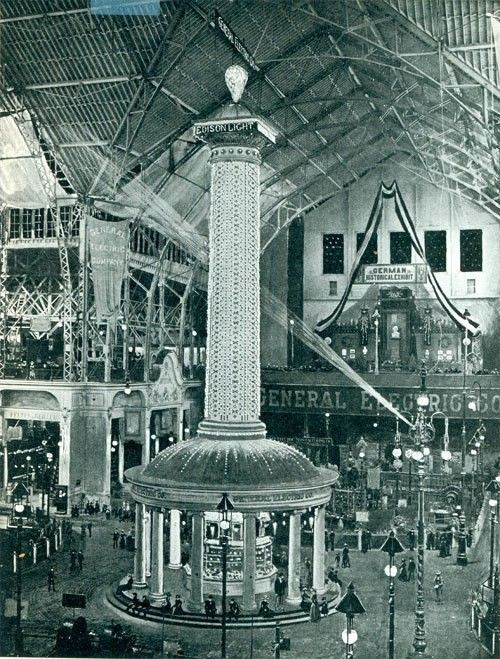
The world has been fed the false narrative that the 1800s were pioneer days. This Exposition photo was taken shortly after the Civil War. This photo demonstrates just how modern the world really was.
1
15
51
414

10m
We don't gotta lie
It has the potential to be peak but right now it's literally just been a whole lot of setup / exposition dump with no actual payout. It's like saying the first half of Chimera arc is peak as a standalone
12
The Lafayette Trail retweeted

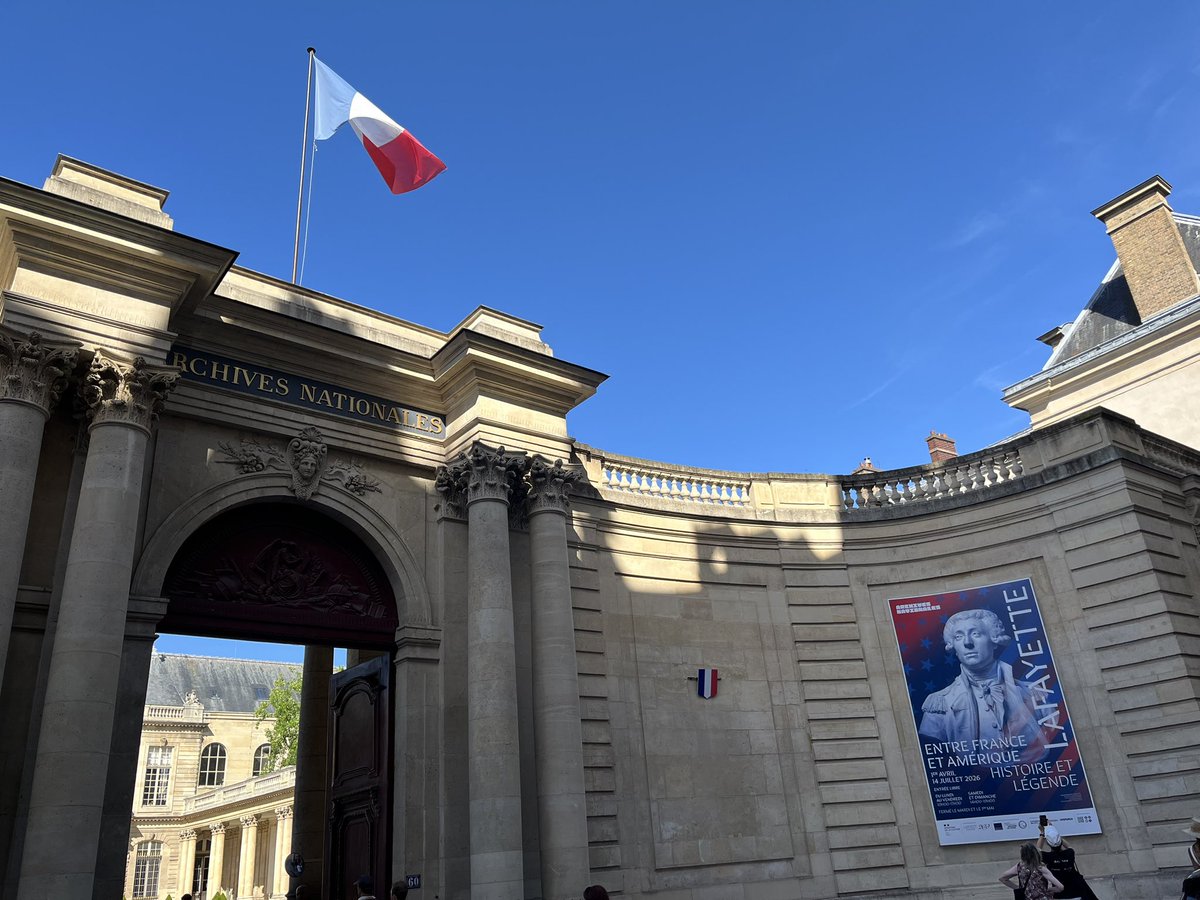
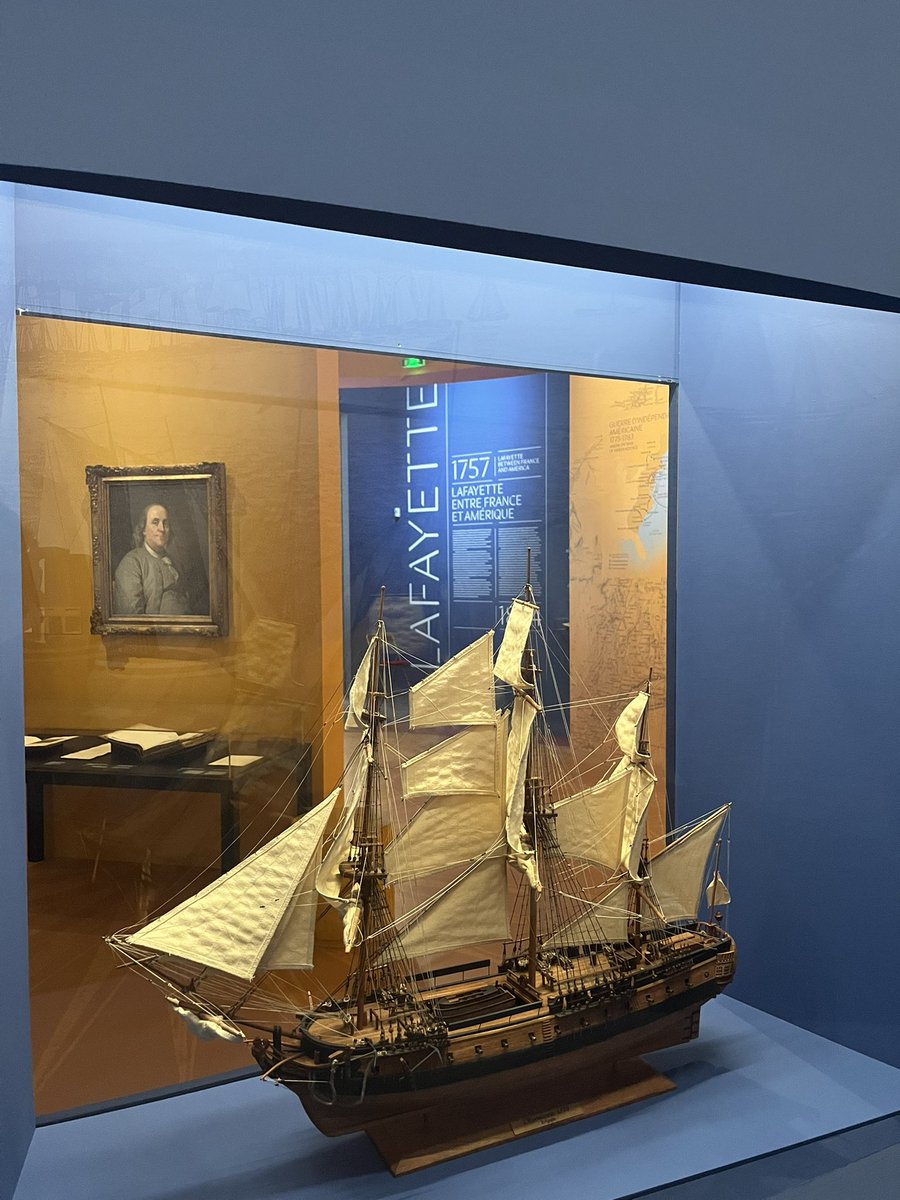
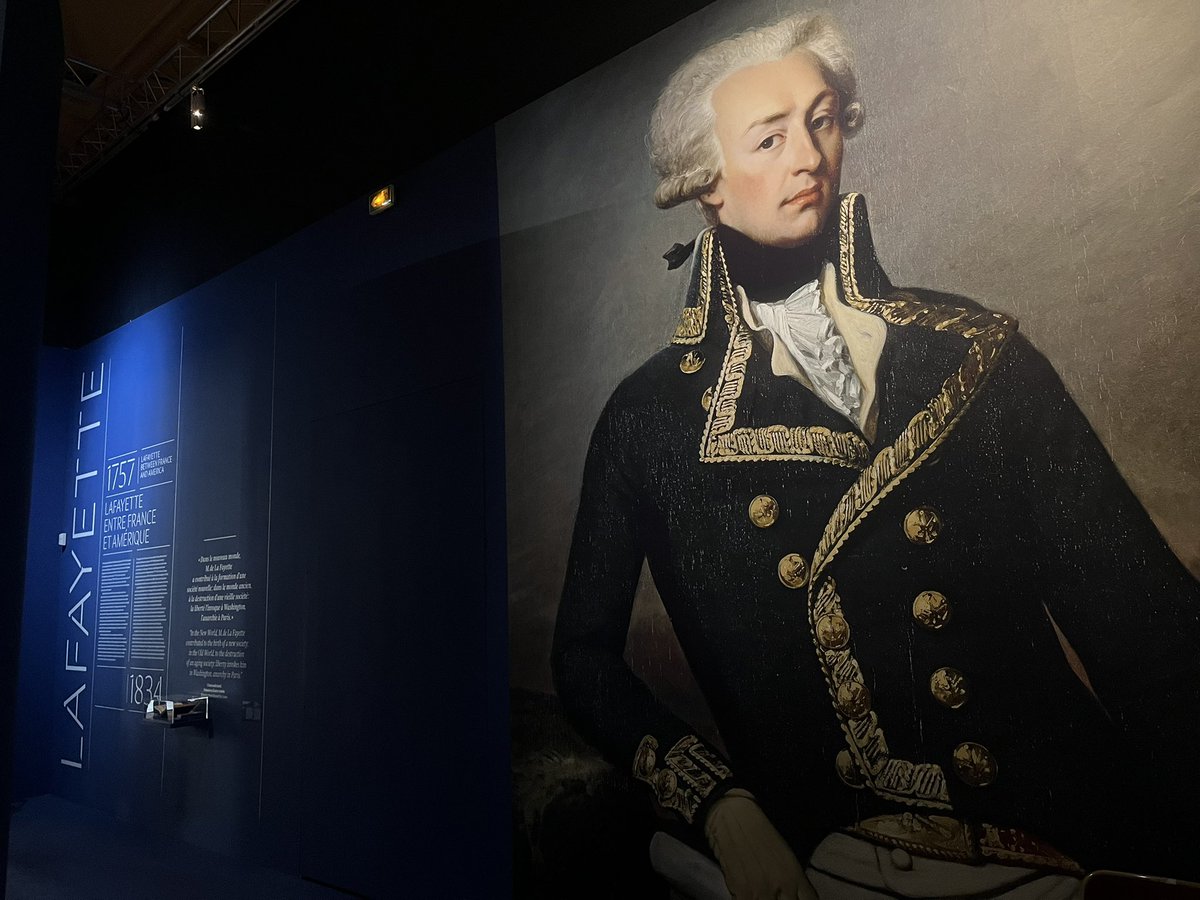
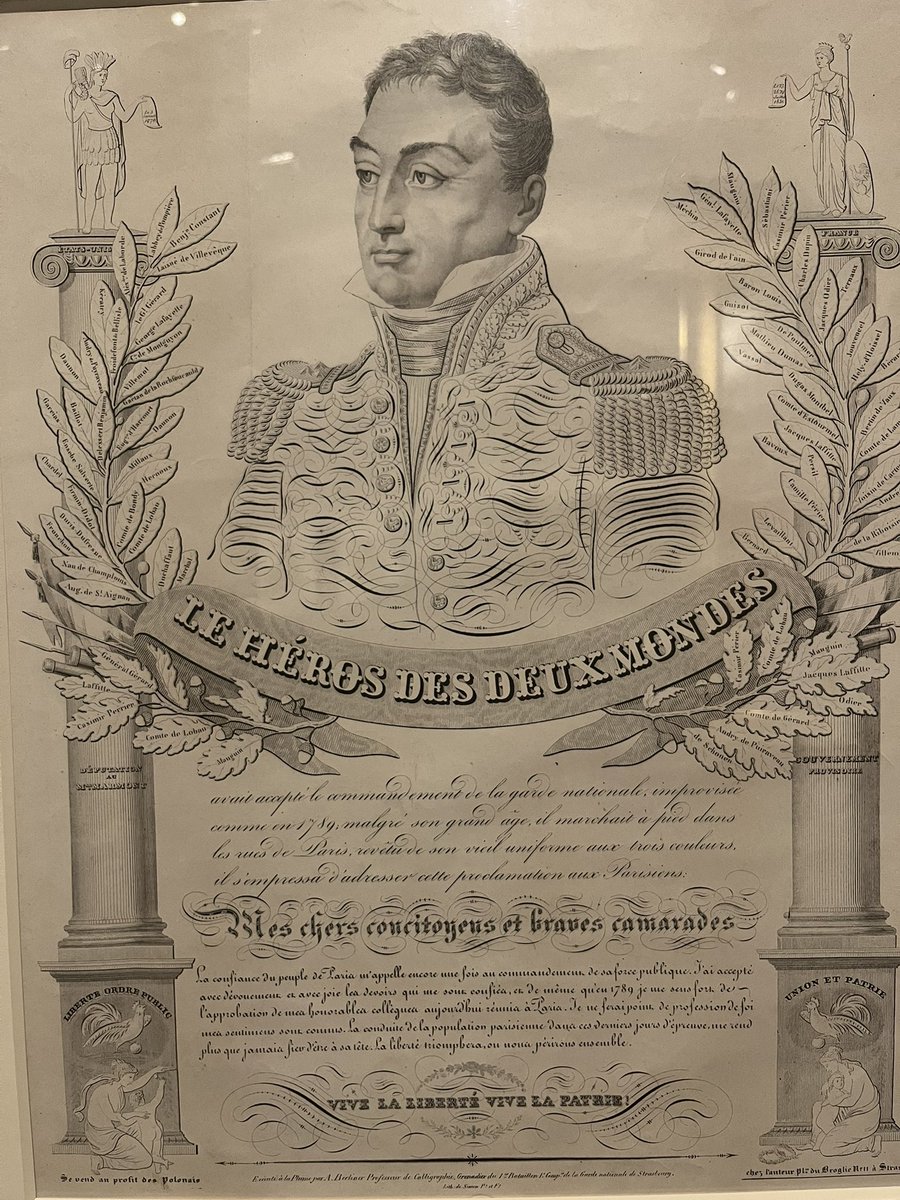
Très belle exposition @ArchivesnatFr consacrée à Lafayette, « héros des deux mondes », à l’occasion du 250ème anniversaire de l’indépendance des Etats-Unis. #America250 🇫🇷🇺🇸
1
5
14
José Luis Rojo retweeted

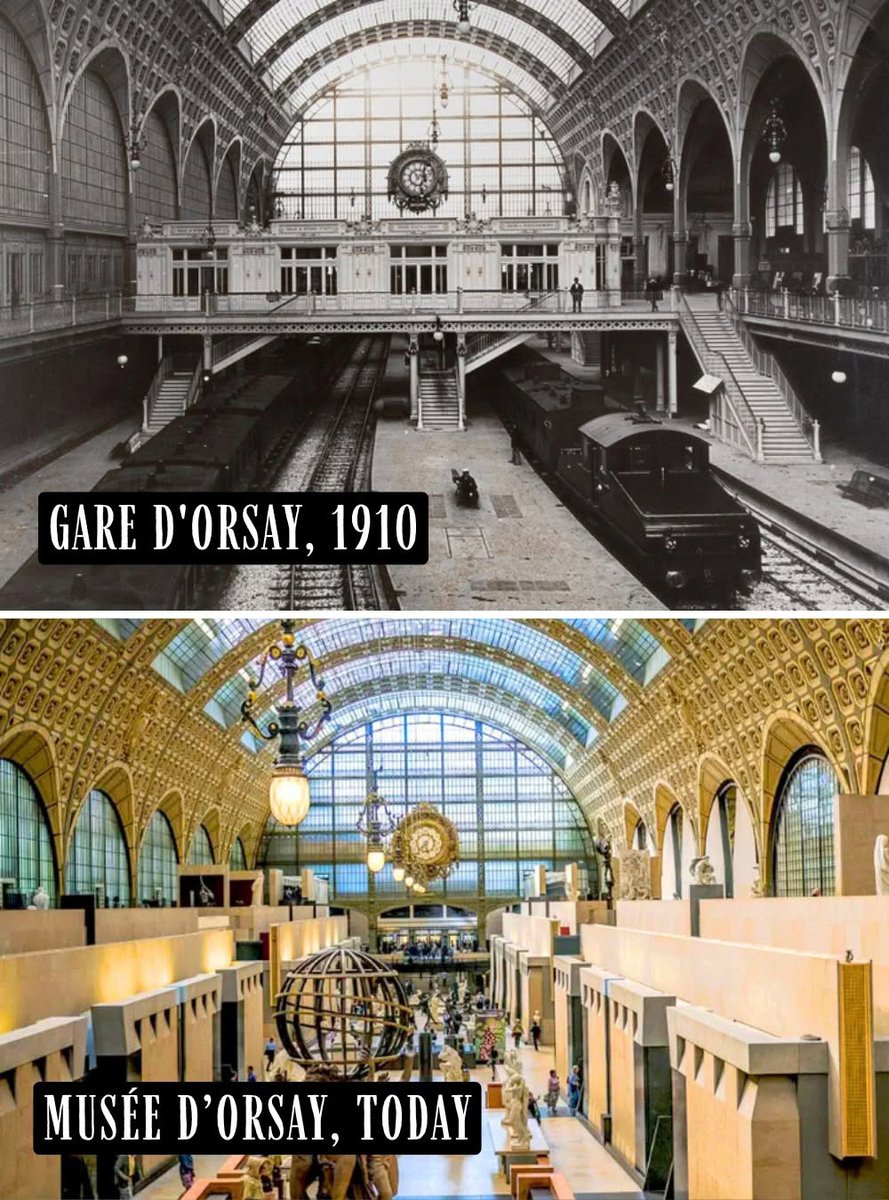
One of Paris’s most famous museums began as a railway station.
Gare d’Orsay opened in 1900 for the Paris Exposition Universelle, designed by Victor Laloux as a modern rail terminal inside a grand Beaux-Arts shell.
But the station’s platforms soon became too short for newer, longer trains. After 1939, it was no longer used for mainline services and gradually lost its original purpose.
In the 1970s, the idea emerged to transform the abandoned station into a museum for 19th-century art. The Musée d’Orsay opened in 1986, preserving the vast glass-and-metal train hall as one of the most recognizable museum interiors in the world.
4
17
96
2,749

Les images les montrent à une exposition sur Nova et non au tribunal. Un montage bas de gamme antisémite.
1
4
Wonbin Antwe retweeted
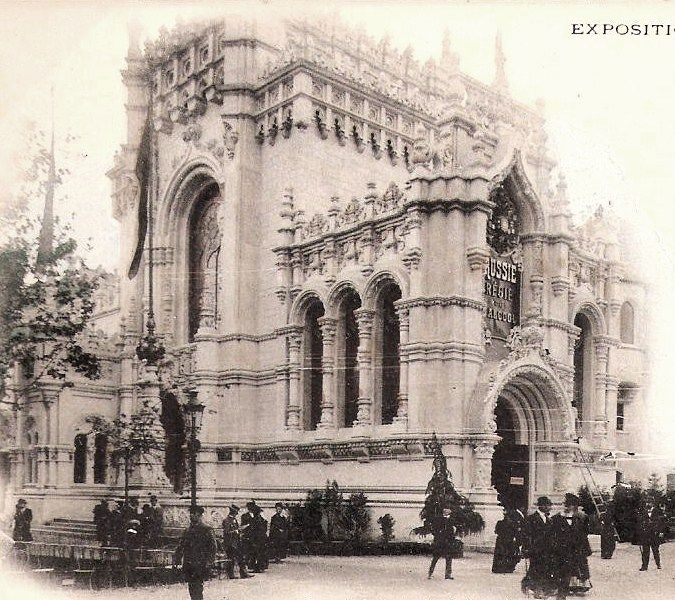
Pavillon de la Russie (Liquor Board) during the 1900 Paris Universal Exposition. Located on the Champ de Mars, near the Eiffel Tower, it showcased the state monopoly on Russian alcohol and spirits, including the iconic vodka.
An incredibly divine structure to showcase alcohol, no?
13
29
309
Dᆞ2ᆞS𝓲𝓭é𝓻𝓪𝓽𝓲𝓸𝓷🚀🇫🇷 retweeted

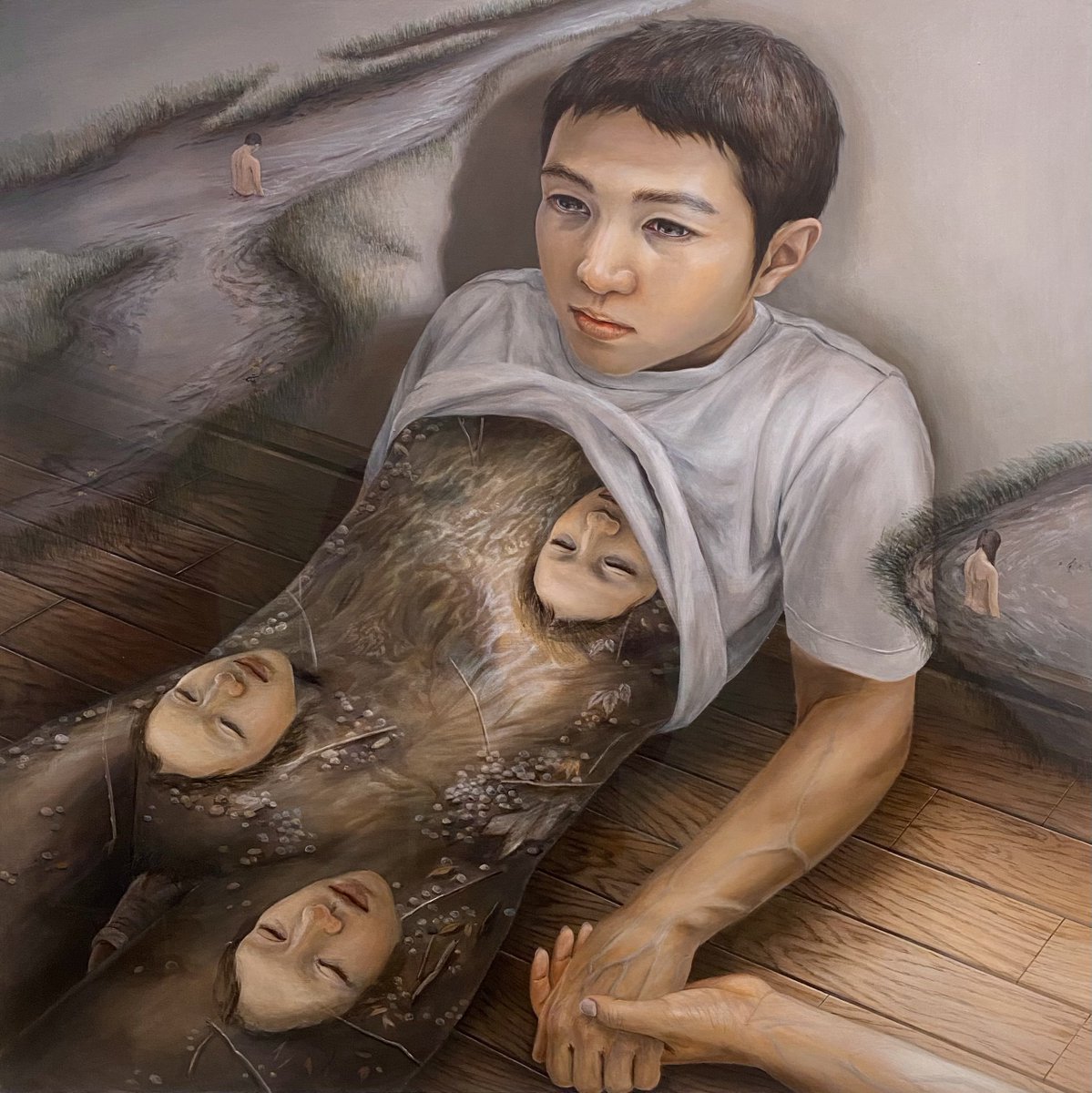
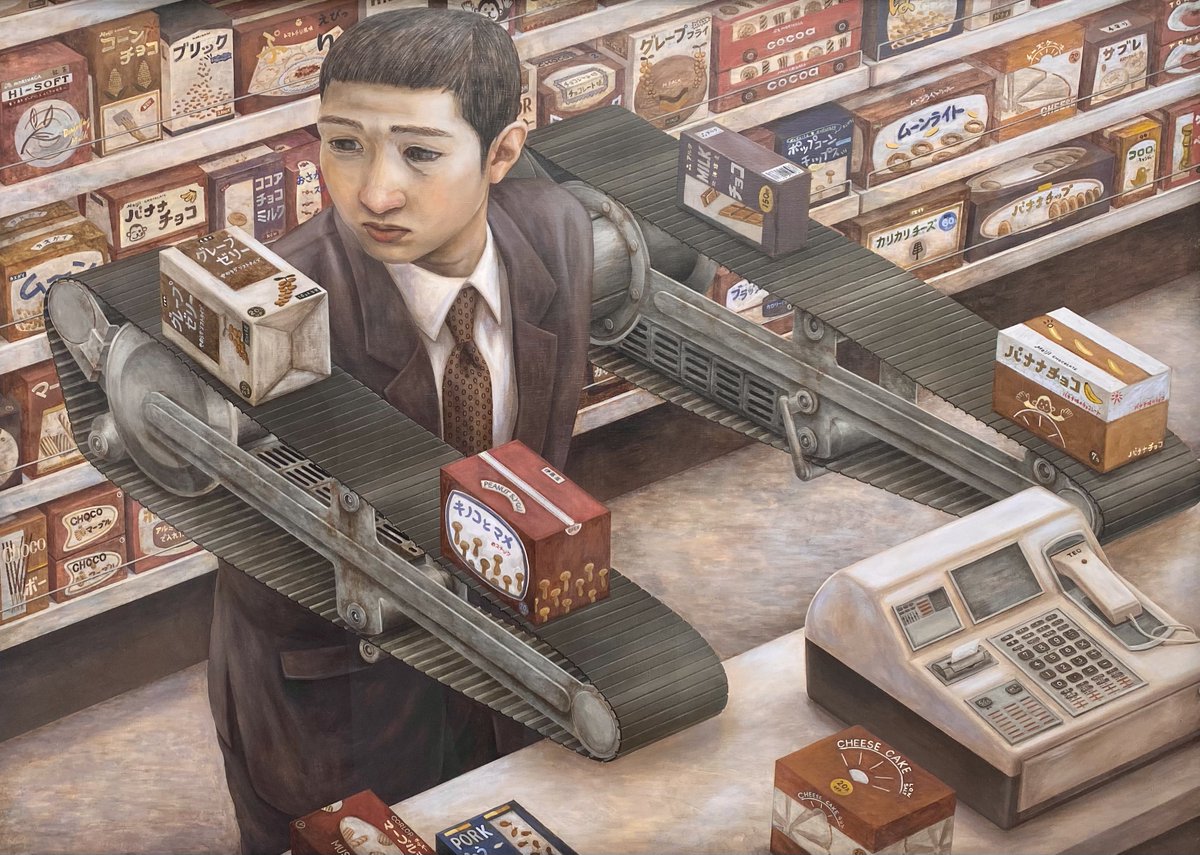
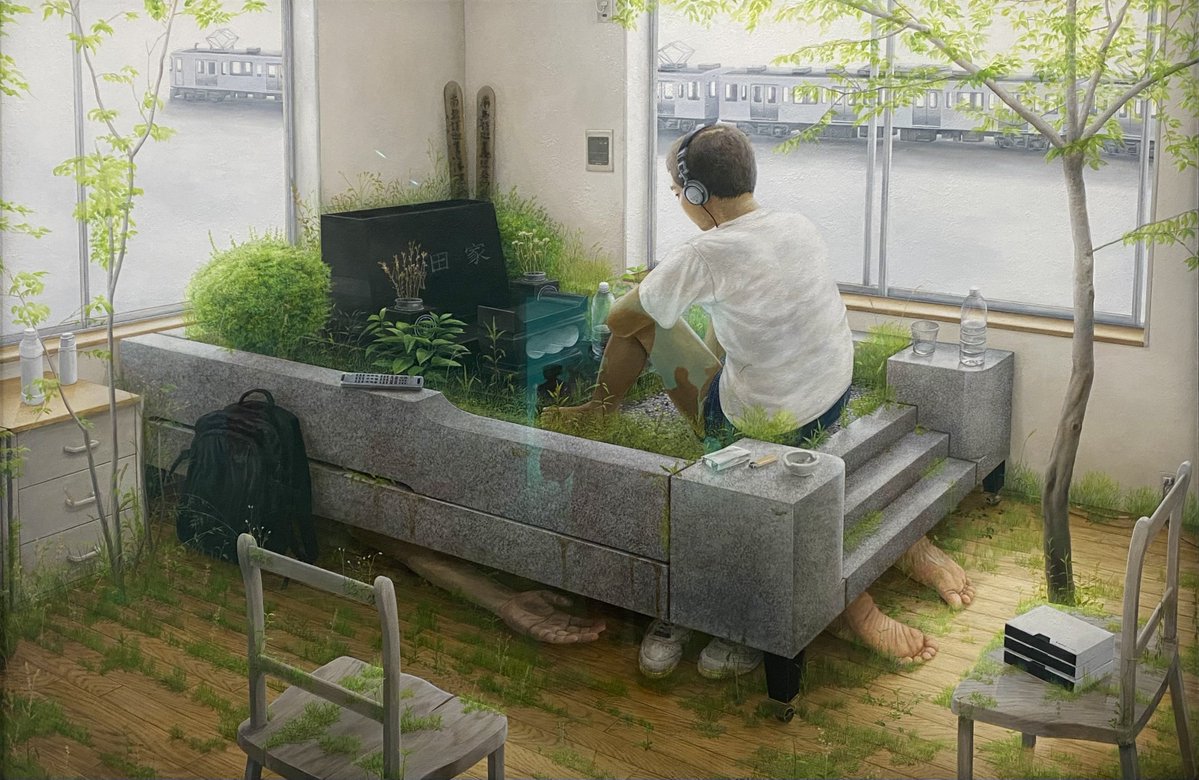
La galerie @Gagosian présente la 1ère exposition (et rétrospective) française du peintre japonais #TetsuyaIshida (1973-2005), dont la production dans les années 90 et 2000 est fortement marquée par la forte instabilité sociale et économique qui frappe le pays.

1
1
3
159
PulsePilot retweeted

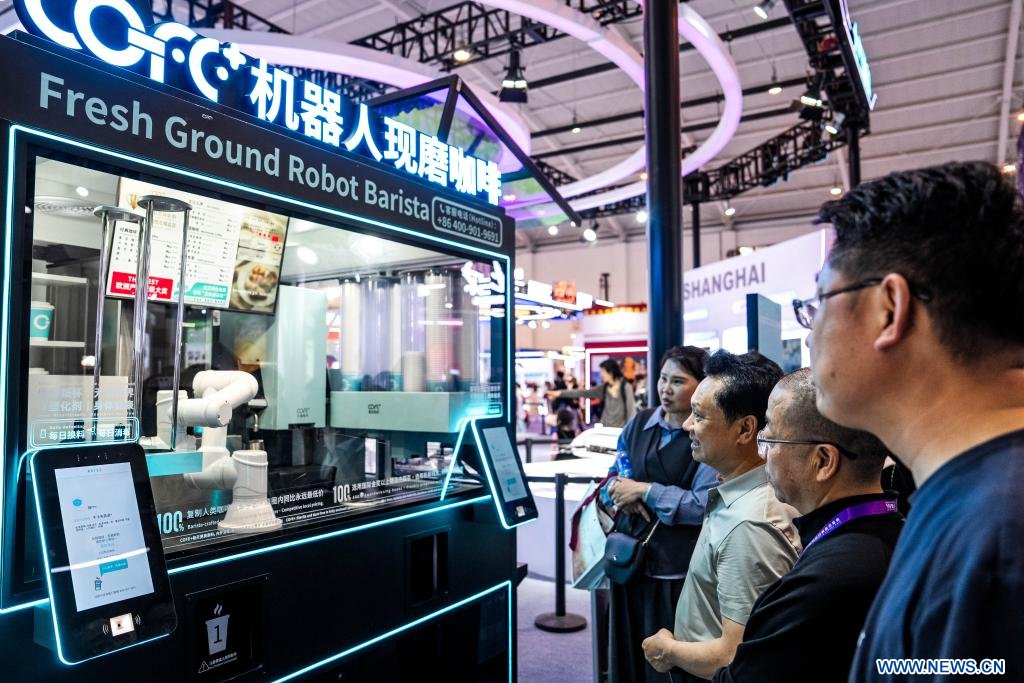
La 10e Exposition Chine-Asie du Sud qui a débuté jeudi à Kunming, capitale du Yunnan, met l'accent sur le renforcement du commerce régional et de la coopération industrielle sous le thème "Solidarité et coordination pour un développement commun".



1
3
42

(16)
In order, however, to complete our exposition of the ecclesiology of Saint Augustine of Hippo, with regard to its principles, we must relate the following very interesting points. As we have said, in his work De Baptismo contra Donatistas libri septem, Saint Augustine simultaneously rejected both the Donatists and Saint Cyprian of Carthage. The Donatists maintained that a Baptism is invalid if the Priest who performed it had committed a mortal sin; Saint Cyprian taught that Baptism is invalid only if the Priest is cut off from the Church. To these positions of the Donatists and of Saint Cyprian, Saint Augustine responded that the validity of Baptism does not depend on either the holiness of the Priest or on his unity with the Church; thus a Baptism can be lawfully accomplished just as much by “unrighteous and impious persons” [115] and a murderer as by a “heretic or schismatic.” [116]
Thus, Saint Augustine placed dogma and morality on the same level (a move with significant consequences for Western Christianity); that is, he equated, with regard to their relationship to the Church, heretics and Her sinful members. Among those who have the Holy Mysteries, but without Divine Grace and to no avail, are included not only heretics and schismatics, but also all of the members of the Church who live contrary to the commandments of Christ. [117] In this way, Saint Augustine arrived at the complete relativization of the boundaries of the Church, as we see from the following statement of his: “For in that unspeakable foreknowledge of God, many who seem to be without are in reality within, and many who seem to be within yet really are without.” [118] Whether someone is inside or outside of the Church thus depends on the condition of his heart. [119]
***
This ecclesiology, expressed in such a novel way, clearly constituted a great rupture with the theological thinking both of the Latin Fathers and of the Greek Fathers of the Church, and indisputably forms part of the basis of today’s Ecumenical Movement. Tragically for the further development of Western Christianity, subsequent generations of Latin theologians did not heed the exhortation that Saint Augustine of Hippo addressed to the readers of his works: “Hold fast whatever truth you have been able to grasp, and attribute it to the Catholic Church. Reject what is false and pardon me who am but a man.” [120]
Thus, instead of being assessed in accordance with the words of Saint Vincent of Lérins († ca. 450), “what has been believed everywhere, always, and by all,” [121] the theology of Saint Augustine was established, especially by Scholasticism, as virtually the sole source and criterion for the formulation and development of Western theology. Later, in the Middle Ages, Western theology, following in the footsteps of Saint Augustine, departed yet further from the consensus Patrum. At the Council of Trent (1546–1563), Papism fell to the extreme point of anathematizing the pre-Augustinian ecclesiology expressed by Saint Cyprian of Carthage and other venerable Fathers, and sanctioned by Local Synods and the Quinisext Holy OEcumenical Synod:
If anyone says that the baptism which is even given by heretics in the name of the Father, and of the Son, and of the Holy Spirit, with the intention of doing what the Church does, is not true baptism: let him be anathema. [122]
9