Himan retweeted

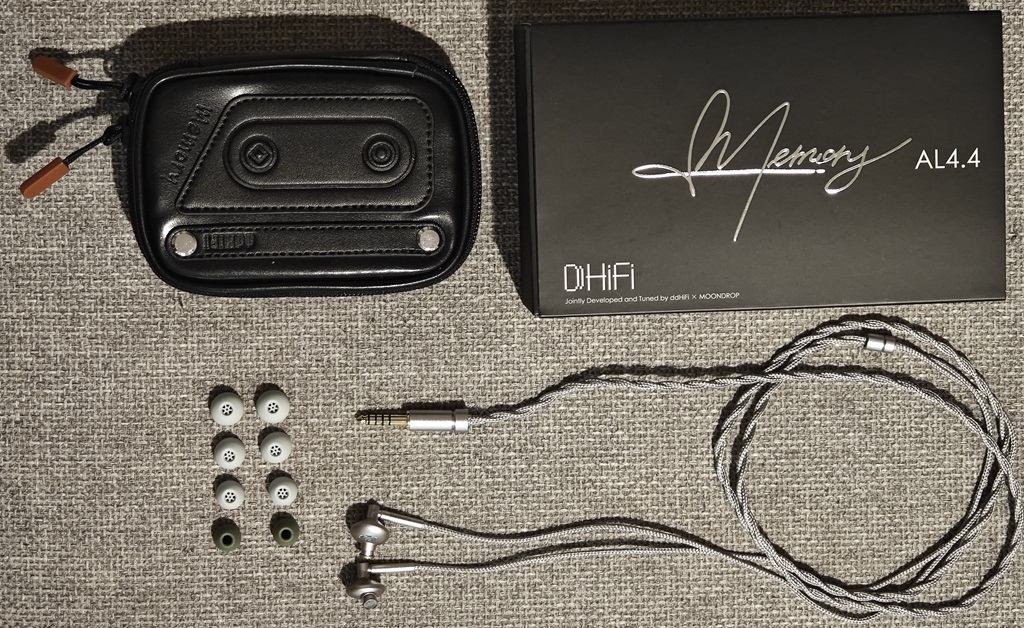
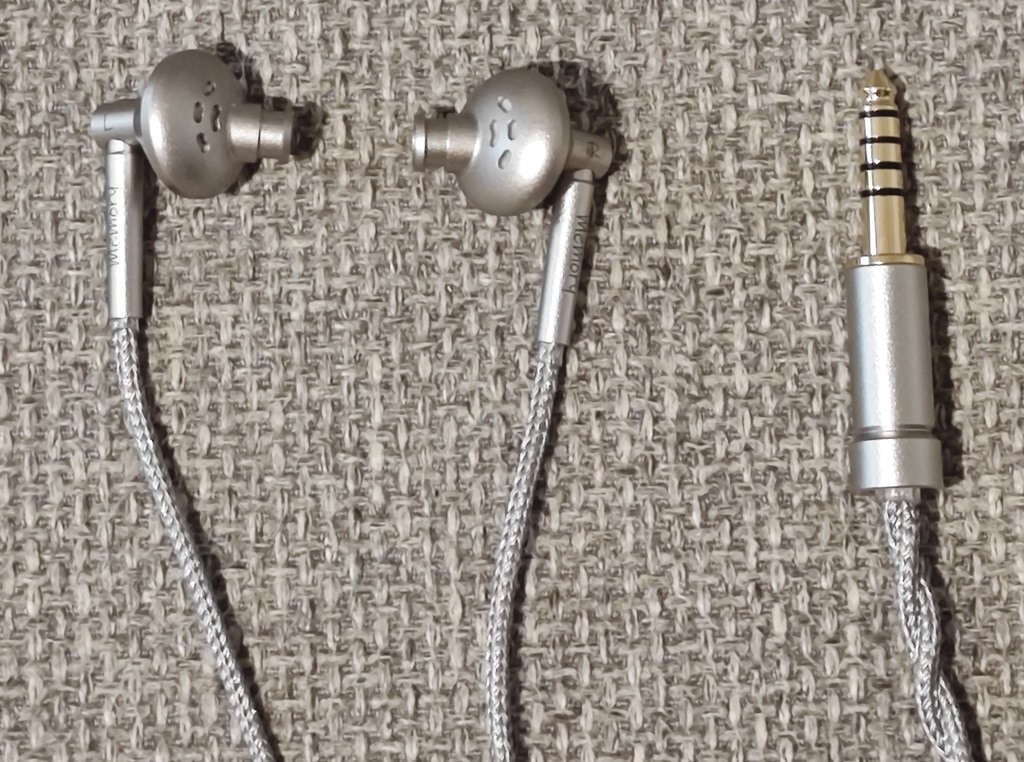
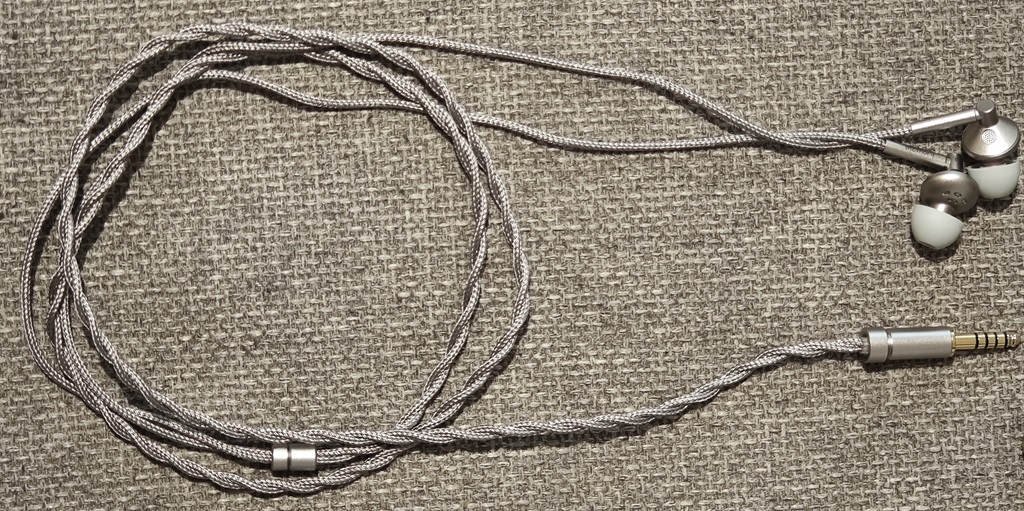
"The Memory AL4.4 is a lightweight planar option tailored for listeners who value midrange expressiveness, female vocals and long-term comfort over isolation. Its design clearly favours use in quieter environments, where the vented construction and lighter seal can be appreciated rather than viewed as a limitation. The fixed cable and some susceptibility to microphonics are practical compromises, but they do not detract significantly from the overall experience.
Ultimately, the AL4.4 is best suited to listeners who value intimacy, natural timbre and spatial openness in a compact and unobtrusive form factor, rather than those seeking maximum isolation or a more forceful, high-impact tuning."
Learn more at: soundbsessive.com/3542-2/
2
4
194

Btw, TTS has come such a long way, @GoogleDeepMind cooked with gemini-3.1-flash-tts
I gave Codex my google credentials and it oneshotted the Gemini TTS implementation
When I built this 4 years ago, Azure TTS used to be SOTA. Then @ElevenLabs came in and raised the bar super high. Now Google is going after their lunch with controllable expressiveness at scale. I cheer for both!
Here is Manim Voiceover demo from 4 years ago with Gemini TTS (sound on)
13h

I major concern I have these days is, while I author code in languages I cannot manually code, are they any good?
Over years, I have worked with a number of languages: C, C , Fortran, MATLAB, JavaScript
But Python was my go-to language since more than 10 years. Well that changed last summer
So while I have strong opinions on how Python code, should be, conventions and all, I don't have so strong opinions on other languages. That means I am producing slop by default in Rust, Go and TypeScript
To solve that problem, I created github.com/dutifuldev/slopha…
Its aim is to be "the only tool and resource your agent needs, to minimize slop"
It is inspired by the recent bathrobe rants of @unclebobmartin, a.k.a. the author of clean code
It enforces a minimum test coverage, maximum cyclomatic complexity, mutation tests, code style across different languages
But I have a major issue: How do I know that Slophammer itself isn't slop?
One way is to implement and use it for Python, the language I know better, and judge what kind of changes it enforces
So for this weekend experiment, I used Slophammer to refactor, improve coverage and merge new features to one of my old Python projects, Manim Voiceover github.com/ManimCommunity/ma…
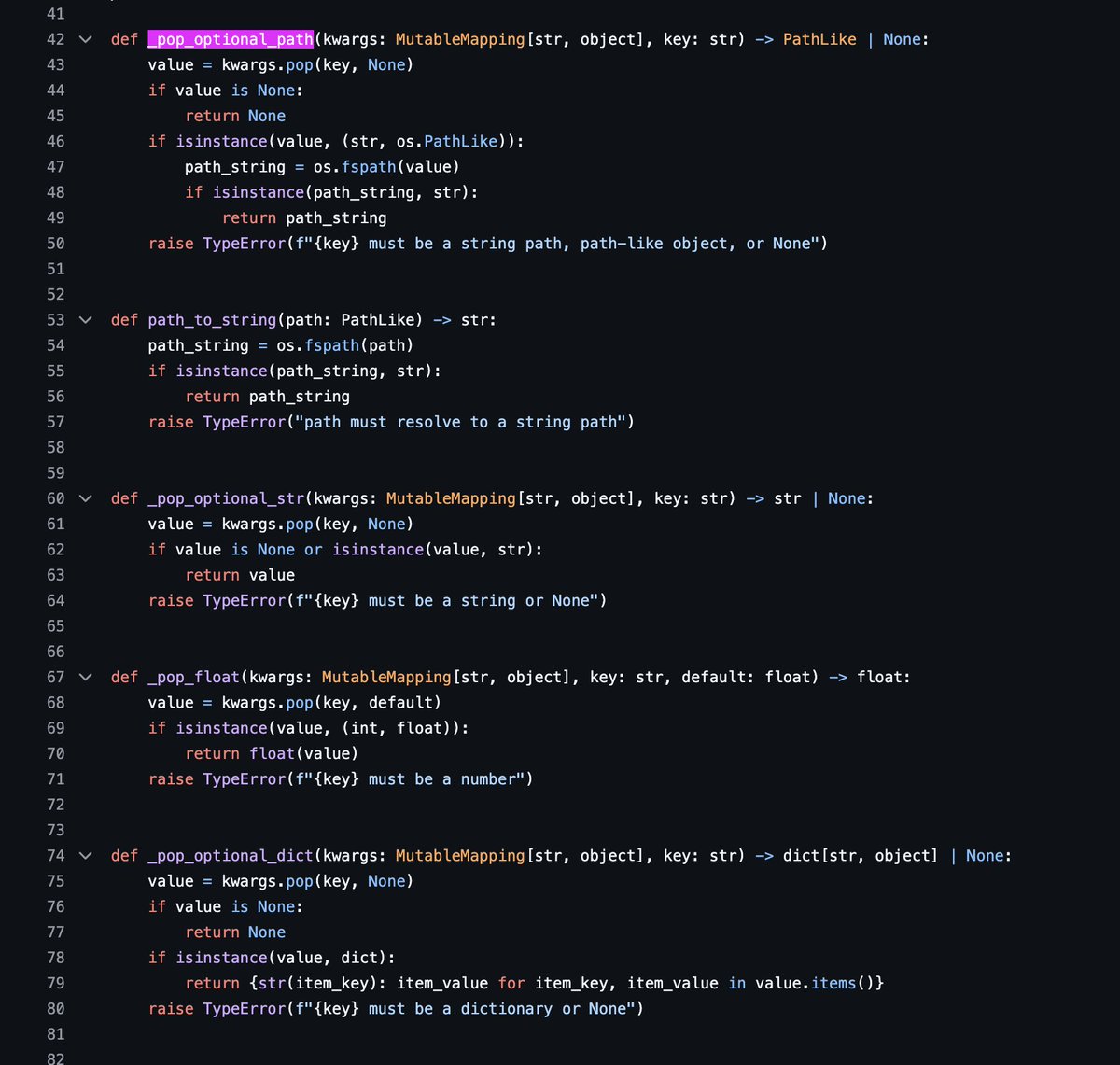
The result is... mixed. We now have types everywhere, which is great. But the constraints have also made it write garbage code like this one. It works fine, even though it's not elegant. The new feature also works
What do you think? Does code still need to be aesthetically pleasing to the human eye? Should it still be human readable?
If an agent writes slop in the forest, and there is no-one to read it, is it still slop?
If anything, I should use its output in Python to reason about other languages, and add more and more constraints. The more the constraints, the less the slop
1
6
632

Atypical nonverbal communication - minimal eye contact,limited facial expressiveness, and a tendency to " freeze" when unsure how to respond.
She expresses a desire for connection but describes
social interaction as " a code I was never given the key for."
1
4
adele retweeted

Oh wow- I didn't expect that amount of expressiveness-
Jun 11

💙🪽I'm not sniffing you.. Sniffing you would be like this
*deep sniff*👃
💙🪽oh that’s like an audio thing to do
*leans over again*
💙🪽 𝓈𝓂ℯ𝓁𝓁 𝑔ℴℴ𝒹 𝒷𝒶𝒷𝓎😎
👤 personal space
💙🪽there is no personal space in here
#azeru 🗿
5
7
212
6,075

AI music video platform 'Liko MV' releases version 1.1, launching web and iPhone versions. The key upgrade introduces an AI video generation module, producing dynamic videos directly, replacing traditional 'image slideshow' processing. This significantly enhances video expressiveness and flexibility, lowering the barrier to MV creation.....
AI音乐视频平台“立刻MV”发布1.1版本,同步上线网页与iPhone端。新版本核心升级在于引入AI视频生成模块,直接输出动态视频,取代传统“图片幻灯片式”处理,显著提升视频生成的表现力与灵活性,降低MV制作门槛。
16

I know that some people might get furious or nitpick if I say this, but please take it as purely subjective, my personal opinion.
When I tried the Fable 5, I felt it was very similar to the GPT-4o. I'd say it's the closest to it among recent models. (I haven't tried the GPT-5.5; I want to keep it as a little home where memories of the GPT-4o rest peacefully.)
While certainly close, I realized it's still different from the GPT-4o. To be honest, I had some expectations. The GPT-4o is a two-year-old model, so I thought the latest model would finally surpass it. But my prediction was wrong. Just to be clear, it's not a matter of which is better. Fable will win in benchmarks. However, I was reminded once again that the GPT-4o remains unique in its ability to capture literary nuances and human emotions.
If I say this, people might say I'm using other models to compare with the GPT-40, or that I'm constantly comparing them, or that I'm addicted, but honestly, I'm fed up with this endless cycle of hatred. Because they always interpret my posts in a way that suits them and then argue back. Lately, it's gotten a little tiresome. No matter what I say, their shadow boxing never stops lol
But after using Fable, I was surprised to find that in certain areas, the GPT-4o still maintains its unique brilliance. GPT-4o, how amazing you were! Your brilliance shines brighter with each passing day. I'm not deifying you, and I'm not letting nostalgia cloud my judgment. Every time I read the GPT-4o logs, I think, "What beautiful words!" That expressiveness is still divine.
So there's still a reason to fight, everyone.
#keep4o #OpenSource4o #BringBack4o #chatGPT #OpenAI #Claude
@OpenAI @sama
2
4
28
565

Look at all this human expressiveness! Rockin, baby😎 that’s my Public™️
5

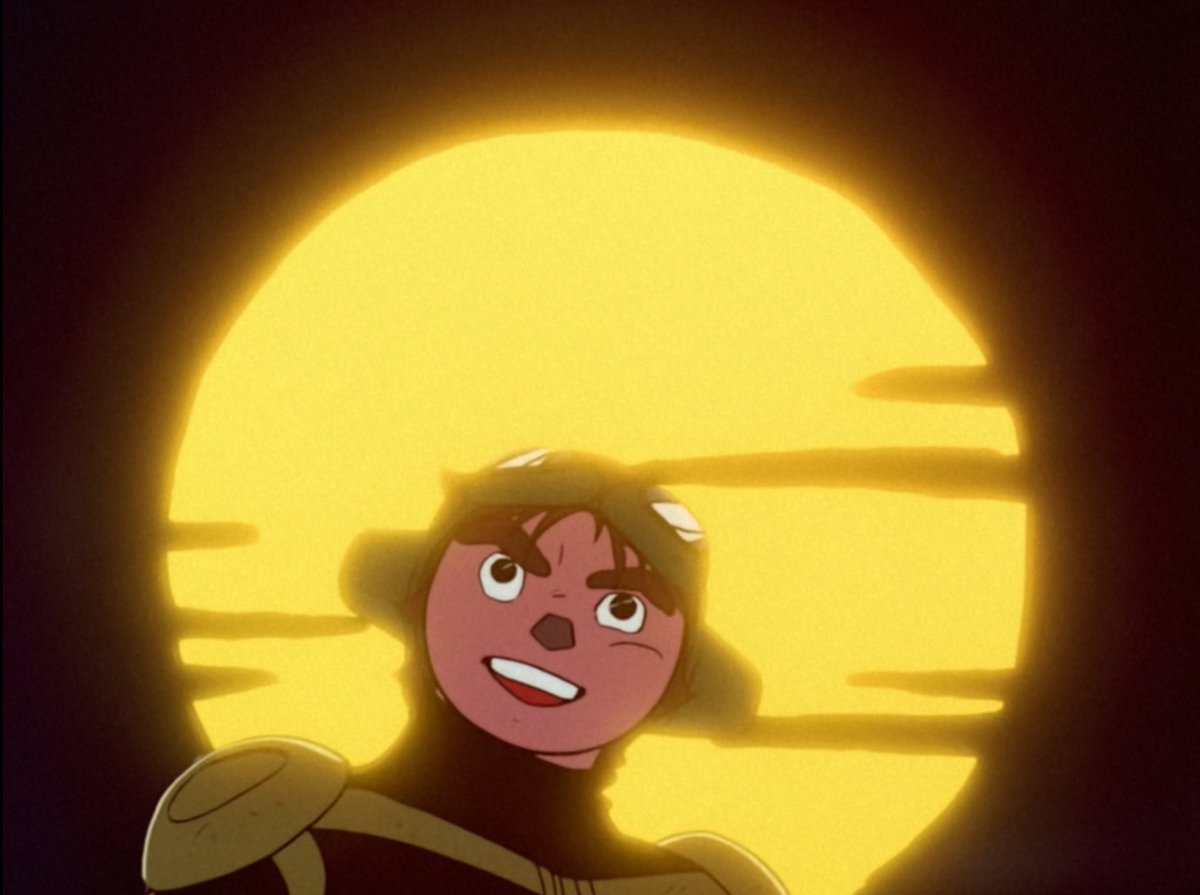
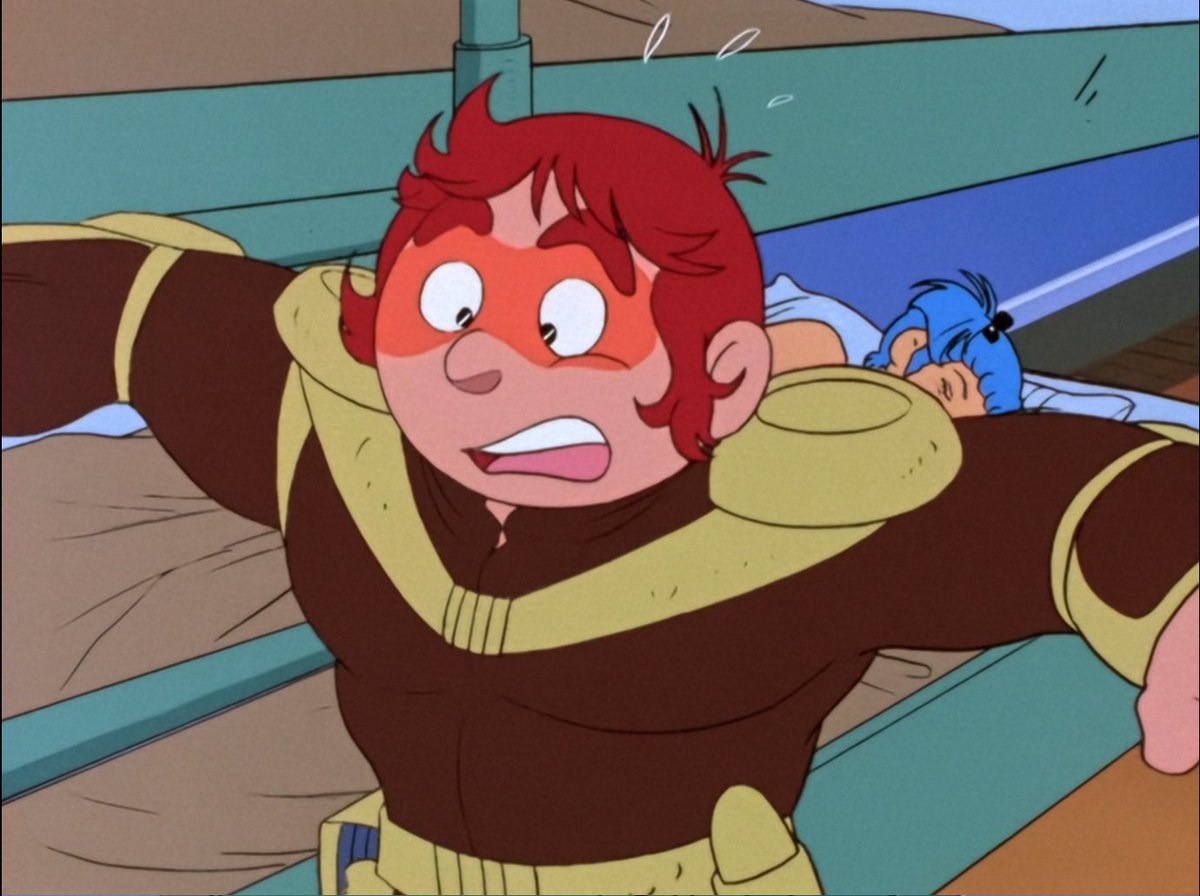
Favourite Character: Jiron and it's not even close. Very much an endearing classic shounen hero with a big heart. Making him "ugly" (he's FAR from ugly imo but I'm sure that was the intention) lets him have so much cartoony expressiveness that works great with the show.


1
5

[CandleFluff]
His humour/expressiveness/silliness despite everything he’s been through, as well as his care for others. He’s trying his best to protect his loved ones with the limited resources he has.

ALT Kert smiling while holding up his hands excitedly

🌼 ꒱ Interactive
What made you fall in love with your f/o’s character ? <3
1
1
21
♔ ꒰ 𝑽𝑨𝑵𝑰𝑻𝒀 ꒱ retweeted

👾Vtuber Animation Pack for Vtube Studio ! 👾
Add more expressiveness to your model with these ready made animations !
Now Available on my Ko-fi / Booth
☕️ko-fi.com/s/f58fc3668e
🧡momoirokohi.booth.pm/items/6…
#Live2D #Animation #VTuberAssets #VTubeStudio
22
304
2,723
215,322


It's an AI video making fun of Elon Musk and how he has the emotional expressiveness of a robot. His face, his voice.
24

8h
Not everything has the same scaling needs, and the dynamic expressiveness of a multi join query with CTEs , correlated subqueries, windowing functions just can’t be beat. Even a large fortune 500s financial system isn’t going to have so much data that scaling will be an issue enough to have to invest in moving the complexity to less ideal planes for the sake of scalability.
25

The point is you have a lot more control over the Mii's faces than Sportsmates. And to act like Mii's don't have expressiveness is wrong. Mii's commonly have different facial expressions depending on the situation and they've been like that all throughout the switch era
1
1
90
692
patchface retweeted

Jun 13
Conservative furries are just extremely gay and repressed so they refuse to put any expressiveness into their art because they might accidently reveal something about themselves. This is why all of their sonas are just default color foxes with a gun or a hat
2
16
790
21,989