
พี่สาวชาวเน็ต babe&fluke🐽🐣 retweeted

ความ fashionable นี้
ล้านแต้มไปเลย
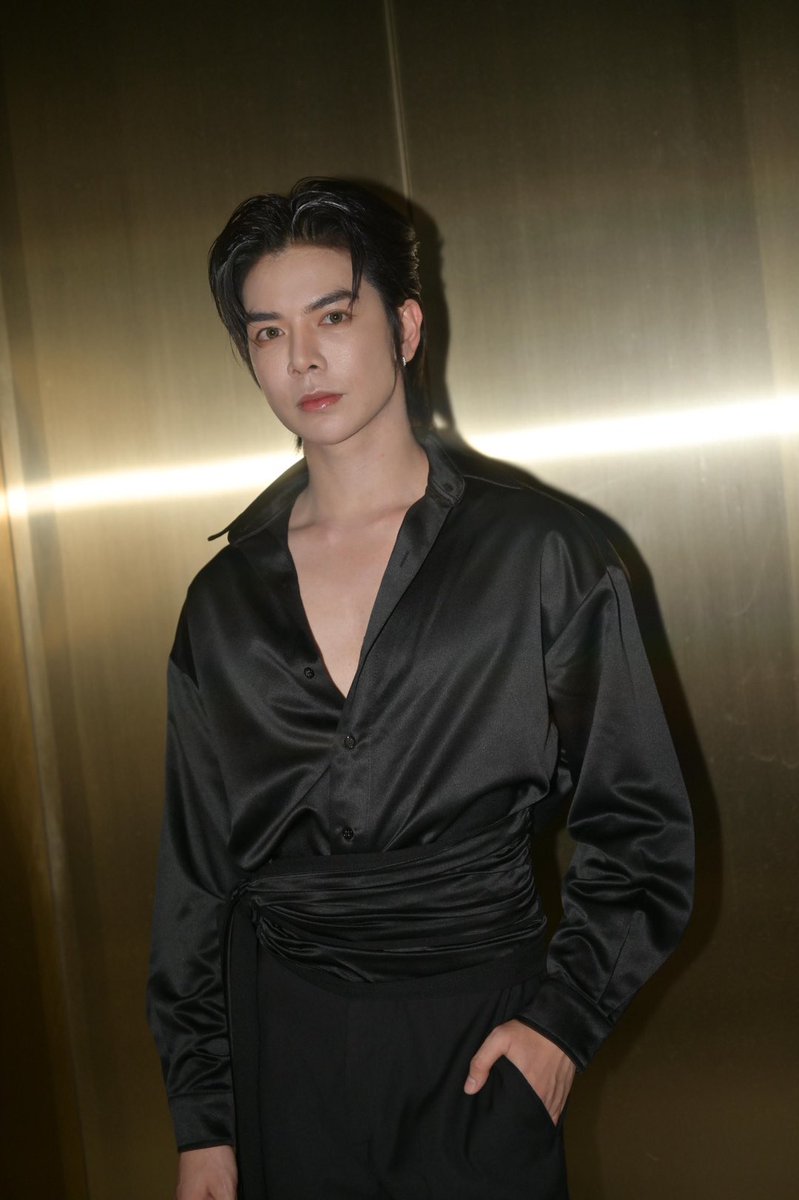
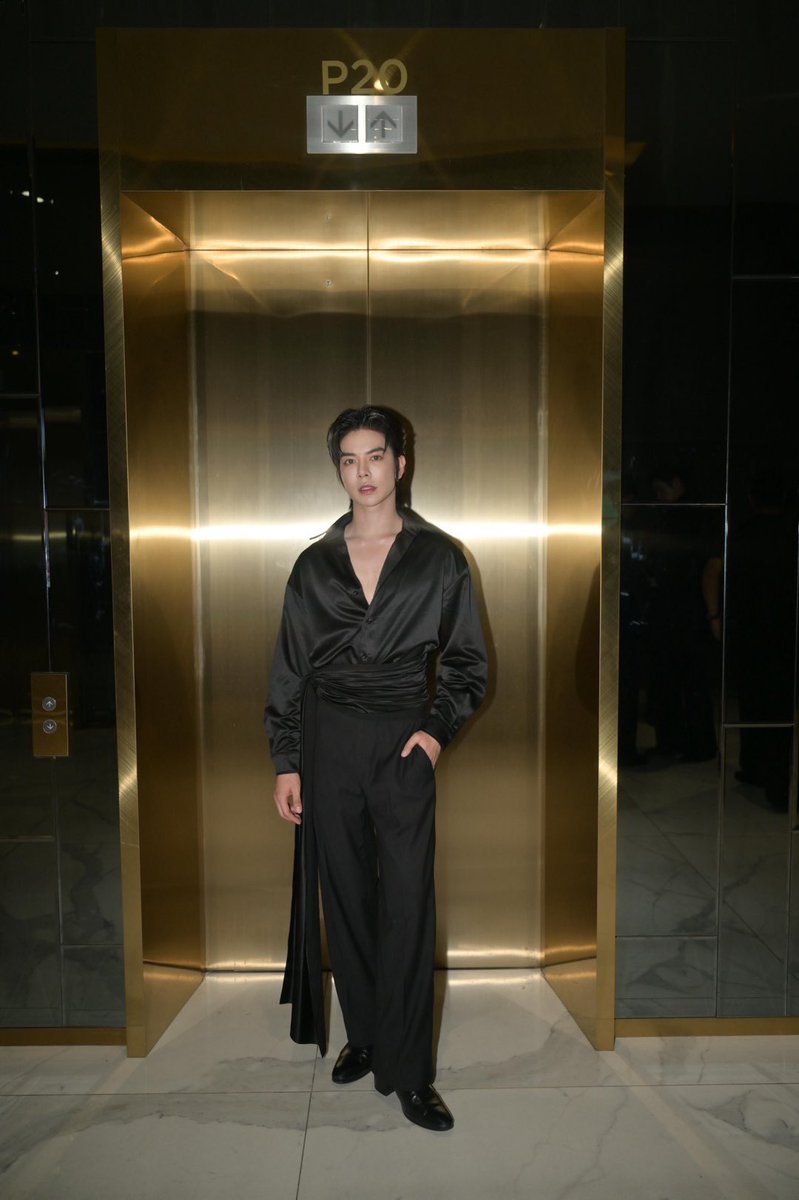
BABE AT GIORGIO ARMANI #GIORGIOARMANIxBABE

5
5
64

it could be a general atonement for the sins of the world, and not some specific deeds. Even "fashionable" in some circles - and this is what the princess did orignally.
The second time, it was a *real* atonement for her real deed, which also taught her that the initial /2
2

Word of the Day: Probity
Pronunciation: PROH-bih-tee
Part of speech: noun
Meaning: honesty, integrity and strong moral principles, especially in public, professional or financial conduct.
Origin: from Latin probitas, meaning goodness, uprightness or honesty, from probus, meaning good, worthy or honourable. The word entered English through French and has long carried a sense of tested integrity, not just private virtue but conduct that can withstand scrutiny.
Elegant example sentence:
“Institutions survive not on authority alone, but on the probity of those entrusted to lead them.”
Everyday example sentence:
“She handled the charity funds with complete probity, recording every donation and every payment clearly.”
Reflective note:
Probity is a useful word because it goes beyond simply saying someone is honest. It suggests reliability under pressure, honesty when nobody is watching, and conduct that remains clean when examined closely. In public life, business, family and community, probity is one of the quiet foundations of trust. It is not loud, fashionable or performative. It is the steady habit of doing things properly because they ought to be done properly.
5

Use GoodWill Ceramic Tiles to build with assurance.They are powerful, fashionable, and self-assured. Don't regret not choosing them.
#localContentUg

3

That's...kind of up to you Kat.
I've always just seen you as an incredibly fashionable, competent doctor.
Survivor just means you lived through some bullshit to get there.
1
11

𝐂𝐀𝐓♡🐽♡มัมหมีพี่เสือ🐯 retweeted
Glamorous - Luxury - Elegant - Stunning- Fashionable
BABE AT GIORGIO ARMANI #GIORGIOARMANIxBABE
8
9
91

11m
I didn't know if to send it, but I'll say it with courage because it's important. An image of an artist making a gesture like injecting a tube imitating a manjaro in a recreational performance at a company trip of an entertainment agency in a certain country (which is also my favorite country and company) flowed.
Although we don't know the positioning of Manjaro in that country, it has become a big problem in Japan and has also become a hot topic on social media. It has become a very important topic to the extent that the minister of the Ministry of Health, Labor and Welfare commented.
Some people can't understand the information correctly. It may be reflected in a fashionable form with an easy performance.
That's why I feel that updating images that are directly related to health to social media is very dangerous and should not be done if the intention cannot be conveyed. To be honest, I was sorry.
14
charity koku-annu retweeted

We stand gidigbam for our people
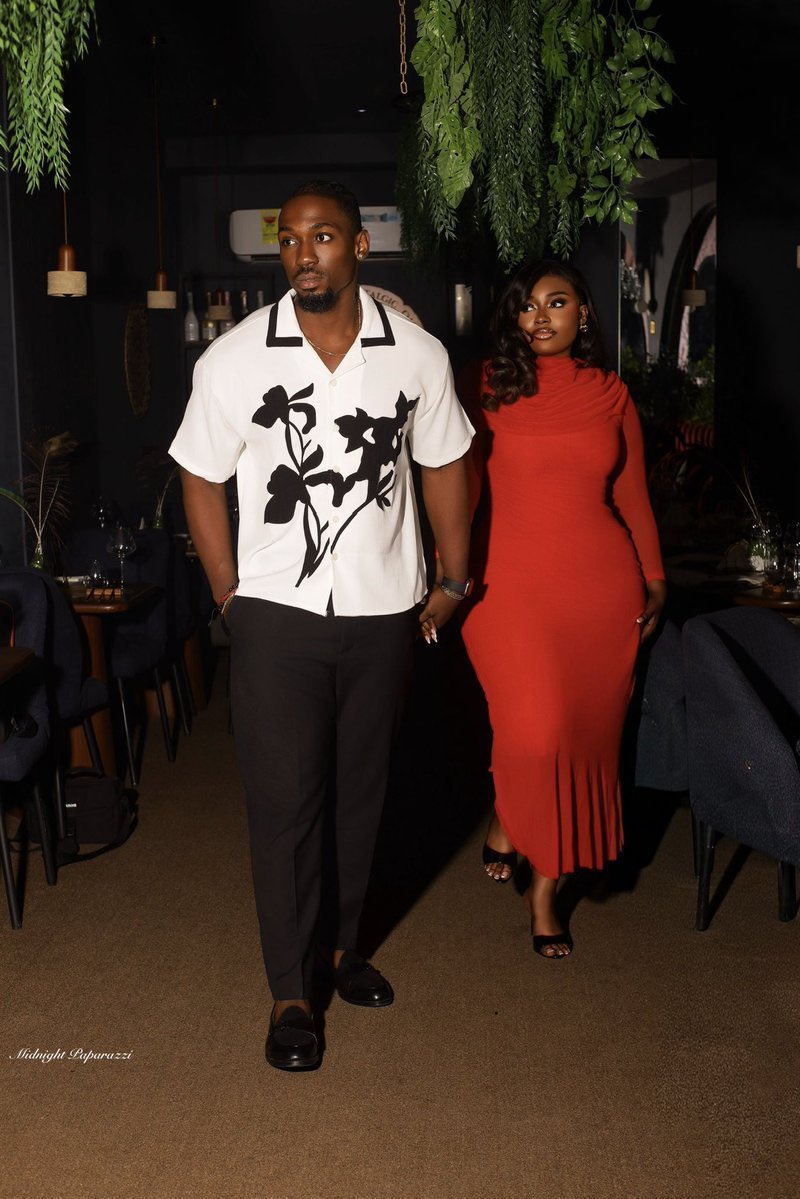
The love is massive PACARY ⌛️🍓❤️
PACARY THE BRAND
PAPPY SOAR HIGHER
FASHIONABLE PRISCARY
#Pacary
#PatrickLigay
#PrincillaPriscary
4
41
261

You are the man Rupert. You follow through on things you say you will do, you are the kind of leader the country needs, not quick sound bites then move on to the next fashionable topic du jour.
The people want justice to prevent this from continuing to happen.
7
Coby 💙❤️🔥 retweeted

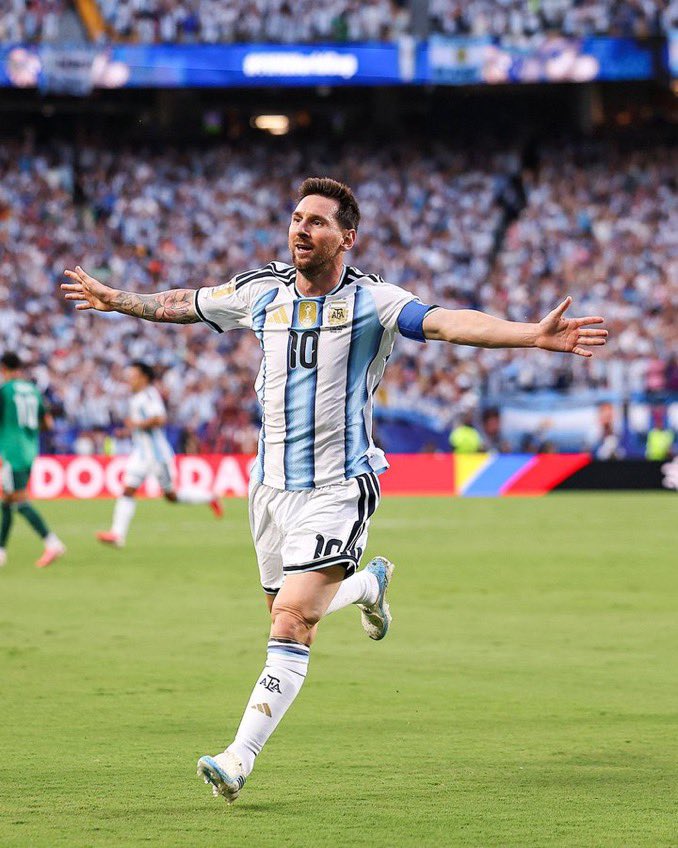
Good morning 𝕏 and lovers of Messi☀️
May you always shine and break records in a fashionable way as King Lionel Messi. Be fulfilled and keep safe.
Happy midweek everyone 🙏🏼✌️🌹💪🏼
32
21
31
323


The US empire is a military dictatorship enforced globally to varying degrees over different nations. The US area military commands are imperial provinces that between them cover the globe. The recently fashionable “Indo-Pacific region” rested on the shortlived INDOPACOM province

PACOM is back, and yes it’s silly that Trump 1.0 changed it to INDOPACOM and then Trump 2.0 reversed his own decision, but I think there’s more happening here: Trump 2.0 is actively rethinking “Indo-Pacific” as a geostrategic frame. Indeed, it has already used “Asia-Pacific” several times in official readouts. This strongly suggests a less hawky approach toward China in favor of greater engagement.
10
diyy retweeted

Rounding us out is the fashionable Velvet Room assistant, Marie, voiced by Ari Thrash! @AriThrashVO

76
984
7,124
900,348

At junior school (in Whitehaven) we had indoor and outdoor shoes. Black Daps were indoor. Outdoor shoes were normal laced shoes… though clogs were fashionable bizarrely! I had a pair, there was a clog maker in town I seem to remember! Obv I lived in the Voctotian era🤣
1
7