
Jun 10
Vi har fastspeed ikke køb det, vi skal genstsrte det et par gange om ugen fordi forbindelsen er blevet så dårlig. Du Burde nemt kunne finde bedre.
2
40

May 18
en.gamegpu.com/news/igry/kom…
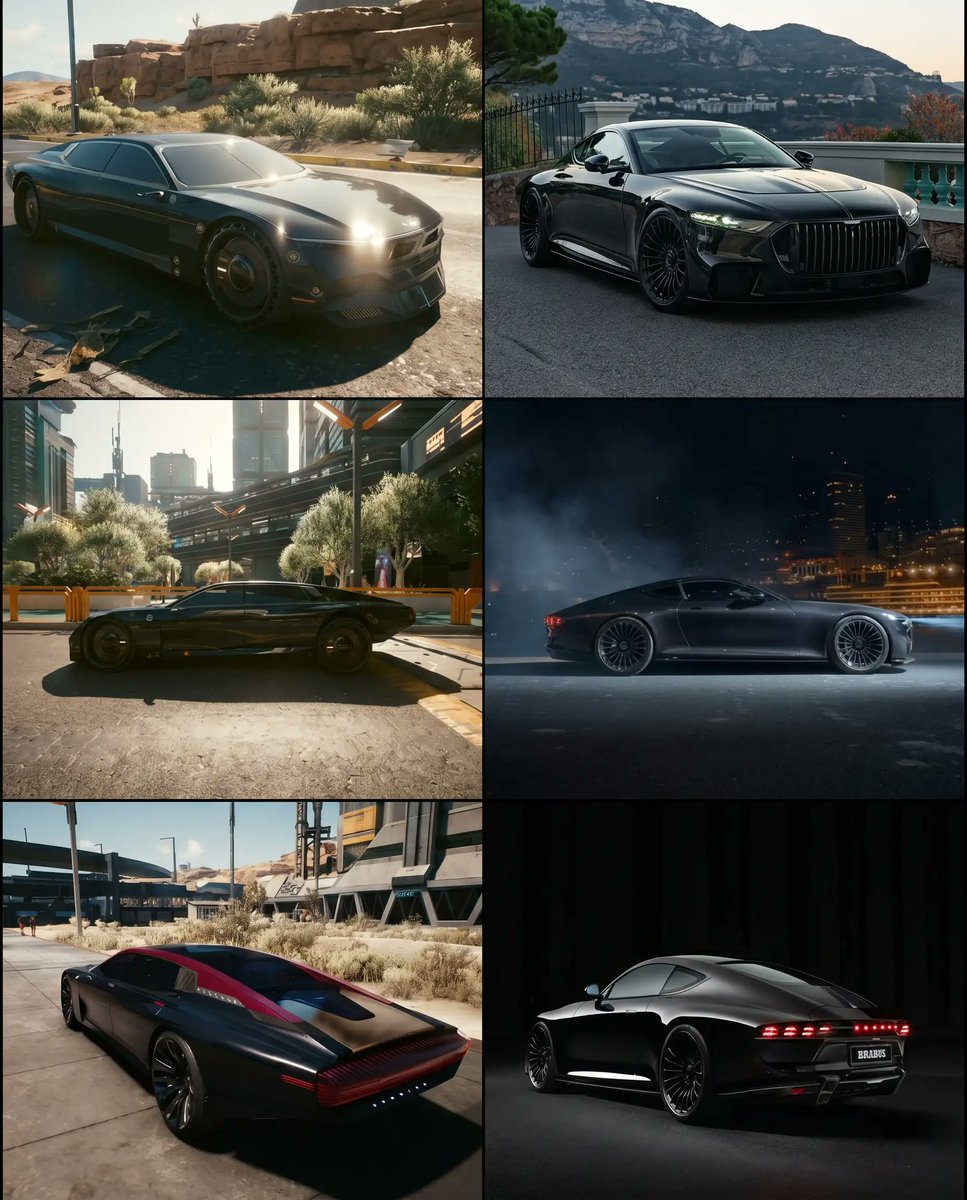
Internet users have discovered an actual physical copy of the Herrera Outlaw car from the cult game Cyberpunk 2077. On the popular platform Reddit, people actively discuss the striking resemblance of the fictional transport with the recently presented flagship model Brabus Rocket GTS.
This exclusive vehicle received a hybrid installation with a capacity of 1000 horsepower based on a V8 engine. The car is able to accelerate to 100 km/h in an exact 2.6 seconds, and the body is made of stronger carbon.
The initial starting price of this hypercar is 945762 € or 1024553 $. The exact number of copies planned for release is kept in a strict secrecy by the car manufacturer.
#cyberpunk #automobile #videogames #brabus #hypercar #technology #fastspeed
2
262

Teletype her. Du får sikkert høvl for eksemplet, fordi TDC ejer brandet YouSee.
Men så lad os sige Waoo. Eller Fastspeed. Helt enig.
1
4
102

Apr 14
TDC er blevet trukket i retten for systematisk at dumpe sine priser og bruge sine økonomiske muskler fra andre dele af forretningen til at presse konkurrenter ud af markedet.
Anklagerne kommer fra bredbåndsselskabet Fastspeed.
TDC afviser kritikken.
berlingske.dk/virksomheder/r…
1
702

Apr 11
Knowledge is Power.
Fastspeed Comprehensive College...

What's the motto of your secondary school? 😂
1
2
573
Apr 10
Fastspeed, som rykkede ind for at ruske op i for høje priser på danskernes internetforbindelser, øger sit overskud, samtidig med at konkurrenterne, Norlys og TDC, fortsætter med at køre med dundrende underskud.
Direktør klager over skæv konkurrence.
berlingske.dk/virksomheder/b…
1
2
1,301

Mar 29
Fastspeed har droppet Norlys efter mulig 'prishammer': - Det er helt uhørt ekstrabladet.dk/forbrug/Tekn…
2
2
913

8 Dec 2025
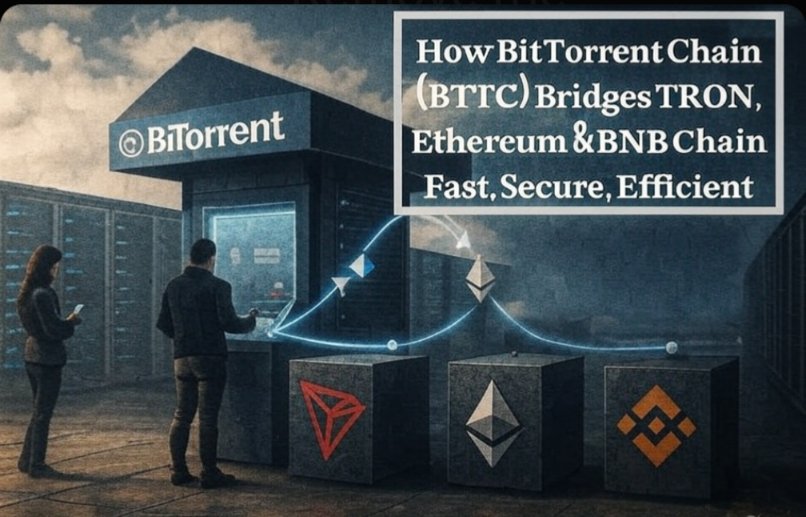
BitTorrent Chain (BTTC) acts as a Layer 2 scalability and interoperability protocol that seamlessly bridges TRON, Ethereum, and BNB Chain by using a bi-directional cross-chain bridge and a Proof-of-Stake (PoS) consensus mechanism.
This cross-chain protocol enables users to transfer assets across these ecosystems in a decentralized manner, addressing common pain points like high fees, slow speeds, and security risks.
Understanding the Bridging Mechanism. At its core, BTTC functions as a multi-layer protocol that facilitates asset interoperability without requiring users to wrap tokens or rely on centralized custodians.
It employs a cross-chain bridge powered by a Proof of Stake (PoS) consensus mechanism, where validators play a pivotal role. These validators submit periodic checkpoints to the connected blockchains, TRON, Ethereum, and BNB Chain, to verify and relay transactions.
This process ensures that assets can move fluidly between chains while maintaining the integrity of each network. For instance, when a user initiates a transfer from Ethereum to TRON via BTTC, the bridge locks the assets on the source chain and mints equivalent representations on the destination chain.
Sidechains are utilized for scaling smart contracts, allowing for efficient handling of complex operations.
Recent integrations, such as with TRON's zkEVM (zero-knowledge Ethereum Virtual Machine), further enhance this by enabling privacy-preserving and verifiable computations across chains.
Why It's FastSpeed is one of BTTC's standout features. Cross-chain transactions on Ethereum typically take about 12 minutes to confirm, but transfers involving TRON and BNB Chain are significantly quicker due to their inherently faster block times.
As an EVM-compatible Layer 2 solution, BTTC leverages optimized sidechains to process transactions at high throughput, reducing latency and enabling near-instantaneous asset swaps for supported networks.
Ensuring Security in BTTC is bolstered by multi-node validation, where a distributed network of validators stakes BTT tokens to participate and earn rewards.
This PoS model incentivizes honest behavior while slashing stakes for malicious actions, creating a robust defense against attacks. The protocol's design minimizes single points of failure, and integrations like zkEVM add layers of cryptographic security for transaction privacy and verification.
Efficiency at Its Best. Efficiency comes from BTTC's low-cost structure and scalable architecture. By offloading computations to sidechains and using efficient consensus, it reduces gas fees compared to direct cross-chain interactions on Ethereum.
Users can manage assets via the BTTC Wallet, stake BTT for rewards, and bridge tokens with minimal overhead, making it ideal for DeFi applications, NFTs, and everyday transfers.
In summary, BTTC is revolutionizing blockchain connectivity by providing a fast, secure, and efficient bridge between TRON, Ethereum, and BNB Chain. As adoption grows, it paves the way for a more interconnected Web3 ecosystem, empowering users with seamless cross-chain experiences.
@BitTorrent @trondao @justinsuntron #TRONEcoStar
29
28
20,764


26 Nov 2025
*کراچی میں ای چالان کے نفاذ کے بعد ٹریفک لین مارکنگ کا بھی آغاز،شہریوں کی جانب سے پذیرائی*
*آپ کے سفر میں ہم سفر کراچی ٹریفک پولیس*
#karachitrfficpolice #digtraffickarachi #trafficmanagement #proudtoserve #publicAwarenessMessage #trafficrules #fastspeed #safedrive
2
129
16 Nov 2025
*کراچی میں اسمارٹ ٹریفک سنگنلز!*
*آپ کے سفر میں ہمسفر کراچی ٹریفک پولیس*
#karachitrfficpolice #digtraffickarachi #trafficmanagement #proudtoserve #publicAwarenessMessage #trafficrules
#fastspeed #safedrive #helpline1915
#EChallan
facebook.com/share/r/16iXFuS…
1
144
15 Nov 2025
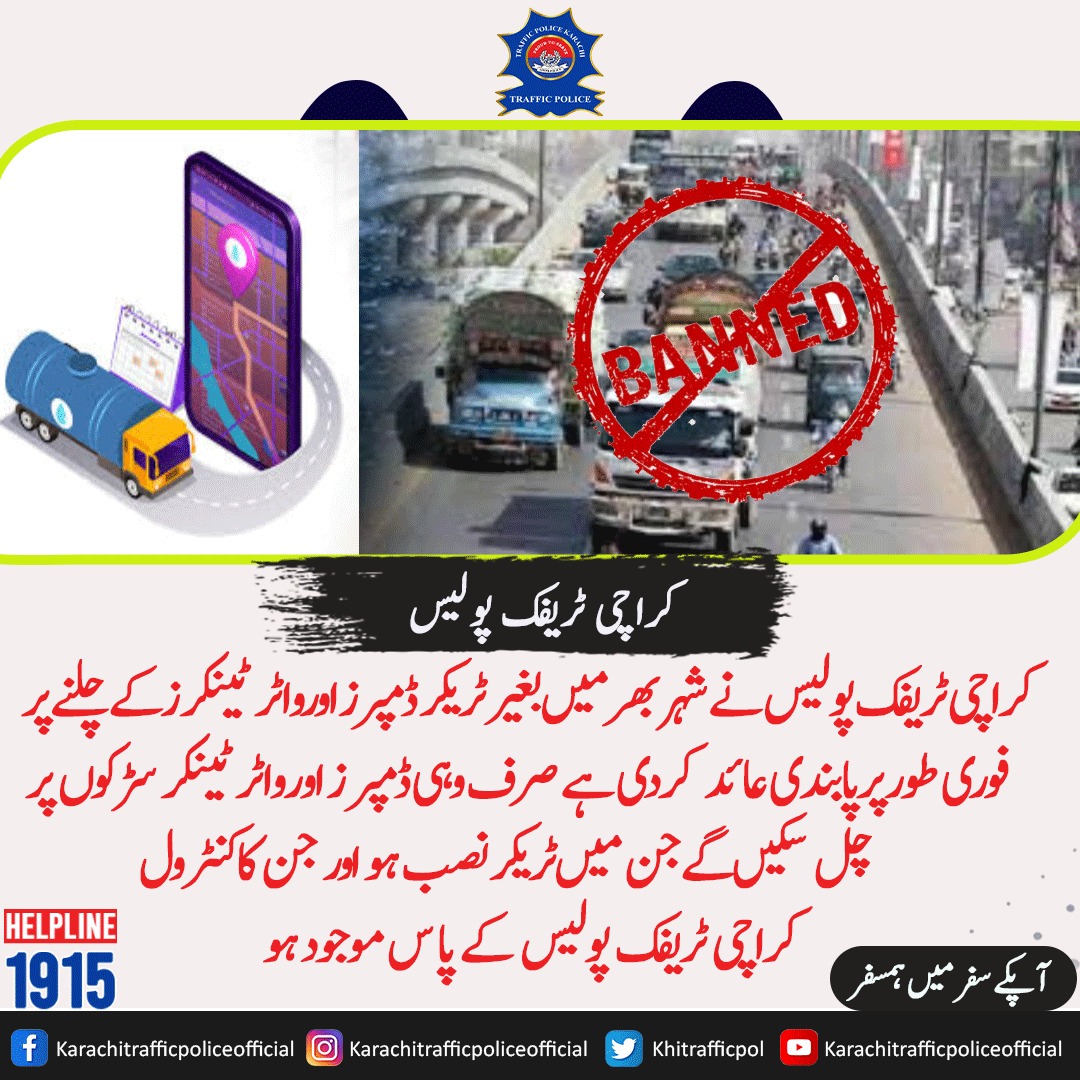
کراچی ٹریفک پولیس کی جانب سے کارروائی کرتے ہوئے ایک ڈمپر گاڑی پر ٹریکر نصب نہ ہونے کی خلاف ورزی پر روپے 100,000 کا جرمانہ عائد کیا گیا ہے۔
*آپ کے سفر میں ہمسفر — کراچی ٹریفک پولیس*
#fastspeed #karachi #helpline1915 #EChallan
facebook.com/share/v/1bcqqmW…
1
2
180
15 Nov 2025
*عوامی آگاہی*
*آپ کے سفر میں ہمسفر — کراچی ٹریفک پولیس*
#karachitrfficpolice #digtraffickarachi #trafficmanagement #proudtoserve #publicAwarenessMessage #trafficrules
#fastspeed #safedrive #saveslife #karachi #helpline1915
facebook.com/share/p/17f2EN1…
1
2
138
15 Nov 2025
*آپ کے سفر میں ہمسفر — کراچی ٹریفک پولیس*
#karachitrfficpolice #digtraffickarachi #trafficmanagement #proudtoserve #publicAwarenessMessage #trafficrules
#fastspeed #safedrive #saveslife #karachi #helpline1915
facebook.com/100067658855975…
1
1
156
12 Nov 2025
ای چالان دیکھنے کا طریقہ
آپ کے سفر میں ہمسفر کراچی ٹریفک پولیس
#karachitrfficpolice #digtraffickarachi #proudtoserve #publicAwarenessMessage #trafficrules
#fastspeed #safedrive #saveslife #karachi #helpline1915 #echallansystem #TRACS #CCTVCamera
2
171
11 Nov 2025
*KARACHI VISION 2030*
*آپ کے سفر میں ہمسفر — کراچی ٹریفک پولیس*
#karachitrfficpolice #digtraffickarachi #trafficmanagement #proudtoserve #publicAwarenessMessage #trafficrules
#fastspeed #safedrive #saveslife #karachi #helpline1915
facebook.com/share/r/1AUfzzS…
1
2
178
10 Nov 2025
*KARACHI VISION 2030*
*آپ کے سفر میں ہمسفر — کراچی ٹریفک پولیس*
#karachitrfficpolice #digtraffickarachi #trafficmanagement #proudtoserve #publicAwarenessMessage #trafficrules
#fastspeed #safedrive #saveslife #karachi #helpline1915
facebook.com/share/r/17No95f…
1
172
10 Nov 2025
*KARACHI VISION 2030*
*آپ کے سفر میں ہمسفر — کراچی ٹریفک پولیس*
#karachitrfficpolice #digtraffickarachi #trafficmanagement #proudtoserve #publicAwarenessMessage #trafficrules
#fastspeed #safedrive #saveslife #karachi #helpline1915
facebook.com/share/r/1Ft1eW1…
2
158
9 Nov 2025
*آپ کے سفر میں ہمسفر — کراچی ٹریفک پولیس*
#karachitrfficpolice #digtraffickarachi #trafficmanagement #proudtoserve #publicAwarenessMessage #trafficrules
#fastspeed #safedrive #saveslife #karachi #helpline1915
#9NovemberYumIqbal
facebook.com/share/1CgJ4qK8n…

1
185
31 Oct 2025
*ای چالان کے بعد ٹریفک قوانین پہ عمل کرتے ہوئے*
*آپ کے سفر میں ہم سفر کراچی ٹریفک پولیس*
#karachitrfficpolice #digtraffickarachi #trafficmanagement #proudtoserve #publicAwarenessMessage #trafficrules
#fastspeed #safedrive #saveslife
facebook.com/share/r/14M7v4A…
1
152