Irfan retweeted

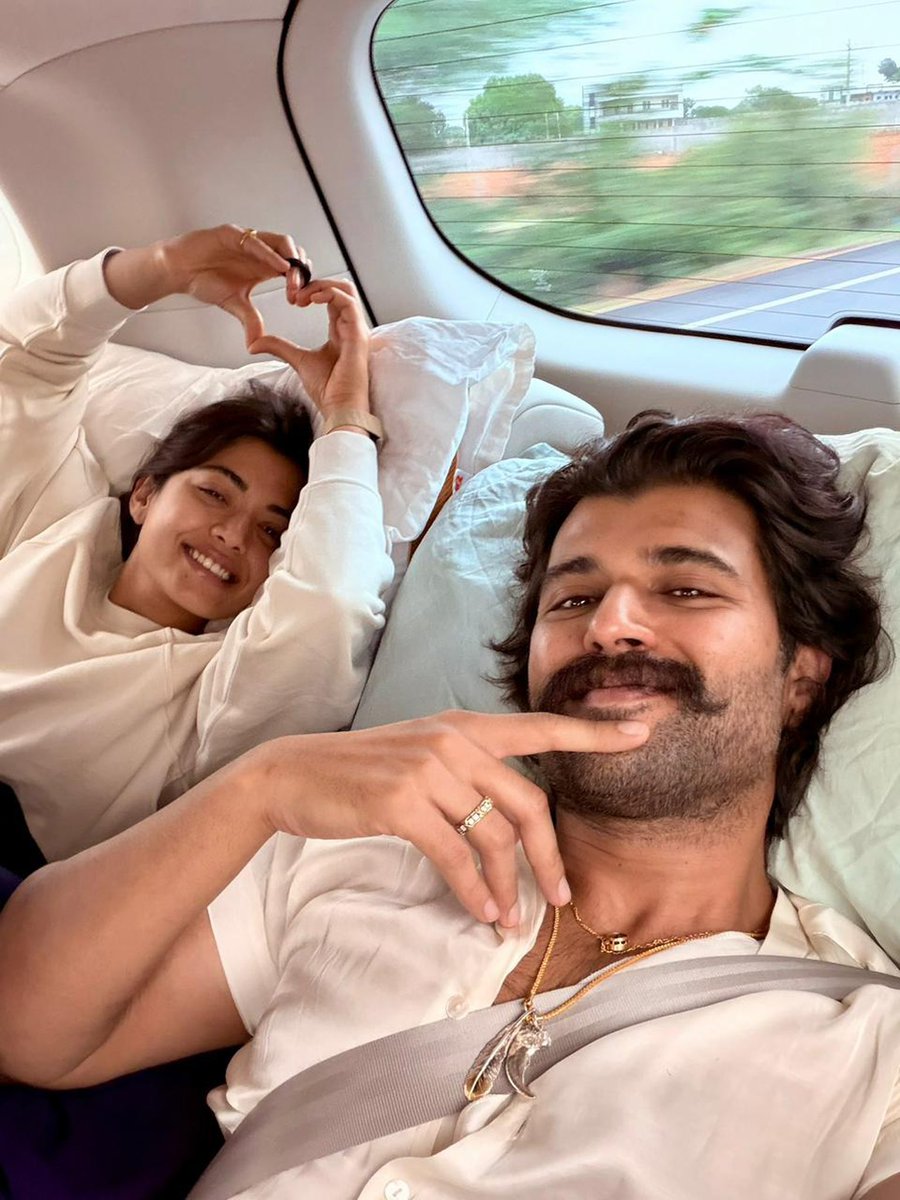
We are on our way to Thummanpet.
The little village where my Father was born.
In February - @iamRashmika and I had announced the beginning of a little dream of ours.
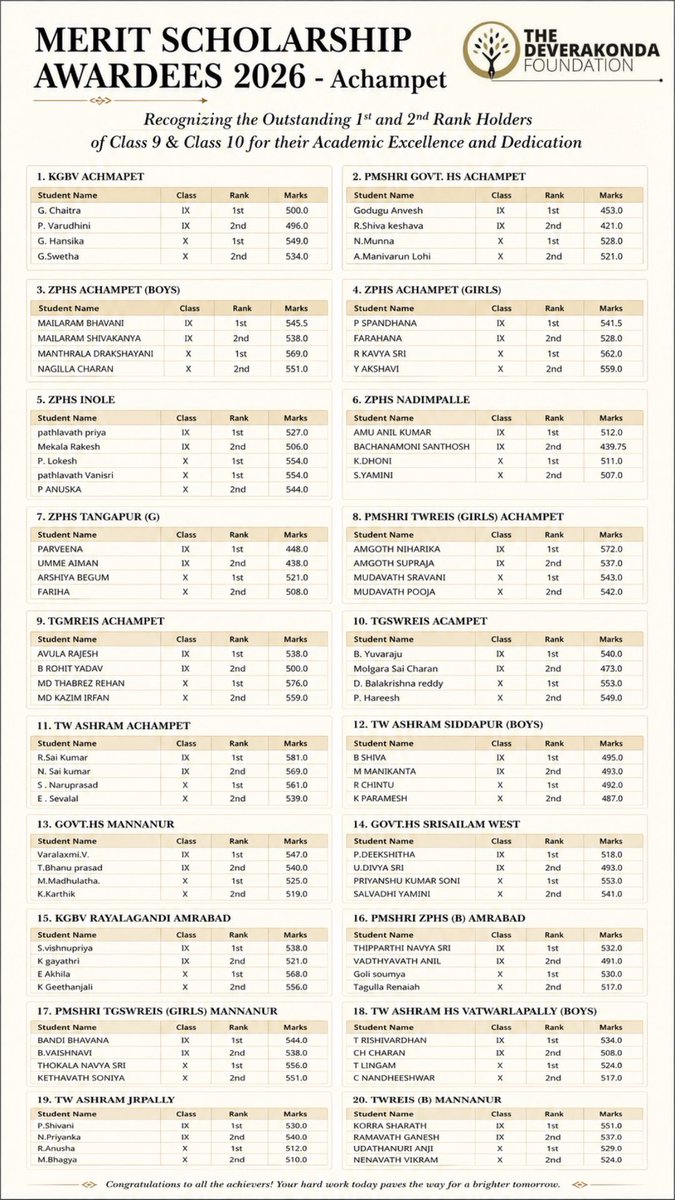
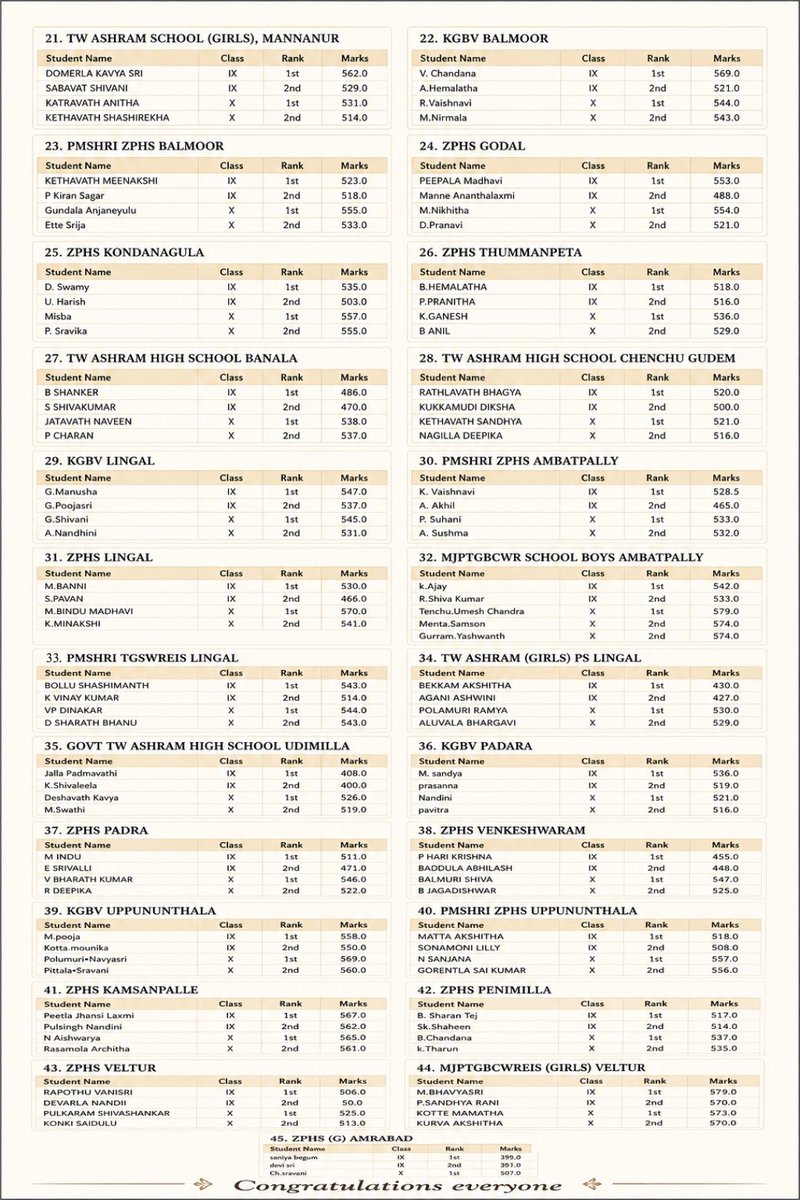
To reward all the hardworking students of 9th and 10th grade from Achampet Mandal of Telangana.
Here is a list of the 180 kids who made their parents proud ❤️
#TheDeverakondaFoundation
381
1,791
15,896
928,351
Jolene Stone retweeted

Jun 12
For anyone recently following the Kallie Keeler story, here is our original reporting from February with all the background about what led to this point. No paywall. patreon.com/undivided/posts/…
5
91
267
5,969
TG Needs To Write retweeted

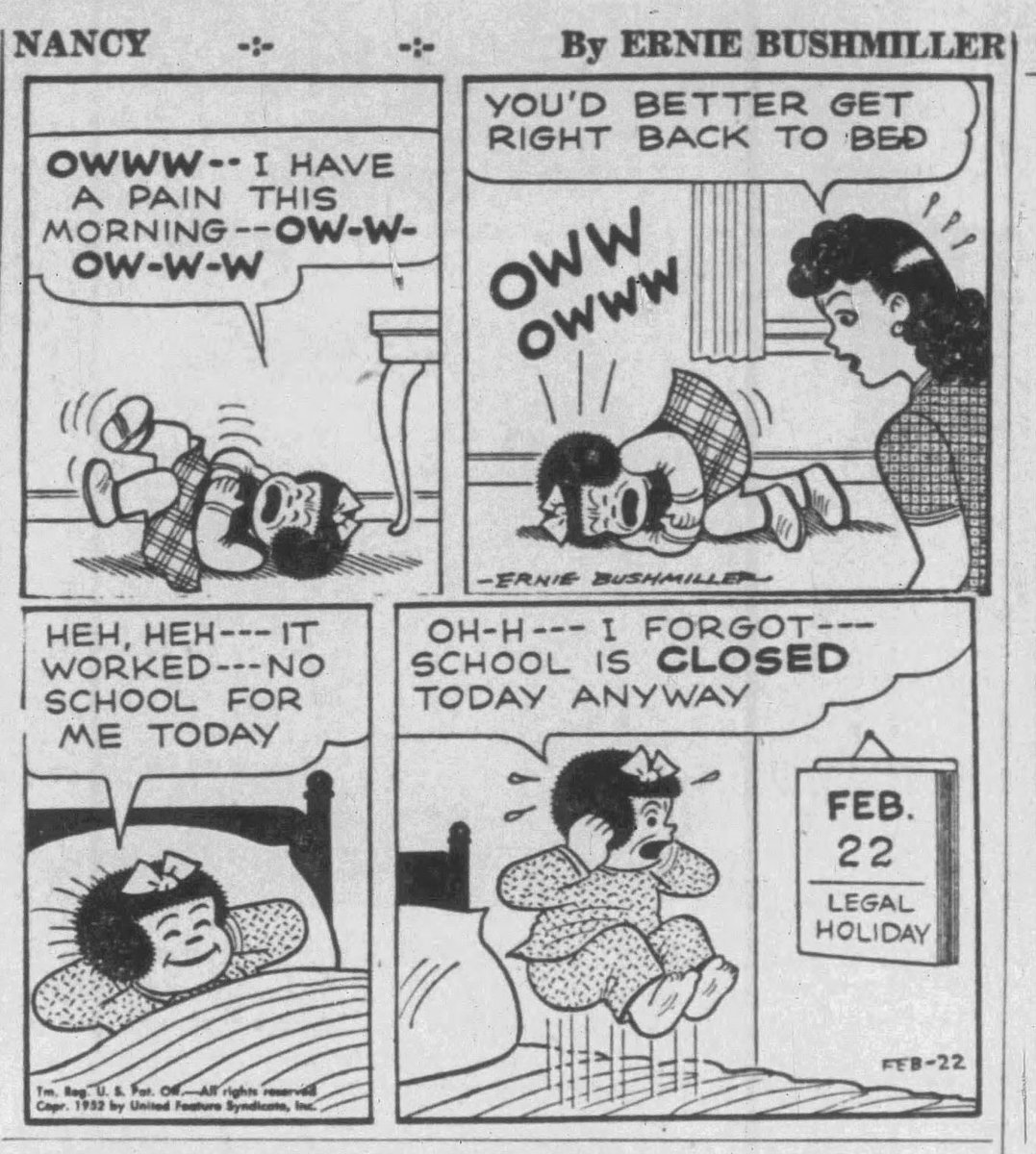
February 22,1952
2
31
684
5,906
Steve Gulick retweeted

A 26-year-old medic Khrystyna Slavska was murdered by Russians while saving lives in Sumy💔
She died in February 21. 2026💔
She had her whole life ahead of her. So young and beautiful 🙈
Rest in peace🫡🙏

26
115
424
1,738

16s
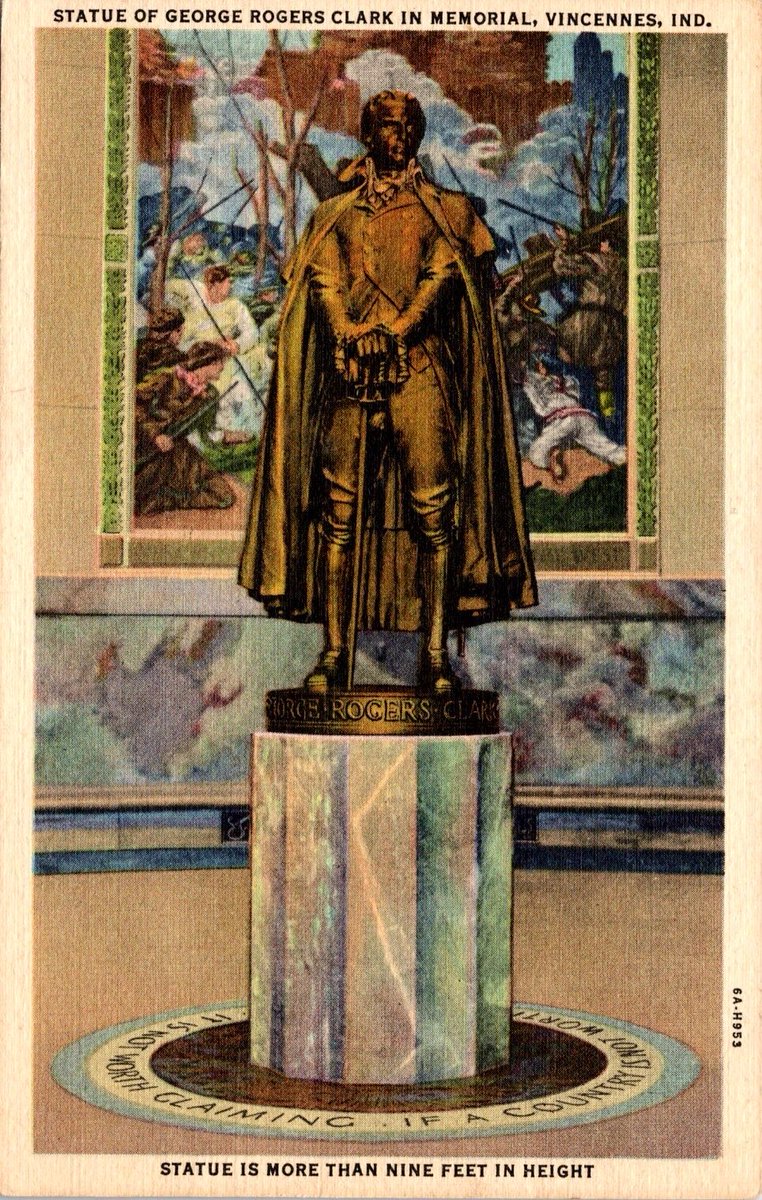
In February 1779, a 26-year-old American commander led about 170 men through freezing floodwater to attack a British fort deep in the frontier.
His name was George Rogers Clark.
Most Americans have never heard of him.
His men were cold, hungry, exhausted, and operating hundreds of miles from meaningful support. In places, the water reached their chests. More than once, the expedition looked finished.
Clark kept going.
A year earlier, he had captured Kaskaskia with a force so small that success depended almost entirely on surprise and nerve. Now he was trying to retake Vincennes from British Lieutenant Governor Henry Hamilton and preserve American control in the Illinois Country.
Most men would have turned back.
Clark marched forward.
When Clark’s men emerged from the flooded wilderness outside Vincennes, the British expected distance, weather, and geography to protect them.
Instead, George Rogers Clark came walking out of the water.
Fort Sackville surrendered.
The victory did not win the Revolution, but it helped make a larger United States possible. Years later, when the new nation stretched to the Mississippi River, Clark’s fingerprints were already on the map.
Millions of Americans live today on ground that might have followed a different path had he decided the march was impossible.
George Rogers Clark is one of the most consequential Americans most Americans never learn about.
1

nodoisgarbage2 retweeted

Tomorrow the Court of Appeal rules on the ban of Palestine Action as a terrorist organisation.
In February, the High Court ruled the ban unlawful.
The Government decided to appeal this decision and police have continued to arrest people who have peacefully opposed the ban.
Amnesty International has intervened in this case because the Palestine Action ban was a grave misuse by the government of sweeping counter terror powers.
51
341
631
15,418

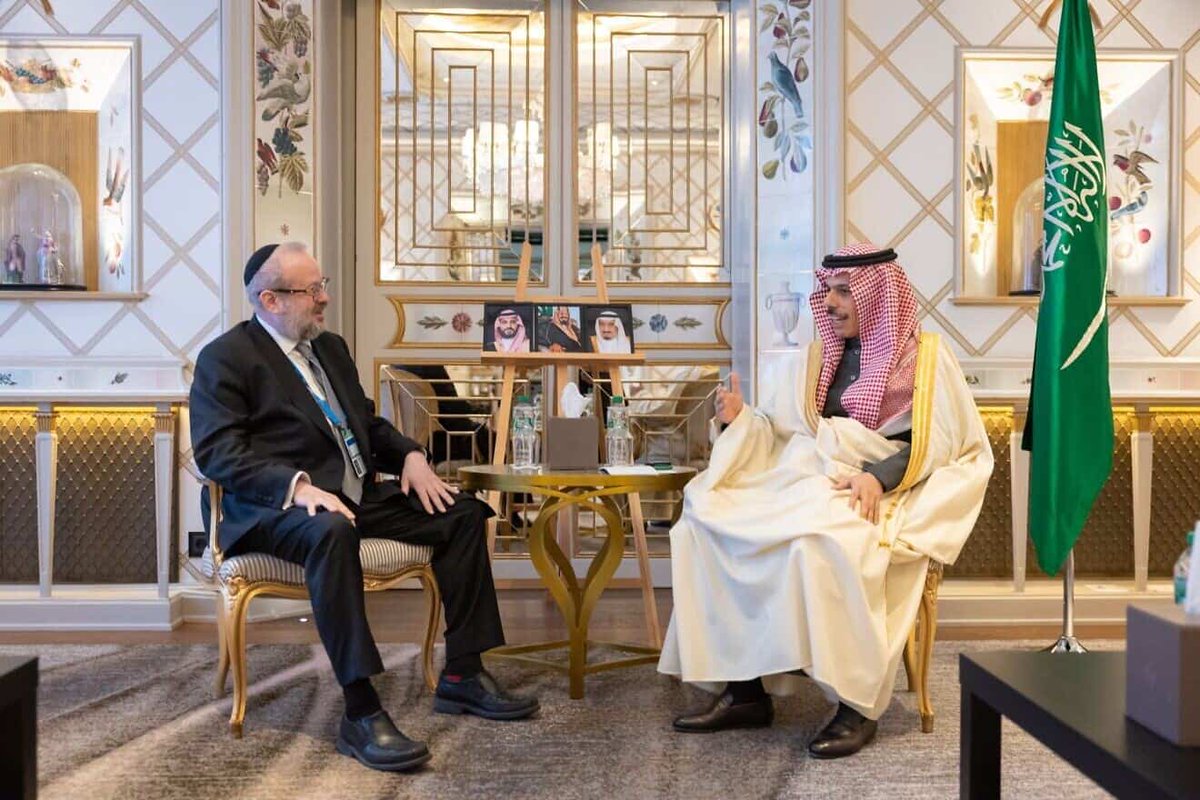
economic suicide isn't much of a unique platform from anything Zionist.
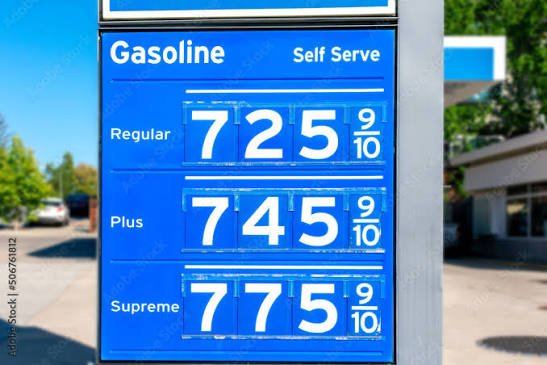
Fuel is up ' from February.
1
1of1Teon retweeted

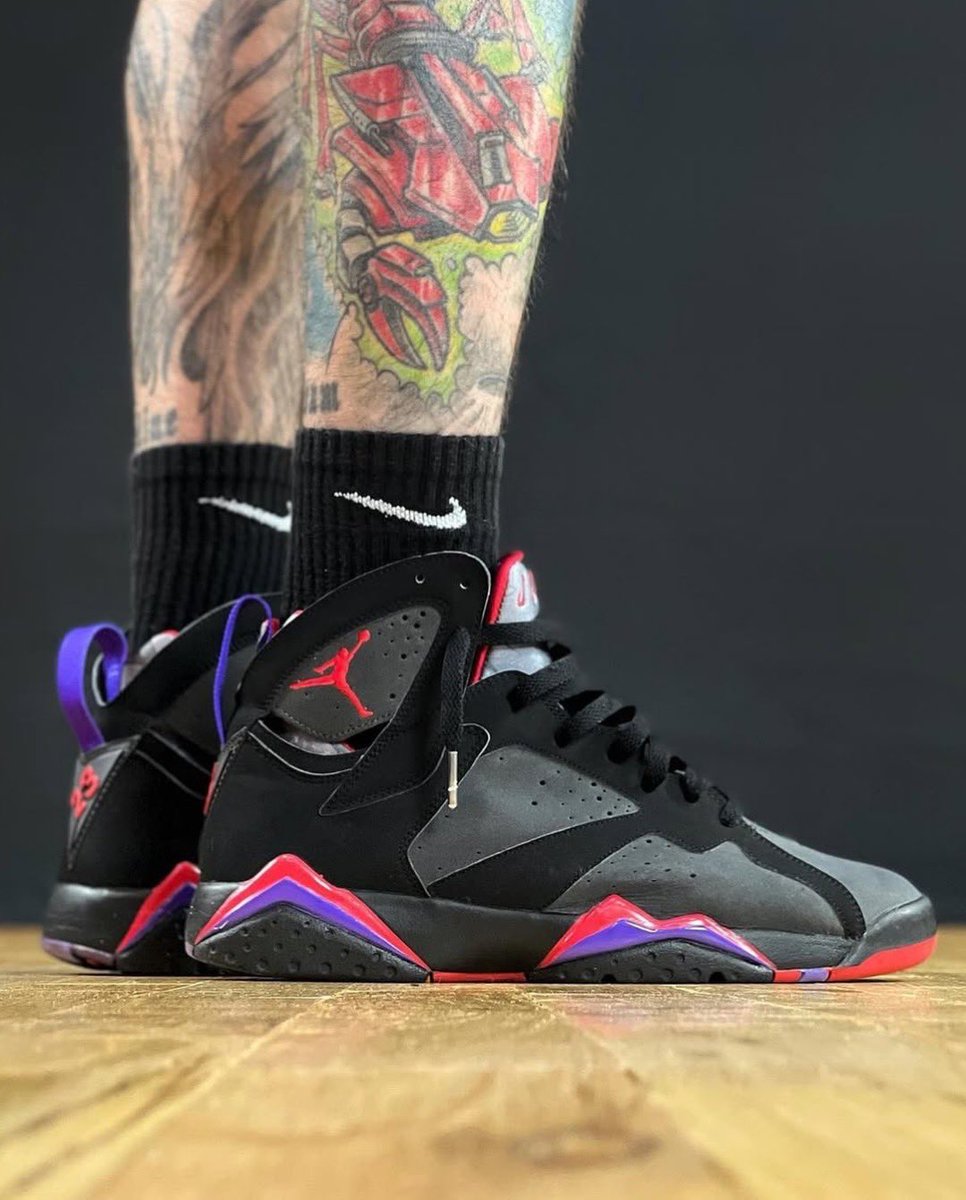
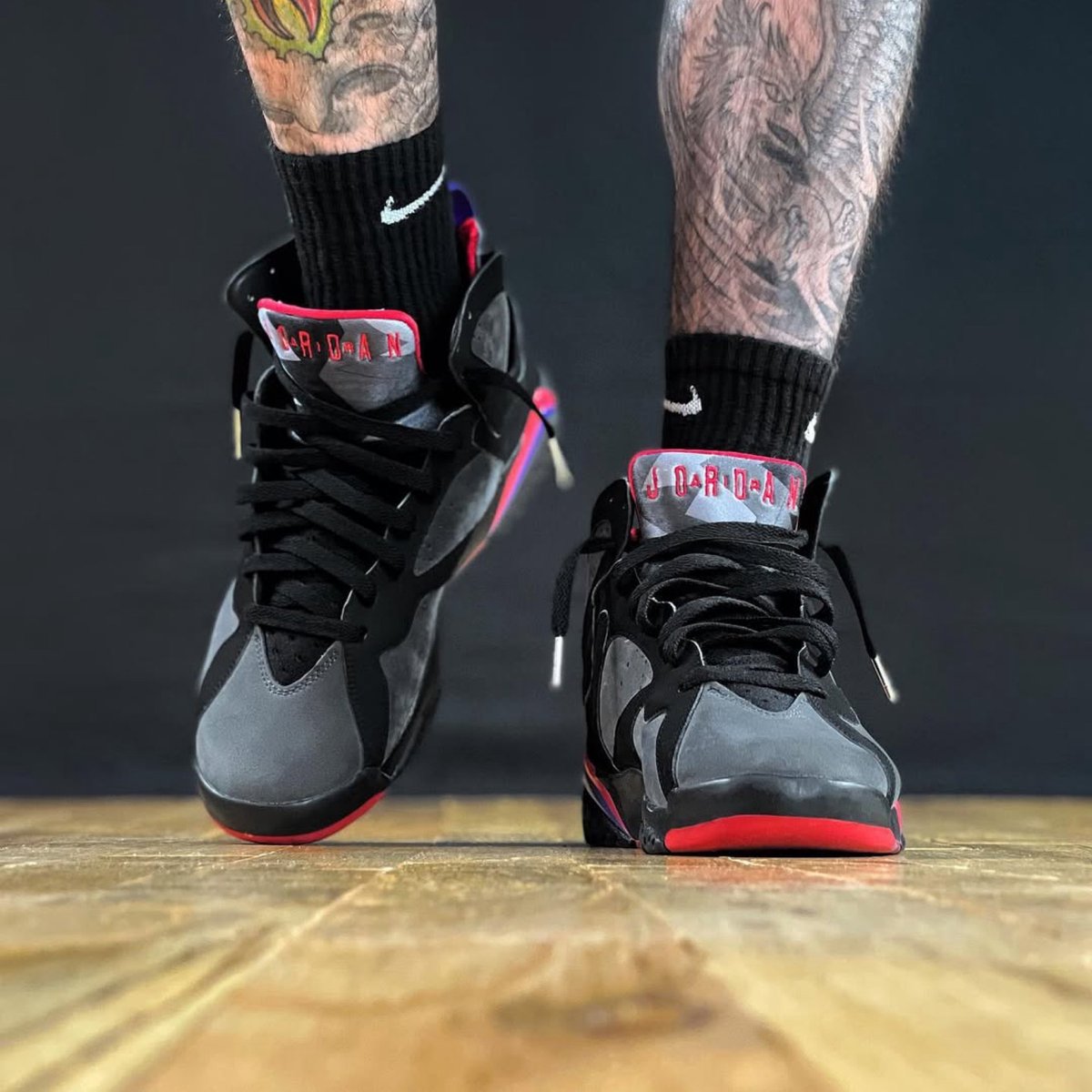
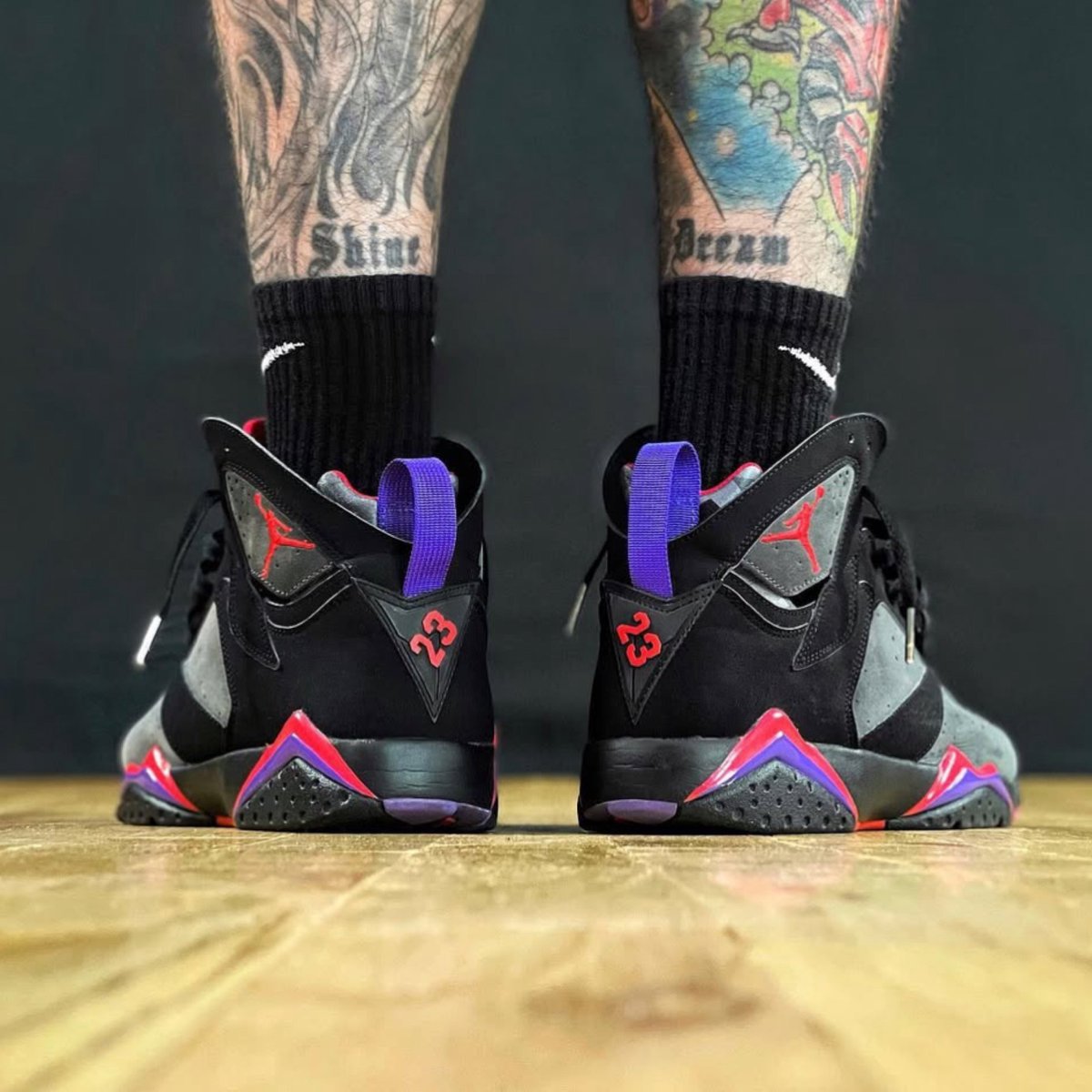
The Air Jordan 7 OG “Playoffs” will RETURN on February 20, 2027! ❤️💜
ALL-STAR WEEKEND. Full-family sizing.
33
328
2,526
91,226

It has been Amended by Jim Risch and it went back to Senate to go to the floor February 10, 2026. Now put it to the floor! Let’s see Who’s holding it up! No You let US DECIDE THUNE. We want to know why Any of Congress wants to spend OUR MONEY ON TERRORISTS THAT WANT TO KILL US!🇺🇸
1
2
11

You're not the one missing something here, it's our squad. We miss a character like him. His passion, his trackback, his build up... he'll be a good backup for this year since heki is probably not gonna be available till February and it's on a free
2
Ukraine Eternal 🔱 🇺🇦🦈🇮🇱🇪🇺 retweeted

«Tomorrow hopes we have learned something from yesterday.»
John Wayne
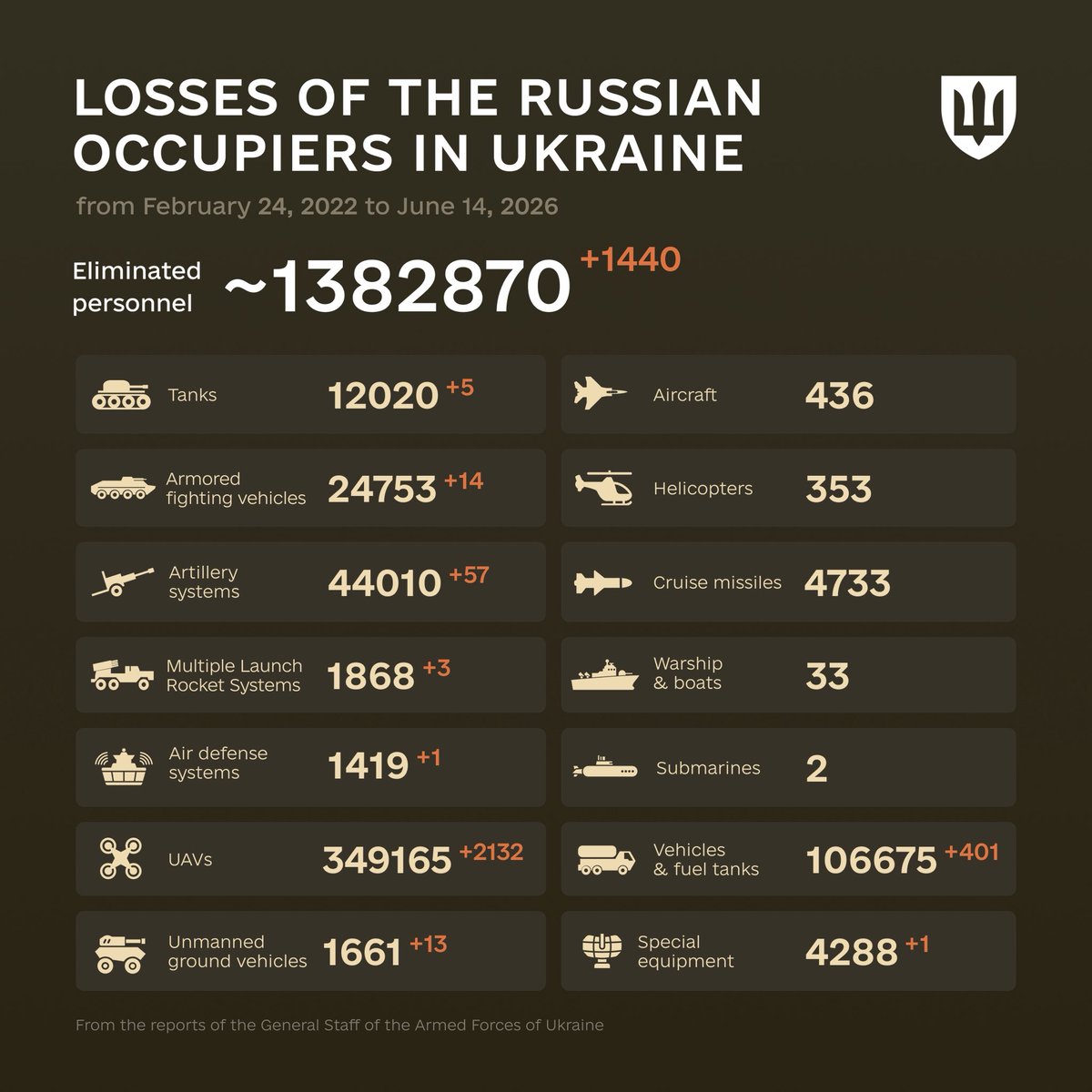
The combat losses of the enemy from February 24, 2022 to June 14, 2026.
40
386
1,820
28,516


Intel's TDX confidential compute
chips — built for telecom operators and critical national infrastructure — now come with Arqit's quantum-safe encryption keys pre-installed.
Not integrated after the fact. Baked in at the hardware level.
This went live in February. Demoed publicly at MWC Barcelona on March 2.
The numbers are early but moving fast:
→ H1 FY2026 revenue: $623K (up from $67K a year ago — roughly 9x growth)
→ 11 contracts signed in H1 alone vs. 7 in all of FY2025
→ Mix: 3 telecom, 8 government & defense
→ Cash on hand: ~$36M
The customer list reads like a classified briefing: governments, militaries, telecom operators, defense agencies.
And the partnerships keep stacking:
• Intel TDX — quantum-safe keys inside NetSec Accelerator cards
• 6WIND — quantum-safe VPN infrastructure
• RAD — telco-grade encryption
The stock already ran 1,400% to $62. Gave 80% back. Now sitting quiet again while the contracts and partnerships accumulate.
Quantum computing will eventually break today's encryption standards. The governments and militaries signing these contracts already know that.
Arqit is positioning itself as the layer that protects what can't afford to be broken.
Do your own research.
1
2

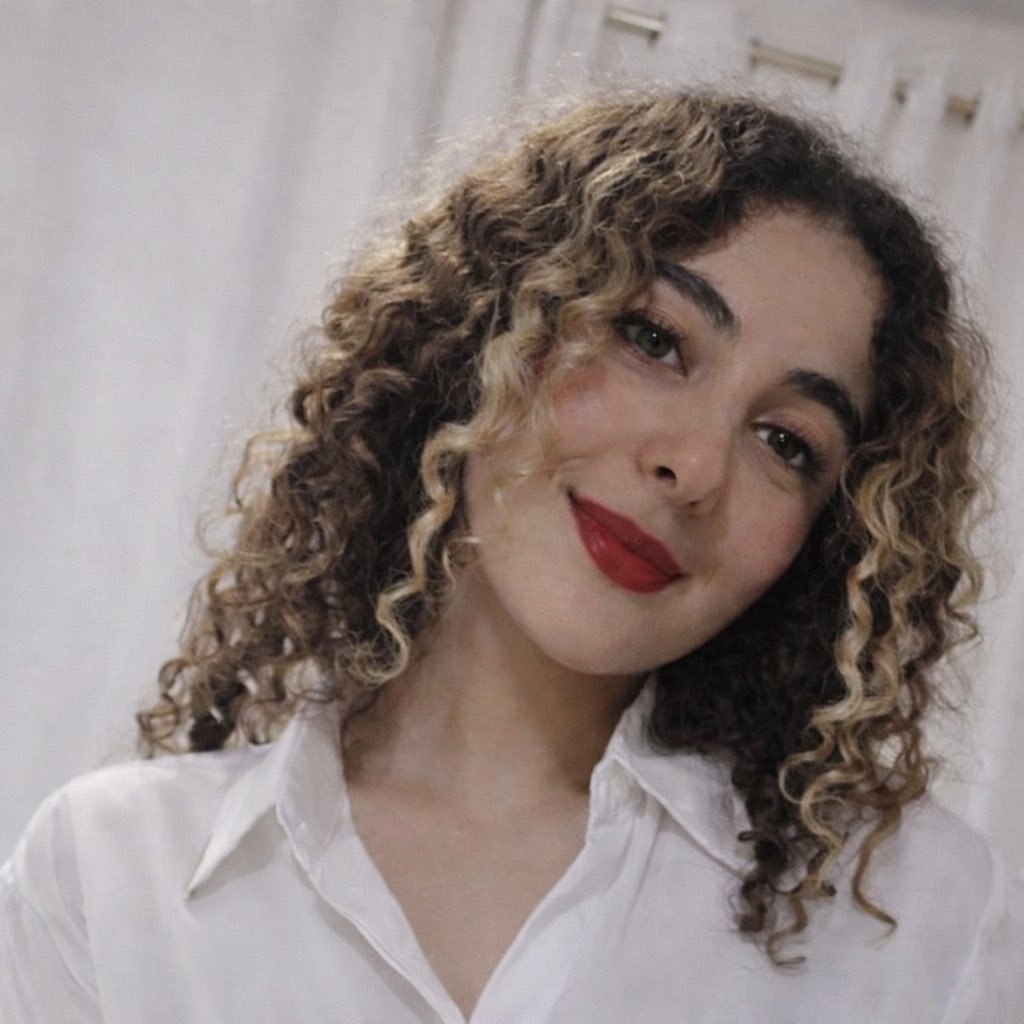
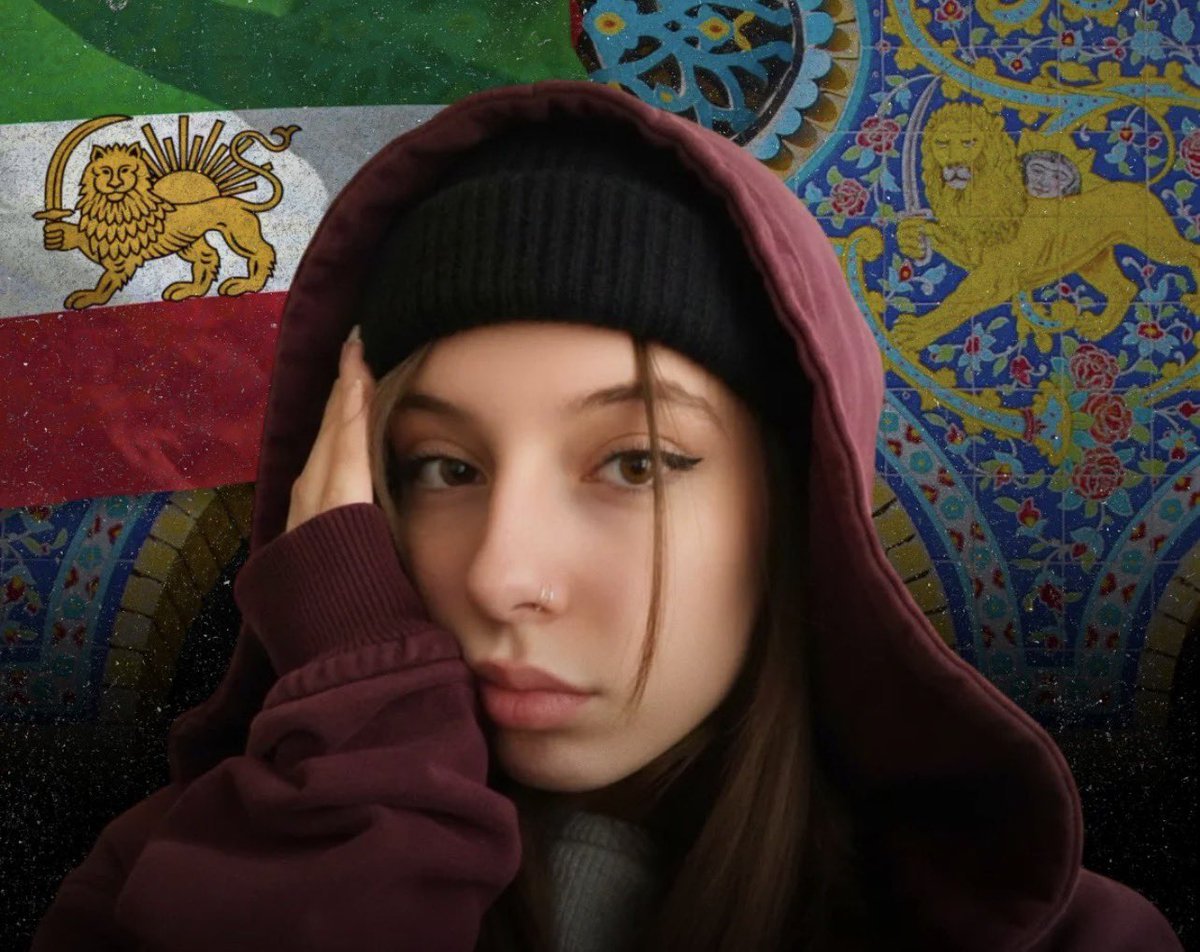
Mr. President while we are thankful for what you did in February the job is not finished. The regime is still in power. Nothing has changed, you cannot tame a beast that wants to kill teenagers and kill anyone who doesn't agree with their sick ideology. These 4 young women could be executed at any moment. Look into their eyes please and tell them that you as President of my country, the most powerful country on earth will save them. Here are their names:
Niloufar Esfahani (18)
Diana Taherabadi (16)
Ghazal Ghalandari (16)
Saghar Gholami (19)


2
54
119
762
Thabiso674 retweeted

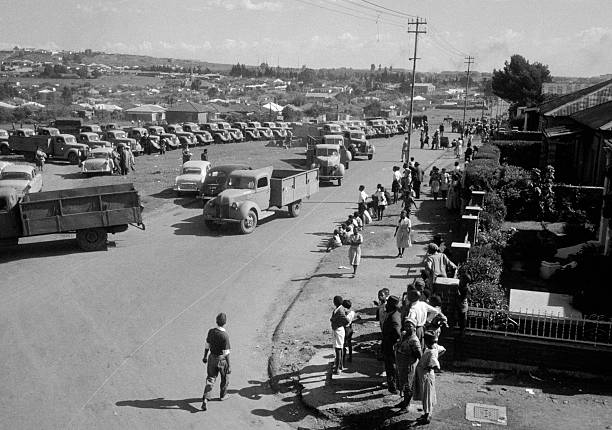
Trucks are ready to be loaded with goods and furniture during the forced removal of the people of Sophiatown, February 1955. Credit: Terence Spencer
4
34
78
2,176

Next to all the games in February bro this the easiest skip there is
1
PATIMA‧₊𓉸 ⚘⭑ . ⋅⚔︎𓈒𓏸.°• retweeted

16 Nov 2023
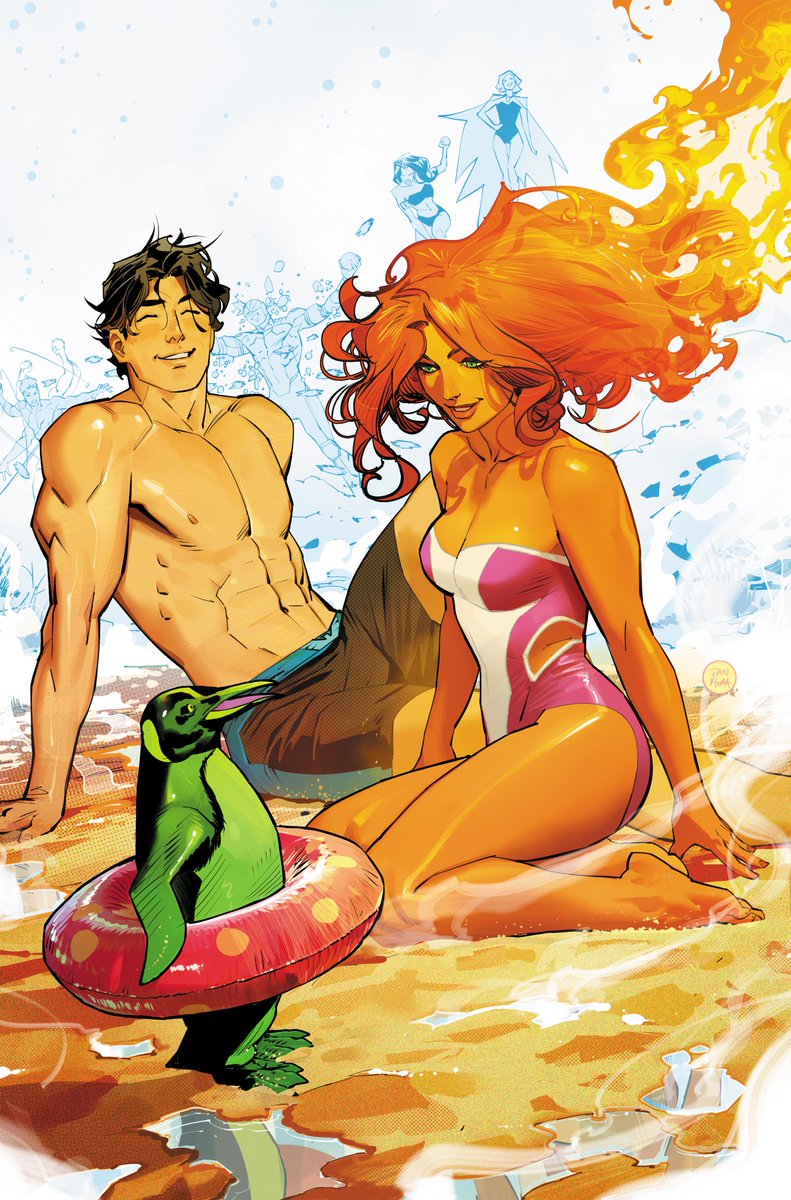
Sweater Weather variant cover releasing in February
@DCOfficial #nightwing #starfire #titans
dc.com/blog/2023/11/16/dc-an…
44
2,771
19,863
548,010