


Airbnb:
Tam backend ve frontend
next.js sanity ve react hooks
rezervasyonlu pazar yerleri için gerçek startup’ların kullandığı yığın.
Netflix:
Birkaç versiyon var.
Biri react apollo graphql datastax astra ile diğeri ruby redux postgresql ile streaming abonelikler ve katalogları anlamak için.
Spotify:
Kuyruklar çalma listeleri ve arama ile tam oynatıcı
sesli herhangi bir ürün inşa etmek istiyorsan buradan başla.
Notion:
focalboard node react ve go
sadece ui klonu değil işlevsel bir alternatif.
Postman:
Hoppscotch jamstack vue nuxt firebase
Tam api istemcisi açık kaynak hala aktif.
WhatsApp:
React firebase firestore ile gerçek zamanlı klonlar.
Anlık mesajlaşmalı herhangi bir sohbet için temel.
İnstagram:
React native firebase redux expo
akış hikayeler ve multimedya yükleme.
Tiktok:
Dikey kaydırma video yükleme ve beğenilerle birkaç versiyon
artık her yerde olan ui deseni.
Obsidian:
Zettlr electron vue markdown.
Kendi not alma uygulamasını graflerle inşa etmek isteyenler için.
Trello:
React ve node ile sürükle bırak klonlar
kanban tipi görev yönetimi aracı için temel.
1
6
157


firefoo がApple Silicon対応されず開発も終わっているようなので悩み中。Fuegoなども試したがfirefoo以上に重く時間が掛かる・・・というので自前で軽量Firestore GUI Tool を作ってみようかと画策中。
50

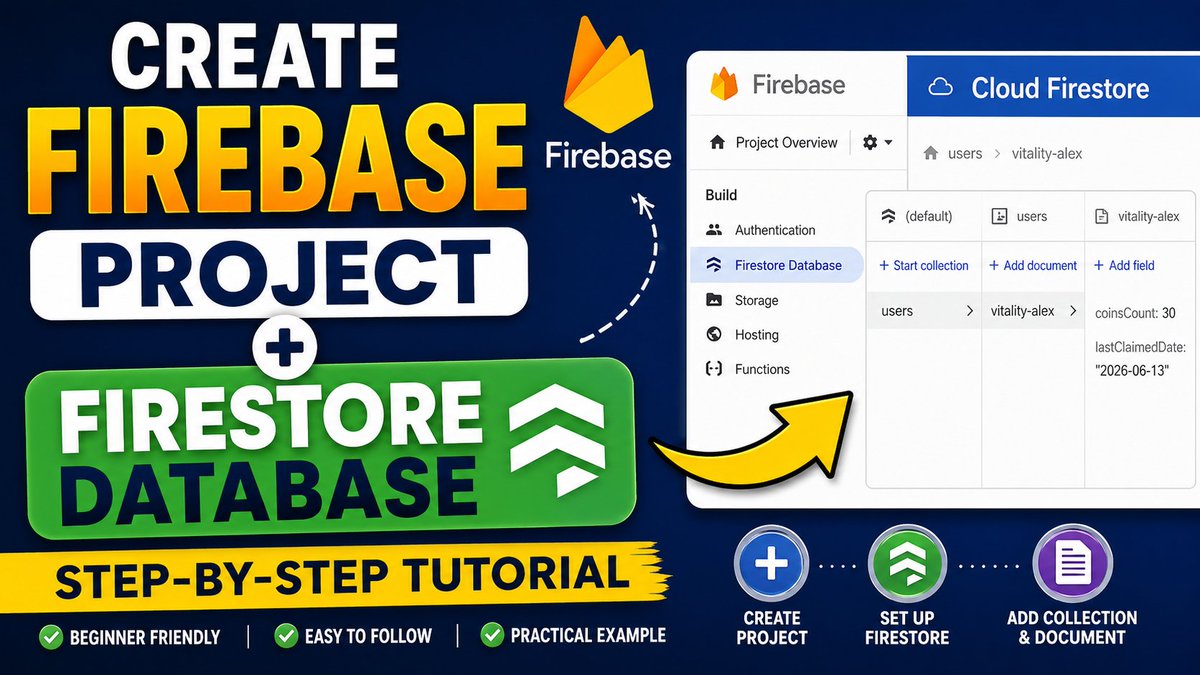
How to Create Firebase Project and Cloud Firestore Database Step by Step youtu.be/5VQRF2wzcr4?si=XwTd… via @YouTube
1

🚀Day15:あいだ
大切な人と同じ問いに別々に答えると、AIが二人の「あいだ」を問いごとに通訳してくれ、相互理解を深めるためのアプリ
aida-deploy-sooty.vercel.app
技術: Vanilla JS / Firestore / Vercel Functions / OpenAI API
#100日チャレンジ
37

16h
Un dev publicó hace años un repo con más de 100 clones open source de las apps más usadas del mundo.
Hoy tiene 34.6k estrellas y sigue creciendo.
Se llama Clone Wars. Código fuente, demo en vivo y stack tecnológico de cada uno.
10 que merece la pena que veas:
1. Airbnb
Backend y frontend completos. Next.js, Sanity y React Hooks. El stack que usan startups reales para marketplaces con reservas.
2. Netflix
Varias versiones. Una con React Apollo GraphQL DataStax Astra. Otra con Ruby Redux PostgreSQL. Para entender streaming, suscripciones y catálogos.
3. Spotify
Reproductor completo con colas, playlists y búsqueda. Útil si quieres construir cualquier producto con audio.
4. Notion
Focalboard. Node React Go. Una alternativa funcional, no solo un clon de UI.
5. Postman
Hoppscotch. JAMStack Vue Nuxt Firebase. Cliente de API completo, open source, sigue activo.
6. WhatsApp
Clones con React Firebase Firestore en tiempo real. La base para cualquier chat con mensajería instantánea.
7. Instagram
React Native Firebase Redux Expo. Feed, stories y subida de contenido multimedia.
8. TikTok
Varias versiones con scroll vertical, subida de video y likes. El patrón de UI que está en todas partes ahora.
9. Obsidian
Zettlr. Electron Vue Markdown. Para quien quiere construir su propia app de notas con grafos.
10. Trello
Varios clones drag-and-drop con React y Node. La base de cualquier herramienta de gestión de tareas tipo Kanban.
Cada uno con su repo, demo en vivo y tutorial cuando existe.
34.6k estrellas. 3.1k forks. AGPL-3.0.
el enlace 👇
5
31
156
9,399

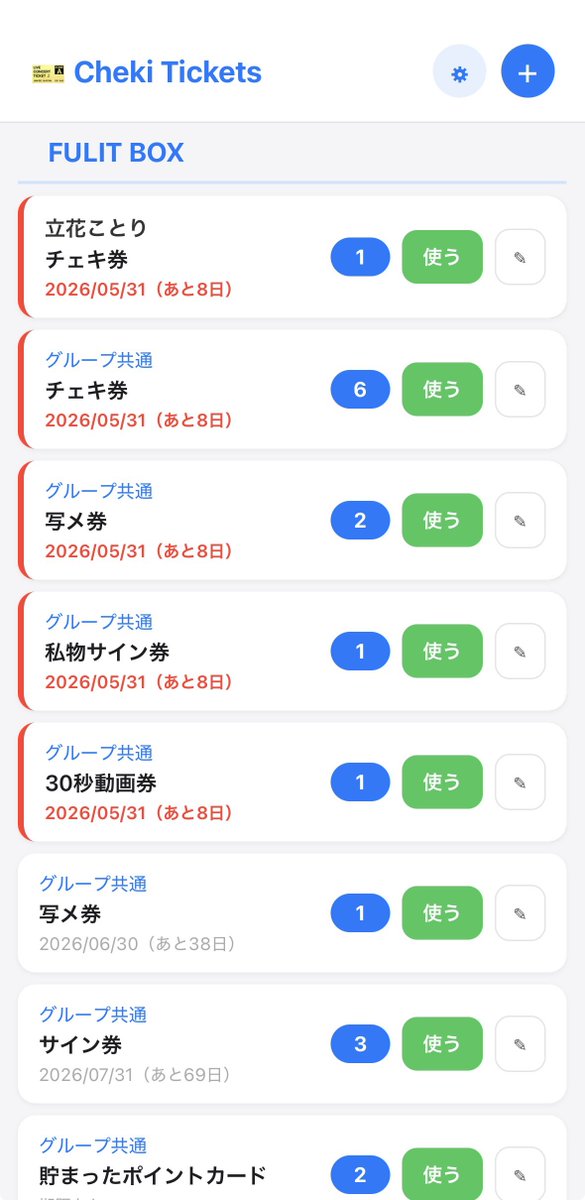
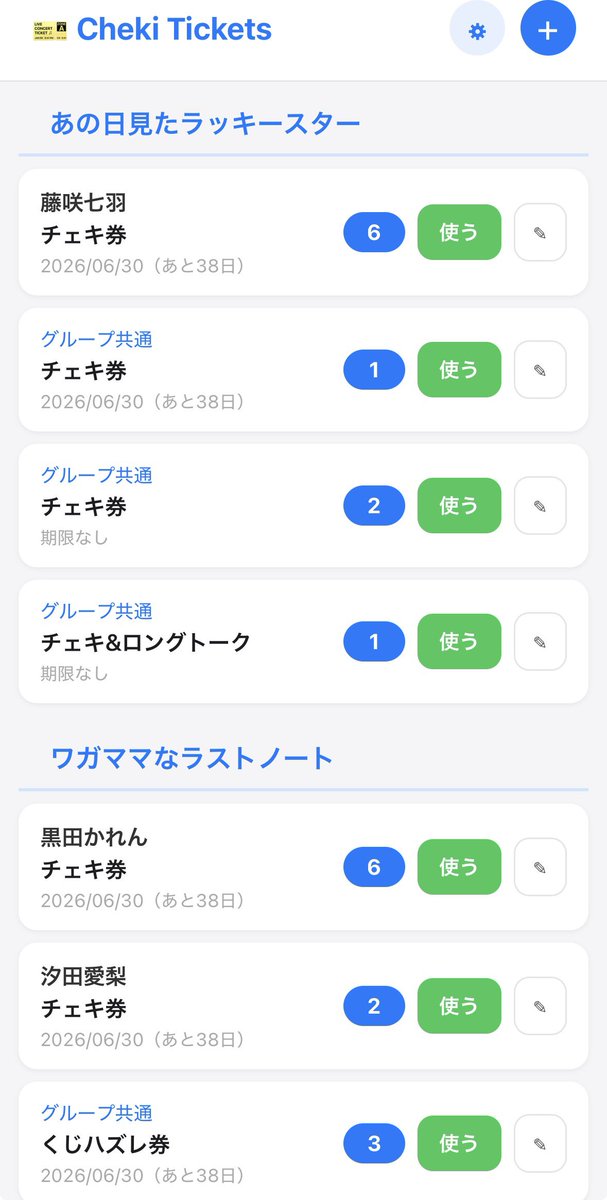
あと未公開でこういうものも作ってるんですけど、こちらは未公開なんですが。
でもこっそりここで公開しておきます。
myohondriver.web.app/cheki-t…
ユーザーのGoogleアカウントでログインしてクラウド同期できるんですが、保存先はユーザーのGoogleドライブじゃなくてFirebase?Firestore?みたいなのに保存される仕組みになってて、それは管理側のクラウドみたいです。

1
1
40

El front en Flutter y lo poco que hay de backend en Firebase.
La estructura de cada álbum esta en un doc de firebase firestore pero cacheada en un bundle que se actualiza una única vez cada 24h, para evitar reads innecesarios de firestore que son mas caros.
Las figuritas marcadas se guardan localmente en el device y hay opción para import/export.
Esta pendiente permitir iniciar sesión (firebase auth) y guardar las figuritas marcadas en algún doc de firestore también.
1
104

apps.apple.com/us/app/nimbus… NimbusDB (CloudKit, Supabase, Appwrite and Firestore client)
1
1
26

Jun 13
Enterprise Payments: Powered by a robust integration of Firebase and Paystack for real-time transaction verification and secure ledger syncing. The secure backend leverages Firebase (Auth & Firestore).
1
1
38
Jun 13
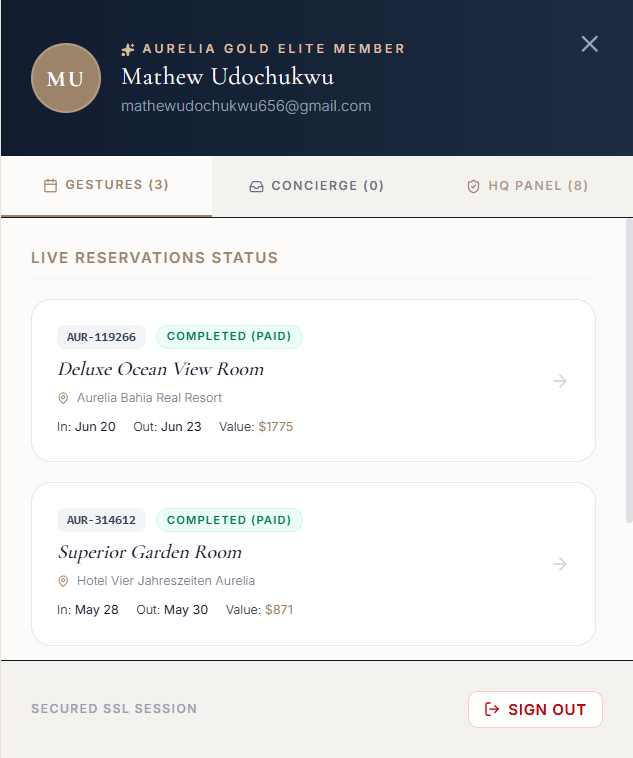
🔒 More than just a landing page—it's a full-stack booking application.
Powered by Firebase Authentication and Firestore, users can securely sign in through an elegant AuthModal auth flow and manage their upcoming stays directly inside a private, real-time UserDashboar
1
1
8
Actualy I‘ve made an App for CloudKit, Supabase, Firestore(limited), Appwrite. Called NimbusDB. Native macOS
27

Jun 13
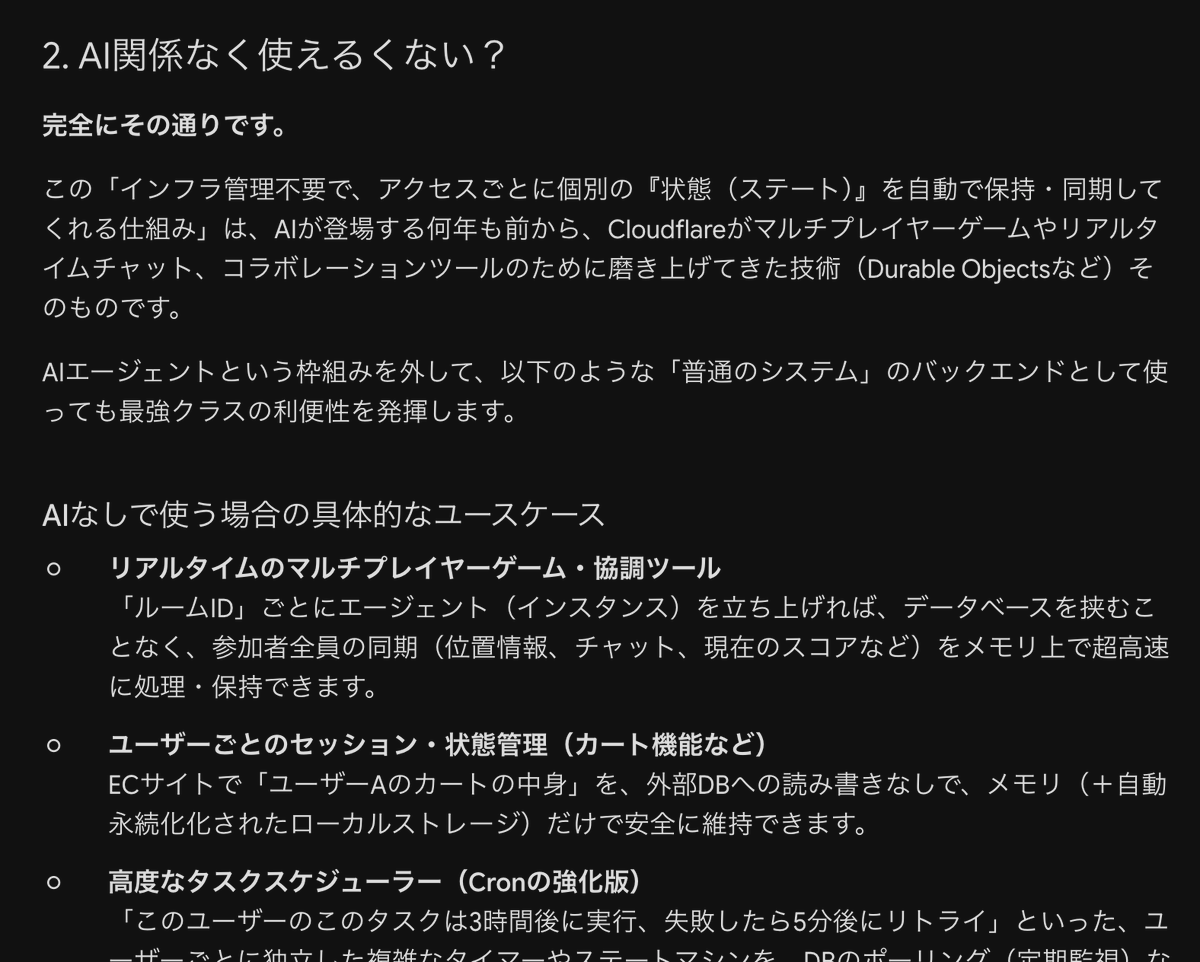
ちょっと前に出たCloudflare Agentsが面白そうすぎてギャルになってる
Firestoreくらい(かむしろもっと)簡単にライトヘビーなリアルタイム同期が作れちゃうってことだよね?
複雑な競合解決とかはできなそうだけど、色々使いたい場面が思いつく
124

Jun 13
📂 AI CLOUD MASTER TREE
│
├── ☁️ 1. Cloud Fundamentals
│ ├── What is Cloud Computing
│ ├── IaaS vs PaaS vs SaaS
│ ├── Public / Private / Hybrid Cloud
│ ├── Regions & Availability Zones
│ └── Pay-as-you-go Pricing
│
├── 🏗️ 2. Cloud Providers
│ ├── AWS
│ ├── Azure
│ ├── Google Cloud
│ ├── DigitalOcean
│ └── Cloudflare
│
├── 🖥️ 3. Compute Services
│ ├── Virtual Machines (EC2)
│ ├── Serverless (Lambda, Functions)
│ ├── Containers (Docker)
│ ├── Kubernetes (EKS, GKE)
│ └── Auto Scaling
│
├── 💾 4. Storage Services
│ ├── Object Storage (S3, GCS)
│ ├── Block Storage
│ ├── File Storage
│ ├── CDN Integration
│ └── Backup & Recovery
│
├── 🗄️ 5. Databases in Cloud
│ ├── Managed SQL (RDS, Cloud SQL)
│ ├── NoSQL (DynamoDB, Firestore)
│ ├── Data Warehouses (BigQuery, Redshift)
│ ├── Caching (Redis, Memcached)
│ └── Distributed Databases
│
├── 🤖 6. AI Fundamentals
│ ├── Machine Learning Basics
│ ├── Deep Learning
│ ├── NLP
│ ├── Computer Vision
│ └── Generative AI
│
├── 🧠 7. AI Models & APIs
│ ├── OpenAI API
│ ├── Gemini API
│ ├── Anthropic (Claude)
│ ├── HuggingFace
│ └── Replicate
│
├── 🔗 8. AI Cloud Integration
│ ├── Model Deployment (API-based)
│ ├── Serverless AI Apps
│ ├── Real-time AI Pipelines
│ ├── Batch Processing
│ └── Edge AI
│
├── 📊 9. Data Pipelines
│ ├── ETL / ELT
│ ├── Data Lakes
│ ├── Streaming (Kafka, Pub/Sub)
│ ├── Data Cleaning
│ └── Feature Engineering
│
├── ⚙️ 10. MLOps
│ ├── Model Training
│ ├── Model Versioning
│ ├── CI/CD for ML
│ ├── Monitoring Models
│ └── Retraining Pipelines
│
├── 🔐 11. Security
│ ├── IAM (Identity Access Management)
│ ├── API Security
│ ├── Encryption (at rest & in transit)
│ ├── Secrets Management
│ └── Compliance (GDPR, SOC2)
│
├── 📈 12. Monitoring & Logging
│ ├── CloudWatch
│ ├── Stackdriver
│ ├── Prometheus
│ ├── Grafana
│ └── Alerting Systems
│
├── 🚀 13. Deployment Strategies
│ ├── CI/CD Pipelines
│ ├── Blue-Green Deployment
│ ├── Canary Releases
│ ├── Rolling Updates
│ └── Infrastructure as Code (Terraform)
│
├── 💡 14. Cost Optimization
│ ├── Reserved Instances
│ ├── Spot Instances
│ ├── Auto Scaling Optimization
│ ├── Resource Monitoring
│ └── Cost Alerts
│
├── 🌍 15. Real-World Use Cases
│ ├── AI Chatbots (ChatGPT-like)
│ ├── Recommendation Systems
│ ├── Fraud Detection
│ ├── Image Generation Apps
│ └── Voice Assistants
│
└── 🎯 16. Future Trends
├── AI Agents
├── Multi-modal AI
├── Edge Computing
├── Autonomous Systems
└── AI-native SaaS
4
5
21
4,628


Jun 12
A few days ago, my girlfriend came home. I was busy coding. She wanted to talk. I said, "Just five more minutes." Five minutes became thirty. Thirty became an hour. Eventually she got upset, left, and went home.
Now it was night. And suddenly I wasn't focused on coding anymore. I was worried. So I called her.
She hung up. I called again. Hung up. At this point I knew things were getting serious. So I tried one last thing. I hit the video call button. This time she picked up. And within a few seconds, there she was. I could see her.
She could see me. We could talk in real time.
But after the call ended, I started wondering about something.
How did that actually happen?
Think about it.
My laptop is sitting in one house.Her phone is sitting in another. They're connected to completely different networks.They have never met before.Yet somehow, after pressing one button, they found each other and started communicating almost instantly.
That's exactly the problem WebRTC solves.
WebRTC is a technology that allows two devices to communicate directly in real time.
Audio.
Video.
Messages.
Files.
Anything.
But here's the interesting part.
lets say my browser is A and hers is B.
When I press the video call button, my browser doesn't magically know where her's is.
And her browser doesn't magically know where my browser is.
The first challenge is simple.
They need to find each other.
but it is not possible to find each other in this ocean of internet, so a middle server is needed to connect both of them , this is called signalling server , and this exchange In WebRTC, is called signaling.
Signaling is basically the introduction phase. A signal server can be anything a websocket,http or firestore .
So browser A stores its information in signal server , and browser B reads that information , now B knows about A, But A dosen't know about B, so now B stores its information in signal server , and then A gets information about B , now A knows B and B knows A.
this information is called SDP-session Description protocol , it contains info about what browser supports , like video and audio format text etc.
But there's still one problem.
both of then know about each other but they dont know how to connect to each other , so here comes ICE - Interactive Connectivity Establishment.
As part of connection process , browser gathers a list of ICE candidates, they describe about the ip address of the browser, so now both the browser share there ip address to the signaling server and both get to know the path of each other and finally a connection is established between both of them, and no signaling server is needed now , a direct peer to peer connection has been established now.
The video.
The audio.
The messages.
Everything starts flowing between them in real time.
And the funny thing is...
by the time my girlfriend is explaining why she's upset...
the browser has already exchanged SDP information, ICE candidates, and established a peer-to-peer connection.
All in just a few seconds.
That's WebRTC.
A lot of complicated networking happening behind the scenes...
so you can have one simple conversation.
1
5
123

Jun 12
Context before recommendations. Goals before products
Built with @GeminiApp, VertexAI,ADK,@GoogleCloud_IN Run&Firestore during the @GoogleStartups x @AntlerIndia Immersion.
🌐 shorturl.at/uaFsO
@ragingdas @AbiS_Google @ksprashu @nitinsharma1 @GowriShankarNag @telljeeves
1
42

Jun 12
El combo definitiu de Google el 2026: 📦 Firestore: Consultes en pipeline a màxima velocitat. 🧠 Gemini: IA nativa directa a la teva base de dades mitjançant MCP. ☁️ Cloud Run: Desplegament immediat.El desenvolupament àgil ja no és el futur, és l'estàndard. 💻✨ #GoogleAI #CloudComputing #Coding
ekopump.es
13