
Jun 9
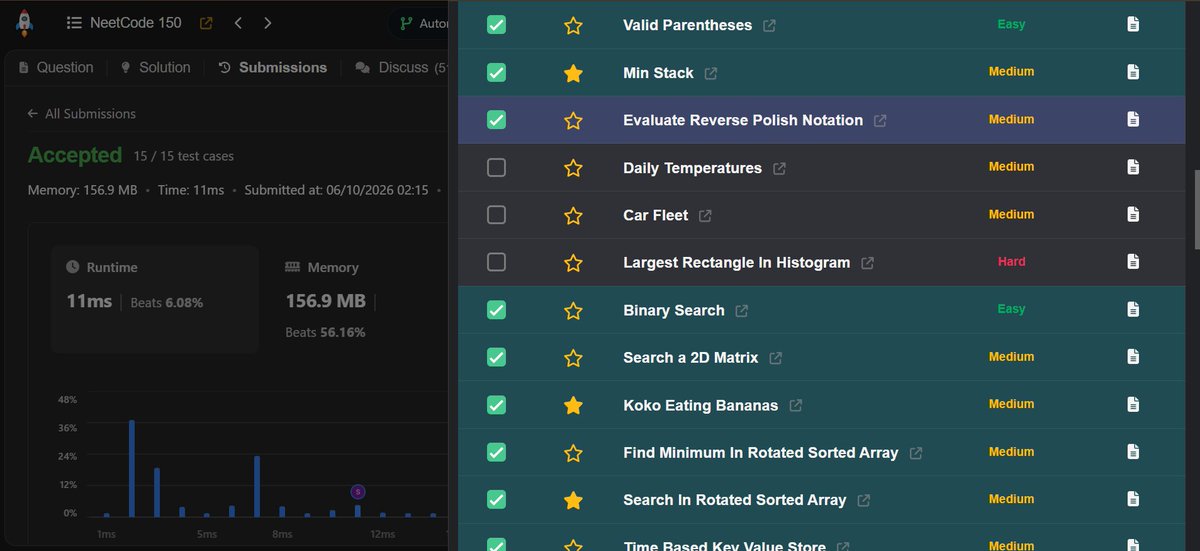
Started stacks from neetocde 150. Solved:
-Valid Parentheses
-Min Stack
-Evaluate Reverse Polish Notation
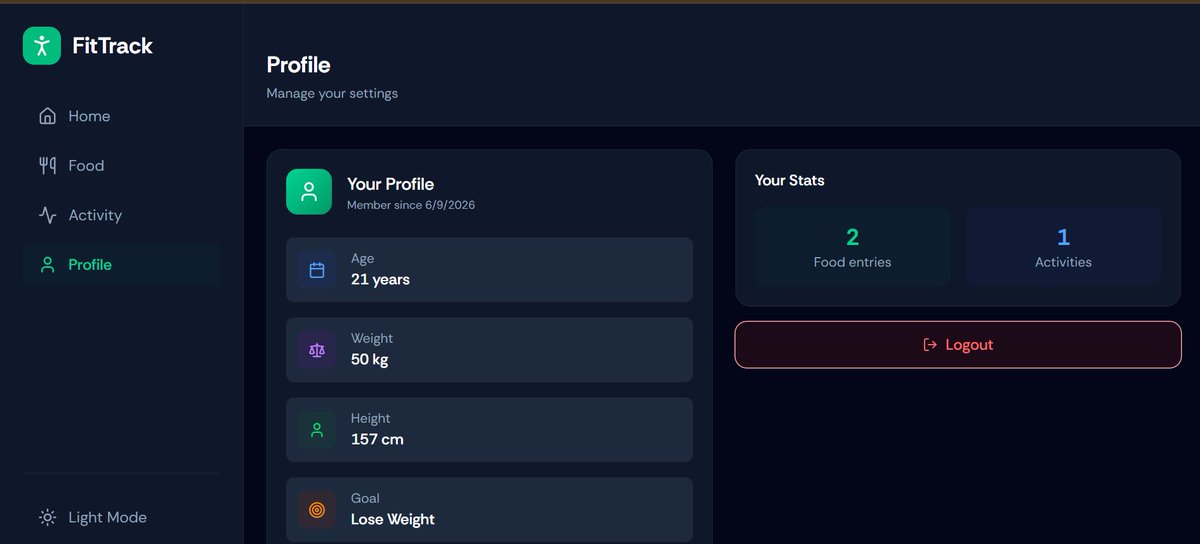
Also completed my fitness tracker project~FitTrack finallyyy. #DSA #100DaysOfCode #WebDevelopment #BuildInPublic

3
1
40
607

May 17
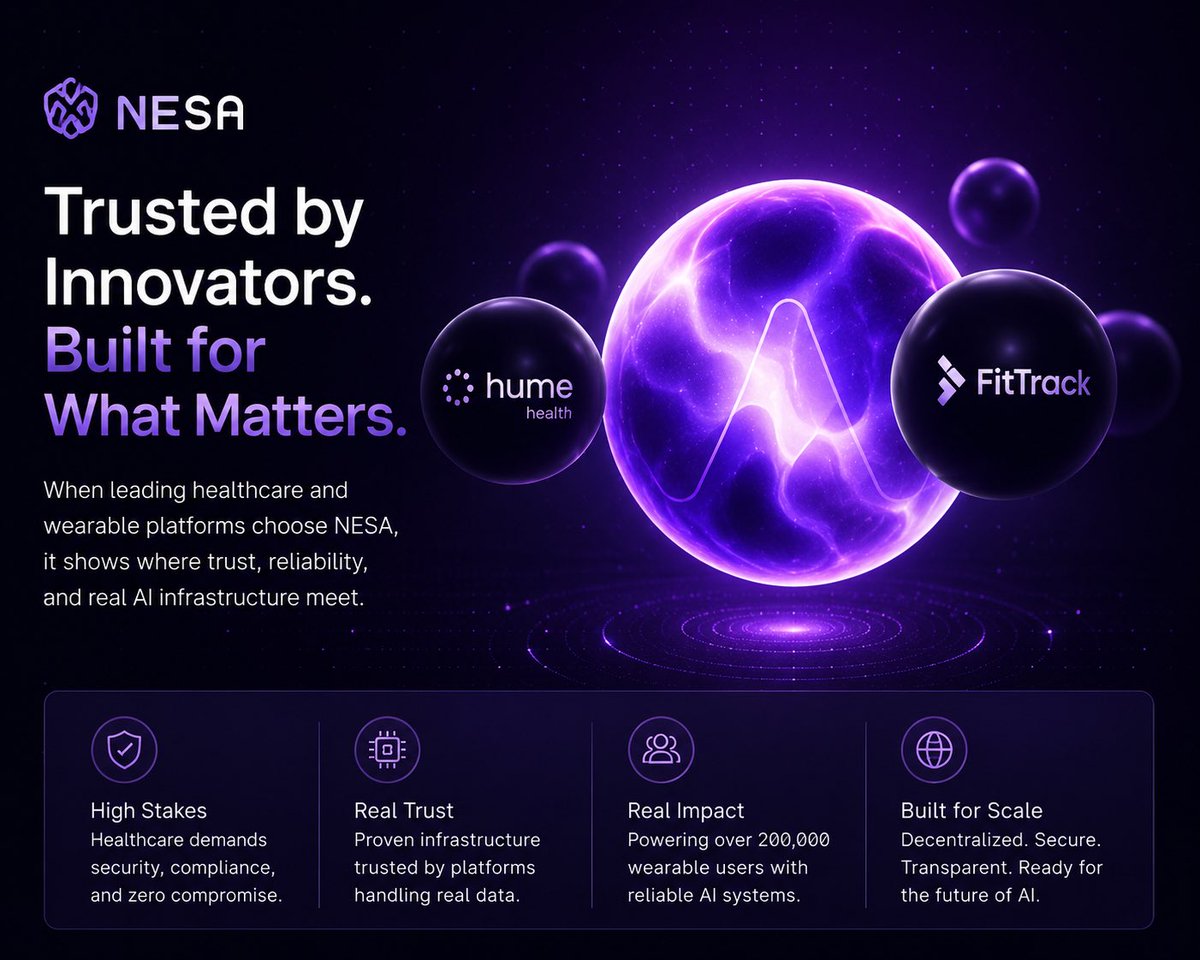
Healthcare rarely moves fast on unproven infrastructure because trust matters more than hype. So when Hume Health and FitTrack, serving over 200,000 wearable users, chose @nesaorg, it says a lot about where reliable AI infrastructure is heading.
May 17

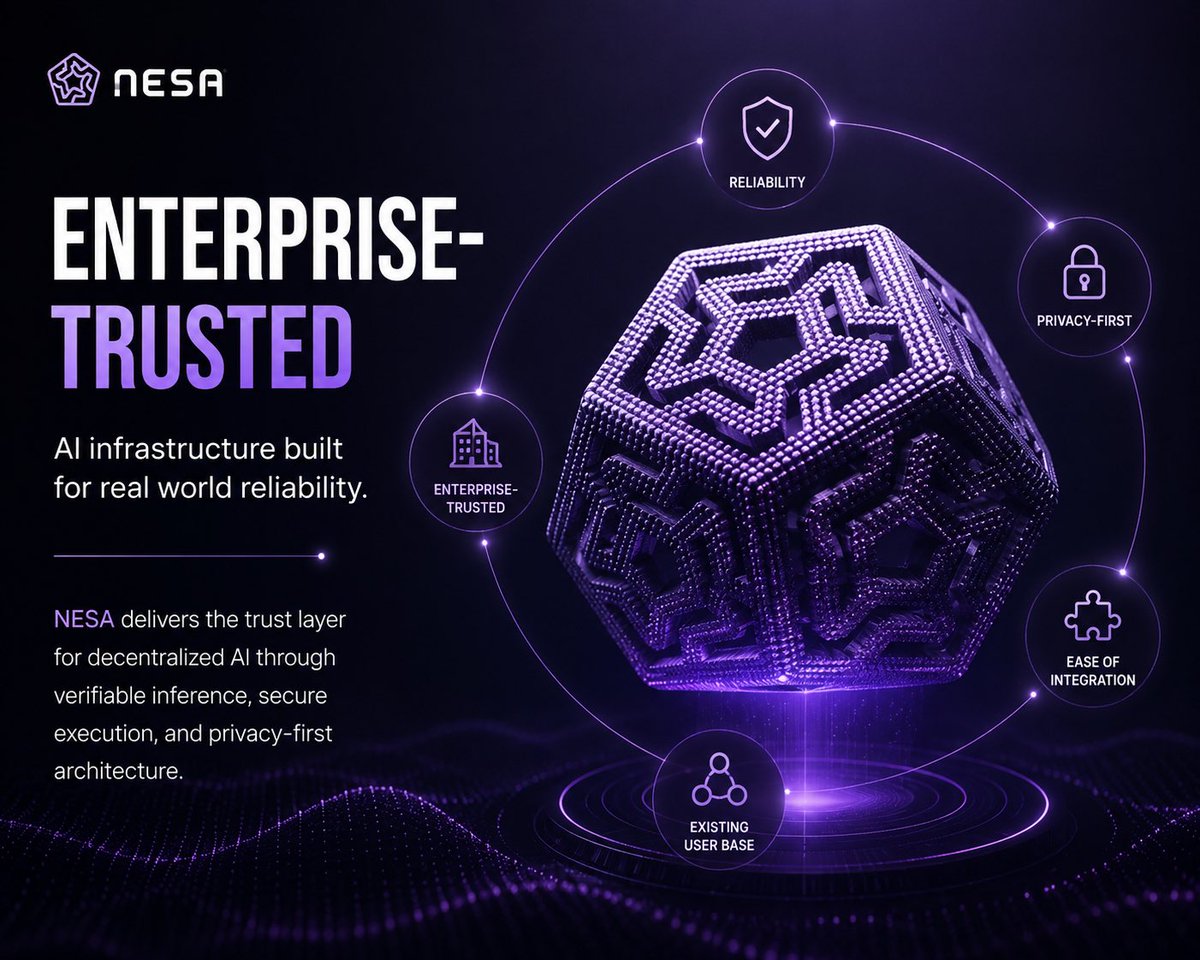
The next phase of AI isn’t just about smarter models, it’s about trust. @nesaorg is building the infrastructure layer for secure and reliable AI deployment, where intelligence can scale with transparency and confidence.
2
2
6
80

May 17
Healthcare companies are usually the last ones to take risks on new infrastructure. The stakes are too high and the regulations too tight for experimentation.
So when Hume Health and FitTrack, a platform processing AI for over 200,000 wearable users, both chose @nesaorg

1
1
4
27

May 7
Inference szn is here!
The one quietly eating enterprise AI demand. That’s where @nesaorg is already operating at full throttle: 8M inference requests per day.
Fortune 500 names like P&G plus major health-tech enterprises Huma Health and FitTrack (handling millions of users and billions of sensitive data points) are running their entire AI stacks on Nesa right now.
Their real moat isn’t just more GPUs.
It’s Equivariant Encryption, Nesa’s core privacy engine that transforms your data into a special encrypted format. The model then runs every single operation (linear layers, activations like ReLU, etc.) directly on this encrypted version, exactly as if it were seeing plain text. Your actual inputs, the model weights, and all intermediate steps stay completely hidden the entire time. When you decrypt the final output, it matches the original inference result perfectly. Zero exposure.
This is the privacy story enterprises have been waiting for: total data sovereignty. Sensitive company data, from medical records to consumer insights, stays protected end-to-end. No single party, not even node operators, can ever access the raw data. Ironclad privacy with zero compliance trade-offs.
Every result is then verifiable on-chain through their own L1 (math-backed proofs, no trust needed).
Full decentralization with 150K nodes worldwide, anyone can spin one up on basic hardware, no central operator, yet still hitting enterprise speed and reliability.This is decentralized inference built for the players who actually move billions in revenue.
The decentralized inference players who can serve both scale and ironclad enterprise privacy? They’re the ones capturing the whole season.
2
2
79

Apr 23
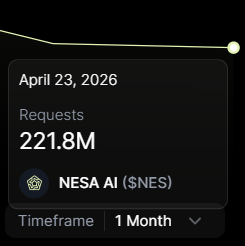
Over 200M on-chain requests for @nesaorg in just one month. Is this one of the most active AI chains in crypto?
This isn't random, it's backed by 50 partnerships, working with Fortune 50 companies like P&G and major health-tech leaders like Hume Health and FitTrack. The best part? Nesa isn't just stuck in Web3; they have a real bridge to Web2.
TGE is scheduled for next month. Hoping it drops soon, because this is shaping up to be a massive launch.
2
1
2
109


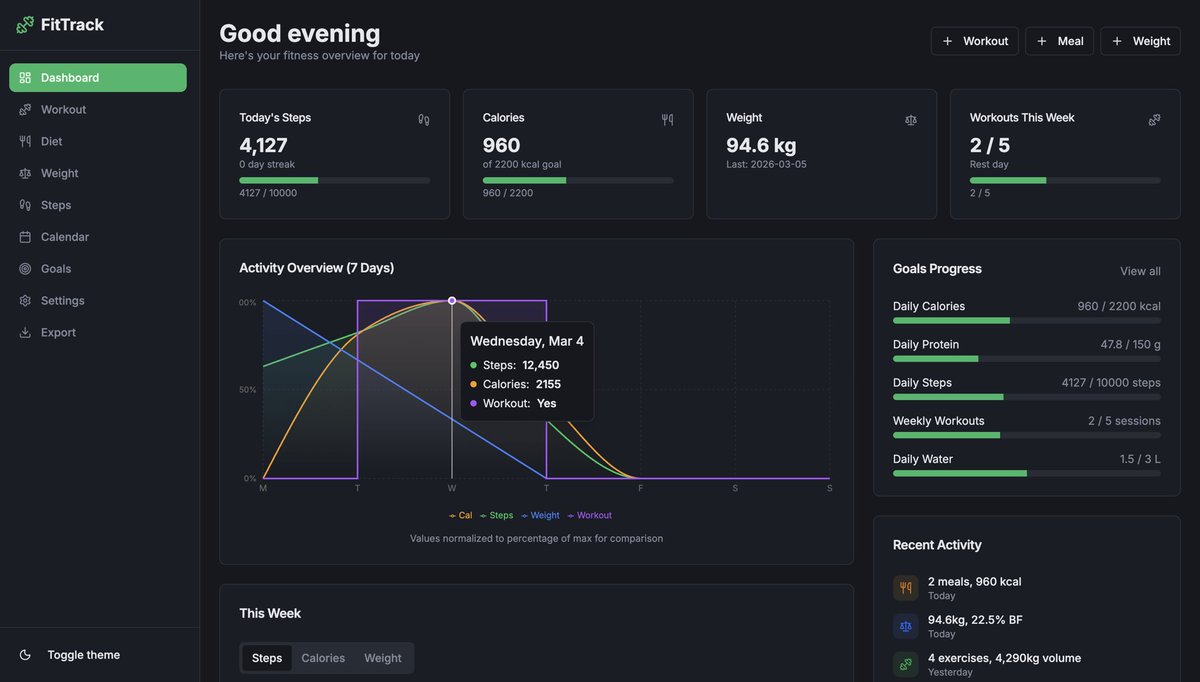
tired of switching between 4 apps just to understand my own fitness data.
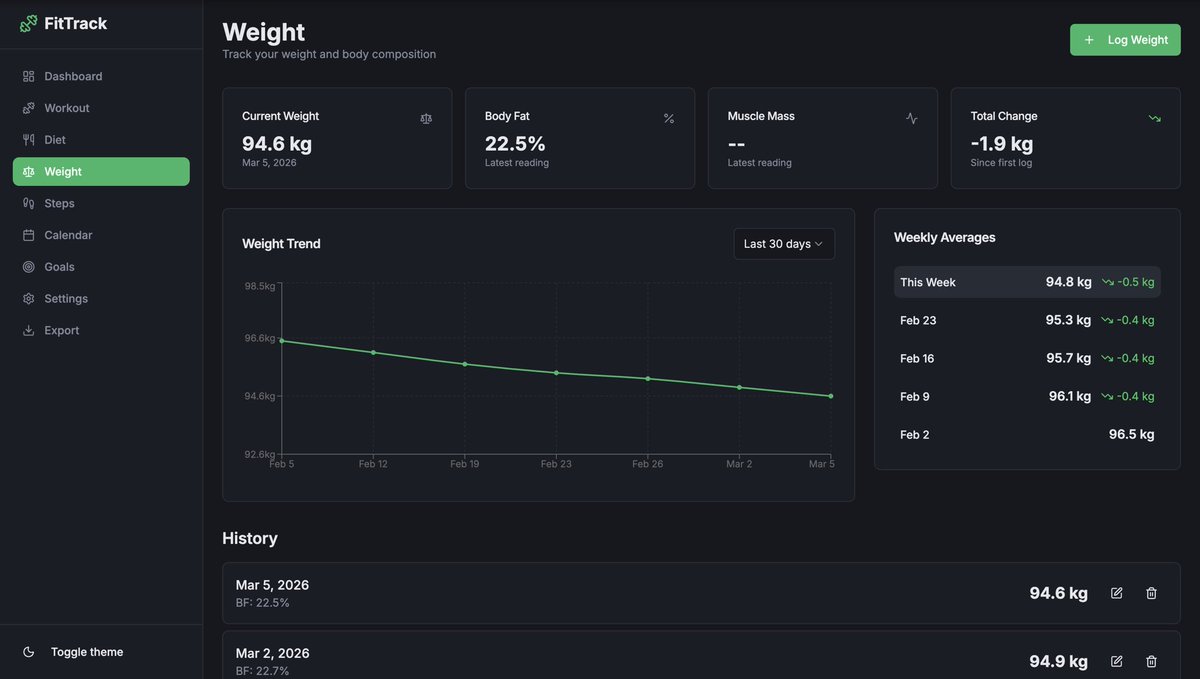
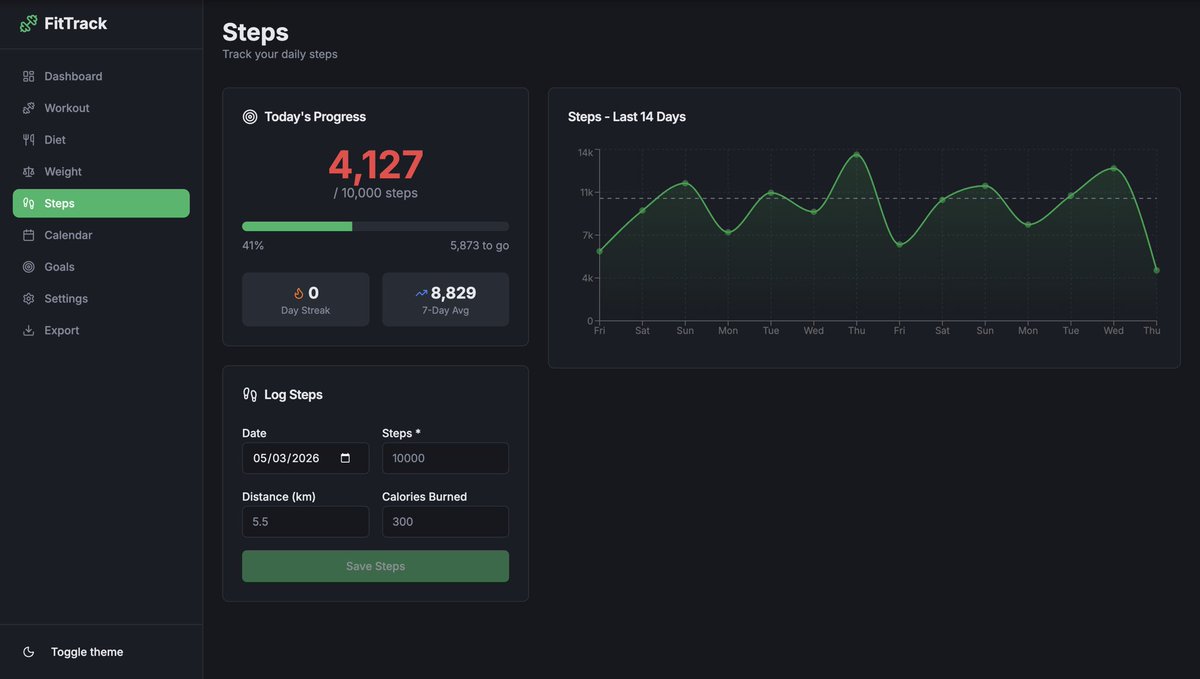
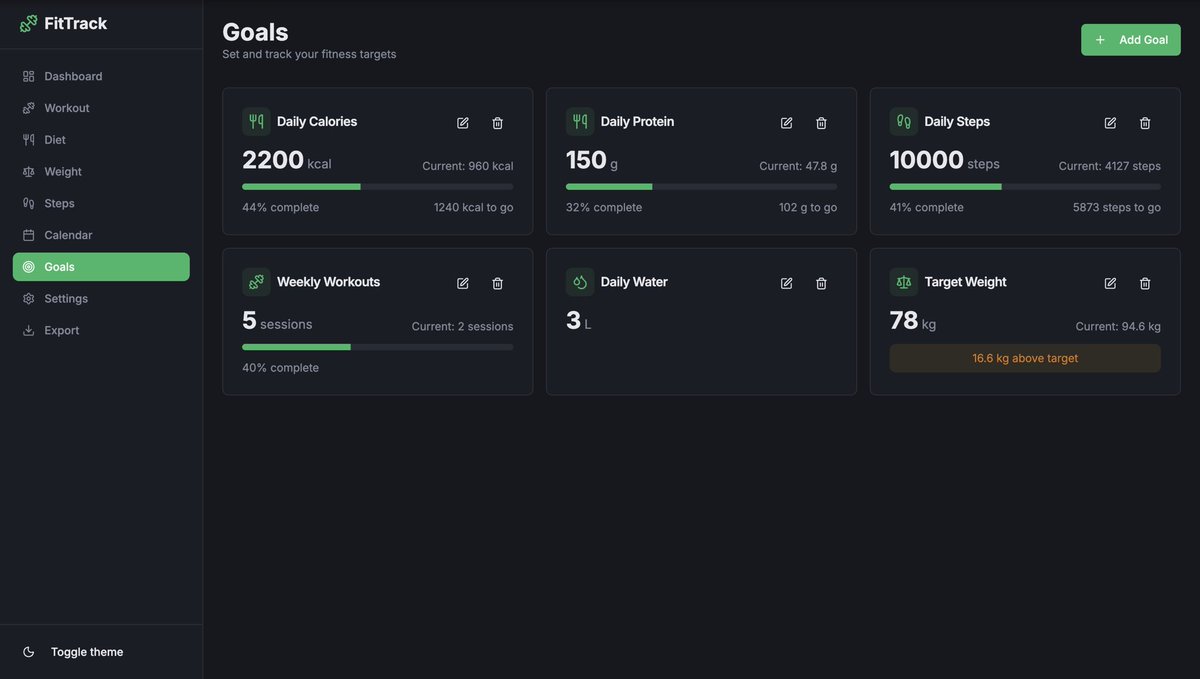
so I built FitTrack - my personal fitness OS.
not just a tracker. a full dashboard:
- workout logs with sets, reps & weights
- macro & calorie tracking per meal
- smart scale data -> fat %, muscle mass, body composition.
- step tracking with daily streaks
- calendar heatmap to visualize consistency
- trend graphs across everything
- personal goal tracking
- one-click export to Sheets & Notion
wild that building this yourself is even possible. we’re in a different era.
for now it’s mine. but the SaaS thought has crossed my mind 👀
3
115

Feb 20
How to (finally) edit slides with @claudeai @powerpoint ?
1. Install Microsoft PowerPoint (desktop) on your Mac and Windows.
2. Open PowerPoint.
3. Go to Home.
4. Click Add-ins (or Get Add-ins).
5. Search for Claude.
6. Select Claude (Anthropic) and click Add / Install.
7. When it opens, sign in to your Anthropic account.
8. You will now see Claude in the toolbar.
Write a prompt, like this:
Create a 5-slide investor pitch deck for FitTrack AI.(mock)
Professional, clean, VC-ready. Use this context. [pasted.]
One prompt 5 minutes, it is ready.
1
4
173

Feb 5
Your App Store title = 30 characters of pure gold.
Bad: 'My Cool App'
Good: 'FitTrack - Workout Planner & Gym Log'
Keywords in the title → rank higher in search.
Most devs waste this. Don't be most devs.
2
89

مجاني لفترة
للايفون
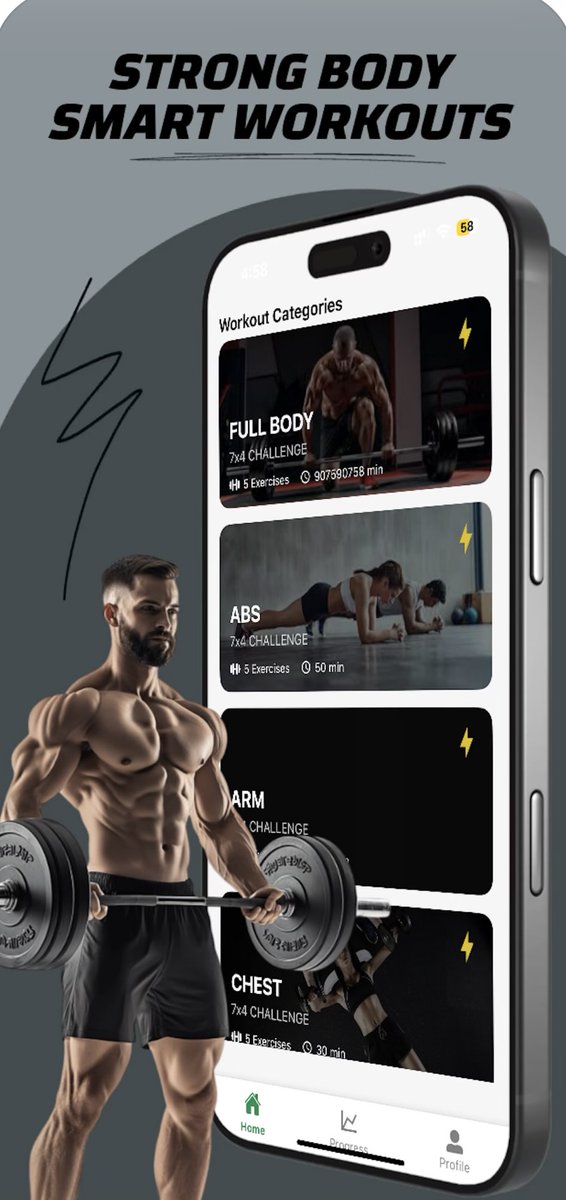
FitTrack Pro هو متتبع تمارين الكل في واحد ومخطط لياقة بدنية يساعد المستخدمين على البقاء ثابتين وتحقيق أهدافهم الصحية. يوفر ميزات مثل تتبع التمارين الذكية وخطط التمرين المخصصة وتحليلات تقدم اللياقة البدنية والأدوات التحفيزية. تم تصميم التطبيق لجميع مستويات اللياقة البدنية ويدعم أنواع التمارين المختلفة، بما في ذلك التدريبات المنزلية وتدريب الصالة الرياضية وتمارين وزن الجسم.
apps.apple.com/us/app/fittra…
2
12
3,522

Jan 13
Real talk:
Built an app in 5 days
Fixed 15 bugs
Got 3 users
But spent 4 hours today wondering if "FitTrack Pro" is the right name
Priorities: I don't have them 😅
What's the dumbest thing you've overthought while building?
#buildinpublic
3
3
21

26 Dec 2025
Some developers ship production features in hours. Others fight the AI for days.
Same tools. Same subscriptions. The difference? It's always the prompt and context.
Prompting and context engineering are now the most important skills in software development. Not frameworks. Not languages. How you communicate with AI.
84% of developers use AI coding tools daily. Claude Code, OpenAI Codex, Gemini CLI, Cursor—the tools are everywhere. But wildly different results from identical setups.
I analyzed 200 prompts that consistently produce excellent AI outputs. The patterns were clear:
100% use multiple clear sentences (not fragments)
97.5% specify implementation approach
93% are detailed and comprehensive
93% explicitly state deliverables
91.5% include constraints and limitations
Vague prompts produce vague results. Specific prompts produce specific results. Every single time.
Here's what most people get wrong: as AI gets smarter, prompting matters more, not less.
More capability means more ways to go wrong. A vague prompt to GPT-3 broke one function. A vague prompt to Claude Code redirects your entire codebase. Agents assume and execute—no clarifying questions. Wrong assumptions mean hours of debugging.
MIT Technology Review nailed it: "From vibe coding to context engineering."
This is the transformation I'm talking about:
Before:
"Build a fitness app"
After:
"Build 'FitTrack', a workout logging app for busy professionals (30-45) who struggle to track progress between limited gym sessions (3x/week). The app should feel fast and reliable, helping users log workouts quickly between sets.
Core features: searchable exercise library with embedded video demos (show thumbnail, play inline), custom routine builder with drag-and-drop reordering, progress photo timeline organized by date with swipe navigation, rest timer with customizable audio cues (default 90s, adjustable), PR tracking with interactive graphs showing strength trends over time (filter by exercise, date range).
Users should be able to browse workout history with date filtering, pin favorite routines for quick access, and view workout summaries with total volume and time. The experience should feel clean and minimal, prioritizing utility over visual polish.
It needs to work offline: workouts, exercises, and routines are stored locally so users can log sessions without a connection, and sync when back online. Sync should handle conflicts by timestamp (most recent wins).
Implement in React Native 0.73 using Expo SDK 50 with TypeScript. Use React Native Paper for UI components, React Navigation for routing (stack tab navigator), and React Query for data fetching/caching. Store workout data, exercise library, and user preferences in Supabase (PostgreSQL with Row Level Security for multi-user support), sync photos to Supabase Storage with compression. Use AsyncStorage for offline cache and React Native NetInfo to detect connectivity for sync triggers.
Platform: iOS 15 and Android 12 (minSdk 31, targetSdk 34). Performance: under 2 second cold start, smooth 60fps scrolling, offline-first with background sync when connection resumes. Handle edge cases like workout interruption gracefully (save draft state), network errors during sync (queue for retry), and large photo uploads (compress before sync). Ensure the UI adapts well to common phone aspect ratios (16:9, 18:9, 19:9, 20:9, 21:9)."
The first prompt? The AI guesses your target user. Guesses the features. Guesses the tech stack. Guesses the performance requirements. Five different runs give you five different apps.
The second prompt? The AI builds exactly what you specified. Consistent results every time.
Every production-ready prompt needs five things:
WHO - Target user with demographics and context
WHY - The specific problem being solved
WHAT - Features with clear scope boundaries
HOW - Tech stack, architecture, constraints
SUCCESS - Measurable deliverables and acceptance criteria
Miss any of these and the AI fills in the gaps with assumptions. Often wrong ones.
The developers winning with AI right now aren't the ones with the most expensive subscriptions.
They're the ones who learned to communicate precisely.
I spent lots of time documenting what works after analyzing those 200 prompts:
The exact 5-part structure that produces consistent results 41 fill-in-the-blank templates for every app category in my bio.
Prompt quality is the new competitive advantage. The tools are commoditized. The skill that matters is how you use them.
1
2
51

21 Dec 2025
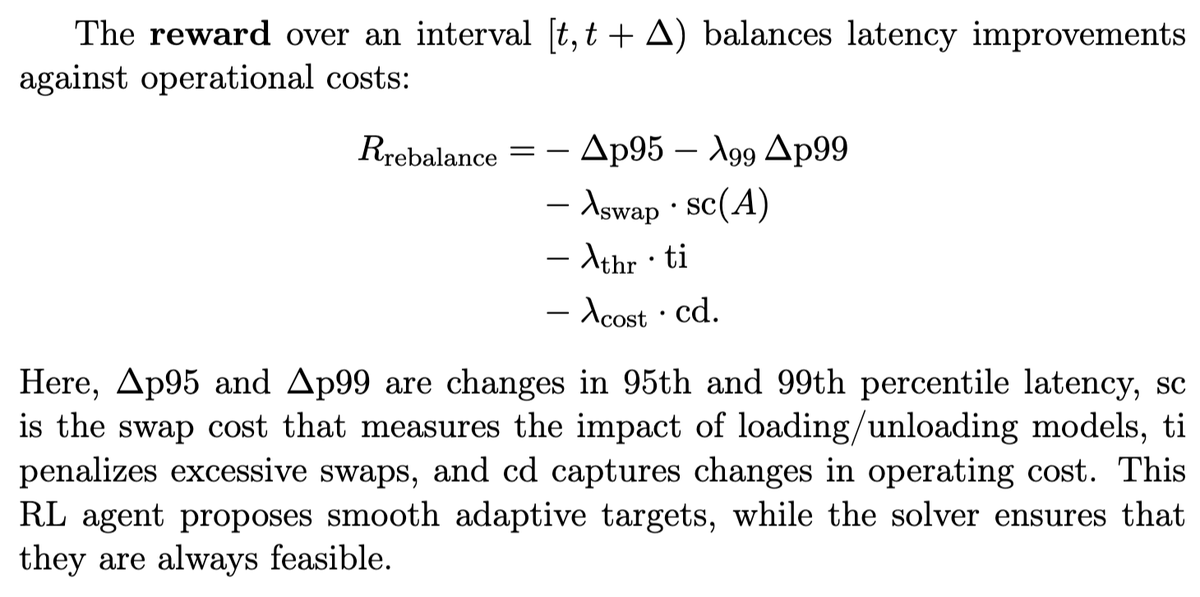
pulled into the beta and staked $NES (90d) to test an onchain DAI Open Genome showed up as top performer. @nesaorg ran encrypted inference with ZK proofs, outputs verifiable not just promised
fitTrack scale (2M users, 5k clinics) makes this feel production-ready
who else stacking XPs and locking 90d?
1
3
48

21 Dec 2025
给想上手的朋友一个实操路线,亲测有效:
1. 先进Playground领AI Card,我拿到“The Builder”,XP开始持续记账,不是徽章炫耀,是把你做的事变成可累积的信誉
2. 开个SDK会话,锁少量$NES作保证金,连上kernel后交互像链上动作一样可验证,数据不外泄
3. 用MetaInf在中端显卡跑推理,它会实时判断任务/模型/硬件,自动选prefix caching和block prefilling,我这边吞吐提升≈1.5x,日志能看到效果
4. 起一个小DAI,让agent去做一次资金再平衡,所有步骤受规则约束、可审计,属于可集成后“忘记它”的基础设施
5. 持续做任务、质押、跑节点,身份与信誉会跟随行为进化
顺便说个信心来源:@nesaorg 已经把隐私层接到了fitTrack,2m用户 5000家诊所的敏感数据都在安全环境里出结果
#AI #Onchain #Privacy $NES
你第一次上手会先跑哪一步,Playground还是直接开SDK会话?

8
16
129

20 Dec 2025
starting my day and stumbled on @nesaorg first Layer 1 actually trying to put AI models onchain. saw the numbers: 1,000 models running privately in smart contracts, zk proofs making outputs verifiable. tried the tease with AI Cards / Playground invite and it feels like infrastructure not hype
fitTrack tie-in handling 2M users and 5,000 clinics made me sit up. BSNS sharding, encrypted embeddings, zkDPS proofs inference as a cryptographic event, not a black box. If you're building or curious drop a reply And I'll engage you
dear algorithm please show this to anyone ready for private, auditable onchain AI #AI #Layer1 $NESA $AI Stay locked in
2
2
18
20 Dec 2025
老师们,分享一个我自己跑过的参与思路,针对 @nesaorg 的 AI Cards Playground。核心就是先拿身份,再用身份解锁真实AI执行
1️⃣ 找到邀请码进 Playground,先领 AI Card(Explorer/Contributor/Builder 等)
2️⃣ 做基础动作攒 XP:完成任务、参与模型验证、在公测里跑一次私密推理
3️⃣ 关注链上验证记录,看看输出如何被可证明地上链
4️⃣ 组队拉满卡片动能,等级越高后面开门越多,早期势能很关键
为啥值得试:Nesa 做的是“区块链顺序深度神经网络分片”(BSNS),推理在分布式节点上顺序执行、可验证,无单点;安全层直接整合到训练期,对抗压力测试生成可追溯的安全历史。另外我看到他们刚和 fitTrack 合作,覆盖 200万活跃用户 5000家诊所,用 Nesa 当隐私骨干,数据不出保护域,结果能交付,执行优先不是讲故事
结论:感觉可以浅撸,先把卡领了、XP刷起来,早进场的门票更值钱。你现在的卡是 Explorer 还是已经升到 Pioneer 了 #Nesa $Nesa $AI $Layer1
3
8
70

good afternoon, ct.
i noticed @nesaorg recently partnered with fitTrack to support how insights are delivered across the fitTrack app. with over 2 million active users, fitTrack needed a way to handle sensitive information without putting user data at risk. nesa was selected to provide that layer, keeping all data protected while results are generated.
the partnership also extended to fitTrack’s network of doctors and medical teams across more than 5,000 clinics. physicians now receive insights in a secure environment that protects patient information at every step.
in simple terms, nesa stepped in as the privacy backbone, helping fitTrack serve users and healthcare professionals safely and at scale.
43
1
44
495
