
Lokshahi Impact: प्रसिद्ध मातोश्री बिर्याणी हाऊसवर कारवाई; धाराशिवमध्ये लोकशाहीच्या बातमीचा इम्पॅक्ट
#impactnews #dharashiv #maharashtra #breakingnews #foodsafety #action #newsupdate #indianews #restaurantnews
P-SM
2

🚨 महाराष्ट्र अन्न आणि औषध प्रशासनाची (FDA) मोठी धडक कारवाई! 🚨
सार्वजनिक आरोग्य आणि ग्राहकांच्या हक्कांचे रक्षण करण्यासाठी FDA आयुक्त तुकाराम मुंढे यांनी राज्यभरात एक मोठी मोहीम हाती घेतली आहे:
🏥 रुग्णांचे हक्क: रुग्णालये आता तुम्हाला त्यांच्याच मेडिकलमधून औषधे घेण्याची सक्ती करू शकत नाहीत. डॉक्टरांनी प्रिस्क्रिप्शन थेट तुमच्या हातात देणे बंधनकारक आहे!
🛑 अन्न सुरक्षा: मुंबई, पुणे, नागपूर आणि इतर भागात ₹३.४८ कोटींहून अधिक किमतीचे संशयास्पद भेसळयुक्त अन्न (दूध, गूळ, खाद्यतेल) जप्त.
🧤 वैद्यकीय फसवणूक: ठाणे आणि पालघर भागात ₹२.१७ कोटी रुपयांचे बोगस, नॉन-स्टराईल सर्जिकल हातमोजे आणि वैद्यकीय उपकरणे जप्त.
खऱ्या अर्थाने प्रशासन कामाला लागलंय! 👏
#MaharashtraFDA #TukaramMundhe #Healthcare #FoodSafety #MaharashtraNews #ConsumerRights
1
2
🚨 Major Crackdown by Maharashtra FDA! 🚨
FDA Commissioner Tukaram Mundhe has launched massive state-wide operations to protect public health and consumer rights:
🏥 Patient Rights: Hospitals can no longer force you to buy medicines from their in-house pharmacies. Prescriptions must be handed directly to you!
🛑 Food Safety: ₹3.48 Crore in suspected adulterated food (milk, jaggery, cooking oil) seized across Mumbai, Pune, Nagpur & more.
🧤 Medical Fraud: Fake, non-sterile surgical gloves and medical devices worth ₹2.17 Crore busted in the Thane/Palghar region.
Real governance in action! 👏
#MaharashtraFDA #TukaramMundhe #Healthcare #FoodSafety #MaharashtraNews #ConsumerRights
1
6

that expired or near-expiry food products are not sold to the public.
Public health and consumer rights must be protected through strict enforcement of food safety regulations.
#FoodSafety #ConsumerRights #MoulaAli #RTCColony #Malkajgiri #Hyderabad #FSSAI #FoodSafetyDepartment
1
8

Got food poisoning from @BarbequeNation Indiranagar, Bangalore. Both me and my friend @_anant_kr fell sick after our meal. This is a serious food safety issue, not acceptable from a brand of this scale. Already reporting to FSSAI. #FoodSafety #BarbequeNation #Bangalore
8

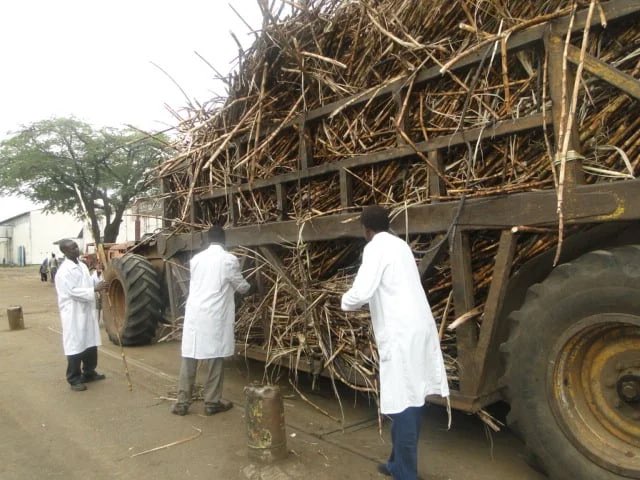
𝗠𝗨𝗧𝗨𝗥𝗜 𝗥𝗔𝗜𝗦𝗘𝗦 𝗔𝗟𝗔𝗥𝗠 𝗢𝗩𝗘𝗥 𝗦𝗨𝗚𝗔𝗥 𝗜𝗠𝗣𝗢𝗥𝗧𝗦, 𝗪𝗔𝗥𝗡𝗦 𝗢𝗙 𝗧𝗛𝗥𝗘𝗔𝗧 𝗧𝗢 𝗟𝗢𝗖𝗔𝗟 𝗙𝗔𝗥𝗠𝗘𝗥𝗦
Former National Assembly Speaker Justin Muturi has reignited debate over Kenya’s sugar industry, raising concerns about the importation, processing and distribution of sugar at a time when local cane farmers continue to struggle with low returns, delayed payments and shrinking market opportunities.
Speaking in Bungoma County, Muturi questioned reports that imported sugar entering through the Port of Mombasa is finding its way into local processing facilities before being sold into the domestic market, potentially undermining Kenya’s sugar value chain.
His remarks come amid growing scrutiny of the country’s sugar import regime following allegations that industrial-grade raw sugar imported under preferential tax classifications may be diverted into the consumer market after minimal processing and repackaging.
If such claims are proven, the implications would be significant.
Beyond concerns about tax revenue losses, stakeholders argue that the practice could place local sugarcane farmers at a disadvantage by flooding the market with cheaper imported products while domestic producers struggle to compete.
The issue goes to the heart of a long-standing challenge facing Kenya’s sugar sector: balancing the need to bridge domestic sugar deficits through imports while simultaneously protecting the livelihoods of thousands of farmers across Western Kenya and the Nyanza region.
For years, cane farmers have complained about inconsistent policies, delayed payments, mill inefficiencies and periodic surges in imported sugar during harvesting seasons. Many argue that without stronger safeguards and regulatory oversight, local production will continue to decline despite the sector’s strategic importance to rural economies.
The allegations have also renewed calls for greater transparency in import approvals, customs classifications, quality control procedures and supply chain monitoring to ensure that imported sugar enters the market through approved channels and complies with food safety standards.
At stake is more than just sugar.
The sector supports hundreds of thousands of farmers, workers, transporters and businesses across Kenya’s sugar belt. Any weaknesses in regulation, enforcement or market structure have direct consequences for livelihoods, food security and rural economic development.
As investigations and public debate continue, many stakeholders will be looking for clear answers from regulators, customs authorities and industry players on whether existing safeguards are sufficient to protect both consumers and local producers.
#SugarIndustry #KenyaSugar #JustinMuturi #Agriculture #FoodSecurity #WesternKenya #Nyanza #SugarcaneFarmers #TradePolicy #Imports #Manufacturing #RuralEconomy #KenyaEconomy #TaxCompliance #ConsumerProtection #Agribusiness #Governance #FoodSafety #Kenya
6

The best food safety professionals don't just identify risks—they help prevent them before they become costly problems.
Preventive thinking is becoming one of the most valuable skills in modern agriculture.
#FoodSafety #ControlledEnvironmentAgriculture #AgJobs
1

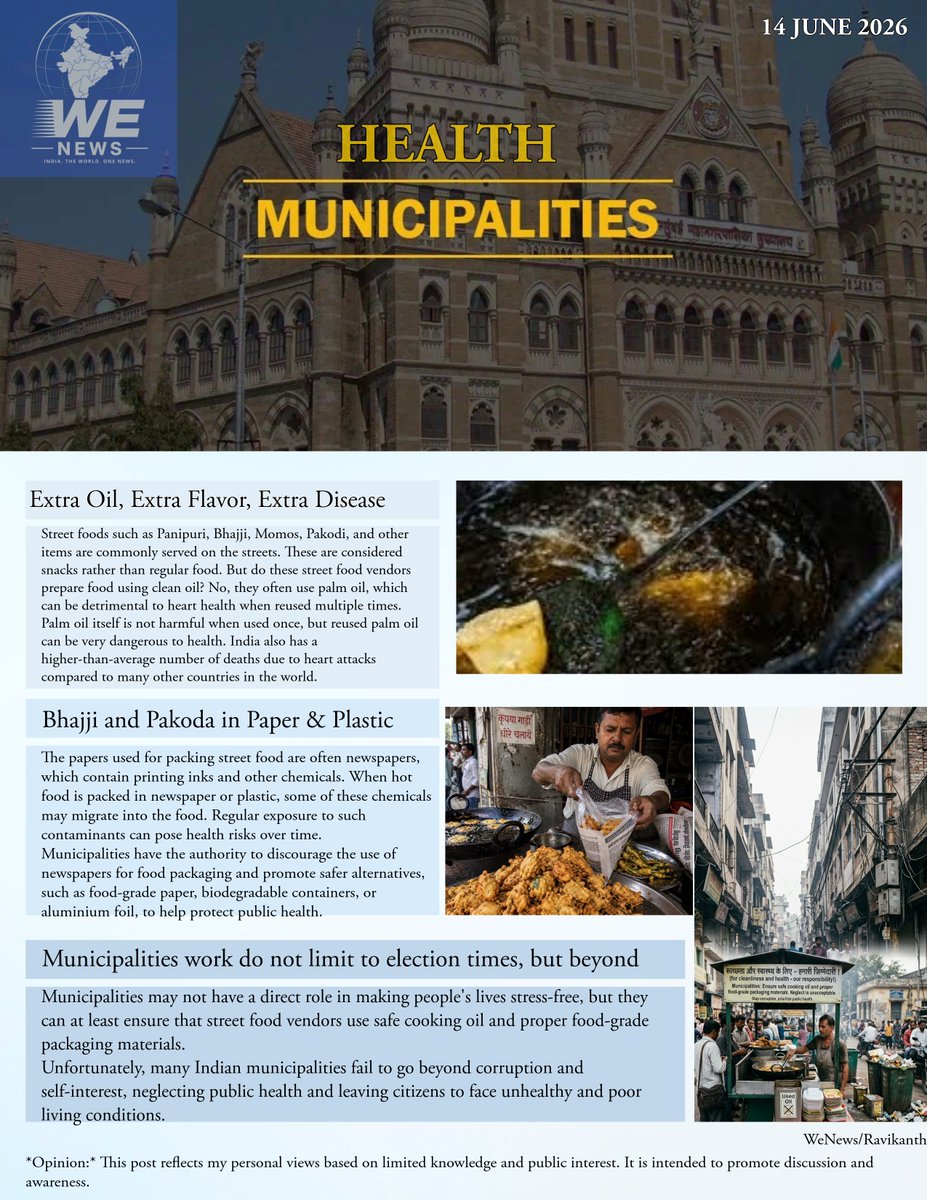
Street food is loved by millions, but are food safety standards being followed? Reused oil and unsafe packaging can affect public health. Should municipalities do more to protect consumers?
#StreetFood #FoodSafety #PublicHealth #India #HealthAwareness #ConsumerRights
3

🦉பிரபல விஜய் தொலைக்காட்சியில் இன்று (ஜூன் 14, 2026) ஒளிபரப்பான ‘குக் வித் கோமாளி’ (Cooku With Comali) நிகழ்ச்சியில், நடுவர்களான செஃப் தாமு, செஃப் கௌஷிக், செஃப் மாதம்பட்டி ரங்கராஜ் மற்றும் நடுவர் ரோஜா ஆகியோருக்குப் பரிமாறப்பட்ட உணவில் பூச்சி ஒன்று உயிருடன் ஊர்ந்து செல்லும் அதிர்ச்சியூட்டும் காட்சி சமூக வலைத்தளங்களில் வைரலாகி வருகிறது.
இன்றைய எபிசோடில் போட்டியாளர் ஒருவர் ‘செட்டிநாடு காடை மற்றும் சின்னவெங்காய டெக்ஸ்சர்ஸ்’ (CHETTINAD QUAIL WITH SHALLOT TEXTURES) என்ற சிறப்பு உணவைத் தயாரித்து நடுவர்களின் பார்வைக்குக் கொண்டு வந்தார். அந்த உணவை கேமரா மிக நெருக்கமாக (Closer look) காட்டிய போது, தட்டில் வைக்கப்பட்டிருந்த வெள்ளை நிற சாஸ் மற்றும் வெங்காயப் பகுதியின் மீது ஒரு சிறிய பூச்சி (Insect) உயிருடன் நெளிந்து ஊர்ந்து கொண்டிருப்பது அப்பட்டமாகத் தெரிந்தது.
சமையல் நிகழ்ச்சிகளில் உணவின் தரம் மற்றும் தூய்மைக்கு மிக முக்கியத்துவம் கொடுக்கப்பட வேண்டிய நிலையில், முன்னணி தொலைக்காட்சியின் பிரம்மாண்ட நிகழ்ச்சியிலேயே நடுவர்களுக்கு வைக்கப்பட்ட தட்டில் பூச்சி ஊர்ந்து சென்ற இந்தச் சம்பவம் பார்ப்பவர்களை 'என்ன கொடுமை இது' என்று முகத்தைச் சுளிக்க வைத்துள்ளதுடன், பெரும் விவாதத்தையும் ஏற்படுத்தியுள்ளது.
#CookuWithComali #CookuWithComali2026 #VijayTV #ChefDhamu #ChefKaushik #MadhampattiRangaraj #ActorRoja #InsectInFood #FoodSafety #RealityShow #TrendingVideo #AanthaiReporter #குக்விேத்காமாளி #விஜய்டிவி #செஃப்தாமு #உணவுபாதுகாப்பு #அதிர்ச்சிசம்பவம் #சமூகவலைத்தளம்
1
11

രണ്ടു ഘട്ടങ്ങളിലായി ജില്ലയിലെ 600 ഭക്ഷണശാലകളിൽ നടത്തിയ പരിശോധനാ ഫലം ഇന്നലെയാണ് പുറത്തുവന്നത്. ഇതിൽ തിരൂരങ്ങാടിയിലെ ഇളനീർ പാർലറിലെ വെള്ളത്തിൽ മാത്രമാണ് ഷിഗെല്ലയുടെ സാന്നിധ്യം കണ്ടെത്തിയത്.
#MalappuramNews #Shigella #FoodSafety #ManoramaOnlineLocalNews
manoramaonline.com/district-…
67

खून, फेफड़ों और शरीर के अंदर तक पहुंच गया प्लास्टिक? Microplastic का सच जानिए Hello Doctor के लेटेस्ट एपिसोड में. @Theatultiwari
Full Ep: youtu.be/D0Liv-PcQtk
#Microplastics #PlasticPollution #HumanHealth #EnvironmentalHealth #PublicHealth #HealthPodcast #HelloDoctor #MedicalAwareness #ScienceExplained #HealthEducation #BloodAndLungs #FoodSafety #WaterSafety #PreventiveHealth #AajTakRadio
3
3
5
1,596

Are the Eggs from 10-Minute Delivery Apps Really Safe?Growing Consumer Complaints and Viral Videos Raise Questions
#FakeEggs #DeliveryScam #FoodSafety #FoodMyths #QuickCommerce #InstantDelivery #FakeFoodAlert #NewsUpdate
3
1
40
maria dulce retweeted

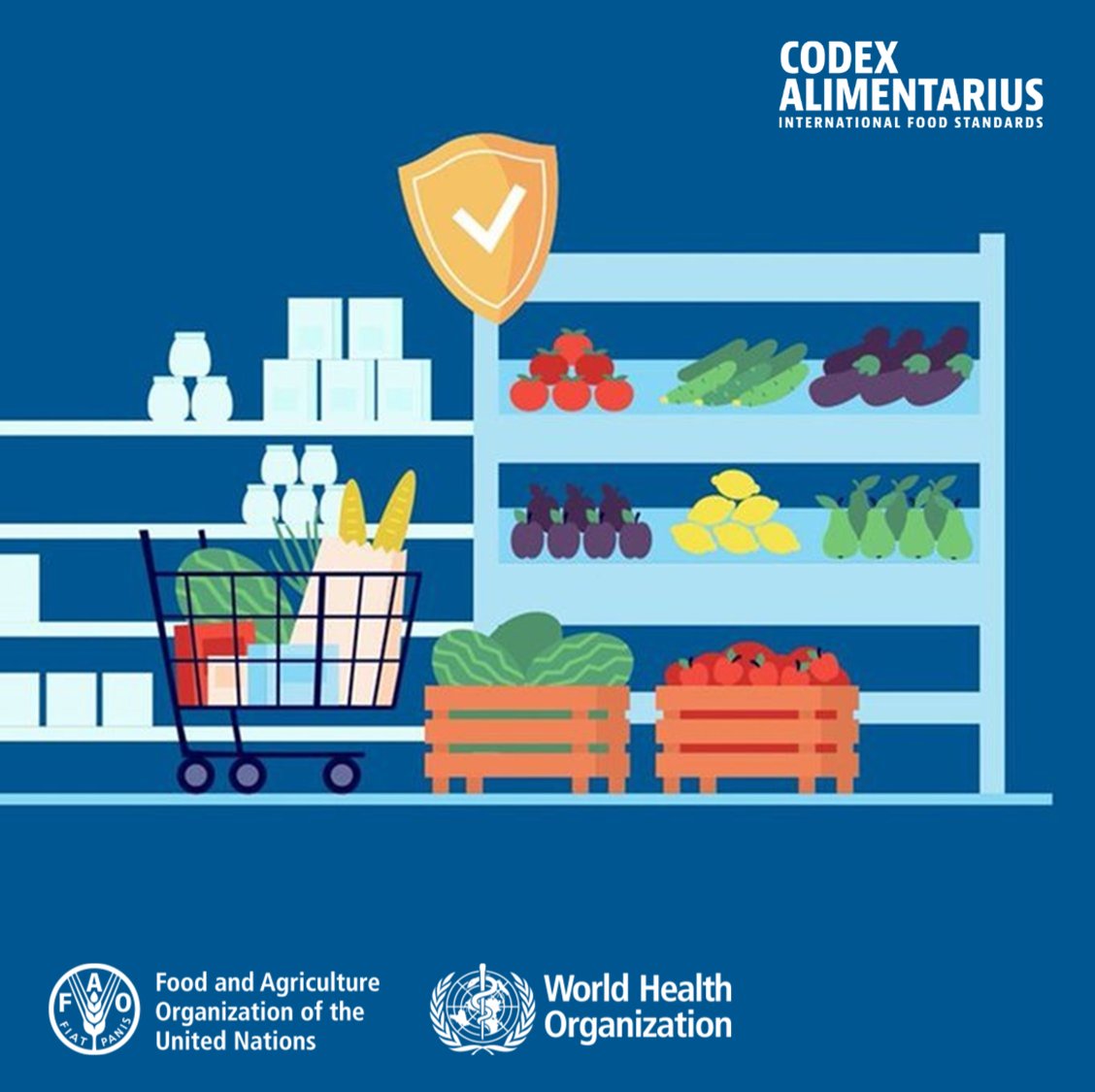
📝 | #FoodSafety, nutrition and food security are inextricably linked. Unsafe food creates a vicious cycle of disease and malnutrition, particularly affecting infants, young children, elderly and the sick.
👉#Codex works every day to ensure safe, good quality food for everyone.
6
11
210

Warm temps can increase the risk of foodborne illness. Keep hot foods hot and cold foods cold, and refrigerate leftovers within 2 hours (or within 1 hour if temperatures are above 90°F). When in doubt, throw it out. #GeorgiaPoisonCenter: 1-800-222-1222
#FoodSafety #SummerSafety
6
FAO au Togo retweeted

#FoodSafety is everyone's business. At @FAO, we reaffirm our support to Members by providing science-based solutions for strengthening food control systems, advancing standards & building capacities to reduce foodborne disease. #4Betters #WorldFoodSafetyDay
4
48
80
2,748
Suresh das retweeted

अगर आप भी बिना जांचे फ्रूटी खरीद लेते हैं? तो सावधान हो जाए | Sa News Rajasthan
#Frooti
#FoodSafety
#ConsumerAwareness
#RajasthanNews
#SaNewsRajasthan
5
137
221
510

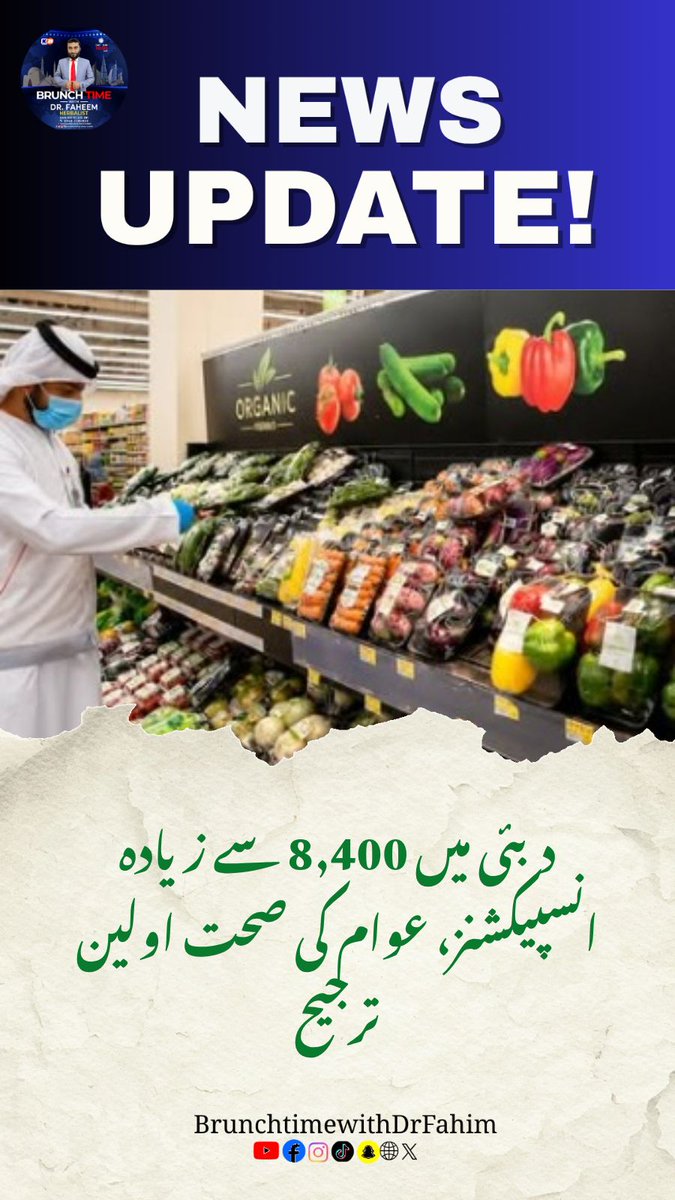
News Update
دبئی کی مارکیٹوں اور تجارتی مراکز نے قوانین اور ضوابط کی پابندی میں ایک اور اہم کامیابی حاصل کر لی ہے۔ حکام کے مطابق مختلف شعبوں میں 8,400 سے زائد انسپیکشنز اور معائنوں کے دوران کاروباری اداروں کی جانب سے قوانین پر مضبوط عملدرآمد دیکھنے میں آیا، جسے دبئی کے مؤثر نگرانی نظام اور کاروباری ماحول کی بہتری کا ثبوت قرار دیا جا رہا ہے۔ متعلقہ اداروں کا کہنا ہے کہ صارفین کے حقوق کے تحفظ، مصنوعات کے معیار کو برقرار رکھنے اور مارکیٹ میں شفافیت کو یقینی بنانے کے لیے باقاعدہ معائنے جاری رکھے جائیں گے۔ اس پیش رفت کو دبئی کی مضبوط معیشت، منظم تجارتی نظام اور عالمی معیار کے کاروباری ماحول کی ایک مثبت مثال قرار دیا جا رہا ہے۔
#DubaiMarket #QualityCheck #PublicHealth #FoodSafety #DubaiGovernment #ConsumerRights #SafeDubai #دبئی #صحت #معیار #انسپیکشن #تحفظ #صارفین #مارکیٹ #دبئی_لائف
2

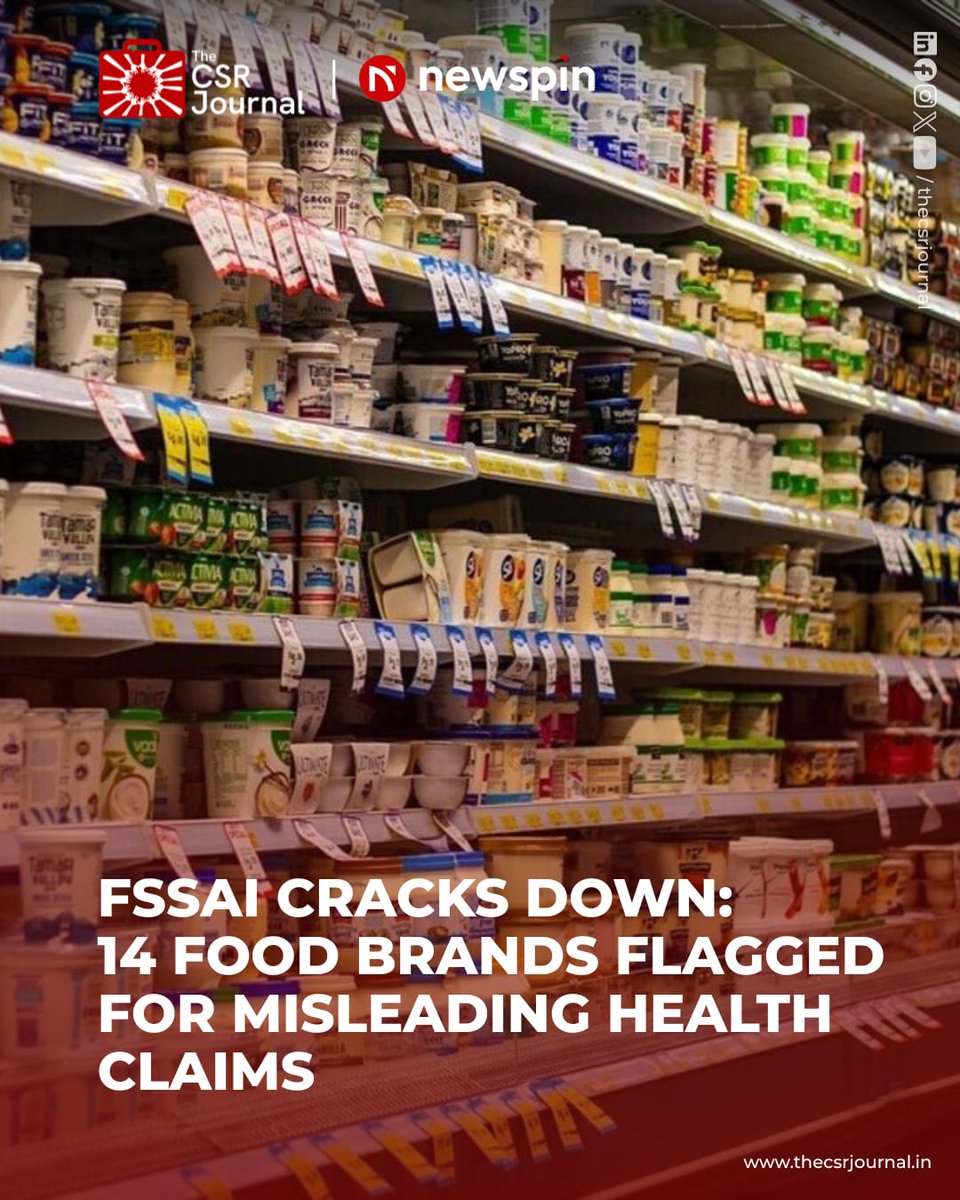
In a major move to protect consumer interests, the Food Safety and Standards Authority of India (FSSAI) has issued formal notices to 14 food business operators for allegedly violating the Food Safety and Standards Act, 2006, through misleading product claims, trade names, and labeling. The regulator has raised concerns that branding strategies used by these companies—such as labeling products as "healthy," "zero maida," or "True Vitamin"—may create incorrect perceptions about nutritional value and composition. Among the entities facing scrutiny are Emami Healthy & Tasty, Neuherbs, The Health Factory, Healthy Master, Healthy Choice, Health Aid, Plan B, and Troovy.
The FSSAI has directed these companies to ensure strict compliance with established labeling and advertising regulations to prevent further consumer deception.
#FSSAI #FoodSafety #ConsumerRights #HealthClaims #LabelingNorms
23
Food safety isn't just about passing inspections. It's about protecting consumers, brands, and business growth. Indoor farms need professionals who can build strong compliance systems from day one. 🌱
#FoodSafety #IndoorFarming #AgTechJobs #CEA
1

Lotus seeds’ unique aroma comes from specific volatile compounds. Rapid detection with headspace-gas chromatography improves quality control and product development.
Read: qascf.com/index.php/qas/arti…
#FoodQuality #FoodSafety #AgriResearch #FoodTesting #QualityAssurance