Chels is godnerys lawyer retweeted

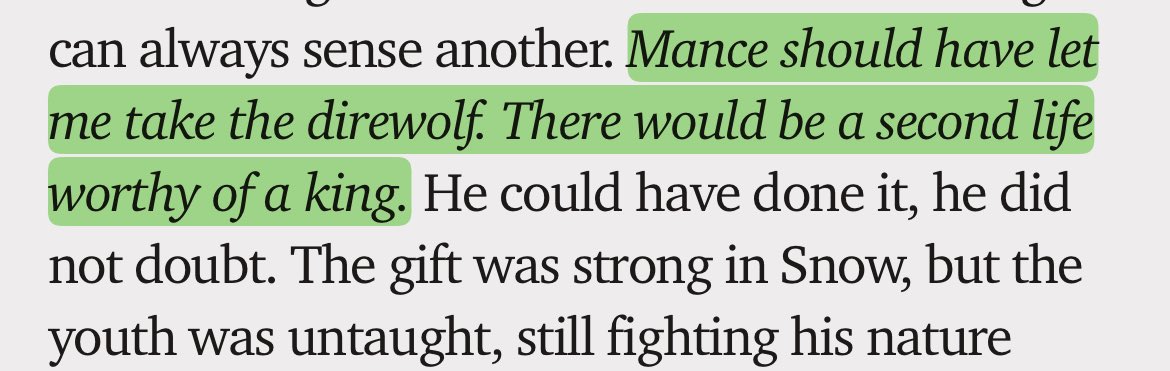
Least obvious foreshadowing
6
15
555
9,005
rafayel's pearl 🦪 retweeted

Rafayel is definitely dying in 4th myth. This is foreshadowing. Why Rafayel never gets happy ending. All the angst in lads is sole reserved for Rafayel only. What about JOY? WHAT ABOUT WHIMSY? WHAT ABOUT HAPPINESS????
 ฉุงบี๋ 🫧
4
8
74
693
bobobomaxxing retweeted

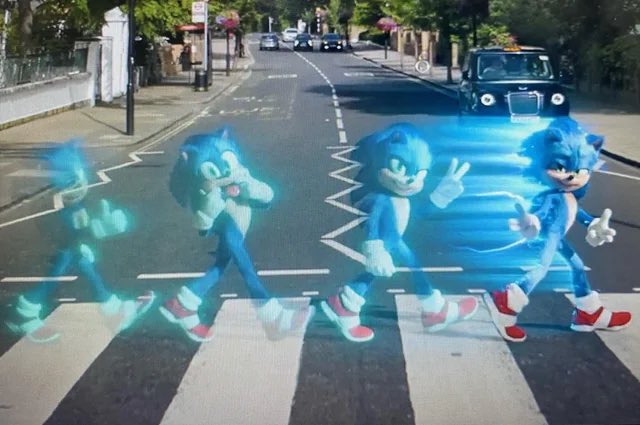
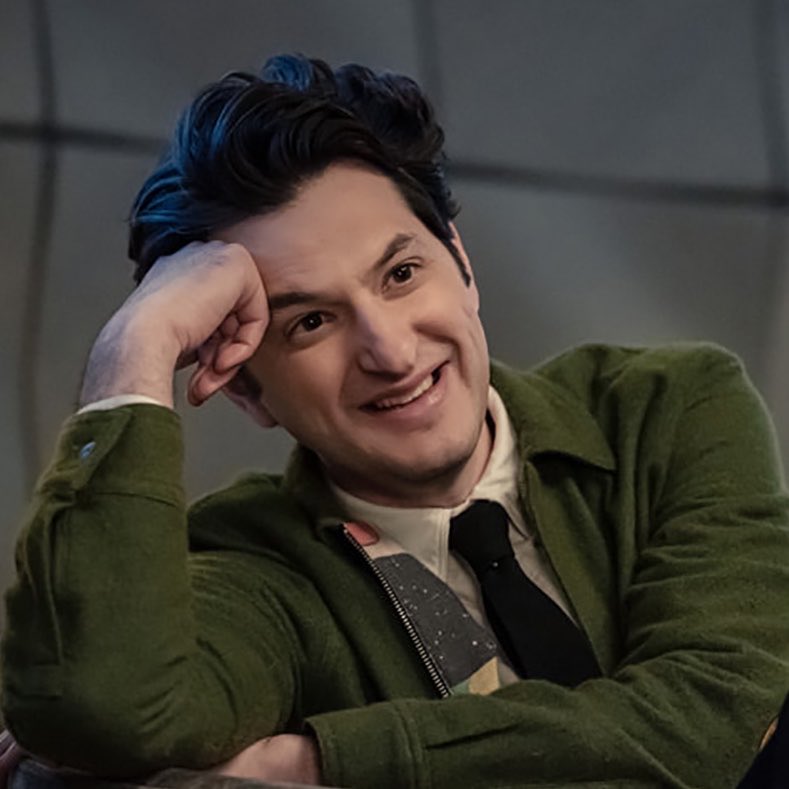
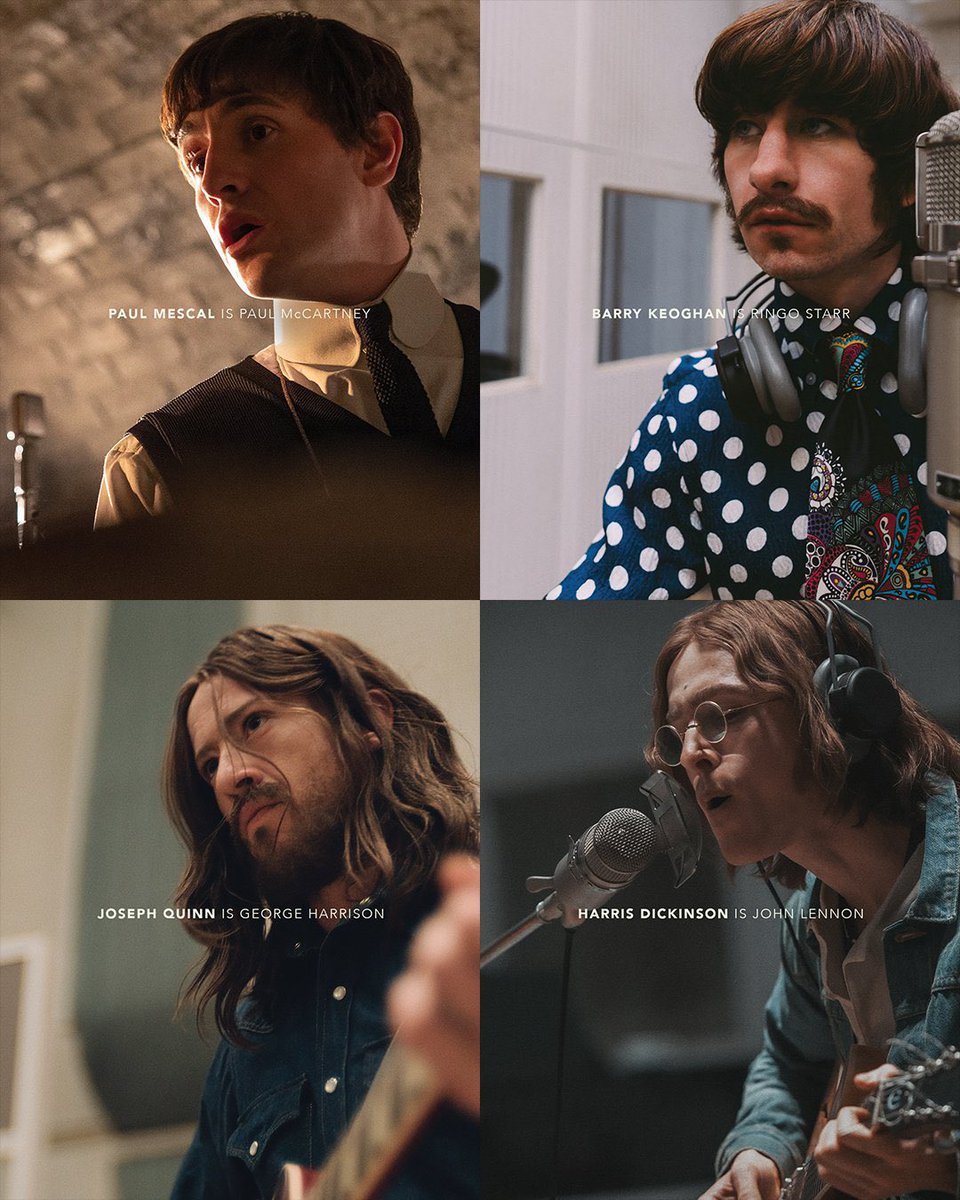
FORESHADOWING?????

24
1,622
27,187
501,424
H I G H E S T🌚 retweeted

Game of Thrones rewatch. Idk man, the more times I watch the show , the more I see foreshadowing of Danaerys’ underlying madness. The ending makes sense when you watch it as many times as I have. I don’t see the happy ending everyone envisioned ever being the intended outcome 🤗
6
15
419

14 | 06 | 2026
[trans] The puzzle-unlocking mission has officially begun, with progress currently at 25% 🧩
Join us as we await the return of #DingYuxi's Zhang Haixia, fearlessly pressing forward through the mist and uncertainty.
Collect puzzle pieces to unlock the full still image, while hidden clues and story foreshadowing await their reveal.
Streaming every evening from 17:00 (GMT 7), now airing on @iQIYI !
©•南部档案官微
#南部档案 #บันทึกคดีแดนใต้ #ArchivesTheNanyangMystery
#ติงอวี่ซี #DingYuxi #丁禹兮 #정우혜
2
61

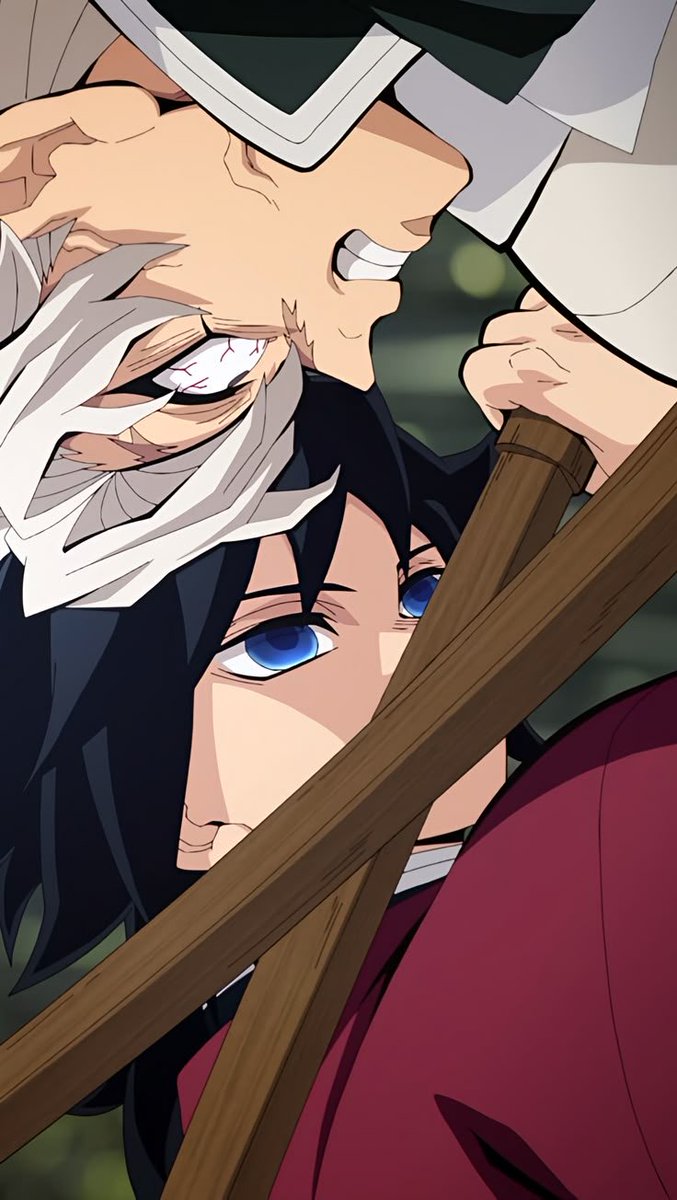
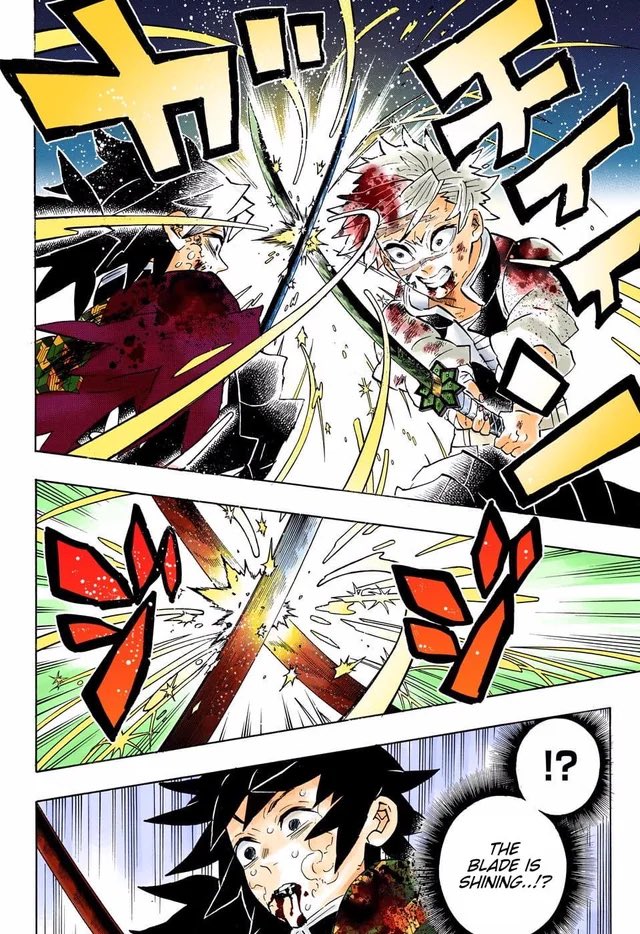

Moonshadow foreshadowing
EMIBONNIE MOONSHADOW BLOOM
#BBFanFest2026D2

2
302

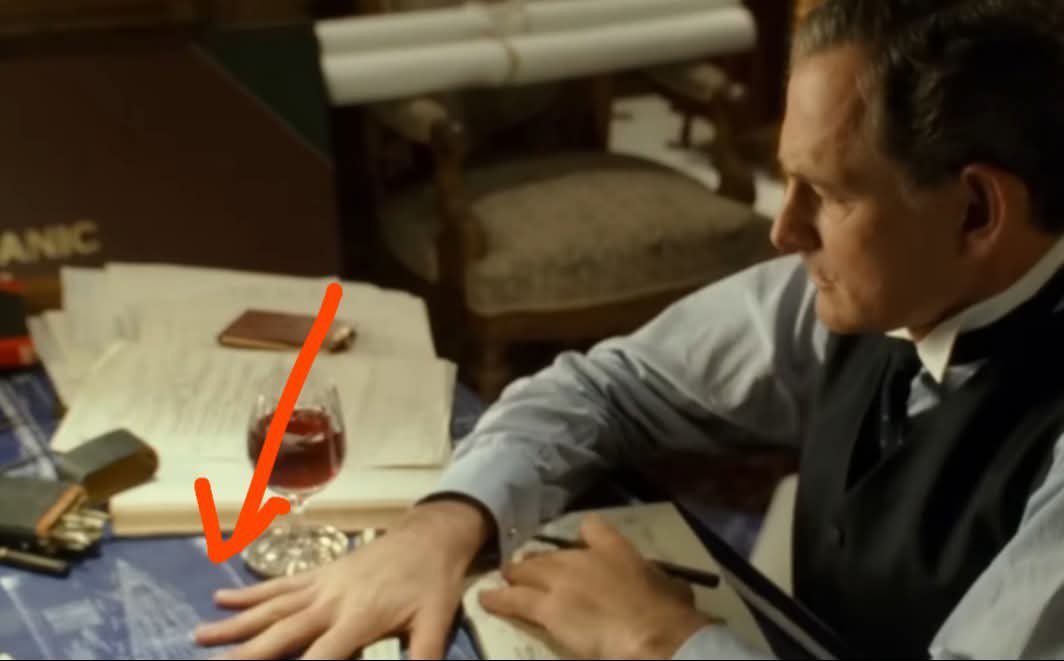
Just noticed this detail: when Andrews feels the ship shaking from hitting the iceberg, he puts his hand on a blueprint on the exact part of the ship that's being damaged (starboard bow side).
That's a real detail, and almost certainly an intentional one by director James Cameron.
In 1997 film Titanic, ship designer Thomas Andrews is shown working over the ship's plans when he senses the collision. The spot where his hand comes to rest appears to correspond to the starboard bow, the very section of the real Titanic that scraped along the iceberg and suffered the fatal hull damage.
Cameron was known for obsessing over technical accuracy. He employed maritime historians, studied original ship plans, and even conducted deep-sea expeditions to the wreck itself. The film is filled with subtle foreshadowing and engineering references that most viewers never notice on a first viewing.
What makes the moment especially effective is that Andrews, more than anyone else aboard, understood exactly what damage to that area could mean. Within minutes of the collision, the real Andrews calculated that the first five watertight compartments had been breached and concluded that the ship was doomed.
The iceberg did not rip a giant gash in Titanic's hull as often depicted in popular culture. Modern analysis suggests it caused a series of relatively small openings along roughly 300 feet of the starboard side. Combined, those openings totaled only about 12 square feet, roughly the size of a household door, yet they were enough to sink the largest passenger liner in the world.
© Reddit
#drthehistories
2
6
198

I chose that frame specifically for the phineas gage foreshadowing fans
1

It's full of suspense and cosmic horror stuff! No one can be trusted and Sometimes days would repeat themselves or grotesque creatures would show up! All chs have hidden details and subtle foreshadowing, I wonder how it'll get adapted into a manhwa🤔 I hope it gets good adaption!
13
Ivy🐇 | Finals🥀 retweeted

5h
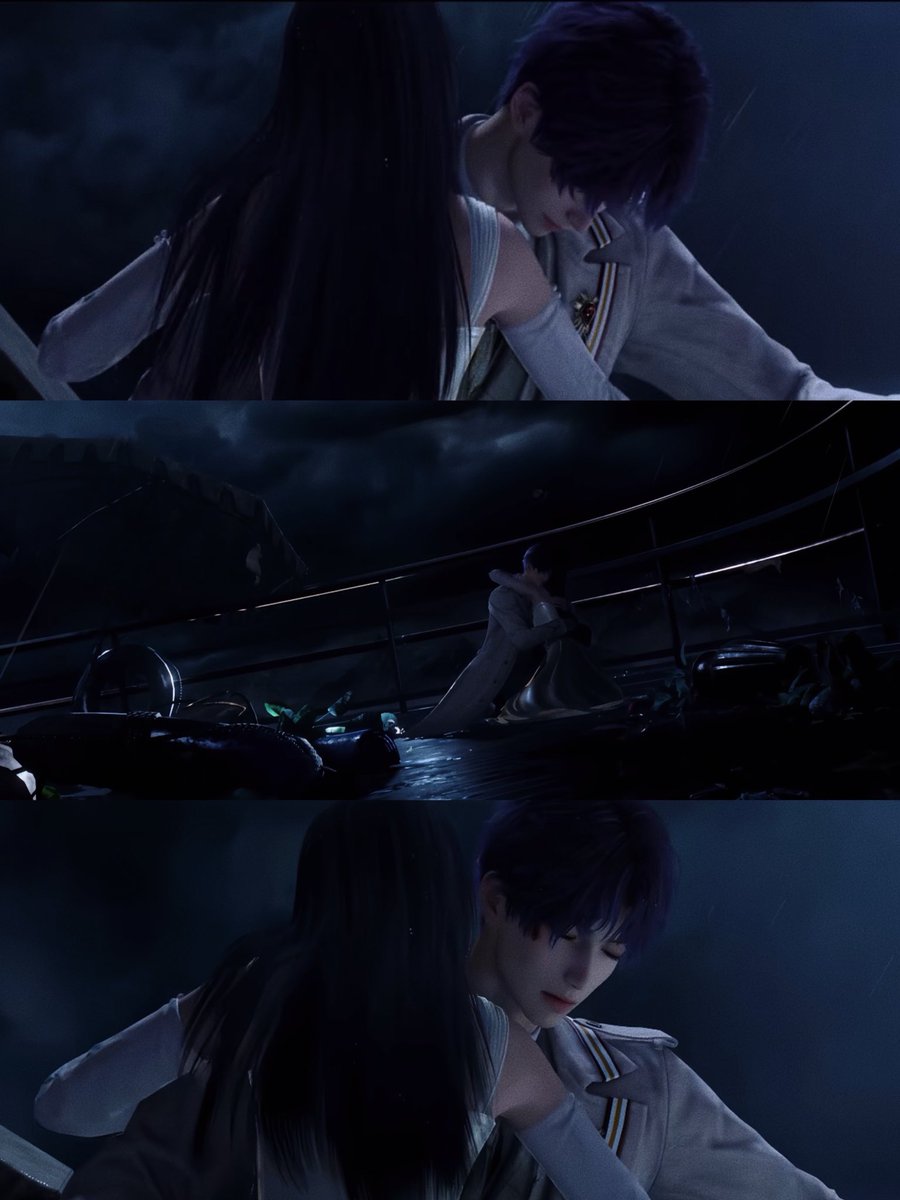
the rest of this journey, you’ll have to go on without me…
if this is in any case foreshadowing then the myth is really really going to hurt 😭
5
76
438
4,280


Rosalina in 3.8 was actually foreshadowing this she too gave her life and merged with the the memory zone to give penacony their unique signature
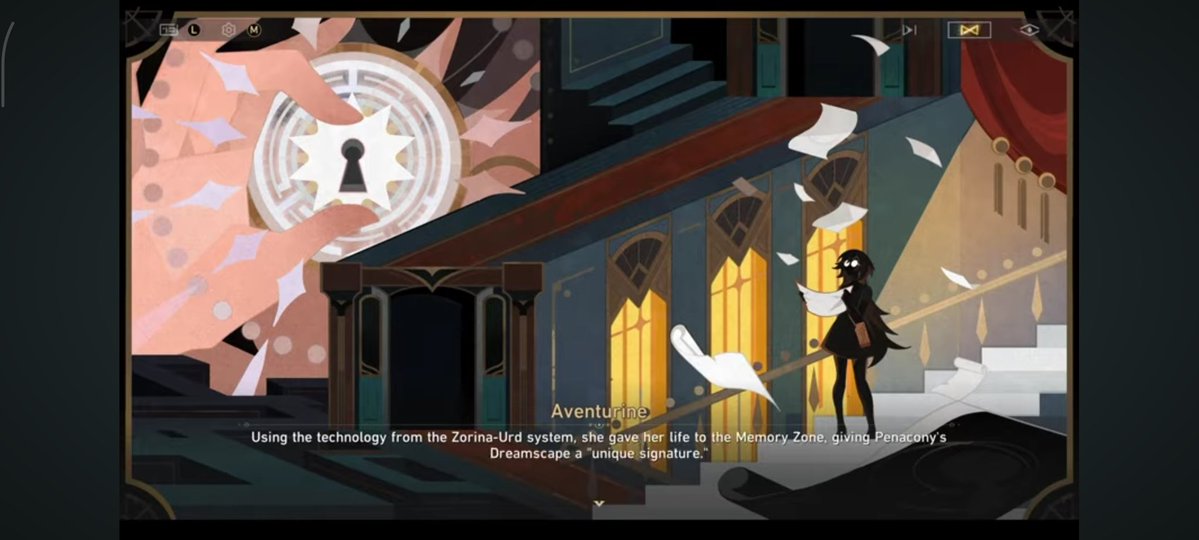

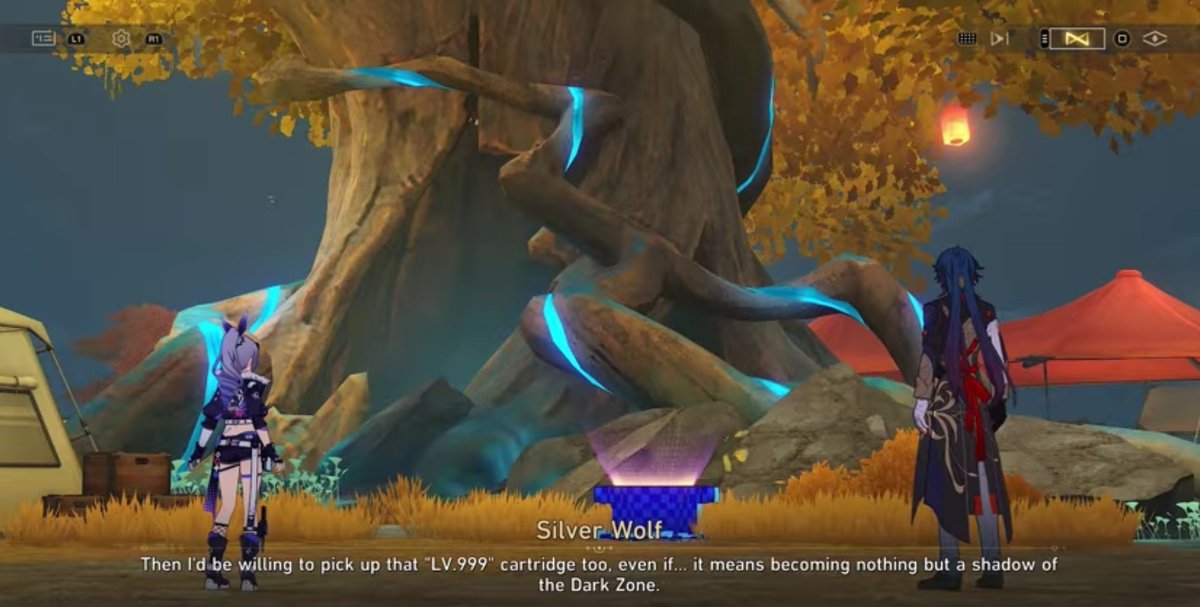
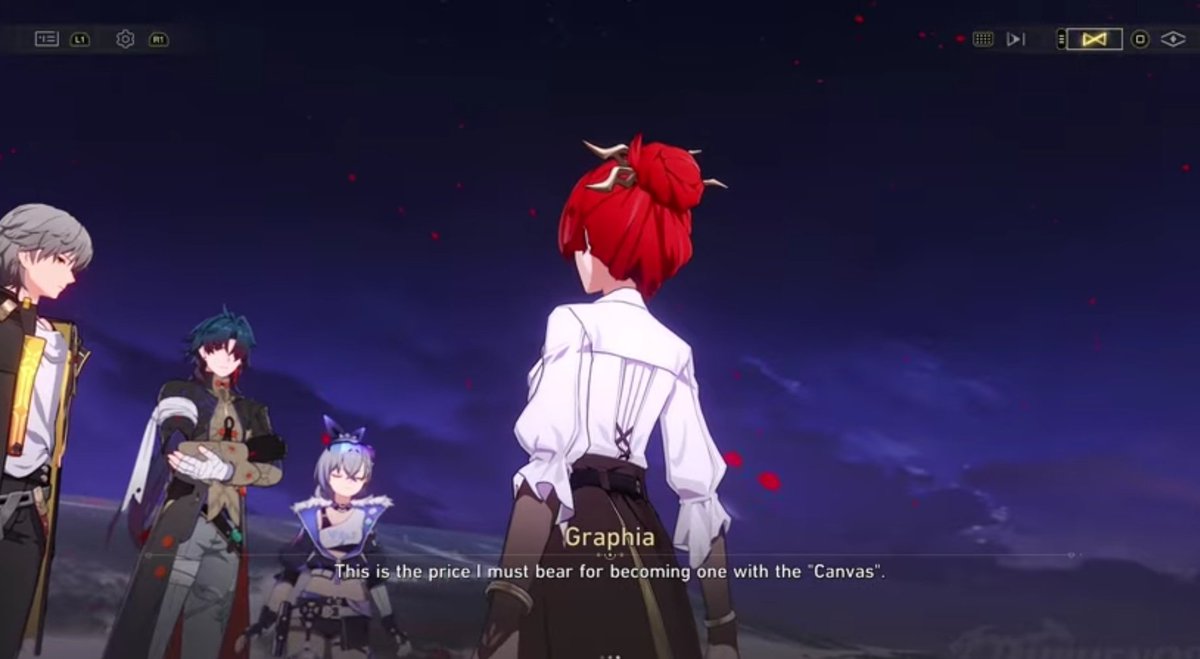
Btw when silver wolf mentioned becoming a ghost for the dark zone that means exactly like what happened with graphia when she became one with the canvas the camera even made a close up on her face

2
24
263
7,428