Robyn Spangler retweeted

A Freeform Free-For-All Broadcast for the month of June. Jerry Herman has been on my mind, so I’ll put together a set or two of his songs. I'll play some John & Paul & Joni & Janis & Barry & Neil new album releases & @ScottBarbarino's picks. Tonite at 10PM-et on @WBAI 99.5FM NY

7

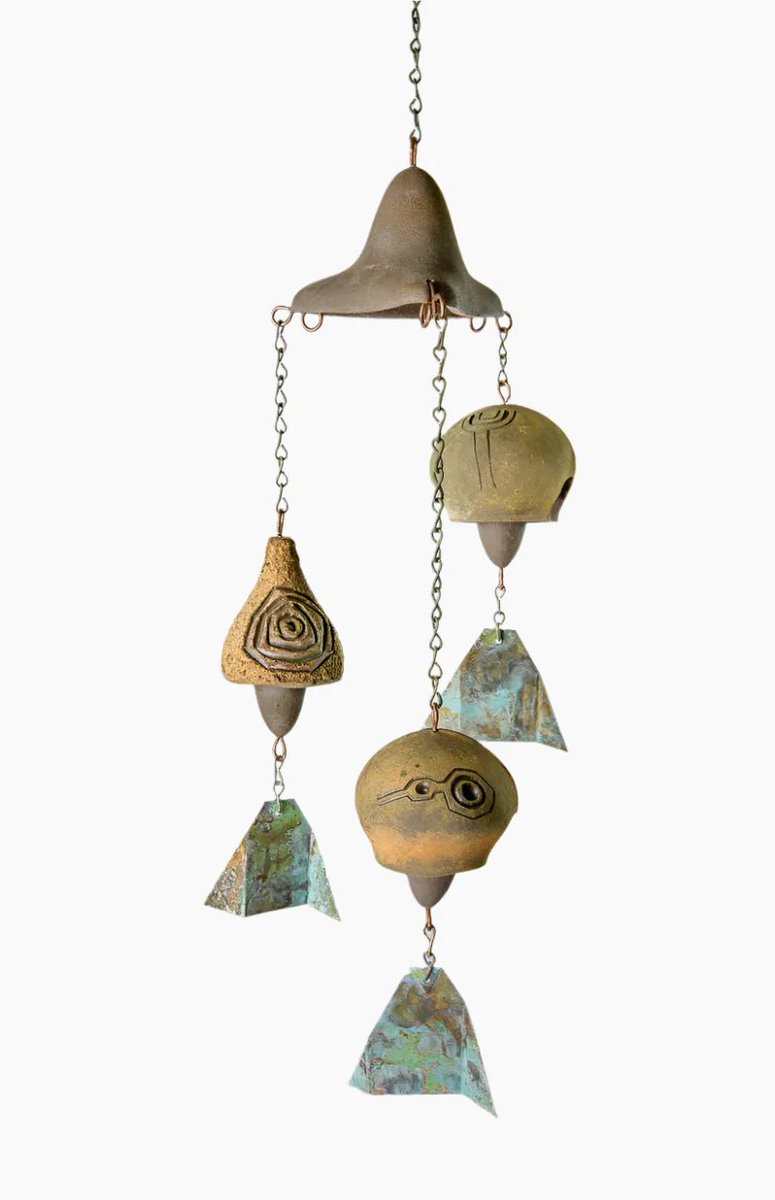
Arcosanti bell production is the primary economic engine for the experimental town Arcosanti, generating crucial funding to support The Cosanti Foundation and its architectural mission. Conceived by Italian-American architect Paolo Soleri in the mid-20th century, these famous handcrafted wind bells—sold globally under the Cosanti Originals brand—are produced daily by resident artisans using specialized, primitive-yet-innovative earth and silt casting techniques. Production takes place both at Arcosanti in Mayer, Arizona, and its sister site, Cosanti, in Paradise Valley.
Bronze Bell Production (Sand Casting)
The production of the iconic bronze wind bells relies on a highly specialized sand-molding method executed inside the architecturally renowned Foundry Apse.
•Molding: Artisans densely pack sand around aluminum master patterns inside two-piece boxes called snap flasks using a wooden mallet.
•Hand-Carving: Once the mold is separated, artisans carve completely unique geometric or abstract designs directly into the sand cavity upside down and inside out. [1]
•The Pour: Silicon bronze ingots are heated in a furnace to approximately 2,200 to 2,400 degrees Fahrenheit. The molten bronze is manually guided via a crucible and poured directly into the sand molds through a carved tunnel or sprue.
•Finishing: The cast metal solidifies rapidly. Once cooled, the bells are treated with specific chemicals to accelerate a green verdigris patina, or they are hand-burnished for a sleek metallic finish.
•Assembly: Each bell is individually fitted with a custom clapper, a connecting chain, and a distinctive bronze fin (or "kite") designed to capture the desert wind.
Ceramic Bell Production (Silt Casting)
Alongside bronze work, Arcosanti manufactures a highly popular line of textured ceramic wind bells using native Arizona clay.
•Silt-Cast Method: This technique is a miniature reflection of how Arcosanti's massive concrete structures were constructed.
•Crafting: Artisans shape dense mounds of damp silt and earth to serve as the structural mold core.
•Etching: Detailed motifs, southwest impressions, and freeform textures are hand-carved directly into the clay surface before firing.
•Uniqueness: Because the base silt mold breaks away or shifts during production, no two ceramic bells share the exact same shape or design.
7

He might have struggled with how rigid it is compared to freeform bending
63


AMANDA STALEY retweeted

11h
all the comfort watches of home 🏠
watch all your faves during 30 days of disney all june on freeform
3
14
1,152
AMANDA STALEY retweeted
the only thing better than summer? disney summer
watch all your faves during 30 days of disney all june on freeform
10
32
1,448


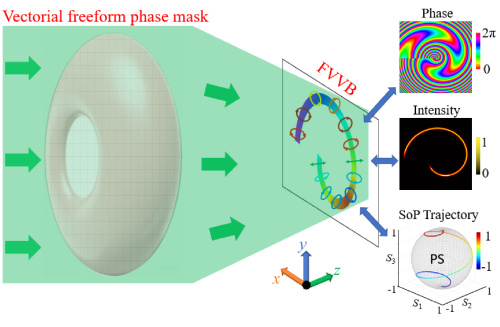
Vectorial freeform focal line synthesis: decoding the Poincaré sphere with tailored light trajectories🛸
1
5
226


slander aside Deaaron Fox, u still one of my fav players and Freeform & Ninja Band fox will always be remembered
42


Second Sight is honestly not very good. Not as freeform in the gameplay. Had a similar aesthetic style to timesplitters which was maybe its only redeeming quality
7

what’s weird is how many of you think people laughing at the childish freeform whining about some grim fantasy version of the guy is a defense. what you’re doing hits as hard as a newborn, it needs no defense
10

I wanted to see twitches and twitches too on Thursday because I miss my chance last October on Disney Channel or freeform.
7