


Q jaln ho rhi h khud Jo sb ko nga ho kr garm krti ho wo kia h sb k lun khry krwa laiti
1
11
Maryam Warraich00 retweeted

bhot time k bd esi larki mili he jis ne waqai hi garm kr k pani niklwaya he
tum es k husan ka andaza bhi ni laga saktye jitni pyre dodoo or phuddi he es ki
@HoorHoor488132 tuhmy itna maza de di k tumry lun ko pani nikalne pe majboor kr de gi
jesa mery sath howa he
10/10
1
10
78
5,416
(o≧▽゜)o/★*☆♪ retweeted

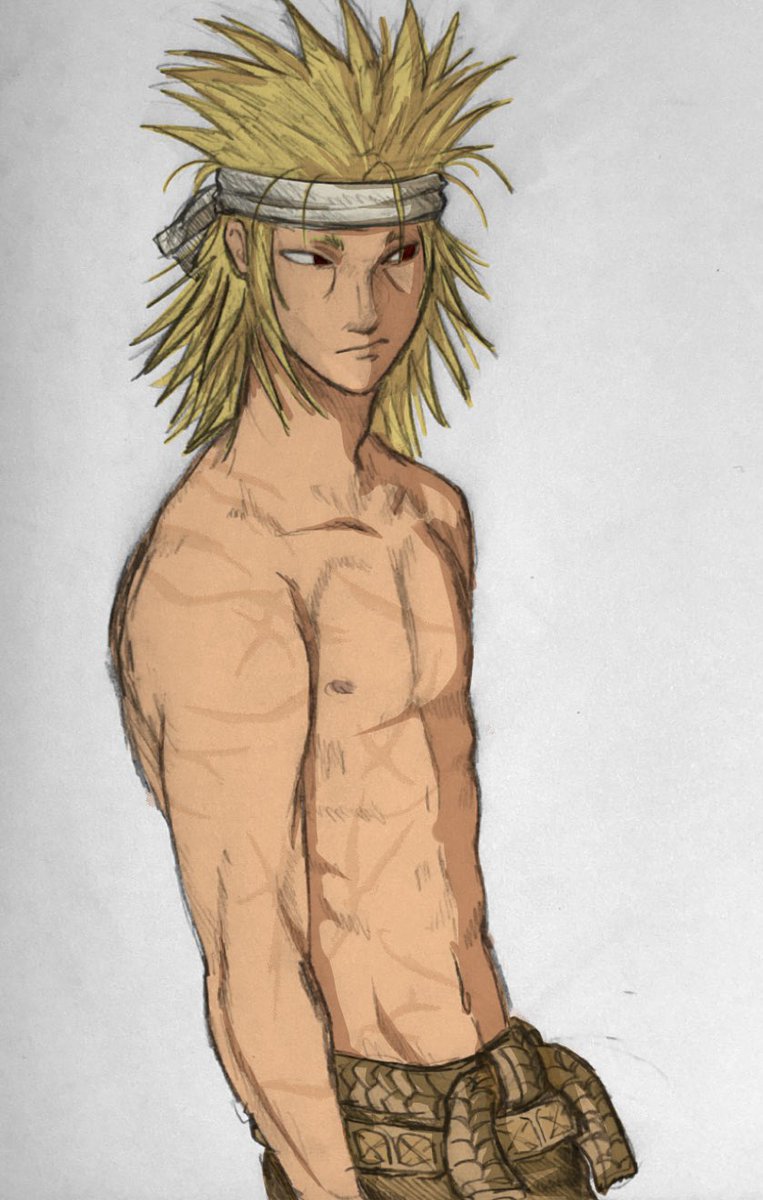
garm fanart / anatomy practice #VINLANDSAGA #garmvinlandsaga #vinlandsagamanga im fighting the artblock
14
50
507

Suman Ji Chai khatm Ho Gai Hogi to Aapka taaja garm dudh se kam Chala Lenge
1
1
10

Elon Musk largely “defeated” the advertiser pressure by refusing to fully capitulate on content moderation/censorship demands, diversifying X’s revenue away from ads, publicly confronting the boycotters, and pursuing legal action. 
How It Unfolded
After Musk acquired Twitter (now X) in late 2022 for ~$44 billion, he prioritized free speech — reducing heavy content moderation, reinstating banned accounts (including Donald Trump), and releasing the “Twitter Files” showing prior censorship. This led to concerns from brands about their ads appearing next to controversial, hateful, or “unsafe” content. 
Major advertiser pullouts accelerated in late 2023 after Musk endorsed an antisemitic post (which he later called his “worst and dumbest” tweet) and amid reports (e.g., from Media Matters) of ads next to problematic content. Revenue dropped sharply — U.S. ad revenue reportedly fell from ~$4.5B in 2022 to lower figures in following years. 
Musk’s response:
• Public defiance: At the 2023 NYT DealBook Summit, he told boycotting advertisers to “go fuck yourself,” called it blackmail, and said if X went bankrupt, “the whole world will know the advertisers killed the company.” He singled out Disney CEO Bob Iger. 
• Prioritizing principles: He stated he’d choose free speech over money and wouldn’t let advertisers dictate censorship. 
• Revenue diversification: Pushed X Premium subscriptions, creator revenue sharing, and other streams (e.g., payments, ads from smaller players) to reduce reliance on big brands. Subscriptions help “resist censorship pressure from advertisers.” 
• Counterattacks: Sued Media Matters for its reports. X filed antitrust lawsuits against the Global Alliance for Responsible Media (GARM) — a World Federation of Advertisers initiative — and specific companies, alleging an illegal coordinated boycott. (Some suits faced dismissal or mixed results.) 
• Longer-term resilience: X survived the hit. Musk’s broader businesses (Tesla, SpaceX, xAI) continued thriving, and by 2026 his net worth milestones were celebrated by supporters as validation. 
He didn’t eliminate all moderation but resisted broad advertiser-driven censorship, betting the platform’s value as an uncensored “digital town square” would sustain it.
Key Advertisers Who Pressured/Pulled Back Most
Major brands paused or stopped spending, often citing brand safety, hate speech, or antisemitism concerns. Prominent ones included: 
• Apple (one of the largest prior advertisers)
• Disney (Musk directly called out CEO Bob Iger)
• IBM
• Comcast
• Others: Warner Bros. Discovery, Paramount, Lionsgate, Sony, Walmart, Coca-Cola, Uber, Airbnb, Netflix, and more.
Lawsuits highlighted groups like Unilever, Mars, CVS Health, Ørsted, Lego, Nestlé, Shell, Pinterest, etc., via GARM coordination. 
Activists, NGOs (e.g., ADL), and media reports amplified pressure on brands. Musk and X argued this was coordinated censorship rather than organic brand decisions. 
In short, Musk didn’t “win” by restoring all ad revenue immediately — X took a financial hit — but he preserved the platform’s direction on speech, adapted the business model, and outlasted the boycott through defiance and diversification. Many big advertisers have been cautious since, but X continues operating on its stated principles.
1
37


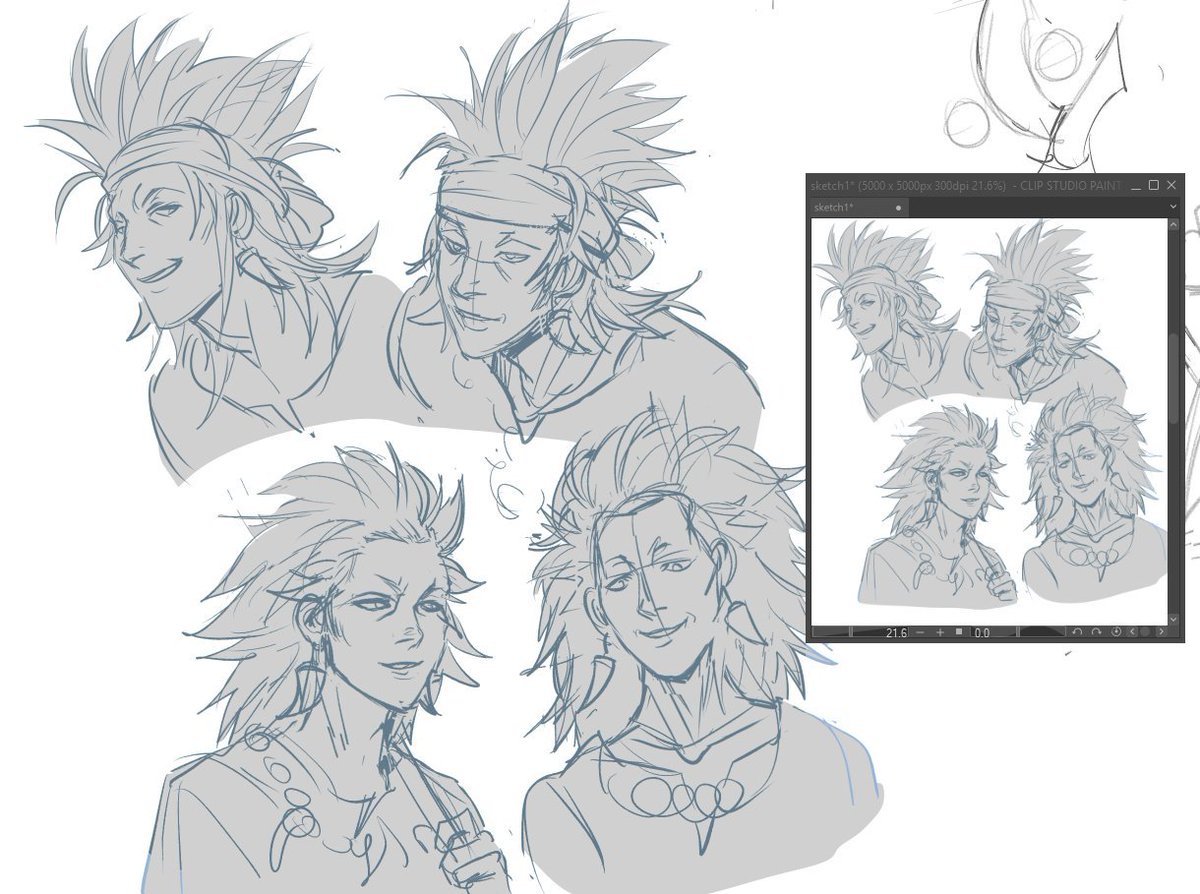


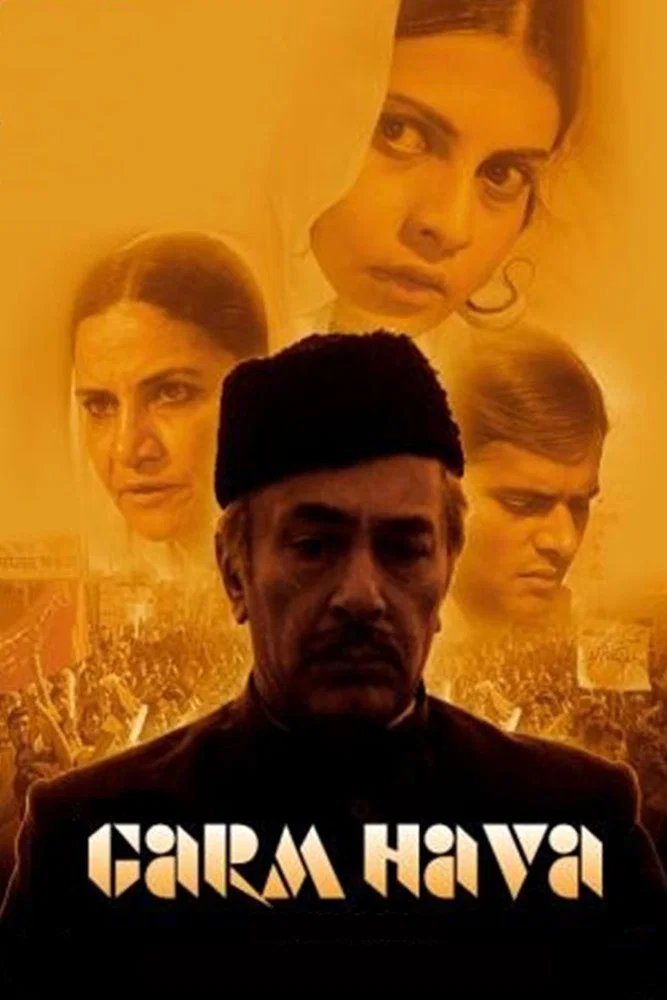
Garm Hava (1973) – 10/10
A deeply moving film. The way Salim Mirza suffers throughout the movie makes the title Garm Hava feel perfectly fitting. I really liked the open ending and the final message of the film. The entire movie is engaging throughout.
8
96


@ScegeVT :"I never knew you were a Digital Circus fan Garm."
Me: "I never jerked it to Pomni so I'm not."
1
1
32

so we all agree that this was hollanov first time without protection
but what if i say this was hudcon first time without intimacy garm-💥
 all reaction videos

1
1
8
435