Jitendra Verma retweeted

सोने की चिड़िया कहे जाने वाला भारत जिसका एक समय दिवालिया होने वाला था!
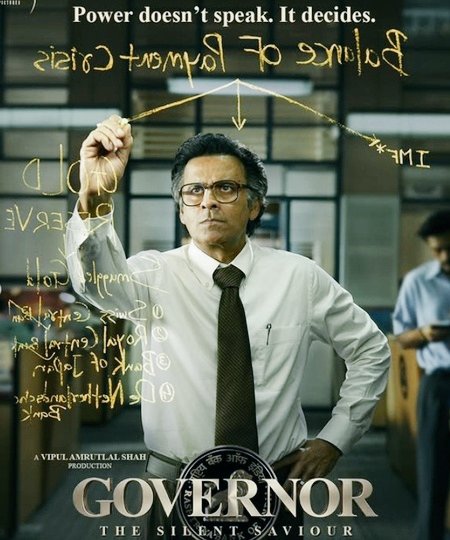
GOVERNOR तेल, गैस, महगाई से झुझ रहे भारत को लेकर Manoj Bajpayee की फिल्म आ रही है।
लेकिन ये फिल्म मोदी जी के जमाने की नहीं है ये फिल्म,अटल बिहारी बाजपेई, और मनमोहन सिंह के जमाने की है।
गवर्नर आज से लगभग 30 साल पहले की कहानी है ट्रेलर में मनोज बाजपेयी गवर्नर के किदार में कमाल लग रहे हैं।
सबसे बड़ा सवाल -- कोई मेकर अगर 2014 के बाद से हुए किसी आर्थिक तंगी पर भारत को लेकर फिल्म बनाये तो माने क्योंकि इस समय पूरा देश गैस, पेट्रोल, डीजल LPG रिफाइंड तेल, सोना , महगाई से झुझ रहा है।

10
17
21
196
CHI Ọma Daddy PO💚❤️ retweeted

.
DEAR KADUNA STATE GOVERNMENT AND GOVERNOR UBA SANI...
Please don’t allow this Gospel Singer to become the second #DADIYATA.
#FreeMycahDanGata!
1
41
51
462
Kosi retweeted

Just in: Nigerians Cover their ears in
horror as Governor Okpebholo uses his Angelic voice to sing a special praise and worship song dedicated to President Tinubu
 The Benin Blogger
799
351
1,140
201,828

A viral social media commentary is drawing heavy engagement after highlighting Peter Obi’s unique governance record in Anambra State.
The text points to his leaving billions in state savings, rejecting ex-governor pensions, and maintaining a clean record with the EFCC as an unprecedented feat in modern Nigerian politics. 🇳🇬📈


hope for greatness⭐️ retweeted

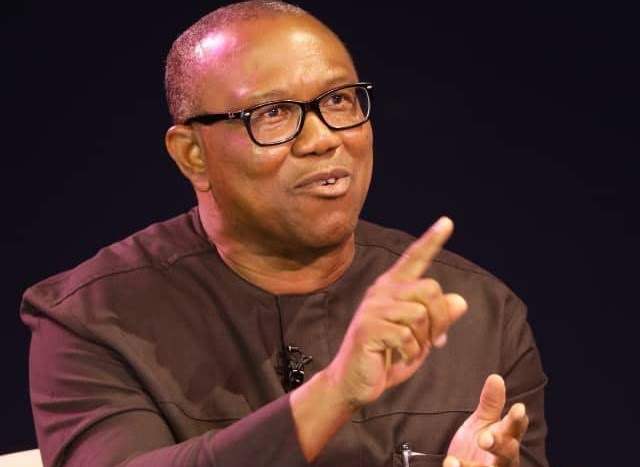
Doesn’t matter if 36 governors are with Tinubu; I won 12 states in 2023 without any governor.
~ Peter Obi says
60
33
197
3,911
James Pennington retweeted

There won’t be a single penny of taxpayer money for data centers when I’m governor.
Take it to the bank.
26
49
325
3,570

Hon. Uche Ugboaja, SLA retweeted

If Alex Otti wasn’t the governor of Abia State, by now another idiot will be writing a similar story about Abia State.
Jun 11

If PO is the most competent in Nigeria today, then there's no hope for Nigeria.
7
541
2,008
29,825
Ebosetale retweeted

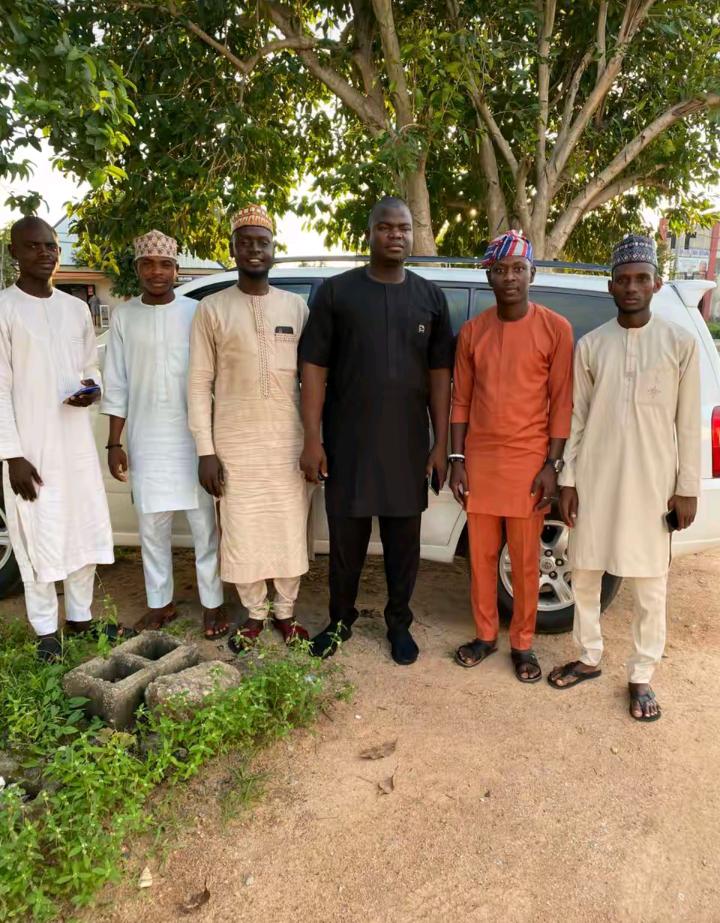
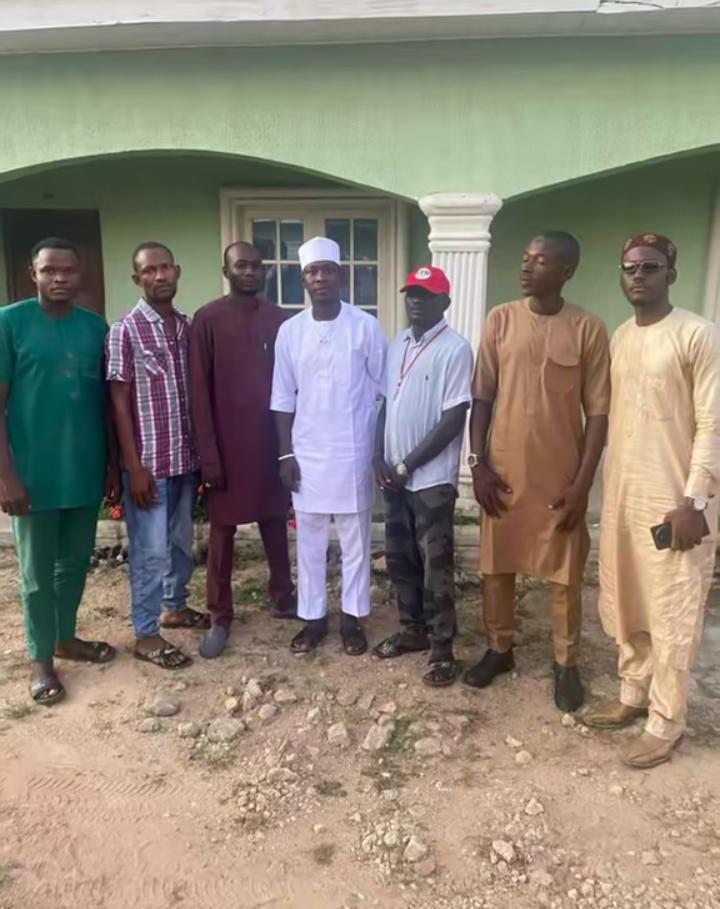
Grassroots Governor ✌️✌️✌️
5 million votes Peter obi ✅✅✅✅
1
16
74
728
okoth K'opondo retweeted

"Freedom is coming" - Transnzoia Governor George Natembeya leads Tawe Chants yesterday in Kakamega. The opposition is set to pitch camp in Bungoma today!
1
1
27
⚔️ Gladiator 🐐 retweeted

11h
BREAKING NEWS:
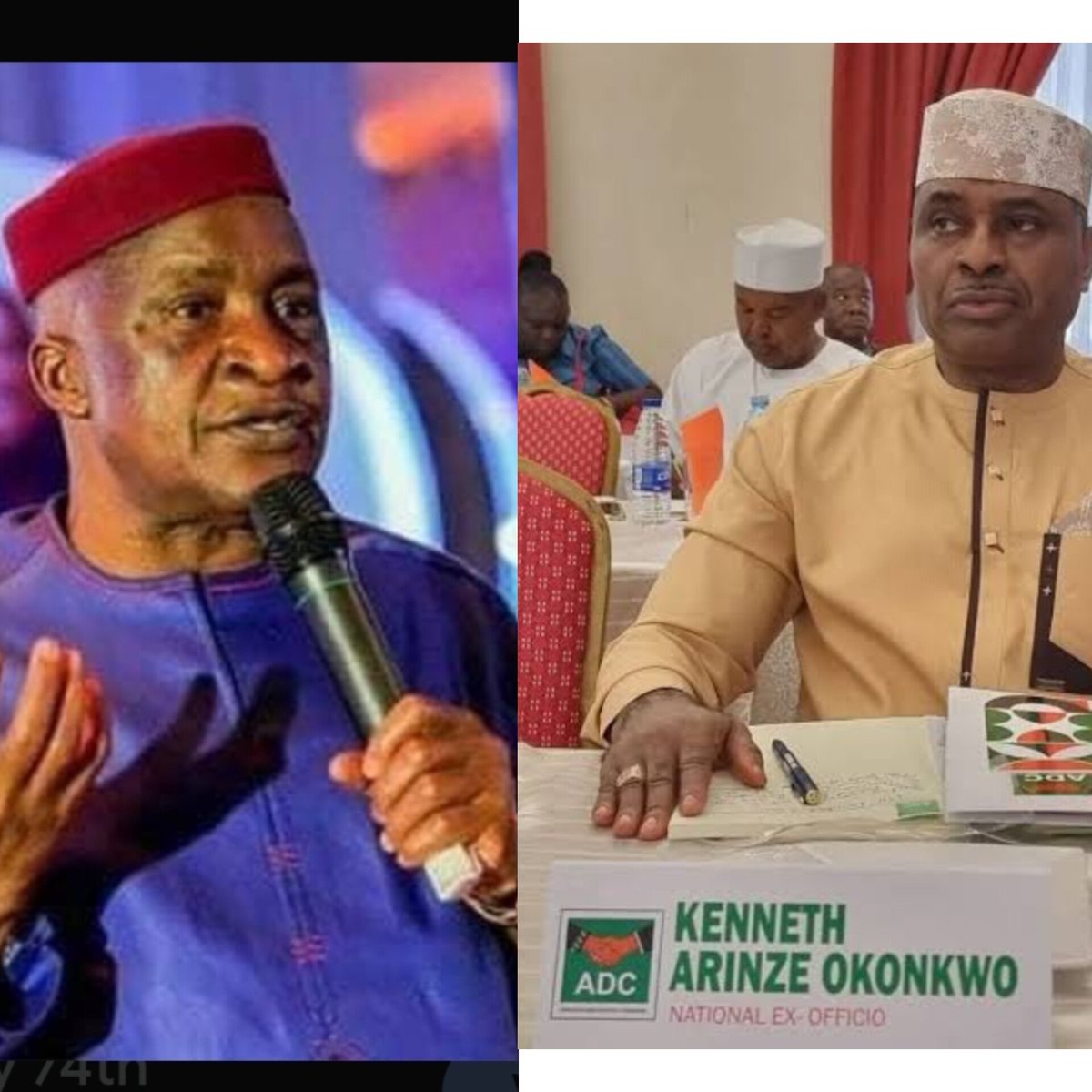
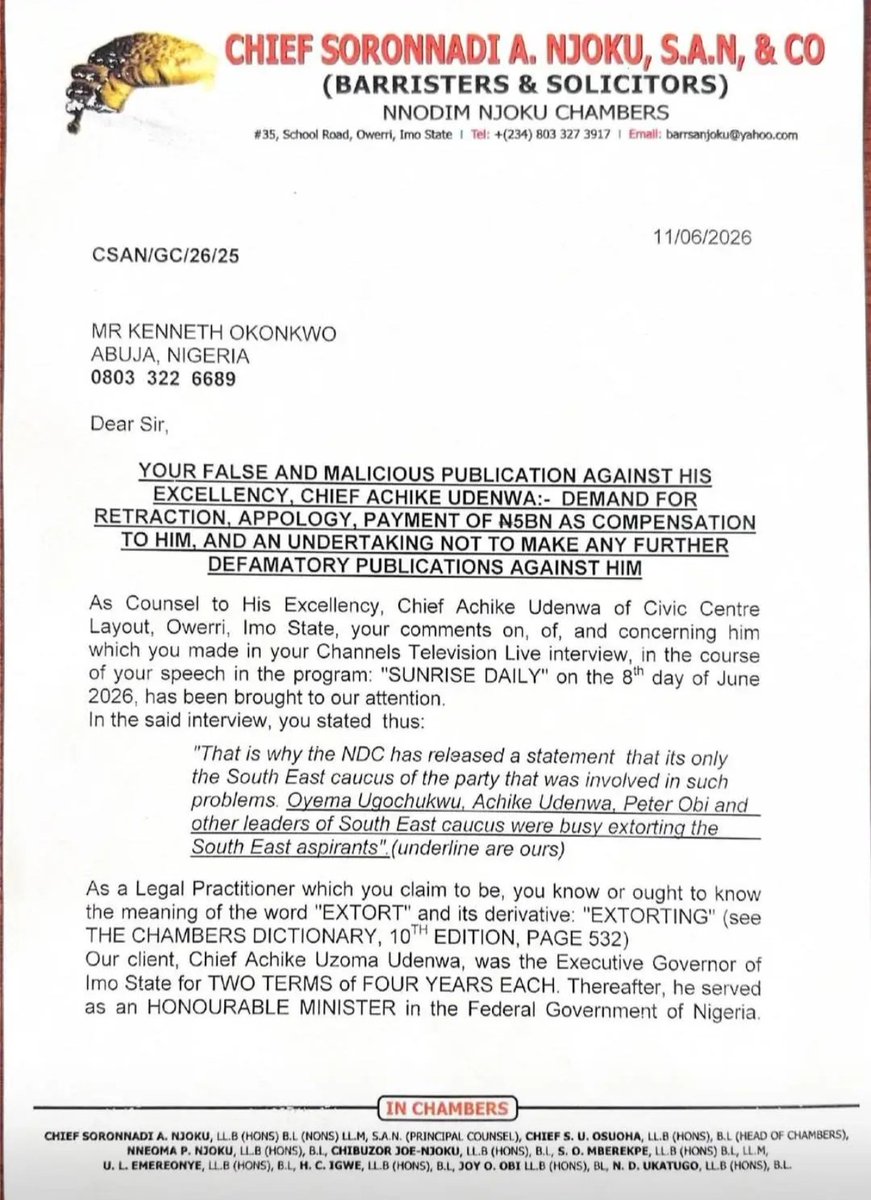
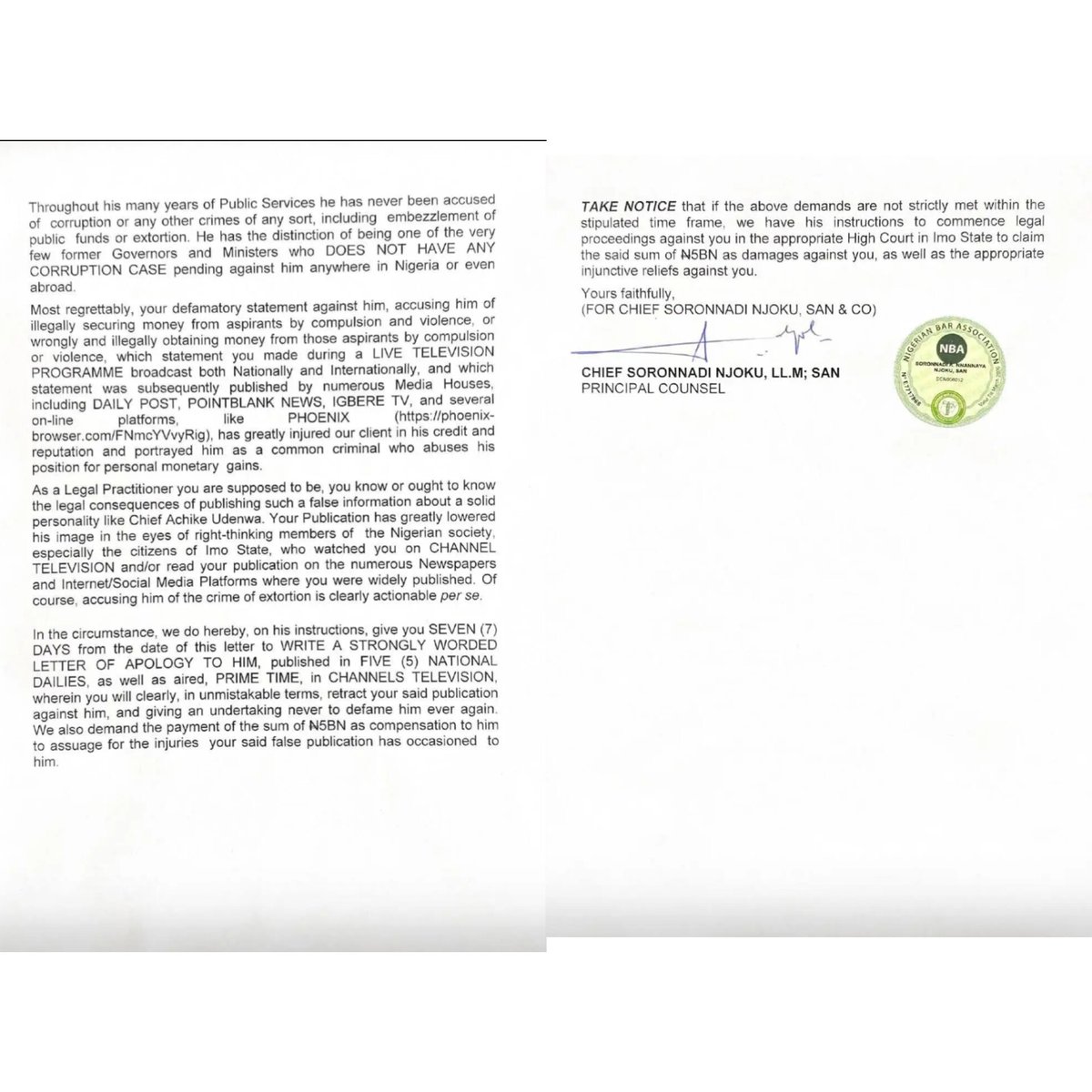
Former Imo State Governor, Chief Achike Udenwa, has slammed a lawsuit against Kenneth Okonkwo, demanding a retraction, a public apology, and ₦5 billion in damages over alleged defamatory remarks made during his recent interview on June 8, 2026.
548
1,267
3,647
218,225
Dany Michel🎗️🇮🇱🇺🇦🇪🇺 retweeted

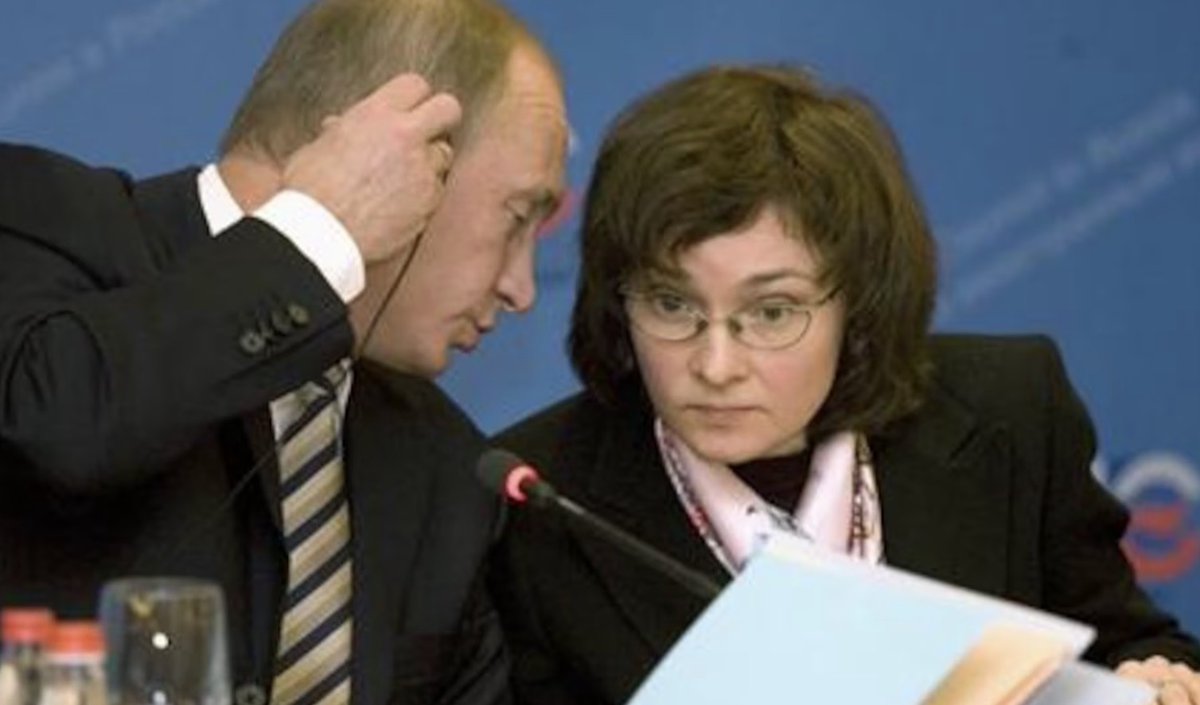
TEA OR BALCONY? Ex-VGTRK editor Dmitry Skorobutov [exiled in Switzerland] claims Ru Central Bank Governor Elvira Nabiullina is under de-facto house arrest after allegedly telling Putin she will quit if total mobilization starts. Kremlin & Central Bank say she is on 'sick leave' until early July. meduza.io/
19
145
551
20,862
Atul dev Thane retweeted

Jun 12
In a significant move, Uttar Pradesh Governor Anandiben Patel has directed all medical and dental colleges across the state to establish Religious Conversion Prevention Cells (Dharmantaran Roktham Cells).
This directive follows serious concerns raised by recent incidents, including an alleged religious conversion case involving a resident doctor at KGMU and the reported disappearance of an SGPGI employee's daughter.
These cells are aimed at preventing forced conversions and ensuring the security of students and staff on campus.
#UttarPradesh #KGMU #SGPGI
PC: The Jamia Times

3
85
178
1,050

Anything written by "Cerulli" regarding Ethiopia and Ethiopians is untrustworthy. This guy was a member of Fascist Italy and was chosen to be the "governor" of Shewa and Harar by fascist Italy. He committed war crimes and genocide against the people of Ethiopia
1

Just last week the governor rehabilited and release 720 of them!!….we are not ready

57s
Terrorist governor

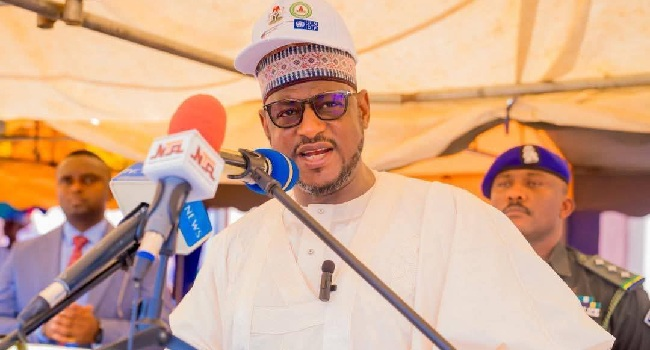
‘Lay Down Your Arms, Return To Your Families,’ Gov Radda Tells Bandits
channelstv.com/2026/06/13/la…
Jacknicholas retweeted

Governor Greg Abbott brought an elephant to the GOP convention.
You don’t see stuff like this in Florida…
Only in Texas 🤣🇺🇸
378
494
4,557
168,343

イスラム史特講③
The Umayyad Caliphate and the Creation of a Transcontinental Empire
(ウマイヤ朝と大帝国の形成)
Following the assassination of Ali in 661 CE, political authority passed to Muawiya I, the governor of Syria and founder of the Umayyad Caliphate. Unlike the Rashidun Caliphs, who had been selected through consultation among leading Muslims, the Umayyads established a hereditary monarchy. This transformation marked a significant turning point in Islamic political history.
The Umayyad rulers relocated the capital from Medina to Damascus, strategically positioned at the crossroads of Asia, Africa, and Europe. From this administrative center, they governed an empire of unprecedented scale. During the eighth century, Muslim armies expanded westward across North Africa and crossed the Strait of Gibraltar into the Iberian Peninsula. By 711 CE, most of what is now Spain had come under Islamic control.
Simultaneously, expansion continued eastward. Muslim forces advanced into Central Asia, reaching regions near modern-day Uzbekistan and Kazakhstan. By the early eighth century, the Islamic Empire stretched from the Atlantic Ocean to the borders of China, becoming one of the largest political entities in world history.
Managing such an enormous territory required sophisticated administrative reforms. The Umayyads introduced Arabic as the official language of government and established a standardized currency system. These measures facilitated communication, taxation, and trade throughout the empire. Furthermore, extensive road networks and postal systems improved the efficiency of imperial administration.
Despite these achievements, the Umayyad regime faced persistent criticism. Many non-Arab converts to Islam, known as mawali, complained of unequal treatment. Although they had embraced Islam, they were often denied the same social and political privileges enjoyed by Arab Muslims. Additionally, members of the Shia community continued to reject Umayyad legitimacy, believing that leadership should have remained within Muhammad’s family.
Religious tensions intensified after the tragic death of Husayn ibn Ali at the Battle of Karbala in 680 CE. Husayn, the grandson of Muhammad, was killed while challenging Umayyad authority. His martyrdom became a defining event in Shia Islam and remains deeply significant today.
Eventually, growing dissatisfaction among various groups culminated in a large-scale revolution. In 750 CE, the Umayyad Caliphate was overthrown by the Abbasids, who promised a more inclusive form of governance. Nevertheless, the Umayyads left an enduring legacy by transforming Islam from a regional faith into a vast transcontinental civilization.
1