
Live Classroom...
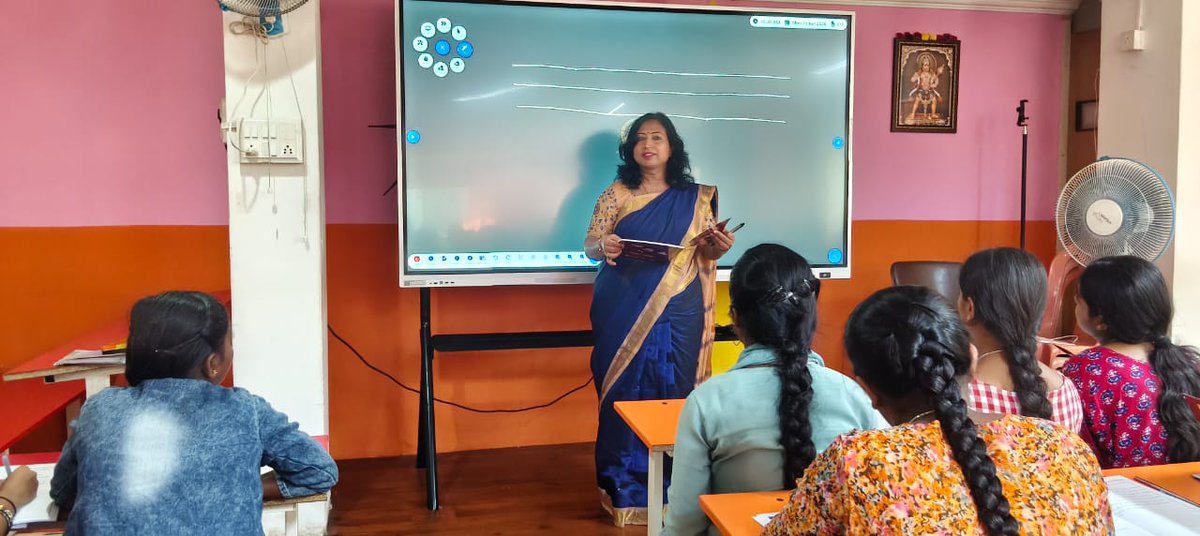
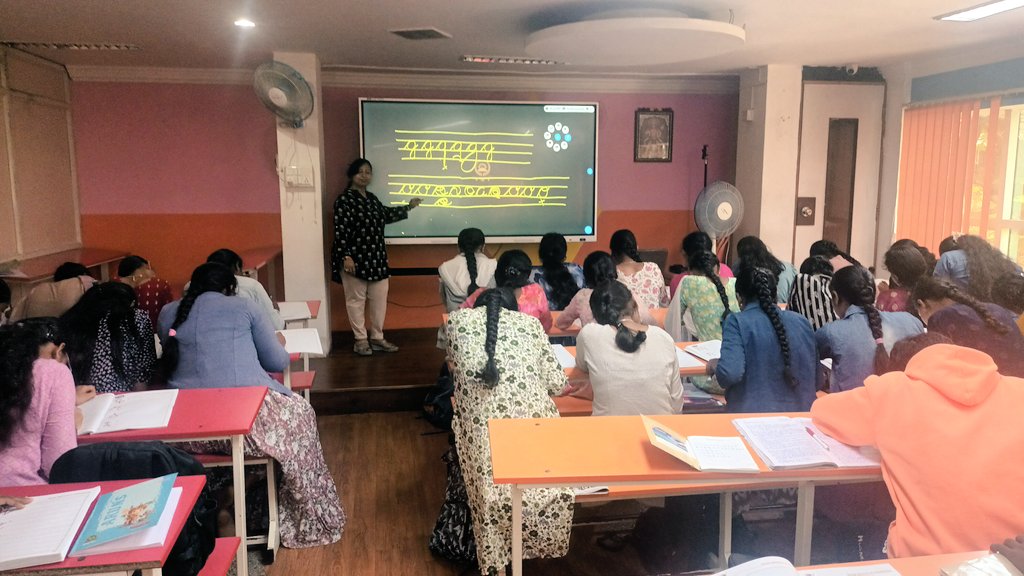
Grapho Penmanship sessions for UPSC aspirants..✍👍👍
1
37

Jun 15
Face à l’érosion contemporaine des compétences grapho-syntaxiques, la jeunesse actuelle opte pour une régression vers la tradition orale, érigeant le message vocal en mécanisme de défense contre l'opprobre de la dictée.
1
45

Just wanna say:
Maybe, the problem is that people are -writing- papers just with no knowledge of what the fuck intertextuality, grapho-phonic coding, diacritics and semiosis are.
But they are even talking about texts, sentences, meanings and language.
11

Jun 10
Mais bien sûr, ce sont les parents qui enseignent à leur enfant la correspondance graphème/phonème et veillent à lui faire développer sa conscience grapho-phonologique, suis-je bête.
Supprimons l'école primaire, inutile si l'on n'y apprend plus à lire et à écrire ?
2
Jun 9
Vous savez que, après le tsunami orthophonique de ces 30 dernières années, arrive la profession des "grapho-thérapeutes" ? Le destin vient en aide à point nommé aux "graphologues", plus sollicités par les bureaux d'embauche avec la disparition des CV manuscrits.
Merci qui ?
2
47

May 28
João muito legal...
Fiz até um grapho parecido, está em:
ivansouza.github.io/graphos/
Usando o
github.com/safishamsi/graphi…
1
2
64

Apr 27
나의 아랑하는 여자들아,
포르노라는 단어도 >성적 자극이나 흥분을 유발할 목적으로 성적 행위나 신체를 노골적으로 묘사한 영상 등<을 말하는 거고
порνη (porne): 매춘부
γραφω (grapho): 기록하다, 쓰다
라는 고대 그리스어에서 유래했대.
그건 남자 입장에서나 성적 흥분을 유발시키지
우리 입장에서는 여자를 내세워 돈벌이 하려고 만든 >강간 산업화 비디오<일 뿐이잖아
물론 서양에는 여성향 포르노도 있지만, 한국과 일본에는 가학적인 강간영상 뿐이고
그걸 보고 자란 남자들이 따라하고 여자가 거부하고 소리지는 걸 보고도 “원래 그런 것 아니냐”는 소리를 하잖아
그저 범죄 영상일 뿐이고 돈에 눈이 먼 시커먼 남자들이 만들어 낸 거대한 여성 착취 범죄 영상 산업을
단순히 야동이나, 포르노라는 단어 대신 부를
적절한 단어가 있으면 좋겠어
앞으로 포르노라는 단어 대신 “강간 산업화 비디오” 이렇게 부르는 건 어떨까?
다른 적절한 단어 있으면 얘기해 보자🥺
Apr 25

그리고 남자들 지금을 “대혐오의 시대”라고 얘기하는데
우리 입장에서는 “대반격의 시대”잖아
우리 입장에서 주체적으로 얘기하고 단어 선택하자
2
65
381
20,246

Apr 22
Kelimebilim: Coğrafya eski Yunanca'daki geographia, sözcüğünden gelir. Ge (dünya) ve grapho (yazmak - tanımlamak) birleşik kelimesidir.
Türkiye'de sersemler tarafından olur olmaz bağlamda kullanılır!
13
28
527
8,287

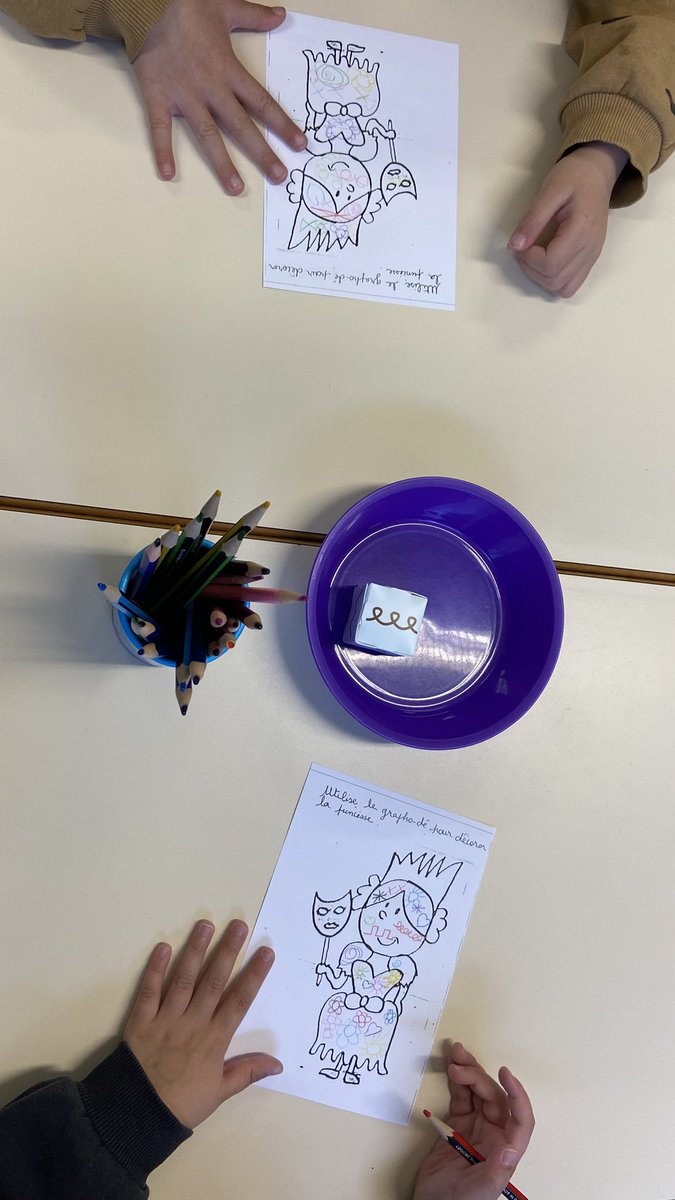
Passer par le jeu pour réaliser des graphismes décoratifs 👉🏻 avec le grapho dé, les élèves s’entraînent à maîtriser les formes.
#cycle1 #maternelle #graphisme
1
1
3
289

A palavra pornografia tem origem no grego antigo, formada pela junção de porne (prostituta, vendida) e grapho (escrever, representar).
1
2
174

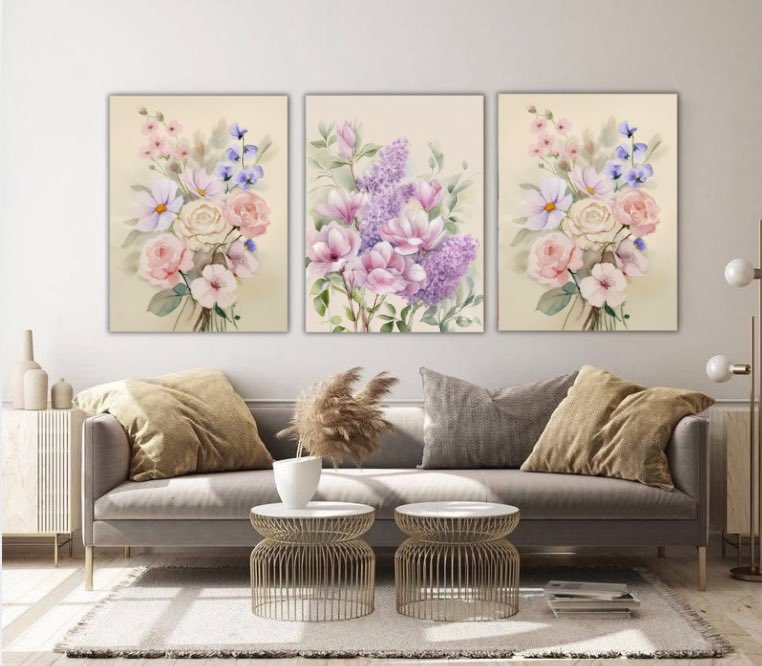
Le Murmure des Pétales ✨ Éclat floral par Chashab Grapho. Une poésie visuelle pour sublimer votre intérieur. 🌸
#ChashabGrapho #Art #Deco #Triptyque #Design
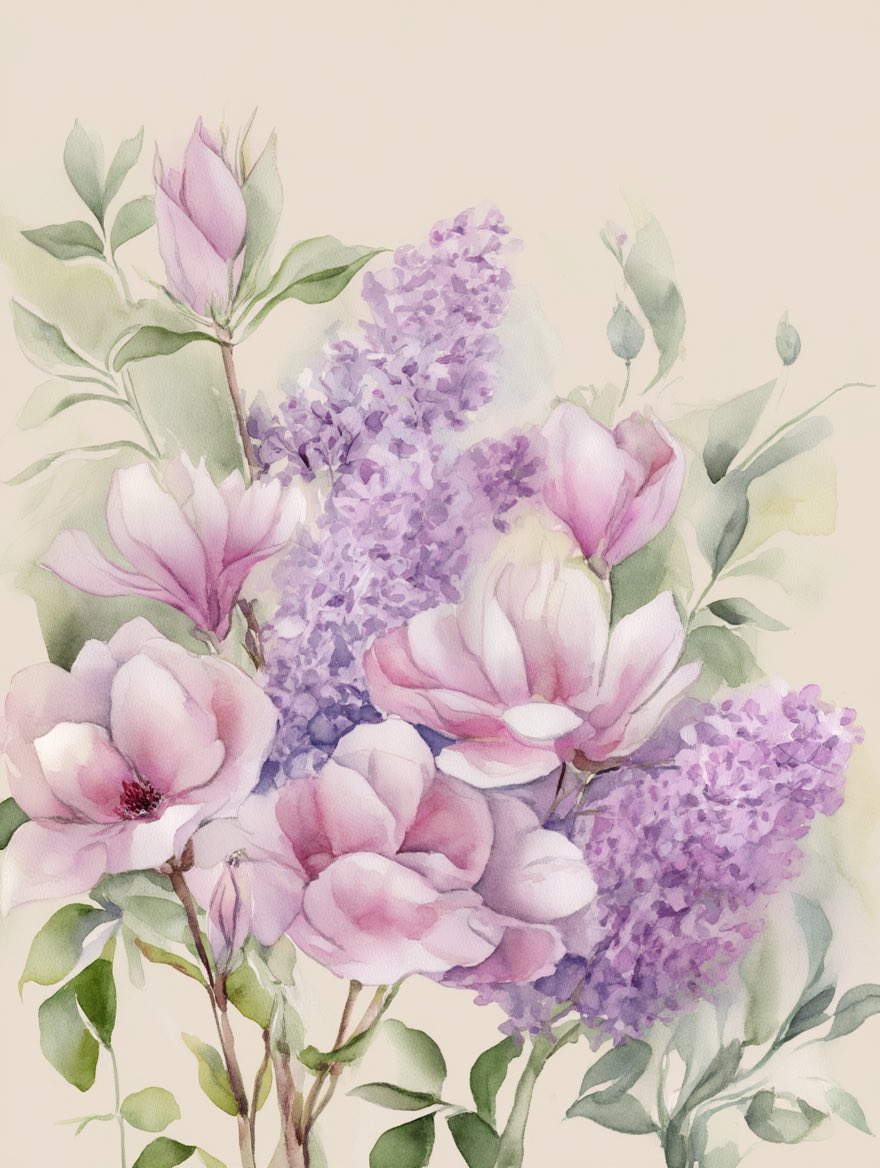
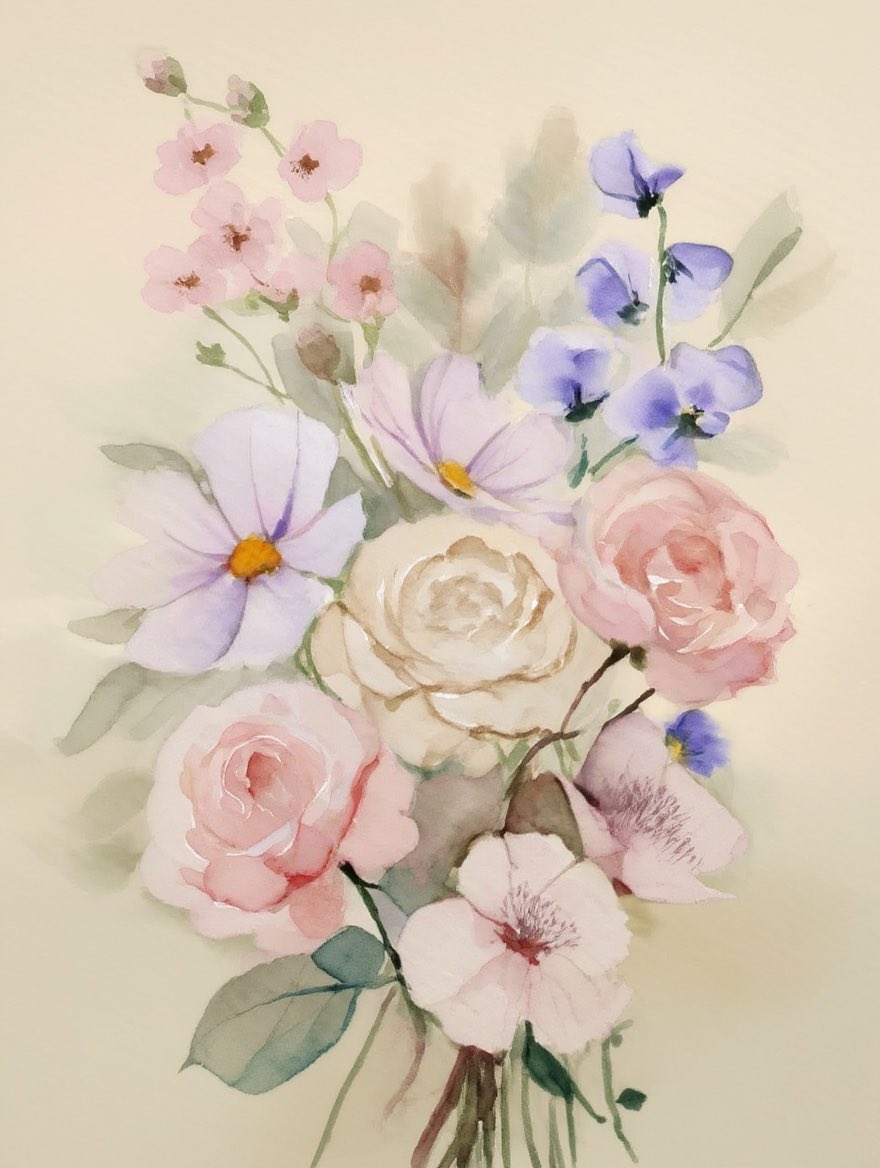
1
22

“Geography” comes from 2 Greek words: geo-earth and grapho-write.
Since we invented writing and we are the oldest country on earth, we clearly invented geography.
2
57

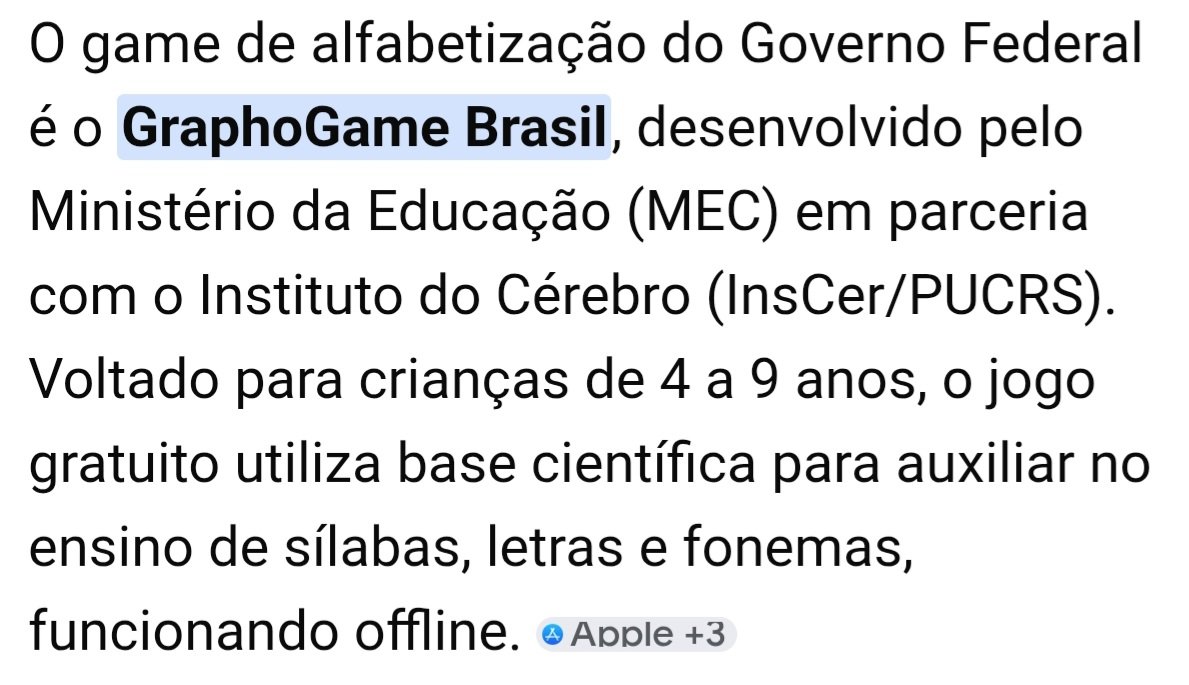
Ele é muito cretino! No governo Bolsonaro foi desenvolvido o Grapho Game. E assim que o Larapio assumiu em 2023, uma das primeiras medidas foi a de fechar a Secretaria de Alfabetização, @MarPetrucelli
1
3
151

Feb 28
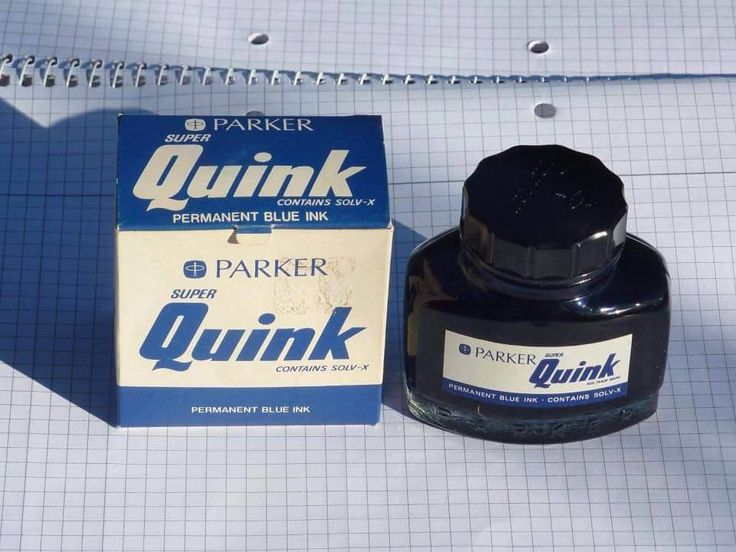
En clase de dibujo técnico, teníamos que usar un grapho con esta tinta, y cuidadito con manchar la hoja.

2
5
181

בפעם הראשונה שהייתי באתונה כלומד יוונית הייתי הולך ברחבי העיר ומטה פעלים לעצמי:
grapho, tha grapho, tha grapso, egrapha, egrapsa, echo grapsei, eicha grapsei, tha echo grapsei
כולל בעת טיפוס האקרופוליס, עד שתיירת בריטית חשבה שאני נאו־פגאני שקורא תפילה לאלי האולימפוס ומיד הפסקתי

זה לא כ״כ הוגן בעיניי שאני צריך לעשות דואולינגו יוונית גם כשאני פיזית באתונה אולי תניחו לי
2
71
2,135

Feb 5
autobiographical
/ˌɔːtəbaɪˈɡræfɪkəl/ (adjective) = 自伝的な
🌏 Her autobiographical novel offers deep insights into her childhood.
🇯🇵 彼女の自伝的な小説は、彼女の幼少期に対する深い洞察を提供している。
🧩 コロケーション
- autobiographical memory(自伝的記憶)
- autobiographical sketch(自伝的素描)
- autobiographical narrative(自伝的物語)
🧠 補足: 自伝的な内容を表す "autobiographical" は、自己(auto)と書くこと(graph)を組み合わせた語で、自己の歴史や経験を文書化する意味を持つ。言語的起源は、ギリシャ語 "auto-"(自己)と "grapho"(書く)に遡り、また書く行為が自己認識や記憶形成に重要であることを示している。
4
214


Jan 16
As far as I can tell, the origin of this phrase comes from (1) people noticing that in Greek, the verb γράφω (grapho), whose primary meaning is "to write" is also used for painting, drawing, etc. (hence icono*graph*y), combined with (2) an idea that developed in the 20th century Byzantine iconographic revival that iconpainting is not art, but rather a form of "language in color" - meant to appeal more to man's intellect and spirit than to his senses.
The first issue is resolved when we remember that vocabulary in one language rarely has a 1:1 relationship—the exact same semantic range—with the equivalent word in another language. Γράφω has a much wider semantic range in Greek than does "write" in English. Hence my reference in the OP to cartography, discography, photography, etc.
The second issue is harder to disabuse ourselves of, since it appeals to the sense of iconography as more mystical, etc., than academic or other forms of painting. But, as a friend of mine recently observed, it's ultimately a kind of gnosticism. Man's relationship with God certainly goes *beyond* the senses, but it doesn't (ordinarily) bypass the senses, and therefore it doesn't circumvent the role of artistic skill and true beauty
This points to a problem in what I call the "Icon-writing Industrial Complex" — all these weekend retreats and workshops where people with zero prior ability or training in drawing or painting are encouraged to "write their first icon" as a kind of spiritual exercise. This may be harmless as far as it goes, but it becomes a problem when they come home and present their icons to the parish priest and expect him to hang it up in the church
4
18
849

This is why when I first found out about grapho-analysis when I was in Jss3, the first thing I sought to change was how deeply people's words affected me.
People can be bastards and it's only healthy to disregard bastards wherever you meet them.
5
159

25 Dec 2025
C’est mon avis d’enseignante que je donne et celui partagé par les pro que je côtoie dans mon métier (ergo, grapho). La préhension imposée par la forme est mauvaise, c’est un fait.
1
13
1,133