
Jun 12
UE5.7.4
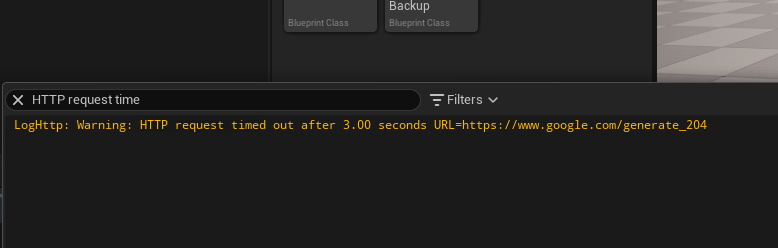
uesrc:/Source/Editor/MainFrame/Private/HomeScreen/SHomeScreen.cpp 内 CheckInternetConnection() { bIsRequestFinished = true;
return; // ignore HttpRequest->OnProcessRequestComplete().BindLambda([this](FHttpRequest...
後続処理を無視し、下記が出力されないことを確認できた.
41

Jun 9
実は、最近、また使い始めました。XML HttpRequest。
Excel VBA から、LLM を REST API経由で呼び出すため。
47

Jun 8
Some of the things teams actually want from a work tool can't be expressed as a rule. They have logic in them.
So we shipped @planepowers Runner. Write JavaScript or TypeScript that runs on your workspace events, with full access to your data through the SDK. A few things you can do with it:
- Close the parent only when the last child is done
- Create a linked QA item the moment something hits In Review
- Every night, sweep stale in-progress work to blocked so standup isn't a fishing expedition
- Sync a project to your external system on a schedule, and write changes back when that system updates
Event-based, workflow transitions, or scheduled. There's a library of reusable functions for the plumbing you reach for constantly, getChildren, postToSlack, httpRequest, so you're not rewriting it every time.
The everyday automations still handle the everyday cases. This is for everything past that, where it takes a bit of code to do the thing properly, and now that code lives inside Plane instead of bolted on beside it.
Day 1 of launch week II.
Jun 8

☕ Introducing Plane Runner
Plane Runner is a scripting environment for running JavaScript or TypeScript on Plane events, with access to workspace data through the SDK. Scripts can be triggered by workspace events, workflow transitions, and schedules.
It's day 6 of our caffeinated launch week. ☕ And we are just getting started.
Read more on Plane Runner - plane.so/blog/introducing-pl…
1
1
7
529


1: Version-independent HTTP currency types for Swift, providing HTTPRequest, HTTPResponse, and HTTPFields with Foundation and SwiftNIO integrations. Quick start with SwiftPM, usage examples for creating requests/responses, header access, and URLSession/S… github.com/apple/swift-http-…
4
2: Swift HTTP Types deliver version-independent HTTP currency types for Swift, with core HTTPRequest/HTTPResponse, Foundation and NIO adapters, and seamless URLSession integration. Simplifies building clients/servers with modern HTTP features. github.com/apple/swift-http-…
7

May 5
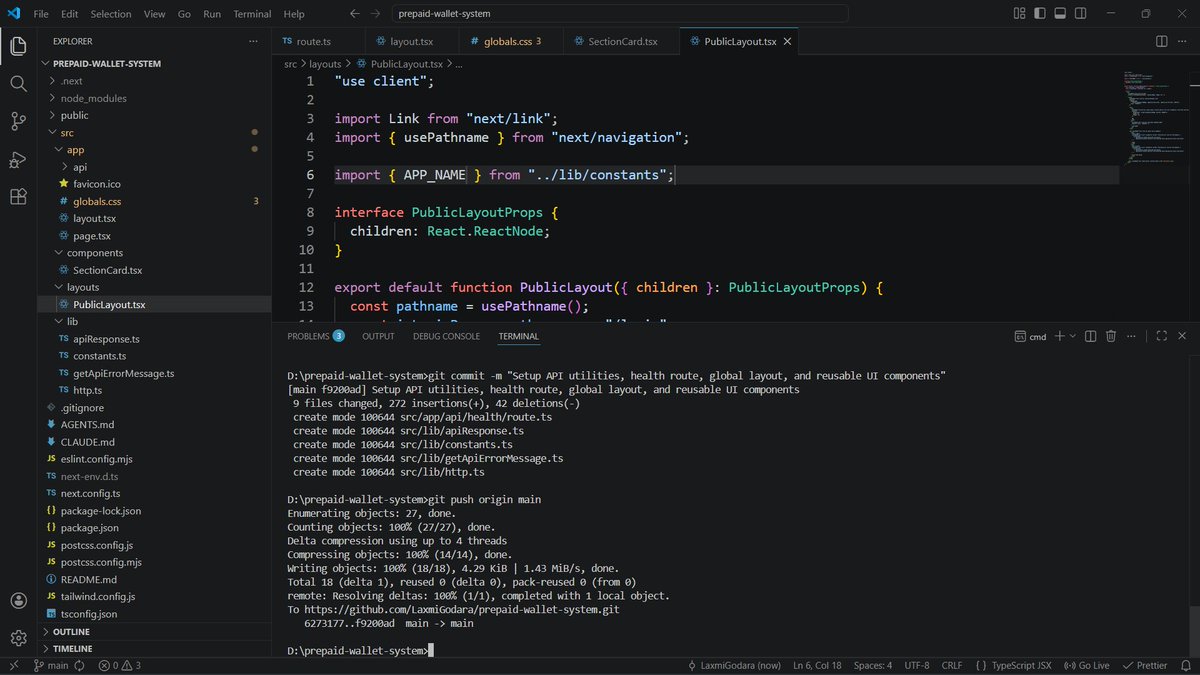
Day 1 — Prepaid Wallet POS System (card-based wallet for controlled member spending)
• Built core API layer (httpRequest error handling)
• Created health check endpoint app layouts
• Developed reusable UI component (SectionCard)
#100DaysOfCode #NextJS #BuildInPublic
4
9
137

We shipped a fully on-chain Minecraft economy. Here's the full technical architecture.
Server live at 172.240.53.57:2050 | mincraftdex.com
1/ Every player gets a deterministic custodial keypair on first verify. Generated server-side via @solana/web3.js Keypair.generate(), private key AES-256-CBC encrypted at rest with a server-side master key, stored per wallet_address in Postgres.
No two players share a signing key. Ever.
2/ The verify handshake:
Client → POST /api/verify/start { walletAddress }Server → generates 6-char code, writes to verifications tablePlayer → /verify CRAFT-XXXXXX in Minecraft chatPlugin → GET /api/verify/confirm/:code { username }Server → checks player is ONLINE via Minecraft query protocolServer → links wallet ↔ username, provisions custodial keypairClient polls → GET /api/verify/status/:wallet
The online-check is the anti-fraud layer. You cannot claim a username you're not actively playing on.
3/ SPL Token-2022 (not legacy SPL). CA: AdD5EMoGMDiGXcgepXQXneB4fEZuS1QvKqDrN876pump
6 decimals. All on-chain amounts divided by 1_000_000 for display. Transfer instructions built with createTransferCheckedInstruction from @solana/spl-token, using TOKEN_2022_PROGRAM_ID — not the old TOKEN_PROGRAM_ID. This distinction breaks 90% of naive Solana integrations.
4/ Two-layer balance system:
Layer 1 → game_balance (Postgres, instant, free)↑ deposits detected via RPC polling↓ purchases deducted hereLayer 2 → on-chain CRAFT balance (Solana, real assets)↑ player sends CRAFT to their custodial addr↓ withdrawal triggers signed TX from custodial keypair
Shop transactions NEVER touch the blockchain. They settle in Layer 1. This eliminates gas costs for every item purchase and makes the token supply inelastic to game activity.
5/ The RPC layer has 3-endpoint failover:
const RPCS = ["api.mainnet-beta.solana.com","rpc.ankr.com/solana","solana.publicnode.com"];
Round-robin with exponential backoff. If one endpoint rate-limits or drops, the next one signs the TX. Uptime is not RPC-dependent.
6/ The Java plugin fires a signed HTTP POST to the backend on every /verify command:
HttpRequest request = HttpRequest.newBuilder().uri(URI.create(API_BASE "/api/verify/confirm/" code)).header("X-Plugin-Key", PLUGIN_API_KEY).header("Content-Type", "application/json").POST(HttpRequest.BodyPublishers.ofString("{\"minecraftUsername\":\"" player.getName() "\"}")).build();
The X-Plugin-Key is a 48-char hex secret shared only between the plugin JAR and the API env. No key = no confirm. Can't spoof verification from outside.
7/ Soft-unlink architecture — this one's subtle:
Most devs DELETE the row on wallet disconnect. We don't. We tombstone it:
UPDATE linked_accountsSET minecraft_username = '__UNLINKED_' || extract(epoch from now())WHERE wallet_address = $1
On re-verify, we detect the prefix, restore the row in-place. Balance preserved. Custodial keypair preserved. Deposit history intact. Zero fund loss on reconnect.
8/ The deposit detection loop polls every 30s per active custodial address. It fetches the SPL Token-2022 account balance via getTokenAccountsByOwner, diffs against last known balance, and credits the delta to game_balance. No webhooks, no indexer dependency, no third-party infra.
9/ Anti-bubble mechanics:
-On-chain supply doesn't move when players buy items
-Withdrawal requires explicit user action (not automatic)
-No bonding curve, no AMM interaction on shop purchases
Token velocity stays low → less pump/dump surface area
Each player's custodial wallet is isolated → no single wallet is "the treasury"
10/ Full stack:
PaperMC 1.21.1 → Java plugin, event listeners, HTTP clientNode.js/Express → REST API, TX signing, RPC callsPostgreSQL/Drizzle → accounts, balances, purchases, depositsReact/Vite → frontend, wallet UIPhantom → browser extension wallet adapterSolana web3.js → keypair management, TX constructionSPL Token-2022 → CRAFT token standard
4
12
25
2,060


Feb 22
A proc-macro that has a rename_all attribute is evil because converting from one case to another is not well-defined.
UInt -> u_int or uint?
HTTPRequest -> http_request or h_t_t_p_request?
...
2
3
3,287

Feb 17
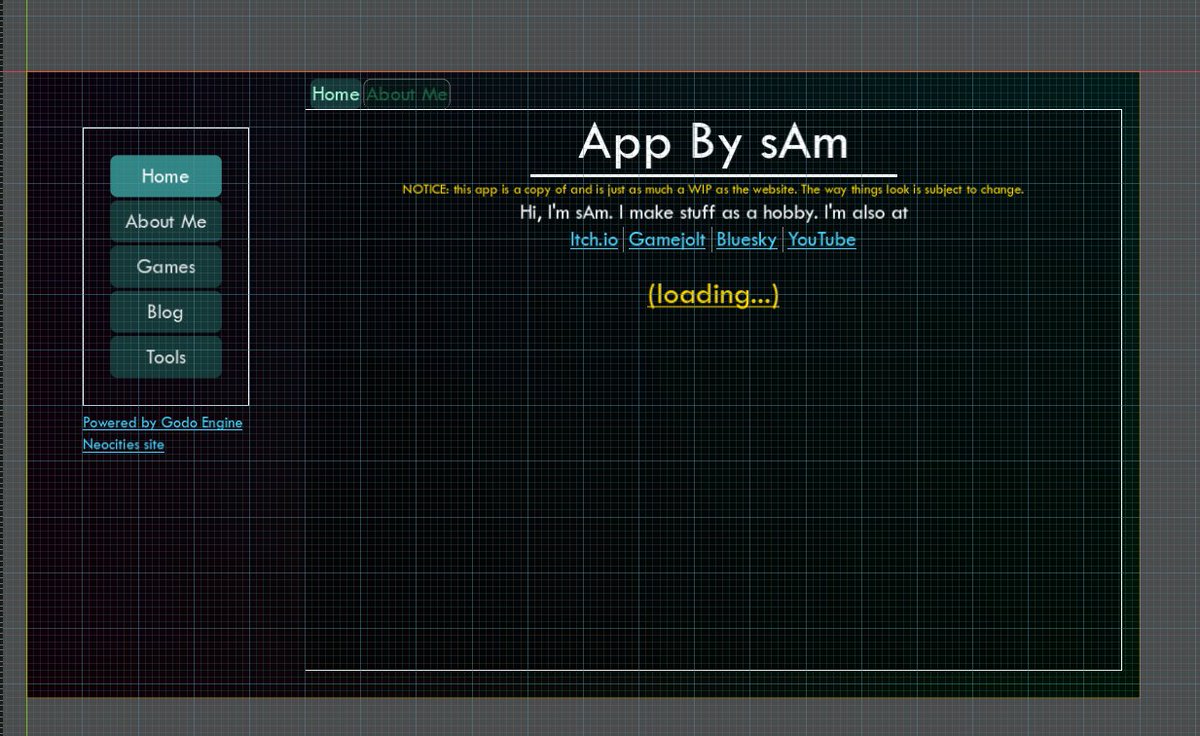
It does actually make use of Godot's HTTPRequest node and fetch stuff like latest updates and art from my Neocities site directly.
All it's missing is a message telling you it can't do it if you're disconnected from the web.
Feb 17

Am I really gonna put so much effort into a desktop app that's just mirroring a site that's already up and no one most likely will download because random embedded Google Drive links are sus? ... ... Of course I am!
7
495

Feb 14
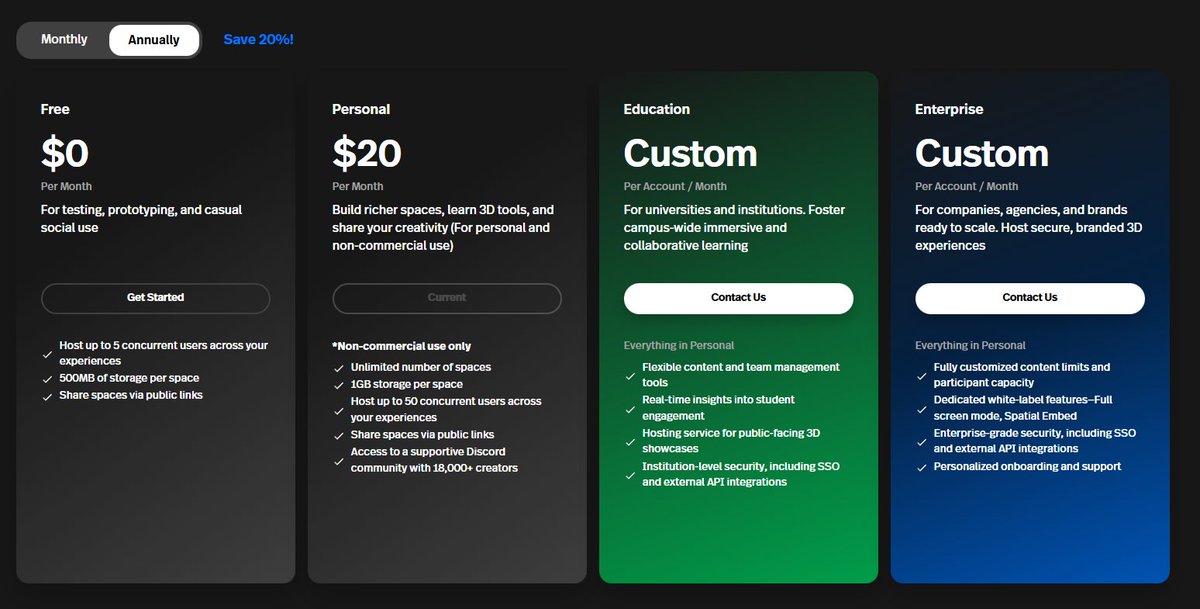
完璧に理解した。HttpRequestはEnterpriseプランに加入している人のspaceでしか動かない仕掛けらしい
金額がカスタムなの怖すぎる
2
33

.@junobuild のSputnikについて調べました。Cloudflare Workersみたいなもんで、QuickJS動かしてるらしい。今はhttprequestに対応してないみたいなのが残念。余地はありそうだから改造したら面白いかも?
speakerdeck.com/hude/juno-sp…
2
2
10
607

12 Dec 2025
🐍 ¡Actualizado el curso en construcción: #Python #n8n Automatiza rutinas!
✅ Sección 4: n8n y Python - Usando nodo HTTPRequest
🚀 Obtén acceso anticipado al curso con una Suscripción DevTalles PRO activa, desde tu portal de estudiante o desde aquí: cursos.devtalles.com/courses…

5
12
622

10 Dec 2025
#100diasdecodigo #100DaysOfCode
[dia 811]
adicionado configuração de ambiente e httpRequest
implementado gerar jwt
github.com/waltereidi/unimar…
2
25


6 Dec 2025
libcurl を使って Vim に httprequest 機能を追加した。
機能実装、ビルドスクリプト修正、テスト、ヘルプ。
Vim の機能追加に必要な要素は一通り体験した感じかな?
github.com/vim/vim/compare/m…
2
54


19 Nov 2025
En Java todos hemos visto esto:
var user = new User("Jordy", "Colombia", 28, true, "admin");
Compila perfecto, pero nadie recuerda qué significa cada parámetro (a no ser que haya alguna ayuda del IDE).
El orden importa, los valores se confunden, y cualquier cambio se hace más complejo.
Es el clásico “constructor” que arruina la legibilidad.
El Builder existe para escapar de ese infierno:
var user = User.builder()
.name("Jordy")
.country("Colombia")
.age(28)
.active(true)
.role("admin")
.build();
Ahora el código se lee como una oración.
No dependes del orden, no memorizas nada, y puedes ver la intención de cada campo sin adivinar y sin depender del IDE.
Lo interesante es que el propio JDK usa este patrón en APIs modernas como HttpRequest:
HttpRequest request = HttpRequest.newBuilder()
.uri(URI.create("url"))
.GET()
.build();
Lo importante es entender que cuando los objetos tienen muchas opciones, un constructor deja de ser fácil de leer y se convierte en un obstáculo.
El Builder no es solo un “patrón bonito”:
Es una herramienta para que tu código hable claro y tus objetos nazcan en un estado seguro.
Construir objetos no debería sentirse como adivinar parámetros.
29
29
412
65,105