ふぉーきゃ retweeted

今日仕入れた新しいアルバム
John Lennon : Imagine
The Rolling Stones : Hackney Diamonds
Judas Priest : Painkiller
The White Stripes : Elephant
めっちゃImagine好きや
イントロ聴いてるだけで寝れそう
#バンド好きと繋がりたい


1
1
7
Stan Dixon retweeted

Green councillor’s portrait pulled from Hackney website after keffiyeh complaint
By Patrick Cardwell | Thursday 11 June 2026 at 18:48
No wonder, dressing as a Hamas terrorist isn’t a good way to represent your community.
hackneycitizen.co.uk/2026/06…

7
31
151
1,305

The additional thing is that there are two ways to create community, ethnic ghetto and private market sorting. The chosen, high-functional community can only exist in the co-living highrise or Hackney
1
37

That’s Ted, who drinks in The Walnut in Leytonstone playing over Hackney Marshes..
108
Kunwar Varundev Singh Lalotra retweeted

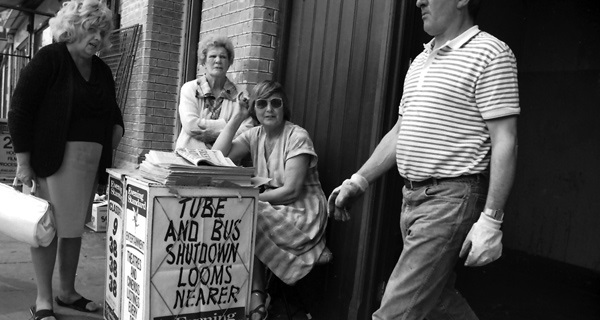
June 1977, Queens birthday flypast, taken from our 7th floor balcony in Hackney London. Probably no more than 30 seconds later they would be over Buck house.
Accompanied by Jaguars, Buccaneers & Phantoms.
credit Gary West


16
42
549
13,290
Ferg retweeted

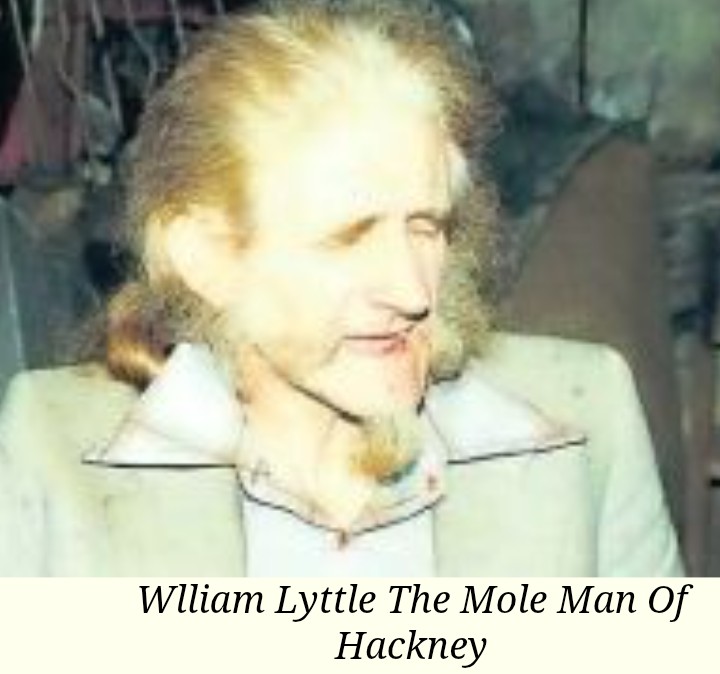
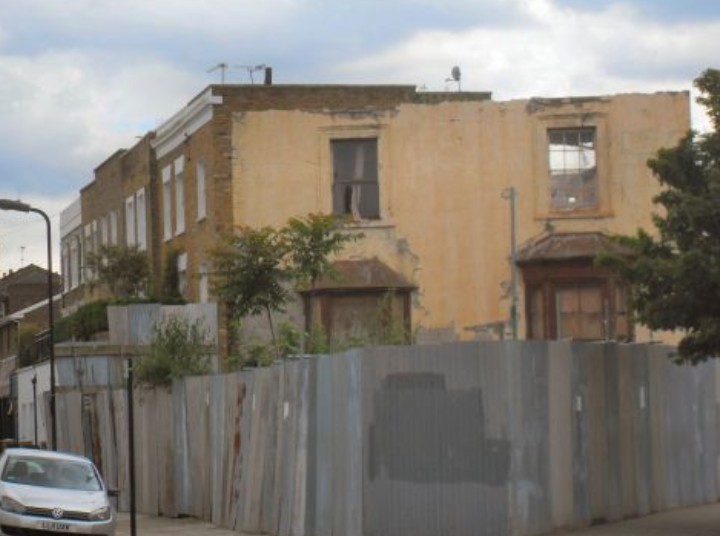
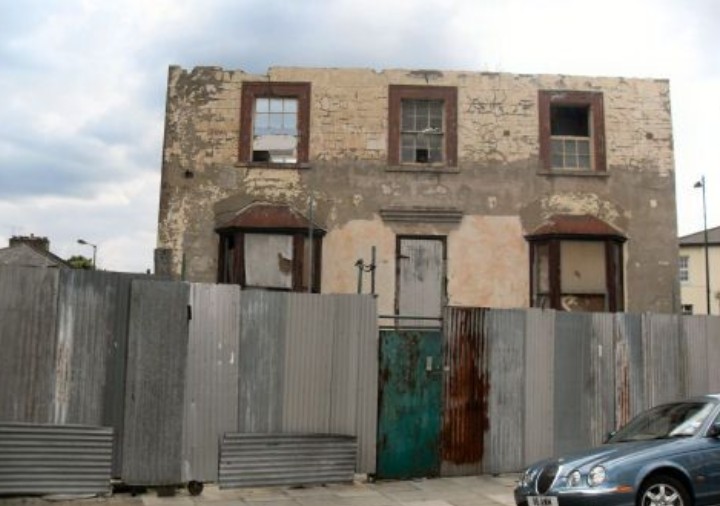
The "Mole Man of Hackney" was the nickname given to William Lyttle, an eccentric Irish civil engineer who spent roughly 40 years illegally digging a massive network of tunnels beneath his 20-room Victorian property in De Beauvoir Town, Hackney, London.
The Digging Obsession
Lyttle inherited the property at 121 Mortimer Road in the 1960s. He claimed his obsession started entirely by accident when he merely intended to hollow out a standard wine cellar. After completing that initial project, he remarked that he had "found a taste for the thing" and simply kept going.
Using only a shovel and a custom, homemade pulley system, Lyttle dug single-handedly for four decades. Over time, his subterranean excavations created a web of caverns and tunnels that reached depths of up to 8 metres (26 feet) and spanned out 20 metres (65 feet) in every direction from his house. One of his secret passages reportedly burrowed far enough to connect near the Dalston Lane railway tunnel.
Neighborhood Chaos & Eviction
Lyttle's unchecked digging turned into a major public safety hazard. Neighbors frequently complained that the ground was shaking. On one occasion, Lyttle cut off power to the entire street for a day when he accidentally struck a high-voltage, 450-volt underground electrical cable.
The council was finally forced to intervene in the early 2000s when the surrounding pavements and roads began to physically collapse and form sinkholes. A structural evaluation using ultrasound scanning revealed that his house was practically floating on a hollowed-out web of dirt.
In 2006, Hackney Council officially evicted Lyttle due to imminent structural dangers. When crews cleared the property, they removed 33 tonnes of debris, which oddly included the buried frames of three cars and a boat. The council filled the dangerous underground cavities with tons of solid concrete to stabilize the neighborhood.
Later Life and Legacy
Lyttle was ultimately ordered by the High Court to pay nearly £300,000 for the extensive stabilization repairs. Because he was banned from returning to the property, the council temporarily housed him in a hotel before moving him into a top-floor high-rise flat—specifically chosen so he could no longer tunnel into the earth. However, his compulsion could not be stopped; after he passed away from natural causes in June 2010 at age 79, authorities discovered he had knocked a large, tunnel-shaped hole right through the wall dividing his kitchen and living room.
Lyttle has since been remembered as one of London's legendary modern eccentrics, famously stating, "There is great beauty in inventing things that serve no purpose."
10
31
211
19,189

Hackney Books Afternoon Headlines
> German Court Google Liable For AI Answers
> UK Takes Russian Tanker
> Killing Christians In Nigeria
Read All About It
hackneybooks.co.uk/HackneyNe…
All Free All The Time
#HackneyBooks #News #AI #Tanker #Nigeria
11