This thing was like $200 to get a hardcopy


4
36

You are on it. We need independent people , 3d money and hardcopy. You can program the computer .
1
6

I need a hardcopy of the book any provisions for that too?
16


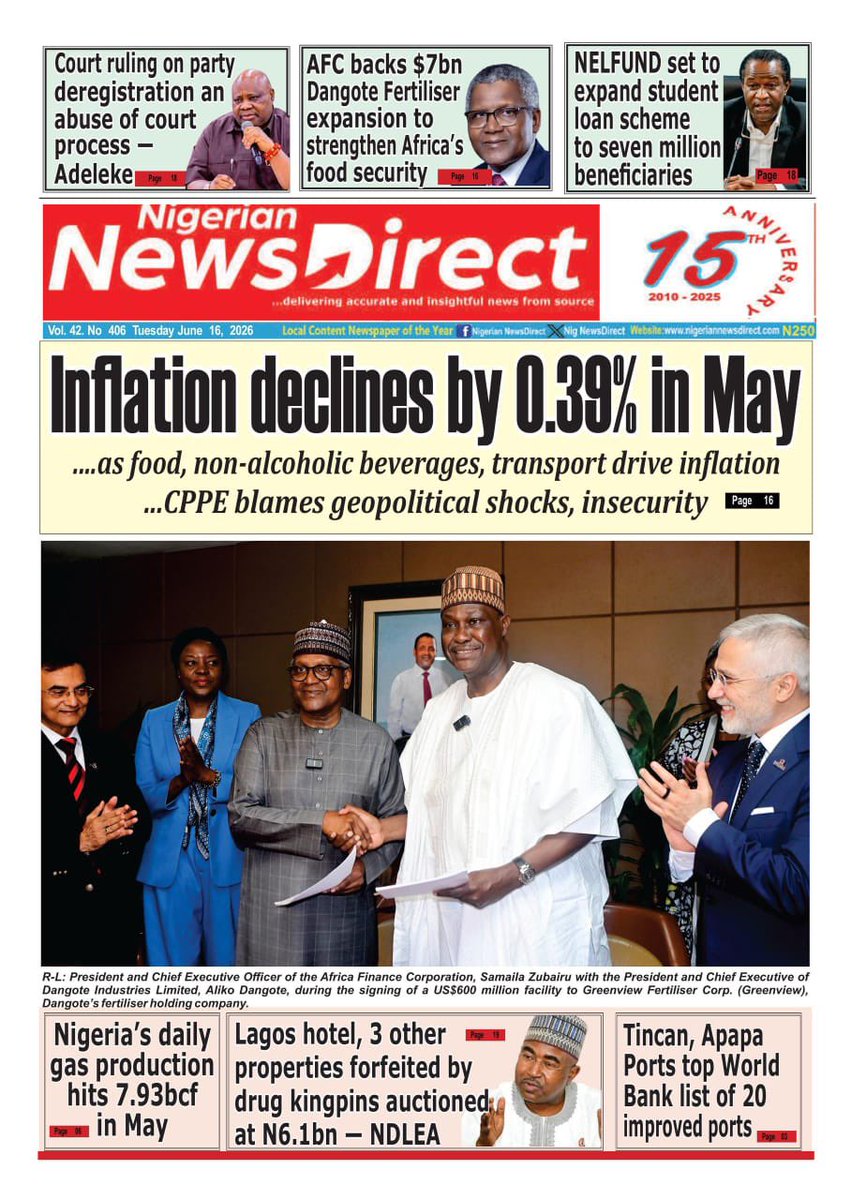
Inflation declines by 0.39% in May
Other major headlines:
• Nigeria’s daily gas production hits 7.93bcf in May
• Lagos hotel, 3 other properties forfeited by drug kingpins auctioned at N6.1bn — NDLEA
• Tincan, Apapa Ports make World Bank’s list of 20 most improved ports globally
• AFC backs $7bn Dangote Fertiliser expansion to strengthen Africa’s food security
Get your copy (hardcopy or digital):
👉 flutterwave.com/store/newsdi…
#NigerianNewsDirect #FrontPage #NigeriaNews
1
1
8
96


HARDCOPY HARDWATCH🔎6/16/26 Release 📝
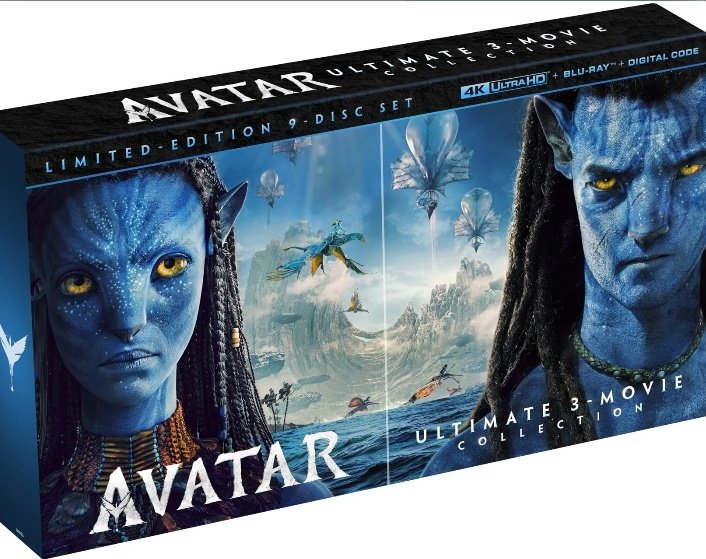
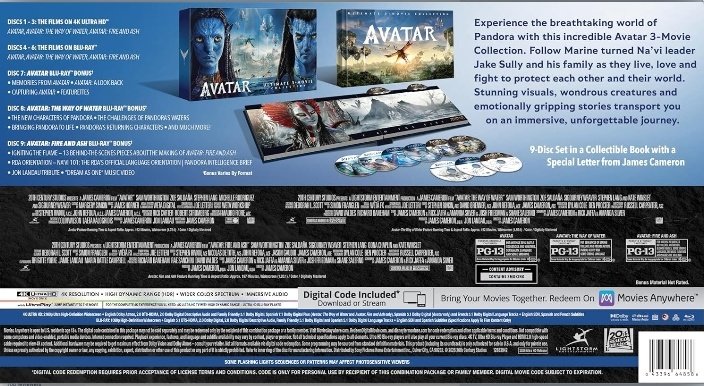
"AVATAR: Ultimate 3-Movie Collection" (2009-2025) 4KULTRAHD Blu-ray | Buena Vista | PG-13 | 551 Min. | Adventure/Sci-Fi | Packaging: 9 Discs, Set in Collectible Book w/ Letter by James Cameron.
Director: James Cameron
Writers: James Cameron, Rick Jaffa, Amanda Silver, Josh Friedman, Shane Salerno #AVATAR #4KUltraHD #Boxset #Collectible #Bluray #PhysicalMedia
39


13h
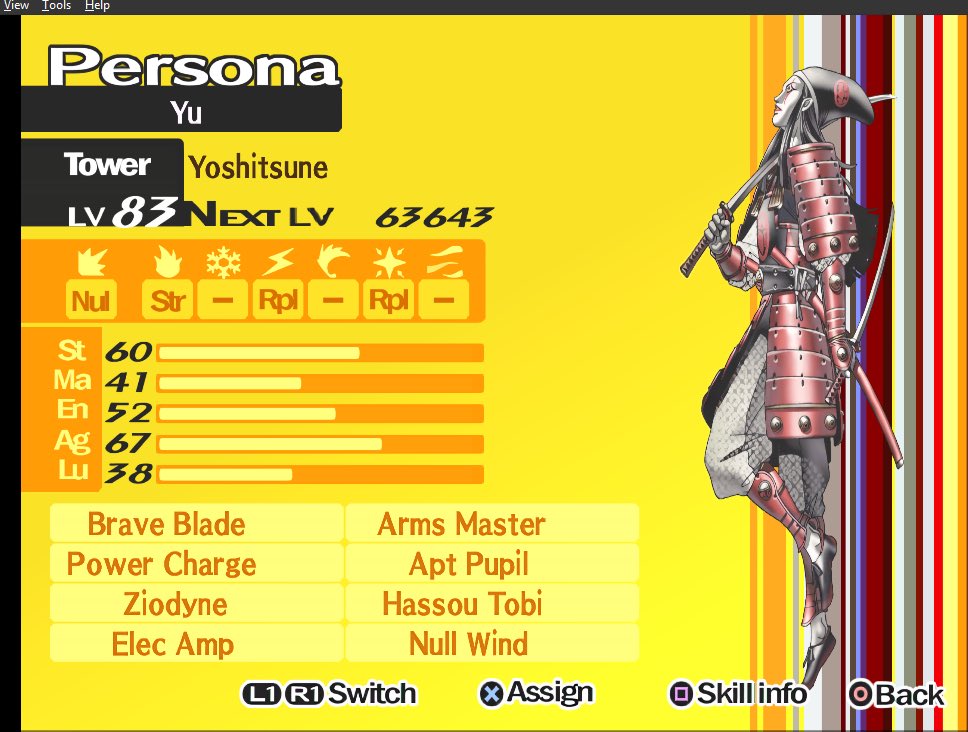
PS2 Persona builds just scratch my ear in a certain way yk (2 days until my p4 hardcopy)
2
6
129

Yes mid-July is same as usual, been in the July 7th to July 15th range since 2019. Digital versions are included with the hardcopy, so for that week of printing/shipping you'll have immediate access to the digital
1
3
36

The tickets aren't hardcopy slips that can be distributed.
They (majority) can't be "shared" in singles either.
They'll activate on the 16, and organized groupings will be sorted out.
Thats my understanding of the matter.
1
2
927


"Why?", for starters the list of "good and evil" (hardcopy) is limited. For example the Christian list is limited to the Bible. It has limited amount of words. At some point you'll encounter a scenario not covered in the texts and YOU will have to decide. Back to square one.


ME WHEN ENGLISH TEACHER OPENED HER MOUTH TO TELL US TO WRITE AN ESSAY AND MY BRAIN HAD THE HARDCOPY OF MY THOUGHTS ON EVERY FIC UNDER THE SUN THAT HAS TOUCHED MY SOUL ON A MOLECULAR LEVEL

10

Reading books is so critical to brain development. And handwriting. Good old cursive and hardcopy.

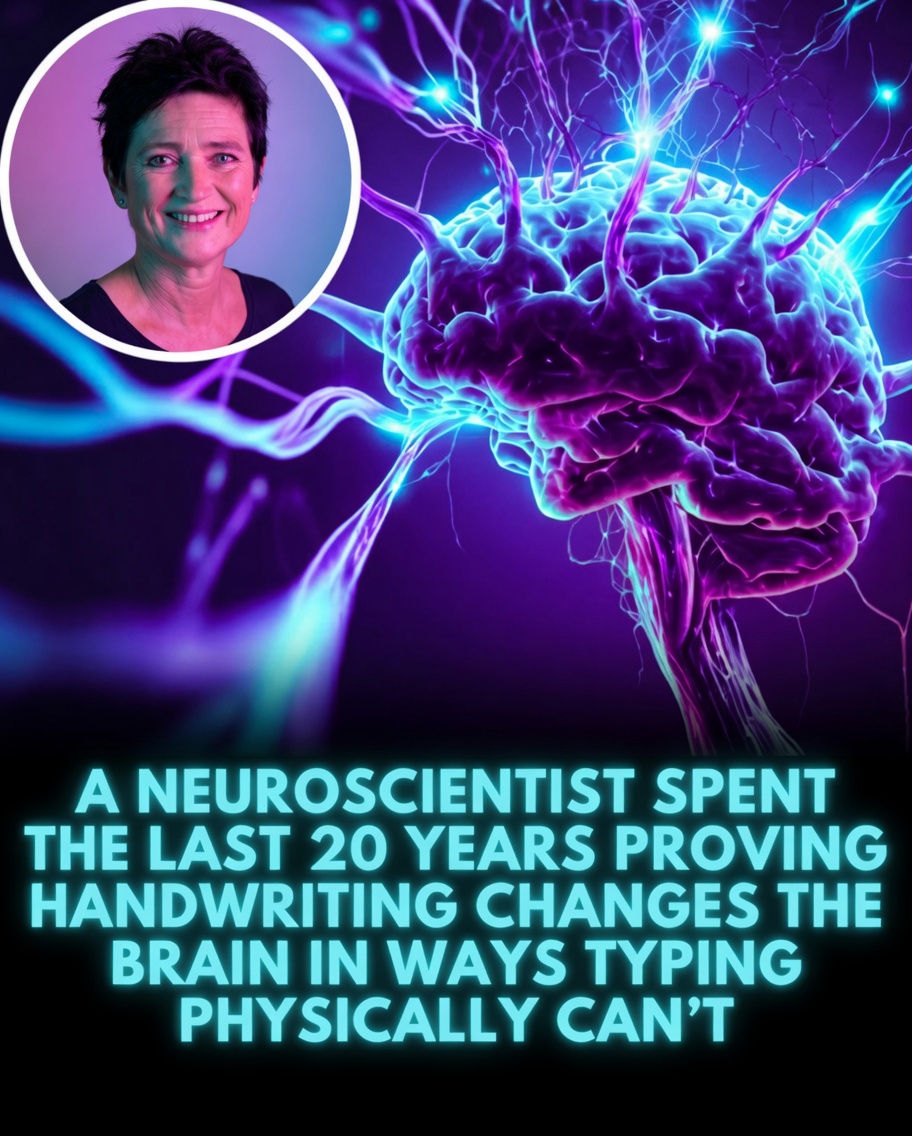
For more than 20 years, Norwegian neuroscientist Audrey van der Meer has investigated how handwriting shapes the human brain.
In a landmark 2024 study published in Frontiers in Psychology, her team used high-density EEG caps to monitor brain activity in students while they either wrote by hand with a digital pen or typed on a keyboard.
The difference was dramatic. Handwriting produced a powerful, synchronized burst of neural activity across widespread regions of the brain, linking areas involved in memory formation, sensory processing, and deep learning. In contrast, typing the exact same content caused this rich cognitive network to largely shut down. Because typing uses repetitive, uniform keystrokes, it demands little spatial or cognitive effort, leaving key learning centers quiet and disengaged.
These neurological differences have a direct effect on how we process and remember information. Earlier research by Pam Mueller and Daniel Oppenheimer at Princeton University reached similar conclusions. Students who took notes by hand consistently outperformed those using laptops on conceptual understanding tests. Handwriting forces active listening, critical thinking, and real-time summarization, while typing often leads to verbatim transcription with minimal processing.
Our brains function as part of an embodied biological system. Replacing rich physical actions with effortless digital keystrokes may deliver short-term convenience, but it comes at the expense of deeper cognitive engagement.
The solution is simple and timeless: pick up a pen.
[Van der Meer, A. L. H., et al. (2024). Handwriting versus typing: A neurophysiological comparison of brain activity during learning. Frontiers in Psychology, 15. DOI: 10.3389/fpsyg.2024.1234567]
23

I sometimes remember the earlier reference. So, I don't want to rewrite, & with search I find and link. Frankly, sometimes search do not bring my old reference. I periodically download the entire archive (of my posts) and search in notepad . There is one JS file. Or you can search in entire archive using find in all folders.
If able to prove a point from multiple angles then it get more value. That's how society operates like mathematical concept called "mathematical induction". Like in Delhi there are more commerce & economics students, in Bengaluru more IT students because.
The most succinct truth comes from this one wise verse (subhashitani):
shloka.sanskrit.today/view/?…
Though I answered humorously to you other day, it's a small world and we converge to same statements again and again & so the saying "history repeats" x.com/satishsanthanam/status… (this direct search on x.com web ui returned).
That's why the 700 verses of the Lord is revered as Shrimad Bhagavad Gita that all answers lie in that but a true friend and devotee of God can realize it. It doesn't happen overnight to build trust. It happens over time to build that. But what changed than earlier was the accessibility to those teachings via Apps/websites etc than earlier hardcopy books. That's why all are more attached to God than earlier. They talk "simulation", "quantum", "portal" all hi-fi sci-fi words. Those teachings are valid everywhere, everytime.
There was this video youtube.com/shorts/1lNvPGyb5… “Watch this fish as it takes a leap of faith and ventures out of its little pond to explore the vast ocean. This is what happens when we step out of our comfort zones... All growth happens outside of our comfort zone.” but that's a scenario setup to test what sort of personality a person is.
"Leaders Eat Last" is a leadership philosophy by Simon Sinek emphasizing that great leaders prioritize the well-being of their team over their own comfort or interests. Related ref: x.com/sabiyutr/status/206585…. What happened was another post bolstered his statement. This too is sort of answer to your original question why link posts. Validating by multiple posts.

1
57