Caroline Lanfranchi retweeted

Jun 15
Hatless Rory at Shinny, hitting low bullets into the wind.
Let’s the games begin….
 DP World Tour
5
12
440
184,675

I have a hatless head
You have a hat
Let’s meet in the middle💕
10

1: Their uniforms were already altered, by adding the Diversity BS
2: I'm 99% sure they were either misinformed, or lying to you
Because the other guy went hatless
Unless someone has a picture showing a player wearing a normal hat, the claim they could should be disbelieved
2
95


✩°。⋆ Cherry!Chain! ⋆。°✩ retweeted

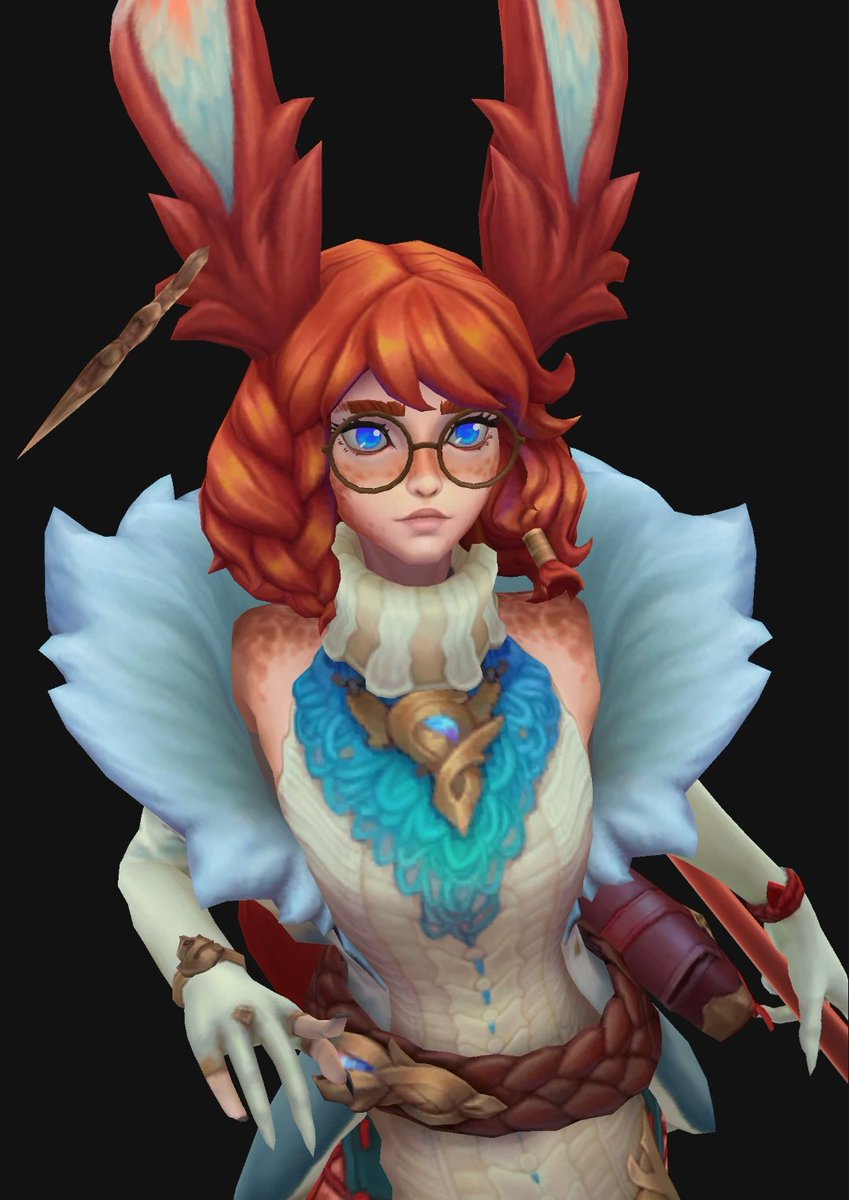
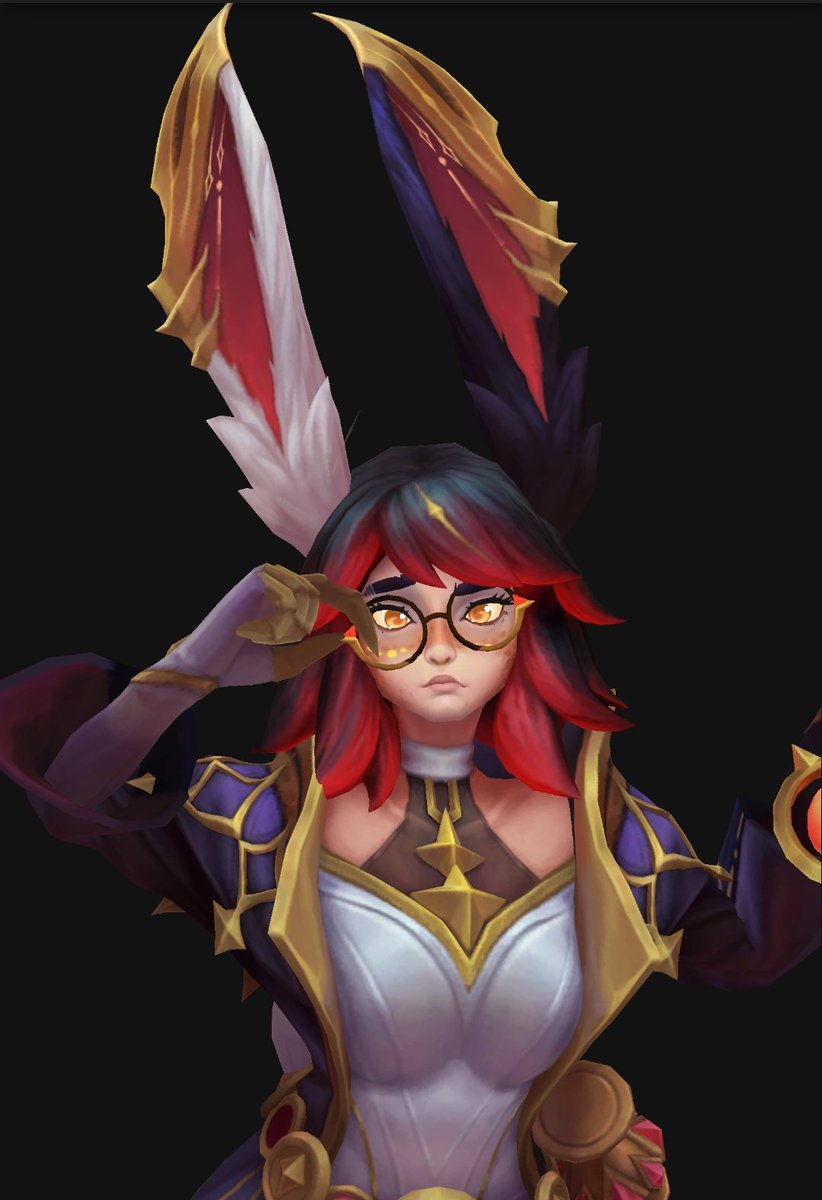
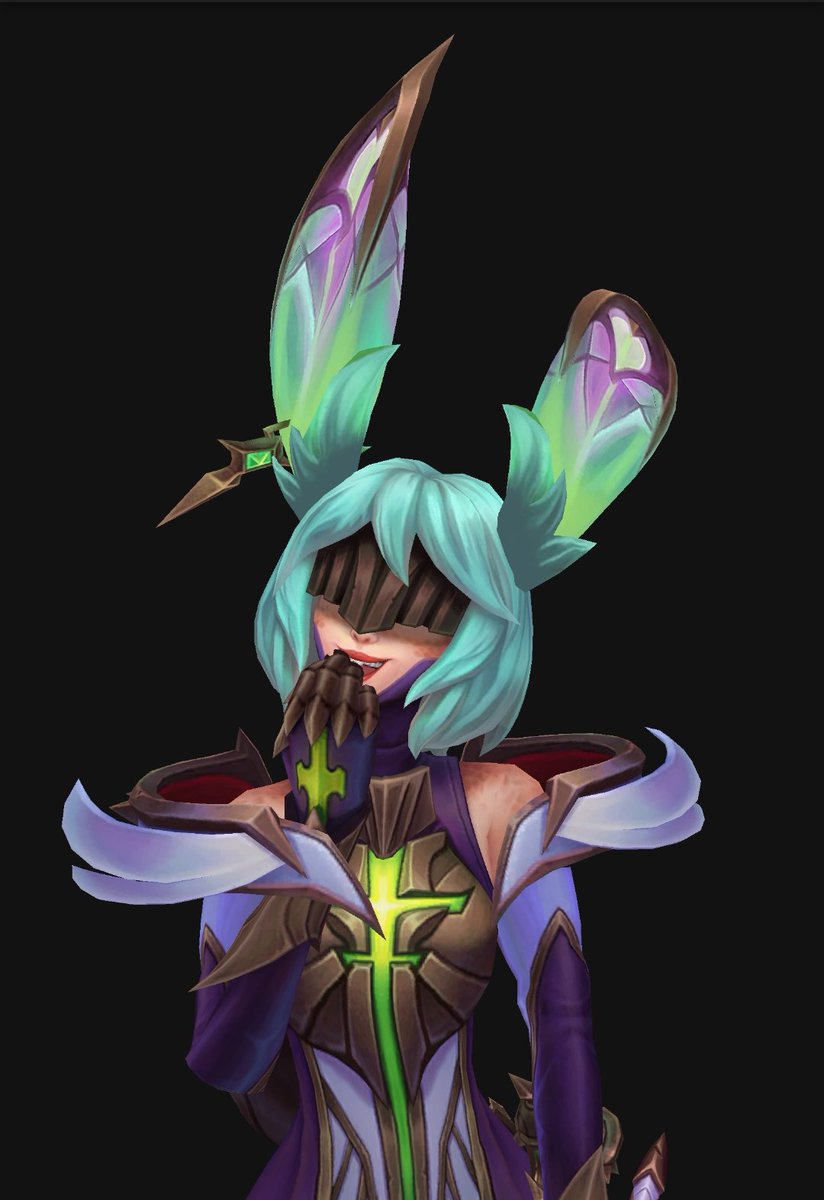
Anyway it's eepy time. Have some hatless Aurora ^_^

2
9
135
1,240

She wears skin-tight dresses during pregnancy and after its birth she wears the widest dress she can find 😆
Although I now believe she carried a moon bump and wore the tight stuff to keep it in place, here she is on her 1st outing after birth with her tent/dress. Hatless baby 😖
1
2
38

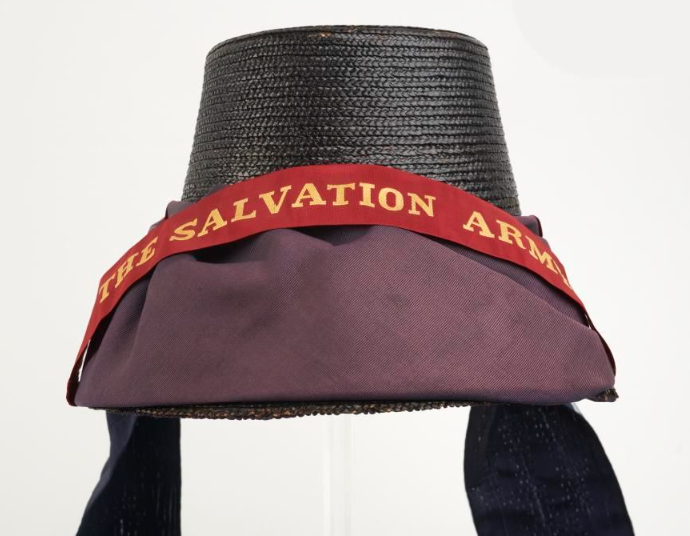
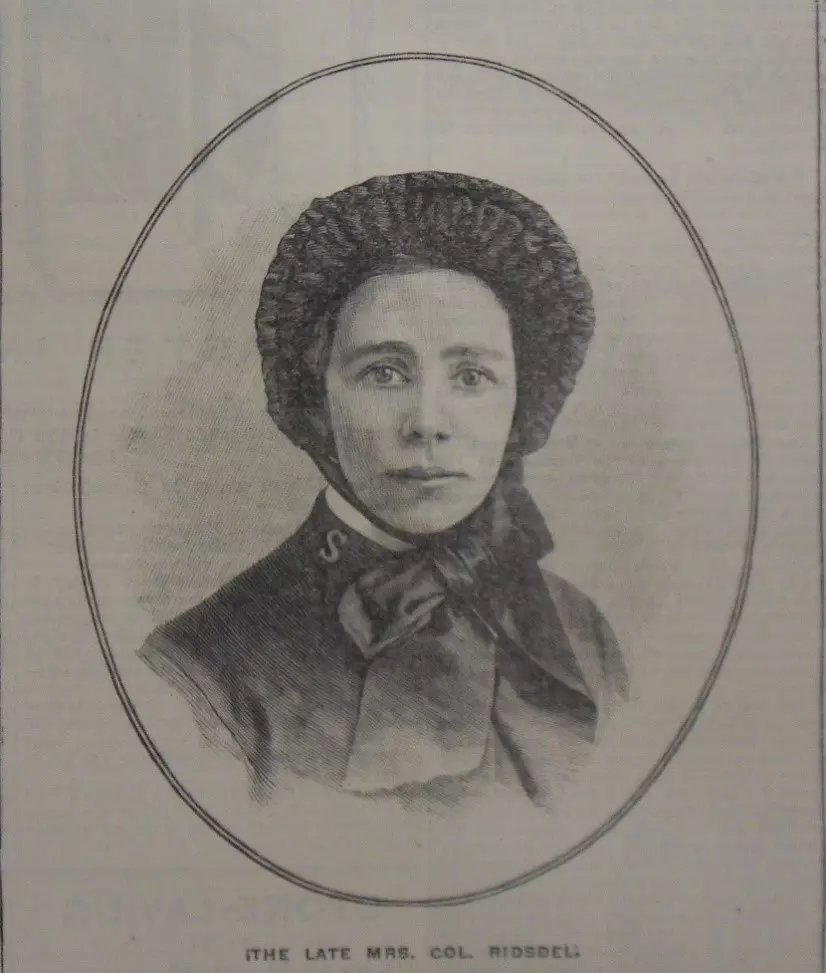
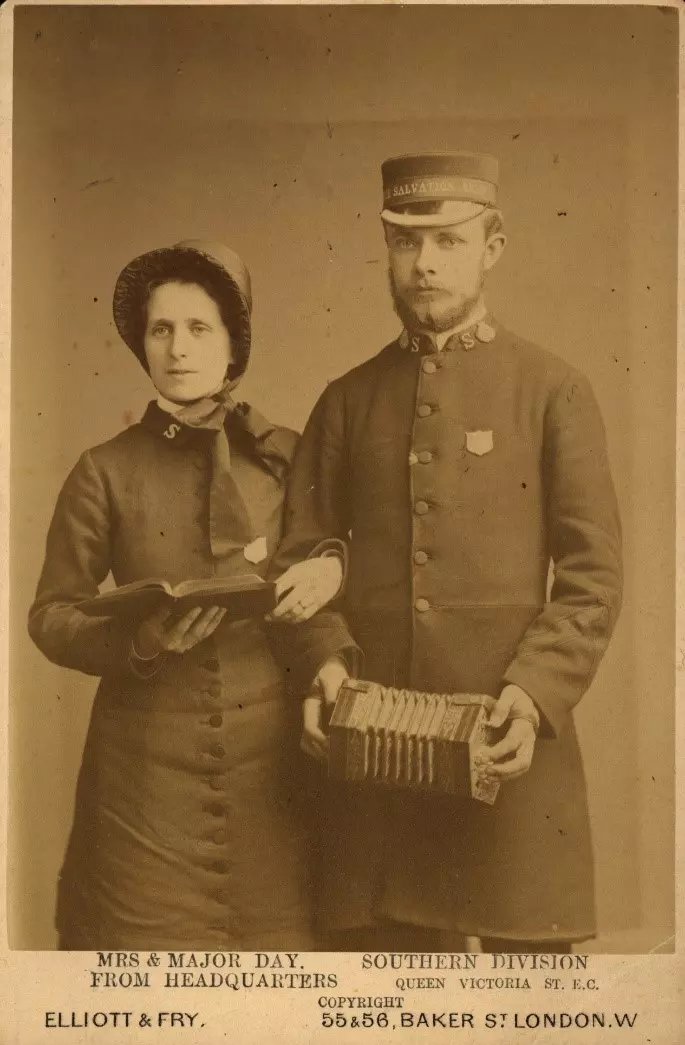
On This Day, 16th June, 1880: The distinctive Salvation Army ladies' bonnets (often called "Hallelujah bonnets") were first worn publicly.
A group of women Salvationists marched in procession through London's East End; from the Hackney area (near the training college) to Whitechapel, wearing the new uniform headgear for the first time. This event coincided with William and Catherine Booth’s silver wedding anniversary (they had married on June 16th, 1855).
Catherine Booth (co-founder with her husband William) played a key role in designing the bonnet, collaborating with a milliner cadet named Annie E. Lockwood at the Hackney training college. The goal was a practical, affordable, distinctive, and protective item: straw construction (often trimmed with silk or ribbon), stiffened for durability, with a poke-bonnet-style brim large enough to shield the head from cold weather and missiles (such as stones or other objects thrown by hostile crowds during open-air meetings).
Early versions had blue ribbon (later standardised to black), and a red ribbon with "The Salvation Army" in gold letters was sometimes added. The bonnet symbolised the Army’s military-style organisation (adopted in 1878) and the commitment of its "hallelujah lassies" to street evangelism amid opposition from groups like the Skeleton Army.
It became an iconic part of the female uniform, worn by most female officers and soldiers in Western countries until it was gradually phased out starting in the late 1960s. A navy blue felt hat introduced in the 1970's (bowler or similar style) may be worn for outdoor events, marches, or formal occasions, but many women go hatless. It is no longer required as part of the Women's Uniform in most Western countries.
The bonnet remains a powerful symbol of the Army’s early history of bold, practical faith in action.

2
10
156

Why are the officers in the crowd hatless? Their caps is what makes them stand out in a crowd. And for their own safety if the crowd gets a bit rowdy.
1
1
130
mackymacky retweeted

Jun 15
It’s so windy at Shinnecock hatless Rory has made an appearance
DP World Tour
3
1
313
21,328


8
898
7,033
42,462