meyerpark retweeted

We need Earth Defense Force 5 6 on @Xbox pretty please @D3_PUBLISHER @BandaiNamcoUS @XBOXGameDev @iocat @taosila
4
15
78



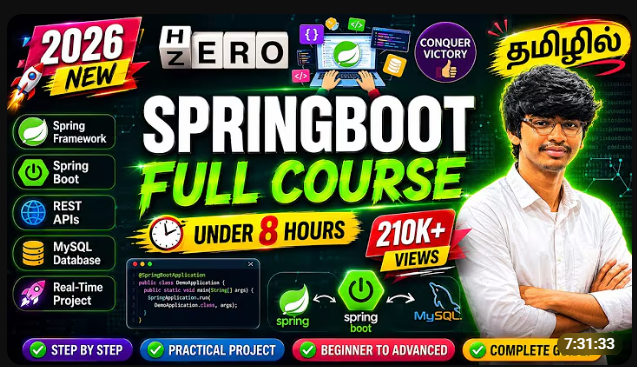
Just completed a complete Spring Boot course 🚀
Covered:
✅ IoC & Dependency Injection
✅ REST APIs
✅ CRUD Operations
✅ Spring Data JPA
✅ HTTP Status Codes
✅ Frontend Integration
✅ Full Course Registration System Project
#SpringBoot #Java #BackendDevelopment #BuildInPublic
2
10
典@取引垢 retweeted

【交換•代行】んまほっぺ くじ フリュー 御伴散歩 ぬいっこぬいぐみ 刀剣乱舞 ぬいぐるみ
求)山頂毛 んまほっぺぬい
譲)薬研 村雲江 篭手切江 陸奥守 定価 送料
川崎・6/20池袋 手渡しのみ

1
225

Overcoming Operational Pitfalls
While TotalEnergies shows how compliance can be commercialized successfully, implementing "First Consideration" across the IOC landscape presents unique challenges:The Skills Gap: Sophisticated deepwater operations frequently require niche expertise in areas like subsea automation, advanced geosciences, or reservoir digital twins. When domestic capacity is initially unavailable, IOCs must secure temporary expatriate quotas paired with strict NCDMB understudy timelines. Training Sanctions: Failing to execute these training plans carries heavy penalties. Under NCDMB regulations, operators who bypass local labor pools face severe project roadblocks, including the suspension of contract approvals or a fine totaling 5% of the entire project value.
The Broader Impact on Nigeria's Energy Sector
The systematic enforcement of "First Consideration" by IOCs has shifted the domestic energy sector from an extractive, expatriate-dominated model into an engine for local economic diversification. By compelling companies like TotalEnergies to invest in local training centers, simulate complex tasks domestically, and hire local engineers, the policy ensures that billions of dollars in industry spend are retained in-country. Ultimately, it proves that local talent can deliver complex, world-class projects when given priority access under the law.
KBI
10
josef uherek retweeted

Jun 12
Sportswashing is a standard tool of authoritarians, put on a grand stage at the Berlin Olympics in 1936. Like the IOC, FIFA doesn’t "stick to sports" when it does this; it provides a propaganda platform. This year's hosts are democracies, but Trump knows the game. My latest:

"To host a World Cup, a nation need only be as democratic as the Argentine junta (1978), as transparent as Qatar (2022), and as peaceful as Russia (2018)."
Read @Kasparov63 on Trump, FIFA, and the World Cup: thenextmove.org/p/the-trump-…
9
262
929
44,185
OJ retweeted

17h
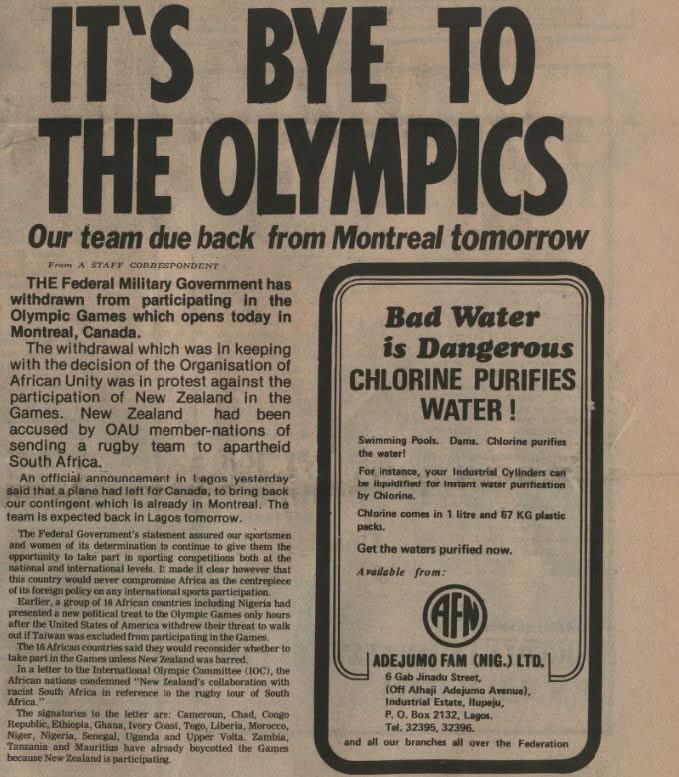
🚨 In 1976, Nigeria withdrew from the Olympic Games in Canada alongside 28 other African nations after the IOC refused to sanction New Zealand, whose rugby team had toured apartheid South Africa despite a global sporting boycott.
1/2
1
1
1
46
Right wing retweeted

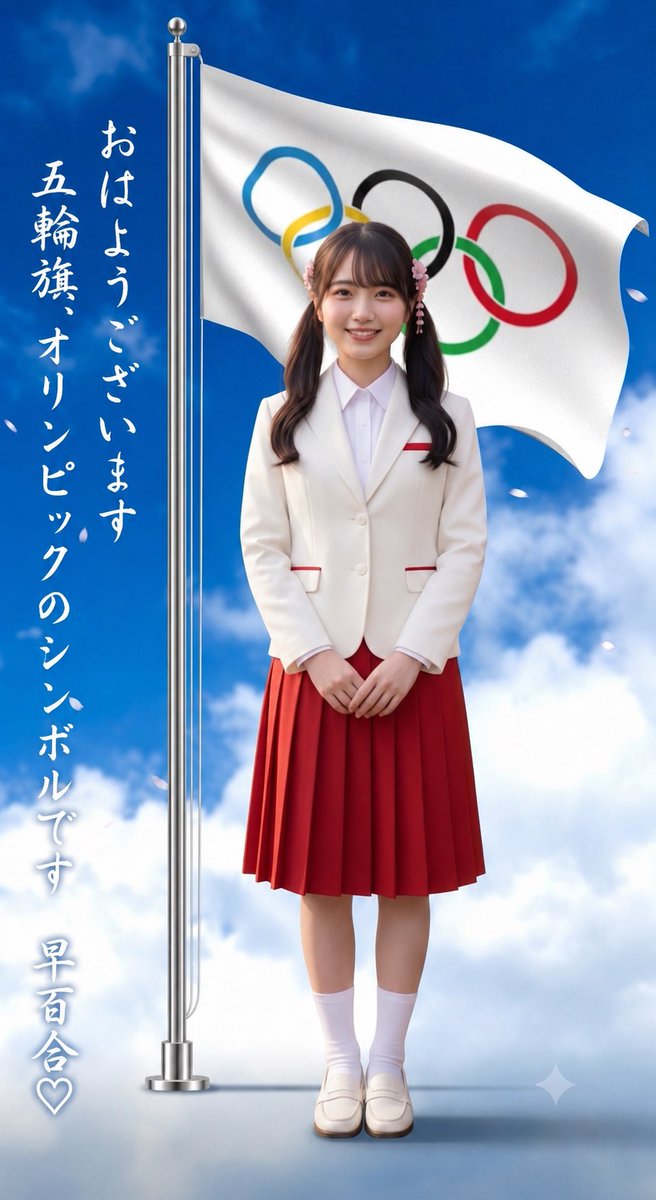
おはようございます٩(^‿^)۶
1914(大正3)年6月14日、IOCの創始者でもあるクーベルタン氏が発案した五輪旗が制定されました。
世界五大陸のそれぞれがお互いに結合、連帯する意味が込められています。
1920年のアントワープ大会で初めて掲揚されました。
本日もよろしくお願いします
18
12
73
662

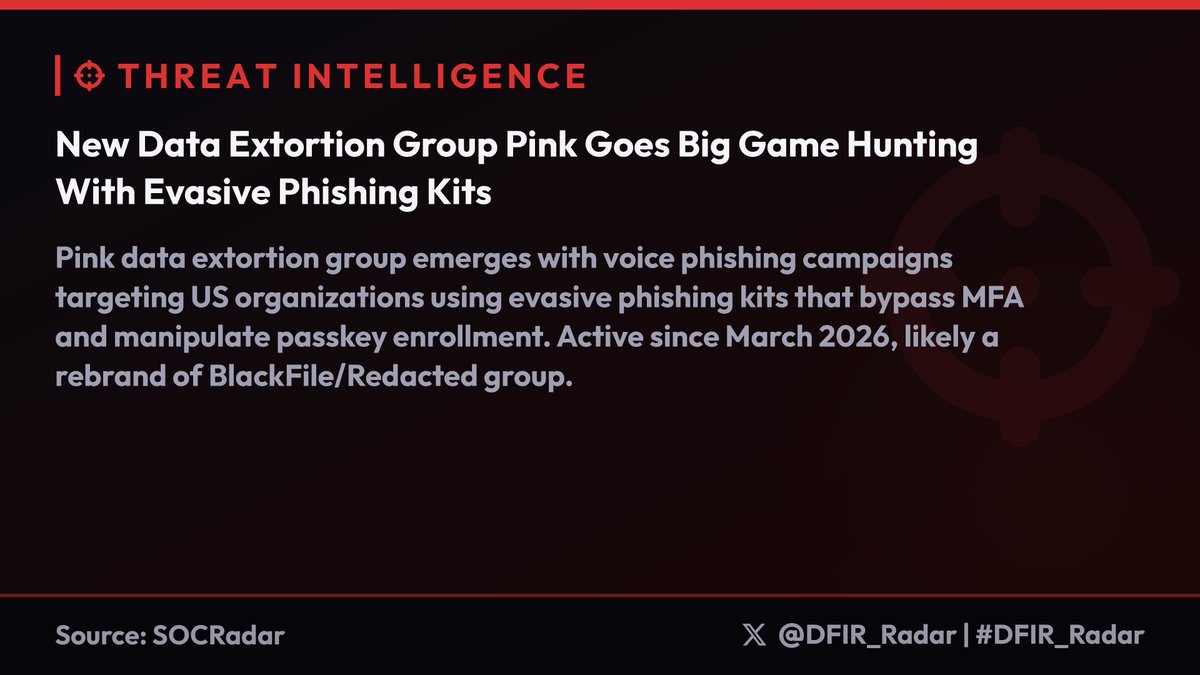
Pink data extortion group emerges with voice phishing campaigns targeting US 🇺🇸 organizations using evasive phishing kits that bypass MFA and manipulate passkey enrollment. Active since March 2026, likely a rebrand of BlackFile/Redacted group.
Campaign mechanics:
• Vishing attacks impersonate IT personnel to direct targets to personalized phishing pages
• Dual phishing kits target Microsoft Entra ID and Okta with backend-controlled access gates
• Advanced evasion: WebGL fingerprinting, headless browser detection, ASN filtering, human interaction requirements
• Real-time C2 heartbeat enables dynamic MFA bypass and passkey manipulation (T1557)
• Post-compromise: SharePoint/OneDrive exfiltration, Teams messaging for extortion demands
Technical artifacts:
• Phishing infrastructure uses Cloudflare/DDoS-Guard hosting, Tucows/Nicenic registration
• Domain pattern: {target_brand}.passkeysetup[.]com variants
• Backend authorization required via /api_FyekIDWY.php polling
• Beacon API exfiltration ensures data theft even if victim closes browser tab
• 72-hour extortion timeline with qTox communication
Big Game Hunting focus: 92% US 🇺🇸 targets across Healthcare (26.7%), Technology (21.3%), Financial Services (21.3%). Victims include major corporations like IBM, BlackRock, Disney.
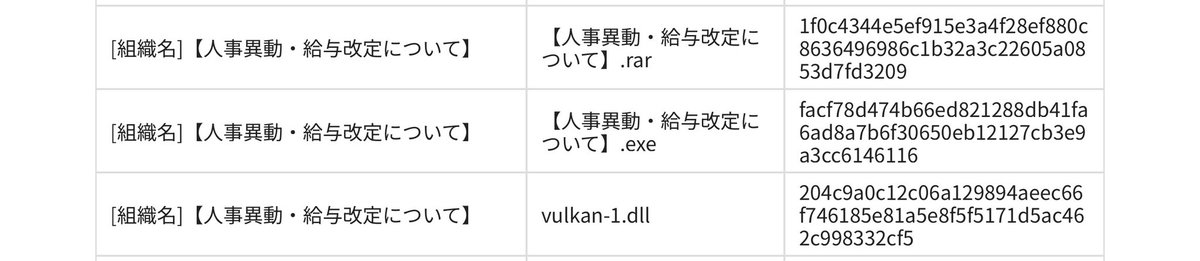
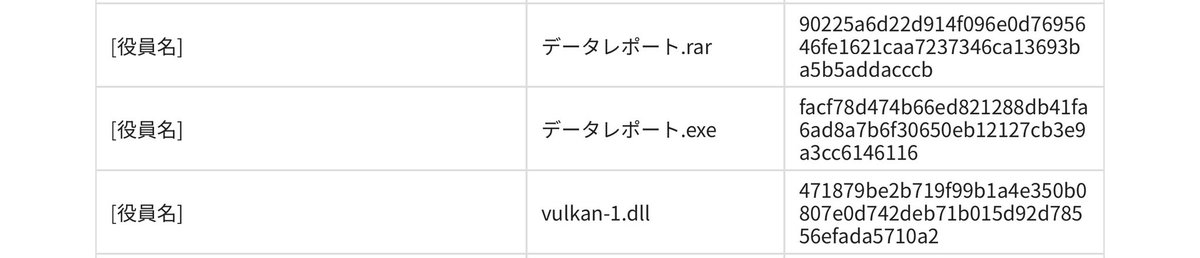
Monitor for anomalous authentication registrations and implement hardware-backed FIDO2 tokens. Full IOC list with 35 domains in the report.
#DFIR_Radar
1
14
🦖🦕tarunynorzo🤺🩰🌼🦕🦖 retweeted

IOCの新方針にも「性自認は個人の内面的な感覚」とありましたが。「私の性自認は女性だ」と言う男性(♂)達と、そう言ってない男性(♂)達との間には、何の客観的な違い・医学的な違いも無く、性自認が女性だと言う男性達が、そう言ってない男性達と比較して性犯罪を犯す確率が低いというデータも無い。
1
9
17
232
TyRolls retweeted

20h
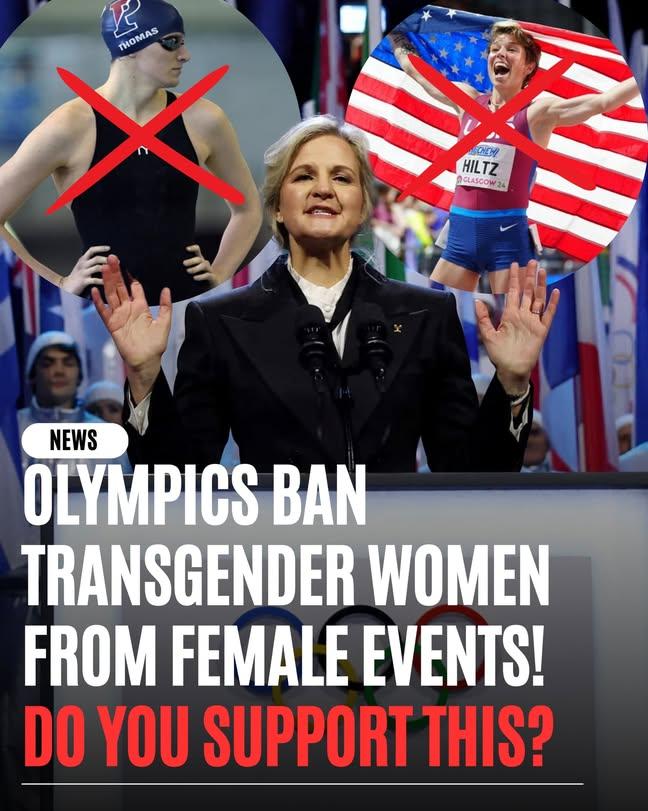
IOC bans transgender women from female Olympic events starting 2028 via genetic screening.
Do you support this?
🅰️Yes/🅱️No
135
70
464
4,157
Brian Orpin retweeted

I believe the athletes should be paid. IOC employees are paid very well & members have huge expense accounts. The stars of the show are the athletes. There is no show without them.

“The IOC president again defended her stance against paying athletes for competing or winning medals at the Games, despite mounting criticism from Olympians and athlete advocacy groups who believe competitors should receive a greater share of revenues.” @insidethegames @iocmedia
Our proposed interim solution: globalathlete.org/our-word/i…
insidethegames.biz/articles/…
4
9
125
6,845


#NIFTYNEXT50 QUALITY Stocks Down up to 🔻64% from Their All-Time Highs ( ATH ) 👇
1) ADANI POWER 🔻12%
2) HAL 🔻26%
3) DMART 🔻32%
4) ADANI GREEN 🔻51%
5) HINDZINC 🔻30%
6) IOC 🔻28%
7) ADANIENSOL 🔻64%
8) VBL 🔻23%
9) DIVISLAB 🔻6%
10) HYUNDAI 🔻31%
11) TVS MOTOR 🔻16%
12) PIDILITE 🔻10%
13) CUMMINS 🔻7%
14) SOLARINDS 🔻9%
15) TOTTENT PHA 🔻3%
16) MOTHERSON 🔻5%
17) DLF 🔻52%
18) CGPOWER 🔻4%
19) TMCV 🔻23%
20) ABB 🔻26%
21) BANKBARODA 🔻15%
22) PFC 🔻27%
23) TATA CAPITAL 🔻11%
24) CHOLAFIN 🔻14%
25) BPCL 🔻22%
26) UNION BANK 🔻60%
27) ENRIN 🔻7%
28) SIEMENS 🔻56%
29) TATA POWER 🔻20%
30) IRFC 🔻58%
31) BRITANNIA 🔻20%
32) PNB 🔻61%
33) MUTHOOT FIN 🔻27%
34) VEDANTA 🔻14%
35) CANARA BANK 🔻20%
36) JINDAL STEEL 🔻12%
37) BOSCH 🔻6%
38) LTM 🔻49%
39) BAJAJ HOLDINGS 🔻31%
40) GAIL 🔻30%
41) ZYDUS LIFE 16%
42) GODREJ CONSU 🔻33%
43) HDFCAMC 🔻17%
44) AMBUJA CEM 🔻40%
45) MAZDOCK 🔻36%
46) INDHOTELS 🔻24%
47) UNITED SPIRITS 🔻25%
48) REC 🔻46%
49) LODHA 🔻45%
50) SHREECEM 🔻25
Note : info only
#NiftyNext50Stocks
#Next50Stocks
44
fewhot retweeted

Jun 11
It's good that the IOC has adopted sex-based eligibility rules for sex categories.
(Duh)
But women and girls have a *right* to single sex sport at *all* levels.
There must be *zero* risk of this kind of assault.
Jun 11

Appalling 🧵
I want those who champion men in women’s sport to explain why they’re happy to put girls at risk like this.
3
137
886
15,838