Tobi.AI retweeted

Jun 2
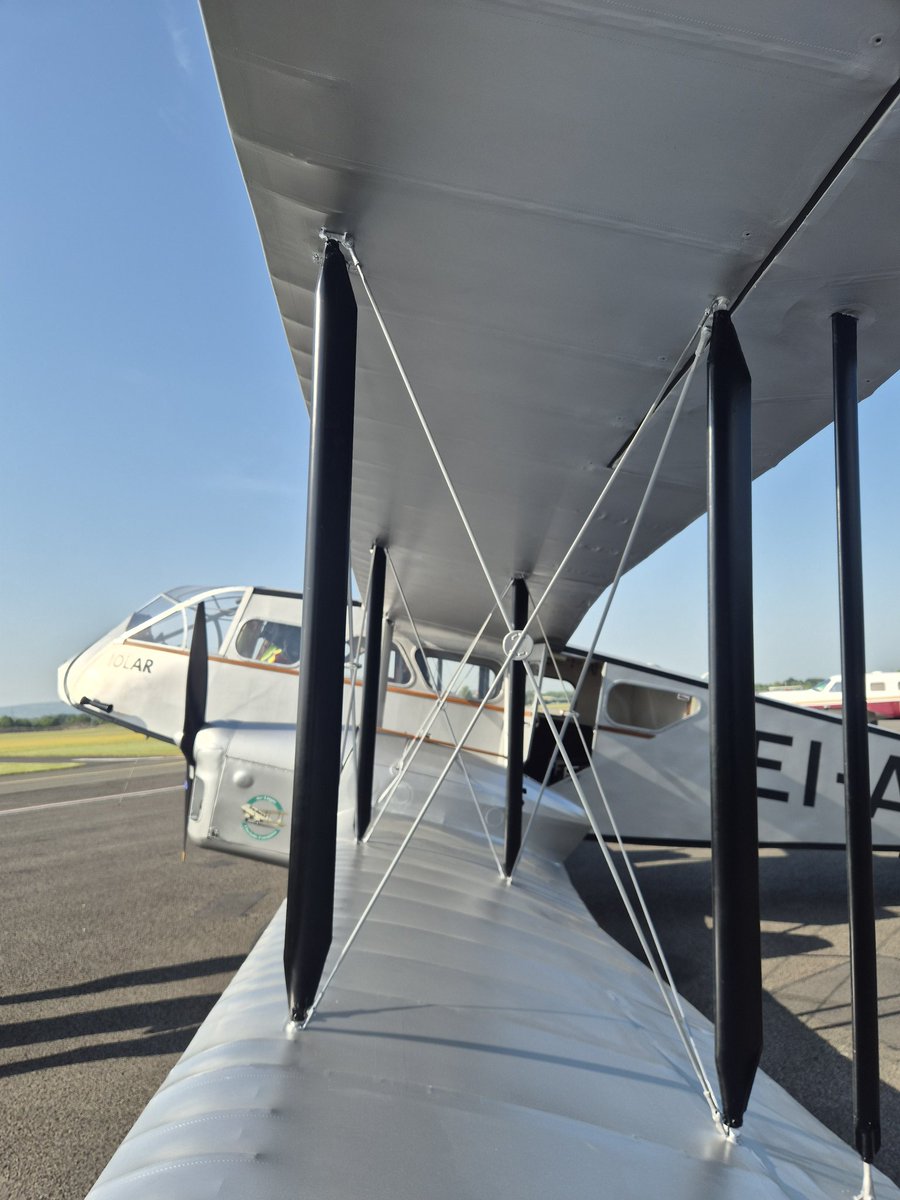
POV: take a tour inside Ireland’s oldest passenger plane!
✈️ Name = “Iolar”
👴 Age = 90 years young
💺 Seats = 6 (5 for passengers, 1 for the pilot)
💨 Propeller engines = 2
⛽️ Check the oil pressure? Look out the window!
@AerLingus
1
11
141
20,413

Lit solo 2 en X parece que nos acordamos que dijo que prefería*iolar un bebé que garchar con una señora mayor...entre otras "perlas".
24
916

Jun 10
Algun dia tenemos q hablar de xq a los policías les gusta tanto *iolar gente.. q es una materia obligatoria en la carrera o q

"Vimos personal masculino que le arrancaron la bombacha, le metieron escopeta en el trasero, la ahogaron en el agua porque no quiso besarles la bota. La abusaron, la violaron, por todos lados... como ya se imaginan", dicen desde la Unidad 51 de Magdalena. Al grito de #NiUnaMenos en las cácerles sus compañeras protestan para que alguien tome con seriedad este tipo de abusos. Además resaltaron que la víctima intentó suicidarse por los sucesivos abusos sexuales, torturas, que viene sufriendo.
1
74

#IWDnaG: Píoba réabtha ag cur isteach ar an soláthar uisce i Ard Mhin An Iolar, Doirí Beaga, Lunniagh, An Charraig, Gweedore Industrial Estate, Gaoth Dobhair agus ceantair áitiúla go dtí 9in inniu. Féach ar wtr.ie/DON00113537
178

x.com/EcofactEcology/status/… Golden Eagle (Aquila chrysaetos homeyeri) in Sierra Espuña Natural Park, Murcia, Spain in December 2025. The Irish name for the Golden Eagle is Iolar fírén, and this species was once native across upland parts of Ireland. It became extinct.
 Ecofact
6
17
368

Jun 4
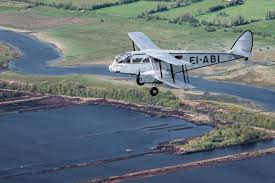
Iolar(águila en irlandés), el avión más antiguo de la aerolínea Irlandesa Aer Lingus volvió a surcar los cielos 90 años después de su primer vuelo. contactonews.co/noticias/151… #Aviación
1
2
88

Aer Lingus Marks 90th Anniversary by Returning Iolar to the Sky
flyinginireland.com/2026/05/…
#AvGeek #Aviation #FlyingInIreland
11
377

May 31
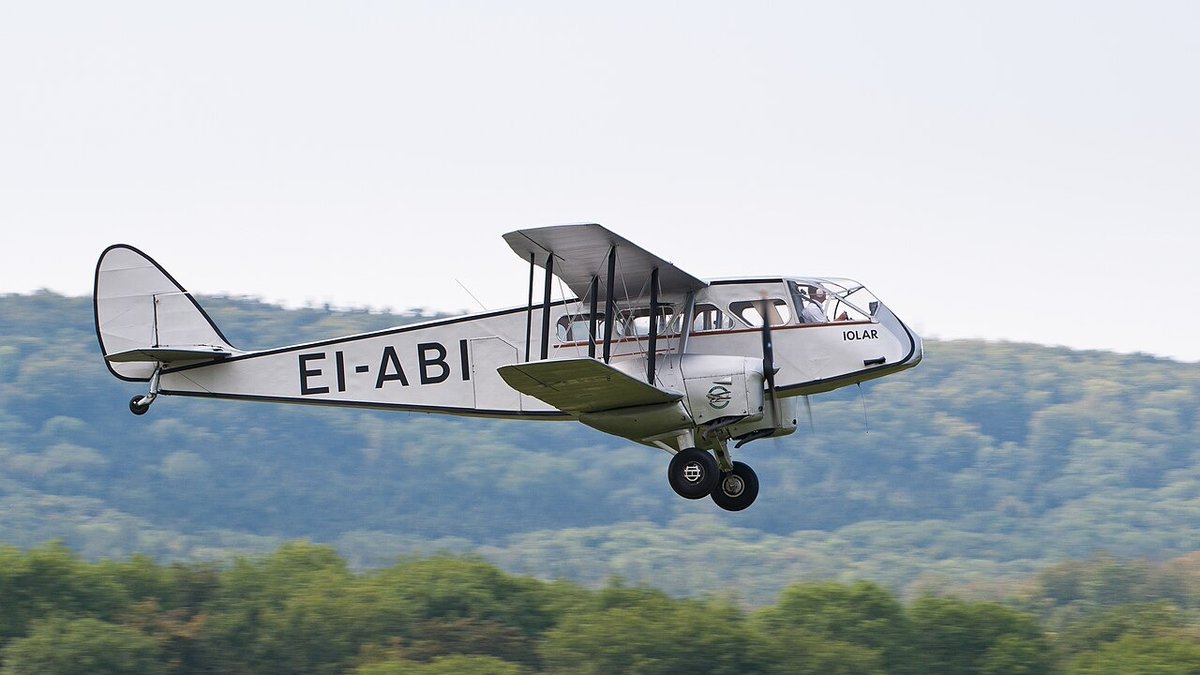
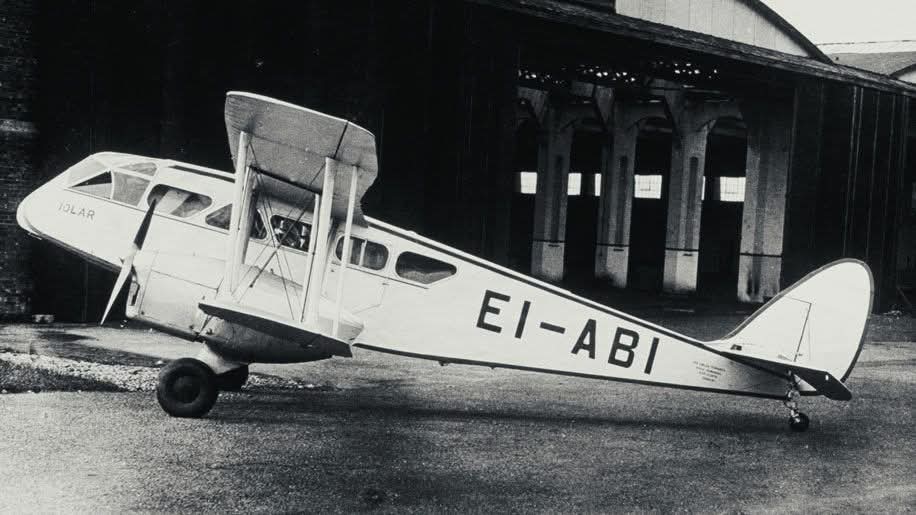
Aer Lingus (Aer Lingus Charitable Foundation) De Havilland DH-84 Dragon 2 Iolar (reg. EI-ABI, cn 6105, built in 1936).
1
4
67

May 30
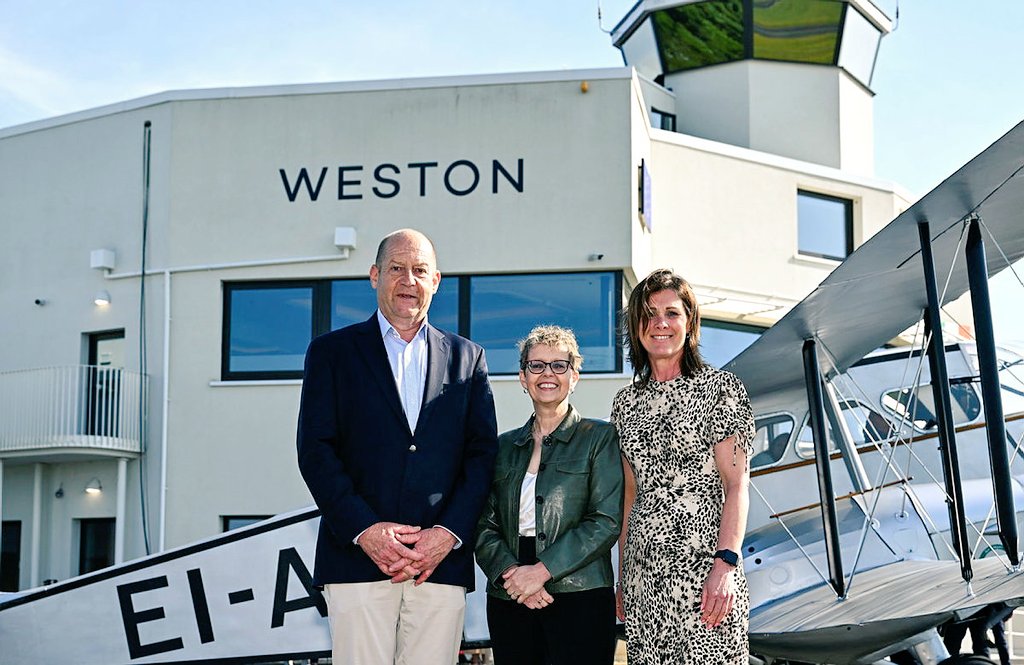
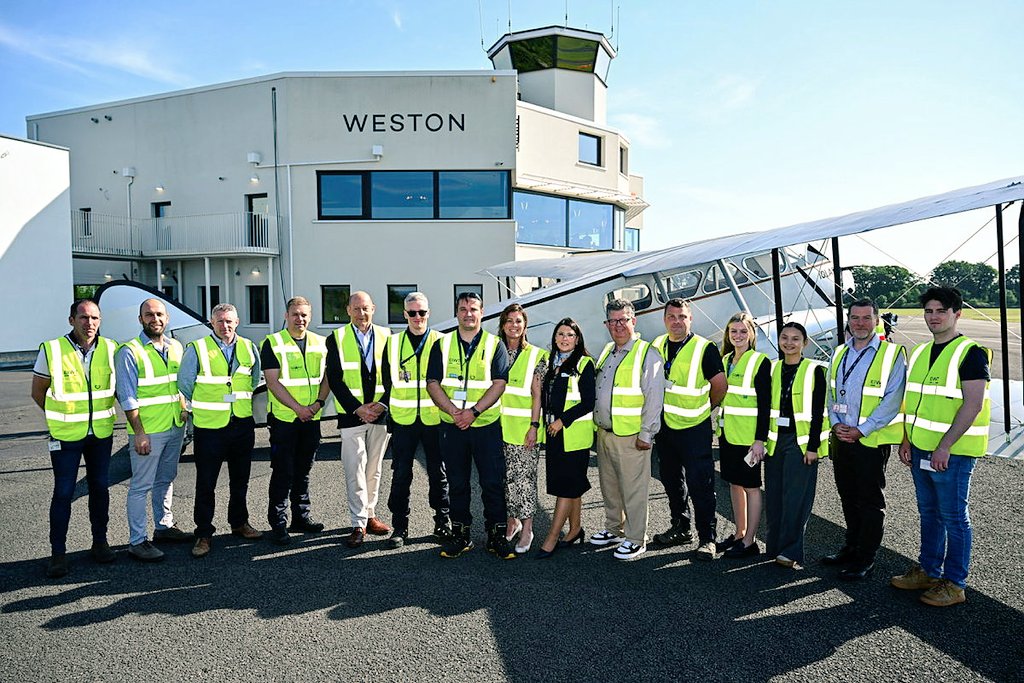
Pictured at the 90th anniversary of the inaugural Aer Lingus commercial flight this week at Weston Airport is Aer Lingus CEO, Lynne Embleton (centre) alongside Will Curtis, Weston CEO and Pamela Brooks, Weston COO.
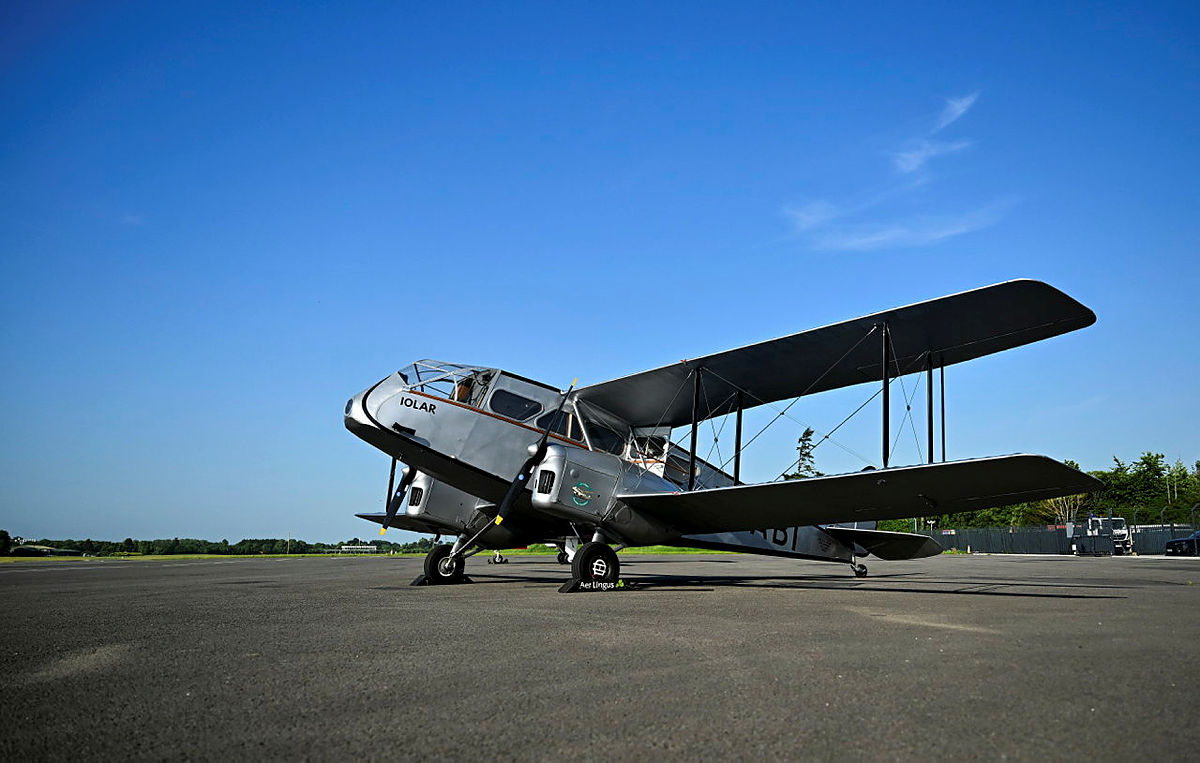
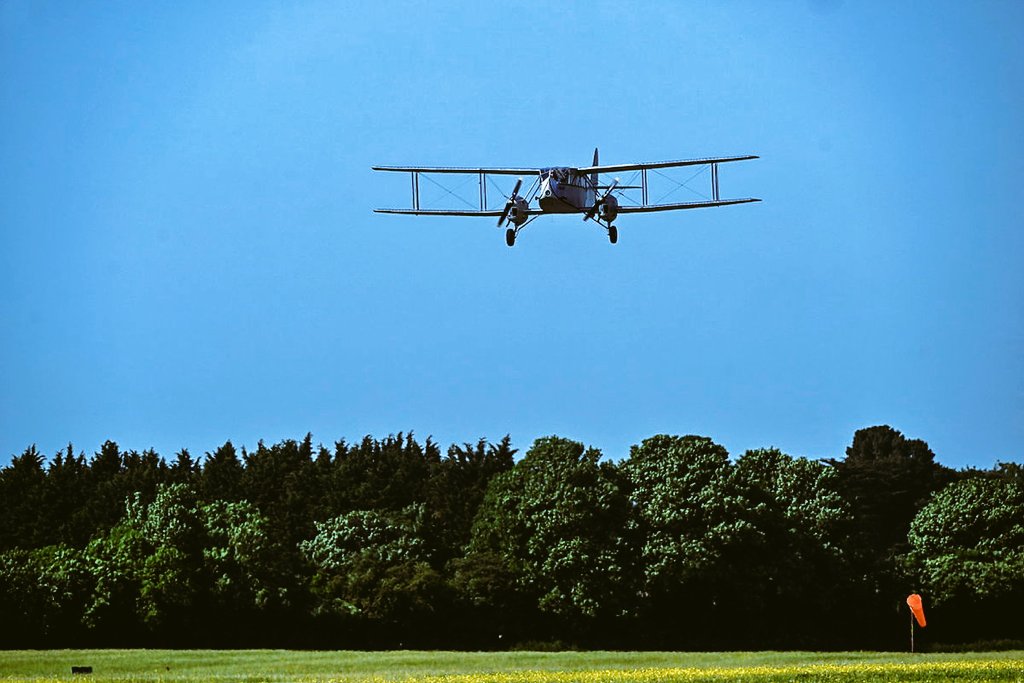
A historic day in Irish aviation, with the Iolar soaring again
5
38
1,932

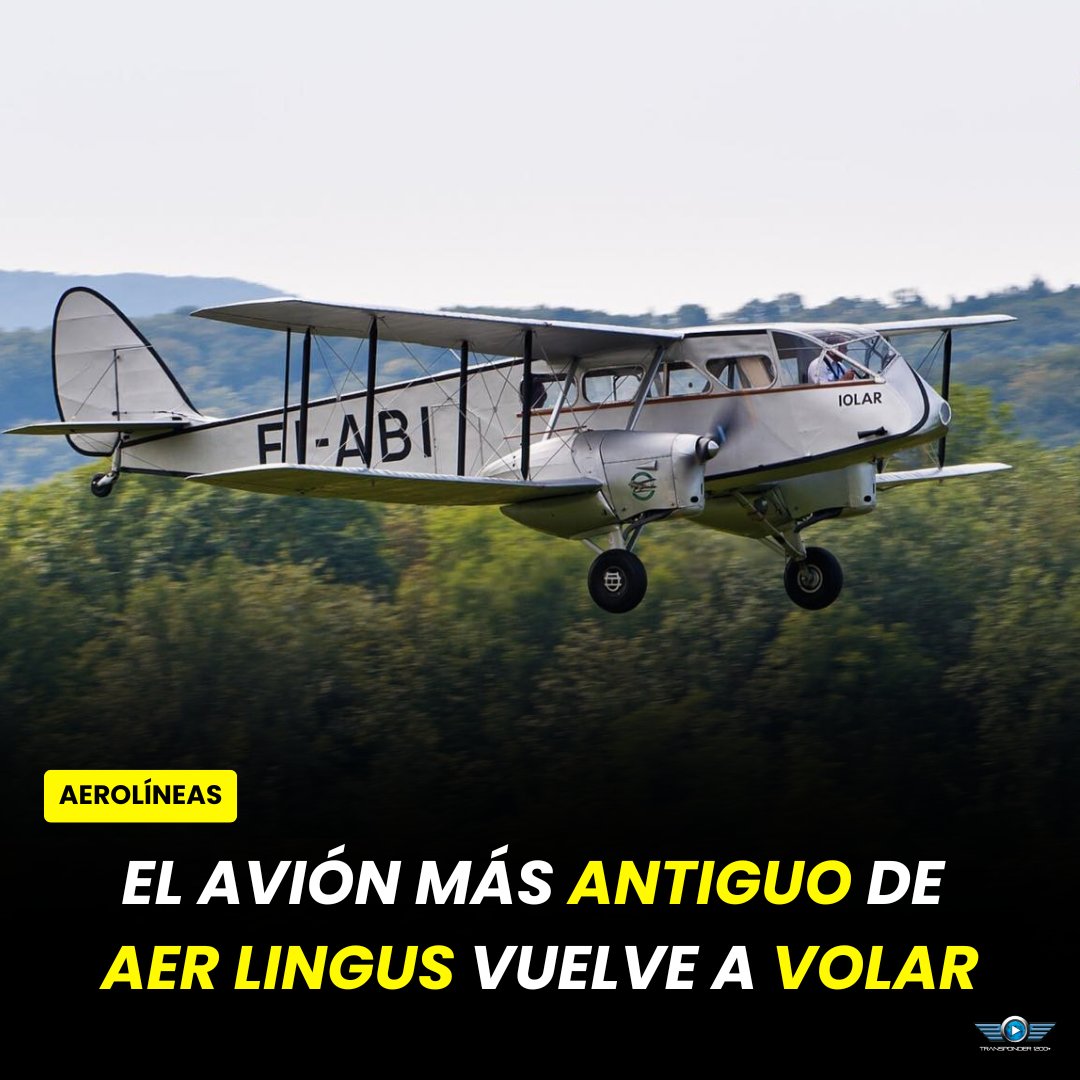
#AerLingus 🇮🇪 celebró 90 años con el regreso al cielo de #Iolar, su histórico EI-ABI, una de las pocas #DeHavilland DH.84 #Dragon que sobreviven. El avión de 1936 fue restaurado durante cuatro meses y voló de #Dublin a #Bristol 🇬🇧 para recrear la ruta inaugural de la aerolínea.
2
10
342

Aer Lingus’ restored Iolar recreated the airline’s first Dublin–Bristol flight, 90 years after its 1936 launch. airwaysmag.com/new-post/aer-…
3
20
1,845

May 27
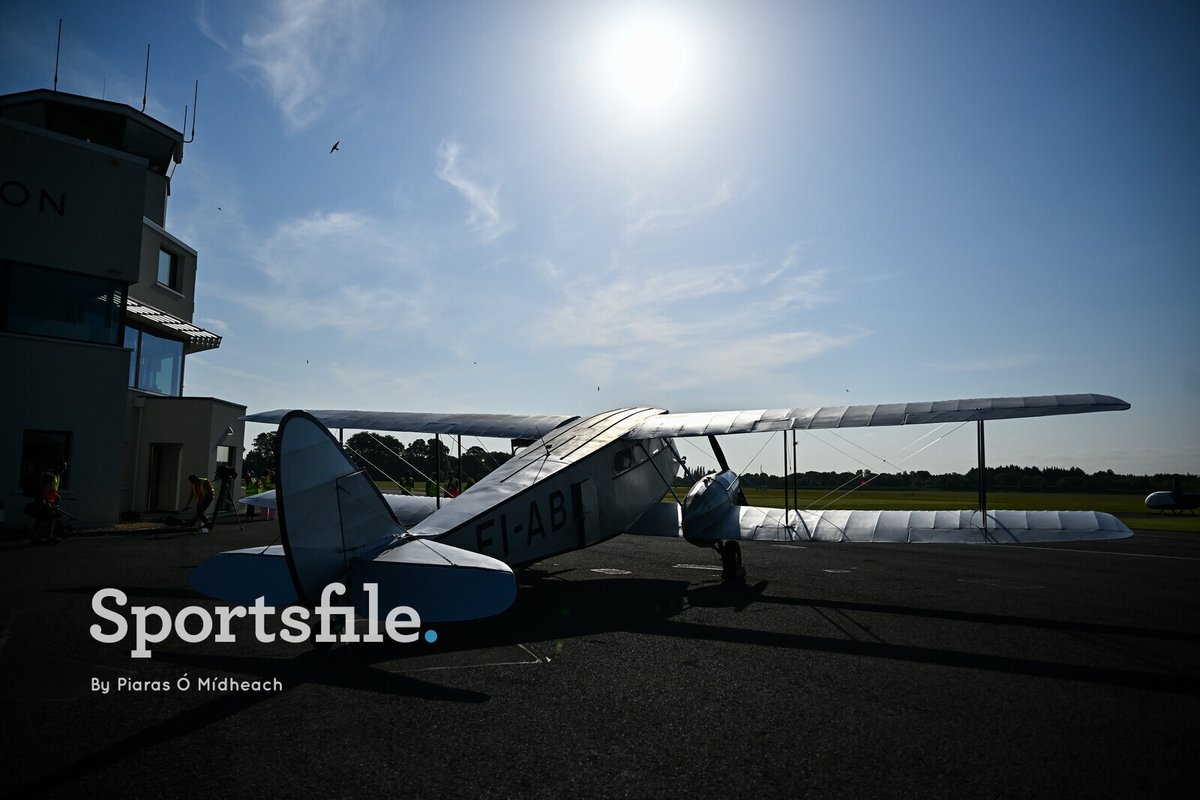
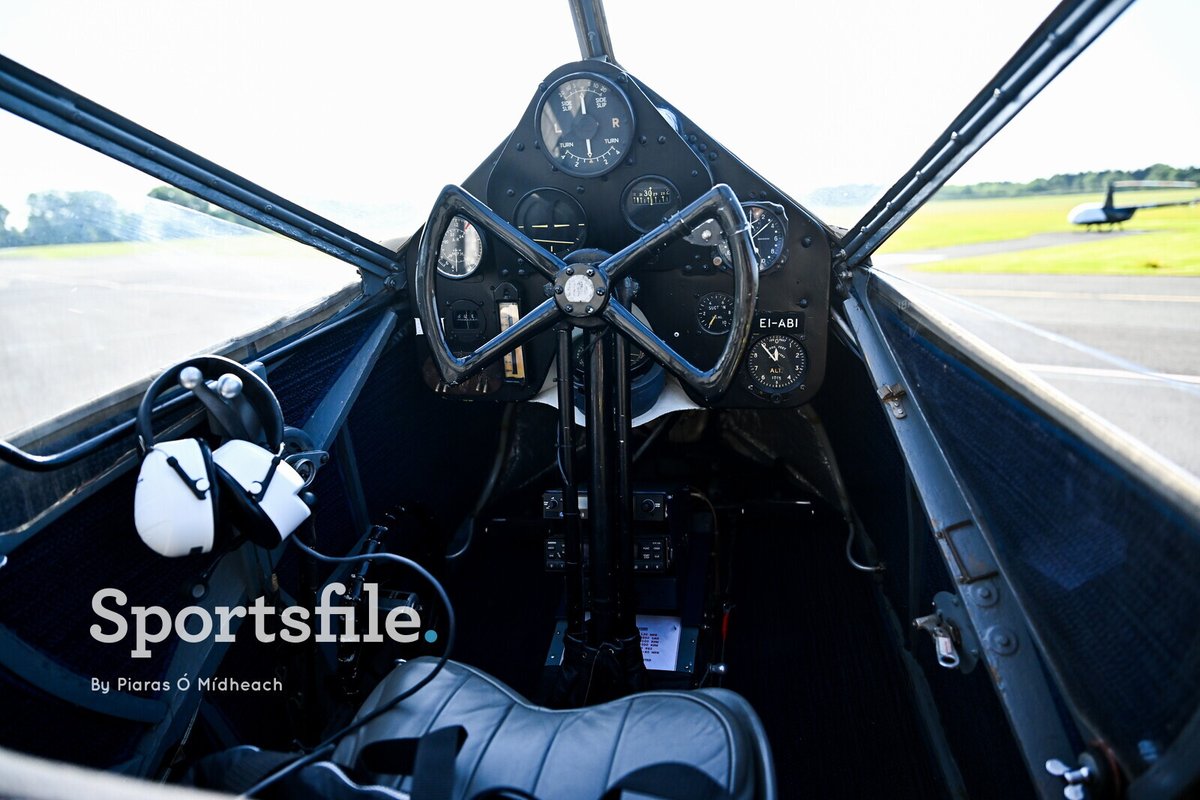
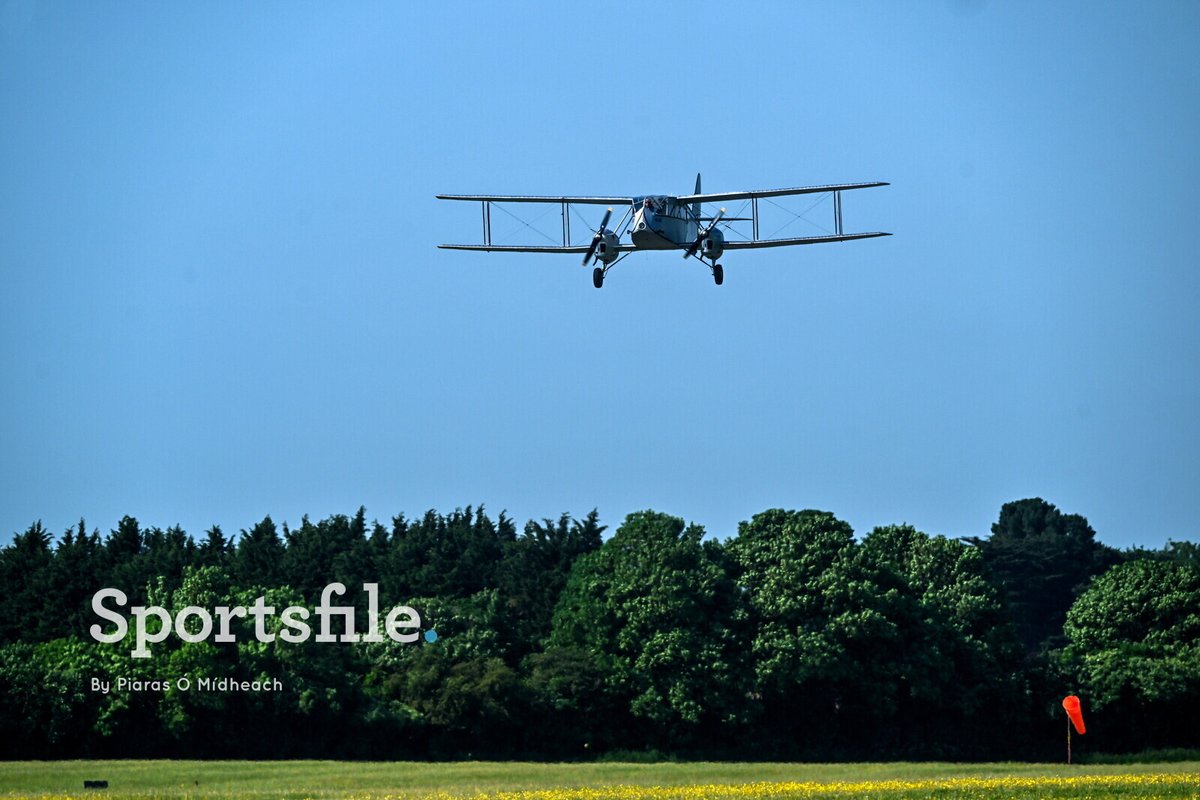
Growing up near @westonairport there was always plane spotting going on from the garden or on the drive home.
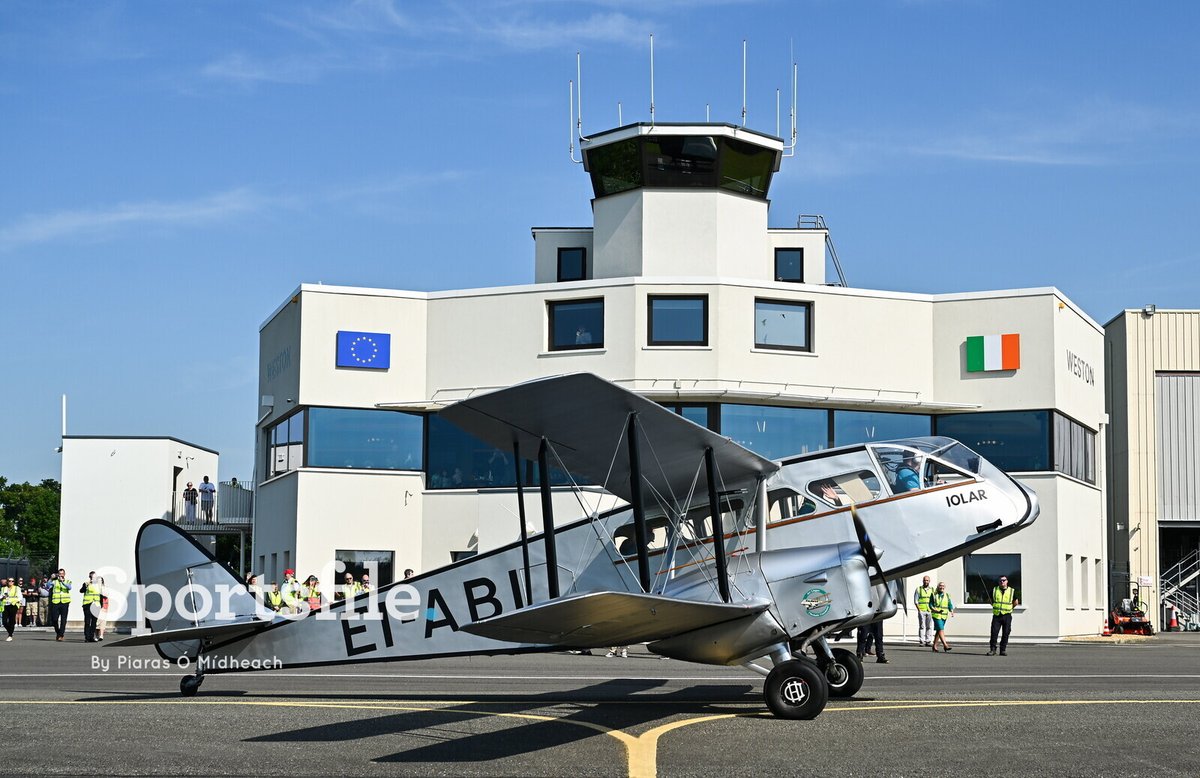
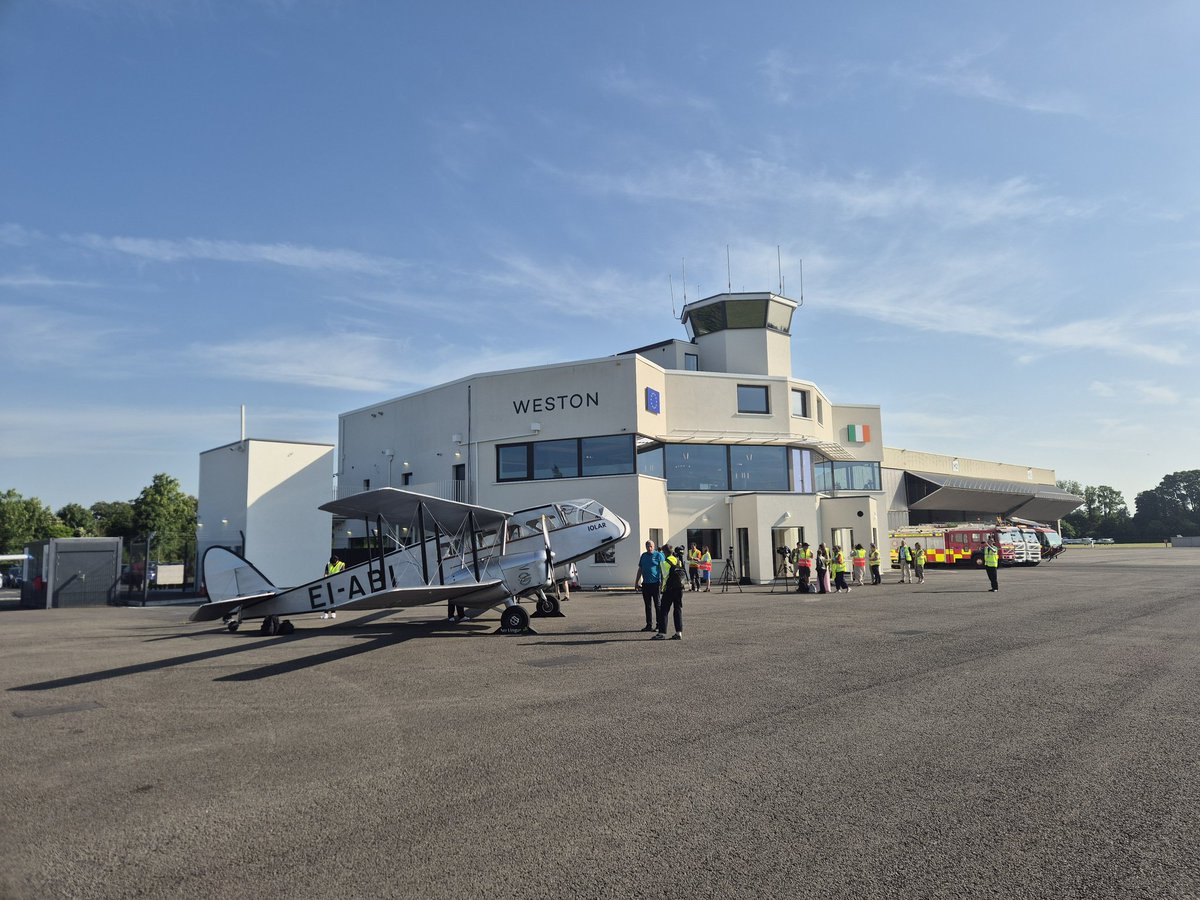
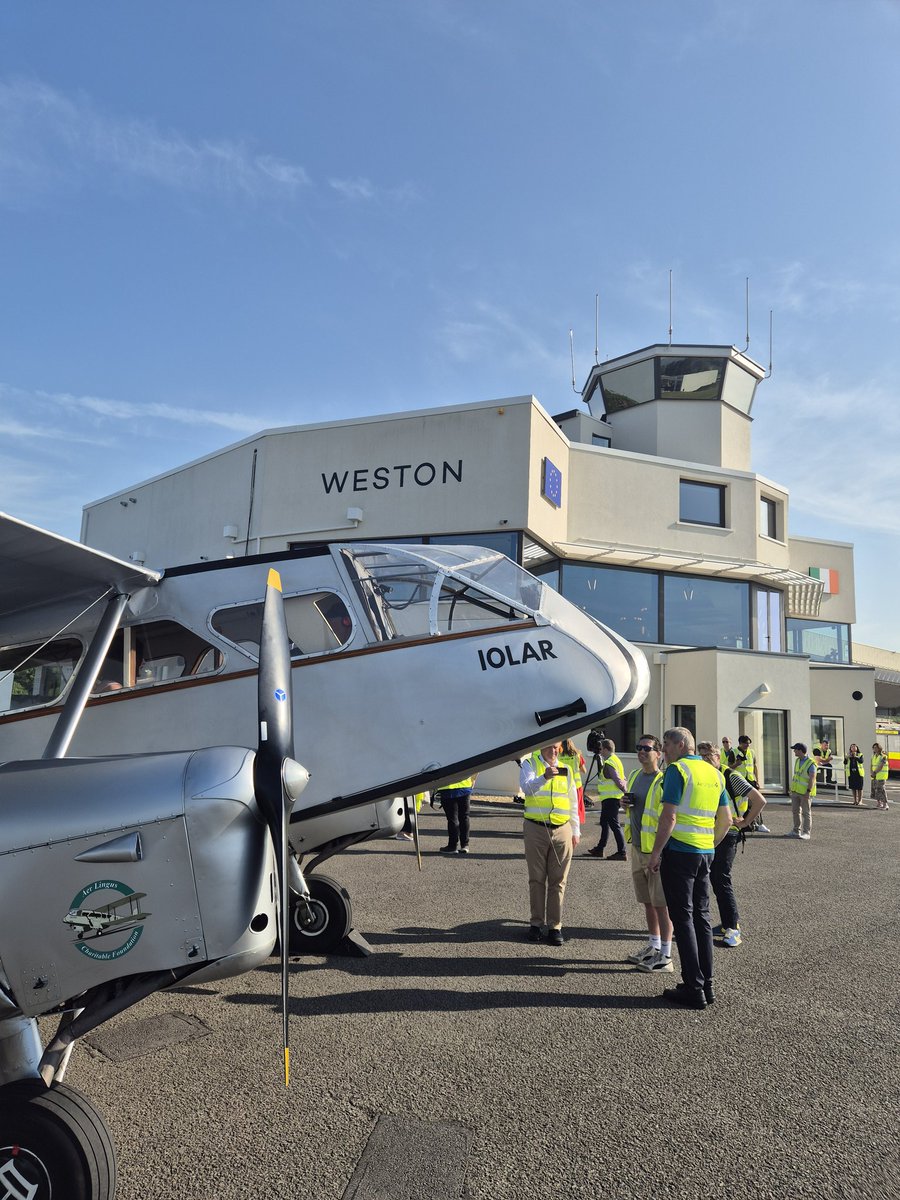
Today Aer Lingus’ newly-restored Iolar aircraft took off from Weston Airport - recreating Aer Lingus’ inaugural flight of 27 May 1936.
EI-ABI, known as Iolar (Irish for eagle), is a rare de Havilland DH.84 Dragon, which dates back to 1936.
Great to be on the runway to photograph this for @sportsfile and @AerLingus this morning ☀️✈️
sportsfile.com/more-images/1…
1
7
369

May 27
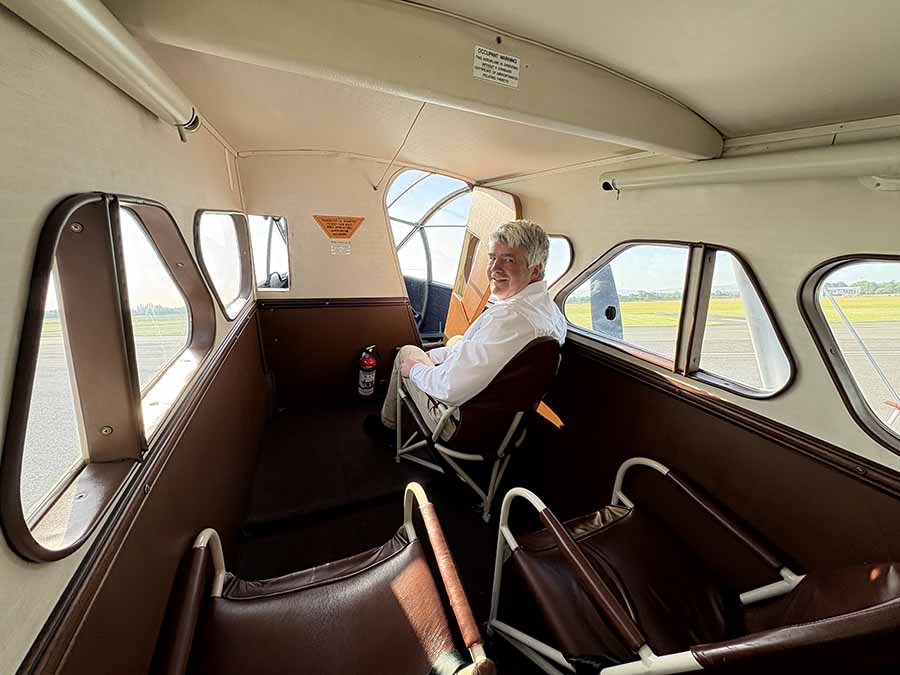
Inside the first @AerLIngus aircraft the Iolar, which launched the airline with a Baldonnel to Bristol flight on May 27 1936. This morning an Aer Lingus crew re-enacted the event 90 years later
10
93
5,384

15 years ago I was sitting on an Aer Lingus flight to New York got a fancy fancy souvenir menu with Iolar on the cover
Happy 85 years birthday @AerLingus

Today in 1936, a small green biplane sat on the grass runway at Baldonnel Military Aerodrome on the western edge of Dublin. The aircraft was a de Havilland DH.84 Dragon, registration EI-ABI, her name was Iolar. Eagle, as Gaeilge.
Aer Lingus itself had been founded just five weeks earlier, on 15 April 1936, with authorised capital of £100,000, a staff of twelve, one aircraft, and a biscuit tin of spare parts. The airline had been registered under its full title, Aer Lingus Teoranta, on 22 May.
"Lingus" comes from the Irish "loingeas," meaning fleet. The name had been proposed by Richard F. O'Connor, the County Cork Surveyor, who was also, handily, an aviation enthusiast. The company had purchased Iolar from the Blackpool and West Coast Airline in England for £2,400.
That morning at Baldonnel, Army chaplain Father William O'Riordan said a blessing over the aircraft before she flew. In attendance was Seán Lemass, then Minister for Industry and Commerce, who would go on to be Taoiseach and the architect of Ireland's economic opening to the world.
At 9am precisely, Iolar lifted off and pointed her nose east towards what was grandly designated Route No. 800. There were five passengers aboard. William Herbert Morton, Manager of the Great Southern Railway and a director of the new airline. Tim O'Driscoll of the Department of Transport. Henry Fitzherbert and his wife Sheelah, paying customers whose connection to Morton went through Sheelah's father, Joseph X. Murphy TD, a director of the Great Southern Railways and the Bank of Ireland. The fifth passenger was May Ó hUadhaigh, wife of Aer Lingus chairman Seán Ó hUadhaigh. She held Aer Lingus ticket number 1.
The only cargo was a bundle of Irish Times newspapers bound for London. That paper ironically didnt even bother to cover the story the next morning. It got a passing mention two days later.
Iolar flew at up to 130 miles per hour, left the Irish coast two miles south of Bray Head, crossed the Irish Sea, climbed to 4,000 feet above the Welsh mountains, and landed at Bristol Whitchurch Airport around midday. The crossing had been, Morton told a local reporter, "calm and pleasant."
At Bristol, a small welcoming delegation including Alderman A. A. Senington, Chairman of the Airport Committee, was there to receive them. The Fitzherberts disembarked. The rest flew back. They arrived at Baldonnel thirty-five minutes behind schedule at 15:05
The three-person Baldonnel ground staff, led by Station Superintendent J.J. Hurley, a former commander of a cruiser in the Chinese customs service, met them on the runway. Hurley's deputy M.J. Finnegan was there, along with booking agent E.A. Rafter, also known as Nobby Rafter, the first person ever employed by Aer Lingus.
That night, Aer Lingus chairman Seán Ó hUadhaigh wrote a memo noting with some relief, that the passengers least likely to complain about the wireless difficulties were the Fitzherberts.
Public enthusiasm was not immediate. In the first five weeks of operation, just 49 tickets were sold. A one-way fare to Bristol cost £7, roughly £580 in today's money. A return to London, when that route opened in September, was £4/14/6 through Liverpool. Most Irish people still went by rail and sea.
By the end of its first full year, Aer Lingus had carried 892 passengers, generated £4,697 in revenue, and recorded an operating loss of £5,147. Within weeks of that first flight, a summer service had opened to the Isle of Man. By September, using a newly acquired de Havilland DH.86 Express named Éire, the network reached London's Croydon Airport.
In 1937 the Irish government took full ownership through Aer Rianta. In 1938, Iolar herself was sold to the British airline Channel Air Ferries and re-registered as G-ACPY. She was lost during the war. The precise circumstances are not fully recorded.
Buy the Dublin Time Machine a pint and support the DTM Book
ko-fi.com/buchanandublintime…
1
2
8
550

Today in 1936, a small green biplane sat on the grass runway at Baldonnel Military Aerodrome on the western edge of Dublin. The aircraft was a de Havilland DH.84 Dragon, registration EI-ABI, her name was Iolar. Eagle, as Gaeilge.
Aer Lingus itself had been founded just five weeks earlier, on 15 April 1936, with authorised capital of £100,000, a staff of twelve, one aircraft, and a biscuit tin of spare parts. The airline had been registered under its full title, Aer Lingus Teoranta, on 22 May.
"Lingus" comes from the Irish "loingeas," meaning fleet. The name had been proposed by Richard F. O'Connor, the County Cork Surveyor, who was also, handily, an aviation enthusiast. The company had purchased Iolar from the Blackpool and West Coast Airline in England for £2,400.
That morning at Baldonnel, Army chaplain Father William O'Riordan said a blessing over the aircraft before she flew. In attendance was Seán Lemass, then Minister for Industry and Commerce, who would go on to be Taoiseach and the architect of Ireland's economic opening to the world.
At 9am precisely, Iolar lifted off and pointed her nose east towards what was grandly designated Route No. 800. There were five passengers aboard. William Herbert Morton, Manager of the Great Southern Railway and a director of the new airline. Tim O'Driscoll of the Department of Transport. Henry Fitzherbert and his wife Sheelah, paying customers whose connection to Morton went through Sheelah's father, Joseph X. Murphy TD, a director of the Great Southern Railways and the Bank of Ireland. The fifth passenger was May Ó hUadhaigh, wife of Aer Lingus chairman Seán Ó hUadhaigh. She held Aer Lingus ticket number 1.
The only cargo was a bundle of Irish Times newspapers bound for London. That paper ironically didnt even bother to cover the story the next morning. It got a passing mention two days later.
Iolar flew at up to 130 miles per hour, left the Irish coast two miles south of Bray Head, crossed the Irish Sea, climbed to 4,000 feet above the Welsh mountains, and landed at Bristol Whitchurch Airport around midday. The crossing had been, Morton told a local reporter, "calm and pleasant."
At Bristol, a small welcoming delegation including Alderman A. A. Senington, Chairman of the Airport Committee, was there to receive them. The Fitzherberts disembarked. The rest flew back. They arrived at Baldonnel thirty-five minutes behind schedule at 15:05
The three-person Baldonnel ground staff, led by Station Superintendent J.J. Hurley, a former commander of a cruiser in the Chinese customs service, met them on the runway. Hurley's deputy M.J. Finnegan was there, along with booking agent E.A. Rafter, also known as Nobby Rafter, the first person ever employed by Aer Lingus.
That night, Aer Lingus chairman Seán Ó hUadhaigh wrote a memo noting with some relief, that the passengers least likely to complain about the wireless difficulties were the Fitzherberts.
Public enthusiasm was not immediate. In the first five weeks of operation, just 49 tickets were sold. A one-way fare to Bristol cost £7, roughly £580 in today's money. A return to London, when that route opened in September, was £4/14/6 through Liverpool. Most Irish people still went by rail and sea.
By the end of its first full year, Aer Lingus had carried 892 passengers, generated £4,697 in revenue, and recorded an operating loss of £5,147. Within weeks of that first flight, a summer service had opened to the Isle of Man. By September, using a newly acquired de Havilland DH.86 Express named Éire, the network reached London's Croydon Airport.
In 1937 the Irish government took full ownership through Aer Rianta. In 1938, Iolar herself was sold to the British airline Channel Air Ferries and re-registered as G-ACPY. She was lost during the war. The precise circumstances are not fully recorded.
Buy the Dublin Time Machine a pint and support the DTM Book
ko-fi.com/buchanandublintime…
2
22
97
3,544

Today Iolar (EI-ABI) flies Weston - Bristol to mark the 90th anniversary of @AerLingus
Look back at some of the work required to "free" Iolar from the mezzanine in Hangar Six and ferry her to Abbeyshrule in preparation for her return to the skies.
youtu.be/UxDQCWmcpsY
4
9
1,181

May 27
Aer Lingus is marking 90 years of flying as it unveils its newly-restored Iolar aircraft.
EI-ABI, known as Iolar, is a rare de Havilland DH.84 Dragon, which dates back to 1936.
dublinpeople.com/news/dublin…
1
4
188
May 27
Weston Airport is thrilled to be a part of the 90th anniversary of the very first Aer Lingus flight. The Iolar first flew on the 27th of May 1936 from Baldonnel to Bristol. Today this historic flight will be recreated on the magnificent Iolar.
A proud day in Irish Aviation.
1
15
91
4,431