TonnyGalleries retweeted

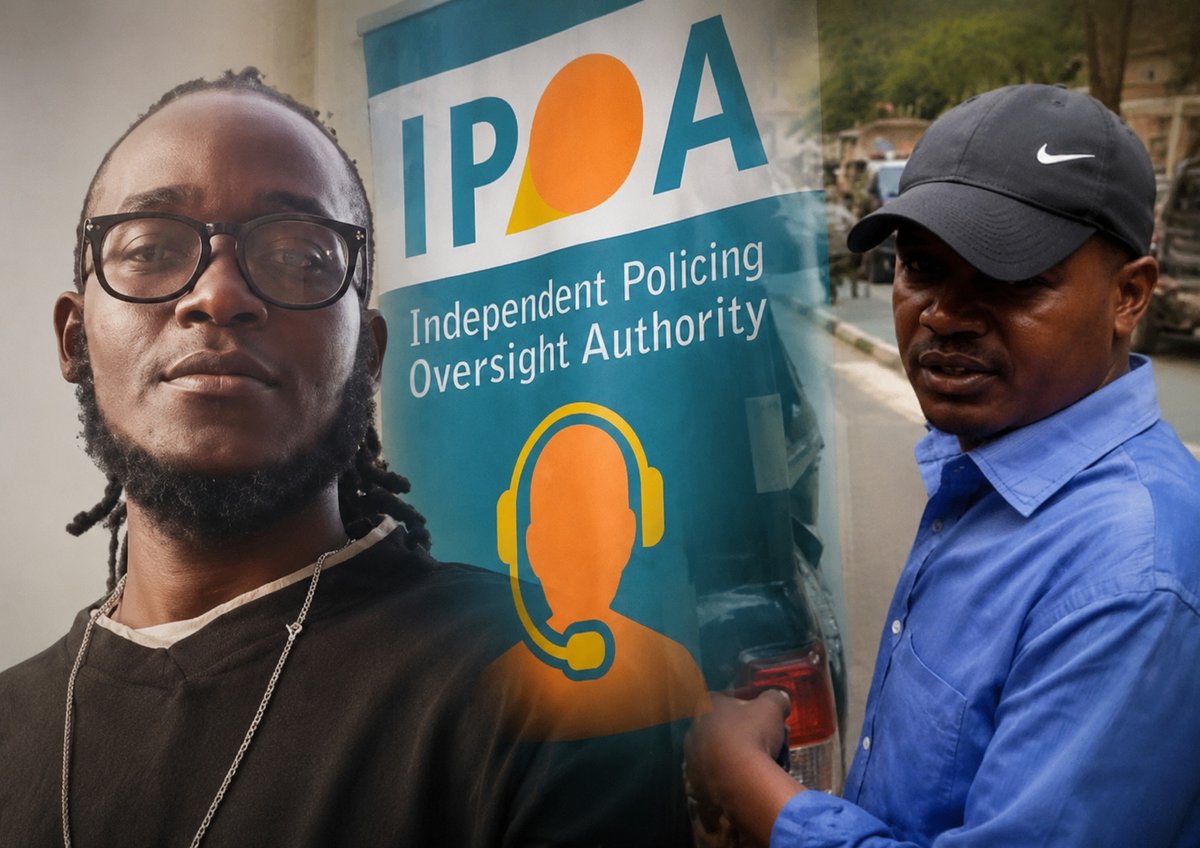
BREAKING: IPOA has shocked the court with admissions that could leave many Kenyans wondering whether Rex Maasai will ever get justice.
In court, investigators admitted they:
- Never collected the bullet removed from Rex Maasai's body.
- Never collected cartridges from the scene.
- Never obtained footage from a crucial CCTV camera on the same street that had a full view.
- Never recovered the alleged murder weapon.
- Never secured key witnesses.
Now the officer charged in the case could be freed because of a lack of evidence.
Let that sink in.
A young Kenyan was killed during protests that the whole country watched.
Yet some of the most important pieces of evidence were never collected.
-The bullet was not collected.
-The cartridges were not collected.
-A critical CCTV camera was not investigated.
-The weapon was never recovered.
-The witnesses were never found.
And Kenyans are now being told by the cop's defense that there may not be enough evidence.
This is the same concern many of us have raised for years.
A case does not always have to be defeated in court.
Sometimes it is weakened long before it gets there by the police.
When evidence is not collected, a case becomes weaker. When witnesses are not secured, a case becomes weaker. When key footage is ignored, a case becomes weaker.
And when enough evidence is missing, justice becomes harder to achieve.
Many people may disagree, but most cases involving police officers can be diluted until accountability becomes almost impossible. Remember, IPOAs are also police, and they can cover for each other.
If these admissions are accurate, then the biggest question is no longer what happened to Rex Maasai.
The biggest question is how so much critical evidence was allowed to slip away in one of the most-watched cases in Kenya.
This is why police officers should wear body cameras.
Evidence should not depend on who remembers, who records, or who investigates.
Justice for Rex Maasai.
71
355
679
32,462
FIRSTBORN retweeted

IPOA is doing everything and anything to protect Rex Masai's killers
14
465
1,789
24,173
WizMelavin retweeted

10h
IPOA @IPOA_KE is a toothless dog emboldening killer cops.

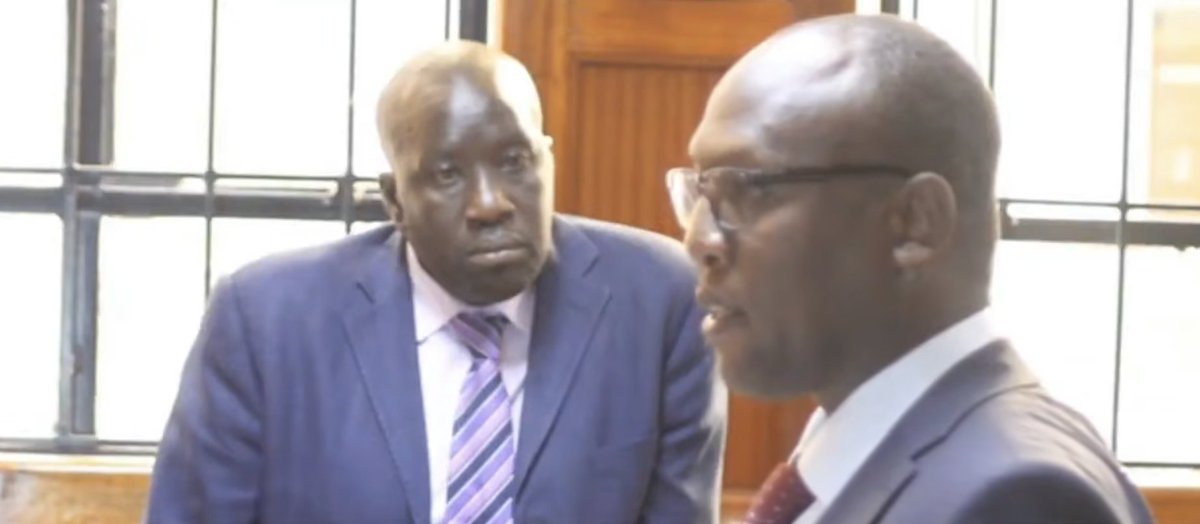
Ipoa admits it is unable to identify the police officer who shot and killed activist Rex Masai zurl.co/I4sZu
2
43
101
1,549

Ipoa admits it is unable to identify the police officer who shot and killed activist Rex Masai zurl.co/I4sZu
171
254
1,082
81,600

Ipoa should just be disband,we don’t need it.They are eating taxpayers money for no good reason
3
Brian retweeted

If this one slips through, IPOA should be ingrained into history books as the most toothless body of our generation
Ipoa admits it is unable to identify the police officer who shot and killed activist Rex Masai zurl.co/I4sZu
9
10
365