bora retweeted

14h
erkeklerin parası olduğu sürece her yaşı prime dönemidir.. kızların ise gençliği ve doğurganlığı yoksa at çöpe gitsin
Jun 11

bi kızın prime yaşı 19-22
bi erkeğin prime yaşı 24-27
8
18
770
26,778

Çünkü sayılan kriterler ailenin kızı vermesi için uygun kriterler. Önceden kadının fikri alınmadığı için evlenebiliyordu. Şuan ise evde 31 çekiyor

⸻
Babamlar, Sivas’tan İstanbul’a geldiklerinde yanlarında ne servet vardı ne de bir miras. Taşı toprağı altın denilen şehre, Orta Anadolu’nun bin yıllık yurdundan umutlarını alıp gelmişlerdi.
Dolapdere’den Pangaltı’ya uzanan yokuşta, tek göz bir eve yerleşmişler: 1 anne, 5 çocuk… Yeni bir hayatın ilk adımları böyle atılmış.
Annemle babam bir nişanda tanışıyor. Yıl 1966. İkisinin de elde avuçta bir şeyi yok. Annem terzilik yapıyor, babam ise bir yedek parçacının yanında çalışıyor. Hatta öyle zamanlar oluyor ki, babam yorgunluktan ve yokluktan baygınlık geçiriyor. Ama çalışmayı seven, işine bağlı, azimli bir insan. Çevresindeki insanlar da bunu fark ediyor.
Sonra bir arkadaşıyla birlikte 4. Levent Sanayi’de Oto Koçkaya’yı kuruyor.
Ailenin diğer fertleri de bu büyük şehrin mücadelesine kendi emekleriyle katılıyor: Bir amcam kamyonculuk yapıp inşaatlara malzeme taşıyor, diğer amcam Beyazıt Çarşıkapı’da ökçe fabrikası kuruyor. Bir başka amcam Almanya’ya gidip Ford fabrikasında işçi olarak çalışıyor. Halam ise Rumeli Caddesi’nde Doktor Mısırlıyan’ın apartmanında kapıcılık yapıyor.
Sonra bizler hayata katılıyoruz. Doğduğumuz, büyüdüğümüz, emek verdiğimiz bu şehirde var olma mücadelesinin bir parçası oluyoruz.
İşte bizim İstanbulluluğumuzun hikâyesi budur.
Bir yere gökten zembille inmedik. Bu şehrin kaldırımlarında yürüdük, atölyelerinde çalıştık, sanayisinde üretip sokaklarında büyüdük.
1945’ten beri İstanbul’un ekmeğini yedik, vergisini verdik, sevincini ve kederini paylaştık.
Bizim İstanbulluluğumuz; nüfus kâğıdına değil, emeğe ve hatıralara yazılmıştır.

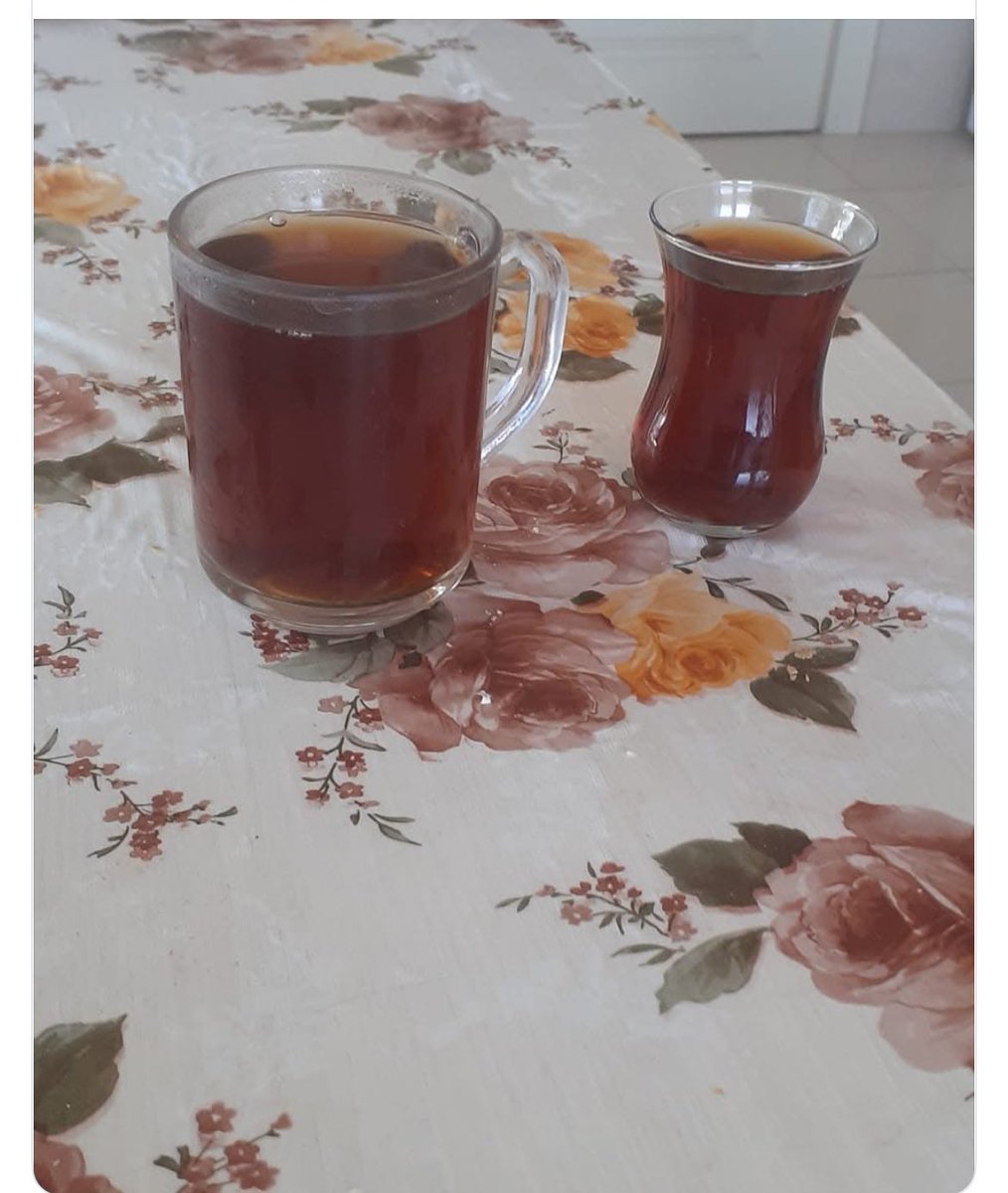
ÇAY ÜLKESİ
Dünyanın en güzel çayları Türkiye'de üretiliyor. O güzelim çaylar, yabancı küresel şirketlere veriliyor. Ceremeyi biz çekerken, kaymağını onlar yiyor.
Çay'ı en çok hak'eden Türklere ise 4. sınıf, 5. sınıf çay içiriliyor. Nefret ediyorum bu düzenden!,,,
ibrahim gök retweeted

Jun 12
Çıraklık ve staj dönemindeki emeğimiz, geleceğimizin teminatı olmalıydı. Bugün ise bir kelepçeye dönüştü. Hakkımızı istiyoruz!
@NumanKurtulmus @mehmetucum @oktay_saral
Tarih Yazacağız
#StajyerÇırakUnutturmayacak
 Ahmet_ykmz
1
70
89
810

Let there be Institutional Continuity!
Omo Ogun,ise ya!

The Ogun Model: Why the Next Great Leap in Nigerian Development Must Begin in Ogun.
There comes a moment in the life of every society when it must decide whether it wishes to continue managing its circumstances or deliberately shape its future.
That moment is now before Ogun State.
For too long, our politics has operated on a cycle of promises, elections, transitions, and fresh beginnings. Every administration arrives with enthusiasm. Every administration leaves behind projects, some completed, some abandoned, some forgotten. Yet development does not occur because governments change. Development occurs when societies build institutions that outlive governments.
The central challenge before Ogun is therefore not political. It is developmental.
How do we build a state where progress continues regardless of who occupies Government House?
How do we transform Ogun from being merely the corridor between Lagos and the rest of Nigeria into the most competitive subnational economy on the African continent?
The answer, in my view, lies in what I call the Ogun Model.
The Ogun Model is not a copy of China. It is not Singapore transplanted into Africa. It is not an imitation of any foreign experiment. It is a distinctly Nigerian and Ogun solution to a Nigerian and Ogun challenge.
Its foundational principle is simple:
Politics may change. Development must not.
The first requirement is institutional continuity.
Ogun needs a permanent Development and Competitiveness Council that brings together government, traditional institutions, universities, business leaders, labour, security agencies, and local governments to establish a thirty-year vision for the state.
Major roads, industrial corridors, educational reforms, power projects, and logistics infrastructure must become state projects rather than government projects. Their continuation should not depend on political preferences.
The second requirement is to understand our geography and our destiny.
Nature has already positioned Ogun beside Lagos, arguably the most dynamic economic centre in Africa. The question is whether we will leverage that advantage or merely observe it.
Lagos will remain the commercial and financial nerve centre of Nigeria. Ogun’s role should be different but complementary.
Ogun must become the manufacturing capital.
Ogun must become the logistics capital.
Ogun must become the agro-processing capital.
Ogun must become the housing expansion corridor.
Ogun must become the industrial workshop of West Africa.
The future belongs to regions that understand economic integration. The Lagos-Ogun economic corridor is not merely an opportunity. It is an inevitability.
The third requirement is security.
No investor commits capital where insecurity reigns.
No family wishes to raise children where criminality thrives.
No economy can prosper where law and order are uncertain.
Ogun must develop an integrated security architecture supported by technology, intelligence gathering, rapid response capability, community participation, and a strengthened criminal justice system.
The message must be unmistakable: Ogun welcomes investors and law-abiding citizens, but it must be an increasingly hostile environment for violent criminals.
The fourth requirement is human capital.
Factories do not create prosperity by themselves.
Roads do not create prosperity by themselves.
Infrastructure matters, but people matter even more.
Every child in Ogun must have access to quality education.
Every young person must have access to vocational training.
Every secondary school graduate should leave with employable skills.
Artificial intelligence, robotics, software development, advanced manufacturing, agribusiness, and entrepreneurship must become central components of our educational strategy.
The economy of the future will reward knowledge more than natural resources.
The fifth requirement is governance itself.
We must stop treating governance as improvisation.
1
1
Deniz retweeted

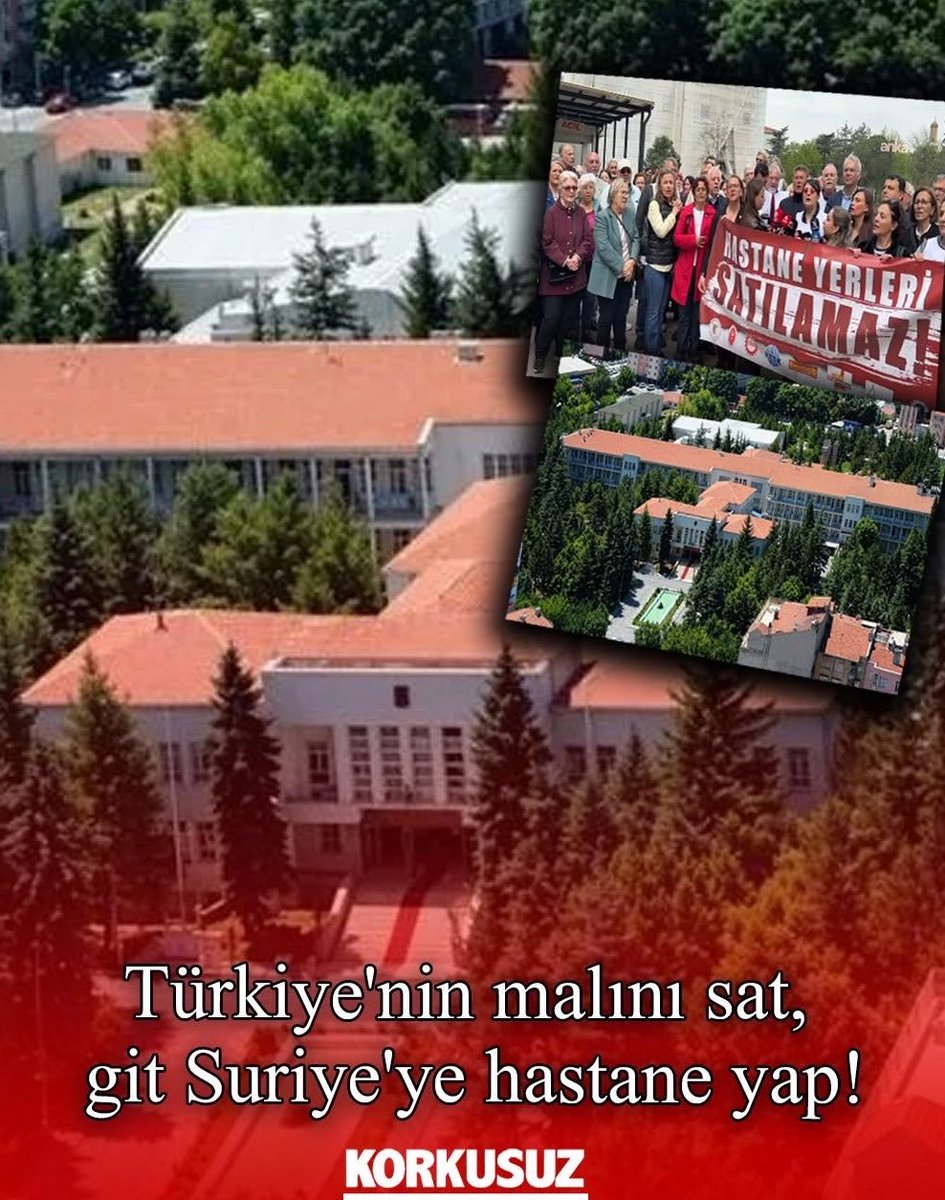
Ülkede 71 hastaneyi satışa çıkaran iktidar, Halep ve Şam’da ise 2 hastane yapacak. Tüm masrafları Türkiye karşılayacak. 2 yıl boyunca Suriyelilerden hiçbir ücret de alınmayacak.
Anlaşmaya göre Türkiye, Şam’da 300 yataklı Kalp ve Damar, Halep’te ise 150 yataklı Onkoloji Hastanesi inşa edecek. Üstelik hastanelerde 2 yıl boyunca her şey ücretsiz olacak.
Tanı, tetkik, tedavi ücreti ve katılım payı alınmayacak, personel ve işletme giderlerini de Türkiye karşılayacak. Doktorlar ve sağlık personeli de ülkemizden gidecek.
80 MİLYON DOLAR DAHA..
Hastanelerin inşası bittikten sonra hizmete hazır hale gelmesi için de 80 milyon dolar daha harcanacak.
(Korkusuz Gazete)
15
43
80
641

Can da 9 değil. Sadece Deniz'i oynatabilirsin. Hocanın tek bariz hatası Deniz'i 85'te değil de en geç 2. golü yer yemez almaması. 5 dk kala 2 farktan ne olsun artık. Başka da pek birşey yapamazsın. Adamlar duvar ördü. 2 gol yememiz ise ayıp.

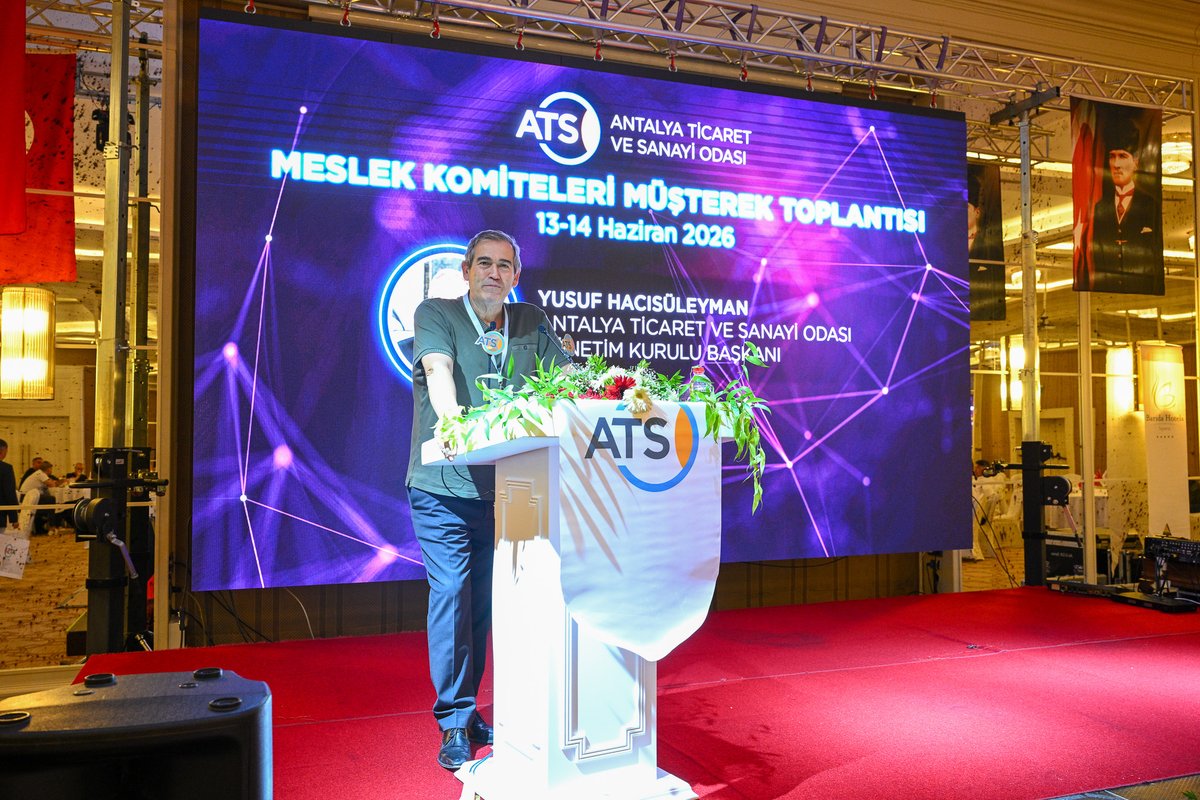
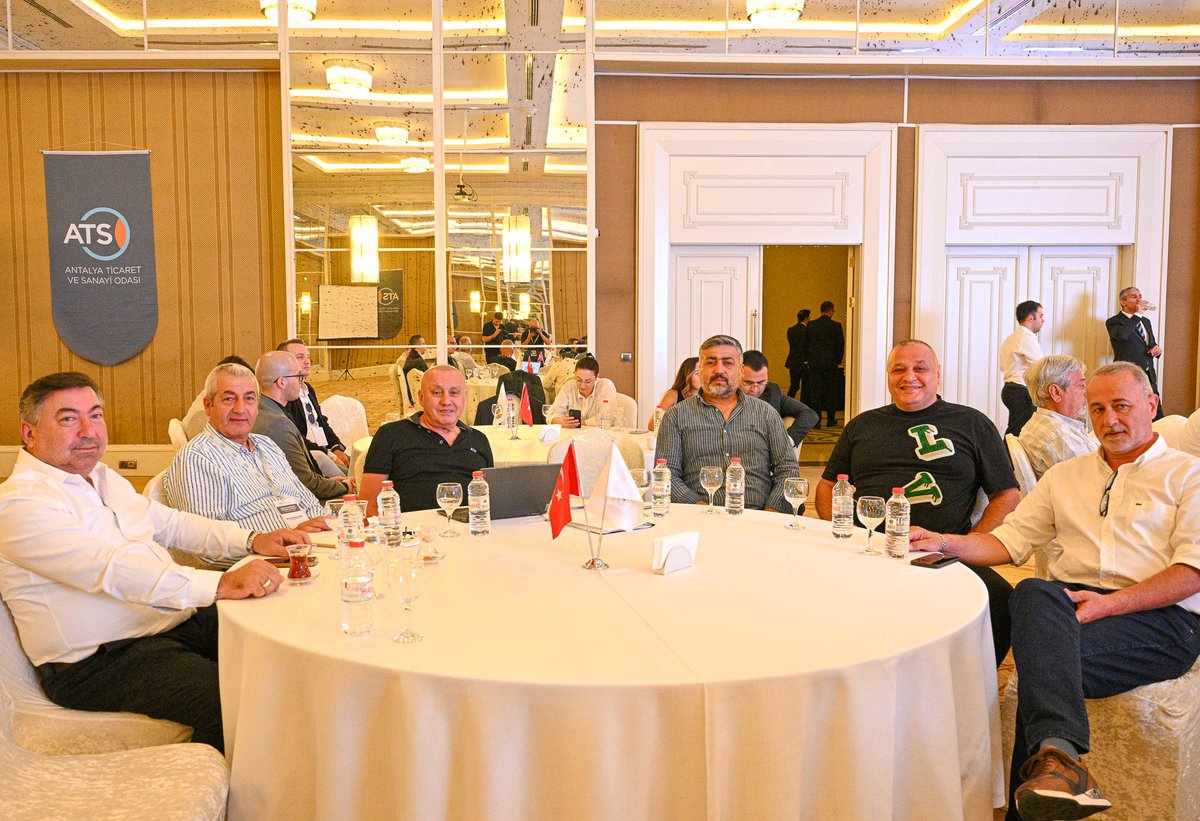
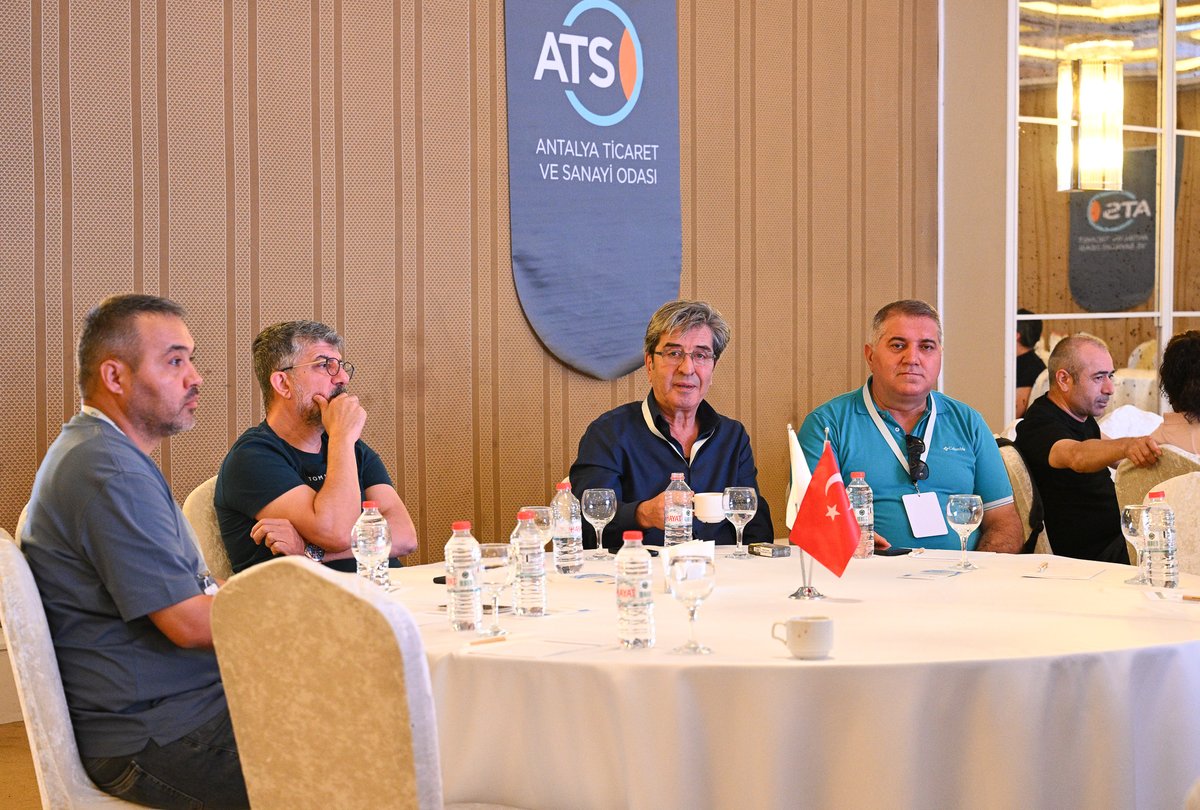
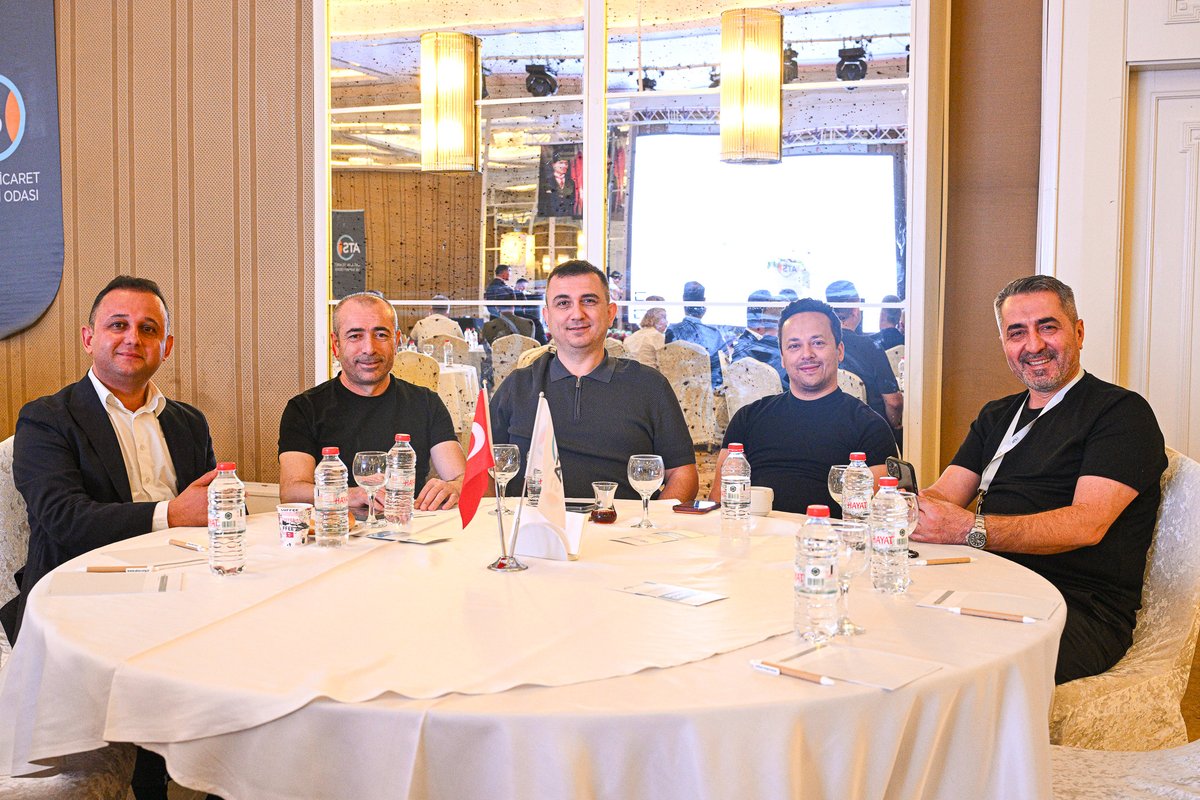
Üç ilin birbirine olan yakınlığının ve ortak ekonomik bağlarının önemli bir avantaj sunduğunu vurgulayan Hacısüleyman, “Bu birlikteliğin ve kardeşliğin daha da güçlenmesi gerektiğine inanıyoruz. Şehirlerimiz arasındaki mesafeler kısa, ortak hedeflerimiz ise büyük. Bu nedenle iş birliğimizi yalnızca kurumlar arasında değil, ticari ve sosyal alanlarda da geliştirmeliyiz” dedi.
@YHacisuleyman07 @bogachangoksu @HakanPakal @MuratTOTOS @haticeozresmi @huseyinsari_sar @KAPALIYOL @AhmetKasapoglu8 @aozgurkaragoz @behcetulker @aslisahintekin @TOBBiletisim @RHisarciklioglu
1

Hain kendi partisine darbe yapandır. Hain, anayasa ilga edilirken saraydan yana olandır.Bunun aksini iddia eden ise hainin önde gidenidir,Zübüktür.

Arapgirli tarafıda büyük ihtimal Kürt Zaza Alevi Seyid soyu çıkar.
Kebandaki Seyid soyu ise bunlarında Kürt Alevi Seyid Dede olma ihtimali var.
mahur retweeted

Eşref yirmi yıl boyunca peşinden koştuğu kadını özledi,Nisan ise hayatı boyunca artık kavuşamayacağını bildiği adamı.
 T.Leydi
4
20
212
5,460
Ömer Serçe retweeted

Bu vatansız piçi ibreti alem sallandıracaksın gerisi düzelir
Araştırılsın belki Ermenidir
Peygamberimiz ise kuşu ölen çocuğa taziyeye gitmiş

Ulan çocuğa Kur’an öğretirken dövüyorsan, Kur’an harflerini öğretebilirsin lakin ruhunu asla öğretemezsin.
Bu gençlerin, deist, ateist olup İslamdan uzaklaşmalarının müsebbibi sen ve senin gibiler.
@diyanetbasin
1
1
29

Bizim zamanımızda ise Fen matematik Türkçe ortalaması 10 üzerinden 7 olmayan sınavlara giremezdi. En başarısız öğrenciyi bile sisteme dahil etmek saçmalık. İyi olanlar da iyi bir fen lisesi kazanırdı.
1
Majdi retweeted

Hamas şefkatli elleriyle çocukları sever başlarını okşar İsrail terör ordusu ise çocukları katlediyor İsrail terörü Gazze de çok çocuk katliamı yapıldı ne yazık ki bütün dünya bu katliama seyirci kaldı
2
4
34

8-Kılıçdaroğlu’nun görevden alacağı ve kendi ekibindeki isimleri il başkanı olarak atayacağı illerin Kurultay delege sayıları ise şöyle:
1
9

48s
That's what they call the obvious. No user manual needed.
Happy Sunday Ise 🤍
1

53s
#DünyaKupası | A Milli Futbol Takımımız, D Grubu ilk maçında Avustralya ile karşı karşıya geldi. Ay-yıldızlıların 2-0 mağlup ayrılması tüm dünyada şok etkisi yarattı.
Avustralya'da teknik direktör Tony Popovic ise galibiyetin kendileri için sürpriz olmadığını söyledi.
13

Mini olamaz. Şarj verimliliği kötü, menzili düşük, tahrik arızası riski can sıkar. Her 10-15 bin km’de bir borusan öpücüğü de ayrı konu. Togg ise yazılım konusunda çok kötü, ısı pompası yok, verimliliği kötü. Yerli olması ve konforu artıları. Boş Tesla ikisini de ezer.
2

Anayasa “kanun önünde eşitlik” diyor. 31 Temmuz düzenlemesi ise aynı hukuki durumda bulunan vatandaşları farklı sonuçlarla karşı karşıya bırakıyor. Eşitlik ilkesi herkes için geçerliyse, bu ayrımın dayanağı nedir? @iyiparti @MDervisogluTR
1
4