Yusniel IM retweeted

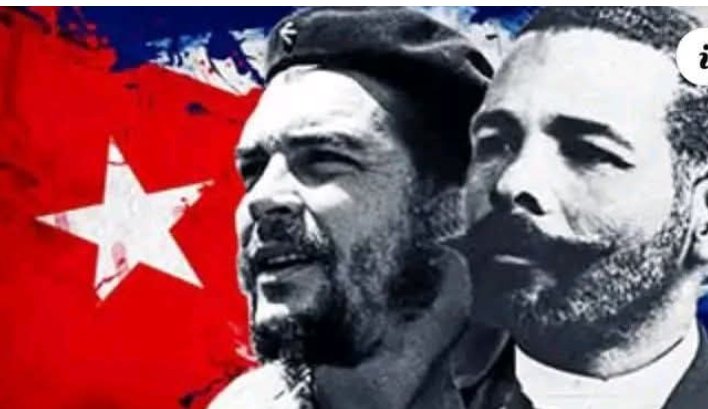
Dos hombres, distintas épocas, un mismo pensamiento. Antonio Maceo y el Che Guevara: valentía, coherencia y lucha incansable por una causa justa. La historia los separó en el tiempo, pero la dignidad los une en esencia.
#LaPatriaSeDefiende @Conavil_ECM #LatirAvileño
8
11
63

Ra ❤💛❤ ✞ retweeted

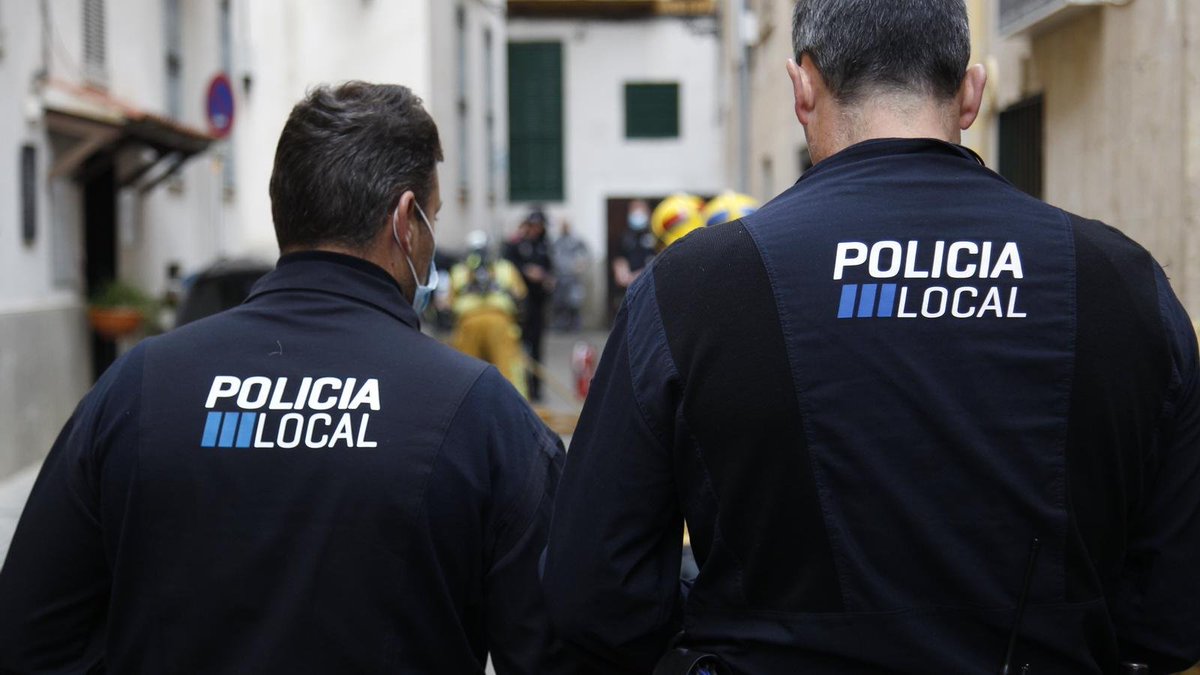
🇪🇸 Noche de TERROR en Inca (Baleares) Un MARROQUÍ intenta degollar a un hombre con un cuchillo de 40cm y DESATA el pánico entre sus vecinos.
252
2,526
3,594
92,471

A Powerful Medical Degree Celebration 8000 thousand feet above sea level 🧠 Celebrate Your Medical Degree in Machu Picchu, Where Inca Healers Did Brain Surgery 500 Years Before Med School Existed🧠 Your diploma deserves THIS 🎓⛰️(packages from $2400) #medschool #graduation #machupicchu #itcoftravel #traveldeals #EndlessPossibilities #AdventureAwaits #ultimatevacations #LuxuryVacations #CustomFamilyVacation #BudgetFriendlyVacations #creatingmemories
3

Peru: From Inca Ruins to Colonial Cities
Peru's history dates back over 5,000 years, making it a fascinating and irresistible destination for history buffs. While Machu Picchu and the ancient Inca Empire draw most of the attention, there's much more to discover in Peru. The cradle of ancient civilizations in the Americas, this South American destination is home to an enviable array of archaeological sites, world-class museums, and stunning architecture spanning millennia. History buffs will find countless treasures to discover. Here are nine of the best.
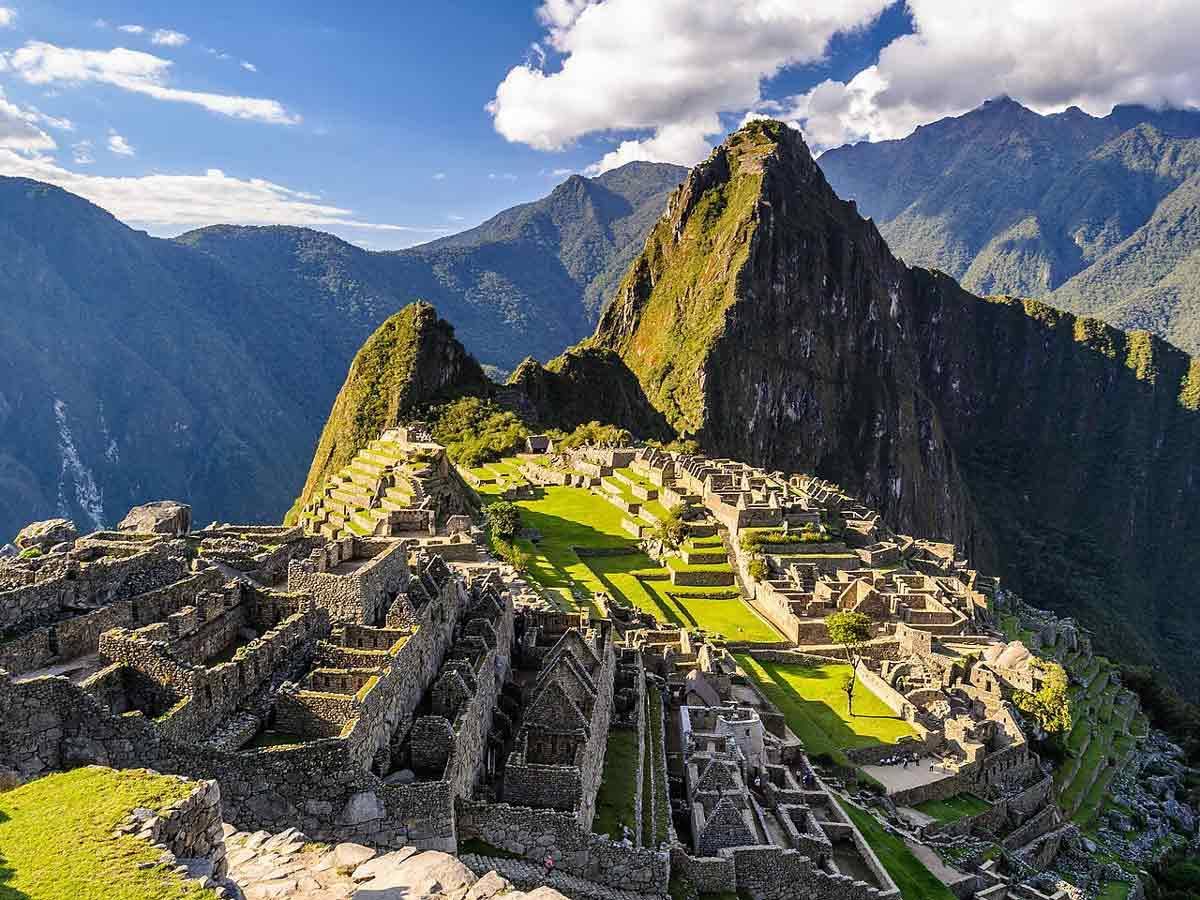
1. Machu Picchu: The iconic site against which all other historic sites in Peru are measured, it needs no introduction. The legendary "Lost City" of the ancient Incas is a 15th-century citadel revered for its architectural brilliance. Even 100 years after its "discovery" by Hiram Bingham, its original purpose remains a matter of heated debate. A royal estate or a purely religious site? No one knows for sure. What is certain, however, is that the Spanish conquistadors never discovered it and never had the opportunity to destroy or repurpose it as they did with many other Inca citadels. And so, there it is, perched high in the Andes, at a (literally) breathtaking altitude of 2,432 meters. The location is spectacular, the detail astonishing, and the journey to reach it, whether on foot along the famous Inca Trail or by train, is an integral part of its unmissable charm. Visiting Machu Picchu, you will undoubtedly be captivated by the meticulously constructed terraces, temples, and palaces. The Inca's refined mastery of masonry is particularly evident in the Temple of the Sun and the Hall of the Three Windows. The Intihuatana Stone, believed to be an astronomical clock or calendar, testifies to their advanced knowledge of the planets.
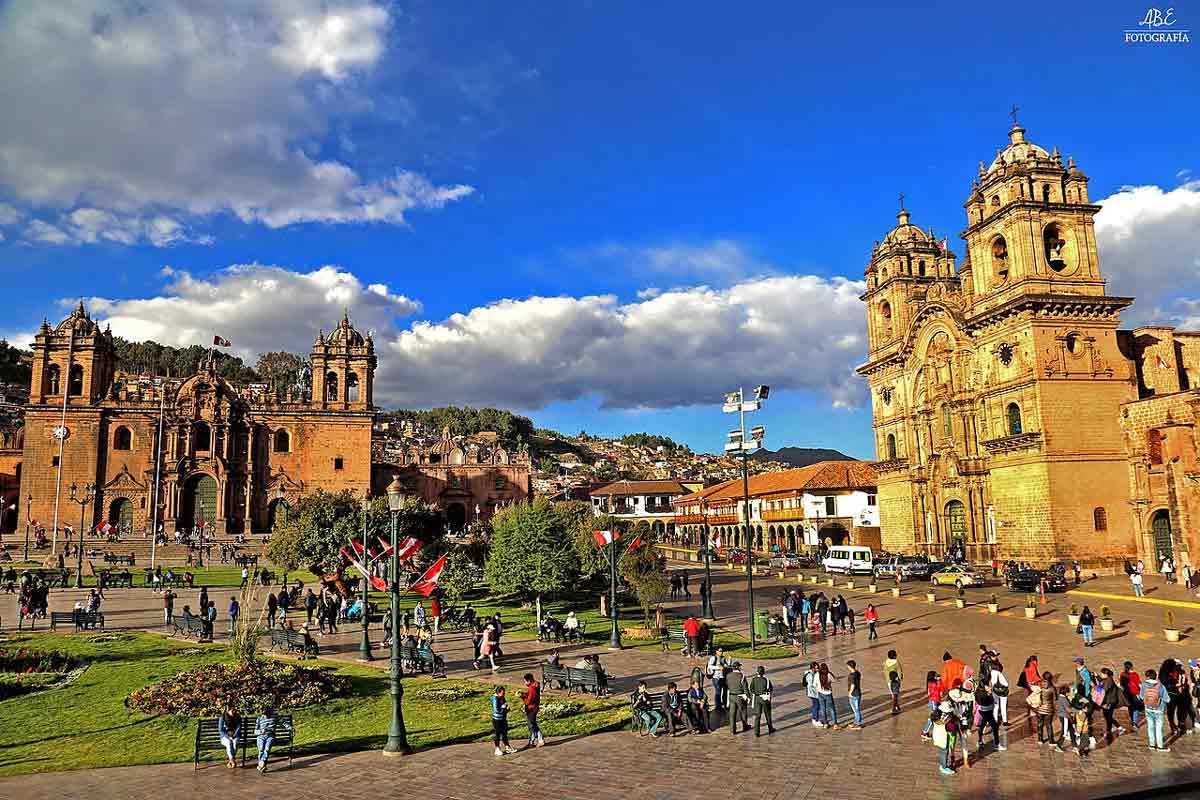
2. Historic Center of Cusco: Of all Peru's historic sites, Cusco is arguably the most significant and certainly one of the most striking. Capital of the Inca Empire for three centuries, Cusco sits on a high plateau framed by towering peaks and boasts a mix of architecture spanning nearly 3,000 years. The colonial-era cathedral at its center is impressive, but the foundations built by the Incas are even more extraordinary. Cusco is designed in the shape of a puma, a sacred symbol in Inca mythology. Its urban plan includes the 15th-century Sacsayhuamán complex as its head, the Plaza de Armas as its trunk, and the Tullumayo River as its tail. Sacsayhuamán is a colossal Inca fortress known for its megalithic walls, some of which weigh over 100 tons. At its peak, Cusco's dominion extended from Quito, Ecuador, to Santiago, Chile. The arrival of the Spanish marked the end of its rule, as they sacked the city and established their capital in Lima. This inadvertently helped preserve many of the city's Inca structures. Cusco's sudden economic decline also gave rise to a resistance movement that lasted for generations. Nearly 300 years later, Cusco would play a crucial role in Peru's fight for independence from Spain.
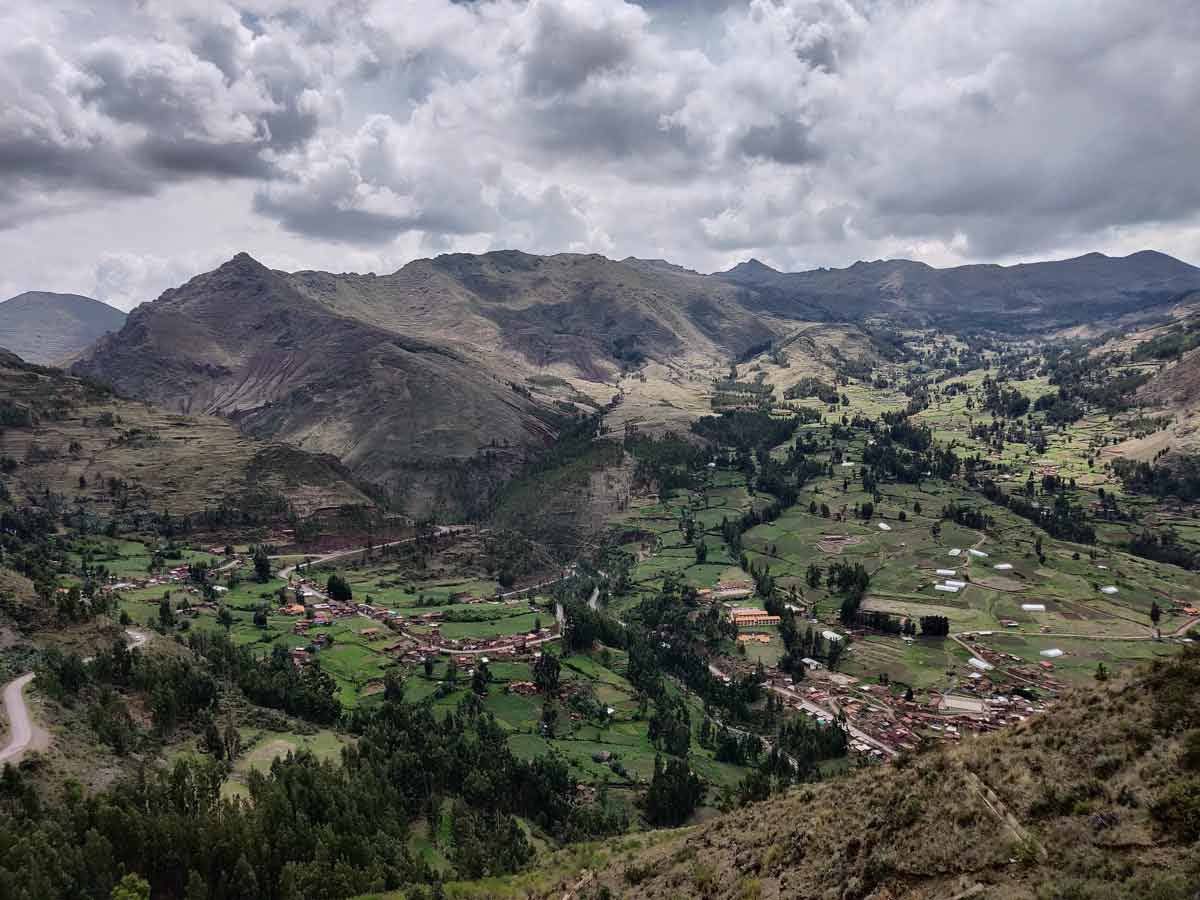
3. Sacred Valley of the Incas: The Sacred Valley of the Incas was the agricultural hub of the Inca Empire. Characterized by incredibly fertile soil, it had been inhabited and cultivated for 2,000 years before the Incas achieved fame and prosperity. It was here that the Incas, inspired by the rudimentary terraced cultivation of the Killke people (900-1000 BC), developed their own terracing systems, optimizing cultivation (particularly of potatoes) at different altitudes. Strategically, the Sacred Valley was vital to the Incas due to its proximity to Cusco and the Urubamba River, which provided water for irrigation and the transportation of agricultural products. The valley's main centers, Pisac and Ollantaytambo, feature impressive ruins, majestic stone structures, and centuries-old family estates. The former was a religious and ceremonial center in Inca times, while the latter was an important administrative, cultural, and military hub
6

Mike Keneally Inca Roads Cardiff 16 March 2003
youtube.com/watch?v=pVcN3BjY…
5

Taci fmm de satanist degenerat, sunteti expirati deja, inca nu realizati asta.
1
8


paula (sem o ana) retweeted

17 Feb 2021
Fiuk com o look primaveril inca dele.
17
36
1,106
Paintitpretty1 retweeted

🔹 𝐇𝐚𝐩𝐩𝐲 𝐂𝐮𝐬𝐭𝐨𝐦𝐞𝐫 - after purchasing her stunning ‘Teal Inca’ two comb elasticated beaded hair clip at a 𝐇𝐀𝐈𝐑𝐆𝐄𝐌 𝐒𝐇𝐎𝐖! 👱🏻♀️
Also available in the HairgemShop.etsy.com 🔹🔸 hairgemshop.etsy.com/listing…

30
25
200
Koglinisense retweeted

Parece um ritual inca, que porra é essa velho.

7
2
121
7,196