
China's intangible cultural heritage will be included in the official licensed merchandise for the first time in 2026 FIFA World Cup. #FIFAWorldCup #Herstorycn Source @Echinanews

Timeless Wisdom from Warren Buffett: Sources of an economic moat (a durable, long-term competitive advantage)
1. Switching Costs: The financial or practical effort required for a customer to switch from one product or service to another.
2. Network Effect: The value of a product or service increases as more people use it.
A network establishes a dominant market base that is difficult for competitors to penetrate.
3. Intangible Assets: Assets like patents, strong brand recognition, and regulatory licenses that make it difficult for competitors to replicate a company's success.
4. Cost Advantage: It enshrines a capacity to produce goods or services at a lower cost than competitors while achieving higher profitability
5. Efficient Scale: A market structure where only one or a few companies can operate profitably due to high fixed costs or limited demand.
BOTTOMLINE:
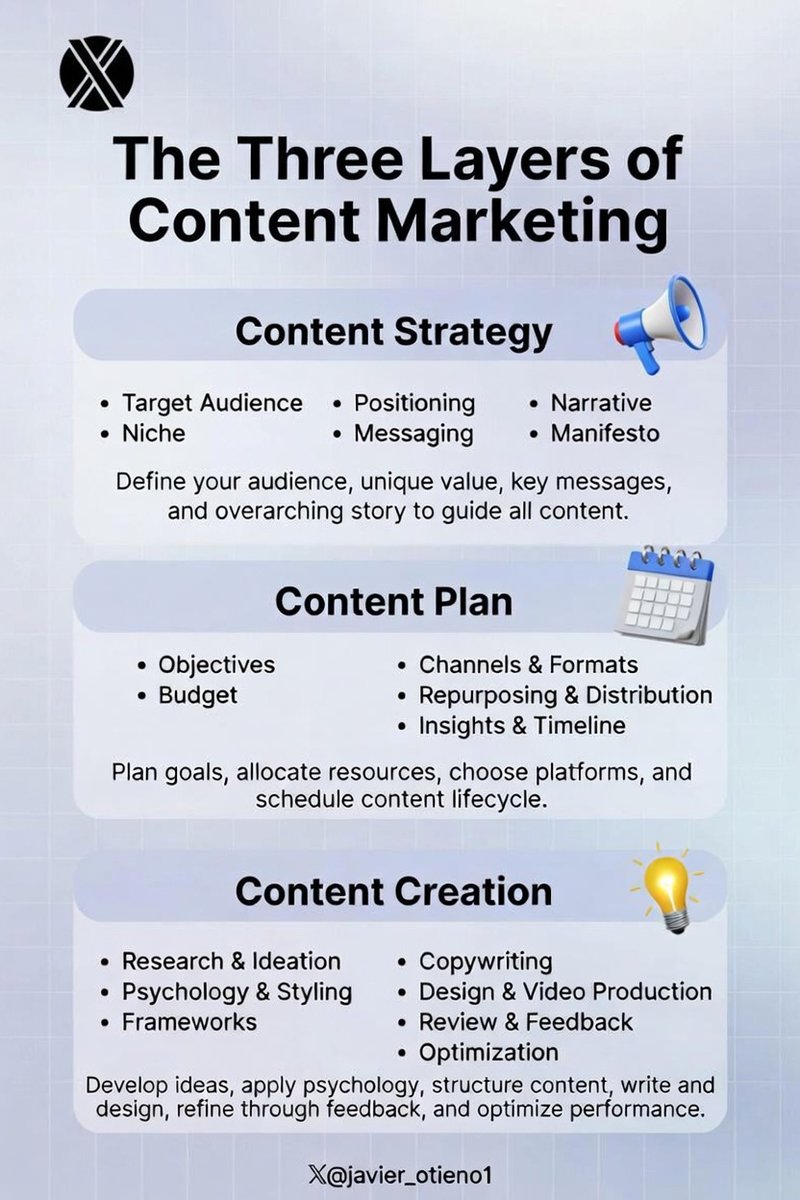
A good content strategy gives brands the much needed durable moat in a super competitive digital landscape.
1
3
Carni Sostenibili retweeted

🍝 #ItalianCuisine is now officially a #UNESCO Intangible Cultural Heritage.
A recognition that celebrates not just recipes, but a way of living and the deep connection between food, land, and community.
carnisostenibili.it/en/itali…

1
3
10
251


8/
The area I would monitor most: Acquisitions.
Recent deals include:
• InSemi
• in-tech
• MRE Consulting
• The Missing Link Group
Why acquisitions matter:
They create:
• Goodwill
• Intangible assets
• Earnout liabilities
As acquisition activity increases, future impairment risk also rises.
No evidence of manipulation today.
But this deserves monitoring.
Watch these metrics going forward:
• Acquired entity margins
• Goodwill growth
• Future impairment charges
• Integration outcomes
Current verdict: Moderate monitoring required 🟡
1
7

🇮🇹 📺 |Grigolo, Renis, Morandi, #CanYaman and Ranieri guests of Paradise on Rai2.
Pascal Vicedomini's journey from the Verona Arena to the Teatro San Carlo in Naples will take place on Rai 2 on Friday, June 19th at midnight.
Info credit:@sontyk 🙏 Awaiting more official confirmation.
Gianni Morandi, #CanYaman, Luisa Ranieri, Vittorio Grigolo, Tony Renis, Gigi D'Alessio, Milly Carlucci, Lina Sastri, Enzo Gragnaniello, and ministers Andrea Abodi, Francesco Lollobrigida, and Gianmarco Mazzi will be among the guests on the tenth episode of "Paradise," the late-night show created and hosted by Pascal Vicedomini, airing on Rai 2 on Friday, June 19th at midnight.
The episode, filmed between the Verona Arena and the Teatro San Carlo in Naples, highlights the Campania capital's period of significant growth, increasingly at the center of the cultural and international scene.
Ample space will be dedicated to the candidacy of Classical Neapolitan Song as a UNESCO Intangible Cultural Heritage of Humanity, a recognition that recognizes a world-renowned artistic tradition. The story also focuses on the anticipation for the America's Cup, the most important international sailing event, which Naples will be a key player in the coming years.
During the evening, speakers will include the Mayor of Naples, Gaetano Manfredi, the President of the Campania Region, Roberto Fico, the Prefect of Naples, Michele di Bari, and the Superintendent of the Teatro San Carlo, Fulvio Macciardi, representatives of a city experiencing a period of strong cultural, economic, and tourism dynamism.
There will also be a spotlight on the protagonists of the Nastri d'Argento Grandi Serie awards, including Laura Delli Colli, President of the National Union of Italian Film Journalists, and Maria Pia Ammirati, Director of Rai Fiction, along with other figures from the world of entertainment, culture, and information.
With music, cinema, television, and major events, "Paradise" confirms its international vocation, offering an evening of entertainment, insights, and meetings with some of the most respected figures in Italian culture.
itindprod.com/breaking-news/…
2
3
41

20m
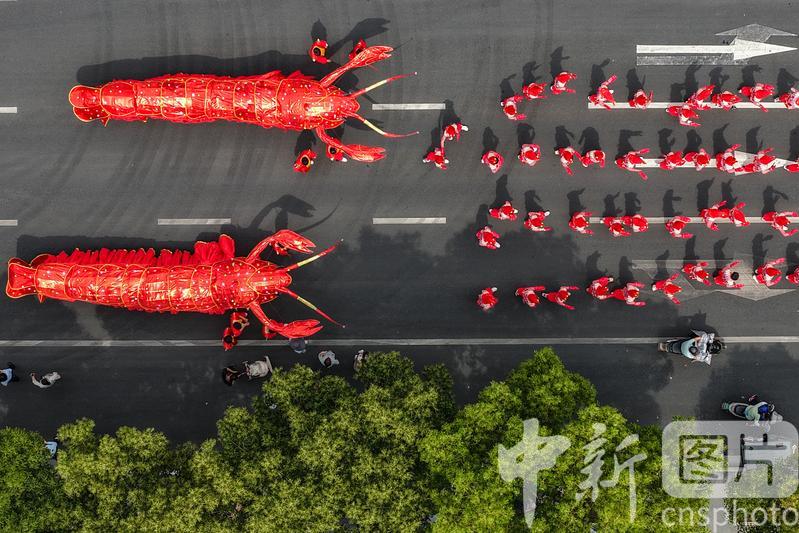
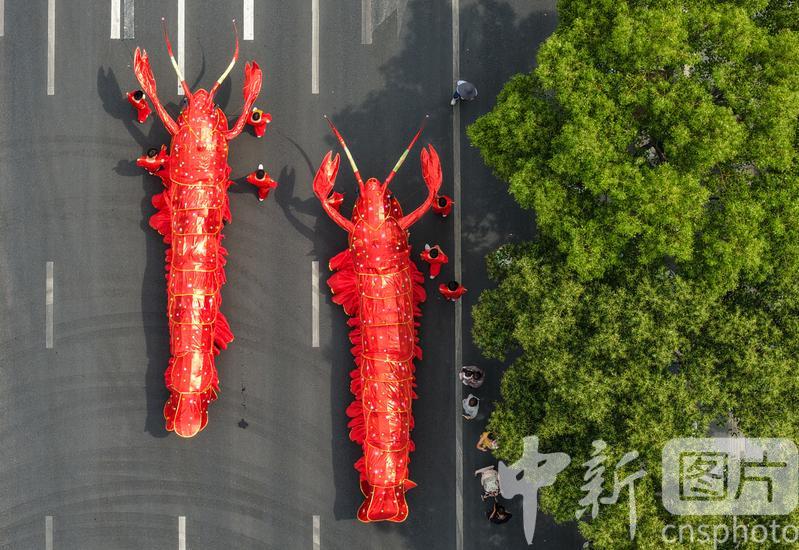
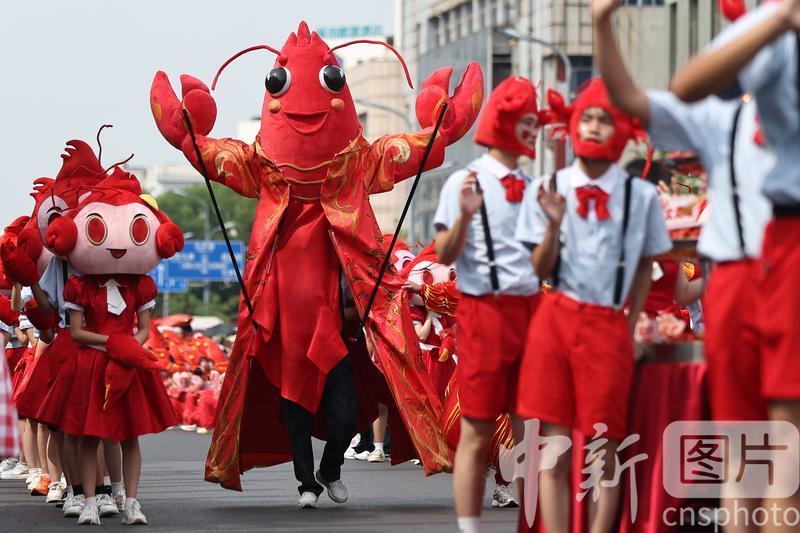
A crayfish-themed parade themed "Dream Parade through Landscape, Crayfish Gather in Duliang (巡梦山水 虾聚都梁)" was staged in Xuyi, an ancient riverside town on the banks of the Huaihe River in east China’s Jiangsu Province, blending its millennia-old cultural heritage, indigenous folk customs and signature crayfish IP. Crayfish floats, traditional processions in period costume, Song-dynasty-style tableaux and intangible cultural heritage troupes made their appearance to a jubilant reception, bringing the town's time-honoured history out of the archives and to vivid life while showcasing the dynamism of local culture-tourism integration and urban appeal, June 12, 2026. The two-day event is designed both to enrich public cultural life and to give impetus to high-quality development in cultural tourism. (Photo by Yangbo/CNSPHOTO)
#ImageChina #影像中国
1
4

22m
Exactly. His intangible value of accepting being a 4th option when he was #1 in the nets and #2 or 3 on a championship run on the suns.
1

Very much a double edged sword 🥀 I know how much impact I have on other ppl now but I also cant fall back on the old " I don't care what ppl think about me (or lack of 'me')", cuz like I exist mentally now instead of being intangible 🤷♀️
1
1
8
27m
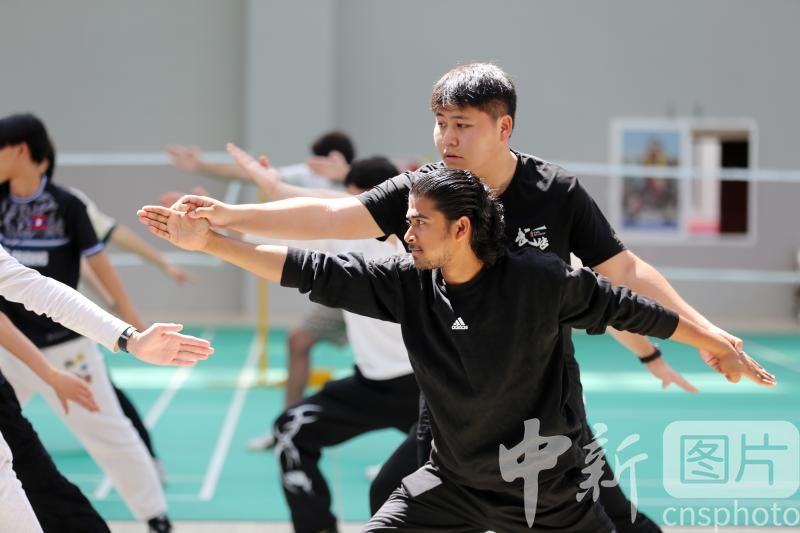
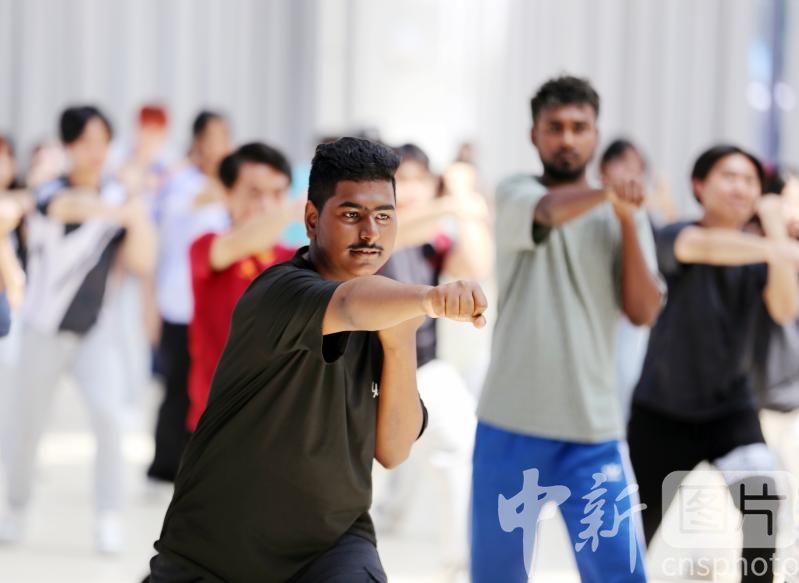
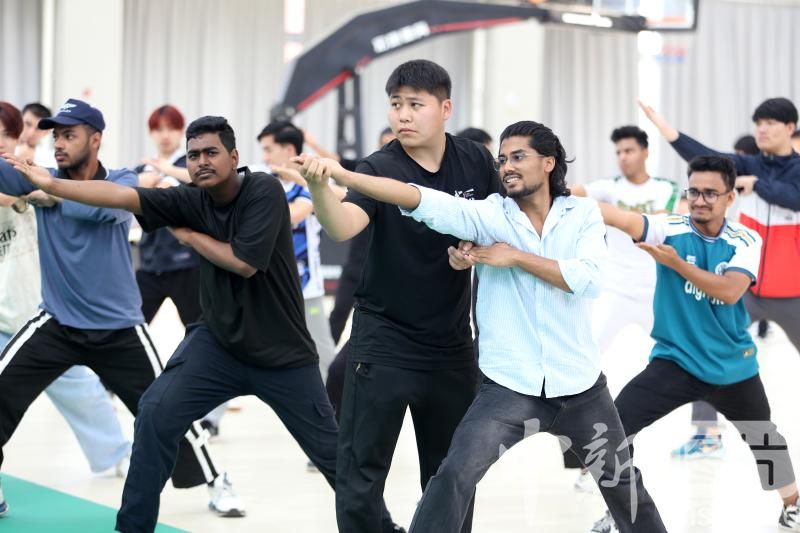
Foreign students explore heritage martial arts in Leshan, SW China
Intangible cultural heritage inheritors visited Leshan Vocational & Technical College in southwest China’s Sichuan Province to guide international students in practising Chinese martial arts and experiencing the appeal of this time-honoured tradition, June 12, 2026. As part of the "Passing on the Torch of ICH on Campus" event co-organised by the Leshan Cultural Centre and the college. (Photo by Li Huashi/CNSPHOTO)
#ImageChina #影像中国

1
7

If someone steals 5 years of your savings I doubt you'd think the same thing. Time is money , and disrespecting someones time is effectively the same regardless of what the tangible or intangible thing is.
1
5

A Chinese student performs traditional Nuo Dance, China’s intangible cultural heritage, at the World Cup! The host was stunned and said: “I think he's got the best dress in the stadium today!”
1
2
184
LuisithuOne ʕ•́ᴥ•̀ʔ retweeted

Warkitten angst momentos
"You're a coward"
"Como piensas tocar algo que es intangible?"
"WHAT DID I DO?!
I'm sorry..."
"You were the person that i liked helping the whole time!"
"I HATE YOU!!
Don't worry, I hate you, and I always hated you..."
Lo siento. No lo supero 😭

9. what was your favourite lore moment from the qsmp? is there maybe a conversation you can't forget?
4
29
342
2,735
37m
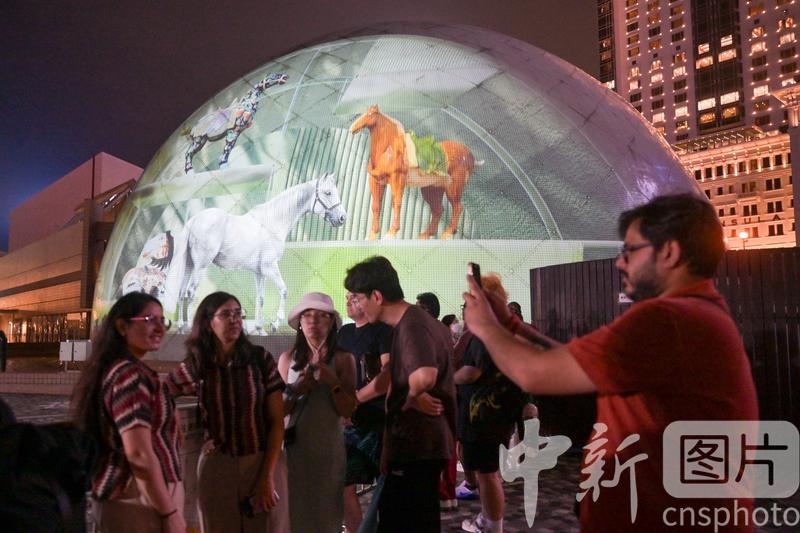
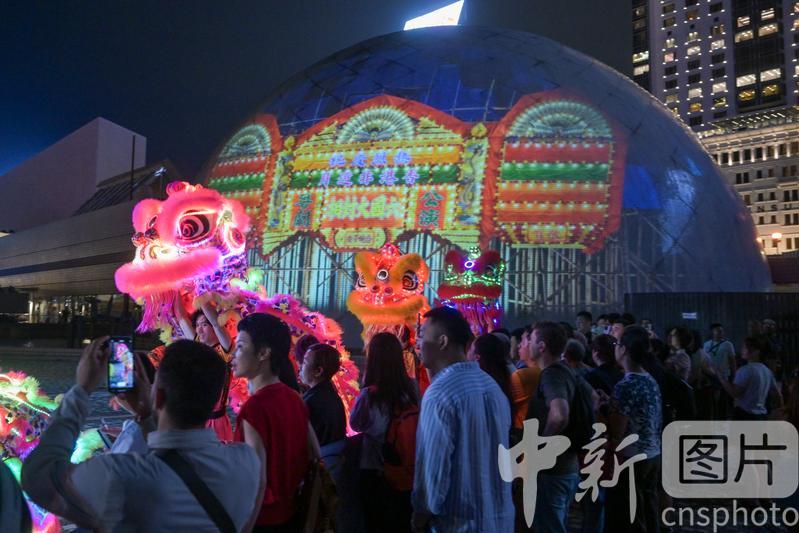
The spectators watching "Journey of the Horse: A Legacy of Arts and Culture", a horse-themed light projection show staged on the iconic curved façade of the Hong Kong Space Museum, June 11, 2026. As it unfolds on being a highlight event of Hong Kong Intangible Cultural Heritage Month 2026 that uses projection technology and multi-angle light strokes to sketch vivid galloping horses, leading the audience through a world where history, art and intangible cultural heritage intertwine. The photo shows visitors watching the light show. (Photo by Chen Yongnuo/CNSPHOTO)
#ImageChina #影像中国
1
13

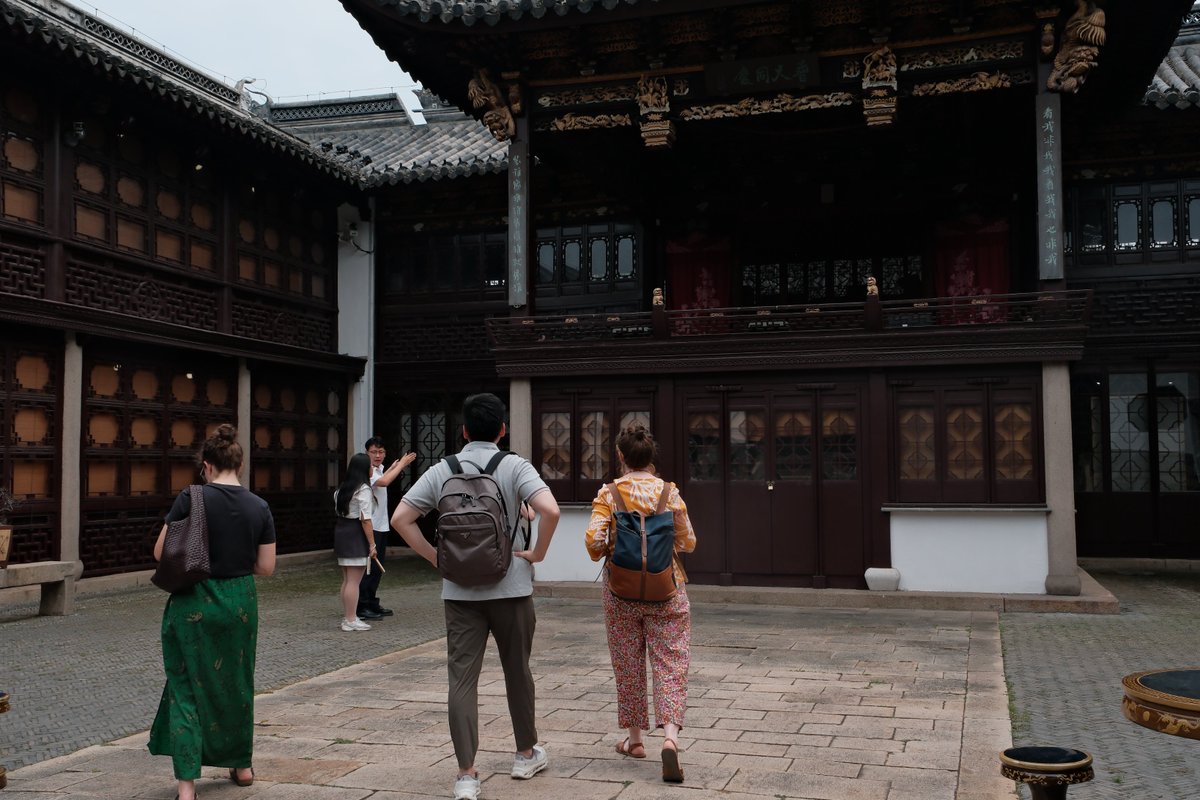
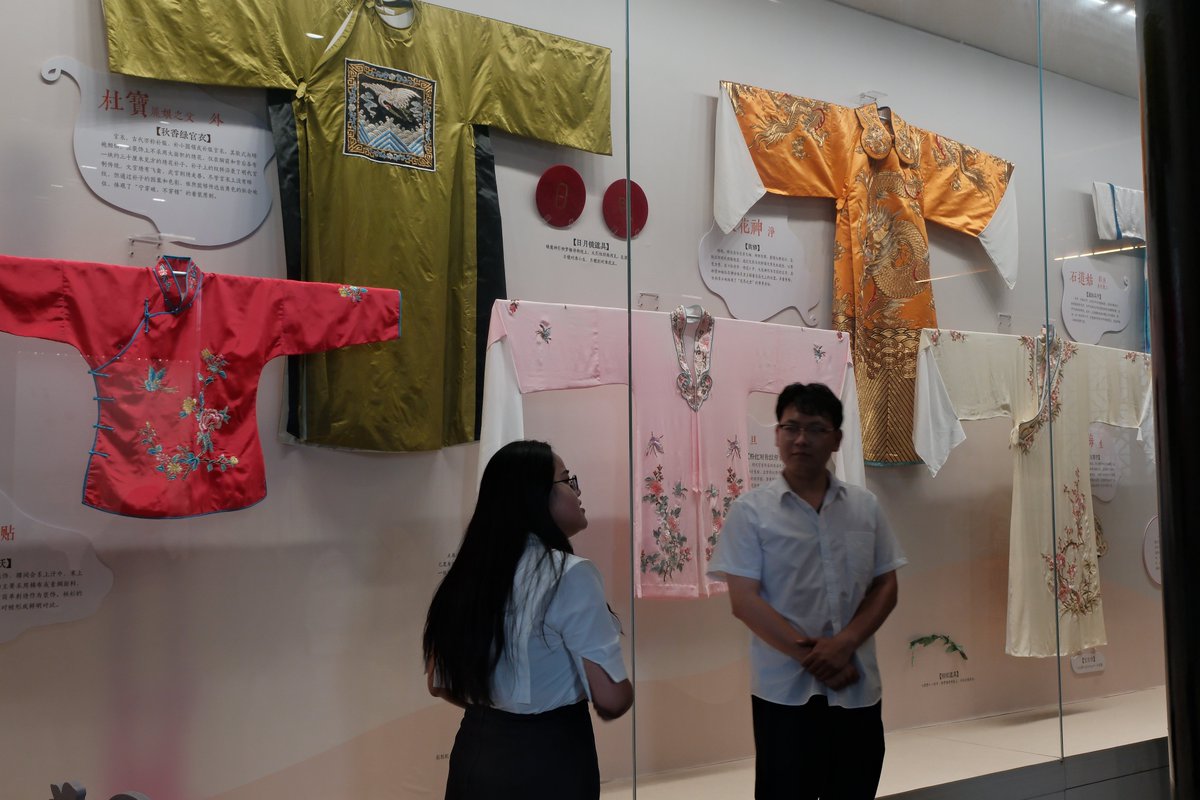
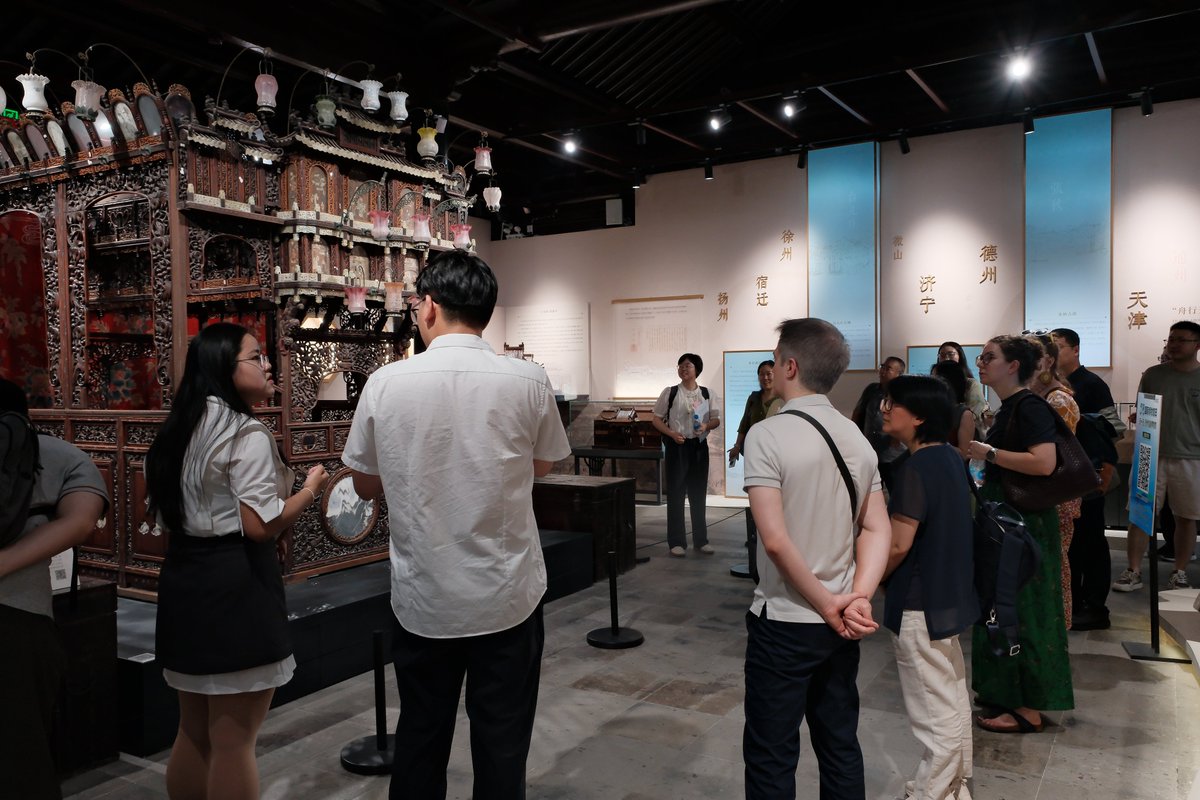
The “A Glimpse of Jiangnan — Foreign Experts Discover Suzhou” event was held in Gusu district on June 12.
During a citywalk through Suzhou’s historic quarter, four foreign experts from @XJTLU explored the city’s unique blend of intangible cultural heritage, cultural tourism, and vibrant consumer scene through an international lens.

21


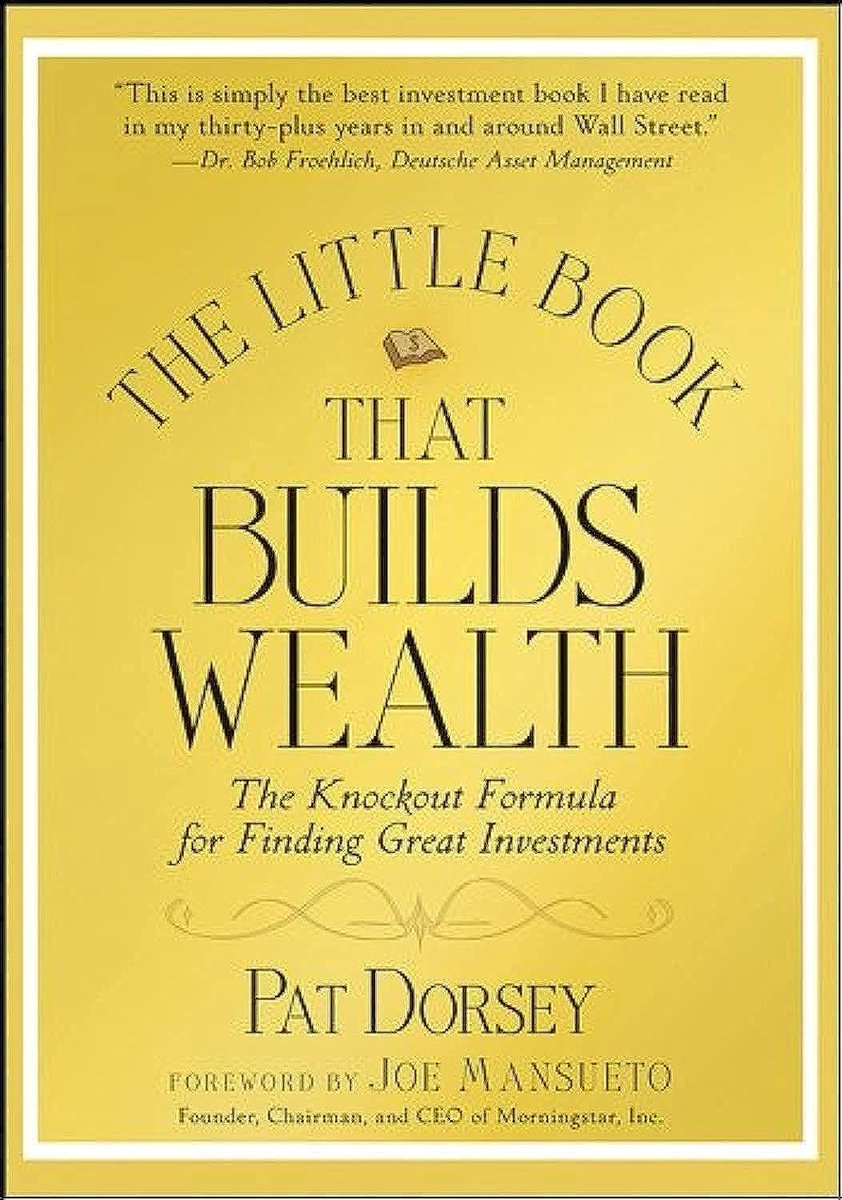
10 Timeless Lessons from The Little Book That Builds Wealth by Pat Dorsey
1. Buy Moats, Not Stories
A business is worth the present value of all the cash it generates over its lifetime. Companies with a durable competitive advantage — an "economic moat" — can defend high returns on capital for decades, while moat-less companies see profits evaporate as competitors rush in.
Takeaway: Before buying any stock, ask: "What stops a smart, well-funded competitor from stealing this company's profits?" If you can't answer, you don't have a moat — you have a hope.
2. Great Products, Big Market Share, and Slick Execution Are NOT Moats
A hit product, dominant market share, or efficient operations can all vanish fast — Kodak, Krispy Kreme, and a dozen other former darlings prove that "great today" rarely means "great for a decade." These traits feel like advantages but are easily copied or eroded.
Takeaway: Don't confuse a hot trend or temporary lead with a structural edge. Ask how a position was won, not just how big it is.
3. Only Four Things Create a Real Moat
After analyzing thousands of companies, Dorsey narrows true competitive advantages to four: intangible assets (brands, patents, licenses), customer switching costs, the network effect, and cost advantages (scale, location, process, unique assets).
Takeaway: Screen every investment idea against this checklist. If none of the four apply, assume the business is exposed to competition.
4. Switching Costs Are an Underrated Profit Engine
When it's expensive, risky, or annoying for a customer to leave (think enterprise software, banks, or anything deeply integrated into daily operations), companies gain serious pricing power — even without flashy products.
Takeaway: Look for "sticky" businesses where customers stay out of inertia or cost, not loyalty — that stickiness shows up as durable margins.
5. The Network Effect Is the Most Powerful Moat — When It Exists
A product or platform that gets more valuable as more people use it (credit cards, exchanges, marketplaces) builds a self-reinforcing lead that's brutally hard to dislodge. It's rare, mostly confined to information- and connection-based businesses, but devastating when present.
Takeaway: When you find genuine network effects, you may be looking at one of the widest, longest-lasting moats available — but don't mistake "lots of users" for a real network effect.
6. Bet on the Horse, Not the Jockey
Management matters far less than people assume. A wide-moat company run by an average CEO will usually outperform a no-moat company run by a star — structural economics overpower managerial talent almost every time, as shown by superstar CEOs who failed at Ford, Gap, and Conseco.
Takeaway: Spend your diligence time on the business's structural position, not the founder's resume or charisma.
7. Industry Structure Decides Your Odds Before You Even Pick a Stock
Moats are far easier to dig in some industries (asset management, branded pharma) than others (airlines, commodity manufacturing). A mediocre company in a great industry can beat the best company in a brutal one.
Takeaway: Evaluate the industry's competitive intensity first — it sets the ceiling on how good any company within it can be.
8. Moats Erode — Watch for Technology Shifts, Customer Consolidation, and "Bad" Growth
Even strong moats can crumble: technological disruption (Kodak, newspapers, landline phone companies), customers consolidating into a few powerful buyers (Walmart vs. suppliers), or management chasing growth outside its moat. The single most common self-inflicted wound is a company expanding into businesses where it has no edge.
Takeaway: Re-underwrite your thesis periodically — a moat isn't a one-time checkbox, it's a trend you have to keep verifying.
9. Price Is What You Pay, Value Is What You Get — Even Wonderful Companies Can Be Bad Investments
A company's value equals the cash it will generate, discounted for risk and timing. The best business in the world destroys returns if you overpay; valuation discipline protects you from market mood swings and ties your results to business fundamentals, not sentiment.
Takeaway: Always estimate intrinsic value and demand a margin of safety — moat quality tells you what to buy, valuation tells you when.
10. Sell for the Right Reasons, Not Emotional Ones
Sell only if: you made an analytical mistake, the business has permanently (not temporarily) deteriorated, you've found a far better opportunity for the capital, or the position has become an outsized chunk of your portfolio. Selling well is as important to returns as buying well — and most investors are far worse at it.
Takeaway: Write your sell triggers down before you buy, so a future stock-price swing doesn't hijack a sound long-term decision.
18
🇨🇳GoldenSandyNaiman@50 retweeted

China's intangible cultural heritage will be included in the official licensed merchandise for the first time in 2026 FIFA World Cup. #FIFAWorldCup
4
7
706

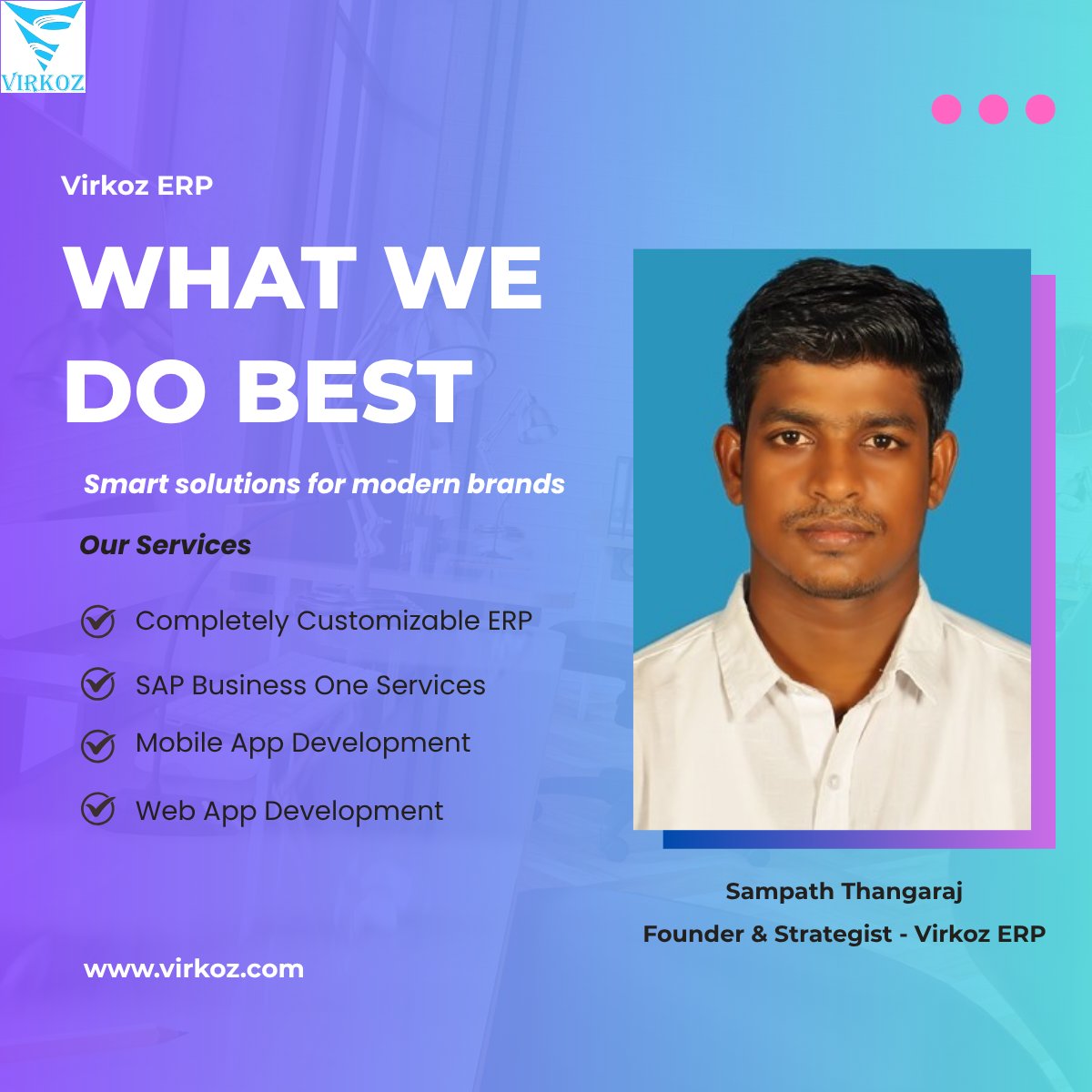
Business service offerings are the specific, intangible solutions and expertise that a company sells to other organizations. Contact the Virkoz Private Limited team to understand your business needs and the solutions to address them. virkoz.com
1