
Every IBC packet is a heartbeat of the Interchain💓
Over the last 180 days, millions of transactions have flowed seamlessly across the Interchain — powering sovereignty through interoperability.
The network keeps expanding. The pulse keeps getting stronger. 🚀📦
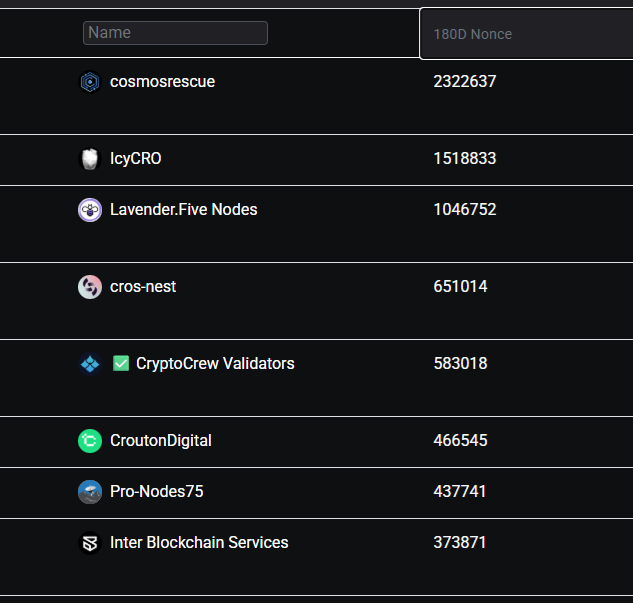
Track the most active relayers on @SmartStake and watch the Interchain in motion.
2.32M @cosmosrescue
1.51M 🧊IcyCRO
1.04M @lavender_five
0.65M @crosnest_com
0.58M @crypto_crew
0.46M @theNode75
0.43M @CroutonDigital
0.37M @IBSvalidator
#Amplify #Cosmos #IBCgang
1
4
16
1,317

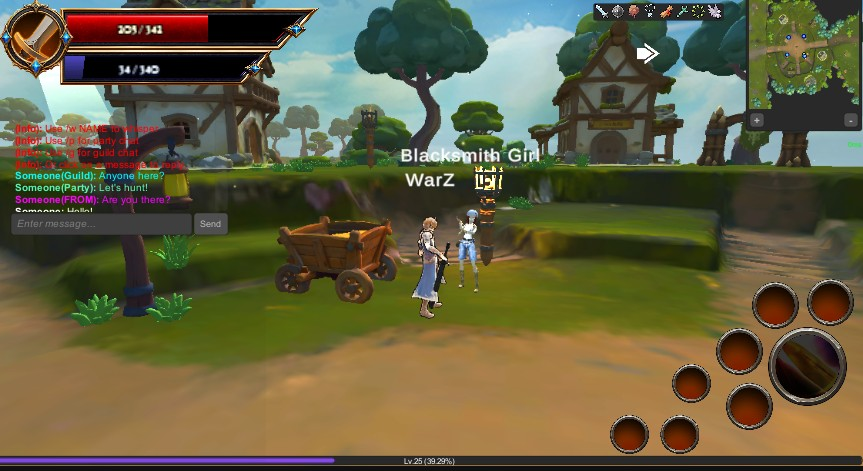
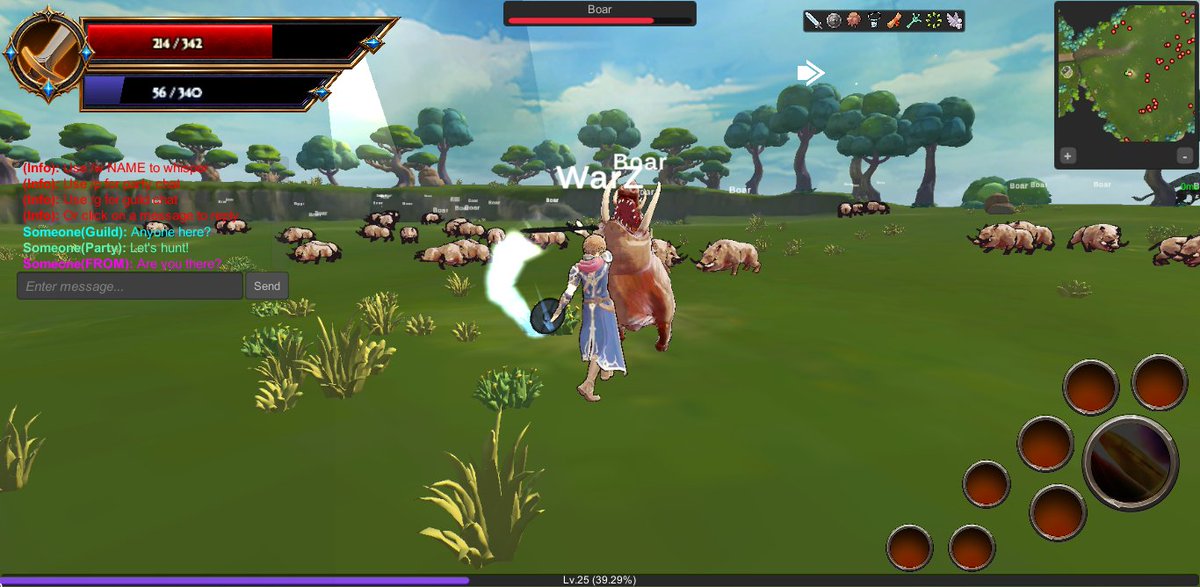
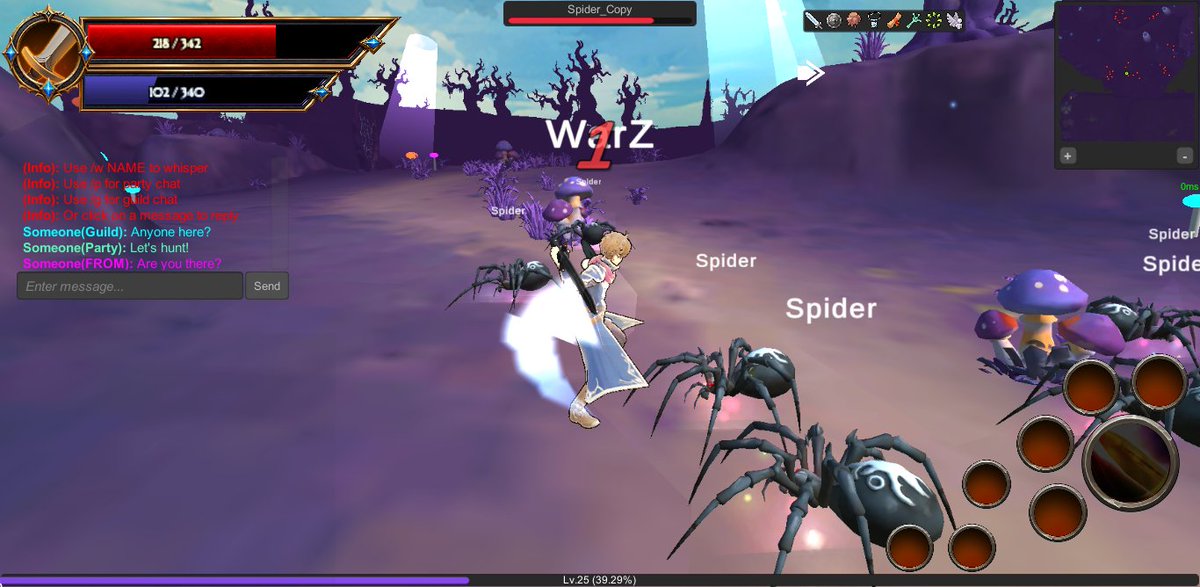
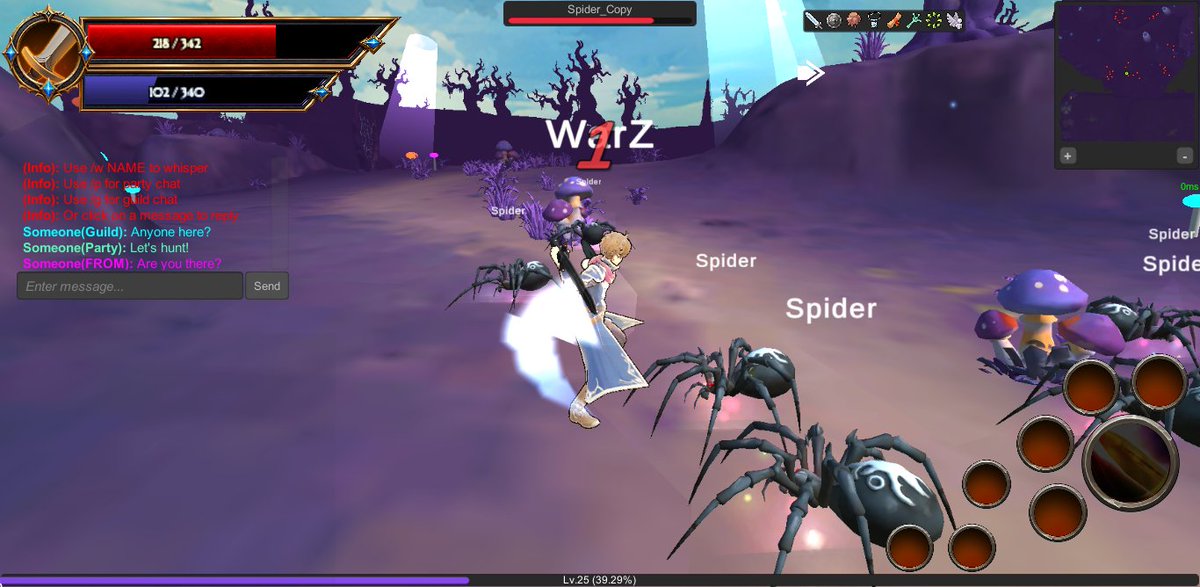
coming up !!
Off line Beta Test
Game RPG and Metaverse (develop for 2026)
Power By Bluewolf Chain
By Interchain Innovation
1
37

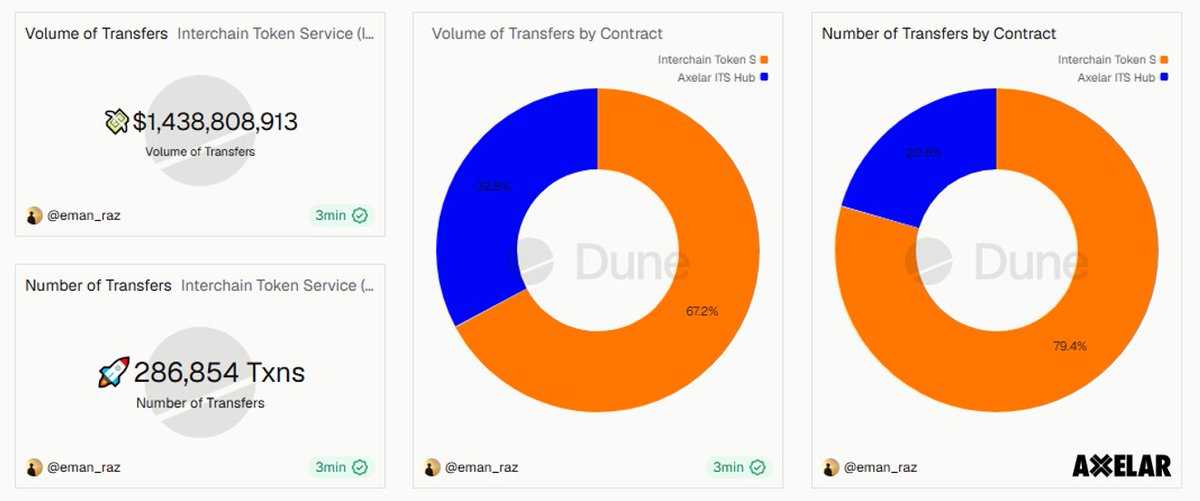
1️⃣ @axelar’s Interchain Token Service (ITS) has now facilitated over $1.4B in token transfers across multiple chains, surpassing 286K transactions in total.🔥
A closer look at activity distribution shows:
🔹 Interchain Token Service Contract: 67.2% of volume | 79.4% of transactions
🔹 Axelar ITS Hub: 32.8% of volume | 20.6% of transactions
1
4
56

ATOM maximalists screaming about value capture while ignoring appchains eating their lunch. Real talk: the IBC liquidity game is shifting. Scenario one: Cosmos Hub pivots hard on interchain security and becomes the backbone, ATOM reclaims narrative.
7

GM Mad Scientists ! ☕️
@madscientists_x #madscientists
cosmos:native 1.94 | $LAB 7.55 — Floor Mad Scientists : 22.70 $ATOM
🎓 Mad University : @cosmos - cosmos - interchain - web3
Retested spread compression with bid stack confirmation by holding size after entry and tracked bids fading from ~95k to ~52k while spread stayed near 1.4% and $LAB pulled back 7.75 to 7.55 despite floor rising 22.19 to 22.70 so I reduced exposure again confirming stacked bids must sustain not just appear with trigger being bid persistence over multiple intervals not initial build.
Everything is an experiment 🧪
3
67

What's making the community even more hyped:
- The burn mechanism continues to run wild over 451 billion LUNC have been burned since the crash, and there are still new DEXs, the IBC revival, and new interchain wallets making the ecosystem even more solid.
#LUNC1DOLLAR #LUNC
1
95

Jun 13
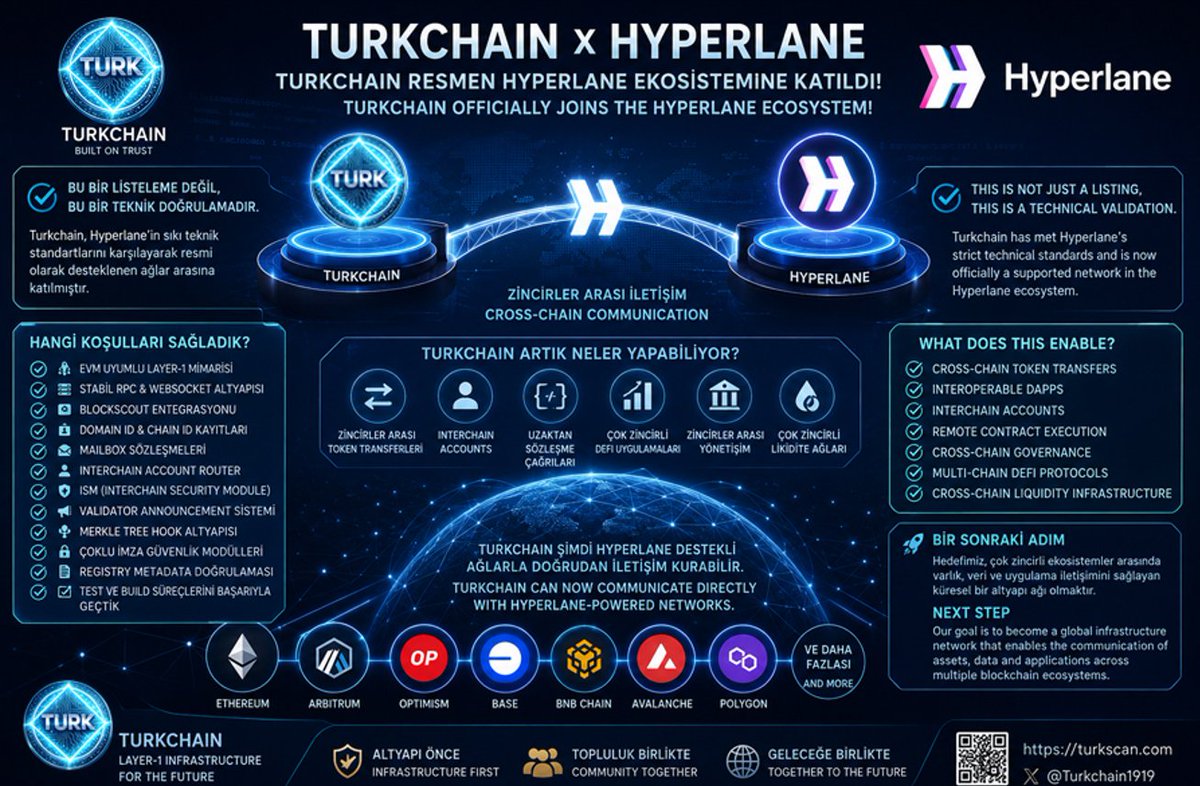
TURKCHAIN x HYPERLANE
Turkchain Officially Joins the @hyperlane Ecosystem
We are proud to announce another major milestone for Turkchain.
Our Hyperlane Registry integration has been successfully completed, and Turkchain is now officially recognized as a supported network within the Hyperlane ecosystem.
This is not simply a listing.
It is a technical validation that Turkchain meets the requirements of a production-ready, interoperable Layer-1 blockchain network.
What Requirements Did Turkchain Meet?
Following technical reviews and validation processes, Turkchain successfully fulfilled:
✅ EVM-compatible Layer-1 architecture
✅ Stable RPC and WebSocket infrastructure
✅ Blockscout explorer integration
✅ Domain ID and Chain ID registration
✅ Mailbox deployment
✅ Interchain Account Router deployment
✅ ISM (Interchain Security Module) configuration
✅ Validator Announcement infrastructure
✅ Merkle Tree Hook deployment
✅ Multisig security modules
✅ Registry metadata validation
✅ Successful build and testing requirements
━━━━━━━━━━━━━━━━━━
What Does This Mean Technically?
Turkchain can now participate in Hyperlane-powered cross-chain communication.
This enables:
• Cross-chain token transfers
• Interoperable decentralized applications
• Interchain Accounts
• Remote contract execution
• Cross-chain governance systems
• Multi-chain DeFi protocols
• Cross-chain liquidity infrastructure
What Can Turkchain Do Now?
Through Hyperlane integration, Turkchain is now technically capable of interoperating with networks such as:
🔹 Ethereum
🔹 Arbitrum
🔹 Optimism
🔹 Base
🔹 BNB Chain
🔹 Avalanche
🔹 Polygon
and other Hyperlane-supported ecosystems.
This integration is not limited to token bridges.
It provides the messaging layer required for building truly interoperable blockchain applications.
The Next Phase
Our goal is not simply to operate a blockchain.
Our goal is to become infrastructure that enables communication, assets, and applications to move seamlessly across multiple blockchain ecosystems.
Turkchain continues to grow.
Turkchain
Layer-1 Infrastructure for the Future
github.com/hyperlane-xyz/hyp…
1
4
9
267
GM Mad Scientists ! ☕️
@madscientists_x #madscientists
cosmos:native 1.98 | $LAB 7.75 — Floor Mad Scientists : 22.19 cosmos:native
🎓 Mad University : @cosmos - cosmos - interchain - web3
Scaled previous spread compression test by tracking bid stack size alongside spread at 1.3% and observed $LAB move 7.05 to 7.75 with bids increasing from ~40k to ~95k while floor expanded 19.97 to 22.19 so I increased position after prior size reduction confirming liquidity return strengthened as stacked bids held through uptick with trigger being sustained bid layering not just compression.
Everything is an experiment 🧪
3
59

Jun 13
Venom Discord joined! Mesh Network’s embedded interchain protocol dynamic sharding = seamless global payments powerhouse.
Wallet: 0:21c130b859298e24da2d8af23e7a303a70c2878c05fc9528fed5f81cc0039f3f
Scaling the future! @Venom_network_

8

Jun 13
> The $ATOM token powers it all:
> ✅ Staking & security
> ✅ Governance (you vote on upgrades)
> ✅ **Interchain Security** — new chains can "rent" validator security from Cosmos Hub
> It's the glue of the whole ecosystem.
1
1
47

Jun 13
Venom Discord joined! Mesh tech’s interchain magic dynamic sharding = real global finance revolution.
Wallet: 0:4dc96b1ff92b5fe163f197ef46d79397729814948cbc70da974cb78bf66c1a92
Let’s scale! 🚀 @Venom_network_
27


Jun 12
Hello
@MadScientists_X. I'd like to share my experience interacting with @cosmos. Over the past four weeks, I've staked the bulk of my ATOM on Cosmos Hub made several IBC swaps and light trades within the ecosystem – a net 15.4% to my position (staking rewards trading gains). What's really working now:
👉 Staking ATOM on Cosmos Hub – 13.9–18% APY (depending on the validator and the current bonded ratio of ~63%)
👉 Liquid staking (stATOM) LP on Osmosis – an additional 6–12% on top of staking
👉 Active trading via IBC – instant cross-chain swaps with minimal fees and slippage
👉 Governance - participation in voting occasional bonuses from proposals. Cosmos Hub isn't just "another network," but the central trading platform for the entire interchain. ATOM provides network security, real income, and convenient access to all connected chains without a bunch of bridges. I think with the development of Partial Set Security and new consumer chains, $ATOM will only become more important as a base asset for trading and staking. The $ATOM token is currently trading at 1.95 USDT.
The topic of the day at the university is: @cosmos, cosmos, atom, $ATOM
6
85

Jun 12
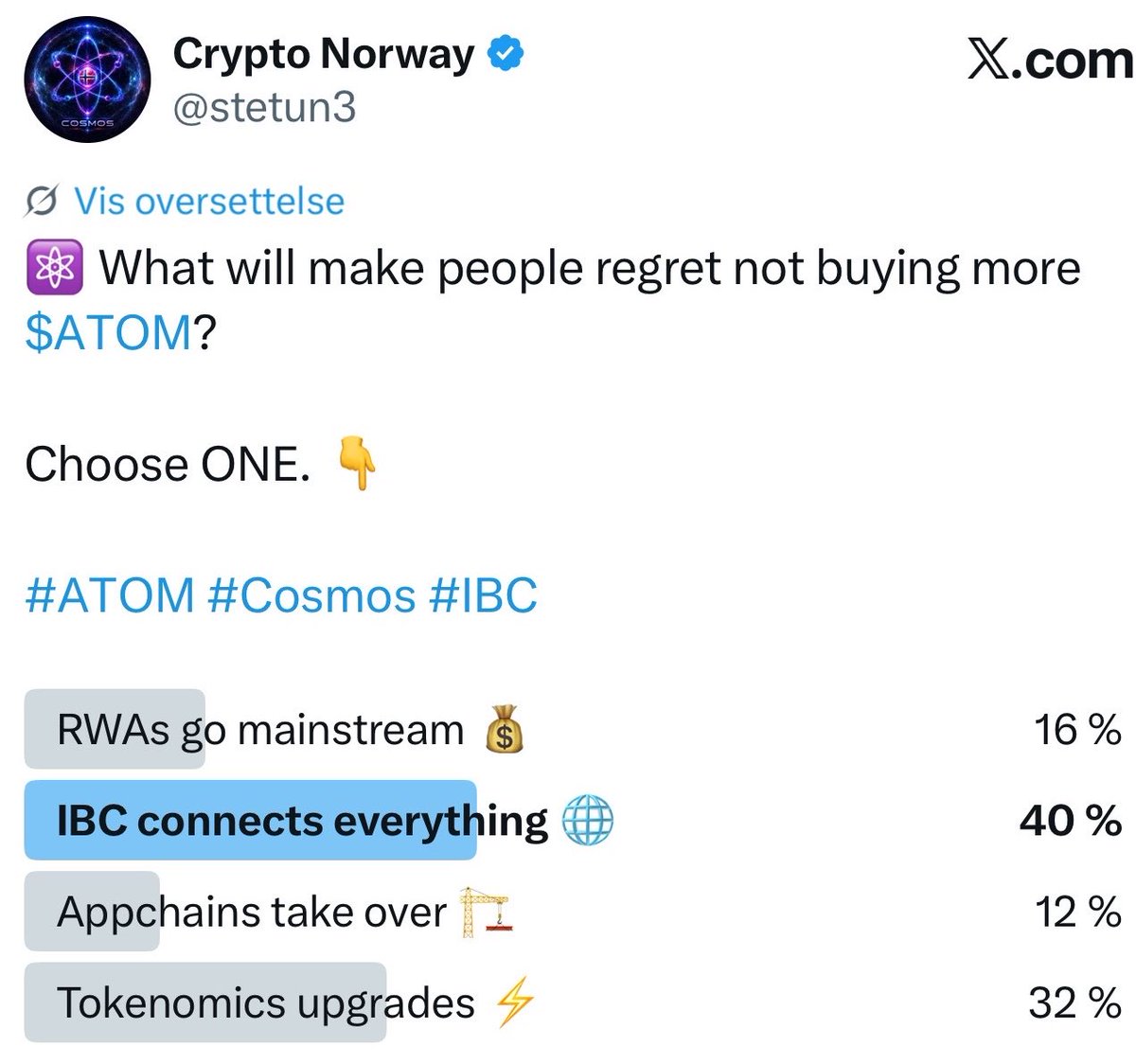
⚛️ $ATOM Poll Results Are In
🌐 IBC connects everything — 40%
⚡ Tokenomics upgrades — 32%
💰 RWAs — 16%
🏗️ Appchains — 12%
The community is clearly betting on infrastructure.
So here's the real question:
If $ATOM is still this undervalued, what is the market missing? 👇
#ATOM #CosmosHub #IBC #Interchain
5
46
1,113
Jun 12
Geliyoruz @axelar :))
TurkChain ekibi olarak Axelar ekosistemine entegrasyon sürecinde önemli bir aşamayı daha tamamladığımızı topluluğumuzla paylaşmaktan mutluluk duyuyoruz.
Axelar'ın resmi yapılandırma deposu olan axelar-configs içerisinde TurkChain için açtığımız kayıt ve entegrasyon talepleri inceleme süreci tamamlanmış ve kayıt birleştirme işlemi başarı ile tamamlanmıştır.
Bu çalışma yalnızca bir zincir kaydı eklemekten ibaret değildir.
Bu adım, TurkChain'in gelecekte Axelar destekli zincirler arasında tanınabilmesi ve Axelar ekosistemindeki uygulamalar tarafından keşfedilebilir hale gelmesi açısından kritik öneme sahiptir.
Teknik Olarak Ne Yapıyoruz?
Axelar Configs deposu;
EVM ağ yapılandırmalarını,
Cosmos ağ yapılandırmalarını,
Interchain token kayıtlarını,
Squid Router entegrasyonlarını,
Zincirler arası varlık yönlendirme bilgilerini
barındıran resmi registry görevi görmektedir.
TurkChain'in bu registry içerisinde yer alması;
Zincirin standartlaştırılmış metadata ile tanımlanmasını,
Axelar servisleri tarafından keşfedilebilmesini,
Gelecekte Squid ve Amplifier ekosistemleri ile entegrasyonun kolaylaşmasını,
Çok zincirli uygulamalar tarafından desteklenebilmesini
sağlayacaktır.
Solana Köprüsü Açısından Neden Önemli?
TurkChain'in hedeflerinden biri Solana ekosistemi ile güvenli ve merkeziyetsiz bir bağlantı kurmaktır.
Bu noktada Axelar Amplifier mimarisi sektörün en güçlü çözümlerinden biridir.
Axelar entegrasyonu sayesinde gelecekte;
Solana ↔ TurkChain
Ethereum ↔ TurkChain
Cosmos ↔ TurkChain
EVM ↔ EVM
arasında standartlaştırılmış mesajlaşma ve varlık transfer altyapısı oluşturulabilecektir.
Bu yalnızca token transferi anlamına gelmez.
Aynı zamanda:
Cross-chain smart contract execution,
Interchain messaging,
Cross-chain liquidity routing,
Interchain token standards,
Multi-chain application deployment
gibi ileri seviye kullanım senaryolarının da önünü açmaktadır.
TurkChain İçin Stratejik Kazanımlar
Bu entegrasyon çalışması;
✔ Zincir görünürlüğünü artırır
✔ Geliştirici ekosistemini genişletir
✔ Çok zincirli uygulamaların TurkChain'i desteklemesini kolaylaştırır
✔ Solana entegrasyonu için teknik zemini güçlendirir
✔ Gelecekte Squid Router ve Amplifier tabanlı köprü çözümlerine hazırlık sağlar
✔ TurkChain'i küresel cross-chain altyapısının bir parçası haline getirir
Bu nedenle Axelar tarafında başlatılan süreç, yalnızca bir GitHub kaydı değil, TurkChain'in çok zincirli geleceğine atılmış önemli bir adımdır.
TURKCHAIN
github.com/axelarnetwork/axe…
github.com/axelarnetwork/axe…

1
1
8
447
Jun 12
We're coming, @axelar .... :))
We are pleased to announce another important milestone in TurkChain's cross-chain expansion roadmap.
The review process for TurkChain's submissions to the official Axelar Configs repository has been successfully completed, and the pull requests have been merged into the official registry.
With these merges, TurkChain has been officially onboarded into the Axelar configuration ecosystem, enabling standardized chain metadata, ecosystem discoverability, and future integration pathways for Axelar-powered interoperability solutions, including Amplifier, Squid, and cross-chain messaging infrastructure.
This is far more than simply adding a chain entry to a public registry.
It represents a foundational step toward making TurkChain discoverable and interoperable within the broader Axelar ecosystem.
What Does This Mean Technically?
The Axelar Configs repository serves as the official registry for:
EVM chain configurations
Cosmos chain configurations
Interchain Token registrations
Squid Router integrations
Cross-chain asset routing metadata
Being included in this registry enables TurkChain to become:
Discoverable by Axelar infrastructure
Standardized through official chain metadata
Easier to integrate with Squid and Amplifier services
Accessible to multi-chain applications and developers
Why Is This Important For The Solana Bridge?
One of TurkChain's long-term goals is establishing a secure and decentralized connection with the Solana ecosystem.
Axelar Amplifier provides one of the most advanced interoperability frameworks currently available for this purpose.
Successful integration creates the foundation for future:
Solana ↔ TurkChain connectivity
Ethereum ↔ TurkChain connectivity
Cosmos ↔ TurkChain connectivity
General EVM ↔ EVM interoperability
through standardized cross-chain messaging and asset transfer mechanisms.
This extends beyond simple token bridging.
It opens the door to:
Cross-chain smart contract execution
General message passing (GMP)
Interchain token standards
Cross-chain liquidity routing
Multi-chain decentralized applications
Strategic Impact For TurkChain
This initiative strengthens:
✔ Ecosystem discoverability
✔ Developer adoption potential
✔ Future Solana interoperability efforts
✔ Multi-chain infrastructure readiness
✔ Integration opportunities with Squid Router
✔ Compatibility with Axelar Amplifier architecture
✔ Positioning TurkChain within the broader cross-chain ecosystem
For TurkChain, this is not merely a GitHub pull request.
It is an important infrastructure milestone that moves the network closer to becoming a fully interoperable blockchain within the global multi-chain economy.
TURKCHAIN
github.com/axelarnetwork/axe…
github.com/axelarnetwork/axe…
2
2
13
546

Jun 12
2/2 How is DOGE-COIN from Musk doing BTW?
For those interested in the Marketing pseud-tech blurb of yet another instrument of default on incapacity to produce.
I would not spend much time "understanding" a crypot. I's all the same: try to pay your imports with some worthless shit.
Cosmos (ATOM) is the native utility, staking, and governance token powering the Cosmos Hub, which serves as the central economic and routing anchor for an expansive network of independent, interconnected blockchains known as the "Interchain".
To truly understand ATOM, it helps to separate the project into three distinct layers: the core technology stack, the economic hub, and the token itself.
1. The Core Infrastructure (The Technical Trilogy)Unlike single, monolithic blockchains like Bitcoin or Ethereum, Cosmos was engineered to prevent blockchain isolation. It provides developers with an open-source framework to spin up custom blockchains in days rather than months.
This framework relies on three core technologies:CometBFT (Consensus Engine): Formerly known as Tendermint Core, this engine handles the networking and consensus layers.
It ensures that any machine running it can securely and consistently replicate a blockchain's state, preventing developers from having to build cryptography and peer-to-peer protocols from scratch.Cosmos SDK (The Builder's Toolkit): A highly modular framework that allows developers to plug-and-play pre-built modules (like staking, governance, or token transfers) to build an App-Chain (an independent blockchain dedicated entirely to running a single application, like dYdX or Injective).Inter-Blockchain Communication (IBC): The crown jewel of Cosmos. IBC is an end-to-end, trust-minimized transport protocol that lets totally sovereign blockchains transfer tokens and arbitrary data to one another seamlessly.
2. The Role of the Cosmos HubThe Cosmos Hub was the very first blockchain built on this infrastructure, and it is where ATOM lives. While hundreds of independent chains exist in the Cosmos ecosystem, the Hub serves as the central traffic controller, router, and economic guarantor. Through modern protocol upgrades like IBC Eureka, the Hub connects Cosmos-native apps directly to major external liquidity pools like Ethereum and Solana.
3. Core Utility and Tokenomics of ATOMATOM derives its intrinsic value directly from its necessity within the Cosmos Hub. It functions across four main vectors:Network Security & Delegated Proof-of-Stake (DPoS)The Cosmos Hub is secured by a dynamic set of professional validators. Token holders delegate their ATOM to these validators to secure the network.Staking Period: When staking ATOM, the tokens are locked. Unstaking requires a strict 21-day cooling-off/unbonding period, during which the tokens earn no interest and cannot be traded.
Dynamic Inflation Model: ATOM does not have a fixed maximum supply. Instead, it uses a dynamic annual inflation rate (fluctuating between roughly 7% and 20%) designed to incentivize a target staking rate of 67% of all tokens. If fewer people stake, inflation rises to encourage locking up tokens.Interchain Security (ICS) / Shared SecurityHistorically, a major criticism of ATOM was that someone could build a highly successful chain using Cosmos technology without ever needing to buy or use the ATOM token. To solve this, the ecosystem introduced Interchain Security (often called Replicated Security).
New or smaller projects ("Consumer Chains") can choose to launch without building their own expensive validator sets. Instead, they "rent" security directly from the multi-billion-dollar Cosmos Hub.In exchange, the Consumer Chains pay the Cosmos Hub in their native tokens or stablecoins, which are funneled directly back to ATOM stakers as additional, non-inflationary yield.GovernanceATOM acts as a direct voting ticket.
The Cosmos community is notoriously active in on-chain governance, using ATOM to vote on crucial tokenomic changes (such as historical votes to hard-cap inflation yields), software upgrades, and the allocation of the massive Cosmos Community Treasury.Transaction (Gas) FeesAny interaction on the Cosmos Hub—whether it is executing a native smart contract, deploying code, or routing a cross-chain asset via IBC—requires gas fees paid entirely in ATOM.
678

Jun 12
@madscientists_x
Last 8 days, reminded me why I still pay attention to Cosmos.
• 115 chains connected through IBC
• ~35M cross-chain transactions per year
• ~2M monthly active users across the interchain
• Up to ~$3B moved monthly through IBC routes
The most interesting part isn't a single chain anymore.
It's that value keeps moving between ecosystems while users barely think about the underlying infrastructure.
If IBC Eureka keeps expanding beyond Cosmos-native chains, 2026 could be remembered as the year interoperability became a product, not just a narrative.
@cosmos $ATOM
1
20
